A stable, clean power supply and stronger investment are essential to advancing AI and semiconductor development in Viet Nam.
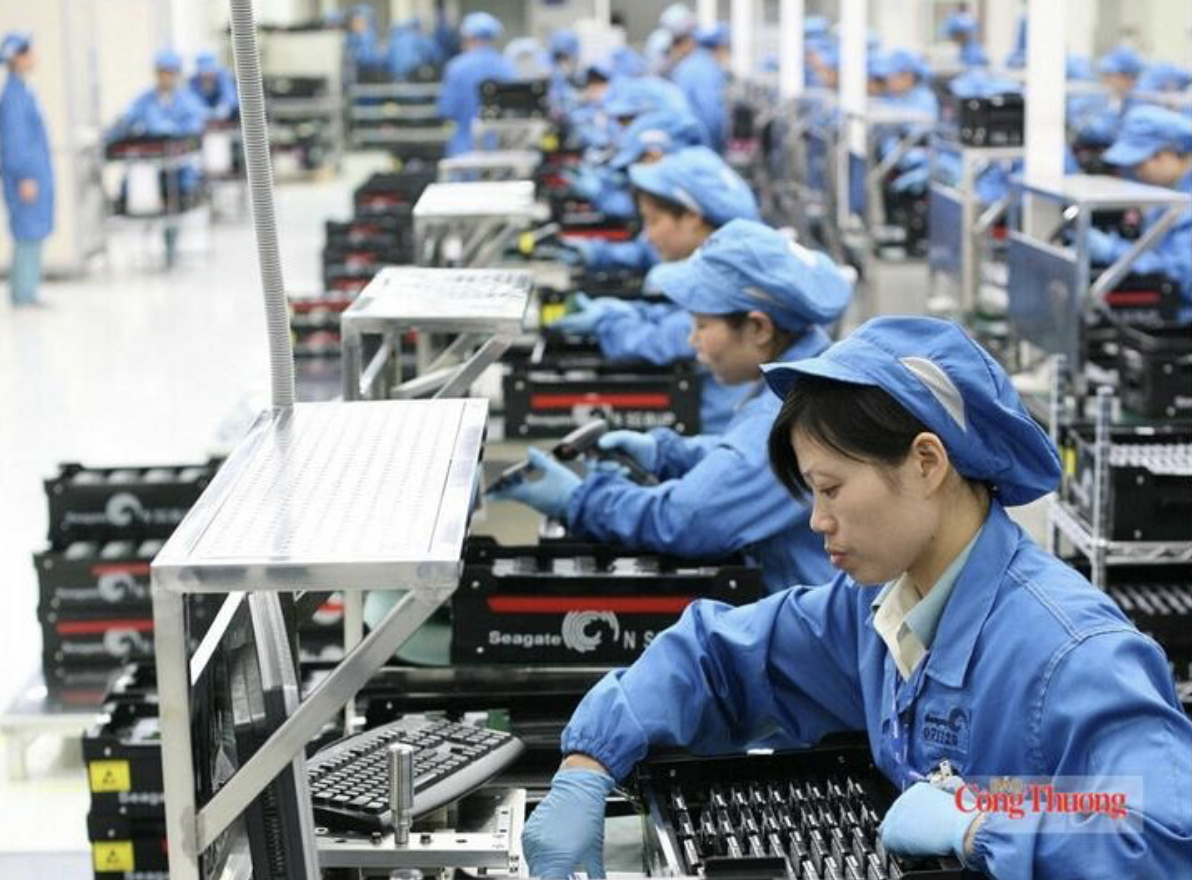
The development of artificial intelligence (AI), data centers, and the semiconductor industry is placing increasingly high demands on energy systems, including adequate electricity supply, power quality and reliability, as well as the need to use clean energy and reduce emissions. Against this backdrop, Politburo Resolution No. 57-NQ/TW, dated December 22, 2024, identifies the development of science and technology, innovation, and national digital transformation as a top strategic breakthrough and a key driver of rapid development of modern productive forces, improvements in production relations, innovation in national governance, and socioeconomic development.
It also aims to prevent the risk of falling behind and enable the country to achieve rapid and robust development in the new era. Preparing integrated and synchronized energy infrastructure is therefore essential to developing strategic technology industries.
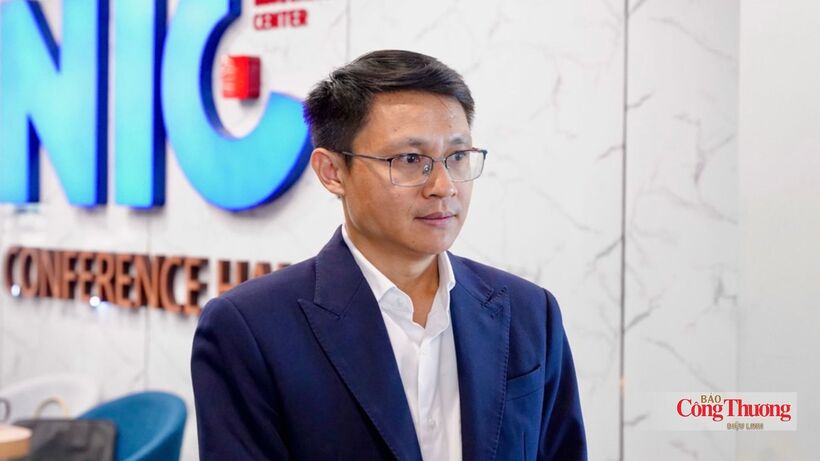
In an interview with Newspaper of Industry and Trade, Phan Xuan Hoai, Deputy Director of the National Innovation Center (NIC) under the Ministry of Finance, shared his views on ensuring energy security, attracting investment, and promoting international cooperation to meet the growing energy demands of AI and semiconductor development in Viet Nam.
Ensuring a stable power supply for the semiconductor industry
- Data centers and semiconductor manufacturing facilities share several characteristics: high electricity consumption, continuous operations, and stringent power quality requirements. In your view, how do their electricity needs differ from those of conventional users? How should Viet Nam prepare its energy system to meet the requirements of the semiconductor industry?
Phan Xuan Hoai: In my view, the first priority is to ensure an adequate electricity supply for data centers, research facilities, and semiconductor manufacturing plants. In addition, the power supply must be clean and, above all, stable. Even a power outage lasting just a few seconds can pose significant risks to systems and manufacturing operations in these sectors.
Therefore, we need to develop electricity supply plans with strong backup capacity to ensure continuity and reliability. However, given Viet Nam's current energy mix, the country still faces challenges in fully meeting these increasingly demanding requirements.
In recent years, Viet Nam has introduced a number of policies and strategic directions to develop stable power sources capable of meeting emerging demand, including nuclear energy and new energy sources such as hydrogen. These developments signal that the energy system is facing new requirements and that comprehensive preparations are needed to support the growth of high-tech industries.
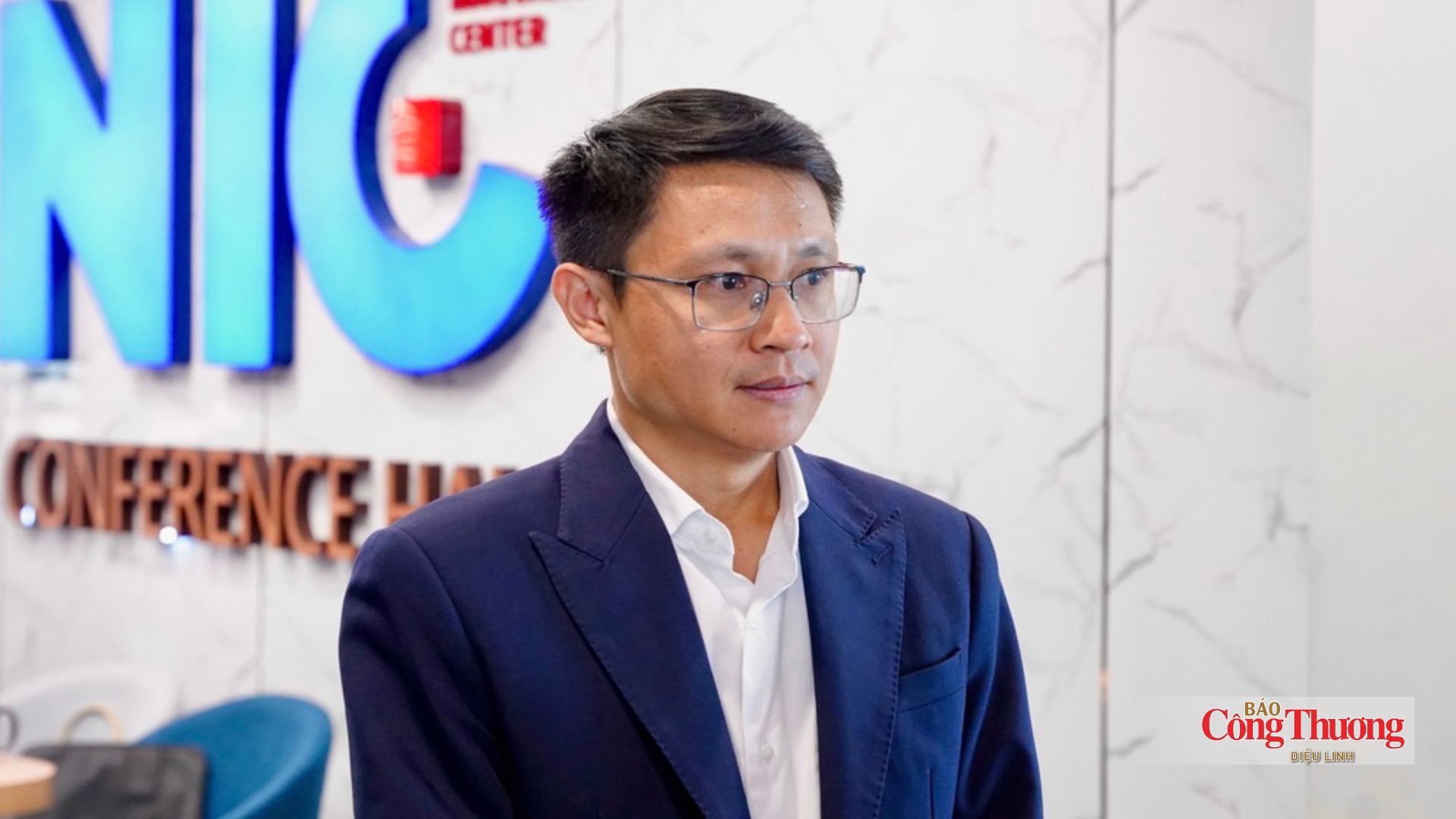
Phan Xuan Hoai, Deputy Director of the National Innovation Center (NIC) under the Ministry of Finance.
Attracting investment and mobilizing resources for energy development
- The semiconductor industry places stringent demands on power quality while also requiring greener operations and lower emissions. In your opinion, how should Viet Nam address this challenge to help data centers and semiconductor manufacturing facilities improve energy efficiency while meeting emissions reduction requirements?
Phan Xuan Hoai: Viet Nam first needs clear policies and strategic directions to encourage participation by the private sector and both domestic and foreign investors in the energy sector.
Currently, investor participation in this field remains relatively limited. To attract investment, we need to establish stable, appropriate, and sufficiently attractive mechanisms and policies. In particular, new energy sectors serving the development of AI and the semiconductor industry require substantial capital investment. Without sufficiently strong and competitive policy incentives, attracting investors will be difficult.
In fact, many investors from the United States, the Republic of Korea, and Japan have expressed interest in this sector. In addition to liquefied natural gas (LNG), they are also interested in investing in hydrogen, nuclear energy, and other new energy sources. These could help meet the increasingly demanding energy requirements of AI and the semiconductor industry.
To turn these opportunities into reality, Viet Nam needs to work closely with investors and support them from the earliest stages, including policy and institutional development, administrative procedures, and the establishment of mechanisms for electricity procurement and distribution. Once these mechanisms are clearly defined and ensure stability and transparency, investors will have greater confidence and be more willing to invest and cooperate with Viet Nam.
- Resolution No. 57-NQ/TW identifies the development of science and technology, innovation, and national digital transformation as a top strategic breakthrough. In your view, what preparations does Viet Nam need to make in terms of power generation, electricity grids, and coordination mechanisms to ensure that energy does not become a bottleneck in achieving the resolution's objectives?
Phan Xuan Hoai: Resolution No. 57-NQ/TW clearly sets out the goal of promoting innovation and developing strategic technology industries, including semiconductors and AI. To achieve these objectives, energy is one of the essential infrastructure requirements and, indeed, a factor of paramount importance.
To address the energy challenge, Viet Nam cannot rely solely on domestic resources; it needs to strengthen international cooperation. We can work with neighboring countries to share and supplement electricity supplies when necessary. However, the most important priority remains self-reliance and ensuring the security of our own energy supply.
In my view, international cooperation in the energy sector should focus on two key areas. First, strengthening cooperation to share and supplement Viet Nam's electricity supply. Second, gaining access to and deploying advanced energy technologies from around the world to develop new energy sources in Viet Nam.
To achieve these goals, we need to establish policies that align with development needs and reflect a long-term vision. Viet Nam should recognize that the energy requirements of AI, the semiconductor industry, and other strategic technology sectors represent a major challenge. On that basis, the country should proactively invite domestic and international investors and experts to work together to address it.
Thank you for your insights!
Phan Xuan Hoai, Deputy Director of the National Innovation Center (NIC) under the Ministry of Finance: Energy is now closely linked to green growth, the energy transition, and global commitments to emissions reduction. This also provides a basis for Viet Nam to step up international cooperation, mobilize resources, and work with partners to address energy challenges in support of the development of strategic technology industries.
On the occasion of Viet Nam Law Day, November 9, 2026, Minister of Industry and Trade Le Manh Hung has sent a congratulatory message to all officials and civil servants working in institutional and legal development across the industry and trade sector.
The visit is expected to turn agreements and commitments reached by high-ranking leaders into practical cooperation schemes and projects across various fields, and make positive contributions to each country’s development goals as well as global and regional peace, cooperation and development.
Industry and Trade Newspaper is pleased to present a podcast series on the implementation of Politburo Resolution No. 57 in the Ministry of Industry and Trade.
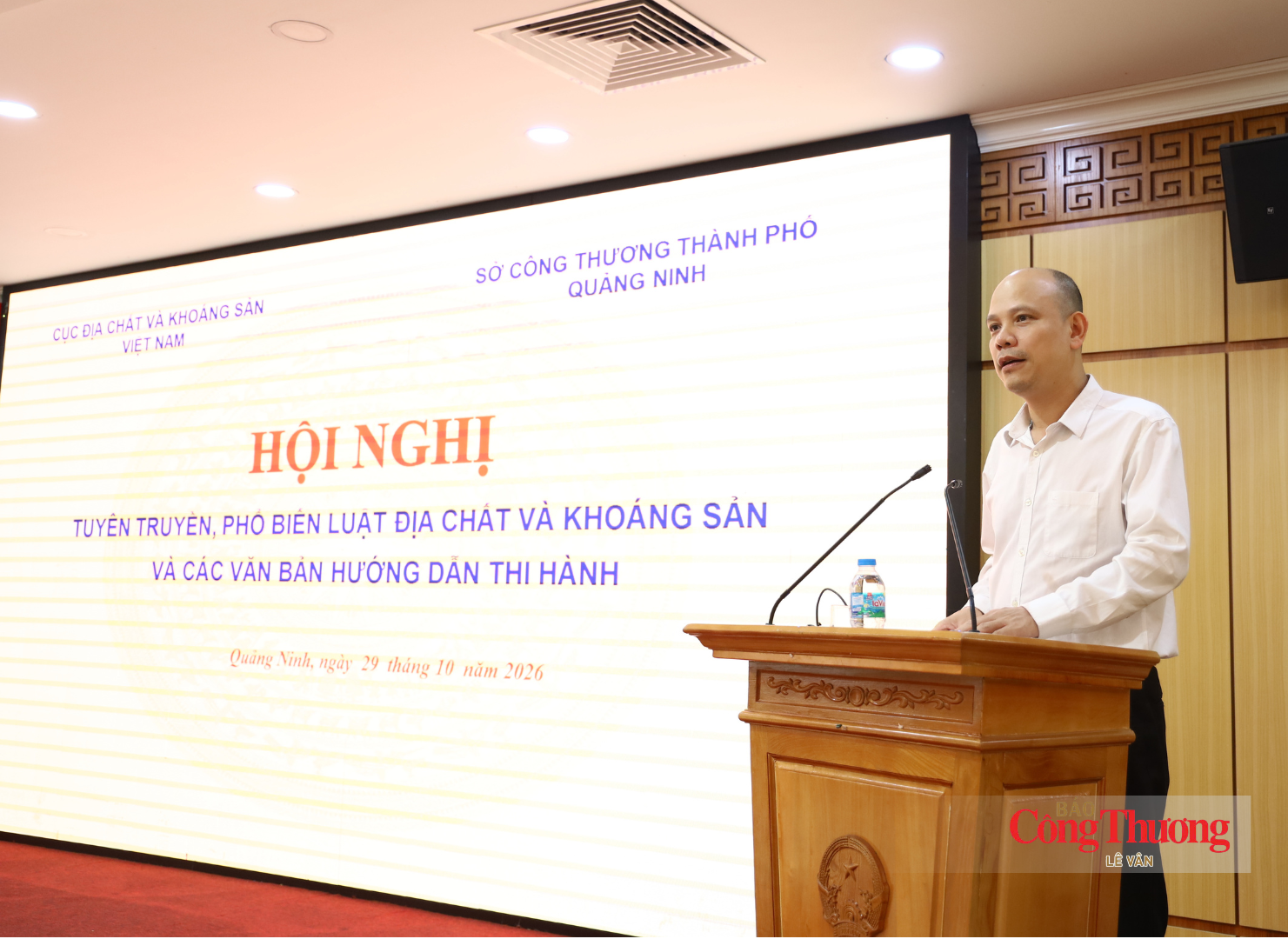
A conference on disseminating and raising awareness of geological and mineral laws and their implementing documents was held in Quang Ninh on the afternoon of October 29.
Amid changes to the organisational structure and growing demands for rural industrial development, local authorities in northern Viet Nam have called for improvements to institutional and policy frameworks to enhance the effectiveness of industrial promotion activities.
A conference to disseminate legislation on geology and minerals and its implementing regulations was held in Lao Cai province on the morning of October 23.