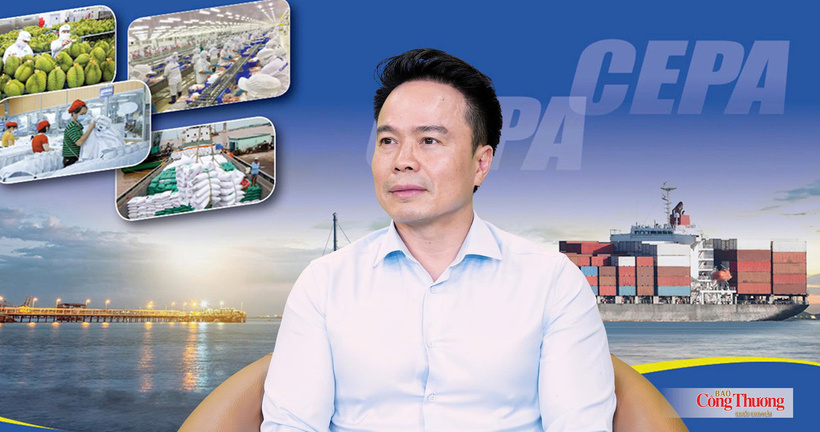
CEPA offers Vietnamese businesses tariff benefits and a stable trade framework to expand market share in the UAE and access the wider Middle East.
Tariff preferences are among the benefits that businesses look forward to when free trade agreements (FTAs) enter into force. However, in a market with relatively low import tariffs such as the United Arab Emirates (UAE), the competitiveness of goods depends not only on tariff reductions but also on businesses' ability to leverage trade commitments, meet rules of origin requirements and develop effective market entry strategies.
The Viet Nam - UAE Comprehensive Economic Partnership Agreement (CEPA), which entered into force on February 3, 2026, is expected to provide fresh impetus for Viet Nam's exports. However, turning the agreement's commitments into actual orders and market share requires businesses to take a more proactive approach to understanding regulations, assessing competitive advantages and organizing their business operations.
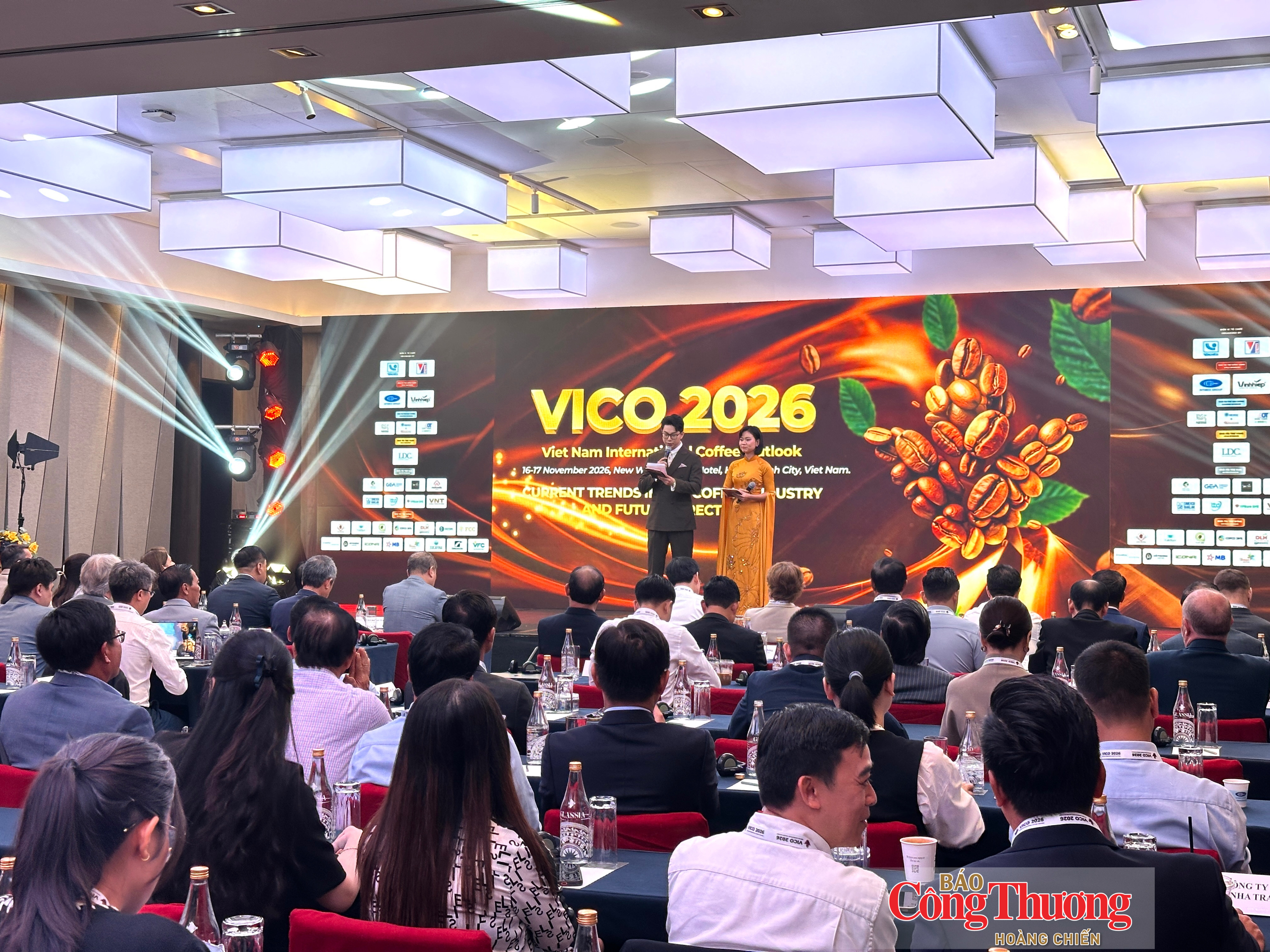
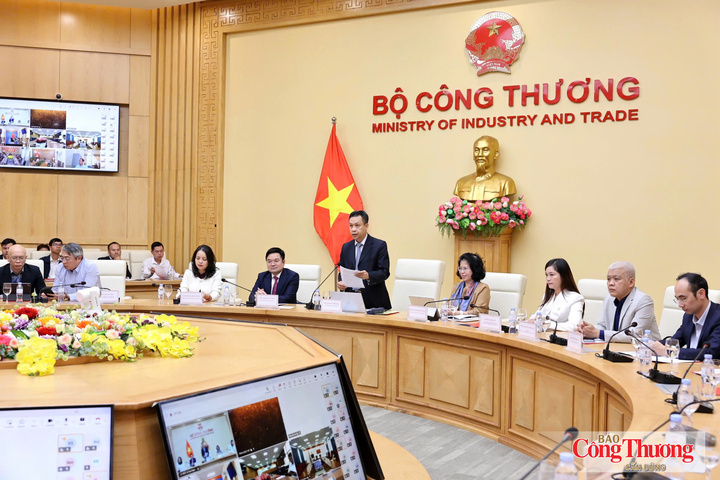
The seminar “CEPA: Expanding Vietnamese Goods' Market Share in the UAE,” organized by the Newspaper of Industry and Trade on November 16, 2026.
CEPA creates advantages through a stable trade environment
At the seminar “CEPA: Expanding Vietnamese Goods' Market Share in the UAE,” organized by the Newspaper of Industry and Trade on November 16, 2026, Ngo Chung Khanh, Deputy Director-General of the Department of Foreign Market Development and Multilateral Trade under the Ministry of Industry and Trade, said the benefits of CEPA extended beyond tariff preferences to include the establishment of a stable trade environment, stronger connectivity and expanded business cooperation opportunities.
However, the extent to which businesses benefit from tariff preferences needs to be assessed on a product-by-product basis, as the UAE's standard import tariffs on many product groups are already relatively low, generally at 5% or below.
According to Ngo Chung Khanh, for high-value products, tariff differences may not create a significant competitive advantage. Conversely, for lower-value products or those facing intense price competition, even a tariff reduction of just a few percentage points could become a decisive factor in competitiveness.
Notably, the value of CEPA lies not only in tariff preferences but also in establishing a stable, transparent and predictable trade environment. This is an important advantage as international trade policies continue to fluctuate, prompting businesses and investors to place increasing importance on stability in their operations.
Through tariff commitments under CEPA, Viet Nam and the UAE are establishing a more favorable legal framework for bilateral trade, helping strengthen confidence and support businesses in developing long-term business plans. Even when tariff differences are relatively small, the stability of these commitments can enhance the appeal of Vietnamese goods to UAE importers.
In addition, commitments on customs procedures, trade facilitation and transparency help simplify import and export processes, reduce compliance costs and improve trade efficiency between the two countries. This provides businesses with a stronger basis for proactively organizing production, developing supply chains and expanding exports.
The advantages offered by CEPA are particularly significant given the UAE's role as one of the Middle East's major trade and goods transshipment hubs. In addition to serving domestic consumer demand, the market serves as a gateway connecting goods with numerous countries through its logistics, distribution and re-export networks. Therefore, strengthening their presence in the UAE also creates opportunities for Vietnamese businesses to gain deeper access to regional trade networks.
At the same time, CEPA's implementation provides additional momentum for trade promotion, business networking and partner identification between the two countries. Business forums, importer-exporter matchmaking programs and other networking activities serve as important channels for companies to explore cooperation opportunities and gradually expand their market share.
Thus, CEPA's strategic benefits cannot be measured solely by tariff reductions. They are also reflected in its ability to strengthen market confidence, enhance trade connectivity and provide a foundation for Vietnamese goods to expand their presence in the UAE and gain deeper access to the wider Middle East.
Ngo Chung Khanh, Deputy Director-General of the Department of Foreign Market Development and Multilateral Trade under the Ministry of Industry and Trade.
Proactively understanding commitments and turning CEPA preferences into competitive advantages
CEPA has opened up new opportunities, but the agreement's entry into force does not mean that all Vietnamese goods exported to the UAE automatically qualify for tariff preferences. To make effective use of its commitments, businesses need to proactively study the regulations, meet rules of origin requirements and develop appropriate market entry strategies.
According to Ngo Chung Khanh, the first requirement is for businesses to thoroughly understand the commitments directly relevant to their export products. In particular, accurately identifying Harmonized System (HS) codes, checking preferential tariff schedules and reviewing CEPA's rules of origin are essential steps.
Rules of origin play a particularly decisive role in determining whether goods qualify for tariff preferences. Businesses need to review their sources of raw materials, production processes and processing stages to ensure that their products meet the agreement's requirements. Failure to satisfy origin criteria will make it difficult to realize the benefits of tariff reduction commitments.
However, tariff preferences are only one part of the market entry equation. For product groups such as fruits and vegetables, pepper, coffee and processed foods, businesses must also meet requirements on quality standards, food safety and relevant certifications, including Halal certification for products subject to such requirements.
This requires businesses to study both CEPA commitments and the UAE's import regulations to avoid situations in which goods meet the conditions for tariff preferences but still encounter obstacles when entering the market.
Alongside compliance requirements, business efficiency must remain a top priority. Tariff advantages only deliver real value when they help businesses improve competitiveness and profitability. Therefore, businesses must calculate their overall production, transportation, compliance and distribution costs before making export decisions. Against this backdrop, three groups of solutions have been identified to help businesses turn CEPA opportunities into concrete commercial results.
First, businesses need to proactively study the agreement's commitments and market access conditions, clearly identifying preferential tariff rates, rules of origin and technical standards applicable to each product. This provides a basis for assessing competitive advantages while minimizing risks arising during the export process.
Second, businesses should develop long-term market development strategies rather than focusing solely on securing immediate orders. Given its position as a major trade and goods transshipment hub, the UAE can serve as a gateway for Vietnamese businesses seeking deeper access to the Middle East. However, this objective needs to be translated into concrete business plans, customer segment selection and implementation roadmaps aligned with each company's capabilities.
The third solution is to strengthen partner connections and expand distribution networks. Through specialized trade fairs, business forums and trade promotion programs, companies can directly approach importers, gain insights into consumer demand and establish partnerships with retail networks in the UAE.
In this regard, Ngo Chung Khanh highlighted the role of major distribution chains such as LuLu in creating opportunities for Vietnamese businesses to showcase their products, connect with buyers and gradually expand their market share. In addition, proactively working with industry associations, government agencies and Viet Nam's overseas Trade Offices will help businesses obtain market information, identify partners and resolve difficulties in trade activities.
Clearly, CEPA is providing a more favorable foundation for exports to the UAE, but the extent to which the agreement can be leveraged depends on businesses' adaptability and proactive engagement. By combining tariff preferences with compliance with rules of origin, adherence to market standards and the development of distribution networks, Vietnamese goods will be better positioned to enhance their competitiveness, expand market share in the UAE and gradually gain deeper access to the wider Middle East.
According to Ngo Chung Khanh, Deputy Director-General of the Department of Foreign Market Development and Multilateral Trade under the Ministry of Industry and Trade, businesses should prioritize three tasks: thoroughly studying tariff commitments, rules of origin and import standards; developing long-term strategies for entering the UAE market, linked to the goal of expanding into the Middle East; and proactively participating in trade promotion activities, connecting with importers and developing distribution networks. In particular, business performance must be assessed based on total costs and actual profitability.
General Secretary and President To Lam expressed his confidence that the upgrade of bilateral relations will provide fresh momentum and an important framework for both countries to better tap their respective potential and strengths, bringing the partnership to a new level of greater depth, substance and effectiveness.
On the afternoon of November 16 in Manila, the Philippines, as part of the 49th ASEAN Summit and related summits, Prime Minister Le Minh Hung, together with ASEAN leaders and Australian Prime Minister Anthony Albanese, attended the 6th ASEAN - Australia Summit.
At the Viet Nam - Chile Business Forum, Minister of Industry and Trade Le Manh Hung called on the two sides to focus on three areas of cooperation to turn their potential into tangible results.
The E.U.'s new packaging rules require Vietnamese food exporters to review materials, strengthen compliance documentation, and redesign packaging for recyclability.
Viet Nam’s wood exports exceeded USD 15 billion in the 10 months of 2026, highlighting the need for transparent sourcing and stronger capacity to prove origin and secure FTA preferences.