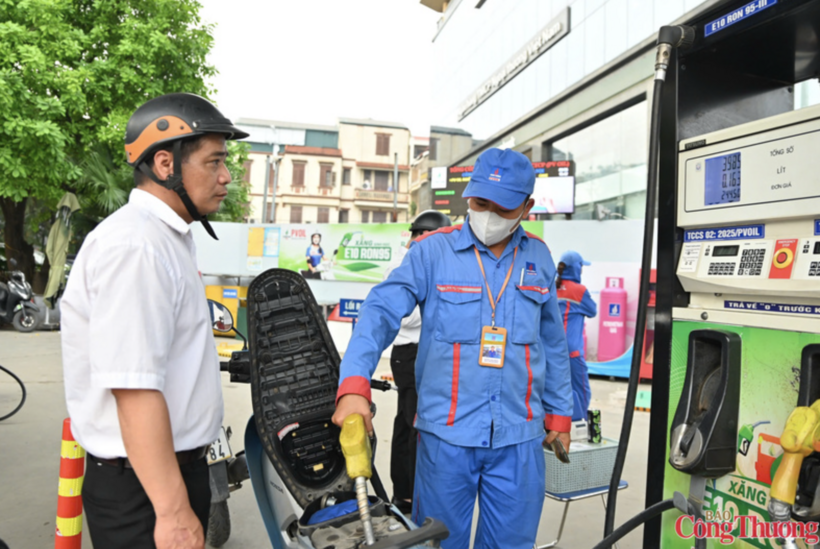
Beginning June 1, 2026, E10 biofuel gasoline is being distributed nationwide in Vietnam as part of the government's efforts to promote cleaner fuels and enhance environmental protection.
Diversifying energy supply sources
Biofuel blends such as E10, E15, E20 and higher have been widely used for many years in countries including the United States, Brazil, members of the European Union, China, Thailand and the Philippines. Their adoption reflects a broader global trend toward energy transition and emissions reduction.
On November 7, 2025, the Ministry of Industry and Trade (MoIT) issued Circular No. 50/2025/TT-BCT, establishing a roadmap for blending biofuels with conventional fuels in Vietnam. Under the circular, effective June 1, 2026, all unleaded gasoline meeting current national technical standards must be blended to produce E10 gasoline for use in gasoline-powered vehicles nationwide.
10 gasoline is officially available to consumers nationwide from June 1, 2026
Following the issuance of Circular 50, MoIT coordinated with ministries, local authorities, businesses and industry associations to prepare for implementation. Key measures included securing supplies of mineral gasoline and E100 ethanol, upgrading storage and blending infrastructure, and enhancing distribution networks to ensure E10 reaches consumers across the country.
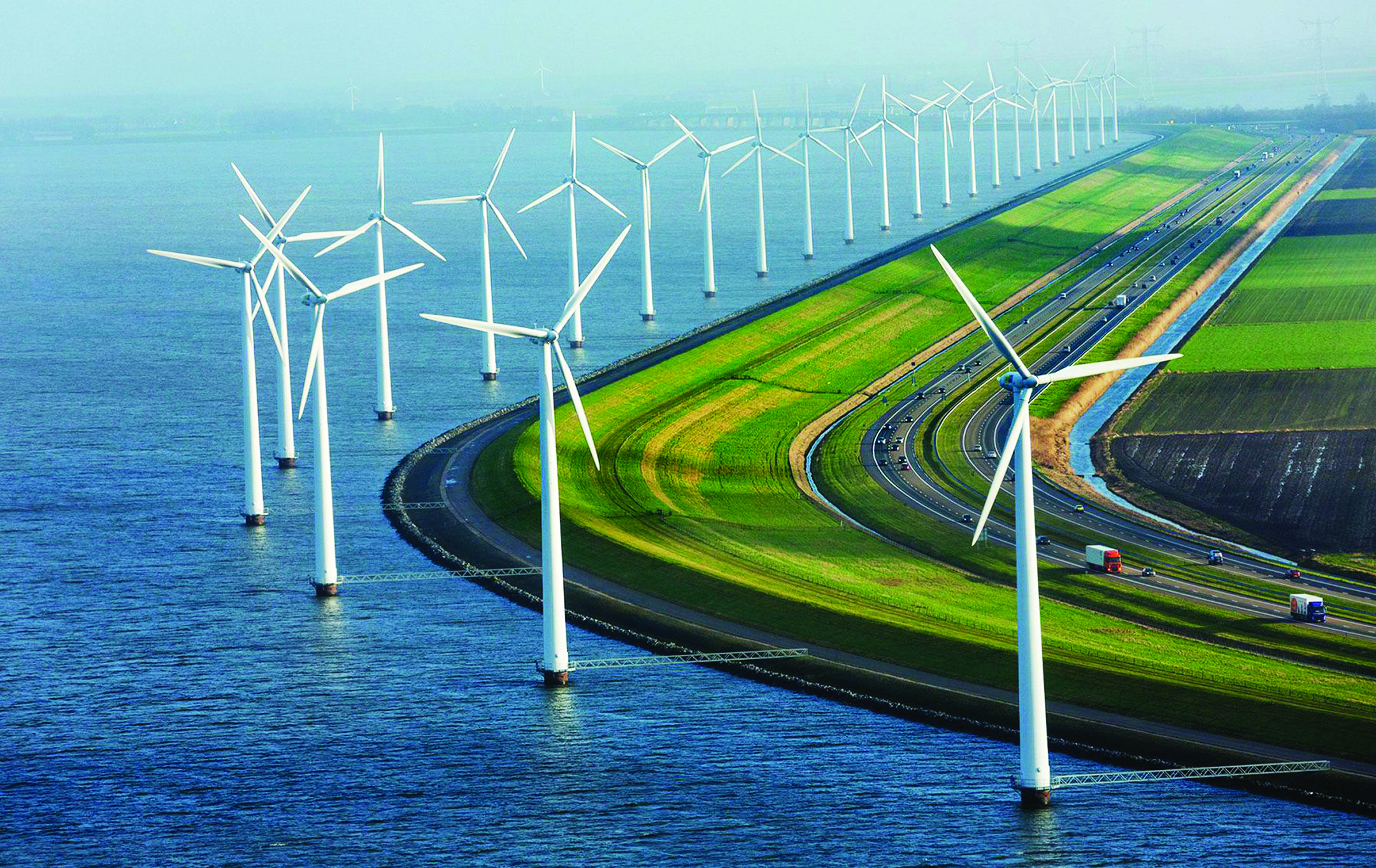
Biofuel gasoline contains ethanol produced from renewable biological feedstocks. The fuel helps reduce emissions of carbon dioxide (CO2), carbon monoxide (CO) and other pollutants during combustion, contributing to Vietnam’s commitment to achieving net-zero emissions by 2050. Expanding biofuel use is also expected to reduce reliance on imported fossil fuels, diversify energy sources and strengthen national energy self-sufficiency.
In an interview with Newspaper of Industry and Trade, Dr. Dao Duy Anh, Deputy Director General of the Department of Innovation, Green Transition and Industrial Promotion, highlighted the multiple benefits of promoting biofuel gasoline, particularly its role in environmental protection and reducing greenhouse-gas emissions.
"According to scientific calculations, burning one liter of conventional gasoline releases approximately 2.3-2.5 kilograms of CO₂ into the atmosphere. Replacing 5-10% of conventional gasoline with bioethanol through E5 and E10 fuels could reduce annual CO₂ emissions by roughly 2.5 million tonnes, based on Vietnam’s average gasoline consumption of 12 million cubic meters per year," he said.
In addition to environmental benefits, wider biofuel adoption is expected to support the development of Vietnam’s domestic biofuel industry. This includes expanding feedstock cultivation areas for crops such as cassava, corn and sugarcane, creating jobs and generating income in rural and mountainous regions. It could also help revive ethanol production plants that have remained idle due to a lack of market demand, thereby improving the utilization of previously invested resources.
The expansion of domestically produced renewable fuels is also expected to reduce dependence on increasingly scarce fossil fuels and mitigate risks associated with supply disruptions. This is particularly important as Vietnam currently imports around 70% of its petroleum demand when both crude oil for refining and finished petroleum products are taken into account.
Sufficient capacity to supply biofuel gasoline
E10 gasoline has undergone extensive research, testing and evaluation and has been found suitable for the majority of vehicles currently in operation. The transition roadmap has also been designed as a phased process with careful assessment of potential impacts.
The move represents more than a simple change in fuel composition. It marks an important step in Vietnam’s green energy transition toward a low-carbon economy and sustainable development.
Trinh Quang Khanh, Vice Chairman of the Vietnam Petroleum Association, said blending biofuels with conventional fuels would help reduce the country’s dependence on fossil energy sources.
Amid ongoing tensions in the Middle East and the resulting risks to global energy supply chains, he noted that accelerating the adoption of biofuels is an appropriate solution to enhance energy security and improve supply resilience.
According to Khanh, petroleum trading is a conditional business sector, and fuel distributors are required to comply with all regulatory requirements, including the implementation of the national biofuel roadmap.
"When global fuel supplies become increasingly volatile due to geopolitical tensions, accelerating the commercialization of biofuel gasoline can help ease pressure on conventional gasoline supply and contribute to greater stability in the domestic market," he said.
Vietnam consumes approximately 12 million cubic meters of gasoline annually. If around 1.2 million cubic meters of ethanol are blended into fuel production, demand for conventional gasoline would decline significantly, helping reduce pressure on fuel supply and distribution systems.
"With nearly a decade of experience in blending and marketing E5 RON 92 gasoline, major petroleum wholesalers in Vietnam have sufficient capability to blend and supply both E5 and E10 gasoline," Khanh said.
Under Circular No. 19, which amends QCVN 01:2022/BKHCN, the National Technical Regulation on Gasoline, Diesel Fuel and Biofuels, E10 gasoline is defined as a blend of unleaded gasoline and fuel ethanol containing between 8% and 10% ethanol by volume.
The Vietnam Institute of Strategy and Policy for Industry and Trade and Lao counterpart review the implementation of a bilateral cooperation agreement.
The Vietnam Institute of Strategy and Policy for Industry and Trade and Lao counterpart review the implementation of a bilateral cooperation agreement.
A seminar in Tokyo connected Vietnamese and Japanese businesses, providing market insights and promoting trade, investment and supply chain cooperation.
Prime Minister Le Minh Hung chairs thematic meeting on Resolution 57, urging breakthrough mechanisms, decentralisation and innovation-led growth reforms in Vietnam.
Amid rising electricity demand and increasingly complex weather conditions, Vietnam is stepping up efforts to ensure a stable power supply for economic growth.
Vietnam has promulgated two new ordinances to improve judicial procedures, accelerate digital transformation and enhance the consistency and accessibility of laws.