Amid demand for high-quality workers and the FDI wave training on demand is emerging as an effective pathway to bridge vocational education and enterprise needs now.
With close linkages between schools and enterprises, training on demand is regarded as the “key” to improving workforce quality and narrowing the gap between lecture halls and factory floors.
Meritorious Teacher, PhD Pham Xuan Khanh, President of Hanoi College of High Technology, made remarks to the Newspaper of Industry and Trade on this issue.
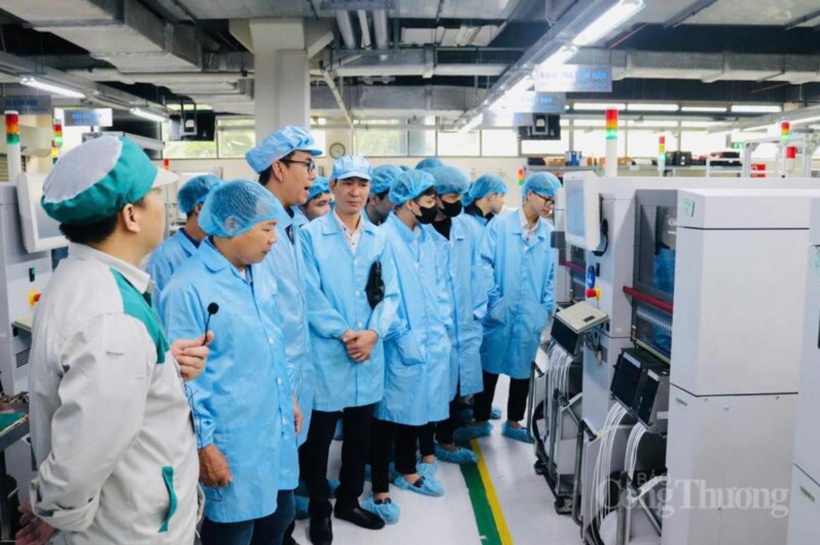
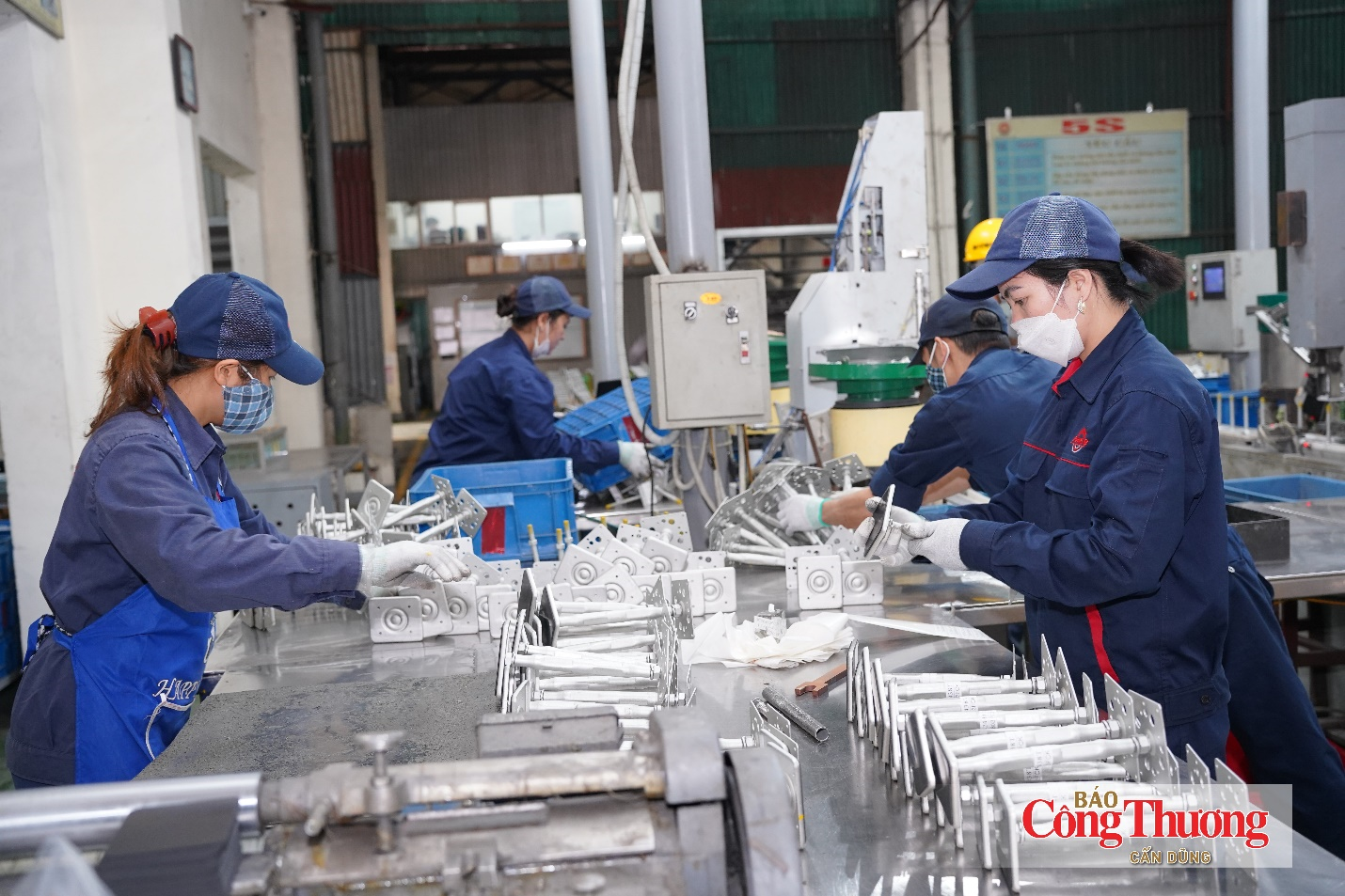
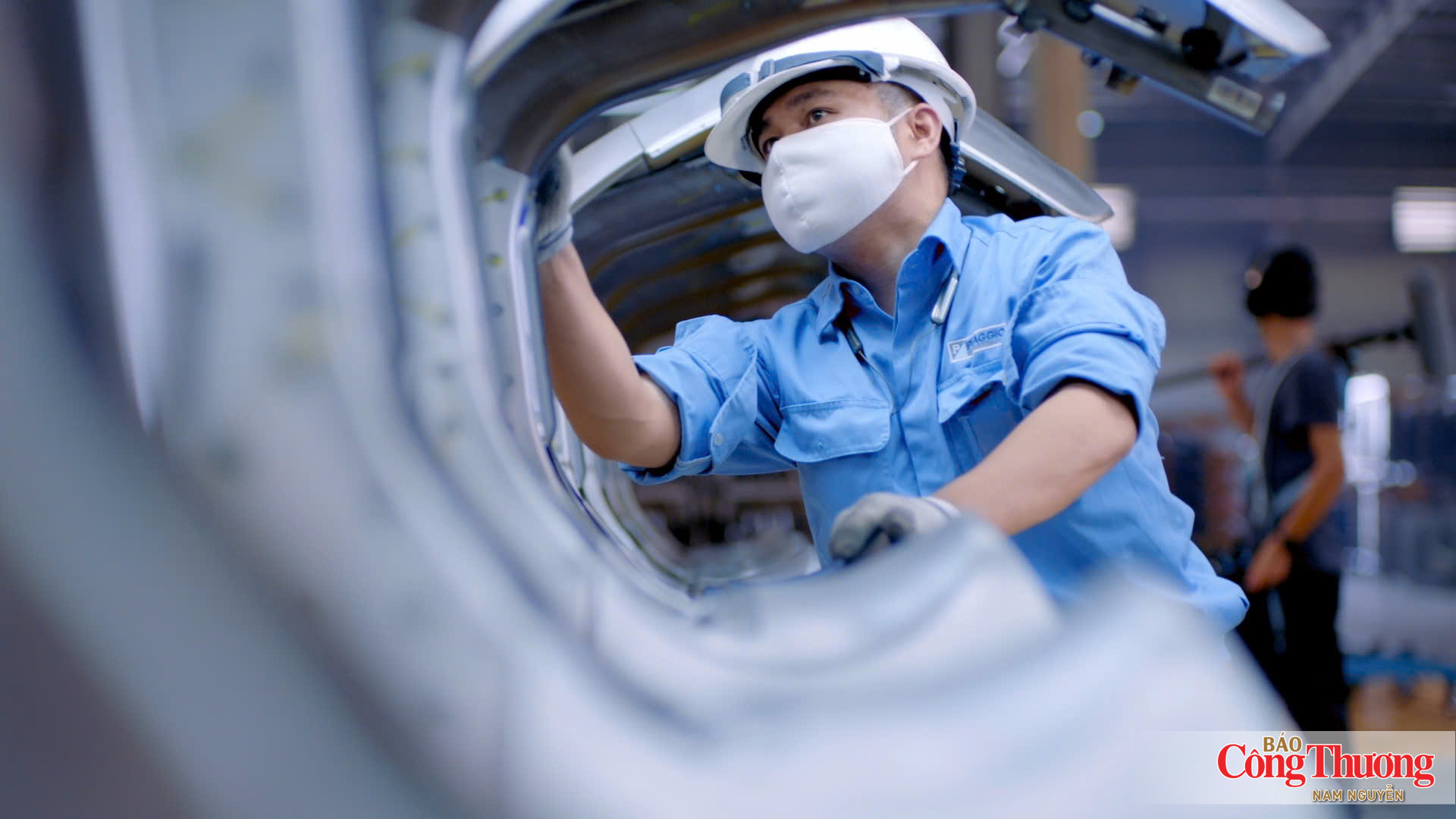
Against the backdrop of surging demand for high-quality human resources amid the FDI wave, training on demand is seen as an effective approach to narrowing the gap between vocational training and the practical requirements of enterprises. Photo: N.H
Preparing human resources for the FDI wave in supporting industries
Hanoi College of High Technology is known as one of the pioneers in high-quality human resource training aligned with enterprise demand. Could you share more about this orientation?
Pham Xuan Khanh: For many years, the college has clearly defined its mission as training high-quality human resources that directly meet the needs of the business community in Hanoi as well as the northern key economic region. To achieve this, the core solution is to strengthen close linkages between schools and enterprises, considering enterprises as key stakeholders throughout the training process.
Under this model, enterprises do not merely participate at the recruitment stage after graduation but are involved from enrollment, curriculum and syllabus development, teaching, hands-on training and internships, to receiving graduates for employment.
How effective is it for students to directly participate in enterprise production lines?
Pham Xuan Khanh: The effectiveness is very clear. During practical training and internships, students work directly on real production lines at enterprises. After graduation, those who meet requirements are recruited immediately.
Thanks to this deeply integrated training model, our graduates require almost no retraining and fully meet enterprise requirements in professional knowledge, occupational skills and work attitudes. This is the core value of the dual training model we are implementing.
What specific training-on-demand programmes is the college currently implementing?
Pham Xuan Khanh: At present, the college is implementing several college-level training programmes under enterprise orders. A notable example is cooperation with the Military Industry and Telecommunications Group (Viettel), specifically Viettel Manufacturing Corporation, to train 200 students in electronics and mechanical engineering.
In addition, we are working with a Boeing aircraft engine manufacturing enterprise at Hoa Lac Hi-Tech Park to train 800 practice-oriented mechanical engineering engineers. The college also cooperates with a Chinese enterprise based in Ninh Binh province to train 1,000 high-quality workers, along with many domestic enterprises to implement specialised training programmes tailored to actual demand.
A notable feature is that during their studies, students sign training contracts with enterprises, with all costs covered by enterprises. After graduation, they sign employment contracts for two to three years. This cooperation model delivers tangible benefits to all three parties: schools, enterprises and learners.
Preparing human resources for new technologies UAV, semiconductors and automation
How will the scale of enterprise-linked training develop in the coming period?
Pham Xuan Khanh: In 2025 alone, the college signed more than 1,000 training quotas under this cooperation model. By 2026, the scale is expected to expand to around 1,500 quotas.
Amid strong increases in FDI inflows and growing foreign investment in Vietnam, demand for high-quality human resources is becoming increasingly urgent. In 2026, the college plans to expand regular enrolment to about 4,500 students, serving not only Hanoi’s key industries but also domestic and international enterprise demand, particularly in priority sectors.
What is the current demand for human resources in industrial zones in Hanoi?
Pham Xuan Khanh: Demand is rising rapidly, especially in industrial and hi-tech parks such as Hoa Lac and Hanssip. Major groups such as Inventec and Onaga have signed cooperation agreements with the college to place orders and receive graduates we train. This clearly demonstrates that training aligned with labour market demand is on the right track.
How do you assess Hanoi’s and the central government’s policies on vocational education?
Pham Xuan Khanh: In recent years, Hanoi has shown strong commitment to human resource training by issuing policies that promote linkages between vocational education institutions and enterprises. At the macro level, the Party and the Government have introduced many important guidelines, including a list of occupations eligible for up to 70% tuition support to attract learners into high-demand fields.
In the coming period, Hanoi is expected to issue further resolutions supporting lower secondary school graduates to pursue vocational education, including exemptions from tuition fees for general education programmes. These are highly practical measures that enhance streamlining effectiveness and make vocational training a short-term, suitable and promising choice.
Amid the development trend of the low-altitude economy and UAV technology, what training orientations has the college adopted?
Pham Xuan Khanh: For many years, the college has organised lecturers and students to research and experiment with unmanned aerial vehicles for study and training purposes. Currently, we focus on training foundational fields that constitute UAV technology, such as precision mechanics, electrical and electronic engineering, automation and semiconductor technology.
Although we have not yet launched an independent UAV major, core techniques have been integrated into existing programmes, enabling students to access and master UAV technology. At the same time, the college is cooperating with universities and enterprises from China and the Republic of Korea to transfer specialised UAV training programmes, expected to be implemented in the coming academic year with a scale of 200 - 300 students.
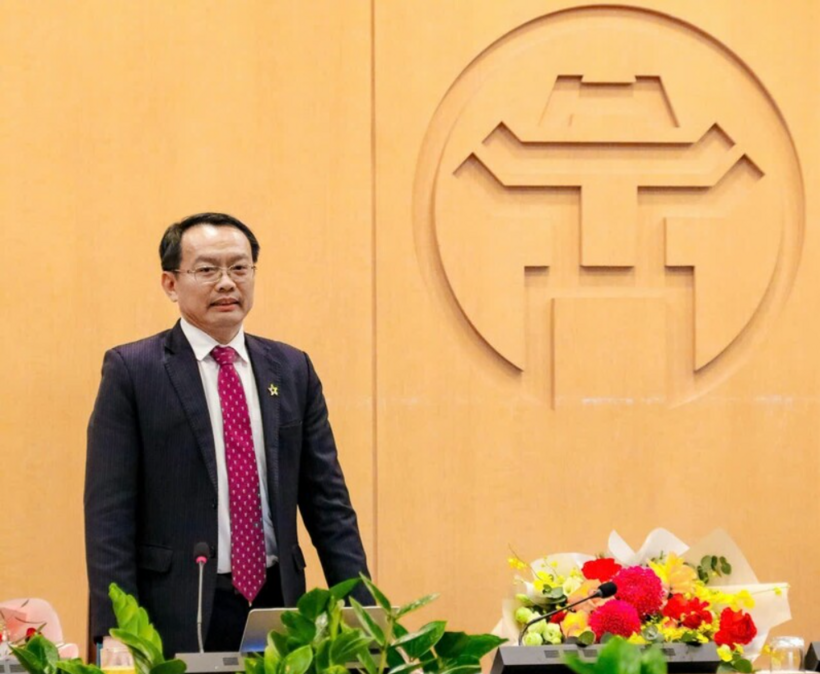
Meritorious Teacher, PhD Pham Xuan Khanh, President of Hanoi College of High Technology.
In the context where Vietnam’s supporting industries remain limited, how do you view the role of human resource training?
Pham Xuan Khanh: Human resources are the decisive factor for Vietnam’s supporting industries to integrate more deeply into global supply chains. When FDI enterprises invest in Vietnam, recruitment demand mainly focuses on mechanics, electrical and electronic engineering, and information technology.
Based on this reality, the college continuously updates and launches new training programmes such as elevator engineering, semiconductor technology and, in the near future, UAVs. We focus on both scale and quality, supplying human resources capable of mastering technology and directly meeting enterprise demand in supporting industries, particularly in the capital city of Hanoi.
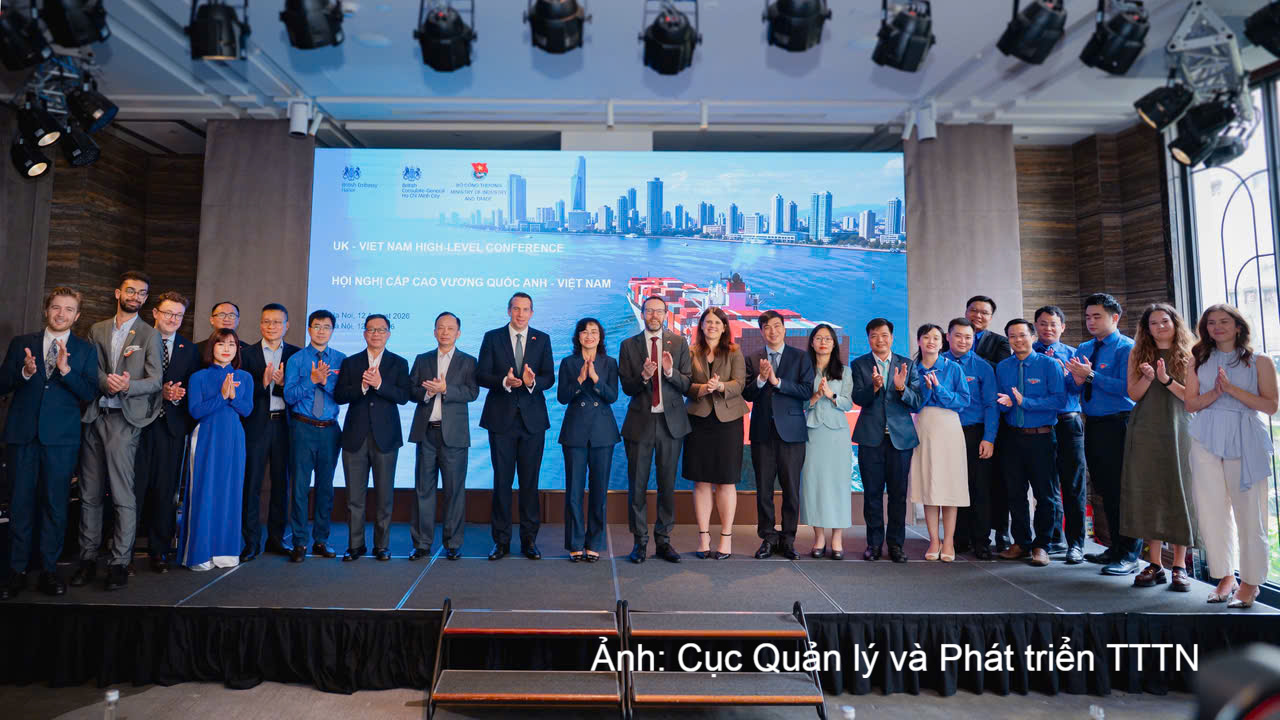
The 2026 UK - Viet Nam Summit was held in Ha Noi on August 12, focusing on fields that are creating new momentum for growth, including artificial intelligence (AI), financial technology, crypto assets, commodity derivatives markets and logistics.
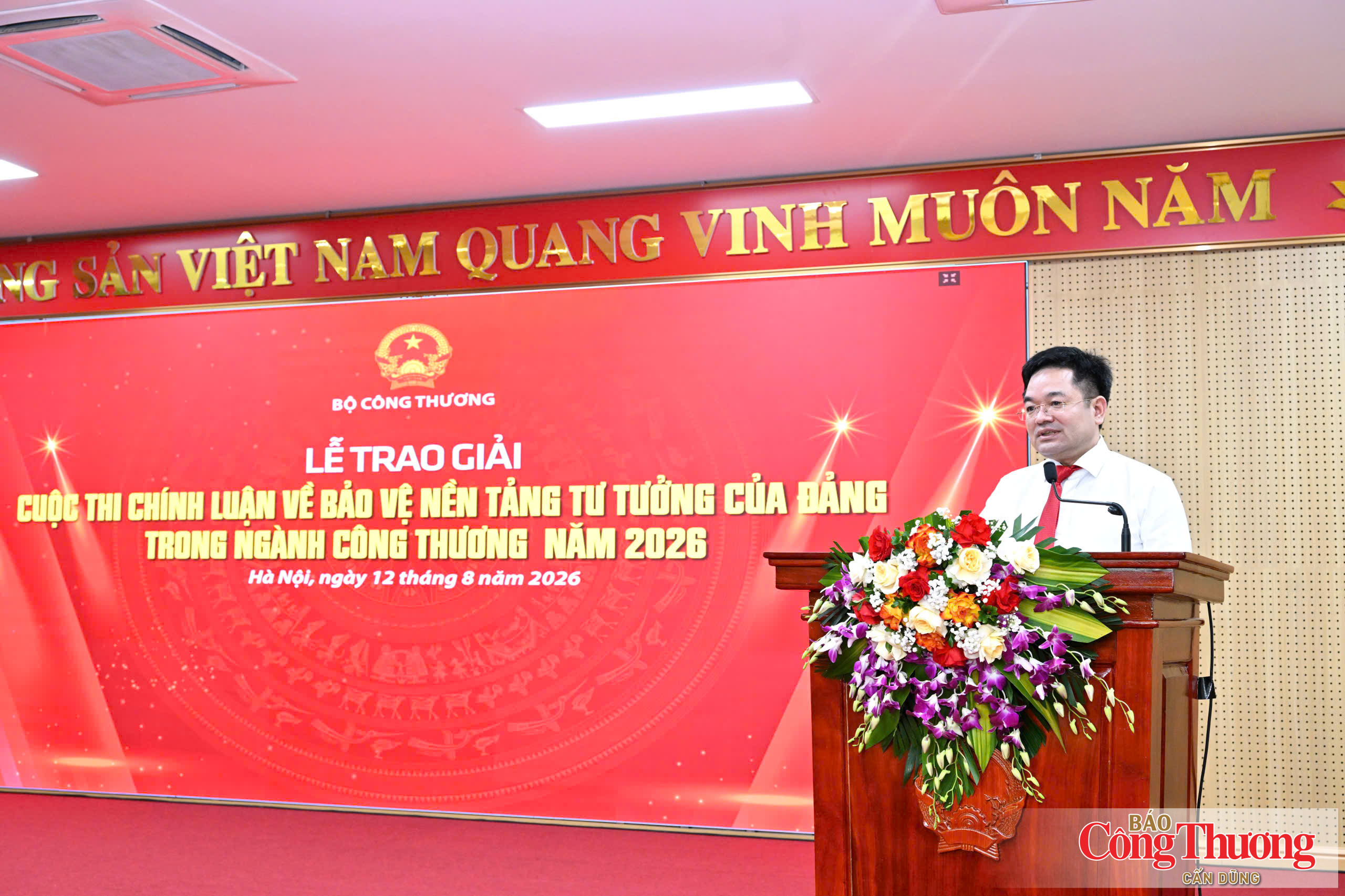
Editor-in-Chief of the Industry and Trade Newspaper Nguyen Van Minh said distorted narratives are defeated by counterarguments and undeniable realities when Party members perform their duties well too.
On August 12, Deputy Minister of Industry and Trade Phan Thi Thang held an online working session with Andrea Corao Faria, Venezuela's Deputy Minister for Asia, the Middle East and Oceania at the Ministry of Foreign Affairs and Foreign Trade.
Viet Nam and Australia are deepening energy and minerals cooperation strengthening supply chains, investment and support for the energy transition in both countries.
During his working trip accompanying Party General Secretary and State President To Lam on a State visit to Australia, Minister of Industry and Trade Le Manh Hung held a bilateral meeting with Australian Minister for Trade and Tourism Don Farrell in Canberra on August 11 (local time), to discuss measures to promote economic and trade relations between the two countries.
Viet Nam’s manufacturing industry must move beyond processing and assembly, master technology, raise localization and generate higher value across production chains.
KCN Vietnam has broken ground on its 21.9-hectare Song Than 3 project in Ho Chi Minh City, adding over 130,000 sqm of LEED-standard industrial space to the market.
MoIT leader Le Manh Hung clarified major issues in the revised Petroleum Law, including decentralisation, investment incentives, CCS and offshore energy development.
The Netherlands offers strong opportunities for Vietnamese firms to enter manufacturing supply chains, but meeting strict market standards remains a major challenge.
As Vietnam advances its energy transition, battery energy storage systems (BESS) are emerging as a key solution for enhancing grid flexibility, increasing the integration of renewable energy and strengthening energy security.