The energy sectors continued to maintain smooth energy flows in 2025, affirming their role in accompanying the country on the path of sustainable development.
Energy maintains its pillar role
As 2025 concludes, a retrospective of the volatile global economic journey further underscores the robust capacity of Vietnam’s energy sector. Having overcome pressures ranging from supply chain disruptions to extreme climate change, the energy industry has not only fulfilled its mandate to provide stable input resources for economic activities but has also become a core factor in ensuring national energy security under all circumstances. This is not merely a result of growth indices but rather a testament to the proactiveness, flexibility, and strategic vision of a pivotal industrial sector currently undergoing a powerful transition.
From ensuring power supply to securing fuel sources, the energy sector in 2025 is creating a vital foundation for growth. Photo: Hong Nhung
In the overall economic landscape of the past year, the supply and operation of the power system emerged as a highlight of dedicated efforts. Deputy Minister of Industry and Trade Phan Thi Thang noted that despite facing prolonged intense heatwaves that drove load demand to record highs, particularly in the Northern region, power flows remained stable to effectively serve industrial production and public life. According to data from the National Power System and Market Operator (NSMO), total electricity consumption across the national system in 2025 is estimated at 320.4 billion kWh, representing a 3.8 percent increase over the previous year. This figure not only reflects the robust recovery of industrial zones and services but also underscores the challenging task of grid and source dispatching, which the electricity sector addressed through scientific and systematic management.
The transition of the power source structure toward an increasing proportion of renewable energy stood out as an indelible mark of the past year. The rigorous implementation of the adjusted Power Development Plan VIII created a diverse energy ecosystem, although the operation of decentralized power sources remained a significant challenge due to heavy weather dependency. In parallel, the coal industry continued to affirm its position as a vital pillar for energy security. Under the drastic direction of the Ministry of Industry and Trade, plans for coal exploitation and supply for power generation were synchronized effectively. Total commercial coal output for 2025 is projected to exceed 55.91 million tonnes, with domestic production reaching 44.08 million tonnes, while imported volumes were harmoniously coordinated to ensure thermal power plants remained fully fueled at all critical times.
Foundation for development
Delving into the sector's internal strengths, state management and technological innovation have been key to its sustainability. Moving beyond mere exploitation, the coal industry has made significant strides in optimizing investment projects, enhancing construction quality, and revising economic and technical standards. The timely removal of institutional bottlenecks has empowered businesses to innovate technology, utilize resources efficiently, and protect the environment. In particular, the oil and gas sector, as the industry's flagship, continues to demonstrate its irreplaceable pillar role. The Vietnam National Oil and Gas Group (Petrovietnam) has made a profound impact through basic survey and exploration campaigns in deep-water and offshore areas, establishing a solid reserve foundation for the future.
The energy system in 2025 is operating smoothly, creating momentum and opening up development space for the following years.
The actual business results in the oil and gas sector for 2025 have served as positive notes in the overall economic harmony. Total oil and gas production is estimated at 16.51 million tonnes of oil equivalent, significantly exceeding the target by 24.1 percent. Within this figure, domestic exploitation reached 14.77 million tonnes, surpassing the plan by 22.3 percent, while overseas operations also recorded an upturn with 1.74 million tonnes of oil equivalent. The downstream sector was equally impressive as petroleum output was estimated at 14.8 million tonnes, exceeding the annual plan by 5 percent, while oil consumption reached 10.2 million tonnes to surpass the 2025 target by 23 percent. These results have not only made substantial contributions to the national budget but also served as a key factor in stabilizing the domestic fuel market.
Director General of the Electricity Regulatory Authority Pham Nguyen Hung emphasized that 2025 serves as a milestone of stability and proactivity. The energy sector has moved beyond merely meeting demand to focus on enhancing growth quality and accelerating the structural transition toward green and sustainable directions. The effective implementation of the adjusted Power Development Plan VIII, along with long-term strategies for coal and oil, and gas, will serve as the compass for the next stage of development. Achievements in 2025 are not just the result of a planning cycle but rather the foundation and the source of confidence for the energy sector to continue accompanying and serving the country on its journey toward rapid and sustainable growth in the future.
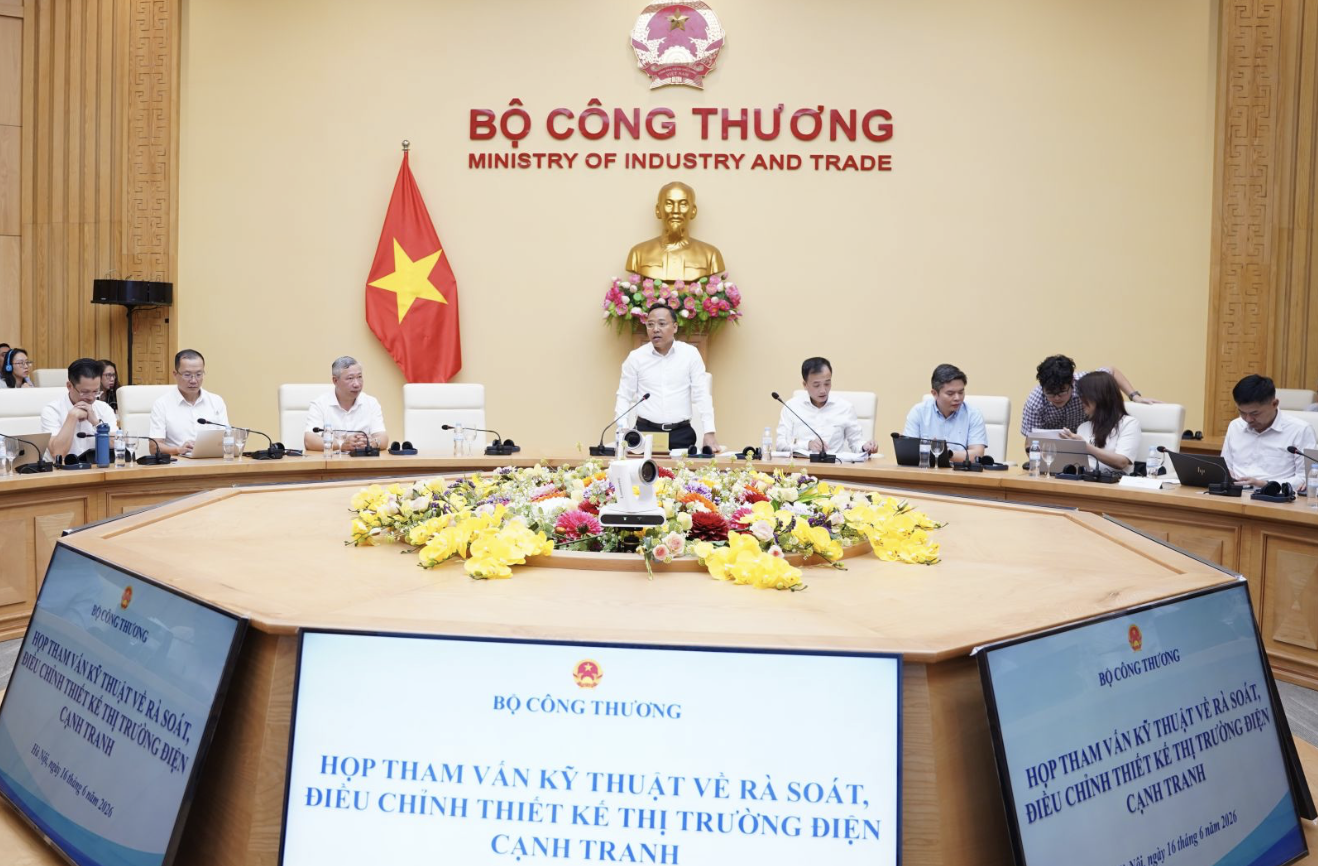
Ministry of Industry and Trade (MoIT) held a technical consultation in Hanoi on reviewing and adjusting the design of Vietnam’s competitive electricity market.
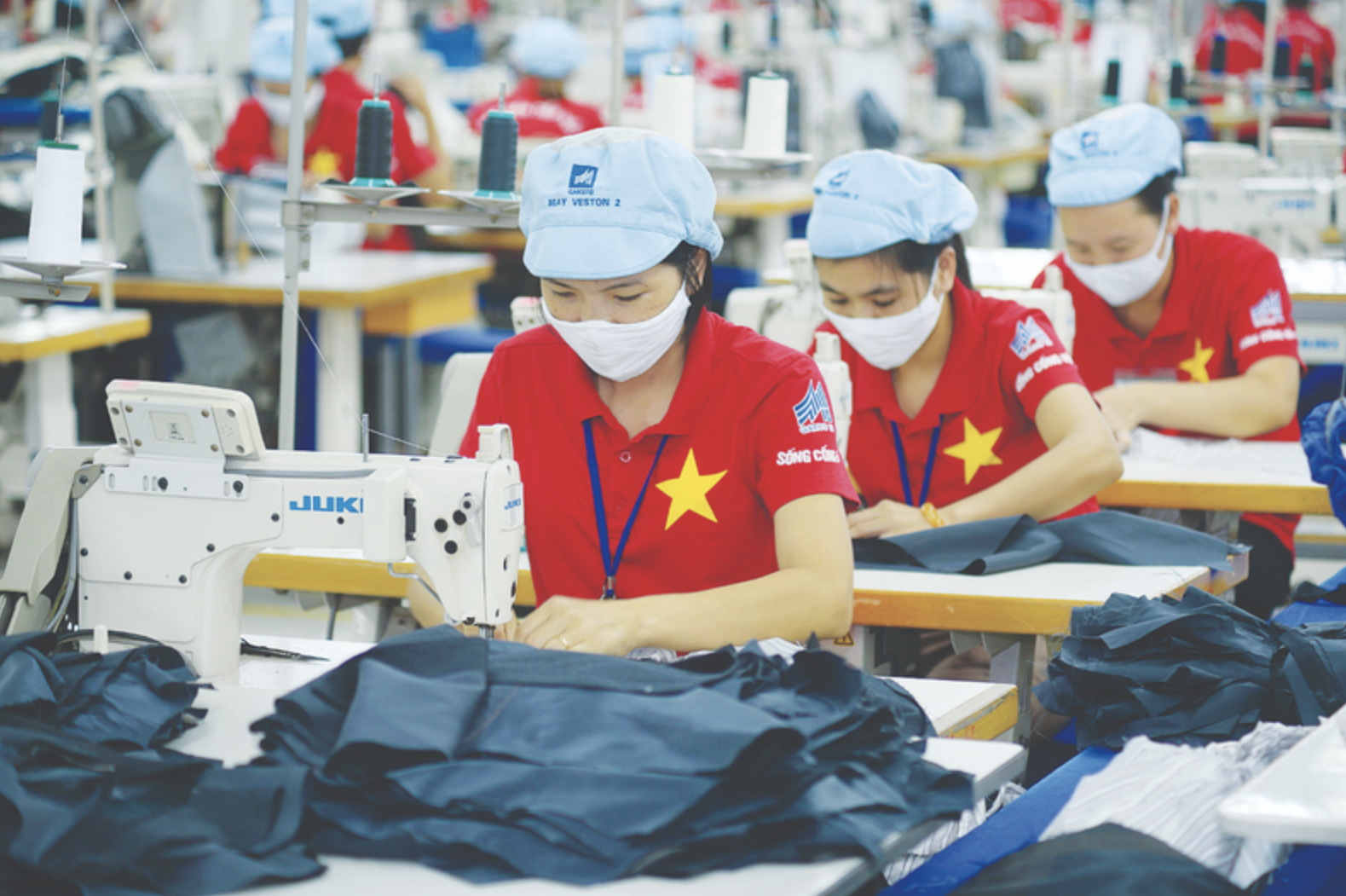
Textiles and garments continued to be one of Vietnam’s leading export categories to the Russian market in the first five months of 2026, generating export revenue of more than USD 106.99 million.
Siemens and Pacific Land will transform Silverlake Bio Hi-Tech Park into a smart, sustainable innovation hub supporting Vietnam’s high-tech growth ambitions.
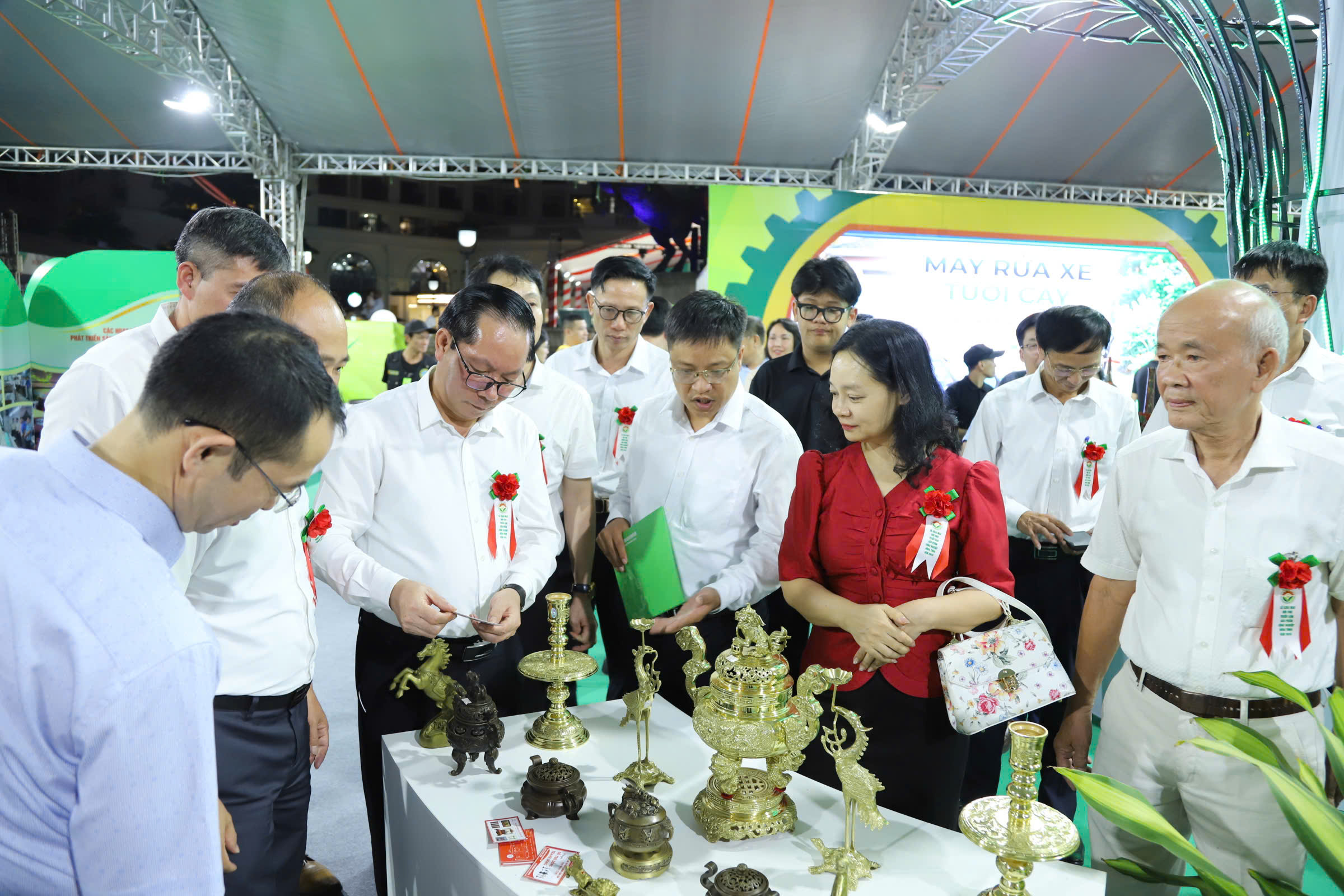
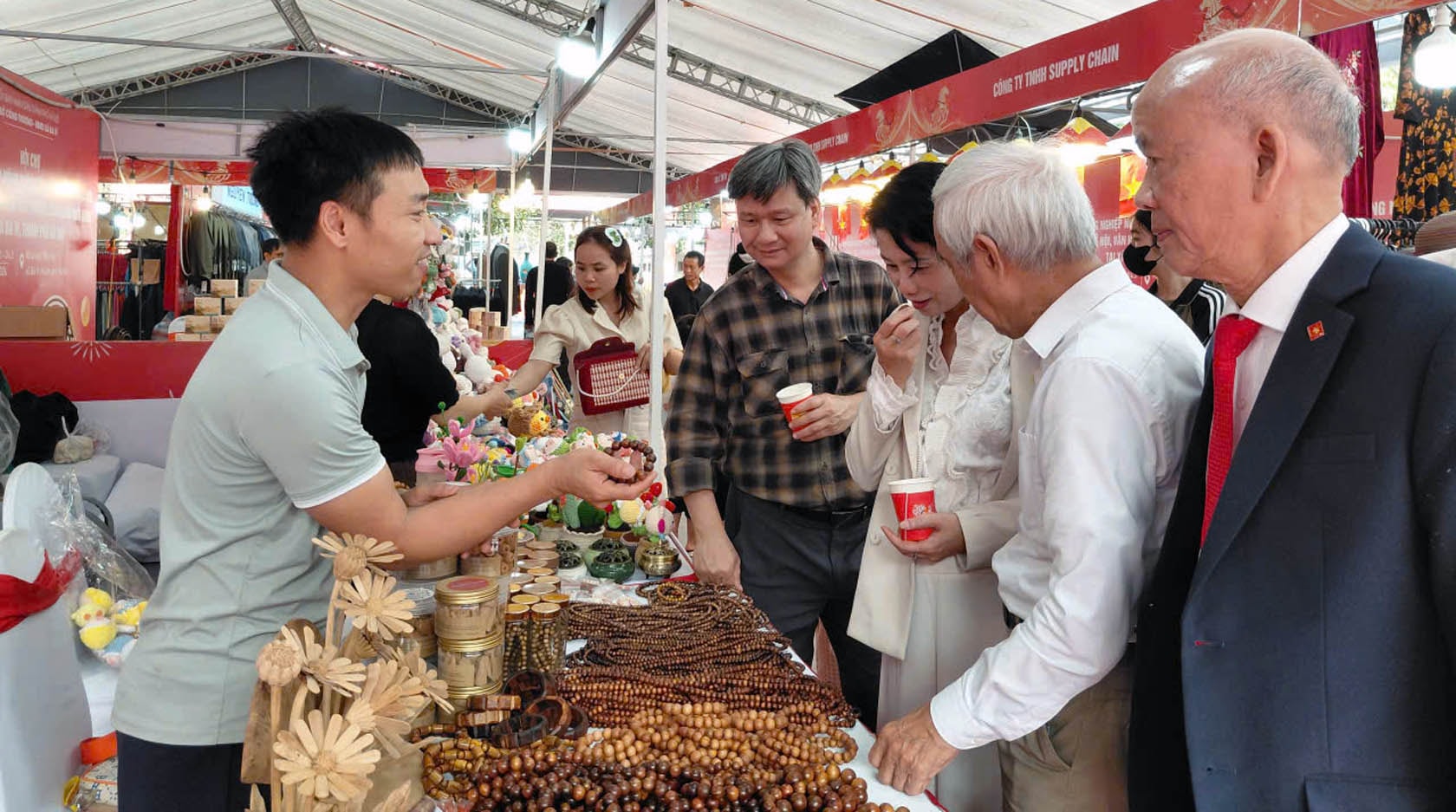
The Rural Industrial Products Fair and Exhibition 2026 has attracted more than 300 booths from provinces and cities across the country, helping promote outstanding rural industrial products, strengthen business connections, and expand consumer markets.
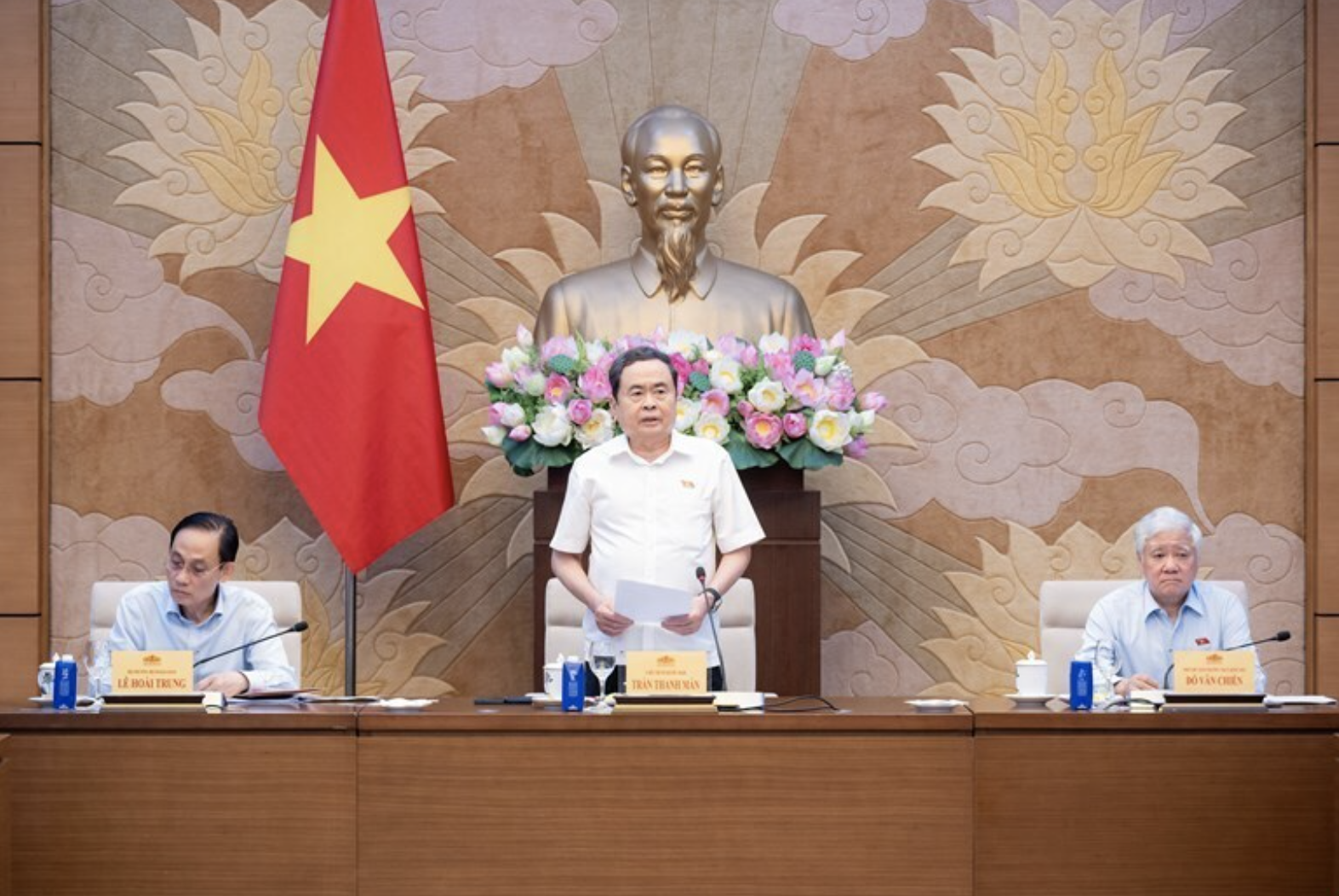
National Assembly Chairman Tran Thanh Man stressed that in the country's new stage of development, foreign affairs must not only contribute to safeguarding the nation from an early stage and from afar, but also serve as a key driver of development.
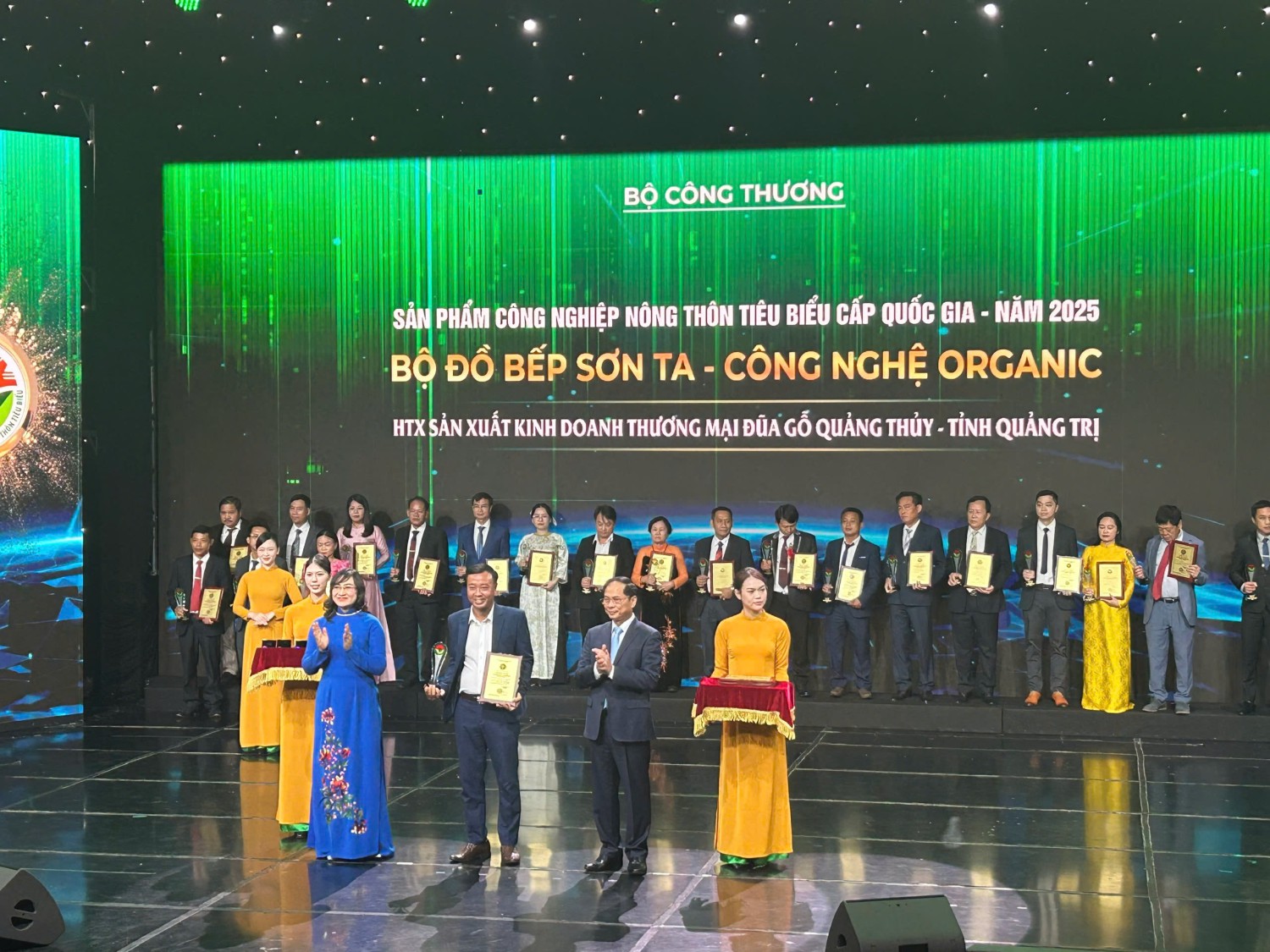
The Rural Industrial Products Fair and Exhibition 2026 has attracted more than 300 booths from provinces and cities across the country, helping promote outstanding rural industrial products, strengthen business connections, and expand consumer markets.
To further enhance the effectiveness of the national industrial promotion program, representatives from provincial Departments of Industry and Trade have proposed increasing support expenditures during the 2026-2030 period to align with the growing demands of digital transformation, green transition, and technological innovation at production facilities.
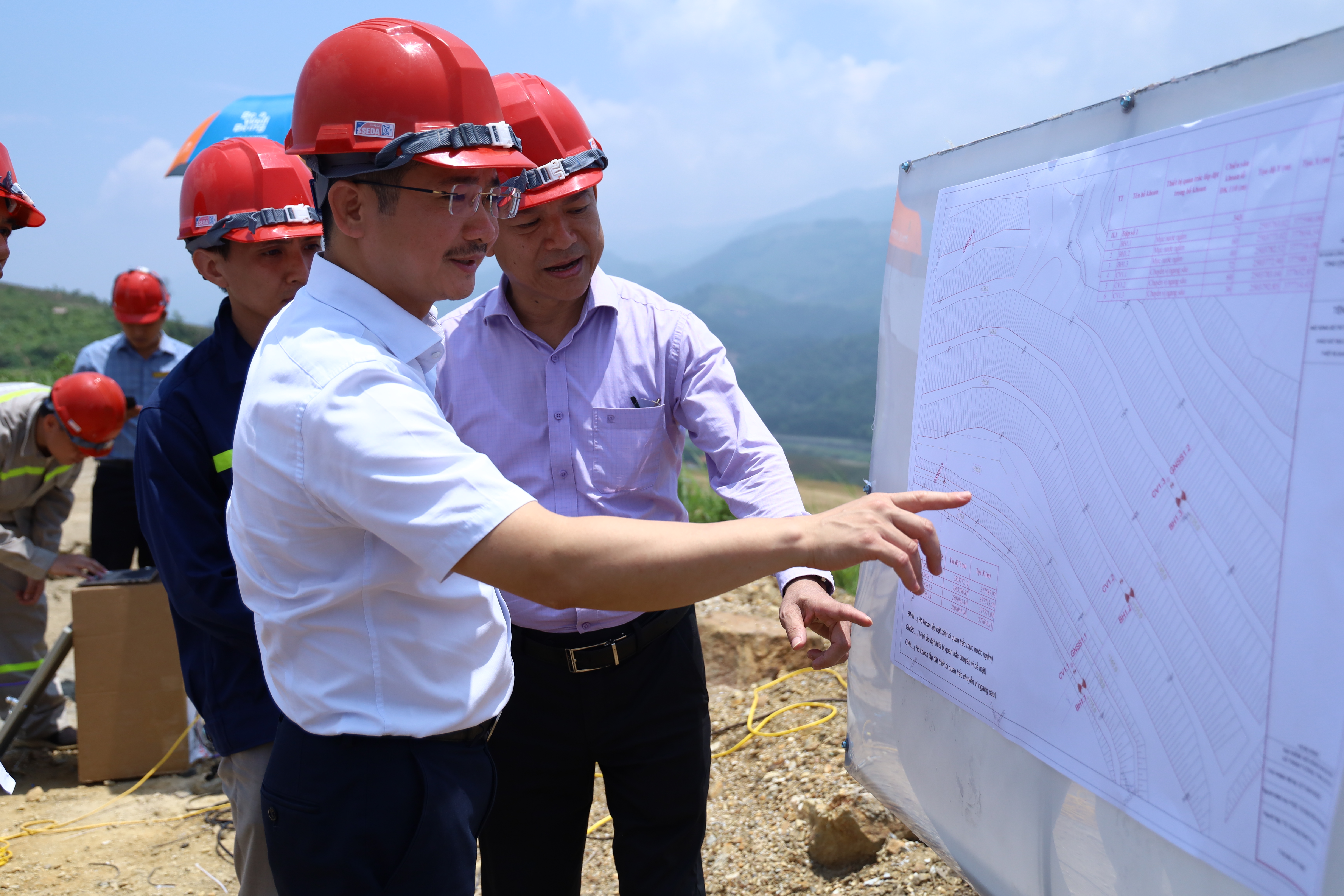
The Ministry of Industry and Trade (MoIT) delegation inspected TKV Minerals Corporation JSC (Vimico)’s 2026 storm-season preparations, highlighting AI-based monitoring and early warning systems to strengthen mine safety efforts