The Ministry of Industry and Trade has ordered urgent measures to protect power systems, mining operations and essential goods supplies amid forecast heavy rain.
On July 27, the Civil Defence Steering Committee of the Ministry of Industry and Trade (MoIT) issued Dispatch No. 5801/CĐ-PTDS on proactive measures to respond to heavy rainfall, flooding, flash floods, landslides, whirlwinds, lightning and hail.
Proactive measures to ensure infrastructure safety and the supply of essential goods
According to the National Centre for Hydro-Meteorological Forecasting, from the evening of July 27 to the night of July 28, the provinces of Thai Nguyen, Tuyen Quang, Phu Tho, Lao Cai, Lai Chau, Dien Bien and Son La are forecast to experience moderate to heavy rainfall, with precipitation ranging from 50 mm to 120 mm and isolated areas receiving more than 250 mm. Some locations may record rainfall exceeding 100 mm within a three-hour period.
Thunderstorms are expected to bring risks of whirlwinds, lightning and hail, while low-lying areas, urban centres and industrial parks may face flooding. Flash floods are also likely to occur along small rivers and streams, with landslides posing a threat on steep slopes.
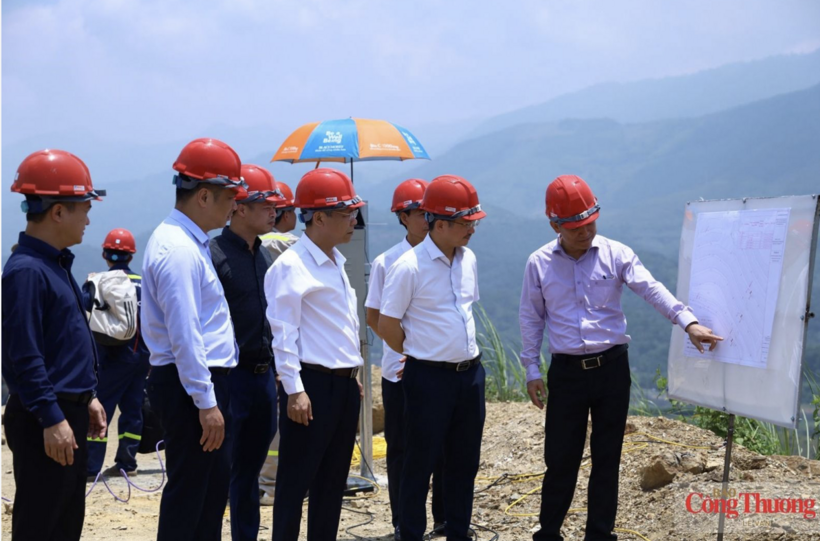
A working delegation from the Ministry of Industry and Trade, led by Trinh Van Thuan, Deputy Director of the Agency for Industrial Safety Techniques and Environment, held a meeting with Vietnam National Minerals Corporation - JSC (Vimico) and Sin Quyen Copper Mine and Concentrator, Lao Cai - Vimico to review preparations for the 2026 rainy and storm season.
The Civil Defence Steering Committee of the Ministry of Industry and Trade has instructed agencies and enterprises across the sector to closely monitor weather forecasts and warnings on heavy rain, flooding, flash floods, landslides, whirlwinds, lightning and hail, while promptly disseminating information to local authorities and residents so that appropriate preventive measures can be implemented.
Units have also been directed to urgently mobilise personnel to deal with the aftermath of recent flooding, deploy rapid-response teams to inspect high-risk areas, and proactively relocate residents living along rivers, streams, low-lying areas and locations vulnerable to severe flooding, flash floods or landslides. They are also required to clear waterways and maintain on-site emergency response forces to support local communities whenever necessary.
Provincial Departments of Industry and Trade have been instructed to urgently direct and inspect safety measures at hydropower dams and reservoirs, with particular attention to small hydropower plants. Inspections will focus on compliance with reservoir operating procedures, specialised hydro-meteorological monitoring, communications systems, monitoring equipment, flood warning systems, backup power supplies and the availability of emergency equipment and materials for disaster prevention and response.
The Departments are also required to instruct hydropower plant owners and mining and mineral processing operators to review disaster response plans, emergency response procedures and dam safety plans, while ensuring sufficient equipment, materials and personnel are available to address any safety incidents immediately.
To safeguard the supply of essential goods, businesses are required to effectively implement stockpiling plans and identify areas that could become isolated by heavy rain or flooding in order to ensure uninterrupted supplies of food, drinking water and other essential commodities for affected communities.
Local Market Surveillance authorities have been instructed to intensify market inspections and strictly handle violations of commercial regulations, preventing profiteering through hoarding, price manipulation or other unlawful practices during natural disasters, particularly involving roofing materials, construction supplies and essential consumer goods.
Provincial Departments of Industry and Trade have also been tasked with advising provincial People's Committees to direct investors in industrial projects, particularly hydropower and mining projects under construction in areas vulnerable to flash floods and landslides to suspend construction activities and relocate workers, machinery, equipment and materials to safe locations.
Any abnormal or unsafe conditions at hydropower reservoirs, particularly small hydropower facilities, must be closely monitored, consolidated and reported to the Ministry of Industry and Trade before 4:00 p.m. each day.
Ensuring the safety of the power system, reservoirs and mining operations
The dispatch instructs Vietnam Electricity (EVN) to direct its member units to implement disaster response plans capable of addressing increasingly complex weather conditions while ensuring a safe and reliable electricity supply, particularly for critical facilities.
Power companies are required to ensure the safety of personnel, electrical equipment, power facilities and local communities, remain ready to restore electricity promptly following any incident, and coordinate with local authorities to raise public awareness of electrical safety during the rainy season.
EVN has also been instructed to inspect locations with elevated safety risks, including trees inside and outside transmission corridors that could threaten power infrastructure, and to work with tree owners and local authorities to trim or remove vegetation in accordance with safety clearance requirements for each voltage level.
Hydropower operators under EVN are required to inspect communication systems and flood discharge warning systems, while coordinating with relevant authorities to implement flood response measures and address situations that could affect downstream communities.
The dispatch also instructs the National Power System and Market Operation Company Limited to work closely with reservoir operators to update hydrological conditions, flood inflows and instructions from competent authorities, and to prepare reservoir operation plans in full compliance with approved inter-reservoir and single-reservoir operating procedures and other relevant directives.
The company is further required to coordinate with hydropower investors outside EVN, particularly operators of small hydropower plants in the Northwest and Northern Midlands regions, to monitor hydrological developments and ensure power system dispatch is consistent with safe reservoir operations.
Hydropower dam owners are instructed to monitor hydro-meteorological conditions across reservoir catchments, forecast flood inflows and peak flood timing, and strictly comply with all approved reservoir and inter-reservoir operating procedures.
They are also required to maintain round-the-clock duty teams, closely monitor weather developments, and strengthen public notification and warning measures for downstream residents before regulating reservoir operations, discharging water for power generation or significantly increasing discharge flows.
The dispatch emphasises that reservoir impoundment or water regulation in violation of approved operating procedures is strictly prohibited. Dam owners must immediately inspect the safety of dams, spillways, gates, gate lifting equipment, backup power systems, flood warning systems, monitoring equipment, communication systems and auxiliary facilities.
For small hydropower projects, operators must carefully inspect access roads, embankment slopes, operation buildings, material storage areas, downstream zones and locations vulnerable to landslides. Adequate personnel, machinery and emergency materials must be available at all times to respond to potential incidents. Should any signs of structural instability be detected, operators must immediately report them to the provincial Department of Industry and Trade, the provincial People's Committee and the Ministry of Industry and Trade for prompt direction, ensuring that no incident jeopardises the safety of downstream communities.
Mining and mineral processing enterprises are required to inspect waste dumps, mining sites, storage facilities, tailings dams and retaining embankments, promptly identifying and addressing any defects that could threaten safety. They must reinforce drainage systems, dredge tailings ponds to reduce the risk of mud overflows or dam failures, and proactively relocate machinery, equipment and residential facilities away from areas exposed to landslides or mud and waste-rock flows.
The Civil Defence Steering Committee of the Ministry of Industry and Trade has instructed all agencies and enterprises across the sector to strictly implement the dispatch, ensure the readiness of personnel, equipment, vehicles and emergency supplies, closely coordinate with authorities at all levels in disaster response, search and rescue operations, maintain 24-hour duty teams, and regularly report developments to the Standing Office of the Ministry's Civil Defence Steering Committee.
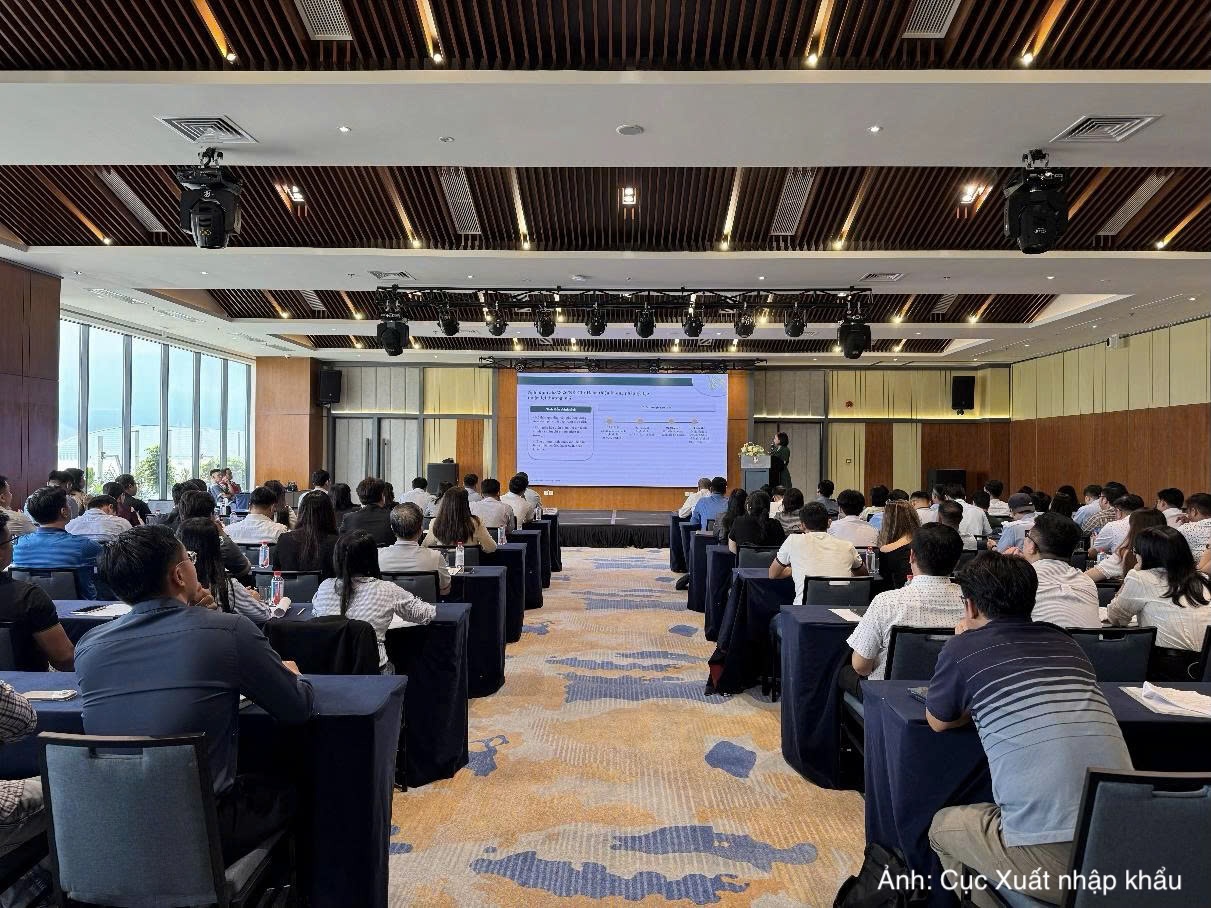
On October 13, the Agency of Foreign Trade under the Ministry of Industry and Trade (MoIT) held a conference in Dong Thap province to disseminate Government Decree No.365/2026/ND-CP dated September 23, 2026, on rice export and import business, and Circular No.65/2026/TT-BCT dated October 1, 2026, issued by the Minister of Industry and Trade, detailing certain provisions and measures for implementing Decree No.365/2026/ND-CP.
IEAE Hanoi 2026 will gather over 300 exhibitors, showcasing electronics, smart appliances and connecting businesses with sourcing and trade opportunities in Vietnam.
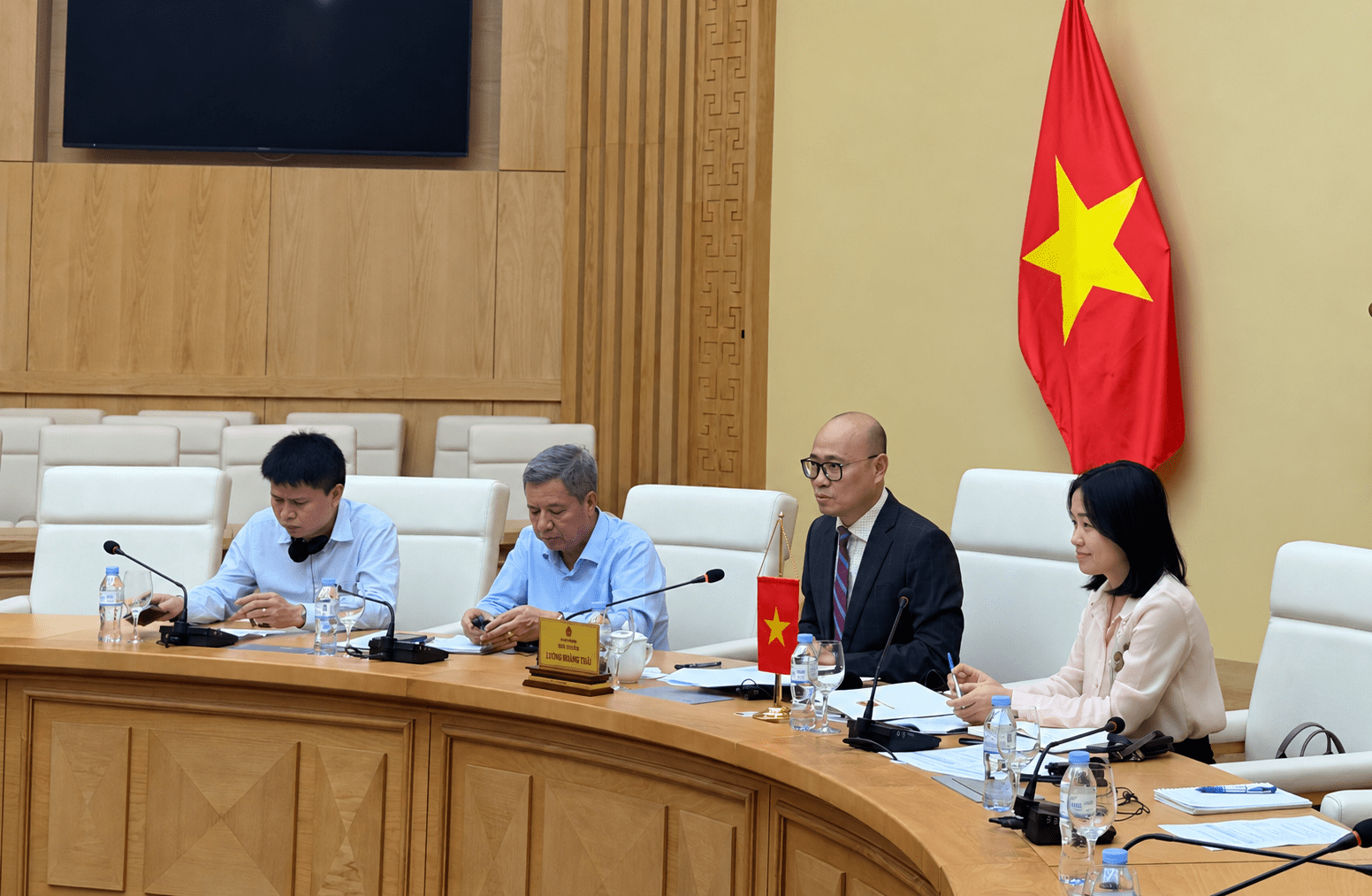
On October 13, Deputy Minister of Industry and Trade Luong Hoang Thai held a working session with MEDEF International, a French business organization, and representatives of French corporations operating in various sectors, including energy, industry, transport, construction and infrastructure development, food and beverages, and services, at the Ministry of Industry and Trade's headquarters.
On October 14, Deputy Minister of Industry and Trade Luong Hoang Thai received and held a working session with a delegation from Hamburg, Germany, led by the city's First Mayor Peter Tschentscher at the Ministry of Industry and Trade's headquarters.
The Copyright Office is working closely with relevant agencies to develop plans for inspections and enforcement action against copyright and related rights infringements in the digital environment.
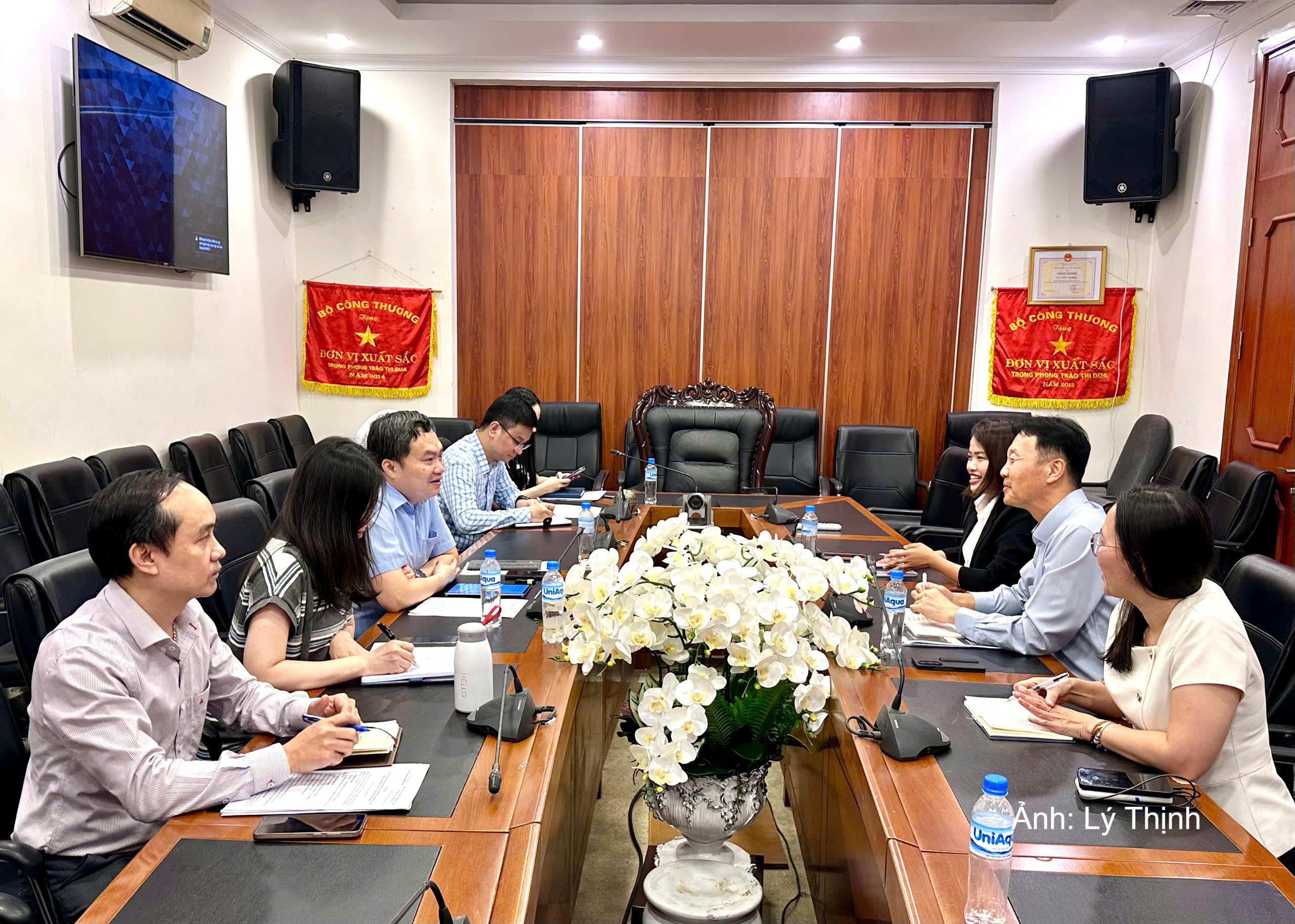
The Vietnam Industry Agency under the Ministry of Industry and Trade and Samsung Vietnam continue to strengthen cooperation in developing supporting industries, enhancing the capabilities of domestic enterprises and expanding opportunities for their participation in global supply chains.
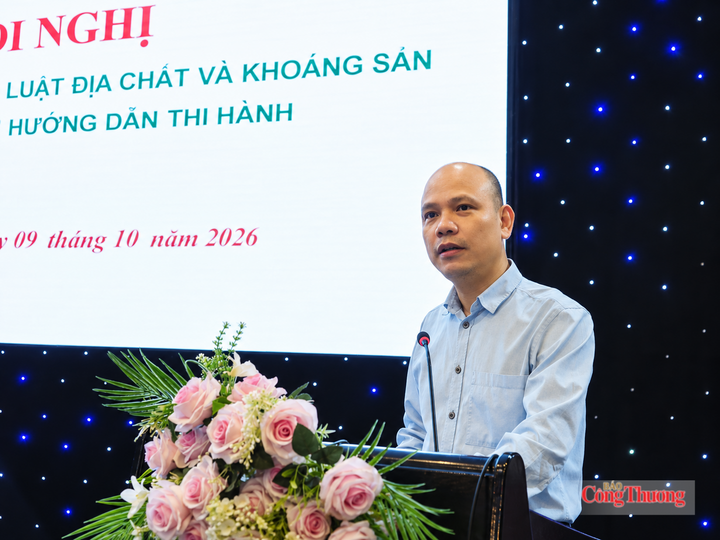
On October 9, the Viet Nam Department of Geology and Minerals, in coordination with the Thai Nguyen Department of Industry and Trade, held a conference in Thai Nguyen province to disseminate the Law on Geology and Minerals and its implementing regulations.
Northern localities are strengthening links in supporting industries, energy and logistics to build competitive value chains and create new growth drivers.
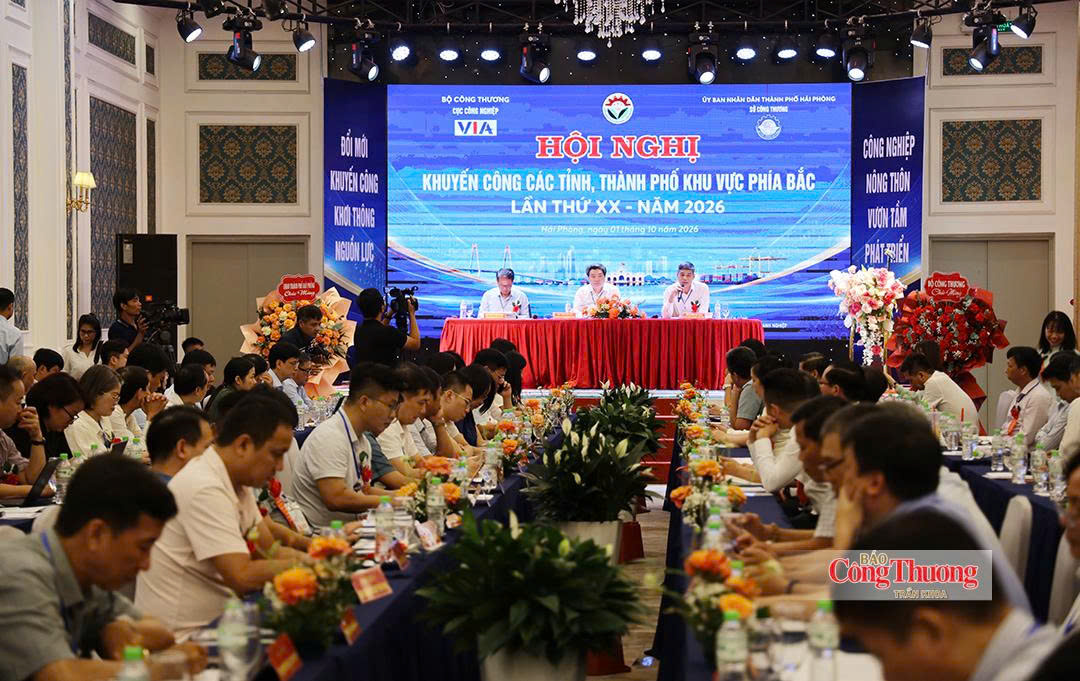
The 20th Industrial Promotion Conference for Northern Provinces and Cities in 2026 was held in Hai Phong City on October 1, with discussions focusing on renewing industrial promotion activities.
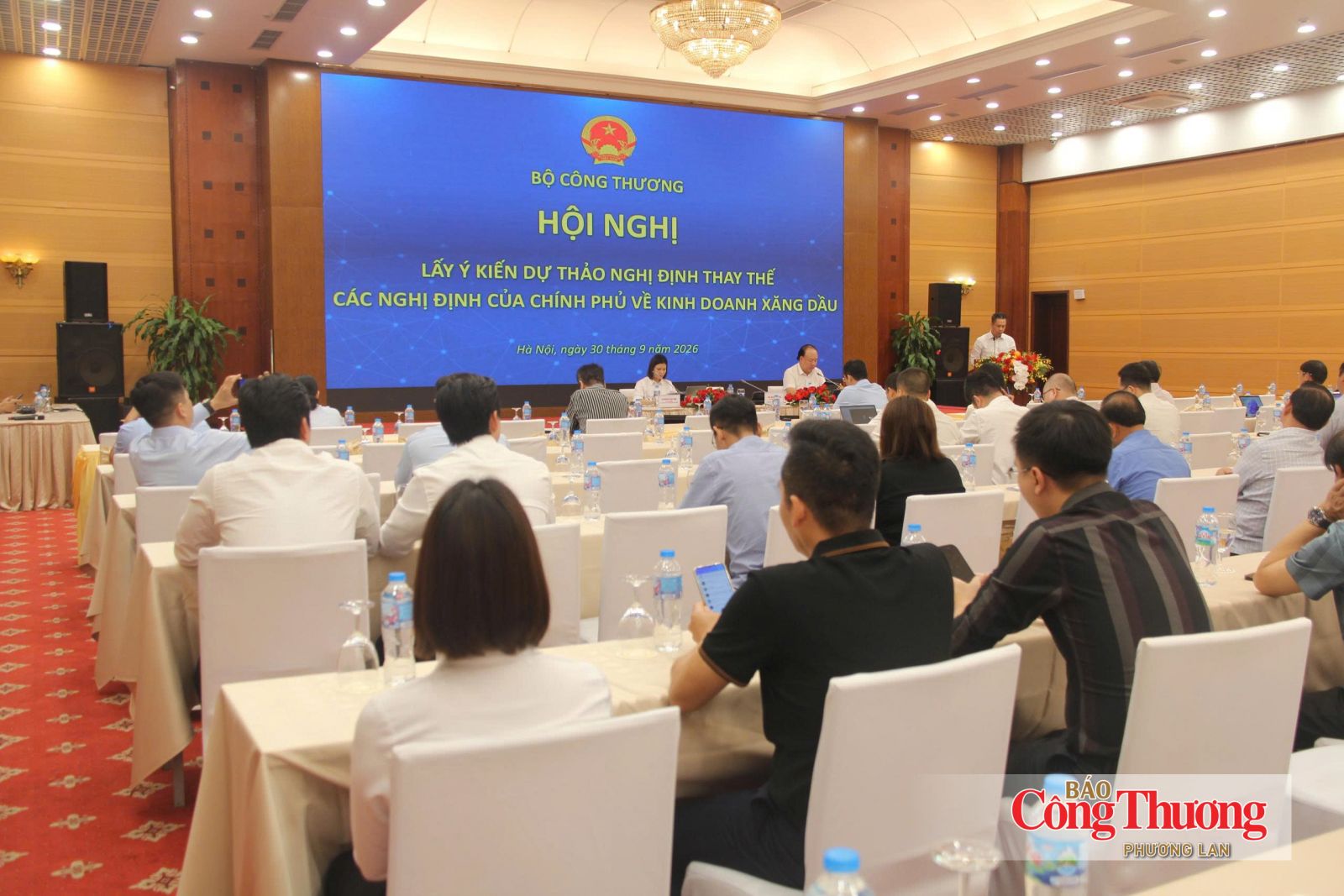
On September 30 in Ha Noi, the Ministry of Industry and Trade (MoIT) held a conference to gather broad feedback on a draft decree replacing the Government’s existing decrees on petroleum trading.