|
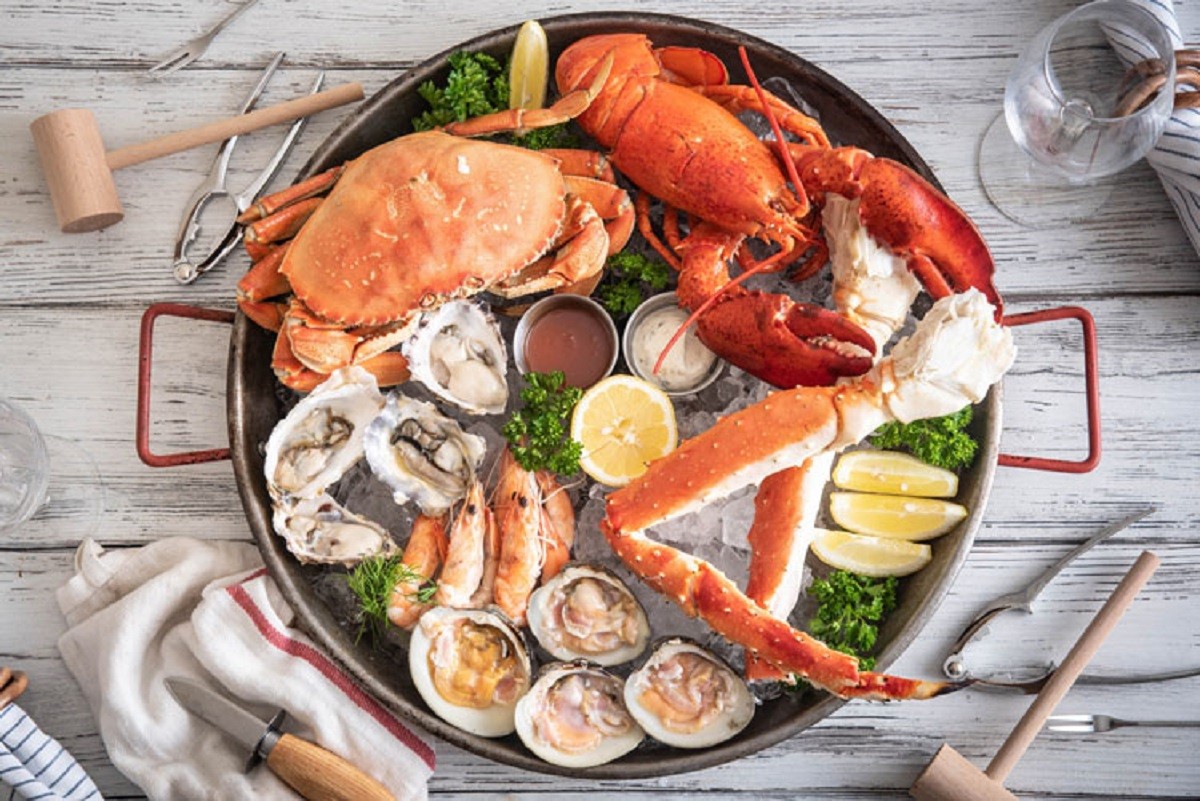
| Illustrative image |
Recently, at the Global Seafood Market Conference organized by the National Fisheries Institute in Palm Desert, California, experts gathered to discuss the current challenges and opportunities in the US seafood market.
Political and tariff impacts
One of the biggest issues facing the US seafood sector is the impact of political fluctuations and tariff policies under President Donald Trump’s administration. Trade wars, especially with China, have caused difficulties for many seafood importers as tariffs have increased, threatening to raise the cost of imported seafood. Furthermore, concerns are mounting over potential tariffs on key seafood-exporting countries like Russia and Canada, which could lead to significant fluctuations in supply and prices.
Experts emphasized that uncertainty surrounding the current administration’s policies prevents the seafood sector from making long-term plans. This creates an environment of anxiety for those working in the sector as merchants and importers attempt to anticipate decisions from the White House.
Supply and price challenges
In addition to political uncertainty, seafood supply is facing numerous challenges. For instance, snow crab production has declined sharply due to environmental factors and scientific regulations in areas like the Gulf of St. Lawrence and Newfoundland.
Meanwhile, shrimp supply from countries like Ecuador is growing strongly. Ecuador has now become the US’ second-largest trading partner, after India, thanks to improved product quality and the growing demand for processed shrimp.
Consumer market and convenience trends
Another noteworthy trend is the change in consumer behavior. According to experts, convenience has become a key factor for modern consumers. People today not only want food that is easily accessible, but also prefer pre-processed products that can be used immediately. This explains the strong development of ready-to-eat seafood products, such as sushi and surimi, which can be stored for extended periods while maintaining their nutritional value.
The emergence of convenience stores (C-stores) offering ready-to-eat seafood options is another trend worth noting. These stores are no longer limited to simple meals but provide various seafood choices, catering to consumer demands for convenience.
Future outlook
Despite current uncertainties, the US seafood sector remains remarkably resilient. Experts recognize the sector’s impressive ability to recover from “black swan events,” such as trade wars and natural disasters. Quick adjustments and adaptive strategies, such as process and production improvements, have helped the US seafood sector maintain strong growth despite difficulties.
While the US seafood market faces numerous challenges, positive signs remain due to shifting consumer demand and innovative product offerings. Factors, such as enhanced quality, increased value addition, and the ability to meet convenience demands will continue to drive market growth in the coming years.
In this dynamic landscape marked by global market changes and US political fluctuations, the US seafood sector must be prepared for all changes and swiftly adapt to new trends to ensure sustainable development.