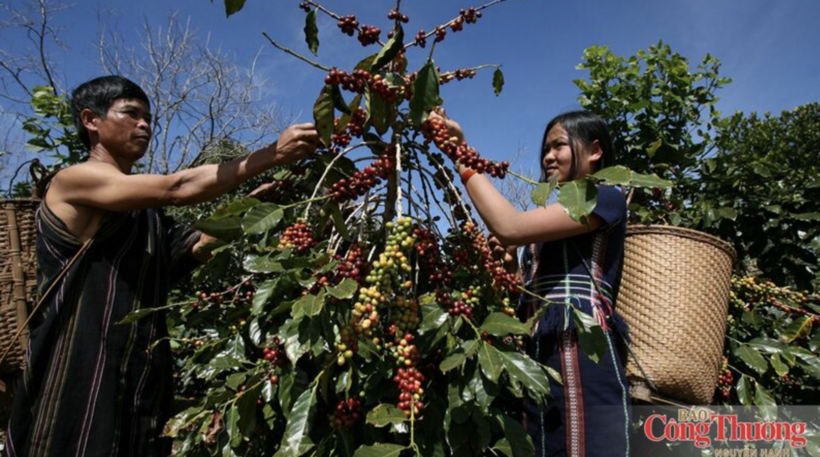
Complying with the European Union Deforestation Regulation (EUDR) is not only a legal requirement but also an opportunity for the coffee industry to improve supply chain transparency, reduce carbon emissions and enhance its value in international markets.
Building transparent sourcing areas for EUDR compliance
Addressing the webinar the webinar "Promoting Sustainable, Low-Emission Coffee Development in Compliance with EUDR: Nestlé Vietnam's Regenerative Agriculture Model," held by the Agro-Forestry Policy Research Network on July 14, Pham Phu Ngoc, Agriculture Manager and Head of the Nescafé Plan Vietnam, as well as Nestlé Vietnam's representative in the Central Highlands, said the company is focusing on three key priorities: complying with the European Union Deforestation Regulation (EUDR), reducing its carbon footprint and implementing regenerative agriculture.
EUDR drives a race to make coffee supply chains more transparent.
The Nescafé Plan currently covers more than 23,000 farming households and is expected to expand to over 26,000 by the end of 2026. To meet EUDR requirements, Nestlé has collected more than 40,000 land polygons to accurately identify sourcing areas and demonstrate that they have not been linked to deforestation since the 2020 cut-off date.
"With more than 23,000 participating households but over 40,000 polygons, mapping requires substantial investments in time, manpower and cost," Ngoc said.
The company has established an end-to-end traceability system linking farmers, collection points, processing plants and end customers. Polygon data are managed through a digital platform and cross-checked with cadastral records and land-use maps to support EUDR risk assessments.
Ngoc said most carbon emissions across the coffee value chain originate at the farm production stage. Nestlé has therefore built its regenerative agriculture program around three pillars: protecting and improving soil health, conserving water resources and enhancing biodiversity. Rather than rolling out all 17 regenerative agriculture practices at once, the company has prioritized three core practices to make adoption easier for farmers.
One of the most significant changes concerns weed management. While farmers previously removed all weeds, they are now encouraged to minimize tillage, maintain ground cover and mow weeds instead of eliminating them completely.
"Since farmers began retaining and mowing weeds as an additional source of organic matter, we have virtually eliminated glyphosate residue issues in coffee exported to Europe and the United States," Ngoc said.
On water management, Nestlé is working with the Western Highlands Agriculture and Forestry Science Institute (WASI) to develop drought-tolerant coffee varieties through 2030. The objective is to extend irrigation intervals from the current 25-30 days to 40 days, or even 60 days. Water-saving irrigation solutions can reduce water use by 40-60%, while also lowering energy consumption and emissions from pumping.
"If applied across Vietnam's approximately 700,000 hectares of coffee plantations, the amount of water saved could meet the annual domestic water demand of around two million people," Ngoc said.
Nestlé is also partnering with WASI to introduce cover crops, shade trees, windbreaks and appropriate intercropping systems to enhance biodiversity. Rather than planting dense forests solely to increase carbon credits, the company recommends strip intercropping that protects ecosystems without compromising coffee productivity. The recommended model is to plant one strip of intercrops after every two or three rows of coffee trees.
The Nescafé Plan is currently implemented by a core team of about eight staff members, supported by more than 300 farmer group leaders working in local communities. Through a network of demonstration farms and field-based training, farmers receive hands-on guidance from leading growers in their own areas.
Initial results show that participating households have increased their incomes by 30-150%, while average yields have risen from around two tonnes to three tonnes per hectare. Nestlé, in collaboration with WASI, has supplied more than 100 million coffee seedlings, equivalent to replanting over 100,000 hectares of aging coffee plantations.
"Our goal is not to create dependency, but to equip farmers with the knowledge and capability to improve their livelihoods through their own efforts," Ngoc said.
An opportunity to elevate Vietnamese coffee
From a policy perspective, To Xuan Phuc, Executive Director of the Forest Policy, Trade and Finance Program at Forest Trends, said Vietnam's coffee industry is at a critical turning point as global markets continue tightening environmental requirements.
"EUDR compliance and the Net Zero target have become two urgent priorities for Vietnam's coffee supply chain. Transitioning to sustainable and climate-resilient agricultural models is an inevitable trend," Phuc said.
Phuc added that EUDR is not only a challenge but also an opportunity for Vietnam's coffee sector to improve supply chain transparency, enhance product quality and develop a low-emission production model. By combining market compliance with sustainable production, the industry will be better positioned to expand its markets and increase value in the future.
According to the Ministry of Agriculture and Environment, Vietnam's coffee exports in June 2026 were estimated at 150,000 tonnes worth USD 552.6 million. During the first six months of the year, exports reached 1.1 million tonnes valued at USD 4.78 billion.
Vietnam is currently the world's second-largest coffee exporter, accounting for around 8.3% of global coffee exports, behind only Brazil. The European Union accounts for more than 40% of Vietnam's coffee export value, with shipments benefiting from a zero-percent tariff under the EU-Vietnam Free Trade Agreement (EVFTA).
As importing markets place increasing emphasis on traceability and carbon emissions, the question is no longer whether to comply with EUDR, but how quickly and comprehensively compliance can be achieved. To maintain its competitive edge, Vietnam's coffee industry must accelerate the transition to sustainable, climate-resilient agricultural models.
"Only when the coffee industry develops sustainably can businesses and all stakeholders across the supply chain generate lasting economic value," Phuc said.
Although Vietnam is the world's second-largest coffee exporter, most of its exports remain in the raw commodity segment. While EUDR may create short-term pressure, it also presents an opportunity to reposition the industry toward higher value-added production. If traceability, emissions reduction and regenerative agriculture are integrated into a unified strategy, they will not only help safeguard access to the EU market but also lay the foundation for building Vietnam's reputation as a producer of low-emission coffee in global markets.
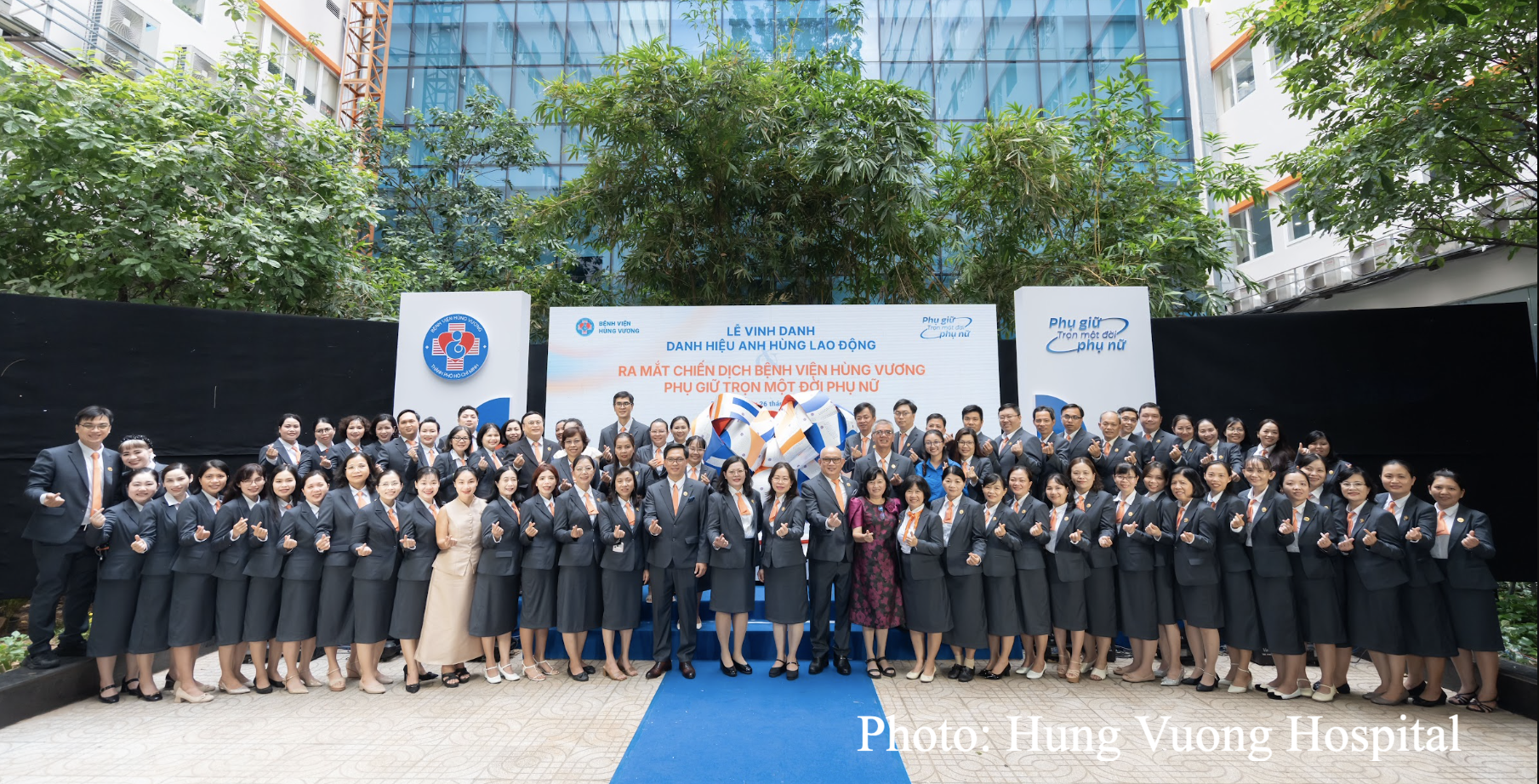
Hung Vuong Hospital held a ceremony to honor its Labor Hero title and launch the campaign “Supporting Women Throughout Their Lives,” marking a shift from its traditional image as an obstetrics and gynecology hospital toward a broader model of comprehensive, continuous women’s healthcare across different stages of life.
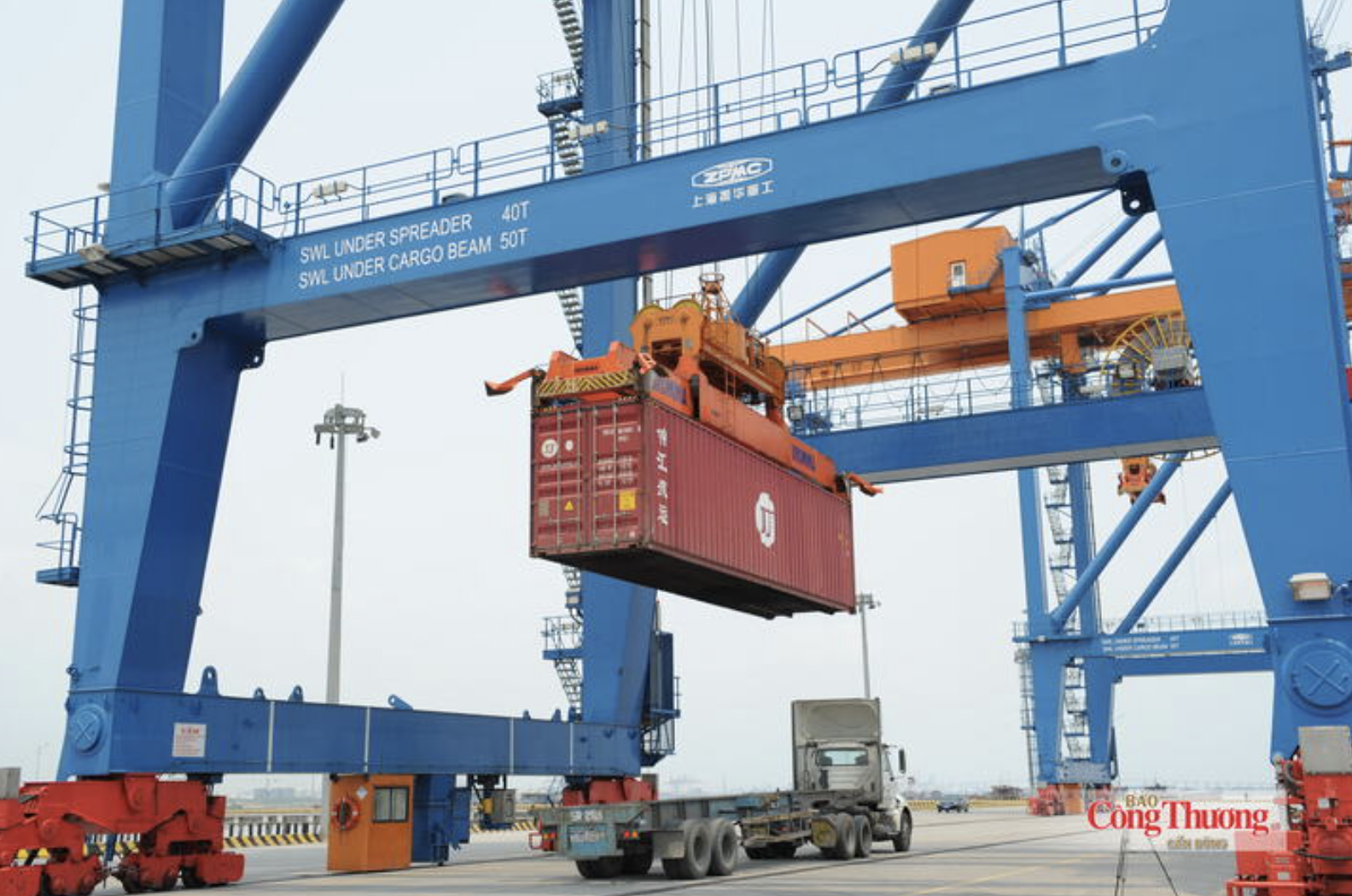
From an economy devastated by the 1945 famine, with exports virtually paralyzed, Vietnam has, over the past 81 years, emerged as one of the region’s leading trading nations, with total import-export turnover approaching the USD 1 trillion mark.
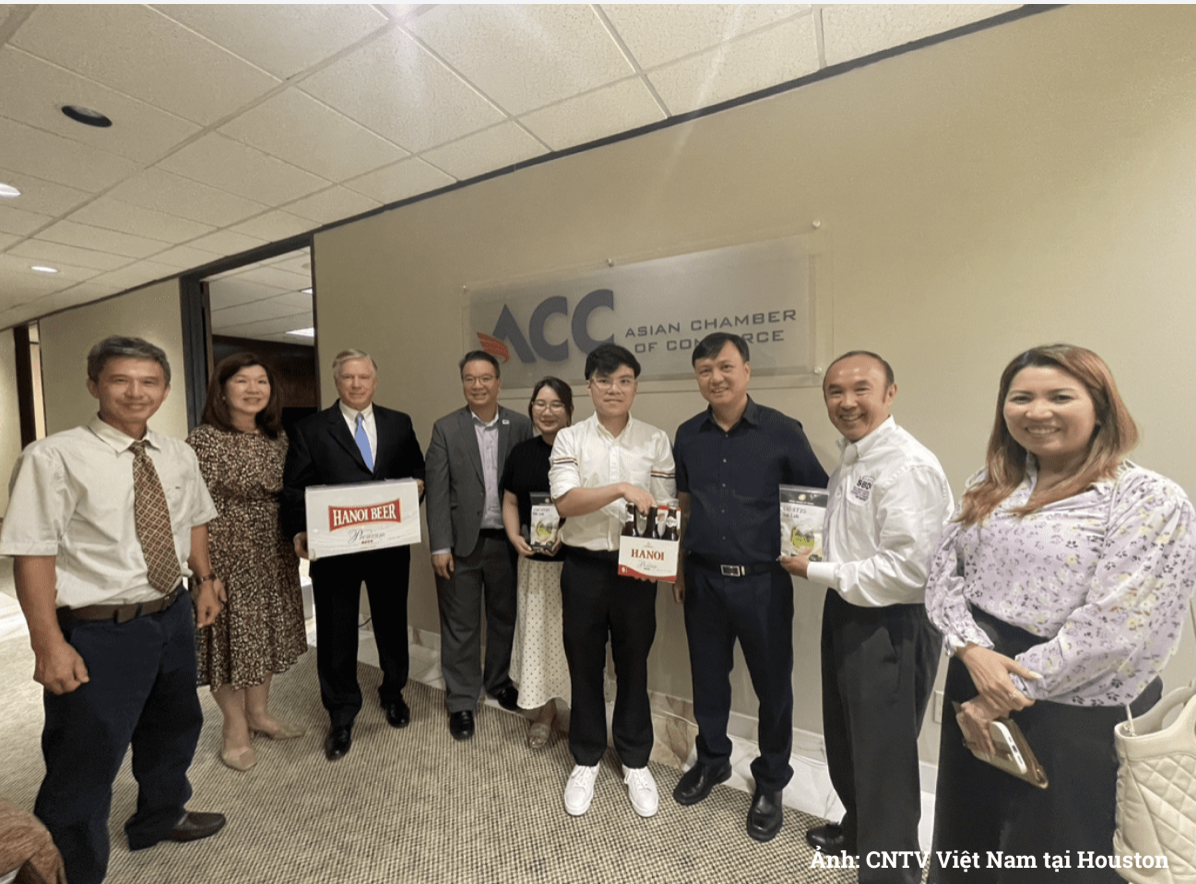
Viet Nam showcases distinctive export products in Yunnan, seeking to expand distribution networks and strengthen access to the Southwest Chinese market.
On the back of high political trust and economic complementarity, Vietnamese and Singaporean agencies, localities, and companies are expected to develop new cooperation models, products, and values that deliver practical benefits to both countries, said Minister of Foreign Affairs Le Hoai Trung.
Hung Vuong Hospital held a ceremony to honor its Labor Hero title and launch the campaign “Supporting Women Throughout Their Lives,” marking a shift from its traditional image as an obstetrics and gynecology hospital toward a broader model of comprehensive, continuous women’s healthcare across different stages of life.
From an economy devastated by the 1945 famine, with exports virtually paralyzed, Vietnam has, over the past 81 years, emerged as one of the region’s leading trading nations, with total import-export turnover approaching the USD 1 trillion mark.
A visit and fact-finding tour in Can Tho city by National Assembly Chairman Tran Thanh Man and President of the National Assembly of Côte d’Ivoire Patrick Achi has opened up opportunities for Vietnamese businesses to showcase their production and processing capabilities, expand markets and strengthen connectivity with Côte d’Ivoire.
NSMO is proactively preparing operating plans, strengthening on-call arrangements and coordinating with relevant units to ensure the national power system operates safely and reliably during Viet Nam’s National Day holiday from August 29 to September 2, 2026.