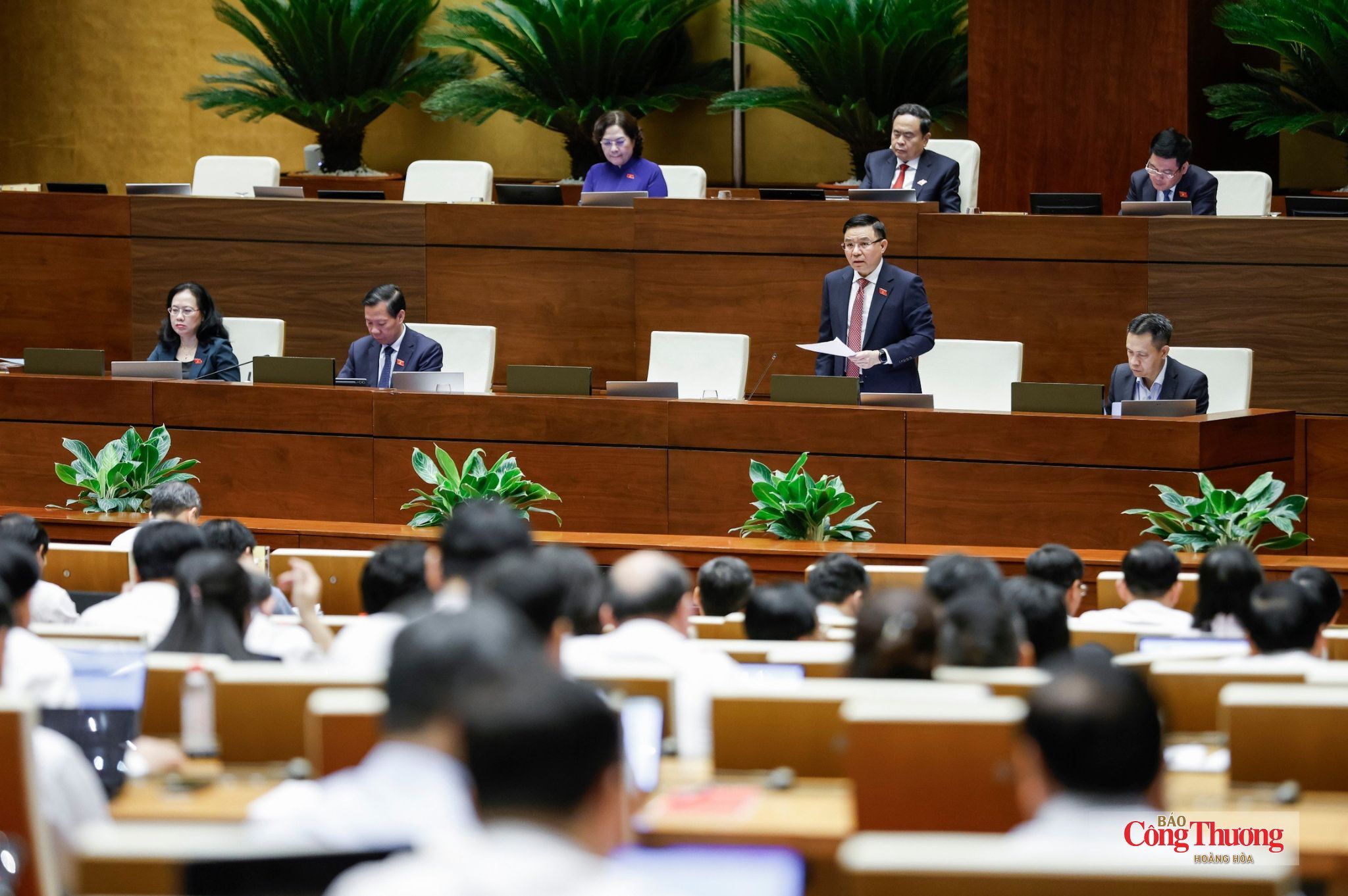
Resolution 253 is assessed as unprecedented, with breakthrough policies reflecting the Ministry of Industry and Trade’s role in removing long-standing bottlenecks.
From Resolution 70 to the demand for special mechanisms
Amid emerging challenges to national energy security, the National Assembly has adopted Resolution 253 on mechanisms and policies for national energy development in the 2026 - 2030 period. The resolution is considered special in nature and without precedent, aiming to address persistent bottlenecks in energy development, ranging from planning and investment to pricing mechanisms and investor selection.
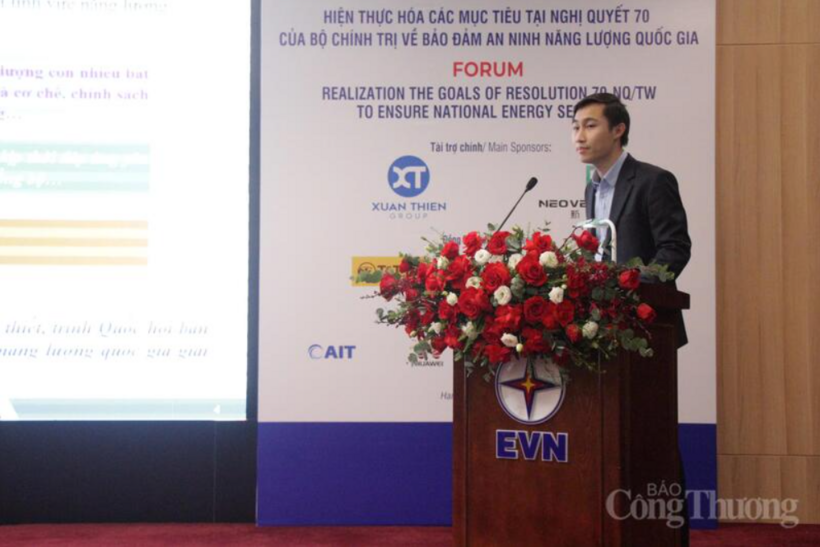
Nguyen Manh Cuong, Planning and Strategy Division, Electricity Authority under the Ministry of Industry and Trade. Photo: P.C
At the forum “Materializing the objectives of the Politburo’s Resolution 70 on ensuring national energy security,” Nguyen Manh Cuong from the Planning and Strategy Division of the Electricity Authority under the Ministry of Industry and Trade presented an overview of Resolution 253, clarifying its background and key breakthrough elements.
According to Nguyen Manh Cuong, on August 20, 2025, the Politburo issued Resolution No. 70 on ensuring national energy security with a vision to 2030 and 2045. This is one of the seven pillar resolutions of strategic significance, demonstrating the Party’s renewed thinking on energy development.
However, practical implementation has shown that after five years of implementing Resolution 55, the energy sector still faces major shortcomings, including limitations in the legal framework for energy development, untimely mechanisms for mobilizing resources, inflexible adjustments to planning, and cumbersome administrative procedures.
One of the most prominent bottlenecks lies in the current Law on Planning, which lacks flexible mechanisms for adjustment, preventing many energy projects from being updated or revised in a timely manner and seriously affecting implementation progress. Each year, the Ministry of Industry and Trade receives numerous petitions from localities and investors seeking solutions to planning-related obstacles, but comprehensive handling has been constrained by legal barriers.
In addition, the approval of investment policy and the selection of investors, particularly during the 2021 - 2024 period, have become major impediments for power generation and grid projects. Many localities have faced difficulties in appraising project dossiers, leading to inconsistent interpretations and practices and creating challenges for investors.
Against this backdrop, Resolution 70 assigned the task of submitting to the National Assembly, when necessary, a separate resolution on mechanisms and policies to remove obstacles to national energy development in the 2026 - 2030 period. Resolution 253 was adopted in response to that requirement.
Breakthroughs in planning adjustment and decentralization of authority
Resolution 253 comprises 16 articles, clearly defining its scope of regulation and subjects of application. Notably, it does not apply to projects under the handling authority of Steering Committee 751, meaning that long-standing stalled projects will be addressed through separate mechanisms.
According to Nguyen Manh Cuong, one of the most significant innovations of Resolution 253 is the mechanism for adjusting and updating energy development planning. Such adjustments must adhere to the principle of not altering the fundamental viewpoints and objectives of the approved planning and not increasing total installed capacity beyond the approved power structure.
Resolution No. 253/2025/QH15 marks a shift in legislative thinking on energy policy.
The resolution permits planning updates in specific cases, including updates in line with agreements between the Government of Vietnam and partner countries, particularly in the context of Vietnam’s growing regional power grid interconnections. It also allows adjustments to power generation projects, including renewable energy and battery storage projects, in terms of project names, capacity scale, implementation schedules, and administrative locations.
Importantly, Resolution 253 allows for the addition of new power generation projects to replace those that are delayed or fail to be implemented, thereby preventing the situation of “planning slots” being occupied without actual deployment. The inclusion of battery storage projects is regarded as a solution to enhance the safe and stable operation of the power system.
In terms of authority, the resolution demonstrates a clear spirit of decentralization. The authority to adjust and update national energy development planning is assigned to the Minister of Industry and Trade, while authority over projects under provincial planning rests with chairpersons of provincial-level People’s Committees.
Another major breakthrough lies in investment mechanisms for power grid projects. Under Resolution 253, investment projects for power grid business included in approved power development planning and provincial planning are exempt from procedures for approval of investment policy, significantly shortening project preparation time.
The resolution also clarifies two cases: for projects not subject to investor selection through bidding, the approved planning serves as the legal basis for subsequent procedures; for projects subject to bidding, the bidding results constitute the basis for implementation.
Regarding investor selection, Resolution 253 adds five cases in which investors may be approved without land-use rights auctions. These include projects for the national power system operation center, offshore wind power projects, projects where investors already hold lawful land-use rights, and urgent projects serving national energy security.
Notably, Clauses 2 and 3 of Article 6 allow chairpersons of provincial-level People’s Committees to approve state-owned enterprises as investors in cases where private investors show no interest in investing in transmission grids. This is considered an important solution to avoid the situation of having power sources without corresponding transmission infrastructure.
Resolution 253 also introduces new provisions on electricity pricing mechanisms. Under Article 8, the winning bid price is the power purchase agreement price and must not exceed the bidding price ceiling, while negotiation time is capped at 30 days. For most projects that already have an approved price framework, investors are not required to renegotiate electricity prices, but only commercial terms.
With regard to small modular nuclear power, Resolution 253 introduces incentive mechanisms encouraging both the state and private sectors to participate in research and investment, gradually institutionalizing the orientations set out in Resolution 70.
For offshore wind power, the resolution clearly differentiates mechanisms by development phases. Approximately 6,000 MW in the 2025 - 2030 period falls under the authority of the Prime Minister to approve investment policy, with electricity prices not exceeding the maximum price framework. In the 2031 - 2035 period, approval authority will be decentralized to provincial-level People’s Committees, based on consultations with relevant ministries and agencies.
Another noteworthy aspect is the mechanism for direct power purchase agreements. Resolution 253 expands eligible participants to include industrial parks, economic zones, hi-tech zones, urban areas, and free trade zones. Electricity contract prices are to be mutually agreed upon by the parties, respecting the rights of both buyers and sellers.
Resolution 253 takes effect from March 1, 2026 to December 31, 2030. Projects that have issued bidding documents during the effective period of the resolution will continue to be implemented in accordance with its provisions. In cases of discrepancies between Resolution 253 and other laws, the resolution shall prevail unless newer legal documents provide higher incentives.
The National Assembly’s adoption of Resolution 253, based on the Government’s proposal and with policy advice from the Ministry of Industry and Trade, demonstrates the ministry’s strong determination to gradually realize the major tasks and orientations set out by the Party in Resolution 70.
On January 29, the Newspaper of Industry and Trade will organize the forum “Materializing mechanisms and policies for national energy development in the 2026 - 2030 period,” bringing together representatives of management agencies, experts, and businesses to discuss solutions for removing institutional bottlenecks, mobilizing resources, and promoting key sectors to bring the resolution into practice.
The forum brings together representatives of management agencies, experts, and businesses to focus on discussing solutions to remove institutional bottlenecks, mobilize resources, and promote key sectors, thereby helping translate the Resolution into practice.
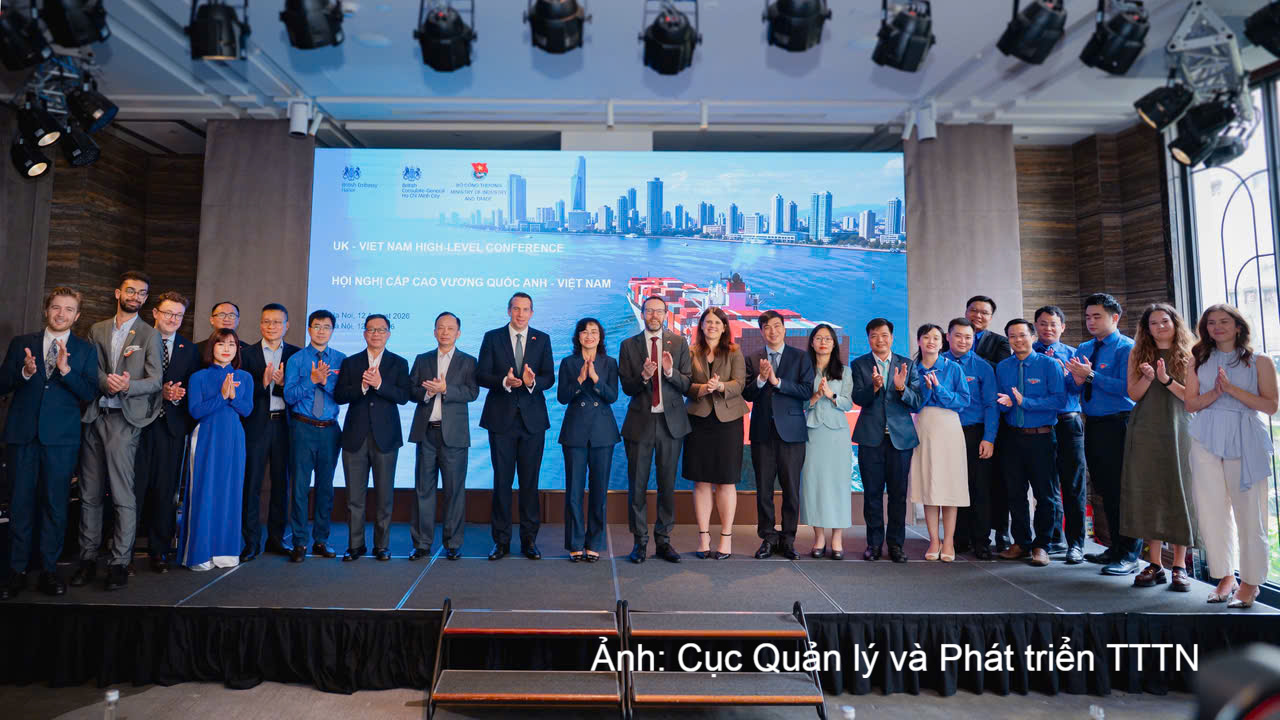
The 2026 UK - Viet Nam Summit was held in Ha Noi on August 12, focusing on fields that are creating new momentum for growth, including artificial intelligence (AI), financial technology, crypto assets, commodity derivatives markets and logistics.
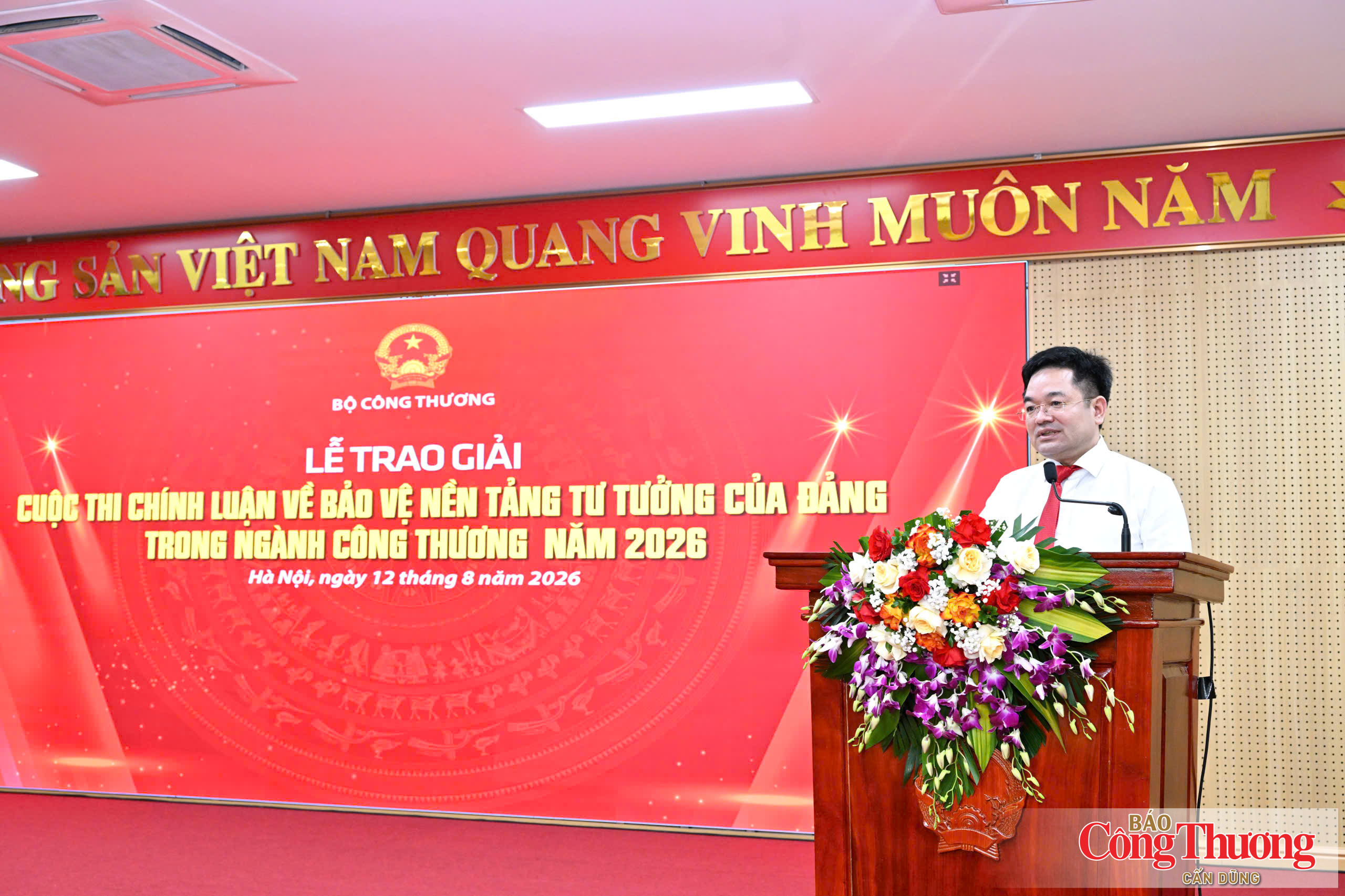
Editor-in-Chief of the Industry and Trade Newspaper Nguyen Van Minh said distorted narratives are defeated by counterarguments and undeniable realities when Party members perform their duties well too.
On August 12, Deputy Minister of Industry and Trade Phan Thi Thang held an online working session with Andrea Corao Faria, Venezuela's Deputy Minister for Asia, the Middle East and Oceania at the Ministry of Foreign Affairs and Foreign Trade.
Viet Nam and Australia are deepening energy and minerals cooperation strengthening supply chains, investment and support for the energy transition in both countries.
During his working trip accompanying Party General Secretary and State President To Lam on a State visit to Australia, Minister of Industry and Trade Le Manh Hung held a bilateral meeting with Australian Minister for Trade and Tourism Don Farrell in Canberra on August 11 (local time), to discuss measures to promote economic and trade relations between the two countries.
Viet Nam’s manufacturing industry must move beyond processing and assembly, master technology, raise localization and generate higher value across production chains.
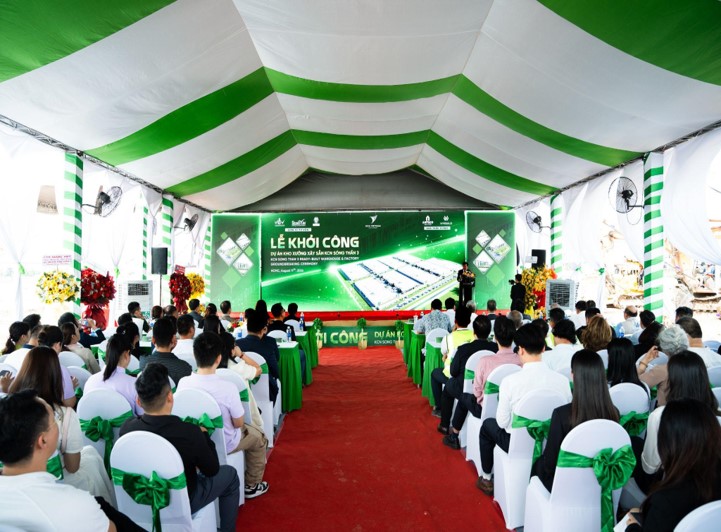
KCN Vietnam has broken ground on its 21.9-hectare Song Than 3 project in Ho Chi Minh City, adding over 130,000 sqm of LEED-standard industrial space to the market.
MoIT leader Le Manh Hung clarified major issues in the revised Petroleum Law, including decentralisation, investment incentives, CCS and offshore energy development.
The Netherlands offers strong opportunities for Vietnamese firms to enter manufacturing supply chains, but meeting strict market standards remains a major challenge.
As Vietnam advances its energy transition, battery energy storage systems (BESS) are emerging as a key solution for enhancing grid flexibility, increasing the integration of renewable energy and strengthening energy security.