Resolution 253 is expected to unlock power planning, ease bottlenecks and accelerate grids and storage projects, enabling investors to roll out projects from 2026.
Resolution No. 253/2025/QH15 (Resolution 253), which stipulates mechanisms and policies for national energy development in the 2026 - 2030 period, is widely regarded as an institutional boost for the energy sector, ranging from more flexible planning to paving the way for power grids and battery energy storage systems (BESS).
In an interview with the Newspaper of Industry and Trade, Nguyen Quang Huan, Chairman of the Board of Directors of Halcom Vietnam and a deputy of the 15th National Assembly, stressed that for projects to be implemented from 2026, the most critical requirements are clear guidelines, appropriate risk sharing and grid infrastructure moving ahead of generation.
Resolution 253 is expected by enterprises to shorten timelines for investment projects.
Paving the way for rapid development of grids, power sources and BESS
Resolution 253 allows greater flexibility in adjusting power planning, including the addition of power sources, grids and BESS. As Chairman of Halcom Vietnam, how do you expect this mechanism to shorten project preparation time, and what bottlenecks need to be removed for projects to be launched from 2026?
Nguyen Quang Huan: Resolution 253 sends a positive signal to energy enterprises as it addresses long-standing obstacles related to cumbersome procedures for adjusting and updating power planning. By expanding the scope of adjustments and strongly decentralising authority to localities, the Resolution can significantly shorten project preparation timelines.
It also introduces mechanisms to incorporate power generation sources, transmission grids and energy storage systems (BESS) into planning, helping resolve the situation where many renewable energy projects have been delayed or operated below capacity due to the lack of evacuation grids. As a result, projects are expected to face more favourable conditions for implementation from 2026.
However, in my view, for projects to truly “move,” three major bottlenecks still need to be addressed. First is the bidding mechanism. Most onshore projects are still subject to bidding, yet the guidelines remain unclear, creating significant risks for enterprises.
Second is the power purchase mechanism. While Article 8 sets out principles on pricing and responsibilities for negotiating power purchase agreements (PPAs), there are no specific guidelines for each type of project, which could lead to prolonged and unequal negotiations.
Third is the time-based electricity pricing mechanism. If electricity prices are fixed in local currency throughout the project life cycle without accounting for inflation and exchange rate fluctuations, financial risks will be substantial, given that equipment is imported in foreign currency while revenues are earned in local currency. Therefore, an annual price adjustment mechanism or pricing based on USD and converted into VND upon payment is needed.
Expanding investment space for the private sector
The Resolution addresses investment in grid projects in line with planning and streamlined approval procedures. What are your expectations regarding synchronisation between grids and power sources, particularly coordination mechanisms between localities and central authorities to evacuate capacity on schedule?
Nguyen Quang Huan: Grid congestion is the greatest risk facing renewable energy projects. Many projects have been completed but cannot evacuate capacity due to insufficient transmission infrastructure, especially during periods of strong sunshine or high winds when electricity demand is low. This risk is less pronounced for baseload power, but it represents a structural bottleneck for wind and solar power.
Article 5 of Resolution No. 253/QH15 provides specific regulations on grid investment. A key new point is that if private investors are allowed to invest in grids, particularly at the provincial level, such projects do not require approval of investment policy. This mechanism significantly shortens procedures while expanding space for private participation and reducing reliance on public investment capital for transmission.
We expect close coordination between central and local authorities so that the progress of power sources and grids is properly aligned. If a power plant is completed but the grid is not yet in place, the project cannot generate cash flow, exposing investors to substantial risks.
In addition to “hard” infrastructure investment, the dispatch system also needs to be upgraded. Smart dispatching and regulation technologies should be applied to enable more flexible operation and effectively evacuate capacity from 2026 onwards.
The Resolution contains separate provisions on offshore wind power and the direct power purchase agreement (DPPA) mechanism. From an enterprise perspective, what constitutes the “decisive moment” for making investment decisions?
Nguyen Quang Huan: The fact that Resolution 253 dedicates Article 10 and Article 11 specifically to offshore wind power reflects a policy orientation towards encouraging capable enterprises to participate in a strategic, capital-intensive sector. From a business standpoint, the “decisive moment” for investment does not hinge solely on the price framework, but on the completeness of the entire chain, including planning, grid connection points, power offtake contracts and financing arrangements. Ultimately, investors assess two key indicators: the internal rate of return (IRR) and the net present value (NPV) of a project.
A major current risk lies in grid connection points. Without clear and transparent allocation from the outset, projects may fail to connect to the grid or become entangled in discretionary approval mechanisms, increasing compliance costs and timelines. Regarding DPPA, while Article 13 sets out general principles, the market is still awaiting detailed guidance on grid usage fees for connecting buyers and sellers, as well as risk-sharing mechanisms when power purchasers may terminate contracts for various reasons, including production suspension, bankruptcy or force majeure events.
Overall, Resolution 253 has institutionalised part of Resolution No. 70-NQ/TW of the Politburo on orientations for the national energy development strategy towards 2045, providing a legal basis to address bottlenecks in the power sector. Enterprises expect detailed implementing guidelines to be issued soon so that the mechanisms can be put into practice, enabling projects to accelerate from 2026. If successfully implemented, the power sector will make an important contribution to achieving the target of double-digit GDP growth as early as 2026.
Thank you very much!
On January 29, the Newspaper of Industry and Trade will organise the forrum “Materializing mechanisms and policies for national energy development in the 2026 - 2030 period,” contributing to the concretisation of the National Assembly’s Resolution on mechanisms and policies for national energy development during this period.
The forum will bring together representatives from management agencies, experts and enterprises to focus on solutions to institutional bottlenecks, mobilise resources and promote key sectors, thereby helping translate the Resolution into practice.
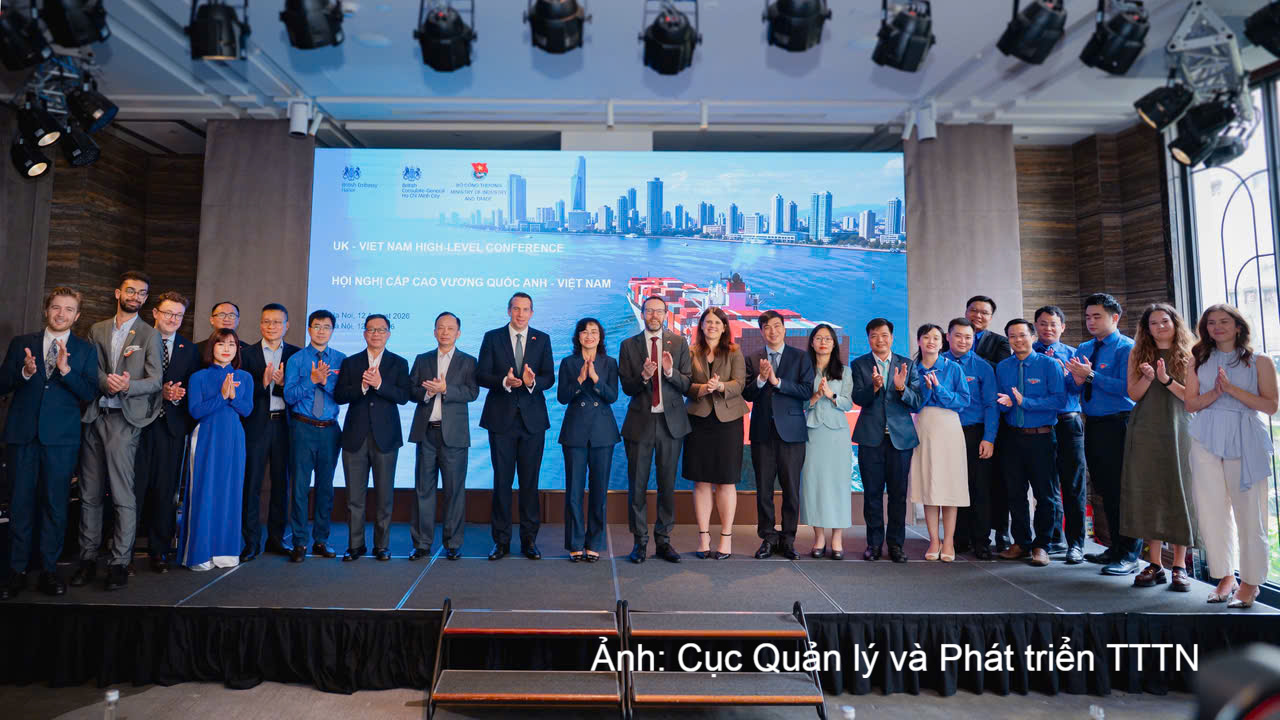
The 2026 UK - Viet Nam Summit was held in Ha Noi on August 12, focusing on fields that are creating new momentum for growth, including artificial intelligence (AI), financial technology, crypto assets, commodity derivatives markets and logistics.
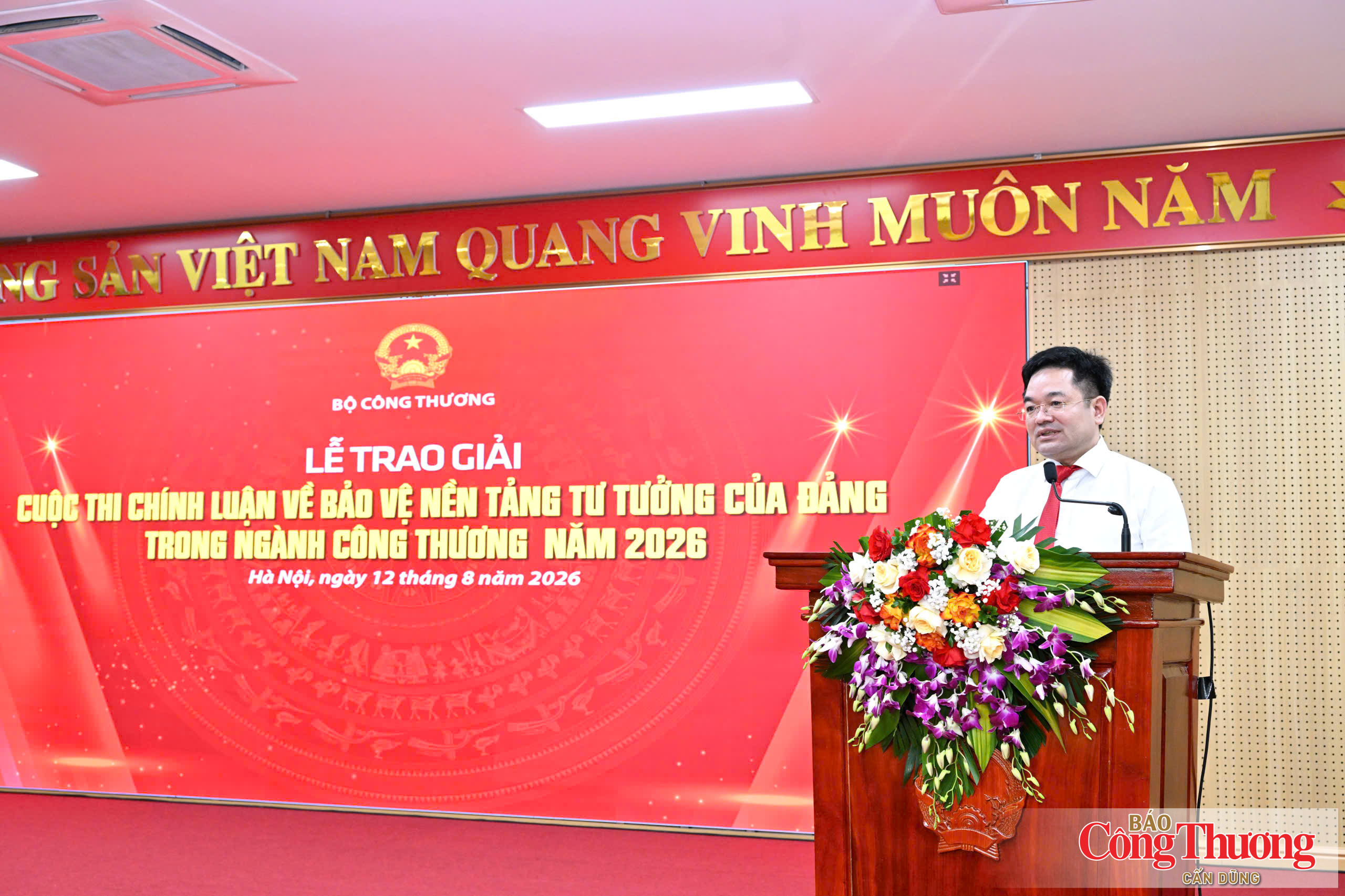
Editor-in-Chief of the Industry and Trade Newspaper Nguyen Van Minh said distorted narratives are defeated by counterarguments and undeniable realities when Party members perform their duties well too.
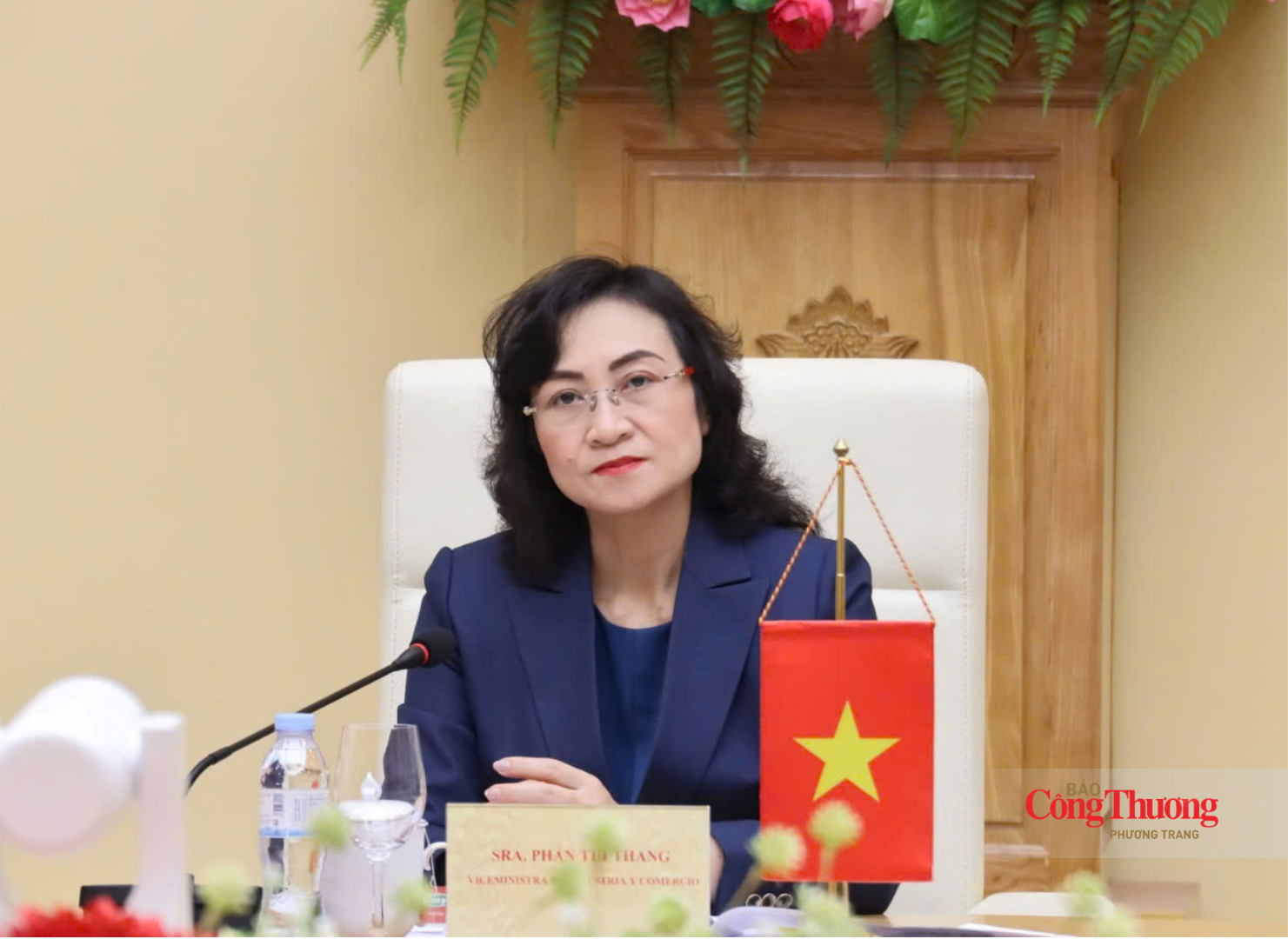
On August 12, Deputy Minister of Industry and Trade Phan Thi Thang held an online working session with Andrea Corao Faria, Venezuela's Deputy Minister for Asia, the Middle East and Oceania at the Ministry of Foreign Affairs and Foreign Trade.
Viet Nam and Australia are deepening energy and minerals cooperation strengthening supply chains, investment and support for the energy transition in both countries.
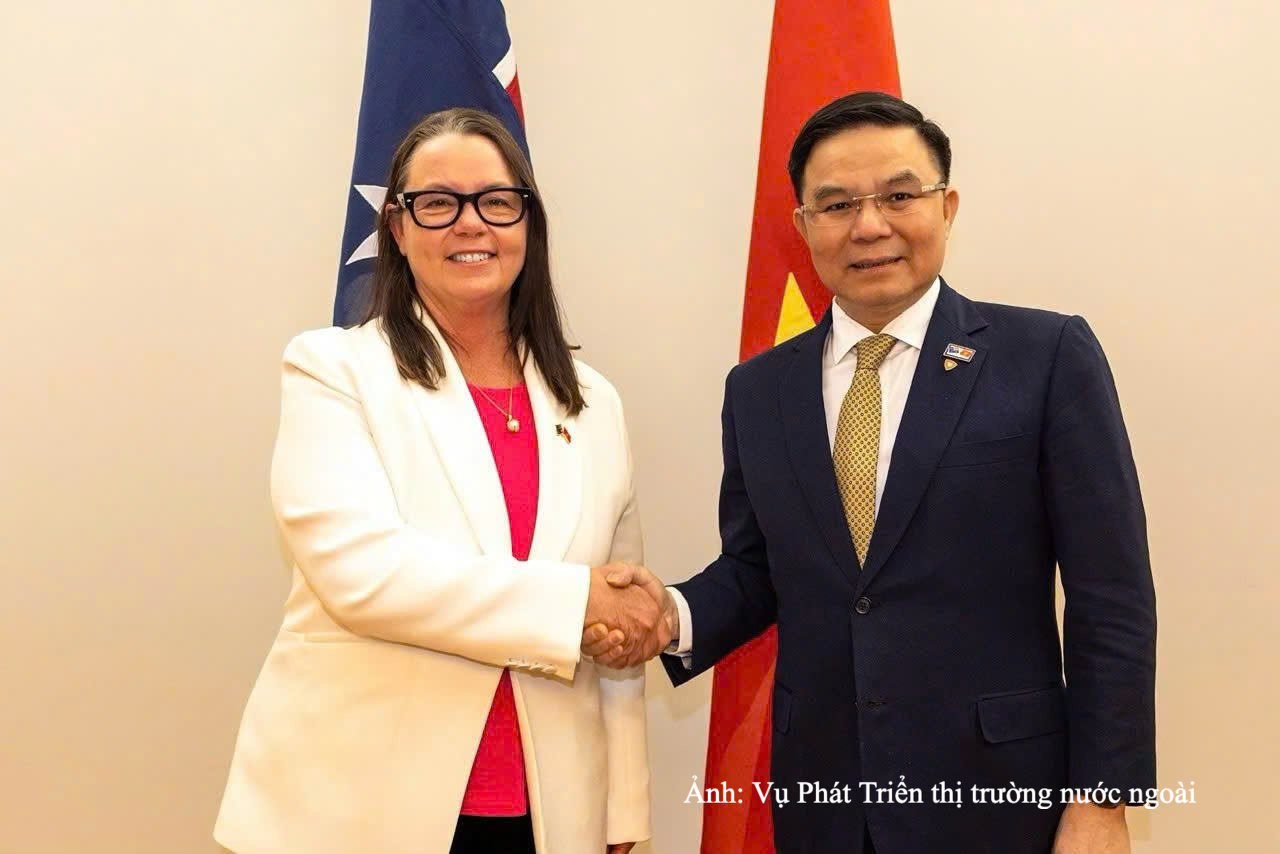
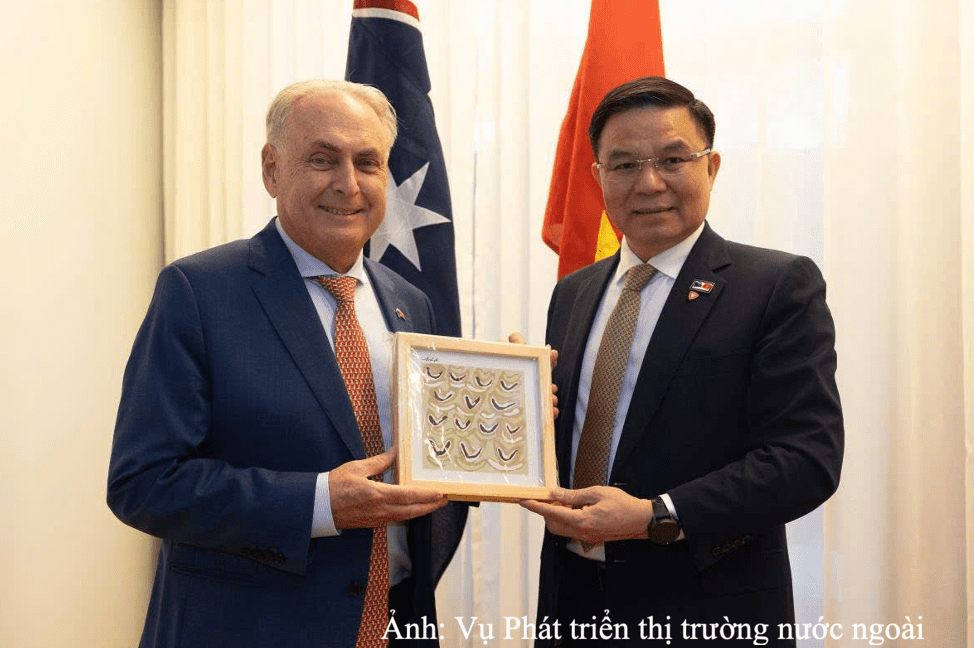
During his working trip accompanying Party General Secretary and State President To Lam on a State visit to Australia, Minister of Industry and Trade Le Manh Hung held a bilateral meeting with Australian Minister for Trade and Tourism Don Farrell in Canberra on August 11 (local time), to discuss measures to promote economic and trade relations between the two countries.
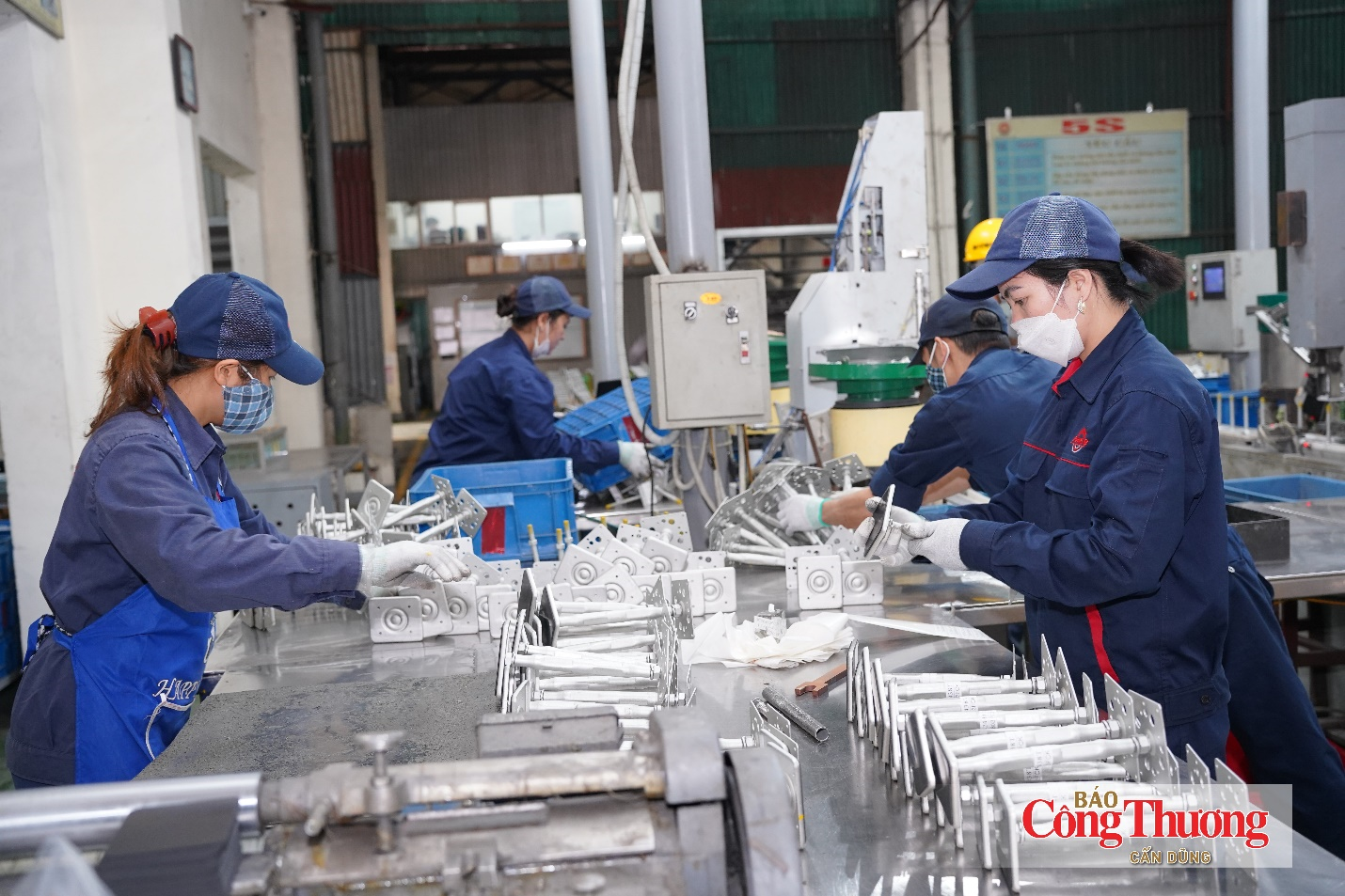
Viet Nam’s manufacturing industry must move beyond processing and assembly, master technology, raise localization and generate higher value across production chains.
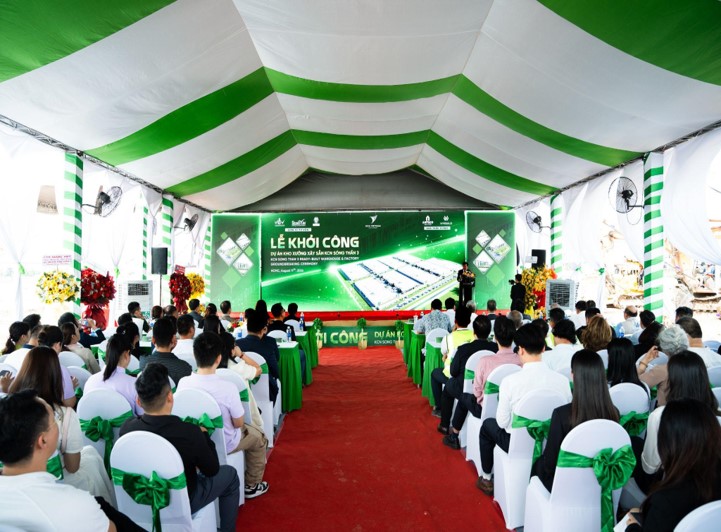
KCN Vietnam has broken ground on its 21.9-hectare Song Than 3 project in Ho Chi Minh City, adding over 130,000 sqm of LEED-standard industrial space to the market.
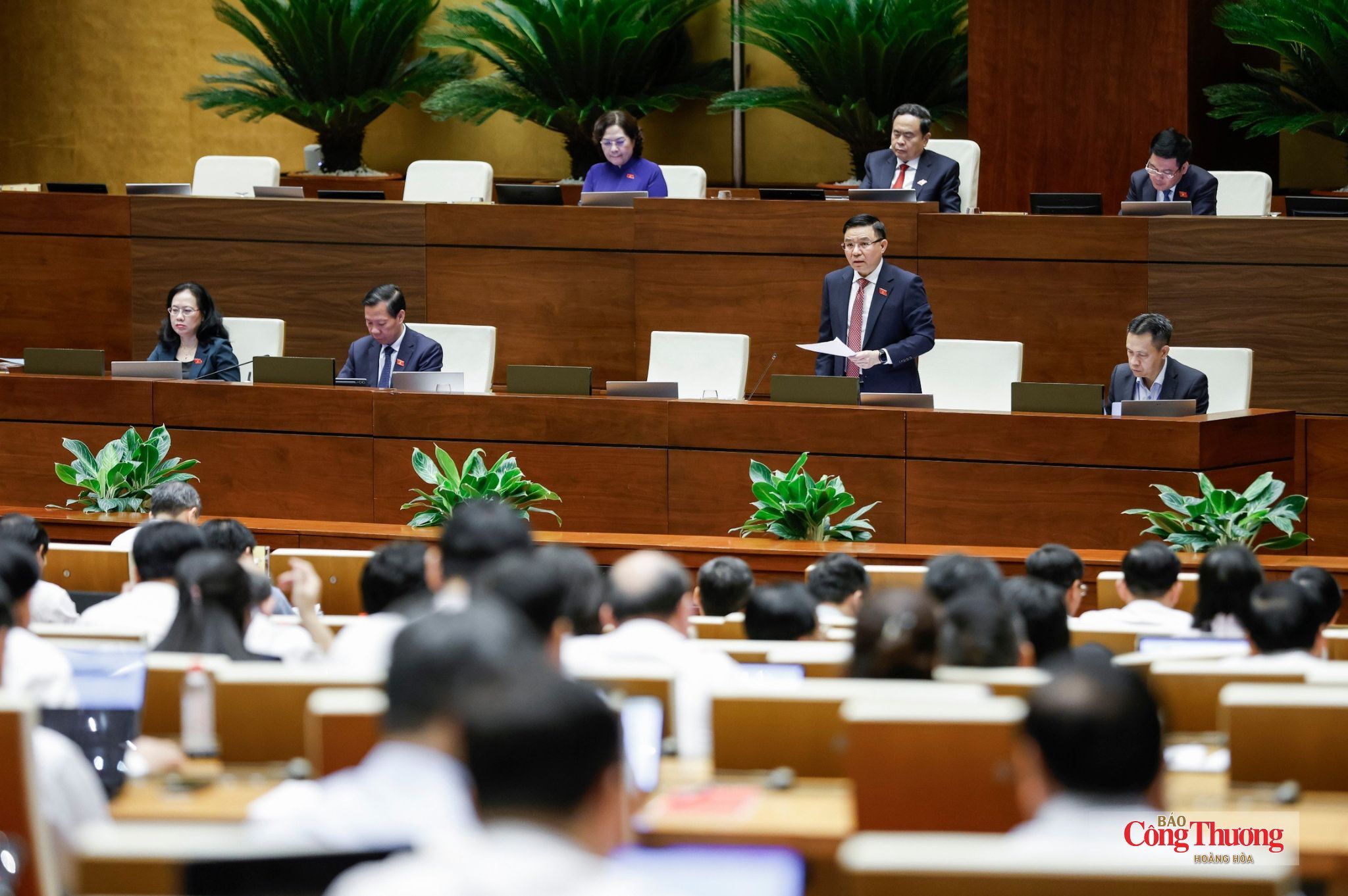
MoIT leader Le Manh Hung clarified major issues in the revised Petroleum Law, including decentralisation, investment incentives, CCS and offshore energy development.
The Netherlands offers strong opportunities for Vietnamese firms to enter manufacturing supply chains, but meeting strict market standards remains a major challenge.
As Vietnam advances its energy transition, battery energy storage systems (BESS) are emerging as a key solution for enhancing grid flexibility, increasing the integration of renewable energy and strengthening energy security.