The Ministry of Industry and Trade has issued Circular No. 65/2025/TT-BCT, expected to lay a foundation for enterprises to strengthen participation in supply chains.
Specifying incentive policies, strengthening transparency and accountability
The Ministry of Industry and Trade (MoIT) has recently issued Circular No. 65/2025/TT-BCT, detailing the implementation of several provisions of Government Decree No. 205/2025/ND-CP dated July 14, 2025, which amends and supplements Decree No. 111/2015/ND-CP on the development of supporting industries.
The circular applies to enterprises implementing projects that manufacture products included in the list of priority supporting industry products as stipulated in Decree No. 205/2025/ND-CP and that have been granted certificates of incentive eligibility by competent authorities. It also serves as a legal basis for state management agencies to issue, adjust and conduct post-inspections of incentive eligibility certificates for priority supporting industry projects.
Circular No. 65/2025/TT-BCT has been issued, completing the incentive framework and laying a new foundation for long-term investment by supporting industry enterprises.
A notable highlight of the circular is the clear regulation on the adjustment of incentive eligibility certificates. Accordingly, enterprises that have already been granted certificates are allowed to request adjustments, except in cases where such changes alter the fundamental nature of the products or projects that have been approved for incentives, as prescribed in Clause 10, Article 1 of Decree No. 205/2025/ND-CP.
Within 30 days from the receipt of complete and valid dossiers, together with enterprises’ explanations and the results of on-site inspections, competent authorities are required to notify enterprises in writing of the outcomes of certificate adjustments. This provision is expected to enhance transparency, shorten administrative processing time and create more favourable conditions for enterprises during project implementation.
Circular No. 65/2025/TT-BCT also clearly defines enterprises’ reporting obligations. Specifically, enterprises must submit annual reports on the implementation of supporting industry projects that have been granted incentive eligibility certificates to competent authorities before April 15 each year, starting from the year following the issuance of the certificate. In addition, enterprises are required to prepare reports serving post-inspection activities upon request by management agencies.
Enterprises are responsible for committing to the accuracy and integrity of reported information and bear full legal responsibility for their reports. Reporting templates are specified in the appendices attached to the circular, which will officially take effect on February 16, 2026.
Enterprises seek policy stability to grow
From the perspective of enterprises, clear, stable and long-term policies are regarded as a prerequisite for the substantive development of supporting industries. In an interview with the Newspaper of Industry and Trade on the afternoon of January 10, Nguyen Quang Thang, General Director of Bao Minh Chau Industrial Joint Stock Company, said that along with growth momentum, the company has consistently focused on improving product quality, gradually investing in infrastructure and technology, and standardising production processes to approach international technical standards.
With core products such as electrical cabinets, distribution and control systems, and integrated solutions for factories, Bao Minh Chau is aiming to participate more deeply in global supply chains, particularly in high-demand markets such as Japan and the Republic of Korea. The company is currently planning to invest in a new factory, with support from local authorities.
According to Nguyen Quang Thang, the key for Vietnamese supporting industry enterprises not only to survive but to truly grow lies in a stable policy system that aligns with the specific characteristics of industrial investment. Enterprises are ready to make large-scale investments in infrastructure, high technology, automation, research and development, and international standards, but require more flexible capital mechanisms to overcome traditional collateral constraints.
“When policies enable enterprises to feel secure in making long-term investments, Vietnamese businesses can fully integrate into regional and global value chains and become a core production force in the new development stage,” he stressed.
Assessing future prospects, Nguyen Hoang, Chairman of the Hanoi Supporting Industry Business Association, told the Industry and Trade Newspaper on the sidelines of an expanded executive committee meeting reviewing 2025 performance and outlining tasks for 2026 that the current period represents a historic opportunity as Vietnam enters a new development trajectory towards rapid, sustainable growth and enhanced global economic standing.
According to Nguyen Hoang, the attention and support of the Party, the Government, ministries, sectors and localities for supporting industries have become increasingly evident. A series of strategic resolutions issued by the Party Central Committee have established a long-term orientation framework for enterprises, particularly in science and technology, innovation, international integration, private sector development and supporting industries.
At the government level, amended and supplemented decrees on supporting industry development have gradually improved the legal framework, making it more practical and responsive to reality. For the MoIT, programmes and policies have gone beyond planning to focus on connecting and supporting enterprises in accessing multinational corporations, joining global supply chains and promoting technology transfer.
In Hanoi, the spirit of accompanying enterprises has been clearly demonstrated through administrative procedure reforms, investment in supporting industry industrial parks and the issuance of specific local policies. Close coordination between central authorities, ministries and local governments is creating an important foundation for supporting industries to develop in the right direction, sustainably and with deeper integration into global value chains.
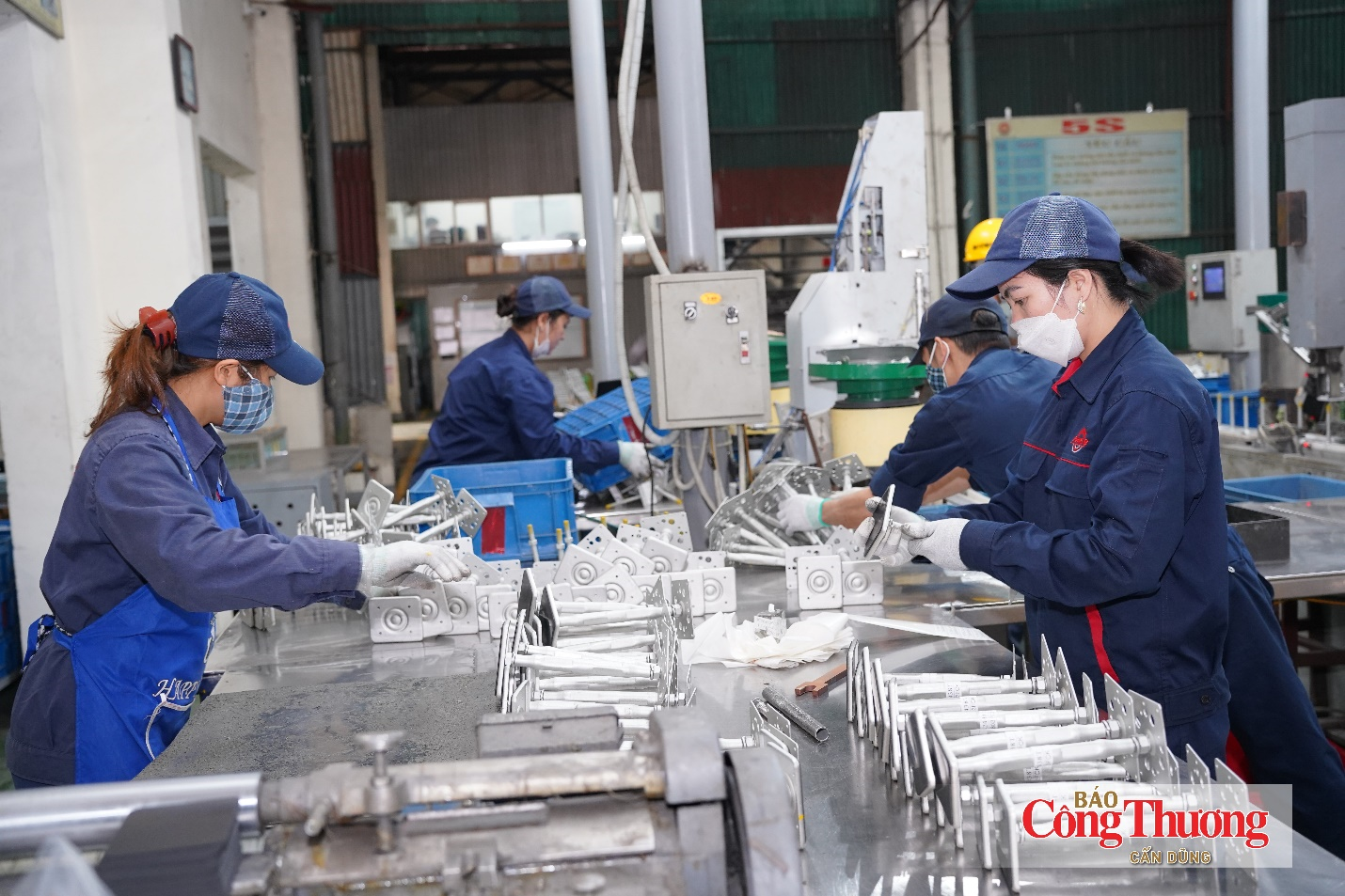
According to the Industrial Development Centre under the MoIT’s Vietnam Industry Agency, Vietnam currently has nearly 7,000 supporting industry enterprises, with component and spare parts manufacturers playing a leading role in supplying manufacturing industries such as automobiles, motorcycles, mechanics, and electrical and electronic equipment. Several sectors have achieved relatively high localisation rates, strengthening their competitive advantages over imported products.
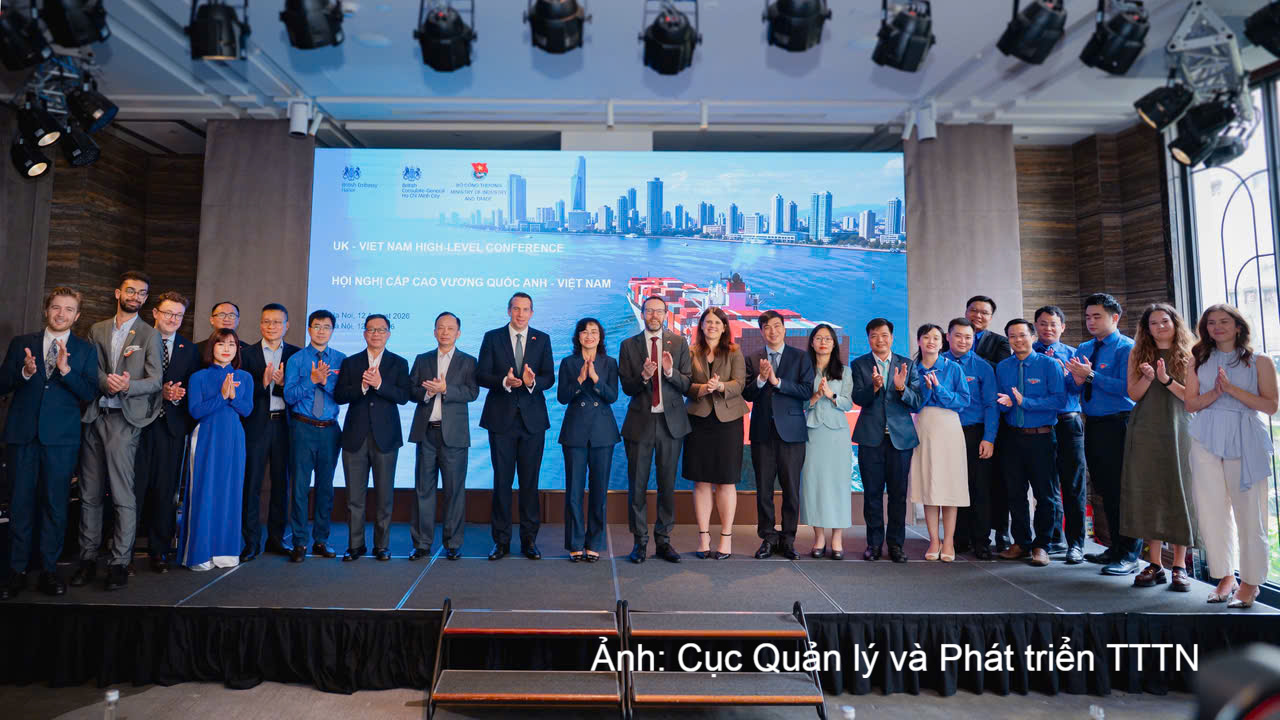
The 2026 UK - Viet Nam Summit was held in Ha Noi on August 12, focusing on fields that are creating new momentum for growth, including artificial intelligence (AI), financial technology, crypto assets, commodity derivatives markets and logistics.
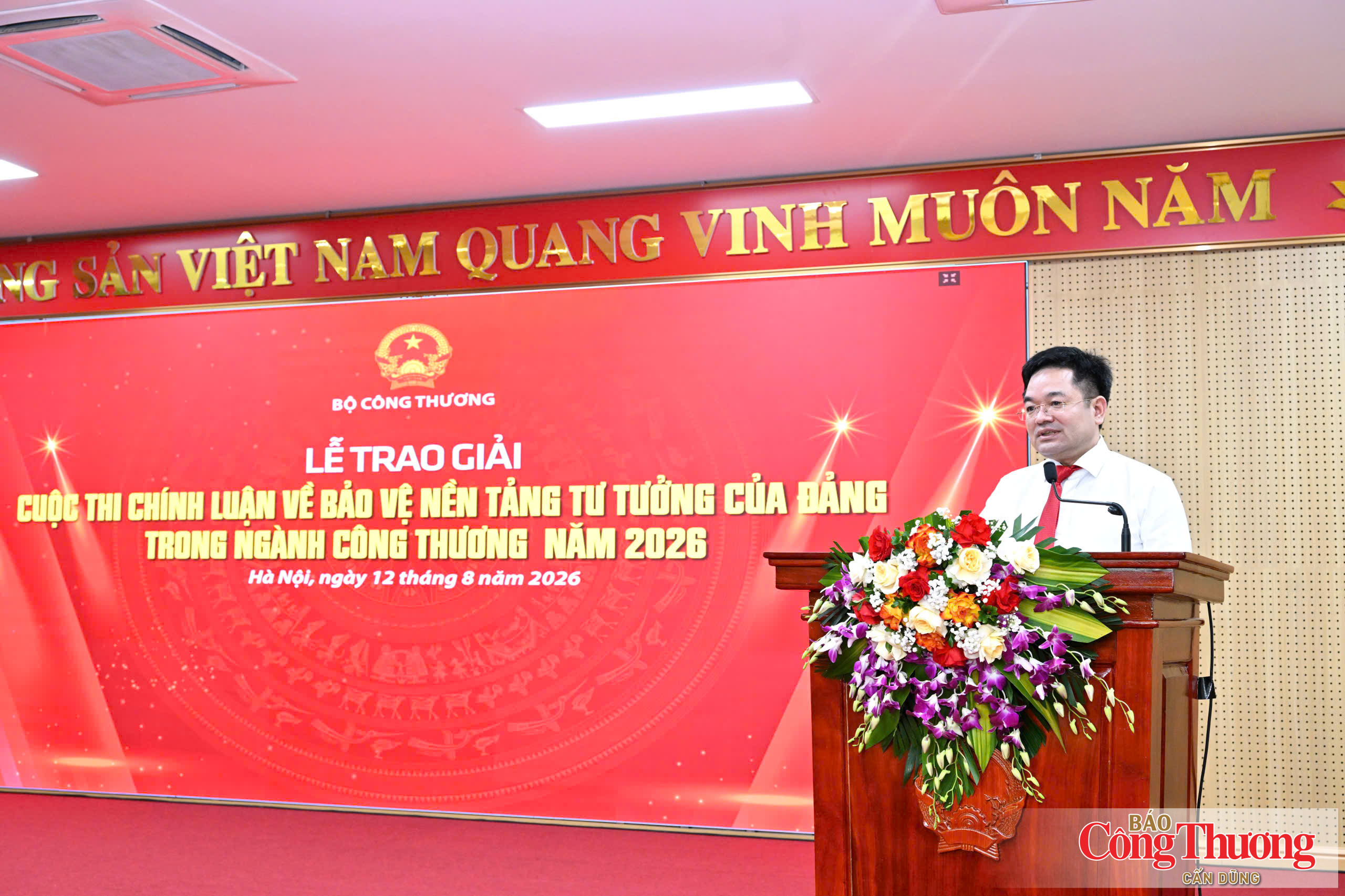
Editor-in-Chief of the Industry and Trade Newspaper Nguyen Van Minh said distorted narratives are defeated by counterarguments and undeniable realities when Party members perform their duties well too.
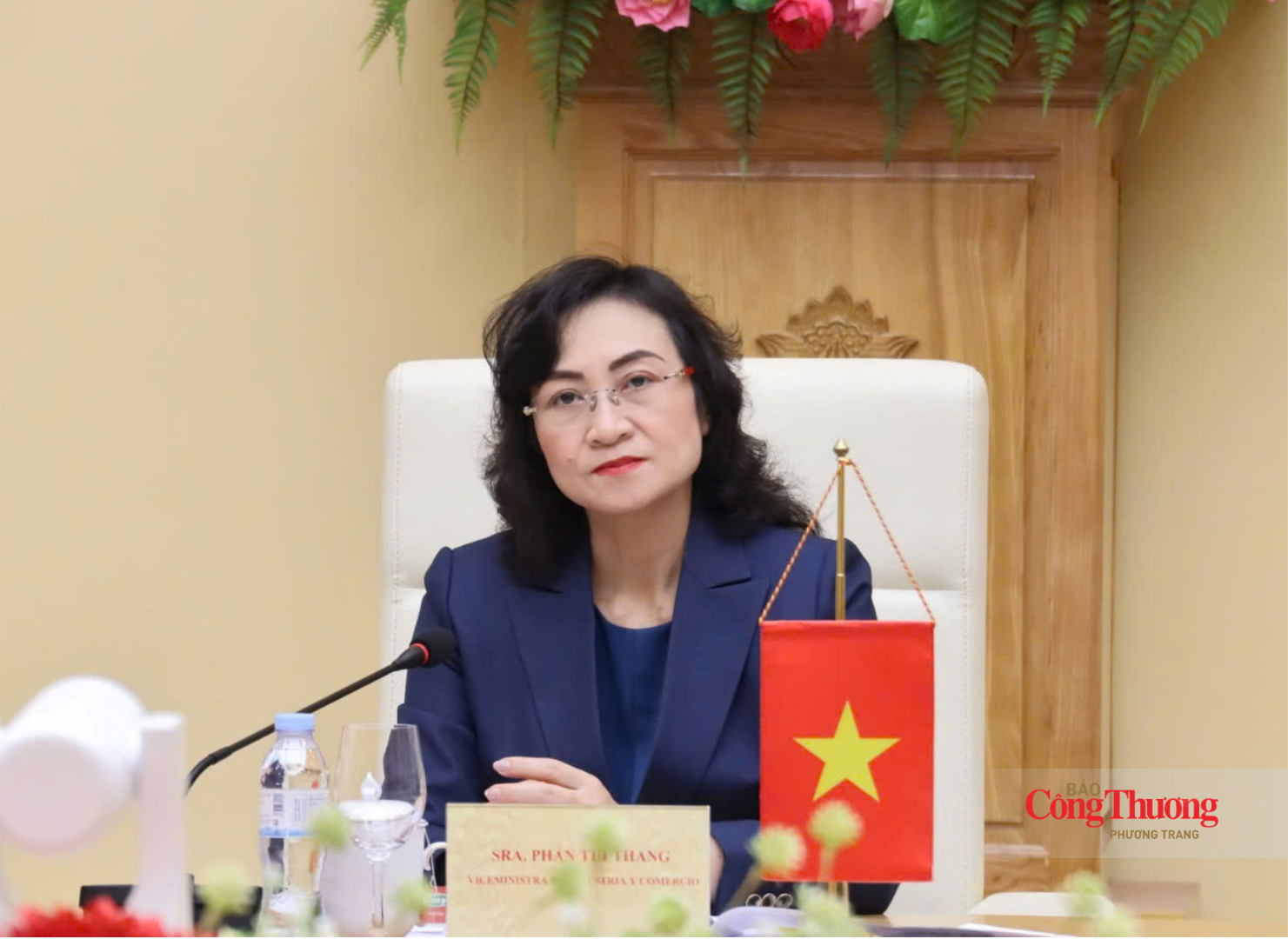
On August 12, Deputy Minister of Industry and Trade Phan Thi Thang held an online working session with Andrea Corao Faria, Venezuela's Deputy Minister for Asia, the Middle East and Oceania at the Ministry of Foreign Affairs and Foreign Trade.
Viet Nam and Australia are deepening energy and minerals cooperation strengthening supply chains, investment and support for the energy transition in both countries.
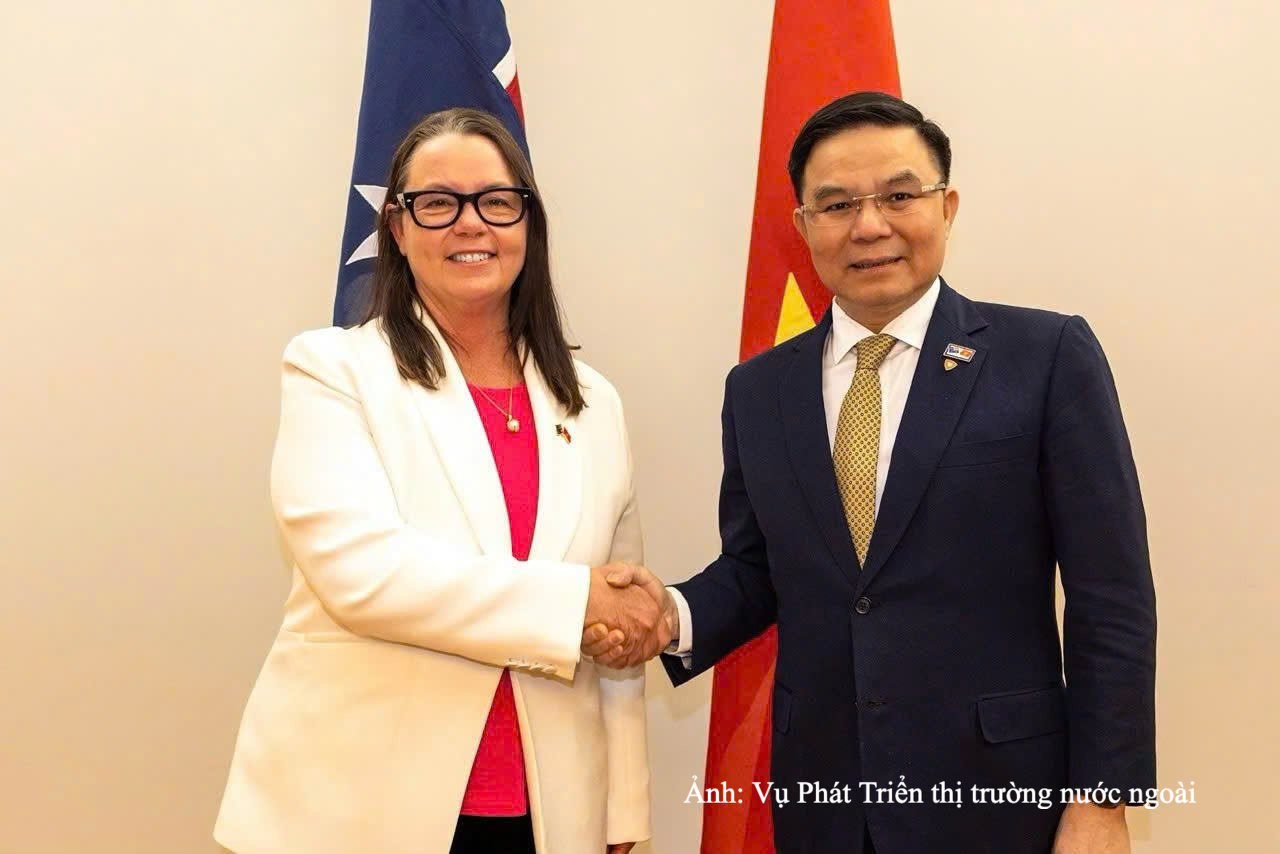
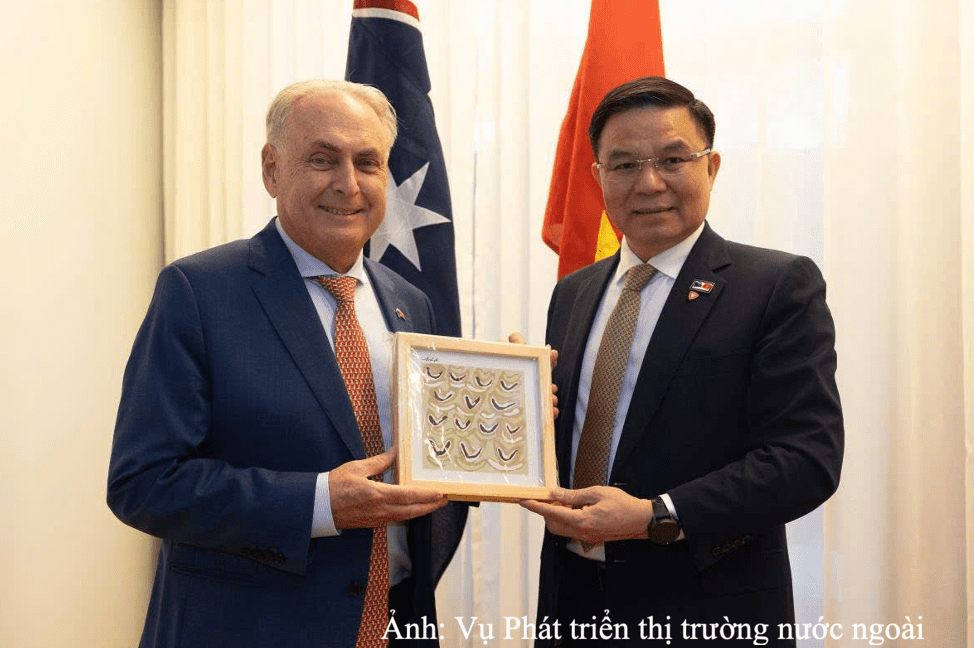
During his working trip accompanying Party General Secretary and State President To Lam on a State visit to Australia, Minister of Industry and Trade Le Manh Hung held a bilateral meeting with Australian Minister for Trade and Tourism Don Farrell in Canberra on August 11 (local time), to discuss measures to promote economic and trade relations between the two countries.
Viet Nam’s manufacturing industry must move beyond processing and assembly, master technology, raise localization and generate higher value across production chains.
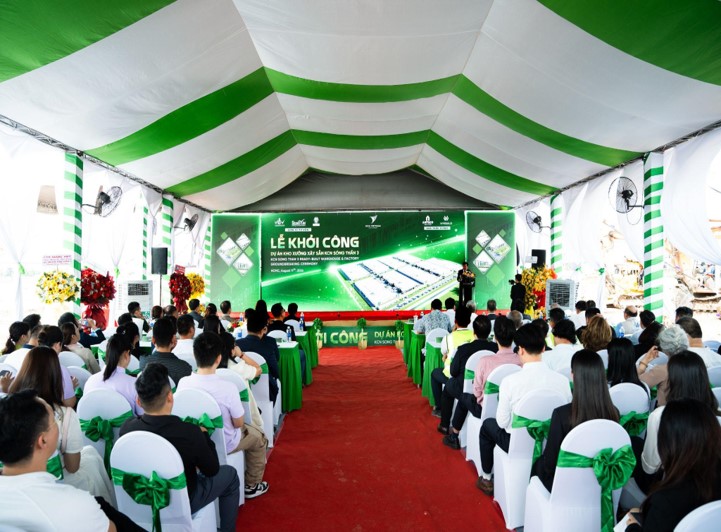
KCN Vietnam has broken ground on its 21.9-hectare Song Than 3 project in Ho Chi Minh City, adding over 130,000 sqm of LEED-standard industrial space to the market.
MoIT leader Le Manh Hung clarified major issues in the revised Petroleum Law, including decentralisation, investment incentives, CCS and offshore energy development.
The Netherlands offers strong opportunities for Vietnamese firms to enter manufacturing supply chains, but meeting strict market standards remains a major challenge.
As Vietnam advances its energy transition, battery energy storage systems (BESS) are emerging as a key solution for enhancing grid flexibility, increasing the integration of renewable energy and strengthening energy security.