Laos' national quality infrastructure has reached a significant milestone with the signing ceremony of the joint venture agreement establishing the Lao State Goods Inspection and Certification Company.
The establishment of a state-controlled joint venture for goods inspection is expected to serve as a "shield" protecting consumers. However, managing the risk of conflicts of interest as a private enterprise becomes deeply involved in the regulatory process remains a major challenge that requires careful solutions.
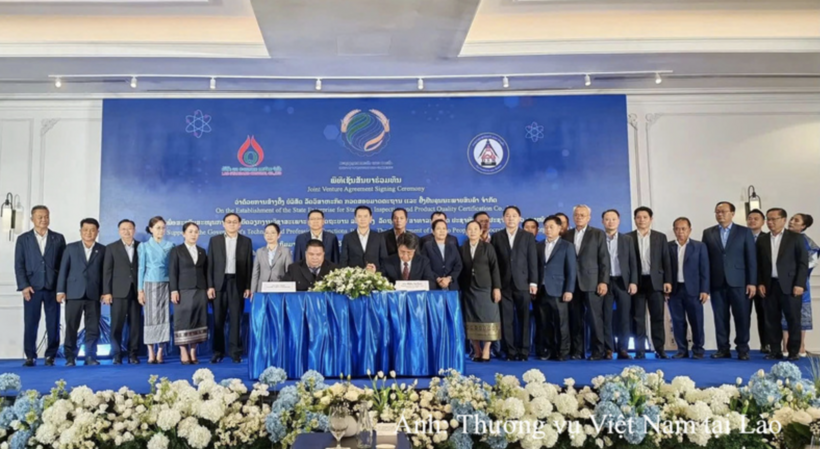
The signing ceremony of the joint venture agreement establishing the Lao State Goods Inspection and Certification Company.
A strategic step in the public-private partnership model
On July 24, 2026, Laos' national quality infrastructure marked an important milestone with the signing ceremony of the joint venture agreement establishing the Lao State Goods Inspection and Certification Company.
The ceremony was held in Vientiane in the presence of Mr. Malaithong Kommasith, Minister of Industry and Commerce of Laos, along with representatives of central ministries and agencies, the city government, and the business community.
Under the plan approved by the Lao Government, the ownership structure is clearly defined: the Department of Standards and Metrology under the Ministry of Industry and Commerce, representing the State, holds a controlling 51% stake, while Lao Standard Control, the private-sector partner, holds the remaining 49%.
The agreement was signed by Sisangkhom Khotyotha, Director General of the Department of Standards and Metrology, and Mr. Outhan Thailitthi, Chairman of Lao Standard Control.
A "shield" for the market and consumers
The establishment of the joint venture reflects the Lao Government's determination to modernize its trade management capacity. The company has been tasked with strengthening the country's national quality infrastructure, standardizing inspection procedures in line with international standards, and serving as an extended technical arm supporting the Ministry of Industry and Commerce in carrying out its professional functions.
Emphasizing the significance of the event, Sisangkhom Khotyotha stated: "Inspection and quality certification are key instruments for protecting consumer rights, ensuring product safety, and strengthening confidence in goods circulating in the market."
The company's scope of operations will cover the entire market, including domestically manufactured goods, imports, exports, and the nationwide distribution network. This is considered an essential preparation as trade and manufacturing activities in Laos continue to expand.
Expert Perspective: The governance challenge of partnering with the private sector
A public-private partnership (PPP) model in the field of quality inspection offers significant advantages in terms of technical expertise, modern infrastructure, and the operational flexibility of the private sector. However, allowing a private enterprise to hold as much as a 49% stake in an entity that provides professional capabilities for a state regulatory authority also presents complex governance challenges.
Economic and policy experts believe that for this strategic initiative to achieve its intended objectives without deviating from its original direction, the Lao Government should pay particular attention to three core areas.
First, ensure a complete separation between "regulatory authority" and "inspection services."
A clear legal boundary should be established between the State's regulatory powers, including setting standards, issuing licenses, and imposing sanctions, and the provision of technical services such as measurement, testing, and inspection. The joint venture should serve solely as an objective provider of technical data and must not participate in or influence administrative decision-making or policy formulation within the Ministry of Industry and Commerce.
Second, establish mechanisms to monitor conflicts of interest and enhance transparency.
The greatest risk lies in self-dealing. The private shareholder could exploit its position within the joint venture to relax standards for its own products or those of its partners, or conversely, create unreasonable technical barriers to disadvantage competitors in the marketplace. To address these risks, the Lao Government should establish an independent oversight council or implement regular post-audits. It should also adopt blind testing procedures and anonymize sample data so that technicians cannot identify the owners of the goods being tested, thereby eliminating opportunities to influence inspection results.
Third, preserve the State's effective veto power.
Although the State holds a 51% controlling stake, the minimum threshold for majority ownership, its representatives within the joint venture must possess both strong professional expertise and political leadership to maintain strategic direction. Key decisions regarding technical procedures, service pricing frameworks, and the appointment of senior personnel should be explicitly assigned to the State under the company's charter, preventing private shareholders from exercising de facto control through superior operational capabilities.
A strong foundation for the future
Combining public and private resources is an inevitable trend for enhancing the effectiveness of national quality infrastructure. If the Lao Government successfully manages conflicts of interest through a transparent legal framework and rigorous oversight mechanisms, the Lao State Goods Inspection and Certification Company will not only serve as a "shield" safeguarding the domestic market but also become a key driver enabling Lao products to compete confidently in global markets.
This article was written by Tran Thi Tu Anh, Trade Counsellor, Vietnam Trade Office in Laos.
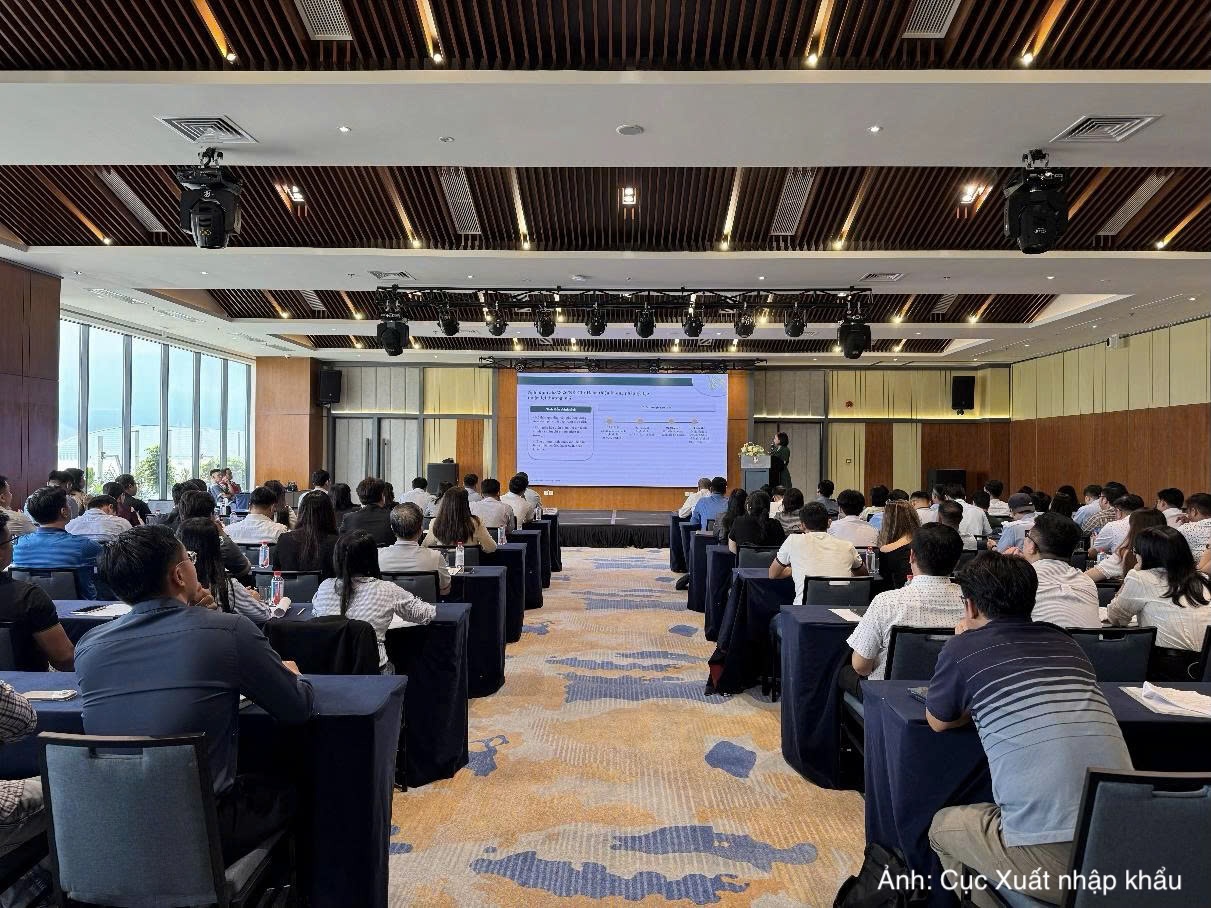
On October 13, the Agency of Foreign Trade under the Ministry of Industry and Trade (MoIT) held a conference in Dong Thap province to disseminate Government Decree No.365/2026/ND-CP dated September 23, 2026, on rice export and import business, and Circular No.65/2026/TT-BCT dated October 1, 2026, issued by the Minister of Industry and Trade, detailing certain provisions and measures for implementing Decree No.365/2026/ND-CP.
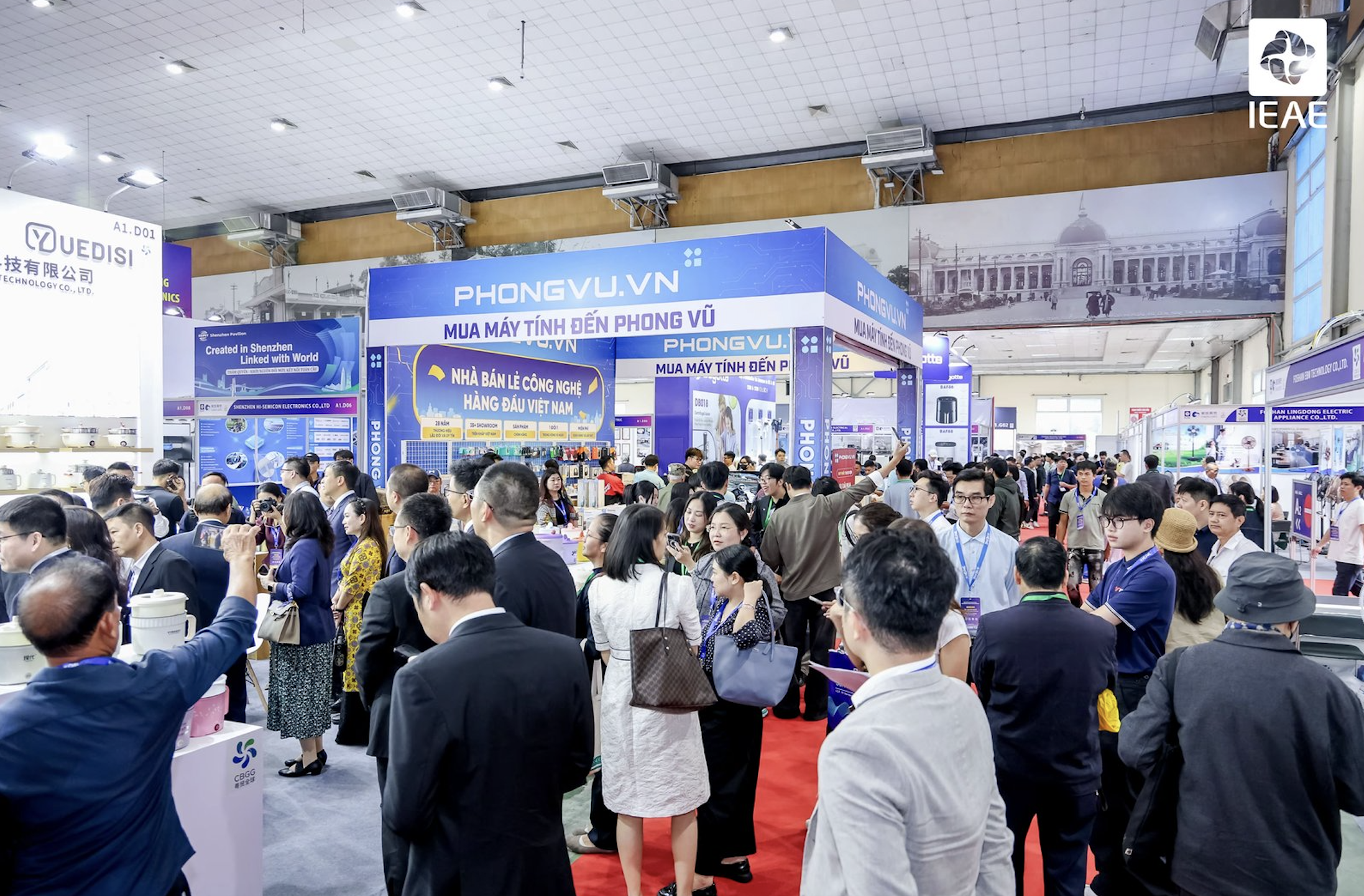
IEAE Hanoi 2026 will gather over 300 exhibitors, showcasing electronics, smart appliances and connecting businesses with sourcing and trade opportunities in Vietnam.
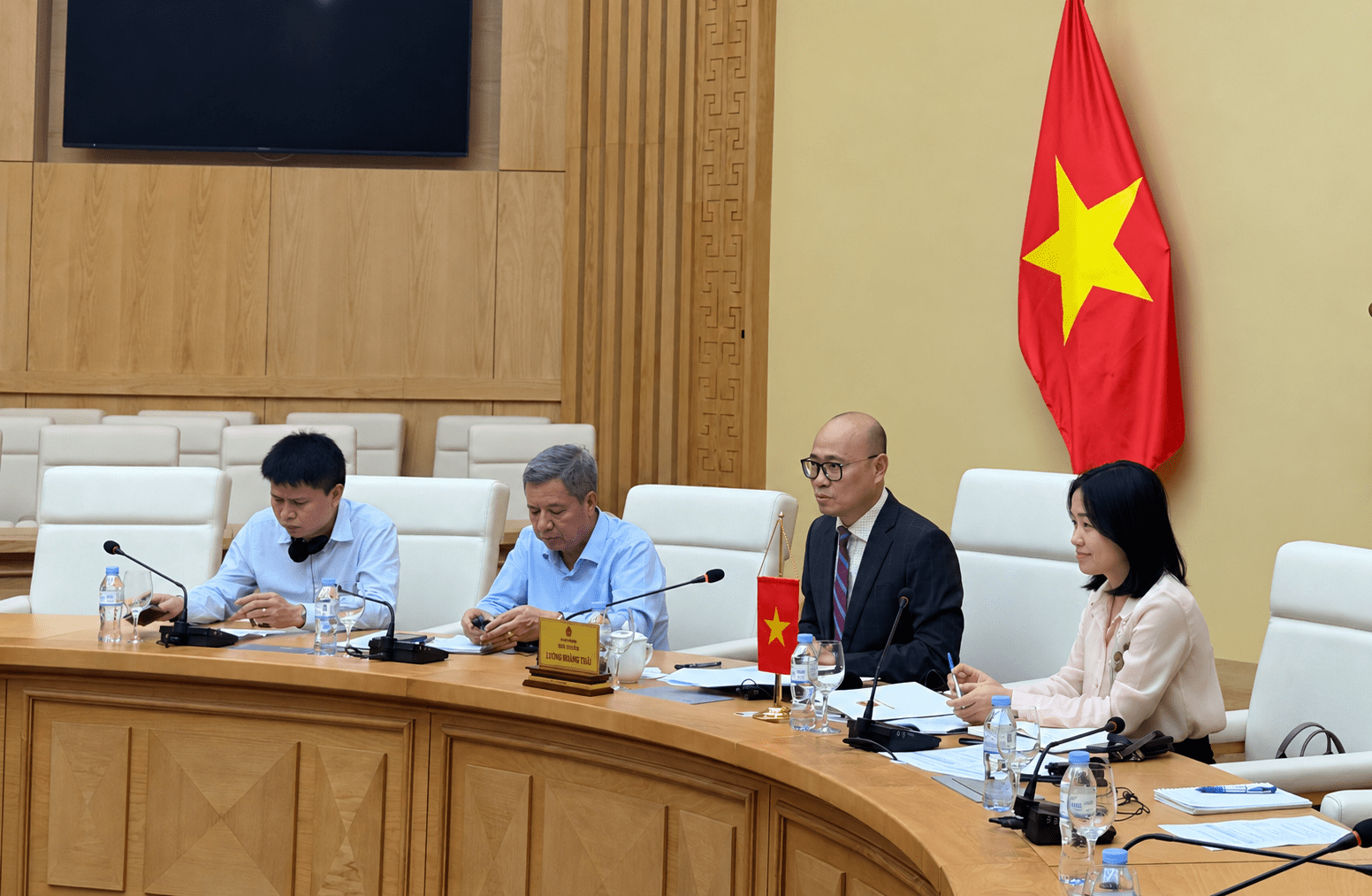
On October 13, Deputy Minister of Industry and Trade Luong Hoang Thai held a working session with MEDEF International, a French business organization, and representatives of French corporations operating in various sectors, including energy, industry, transport, construction and infrastructure development, food and beverages, and services, at the Ministry of Industry and Trade's headquarters.
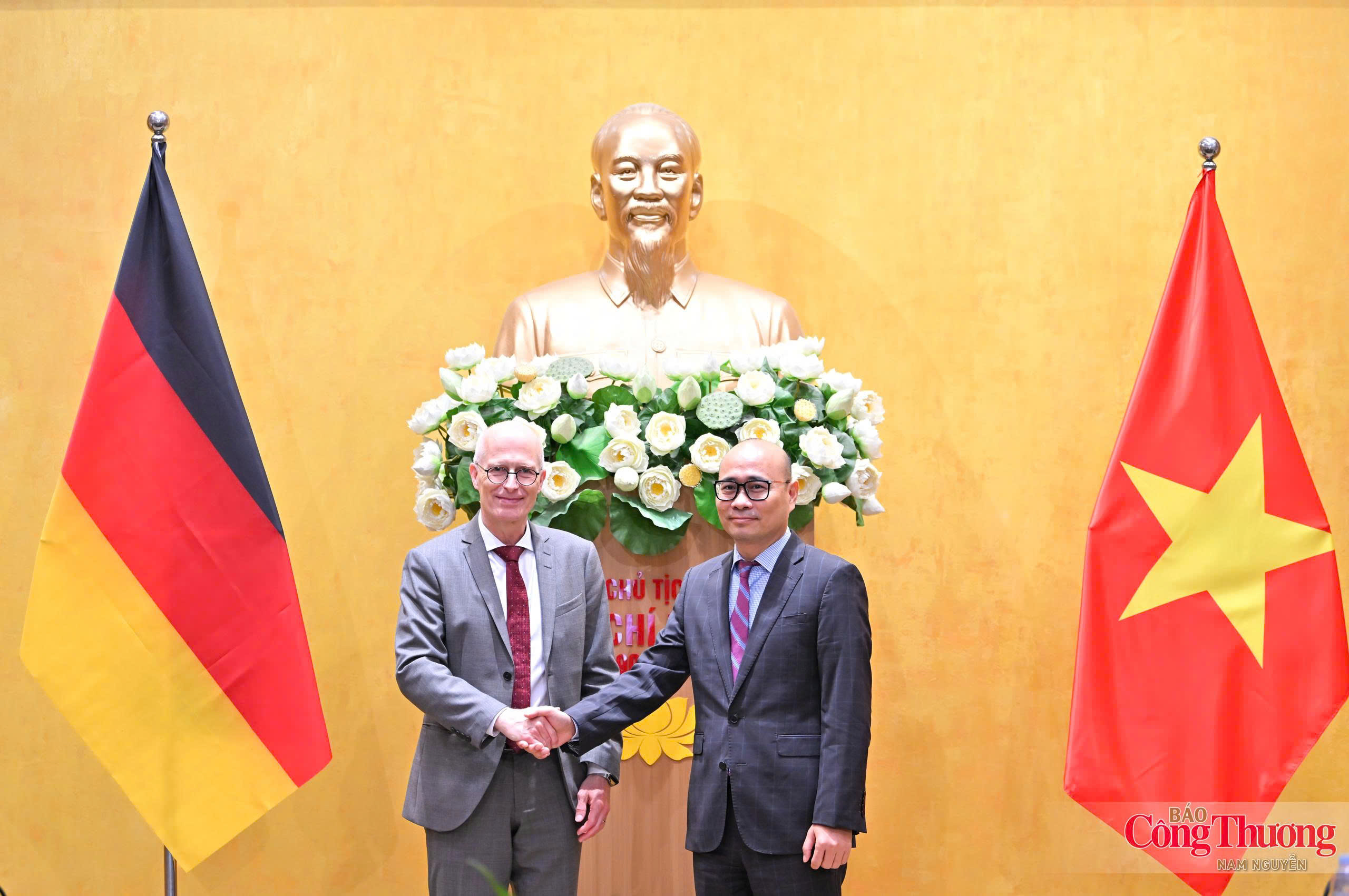
On October 14, Deputy Minister of Industry and Trade Luong Hoang Thai received and held a working session with a delegation from Hamburg, Germany, led by the city's First Mayor Peter Tschentscher at the Ministry of Industry and Trade's headquarters.
The Copyright Office is working closely with relevant agencies to develop plans for inspections and enforcement action against copyright and related rights infringements in the digital environment.
The Vietnam Industry Agency under the Ministry of Industry and Trade and Samsung Vietnam continue to strengthen cooperation in developing supporting industries, enhancing the capabilities of domestic enterprises and expanding opportunities for their participation in global supply chains.
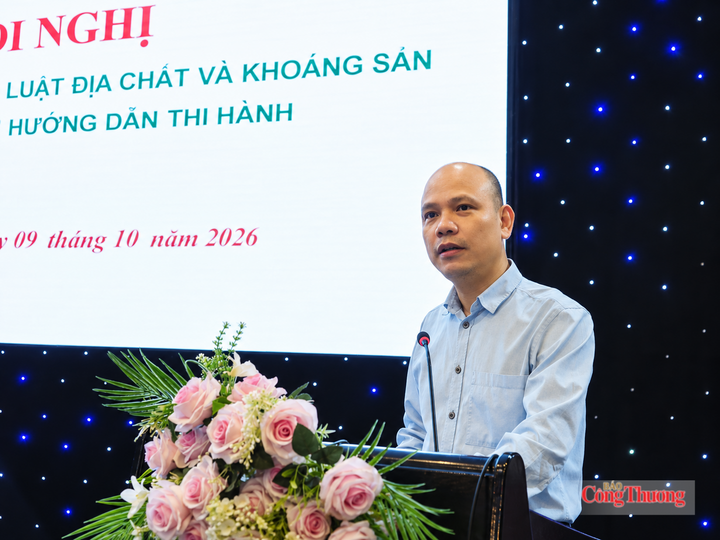
On October 9, the Viet Nam Department of Geology and Minerals, in coordination with the Thai Nguyen Department of Industry and Trade, held a conference in Thai Nguyen province to disseminate the Law on Geology and Minerals and its implementing regulations.
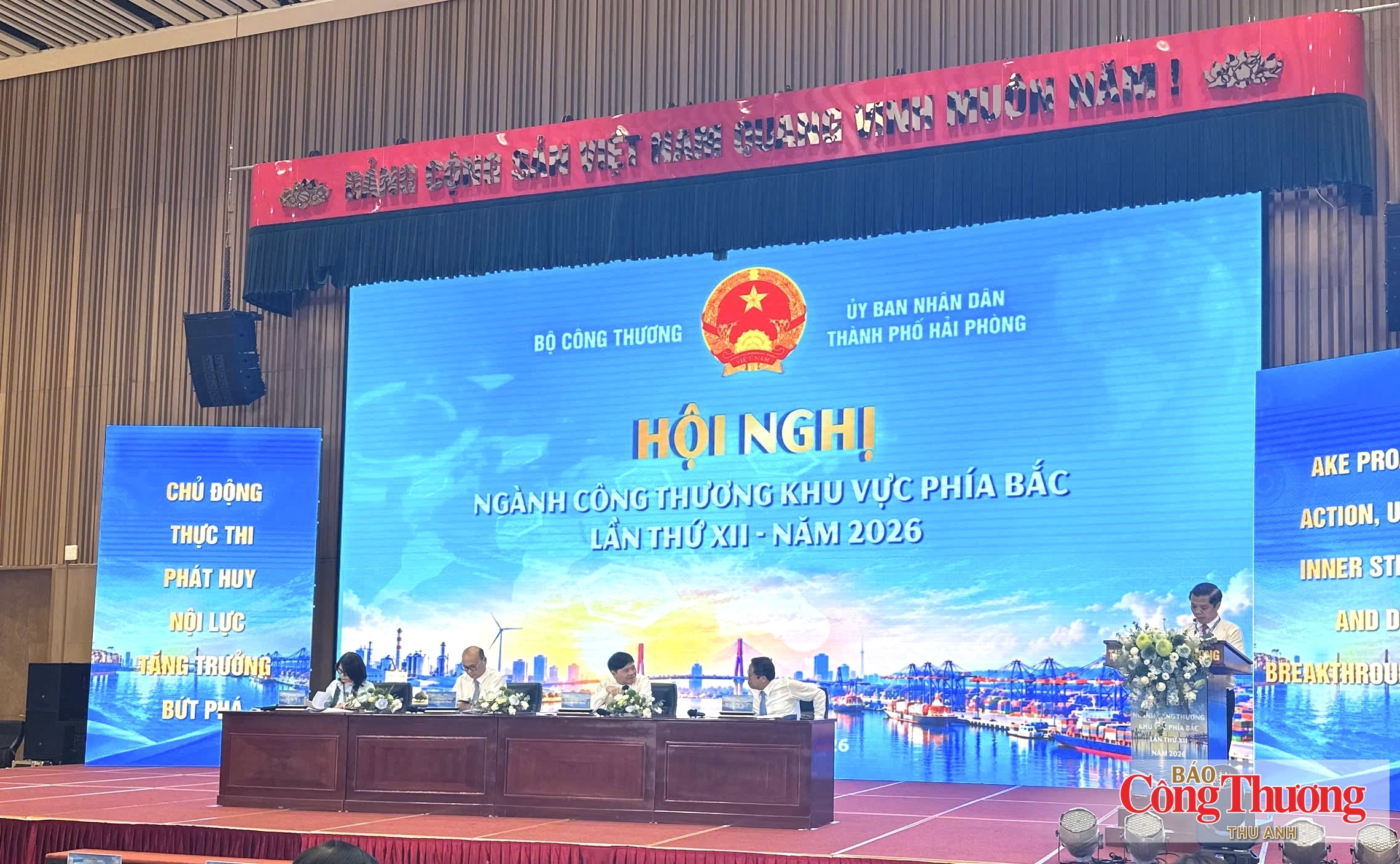
Northern localities are strengthening links in supporting industries, energy and logistics to build competitive value chains and create new growth drivers.
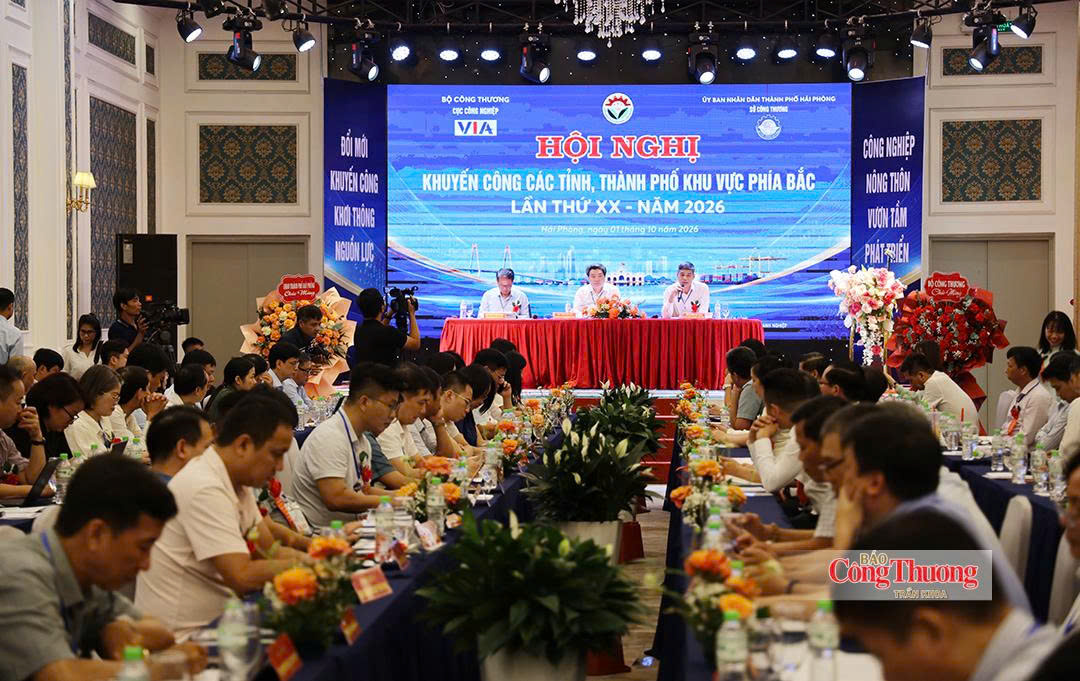
The 20th Industrial Promotion Conference for Northern Provinces and Cities in 2026 was held in Hai Phong City on October 1, with discussions focusing on renewing industrial promotion activities.
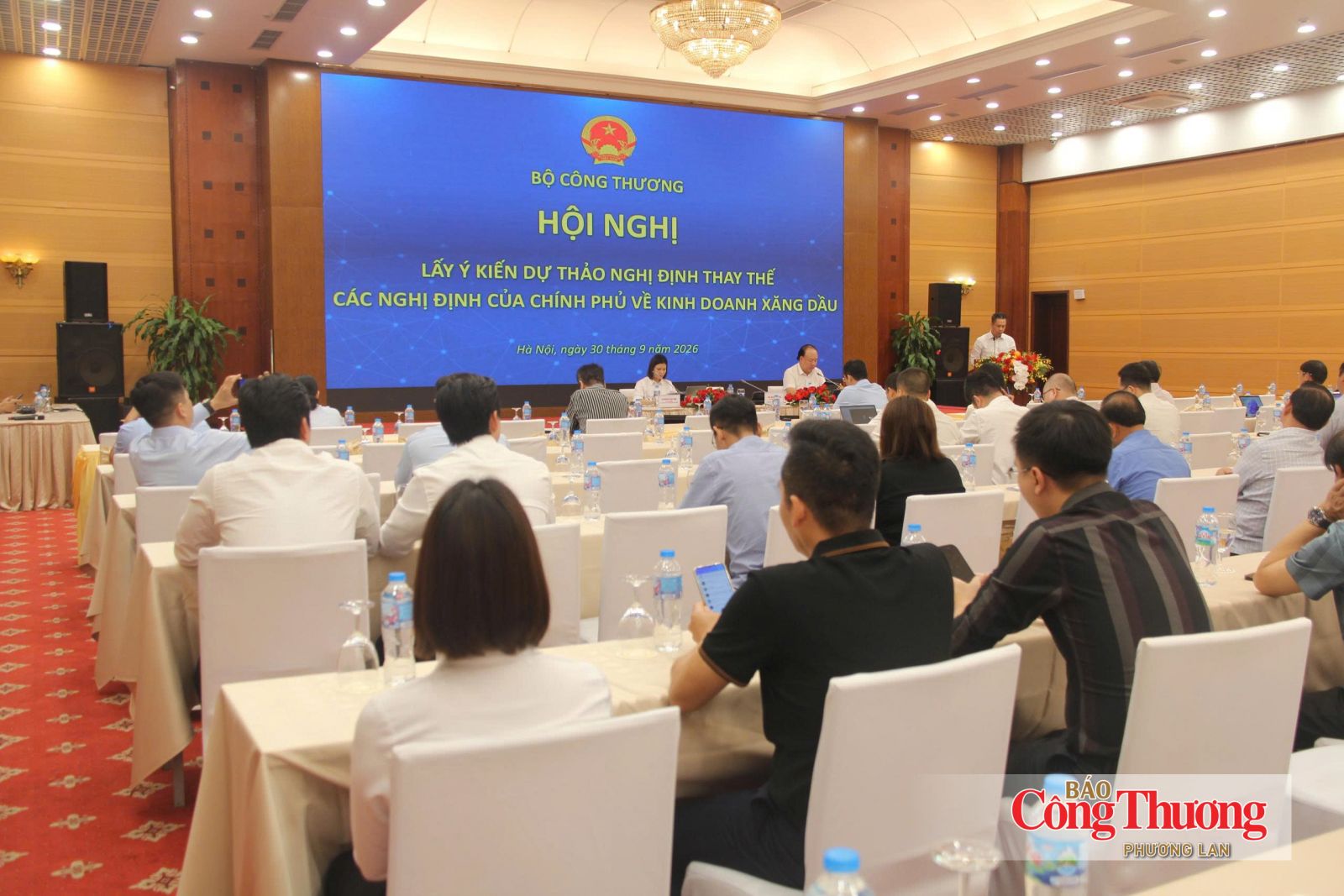
On September 30 in Ha Noi, the Ministry of Industry and Trade (MoIT) held a conference to gather broad feedback on a draft decree replacing the Government’s existing decrees on petroleum trading.