The Ministry of Finance has proposed extending the 0% import tariff on petroleum products through June 30, 2026, to stabilize supply and ease cost pressures.
The Ministry of Finance has proposed extending the application period of Decree No. 72/2026 on reducing import tariffs on petroleum products to 0% through June 30, 2026.
The ministry has submitted to the Ministry of Justice a dossier for appraisal of a draft Government resolution on extending the validity of Decree No. 72/2026/ND-CP dated March 9, 2026, which amends the most-favored-nation (MFN) import tariff rates on a number of petroleum products and inputs for fuel production.
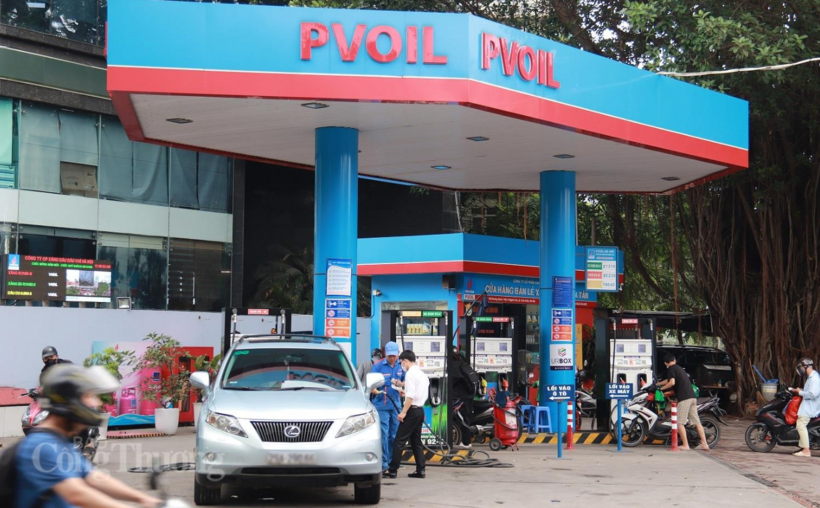
Proposal to reduce import tariffs on petroleum products to 0% through June 30, 2026. Photo: Thanh Tuan
Decree 72 took effect from March 9 through April 30, stipulating that MFN import tariffs on various petroleum products were sharply reduced to 0%. Specifically, tariffs on unleaded gasoline (such as RON 95) and blending components were cut from 10% to 0%. Similarly, diesel oil and jet fuel were reduced from 7% to 0%. Many inputs used in petroleum production, such as naphtha, reformate and condensate, were also subject to a 0% tax rate.
In the new draft resolution, the Ministry of Finance proposes extending the application of Decree 72 by an additional two months, until June 30, 2026. At the same time, the drafting agency recommends expanding the list of products eligible for the 0% tax rate to include several other inputs under HS codes 2710.19.20 (partly refined crude oil), 2710.19.89 (other medium oils and preparations) and 2711.19.00 (other products).
Explaining the proposal, the Ministry of Finance stated that the tax reduction policy under Decree 72 has delivered clear results immediately after its implementation. Bringing tariffs down to 0% has not only directly supported enterprises in diversifying supply sources but also helped mitigate adverse impacts from global energy price fluctuations.
Amid ongoing conflict in the Middle East that continues to disrupt supply chains from traditional markets such as the Republic of Korea and ASEAN, the 0% tariff policy has enabled domestic enterprises to access alternative sources outside the region. As a result, petroleum supply for the domestic market has been secured, while improving the proactiveness of key distributors.
However, geopolitical tensions in the Middle East still pose significant risks, leaving global supply unstable and energy prices on an upward trend. Representatives of major enterprises such as Vietnam National Petroleum Group and Binh Son Refining and Petrochemical Company noted that even if the conflict ends, oil and gas infrastructure in the region would require at least five to seven weeks to restore production capacity to previous levels.
Meanwhile, if the 0% tariff policy expires on April 30, 2026, the market could face the risk of renewed supply shortages. In addition, import costs from sources enjoying preferential tariffs under agreements such as the ASEAN Trade in Goods Agreement (ATIGA) and the Vietnam - Republic of Korea Free Trade Agreement (VKFTA) remain high, adding further pressure on businesses.
On that basis, the Ministry of Finance considers it necessary to issue a resolution to extend Decree 72 in the current context. The policy is expected to continue helping reduce input costs, support enterprises in maintaining stable operations, and ensure adequate petroleum supply for the domestic market amid unpredictable fluctuations in the global energy market.
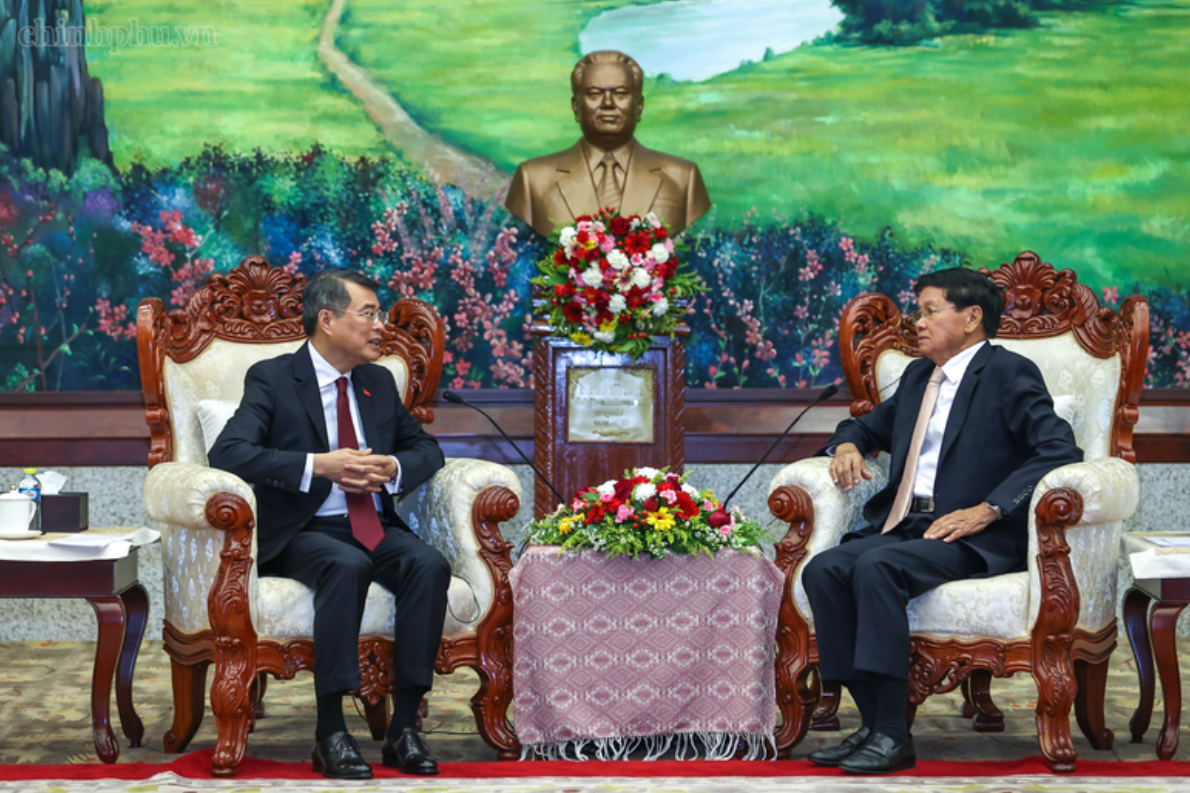
Prime Minister Le Minh Hung on October 8 paid a courtesy call on Lao General Secretary and President Thongloun Sisoulith in Vientiane as part of his on-going official visit to Laos.
The two sides expressed their delight at the positive developments in the bilateral relations in recent years, noting that there remains significant room for greater cooperation and complementarity, particularly in trade, investment and economic ties. They also held extensive discussions on strategic directions to further deepen and strengthen bilateral relations in a more substantive and practical manner.
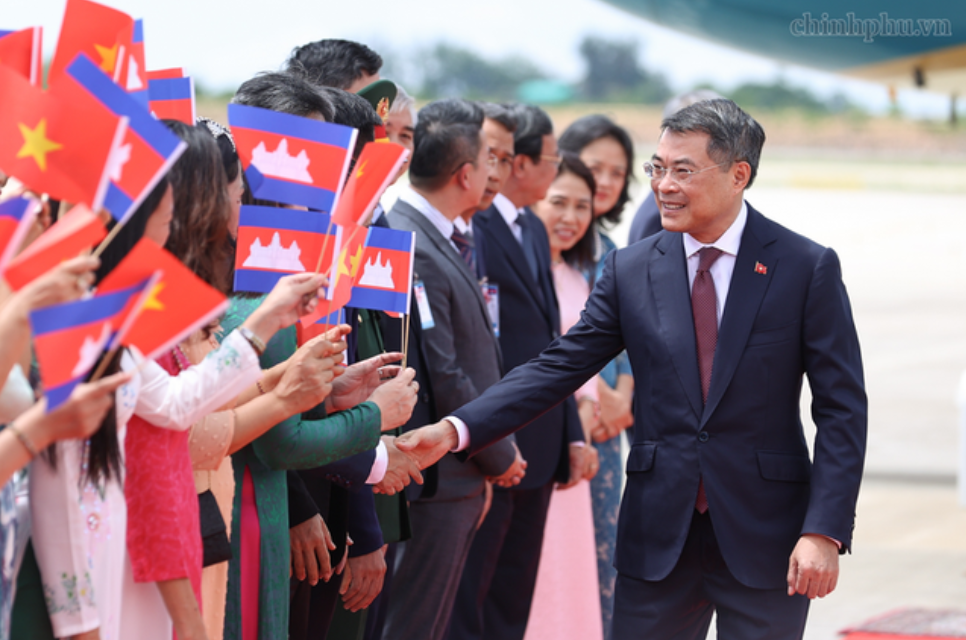
Prime Minister Le Minh Hung arrived in Phnom Penh on Friday afternoon, starting his two-day official visit to Cambodia at the invitation of Cambodian counterpart Hun Manet.
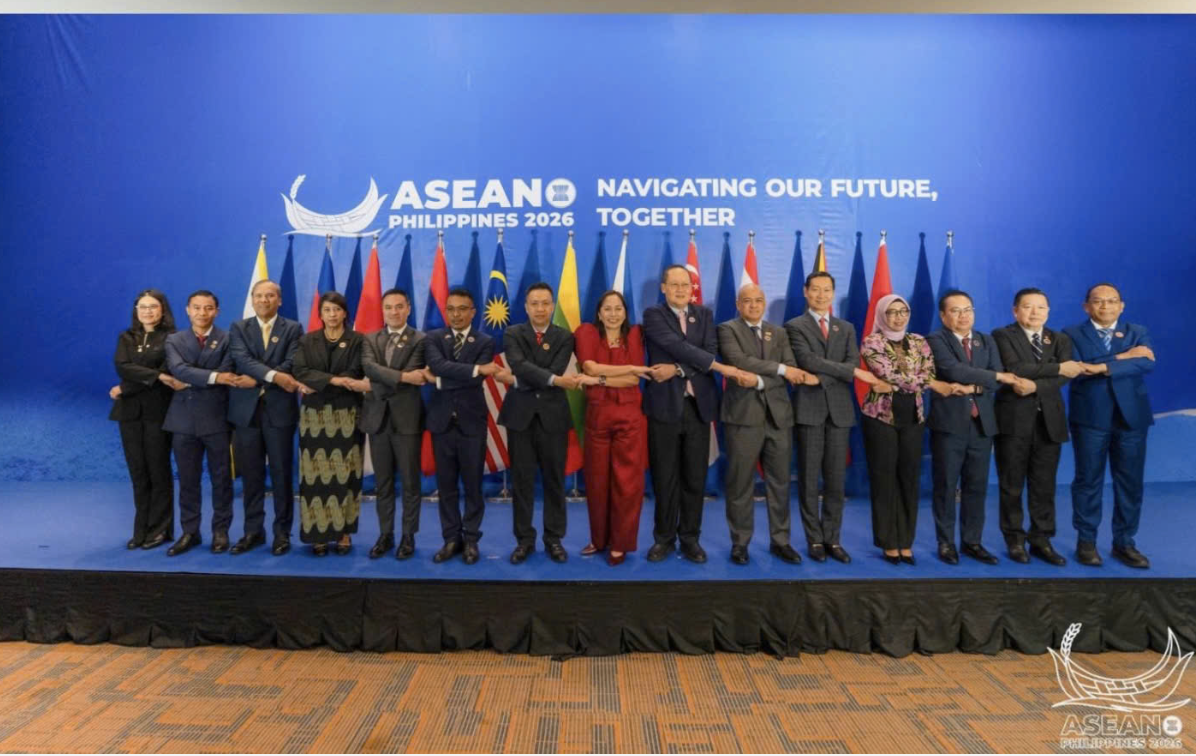
On 7 October 2026, the 44th ASEAN Ministers on Energy Meeting (AMEM 44) was held in Manila, the Philippines, under the chairmanship of Sharon S. Garin, Secretary of the Department of Energy of the Philippines. The meeting brought together energy ministers from ASEAN Member States, the Secretary-General of ASEAN, the ASEAN Centre for Energy, and representatives of ASEAN energy sector bodies and specialised networks. Deputy Minister of Industry and Trade Nguyen Viet Son led the Vietnamese delegati
A new MoIT circular requires commodity exchanges and clearing centers to share real-time trading data and complete system connectivity with regulators nationwide now