On January 17, Prime Minister Pham Minh Chinh chaired a meeting of permanent Government members on several important issues.
At the meeting, permanent Government members discussed and gave opinions on: developing the National Rare Earth Strategy; the draft Government Resolution on mechanisms to remove difficulties and obstacles for transitional Build-Transfer (BT) projects; the draft Decree detailing the handling of obstacles for transport BT projects; and several other issues.
Prime Minister Pham Minh Chinh chairs the meeting of permanent Government members on several important issues. Photo: VGP
Regarding the development of the National Rare Earth Strategy, Prime Minister Pham Minh Chinh emphasized the need to strengthen state management in this field and develop the rare earth industry to contribute to strategic autonomy.
He outlined tasks and solutions including: building and perfecting institutions, mechanisms, and policies with a priority on deep processing; investing financially and mobilizing state resources, public-private partnership (PPP) resources, and investor resources; developing infrastructure; transferring and mastering suitable advanced technology; promoting public-private cooperation; and implementing smart governance based on digital transformation.
The Prime Minister requested the Ministry of Agriculture and Environment and relevant agencies to coordinate, incorporate opinions raised at the meeting, and finalize drafts, reports, and schemes for submission to competent authorities for review.
Deputy Prime Minister Tran Hong Ha delivers remarks at the meeting. Photo: VGP
Regarding the mechanism to remove difficulties and obstacles for transitional BT projects, the Prime Minister directed the Ministry of Finance and relevant agencies to incorporate opinions, finalize documents, and submit them for the promulgation of a Government Resolution under simplified procedures.
The Prime Minister emphasized the requirement to strictly comply with and correctly apply regulations and laws within proper authority, ensuring harmony of interests and risk-sharing among the State, enterprises, and the people.
On that basis, projects with inspection conclusions must be reviewed and handled. For projects without inspection conclusions, Provincial People’s Committees are assigned to conduct inspections and handle them according to their competence, in the spirit of “localities deciding, localities acting, and localities taking responsibility.” Ministries and sectors shall implement tasks within their authority; if issues go beyond their competence, they must report to the Government and the Prime Minister.
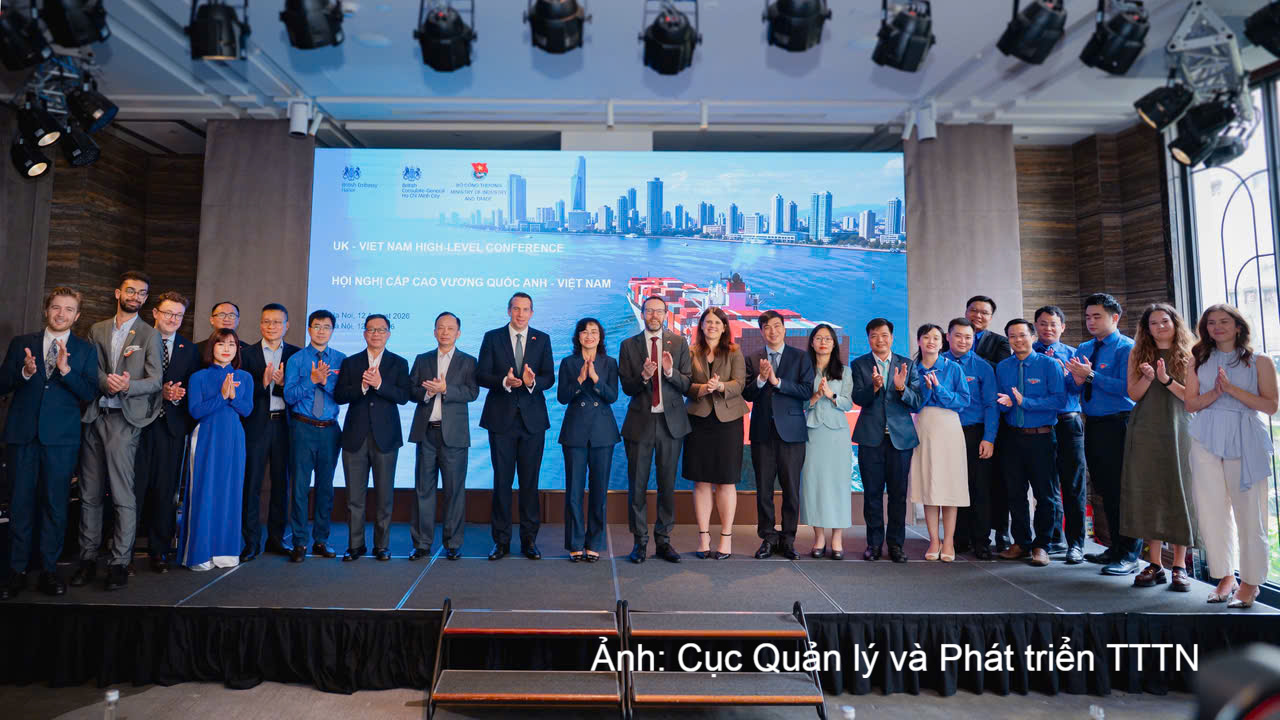
The 2026 UK - Viet Nam Summit was held in Ha Noi on August 12, focusing on fields that are creating new momentum for growth, including artificial intelligence (AI), financial technology, crypto assets, commodity derivatives markets and logistics.
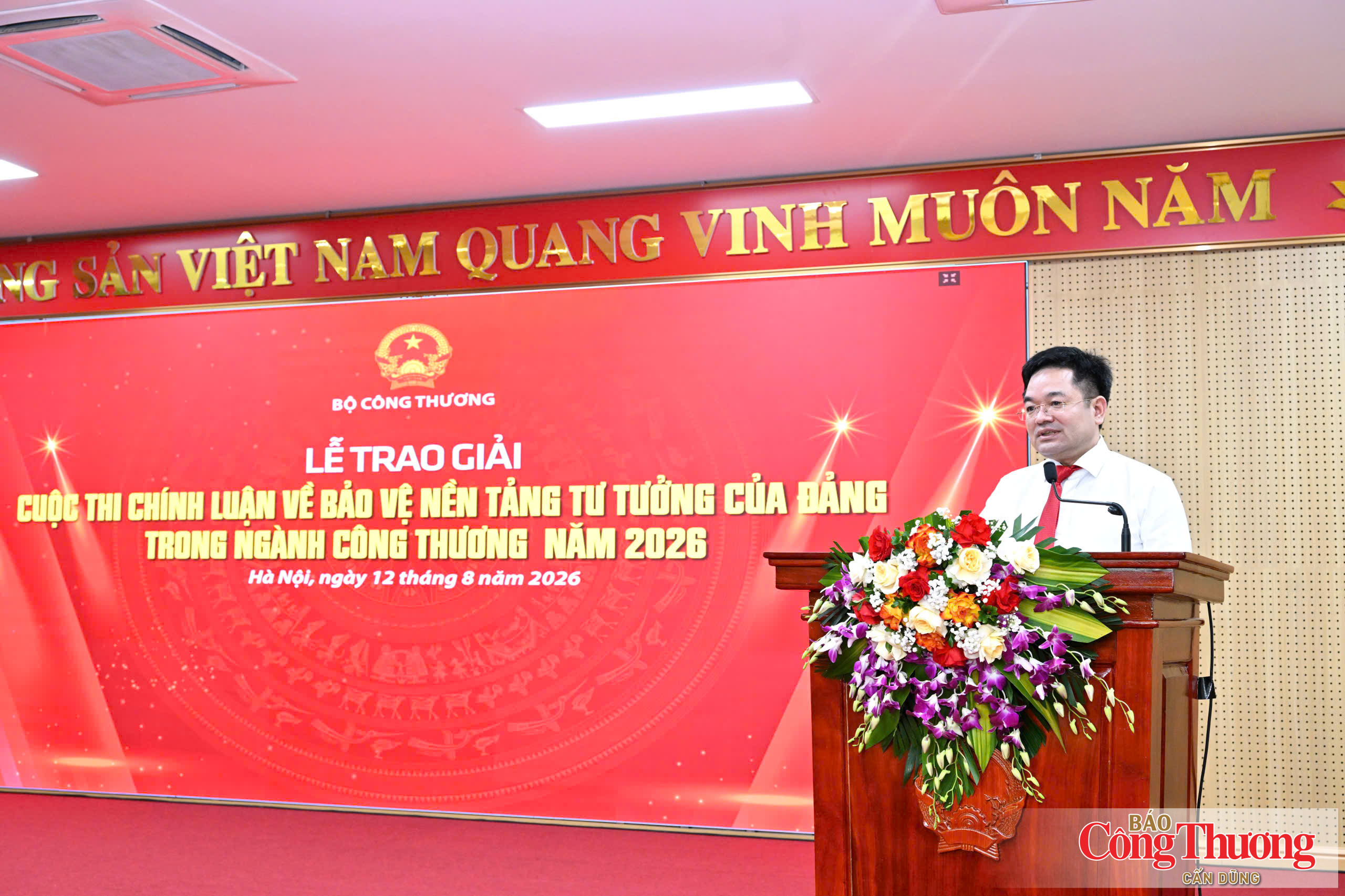
Editor-in-Chief of the Industry and Trade Newspaper Nguyen Van Minh said distorted narratives are defeated by counterarguments and undeniable realities when Party members perform their duties well too.
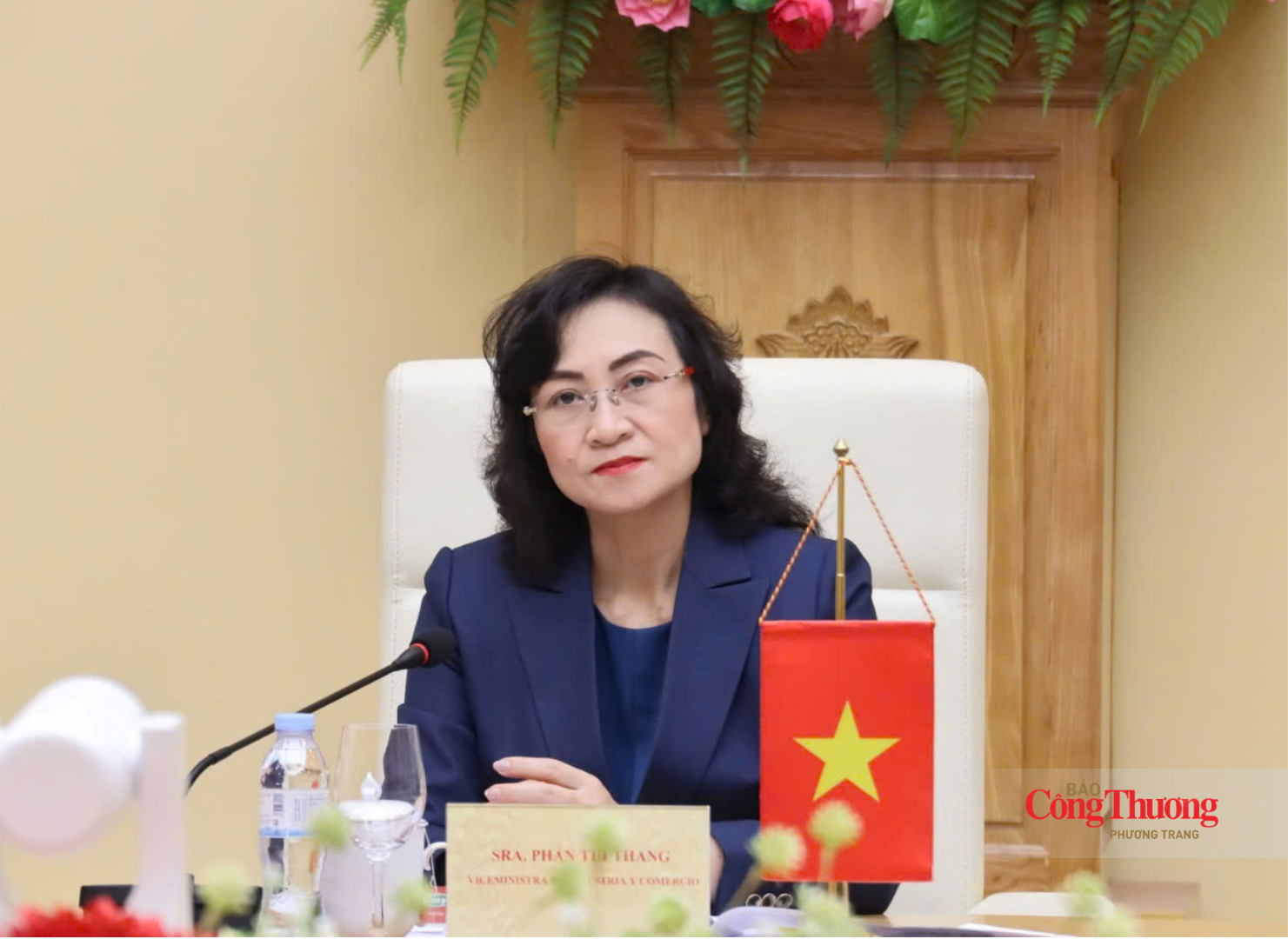
On August 12, Deputy Minister of Industry and Trade Phan Thi Thang held an online working session with Andrea Corao Faria, Venezuela's Deputy Minister for Asia, the Middle East and Oceania at the Ministry of Foreign Affairs and Foreign Trade.
Viet Nam and Australia are deepening energy and minerals cooperation strengthening supply chains, investment and support for the energy transition in both countries.
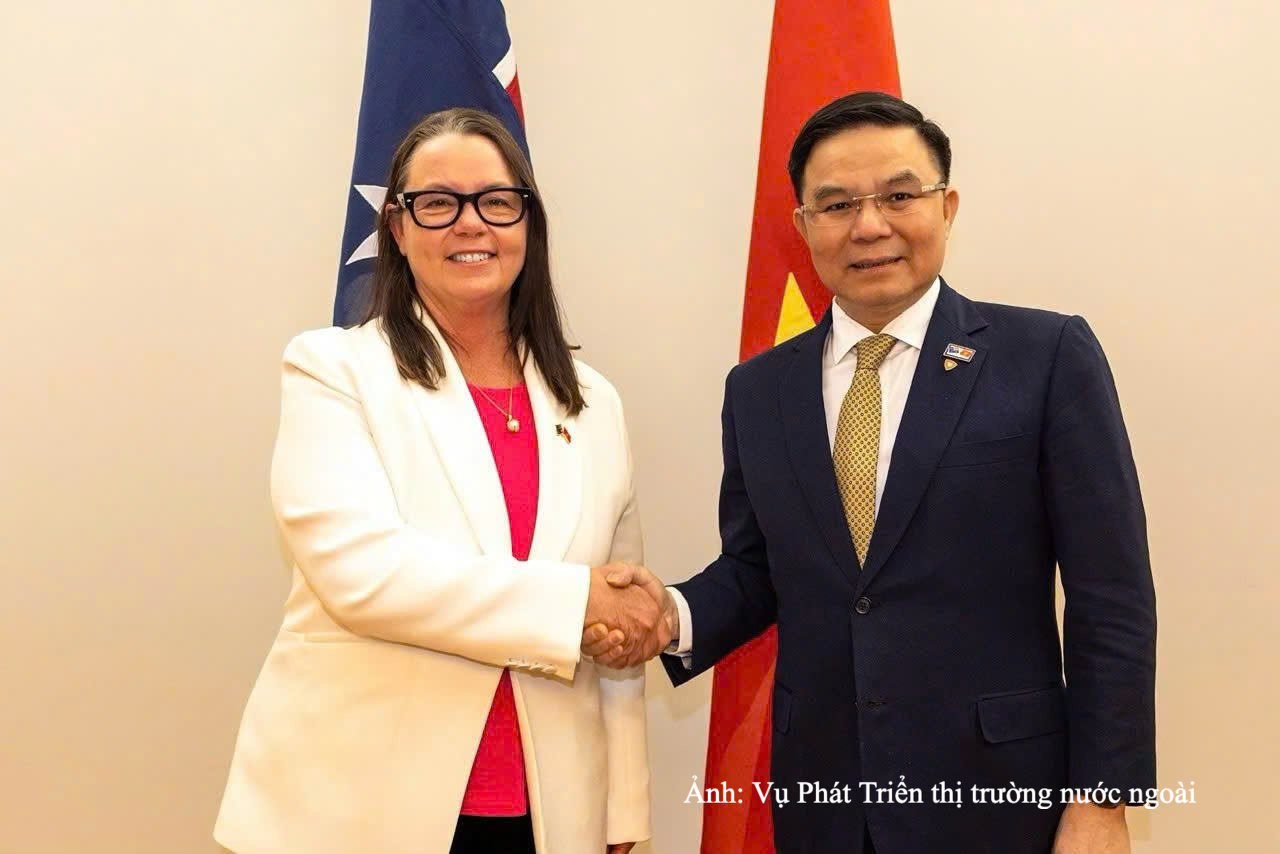
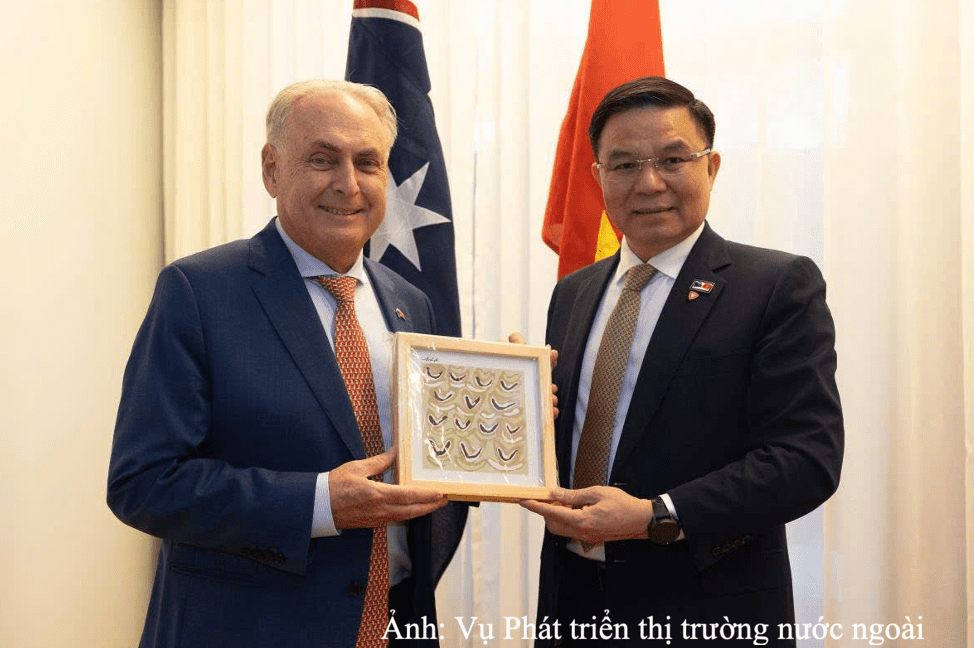
During his working trip accompanying Party General Secretary and State President To Lam on a State visit to Australia, Minister of Industry and Trade Le Manh Hung held a bilateral meeting with Australian Minister for Trade and Tourism Don Farrell in Canberra on August 11 (local time), to discuss measures to promote economic and trade relations between the two countries.
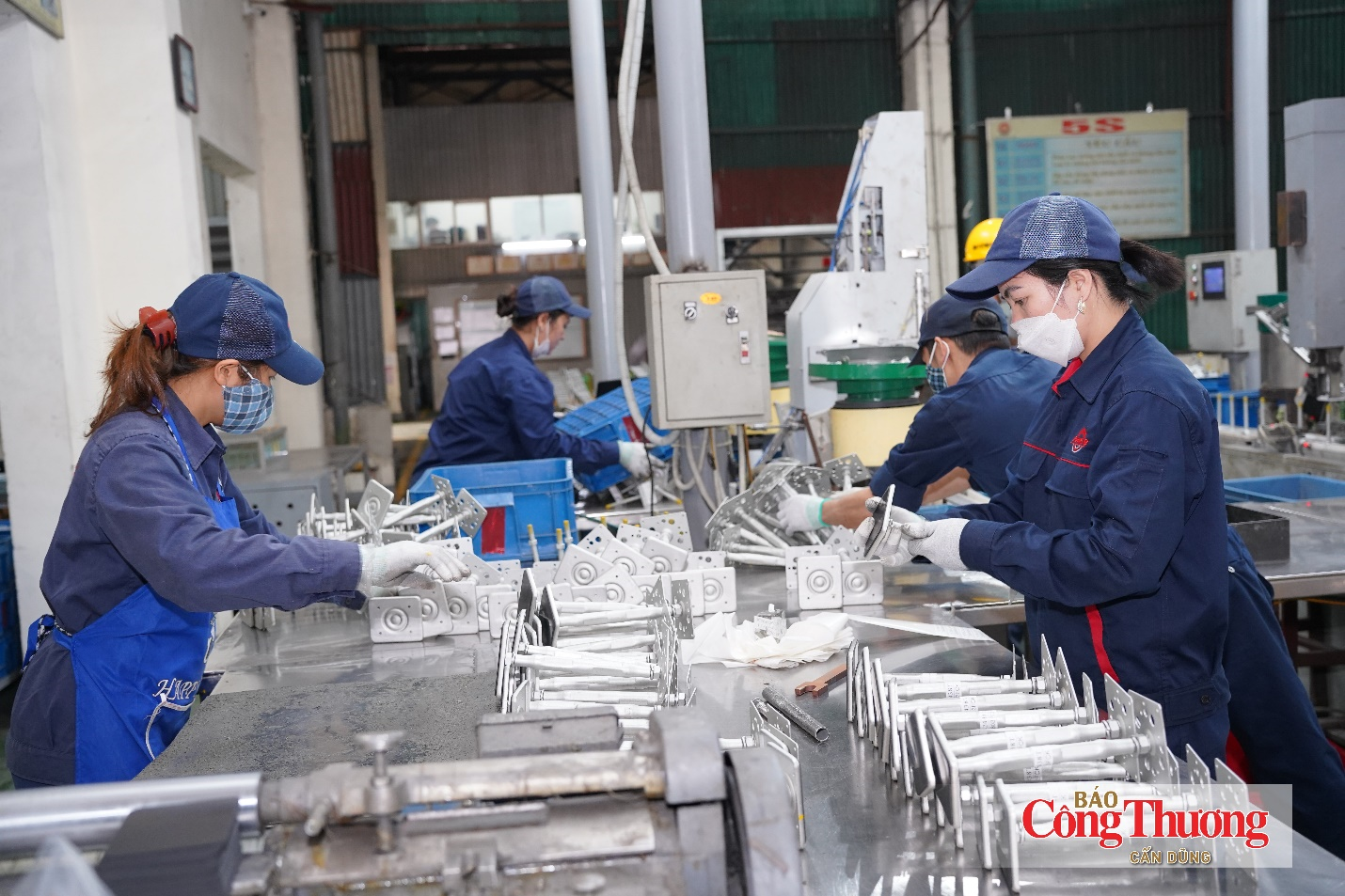
Viet Nam’s manufacturing industry must move beyond processing and assembly, master technology, raise localization and generate higher value across production chains.
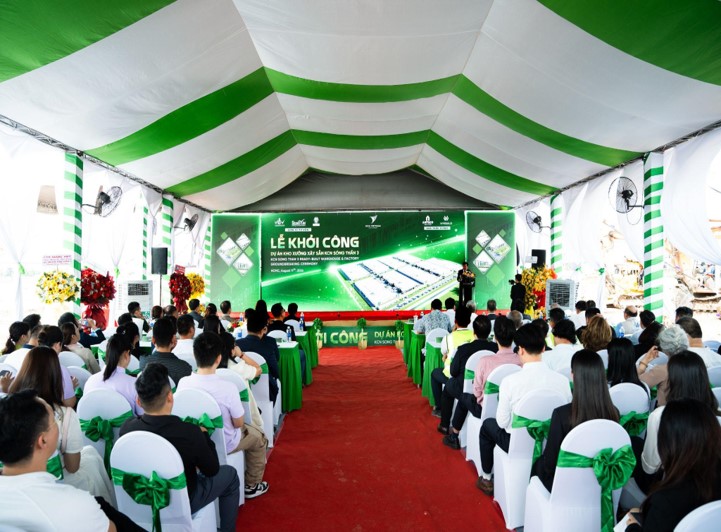
KCN Vietnam has broken ground on its 21.9-hectare Song Than 3 project in Ho Chi Minh City, adding over 130,000 sqm of LEED-standard industrial space to the market.
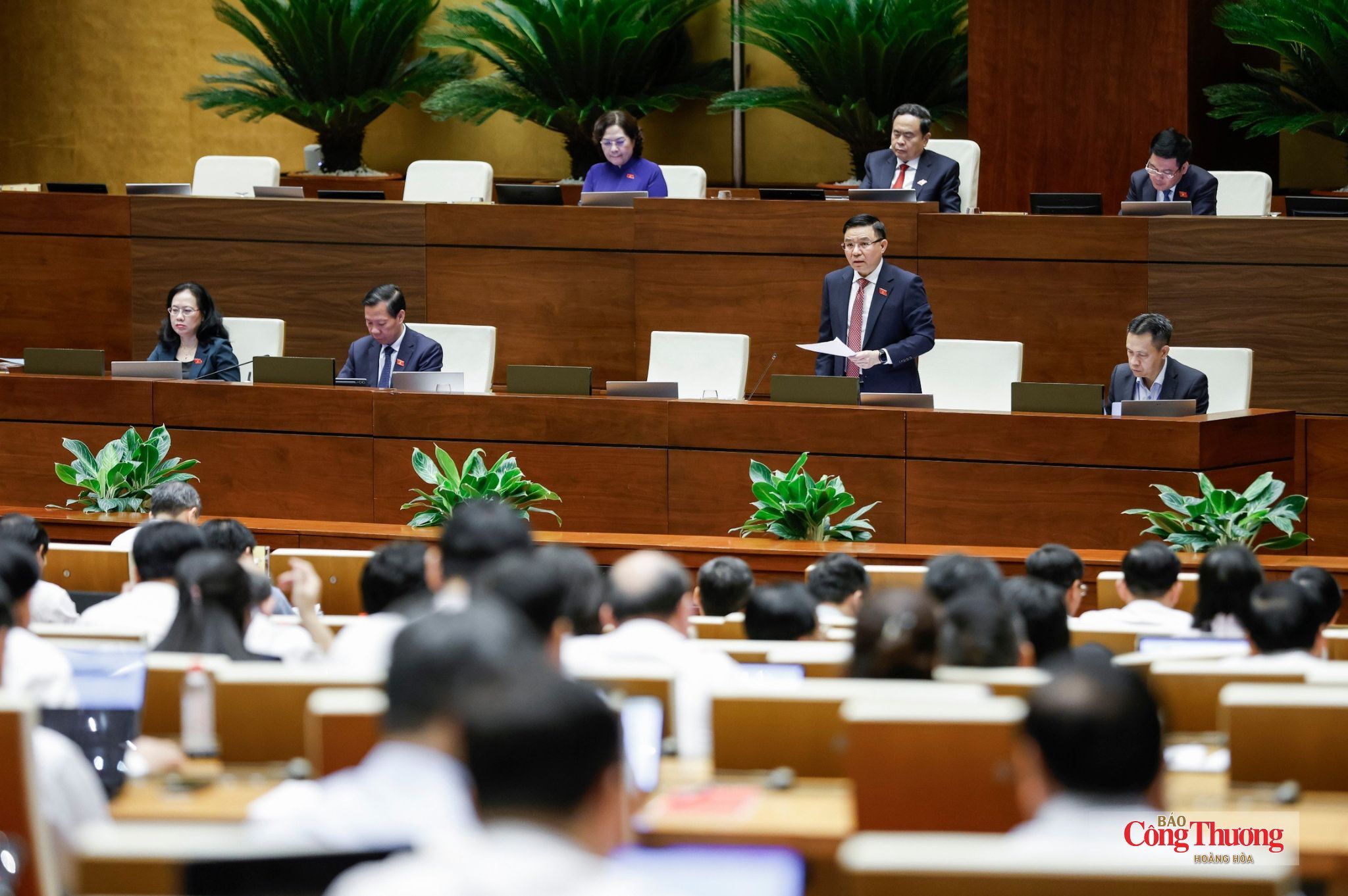
MoIT leader Le Manh Hung clarified major issues in the revised Petroleum Law, including decentralisation, investment incentives, CCS and offshore energy development.
The Netherlands offers strong opportunities for Vietnamese firms to enter manufacturing supply chains, but meeting strict market standards remains a major challenge.
As Vietnam advances its energy transition, battery energy storage systems (BESS) are emerging as a key solution for enhancing grid flexibility, increasing the integration of renewable energy and strengthening energy security.