Enhancing technical service capabilities and optimizing equipment maintenance and repair are key solutions to ensuring national energy security.
An urgent requirement arising from operational realities
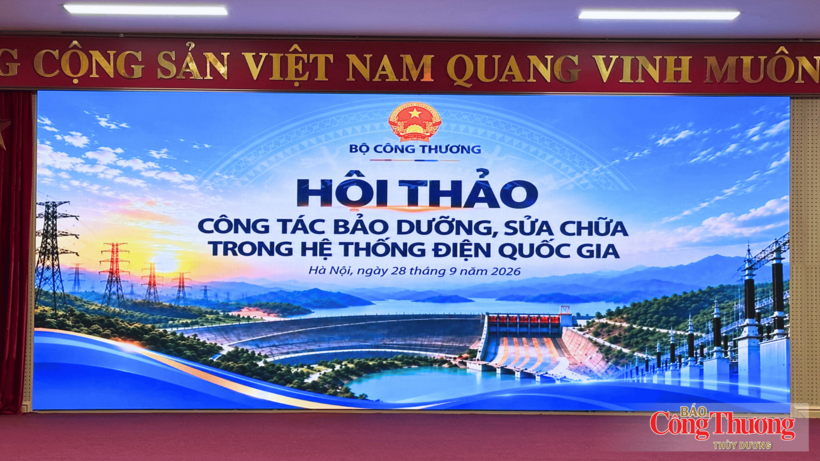
On the morning of September 28, in Ha Noi, the Ministry of Industry and Trade (MoIT) held a national workshop on maintenance and repair activities in the national power system. Deputy Minister of Industry and Trade Truong Thanh Hoai chaired the workshop.
The workshop was attended by Nguyen The Huu, Deputy Director of the Electricity and Power Authority, as well as representatives from major groups, corporations, power system operators, transmission and distribution units, and relevant technical service providers.
Equipment maintenance and repair are of particular importance to maintaining power generation facilities and the power grid, ensuring equipment reliability and contributing to the safe and stable operation of the power system. Against a backdrop of very high growth in electricity demand while power generation sources and grid infrastructure have yet to keep pace, optimising maintenance and repair schedules, together with increasing the level of automation in these activities, has become a decisive factor in ensuring national power supply security.
In the operation of the national power system, maintenance and repair are not merely internal technical matters for individual power plants or transmission lines, but are directly linked to overall system operation and electricity demand nationwide. Developing and implementing maintenance plans requires close coordination between the national power system and electricity market operator and power generation, transmission and distribution units. Such coordination ensures that maintenance plans closely reflect operational realities, while taking into account the capacity of power sources and the grid to meet electricity demand at different times.
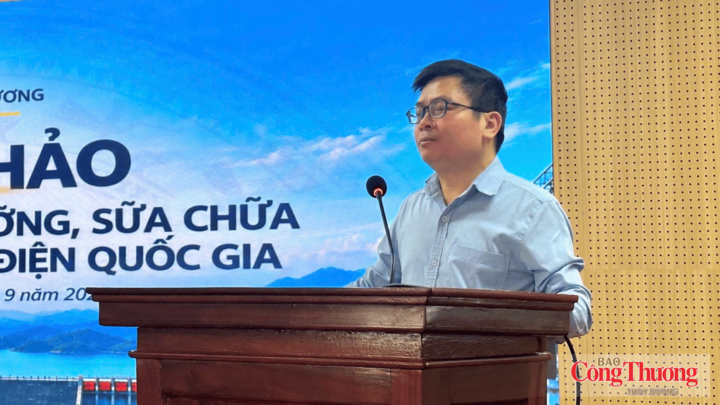
Deputy Minister Truong Thanh Hoai delivers remarks at the workshop.
Speaking at the workshop, Deputy Minister of Industry and Trade Truong Thanh Hoai emphasised that from now until 2030, the national power generation and grid systems will have to operate continuously under very high load conditions. The ability to add large-scale new power sources in the short term faces considerable pressure, as major power generation projects are expected to be completed mainly towards the end of the period.
"Alongside pressure on power generation capacity, the transmission and distribution grid in key areas such as those surrounding Ha Noi and Ho Chi Minh City, as well as the northern provinces, is at times required to operate at 100% capacity, approaching or exceeding technical limits. In recent summers, actual conditions in northern Viet Nam have shown that even a small localised power shortfall caused by a generating unit failure or transmission congestion can have a major impact on daily life and production. Therefore, maintaining the stability and readiness of existing power sources and available transmission infrastructure is an extremely important task," Deputy Minister Truong Thanh Hoai stressed.
Promoting cooperation and proactively developing domestic resources
At the workshop, representatives from major groups and corporations presented important papers analysing the current situation and proposing solutions to improve the efficiency of power system operation, maintenance and repair. The presentations examined in depth the implementation of maintenance and repair plans for the transmission grid, while openly identifying difficulties and obstacles arising during actual operations. Representatives of the participating units also presented the current situation and solutions for optimising maintenance and repair at hydropower plants, assessed existing technical service capacity and proposed measures to strengthen domestic self-reliance in the maintenance of gas-fired power generation facilities, thereby contributing to ensuring power supply security.
Notably, all presentations shared a common focus on increasing the level of automation, applying modern technologies and developing domestic technical service capabilities for the maintenance and repair of power plants. Establishing a domestic technical service supply chain would not only enable operators to respond proactively in all circumstances and shorten the time required to address incidents, but also help reduce operating costs, improve reliability and enhance the availability of the national power system during peak periods.
The national workshop on maintenance and repair activities in the national power system took place on the morning of September 28.
As part of the workshop, an in-depth discussion session was held on solutions to improve the effectiveness of maintenance and repair activities, ensure the availability of power generation sources and the power grid, and promote the development of domestic technical service capabilities. During the session, delegates focused on coordination between the dispatching unit and power generation, transmission and distribution units in developing optimal repair schedules and avoiding overlapping maintenance activities that could result in localised power supply shortages.
Improving the effectiveness of maintenance and repair activities and gradually developing domestic technical service capabilities are practical and strategic solutions for the power sector as a whole. Maintaining close coordination among operating units, together with proactive adoption of technology, will help address the challenges of ensuring safe operation of existing infrastructure while laying a solid foundation for national energy security during peak periods from now until 2030.
To ensure the safe operation of the national power system through 2030, the Ministry of Industry and Trade has called on relevant units to strengthen coordination in developing equipment maintenance and repair plans, accelerate automation and develop a domestic technical service supply chain. At the same time, units are required to proactively propose improvements to mechanisms and policies in the draft amended Electricity Law, creating a flexible legal framework to respond effectively to operational situations that may arise.
Polish Prime Minister Donald Tusk will pay an official visit to Viet Nam from October 24 to 26 as the bilateral trade continues to grow, creating opportunities for deeper cooperation.
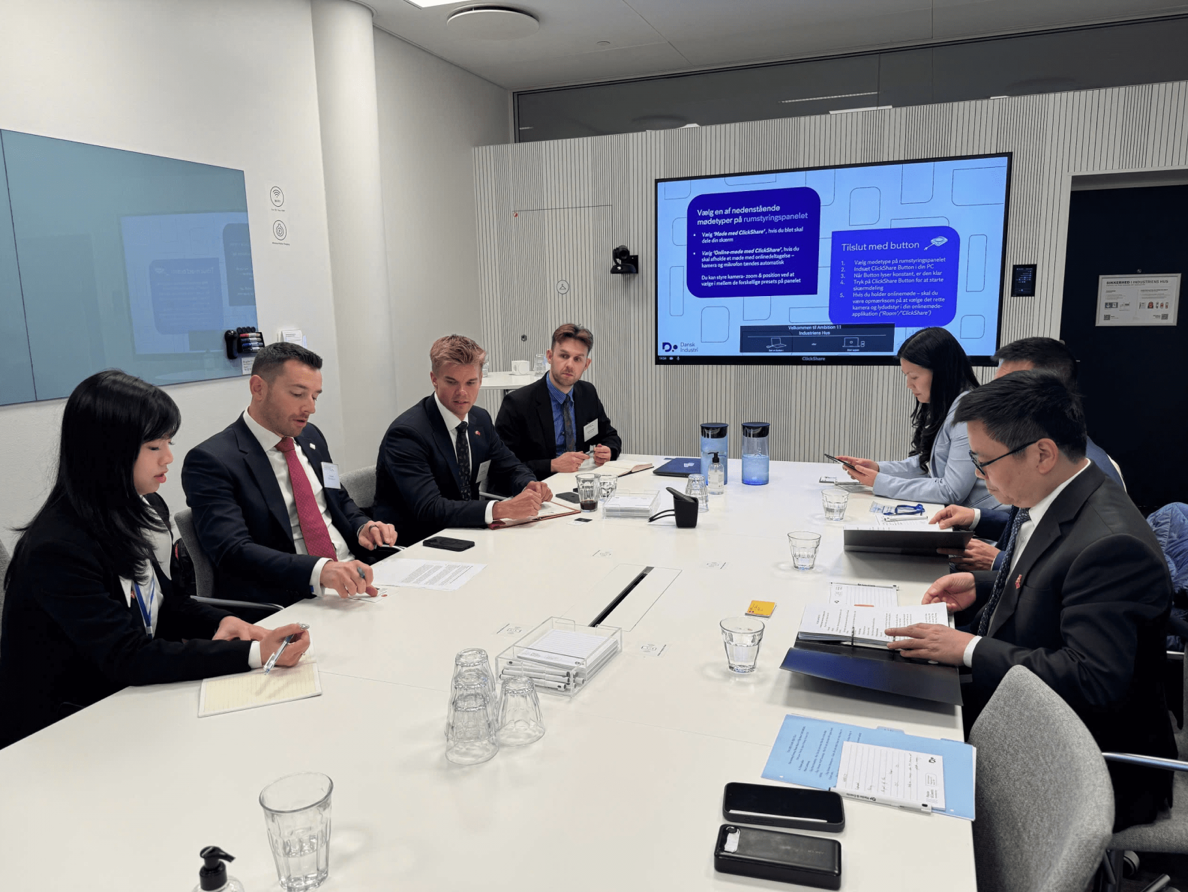
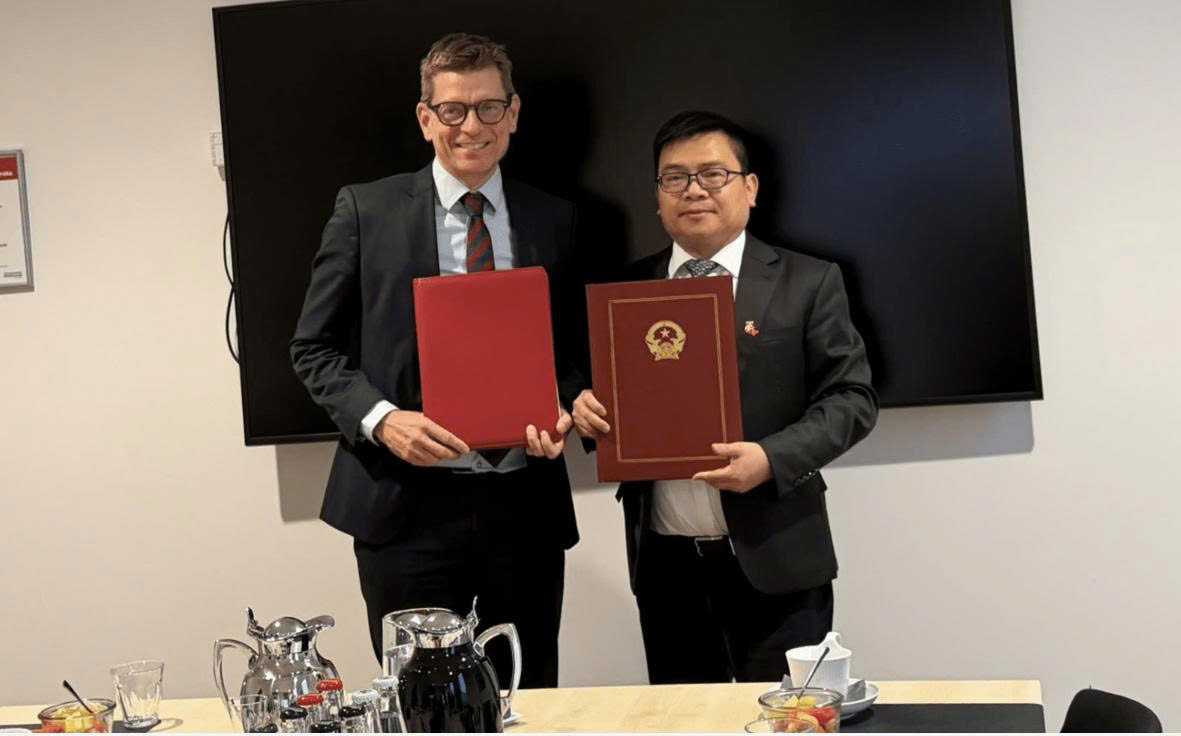
Deputy Minister Truong Thanh Hoai met with LEGO and Carlsberg in Denmark on October 20 to discuss green investment and sustainable manufacturing in Viet Nam.
For more than three decades, Ms. Dang Thi Thanh Huong has quietly shaped the legacy of Dong Phuong Cake & Confectionery, a brand rooted in tradition, craftsmanship.
Viet Nam and Denmark have signed an MoU on energy cooperation to strengthen bilateral ties and advance collaboration in renewable energy and the green transition.
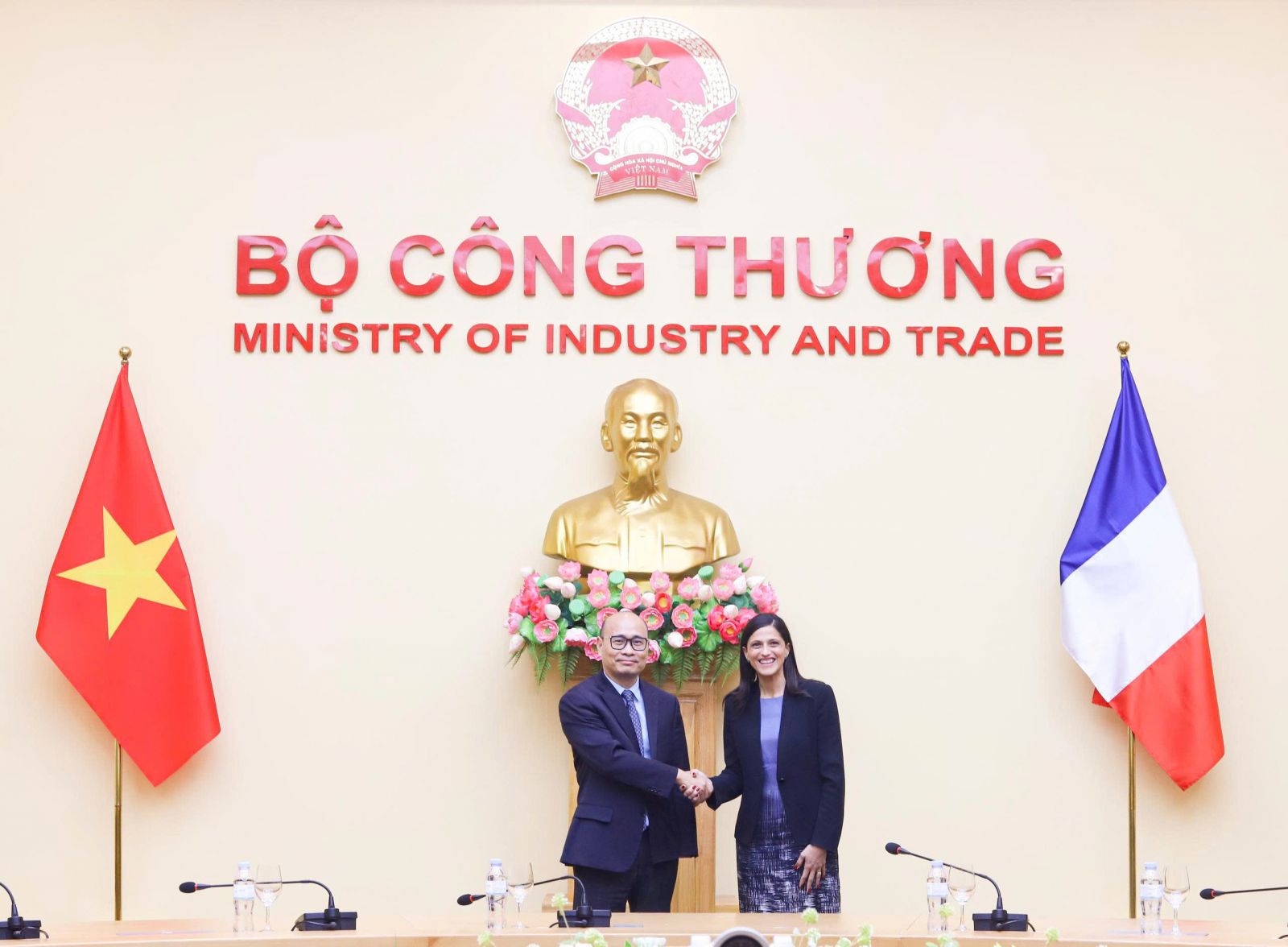
Deputy Minister Luong Hoang Thai met French Minister Delegate Eleonore Caroit on October 19 to discuss ways to strengthen Viet Nam - France cooperation.
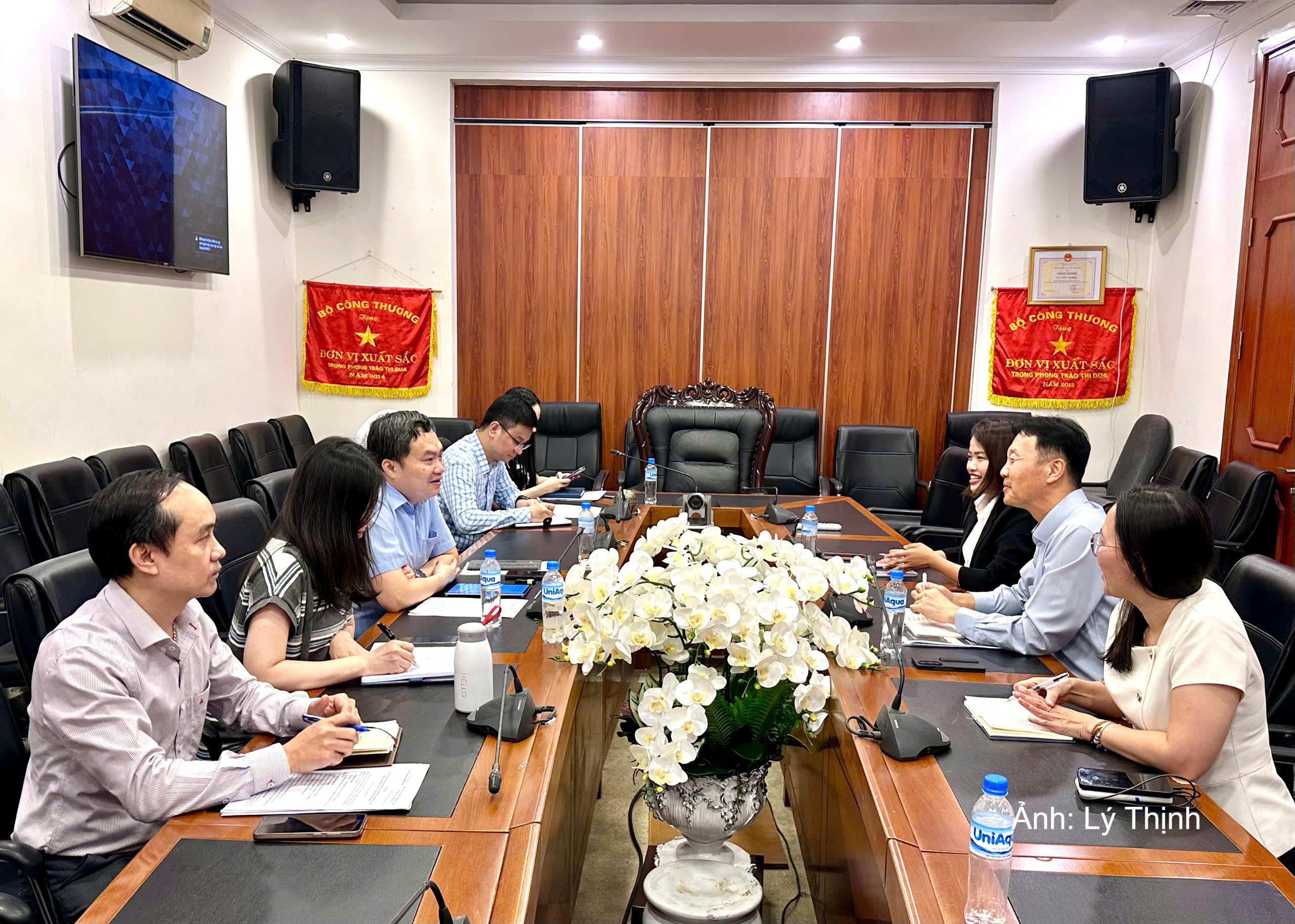
The Vietnam Industry Agency under the Ministry of Industry and Trade and Samsung Vietnam continue to strengthen cooperation in developing supporting industries, enhancing the capabilities of domestic enterprises and expanding opportunities for their participation in global supply chains.
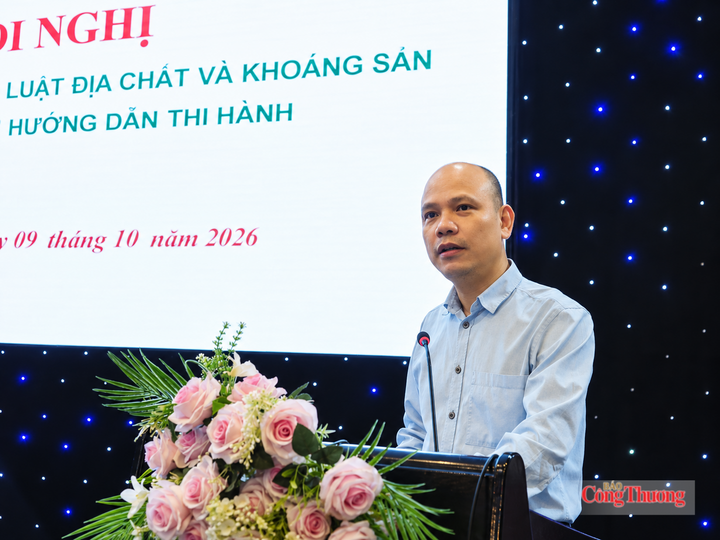
On October 9, the Viet Nam Department of Geology and Minerals, in coordination with the Thai Nguyen Department of Industry and Trade, held a conference in Thai Nguyen province to disseminate the Law on Geology and Minerals and its implementing regulations.
Northern localities are strengthening links in supporting industries, energy and logistics to build competitive value chains and create new growth drivers.
The 20th Industrial Promotion Conference for Northern Provinces and Cities in 2026 was held in Hai Phong City on October 1, with discussions focusing on renewing industrial promotion activities.
On September 30 in Ha Noi, the Ministry of Industry and Trade (MoIT) held a conference to gather broad feedback on a draft decree replacing the Government’s existing decrees on petroleum trading.