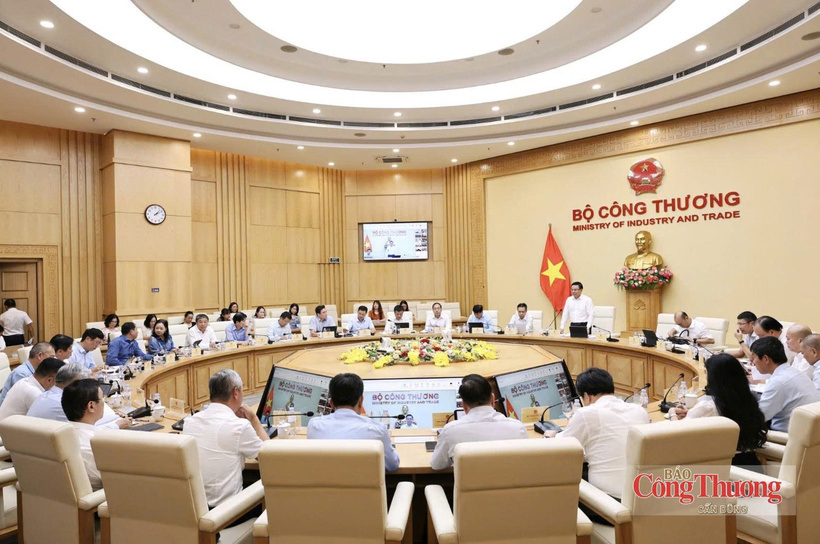
On the afternoon of September 30, the Ministry of Industry and Trade held a conference to review the implementation of tasks in the third quarter and September, while outlining tasks for October and orientations for the fourth quarter of 2026.
The conference was held in person at the headquarters of the Ministry of Industry and Trade, chaired by Minister Le Manh Hung, with the participation of Deputy Minister Luong Hoang Thai, Deputy Minister Nguyen Viet Son, leaders of departments, agencies and units under the Ministry, as well as representatives of several enterprises and corporations. The conference was also connected online with Departments of Industry and Trade in provinces and cities nationwide and Viet Nam Trade Offices abroad.
The Ministry of Industry and Trade’s conference to review the implementation of tasks in Q3 and September 2026, while outlining tasks for October and orientations for Q4.
Six of eight targets meet or exceed targets
Presenting a brief report on the implementation of tasks in September and the first nine months of 2026, Director-General of the Ministry's Department of Planning and Finance Bui Huy Son said the Ministry of Industry and Trade had been assigned eight growth targets under Resolution No. 01/NQ-CP.
By the end of the first nine months of 2026, six of the eight targets had met or exceeded their targets, including three that exceeded and three that met expectations. Exports grew 24.0%, exceeding the nine-month target by 7.3 percentage points; total retail sales of goods and consumer service revenue increased by around 13.1-13.6%, within the annual target range; the Index of Industrial Production (IIP) rose 12.1-12.2%, broadly in line with the scenario; total electricity generation and imports increased 9.5%; the reserve margin of power generation capacity reached 26.3%; and the proportion of enterprises applying e-commerce reached 68%, with the latter two exceeding their respective targets.
However, two targets remained below expectations and need to be closely monitored in the fourth quarter. Total power generation capacity increased by around 3.5% in the first nine months, below the minimum target of 6.6%, with the likelihood of achieving the target depending largely on the progress of bringing new power generation projects into operation. Meanwhile, the B2C e-commerce market grew 19.5%, below the target range of 20-22%.
According to Director-General Bui Huy Son, in addition to quantitative targets, the trade balance shifted to a trade deficit of USD 21.83 billion as imports grew faster than exports.
“Overall, industrial production, exports and the domestic market continued to maintain positive growth momentum, with most targets staying in line with or exceeding the plan. However, the safety margin remains limited. Issues related to power generation capacity, the quality of export growth, the trade deficit, energy prices and international financial fluctuations need to be closely monitored in the fourth quarter,” Director-General Bui Huy Son said.
Priority given to removing difficulties in processing and manufacturing
Regarding industrial production and trade performance, Director-General Bui Huy Son said that after nine months of 2026, production, trade and energy activities generally maintained a positive trend. However, the pace of recovery and quality of growth varied across sectors, while several structural risks emerged that require proactive management in the remaining months of the year.
First, industrial production continued to maintain double-digit growth and broadly followed the projected scenario. IIP increased by 12.1-12.2% in the first nine months, although growth varied among sectors and localities.
Second, the domestic market continued to serve as a key growth driver, with total retail sales of goods and consumer service revenue increasing by around 13.1-13.6%.
Third, exports surged 24.0%, continuing to serve as a prominent growth driver, although the quality of growth remained uneven. The FDI sector accounted for 80.9% of total export turnover and grew 29.2%, while domestic enterprises recorded growth of only 6.1%.
Fourth, imports and the trade balance continued to reflect both positive developments and structural risks. Imports rose 36.9%, 12.9 percentage points higher than export growth, resulting in a trade deficit of USD 21.83 billion. Machinery, equipment, raw materials and inputs for production accounted for around 90.5% of imports, although supply sources remained highly concentrated.
Fifth, electricity and energy supplies were basically secured, but progress in adding power generation capacity remained a bottleneck requiring attention. Total power generation capacity increased by around 3.5% in the first nine months, compared with the minimum target of 6.6%, while electricity demand for production continued to rise.
Sixth, e-commerce continued to develop, but growth remained uneven. The proportion of enterprises applying e-commerce reached 68%, exceeding the target, while the B2C market expanded by only 19.5%, below the target range of 20-22%. In the fourth quarter, the focus should shift from expanding participation to improving transaction efficiency, service quality and digital platform management capacity.
In the remaining months of the year, to achieve the highest possible level of the 2026 targets, Director-General Bui Huy Son said the Ministry of Industry and Trade would prioritize the following groups of solutions:
First, for industrial production, review each sector and locality where growth remains below the projected scenario, quantify shortfalls and potential contributions in the fourth quarter, and prioritize removing difficulties related to processing and manufacturing, orders, raw materials and projects capable of generating additional output within the year.
Second, for electricity and energy, accelerate the implementation of key power generation and grid projects; develop power supply plans under different load scenarios; and ensure adequate fuel supplies and reserves.
Third, for imports, exports and the trade balance, continue monitoring developments by product groups, markets and business sectors.
Fourth, for exports, continue to effectively leverage free trade agreements (FTAs), diversify markets and strengthen early warnings concerning tariffs, trade remedies, rules of origin, green standards and traceability; while supporting domestic enterprises in improving quality, branding and market access.
Fifth, for the domestic market, continue implementing demand-stimulation programs, supply-demand linkages, focused promotional campaigns and distribution system development.
Sixth, for e-commerce, focus on measures to bring B2C growth into the 20-22% target range; support small and medium-sized enterprises in effectively leveraging digital channels and cross-border e-commerce; while strengthening seller verification, combating counterfeit goods, protecting consumers and increasing data sharing among regulatory agencies.
Regarding efforts to improve the legal framework for the industry and trade sector, Director-General of the Ministry's Department of Legal Affairs Ngo Duc Minh said that during the first nine months of 2026, the Party Committee and Ministry leadership issued decisions and directives, approved 19 review and inspection plans, and completed 100% of tasks assigned by the Central Steering Committee.
In the third quarter, the workload for developing legal normative documents increased to 169 documents, up 23%, of which 110 documents had been submitted and promulgated, equivalent to 65%. The Ministry completed 100% of its legislative program, comprising four draft laws, one of which has been passed while three are being submitted or will be submitted to the National Assembly for consideration.
Despite the positive results, institutional development still faces challenges, including insufficiently close progress management, complex procedures and a lack of a mechanism for data sharing between central and local authorities. For the fourth quarter of 2026 and early 2027, three priorities have been identified for institutional development: supporting the submission of three draft laws to the National Assembly; completing detailed legal documents, with a focus on the decree detailing the amended Petroleum Law; and handling documents in the newly transferred geology and minerals sector.
As part of the conference, representatives of departments, agencies and units under the Ministry of Industry and Trade, Departments of Industry and Trade in localities, and Viet Nam Trade Offices abroad will deliver remarks, exchange views, discuss issues and propose solutions to help the industry and trade sector fulfill or exceed the targets set for the year.
Industrial production continued to maintain double-digit growth. IIP in September 2026 was estimated to increase by around 16.6-16.9% year on year, bringing the nine-month growth rate to approximately 12.1-12.2%. Growth continued to be driven by the processing and manufacturing industry, which expanded by nearly 13.0% in the first nine months.
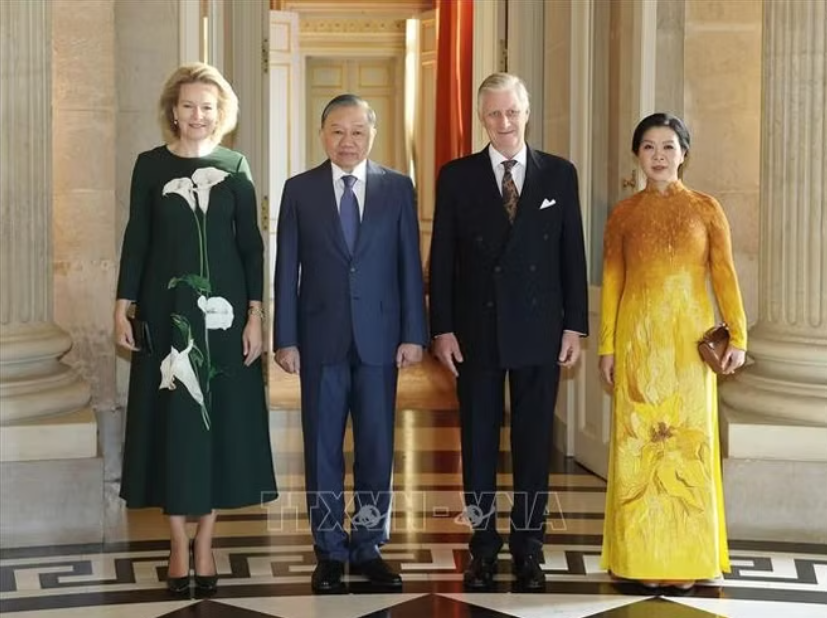
The Viet Nam Economic News respectfully presents the full text of the the Joint Statement on the outcome of the official visit to the Kingdom of Belgium by General Secretary and President To Lam.
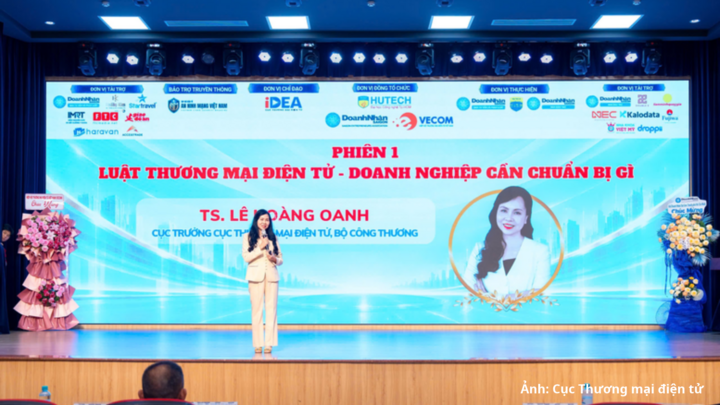
With e-commerce valued at USD 31 billion in 2025, officials called for closer government-university-business ties to enhance efficiency, skills and innovation.
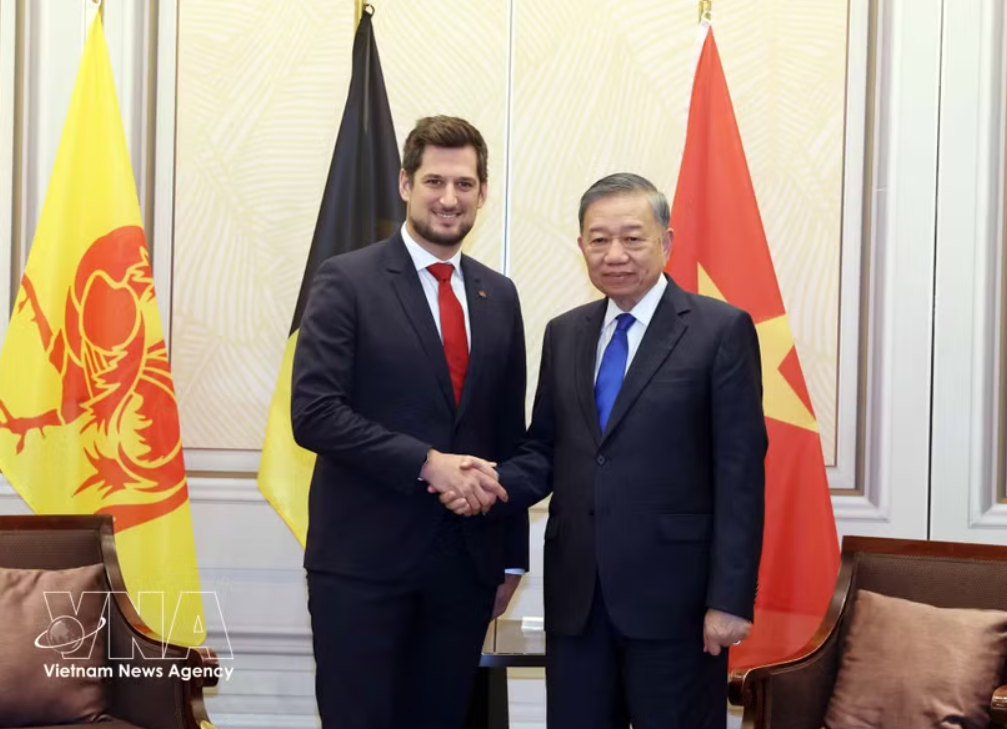
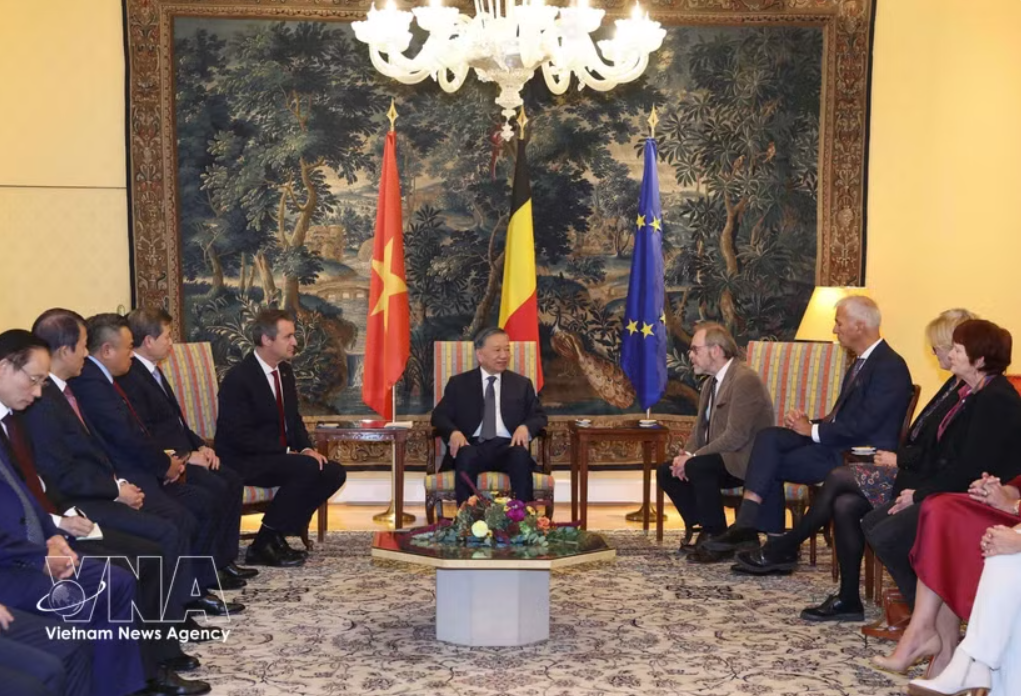
Discussing future orientations, General Secretary and President To Lam suggested that the government of the Wallonia region support the early elevation of Viet Nam–Belgium ties to a Strategic Partnership.
The host leaders described the Belgian House of Representatives' approval of the EU - Viet Nam Investment Protection Agreement (EVIPA) as tangible evidence of the two countries’ determination and potential to expand economic, trade and investment cooperation.
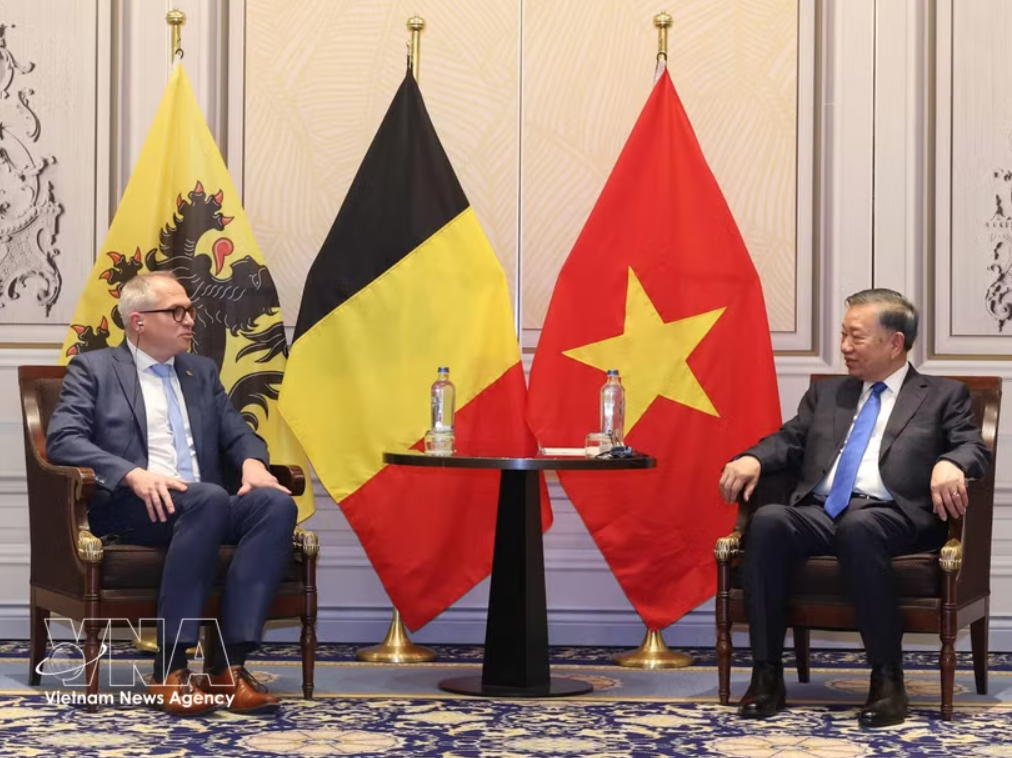
The top leader called on Flanders to support the early elevation of Viet Nam - Belgium relations to a strategic partnership, take a pioneering role in promoting economic cooperation, encourage businesses to expand investment in Viet Nam, and back the completion of ratification and effective implementation of the EU–Viet Nam Investment Protection Agreement (EVIPA).
The Viet Nam Economic News respectfully presents the full text of the the Joint Statement on the outcome of the official visit to the Kingdom of Belgium by General Secretary and President To Lam.
Discussing future orientations, General Secretary and President To Lam suggested that the government of the Wallonia region support the early elevation of Viet Nam–Belgium ties to a Strategic Partnership.
The host leaders described the Belgian House of Representatives' approval of the EU - Viet Nam Investment Protection Agreement (EVIPA) as tangible evidence of the two countries’ determination and potential to expand economic, trade and investment cooperation.
The top leader called on Flanders to support the early elevation of Viet Nam - Belgium relations to a strategic partnership, take a pioneering role in promoting economic cooperation, encourage businesses to expand investment in Viet Nam, and back the completion of ratification and effective implementation of the EU–Viet Nam Investment Protection Agreement (EVIPA).
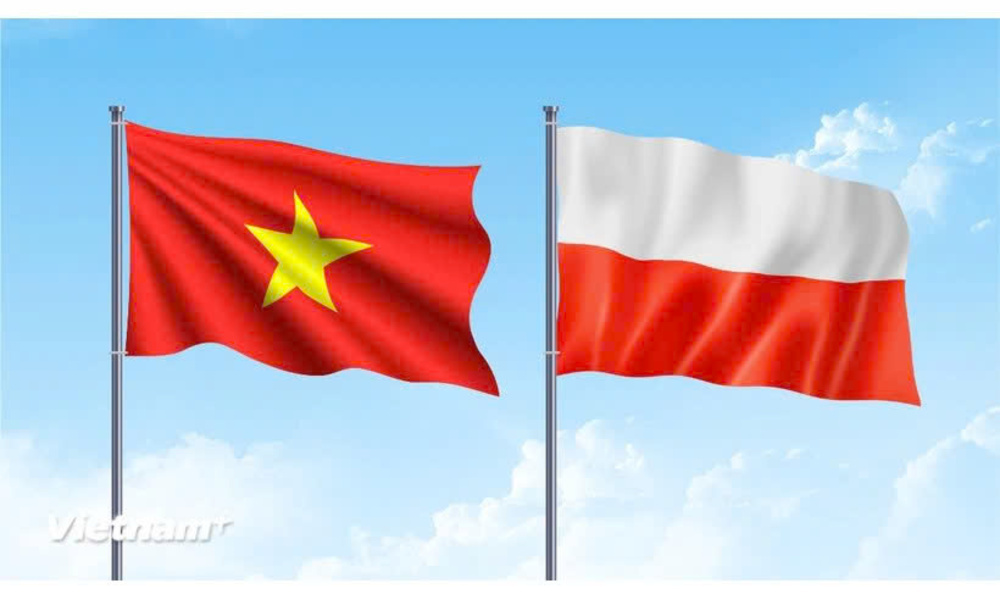
Polish Prime Minister Donald Tusk will pay an official visit to Viet Nam from October 24 to 26 as the bilateral trade continues to grow, creating opportunities for deeper cooperation.