As Vietnam's trade turnover approaches USD 500 billion, businesses are being urged to meet origin rules and new market requirements to maximize FTA benefits.
On the sidelines of the conference on promoting exports to achieve a double-digit growth target, recently organized by the Ministry of Industry and Trade (MoIT), the Newspaper of Industry and Trade held a discussion with Tran Thanh Hai, Deputy Director of the Agency for Foreign Trade under the MoIT, on measures to further enhance Vietnam's import-export performance.
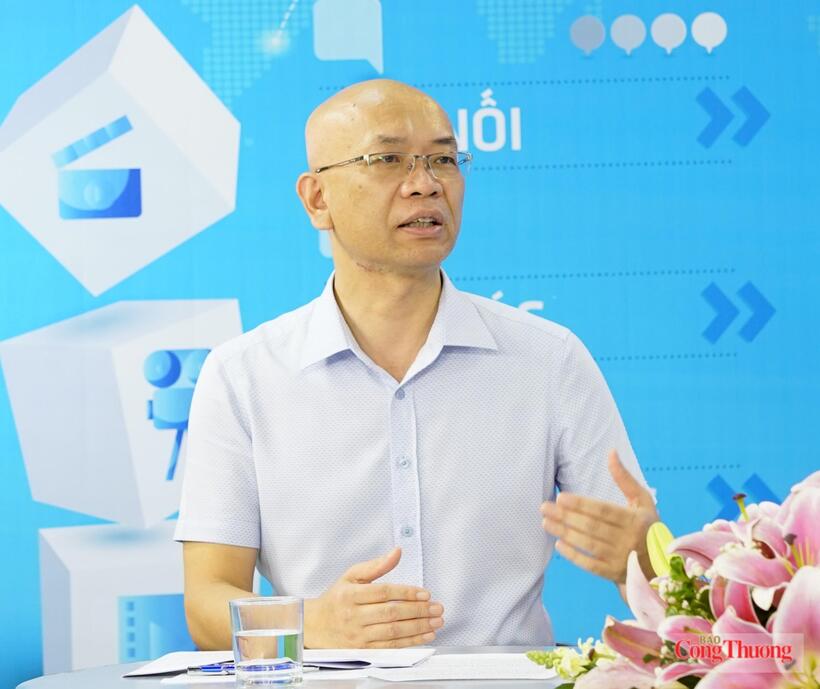
Deputy Director of the Agency for Foreign Trade Tran Thanh Hai
Import-export turnover nears USD 500 billion in the first half of 2026
- Could you share the key import-export results achieved in the first six months of 2026?
Deputy Director Tran Thanh Hai: In the first six months of the year, Vietnam's total import-export turnover reached nearly USD 500 billion. Exports alone recorded growth of around 21%. These are highly impressive figures given that the global situation continues to face numerous difficulties and challenges.
At the current growth pace, Vietnam's total import-export turnover is projected to surpass USD 1 trillion by the end of 2026. This is a very positive signal for the country's trade activities.
However, alongside the positive results in export turnover and growth, there is one issue that deserves attention: the trade deficit recorded in the first half of the year. Compared with the same period last year, the trade balance has changed, which can be explained by several factors.
First, geopolitical developments have increased input costs, ranging from raw materials and fuel to transportation expenses. These factors have directly affected product prices, thereby influencing import activities and the trade balance.
Second, Vietnam has recently attracted a large number of investment projects, particularly foreign direct investment (FDI) projects. This is also a period during which investors are stepping up imports of machinery, equipment and materials to build factories and establish production facilities in Vietnam.
Third, amid fluctuations in global markets, manufacturing enterprises have proactively increased imports of raw materials, machinery and equipment, particularly in certain industries, to prepare resources for production and business activities in the second half of the year.
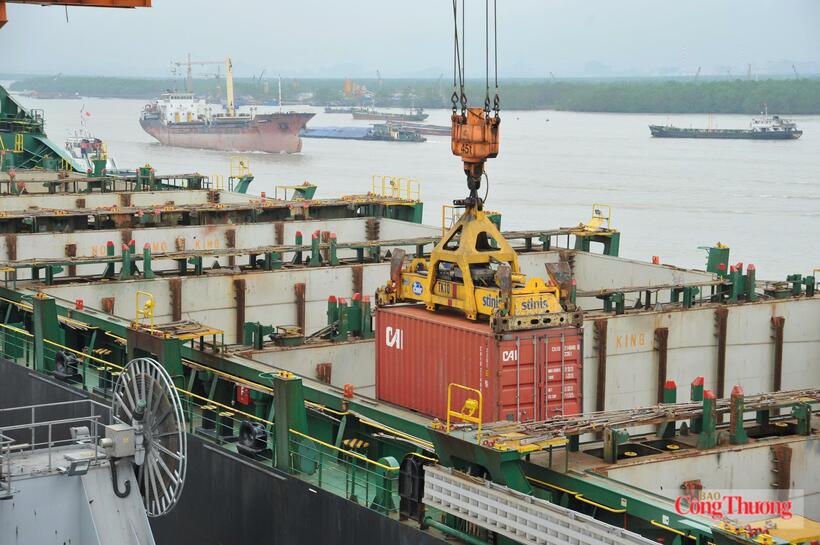
Vietnam's import-export sector recorded positive performance in the first half of 2026. Photo: Can Dung
Accompanying businesses and addressing challenges
- Despite strong growth in import-export activities, associations, businesses and localities have reported numerous difficulties. What recommendations does the MoIT have and what solutions will it implement to support businesses in overcoming these challenges?
Deputy Director Tran Thanh Hai: Associations, businesses and local authorities have highlighted a wide range of difficulties and obstacles. These include issues related to production activities, supply sources and barriers imposed by foreign markets. Such issues require comprehensive solutions, not only from the MoIT but also through the coordinated efforts of relevant ministries and agencies.
For the MoIT, we believe that continuing to facilitate production, secure supply sources and enhance the value of goods manufactured by Vietnamese enterprises is of critical importance. The ministry is currently advising the Government on submitting the Law on Key Industries to the National Assembly. This legislation is expected to serve as a major catalyst for transforming Vietnam's industrial production structure.
At the same time, it is necessary to continue implementing synchronized measures to effectively capitalize on opportunities created by achievements attained in recent years. Trade promotion activities should also be strengthened, particularly international trade promotion efforts, helping enterprises and industry associations access global markets more quickly and effectively.
This will remain one of the key priorities in the coming period. Another important issue is responding to emerging trade barriers. In addition to traditional trade remedy measures such as anti-dumping duties, countervailing duties and safeguard measures, many markets are introducing new requirements for imported goods.
These include regulations on traceability, requirements related to green production, as well as intellectual property regulations. Such requirements present significant challenges and require Vietnamese enterprises to proactively comply in order to maintain and expand their export markets.
Meeting these requirements will require additional investment in resources and costs. Therefore, businesses need to adapt proactively and continuously enhance their competitiveness to better satisfy evolving market standards.
Making better use of Vietnam's 17 FTAs
- Vietnam currently participates in 17 free trade agreements, providing numerous preferential commitments for businesses. However, utilization of these FTAs is widely considered below potential. In your view, what measures are needed to make better use of these agreements?
Deputy Director Tran Thanh Hai: There are various ways to effectively utilize free trade agreements. One of the most important factors is that enterprises must comply with rules of origin. Only by meeting these requirements can they qualify for preferential import tariffs that are lower than standard tariff rates.
To comply with rules of origin, businesses need to restructure their supply chains, especially those sourcing inputs from multiple countries. First and foremost, we encourage enterprises to prioritize the use of materials produced in Vietnam. If they can do so, they will face no difficulties regarding product origin requirements.
However, for products and sectors where Vietnam cannot yet supply sufficient raw materials, businesses should proactively seek suppliers from economies that are also parties to the same FTAs. This will enable them to apply origin accumulation provisions to satisfy FTA requirements and benefit from tariff preferences.
At the same time, vigilance is needed against the misuse of simple investment activities aimed solely at obtaining Vietnamese origin status. If such practices occur, importing countries may impose trade sanctions. This would not only affect individual enterprises but could also have repercussions for entire export industries in Vietnam.
- Thank you.
In addition to traditional trade remedy measures, many markets are introducing new requirements concerning traceability, green production and intellectual property protection. These challenges require businesses to invest more in technology, governance and production capabilities. Proactively meeting these evolving standards will help enterprises maintain market access, strengthen competitiveness and expand export opportunities.
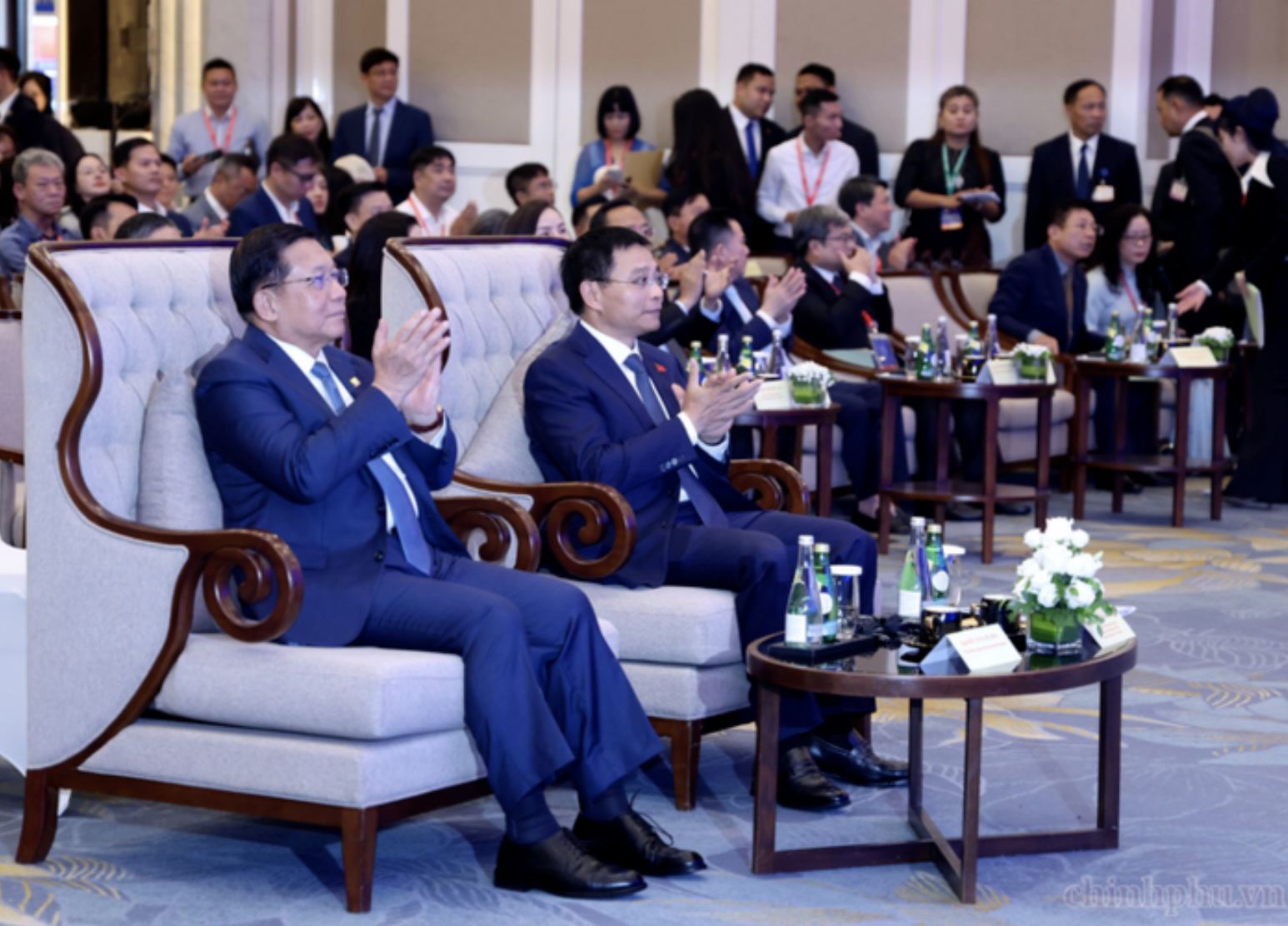
Addressing the Myanmar - Viet Nam Business Forum, Deputy Prime Minister Nguyen Van Thang said the two sides should expand the space for cooperation and leverage their respective resources to support the self-reliant and resilient development of each country, contributing to the implementation of agreements reached by the senior leaders of the two countries.
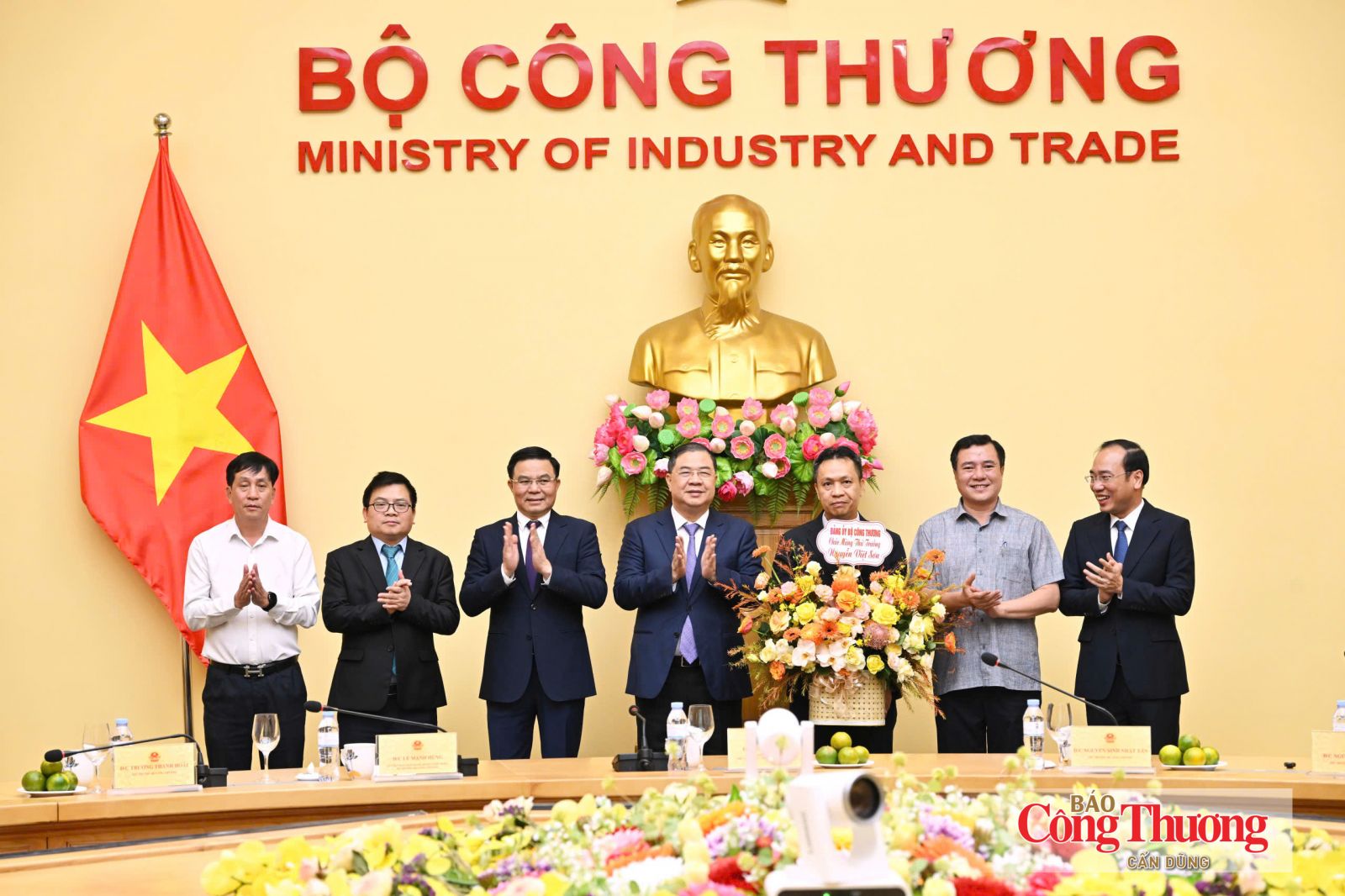
On the afternoon of September 6, at the headquarters of the Ministry of Industry and Trade (MoIT), Politburo member and Standing Deputy Prime Minister Pham Gia Tuc handed over the Prime Minister's decision appointing Nguyen Viet Son as Deputy Minister of Industry and Trade.
The iDEA and TikTok Shop launched the “Beyond Vietnam” initiative to help Vietnamese businesses build digital export capabilities and expand global market access.
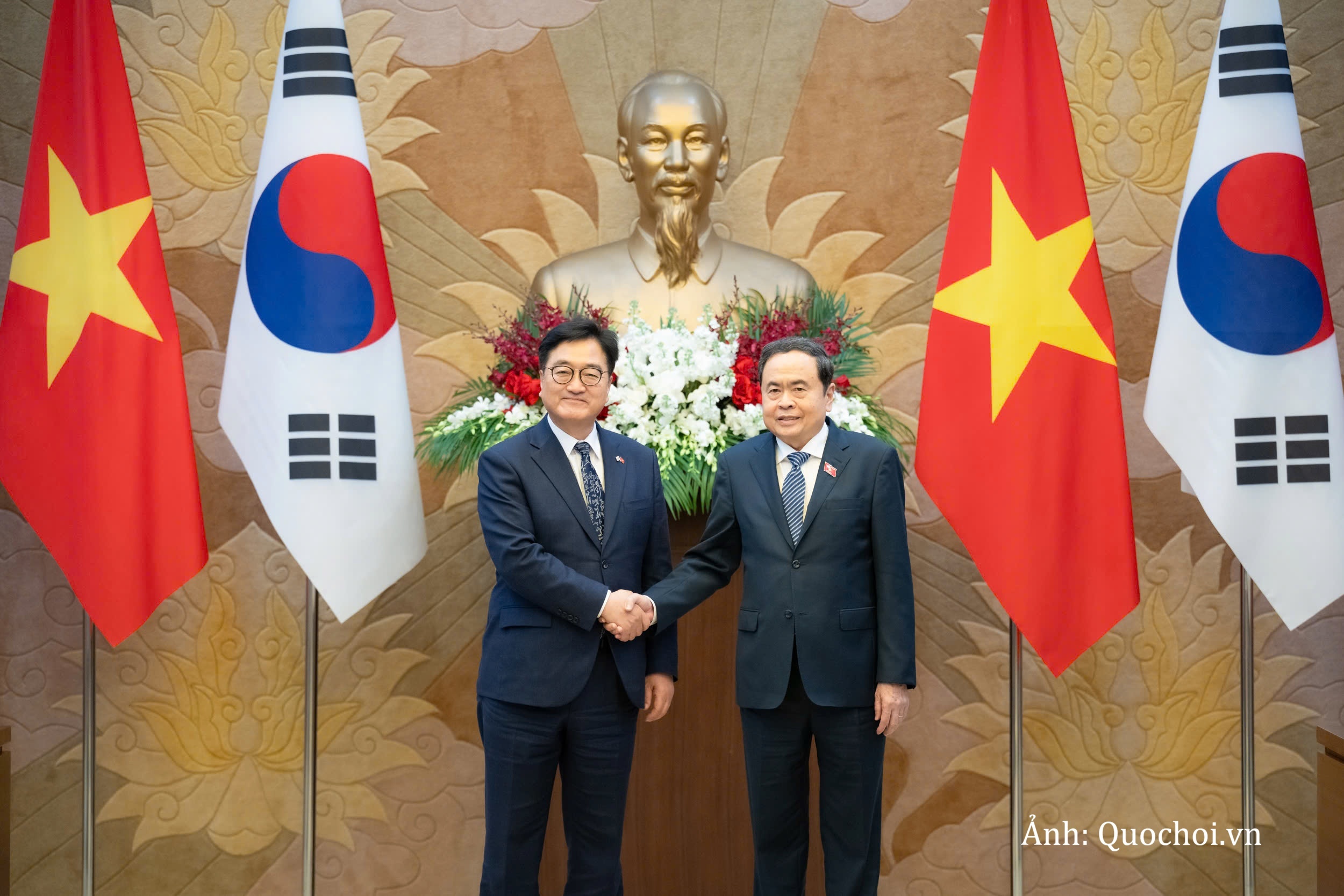
As Viet Nam and the Republic of Korea (RoK) work towards the goal of raising bilateral trade to USD 150 billion, the National Assemblies of the two countries have an important role to play in improving institutions and removing bottlenecks.
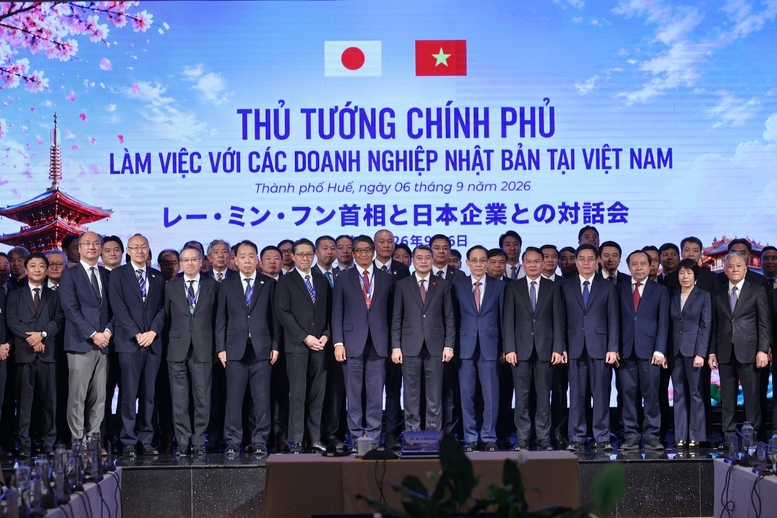
Chairing a meeting with Japanese businesses on the morning of September 6, Prime Minister Le Minh Hung called for Viet Nam - Japan investment ties to shift decisively from a relationship between “investors and investment destinations” toward a partnership for joint development and co-creation, involving joint research, innovation, production, and effective participation in and affirmation of their positions and roles in global value chains.
The iDEA and TikTok Shop launched the “Beyond Vietnam” initiative to help Vietnamese businesses build digital export capabilities and expand global market access.
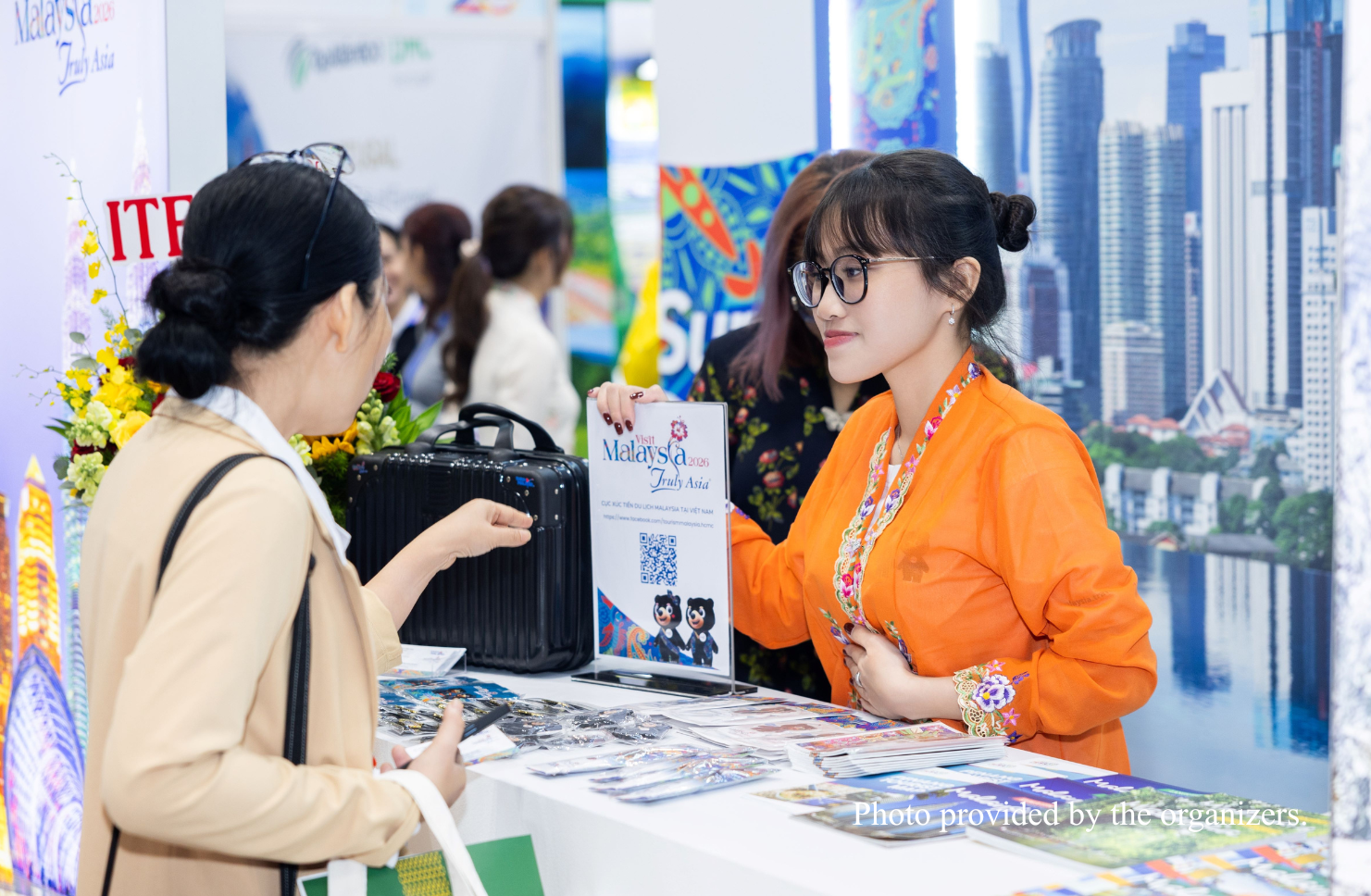
Tourism Malaysia reaffirmed its commitment to the Vietnamese market at ITE HCMC 2026, promoting the extended Visit Malaysia 2026 - 2027 campaign and expanding tourism cooperation.
Viet Nam Trade Office in Argentina is boosting business links to expand cooperation in timber, minerals and investment, opening new opportunities for firms in both countries.
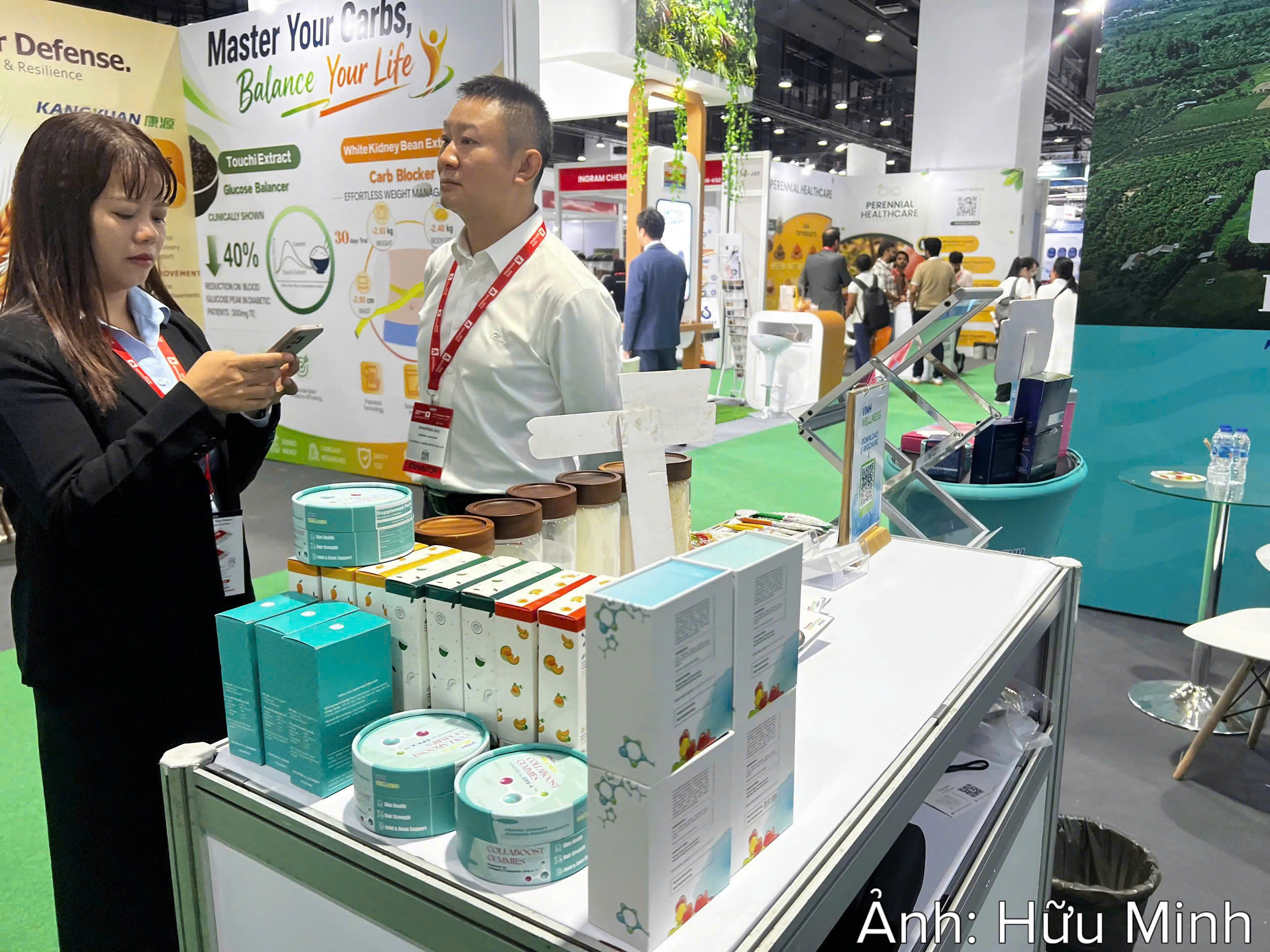
Vitafoods Asia 2026 in Thailand highlighted the growing presence of Vietnamese health and nutrition products, opening new opportunities for global market expansion.
Viet Nam is addressing key bottlenecks and improving durian quality to boost exports, with the sector targeting USD 4 billion in export turnover this year.