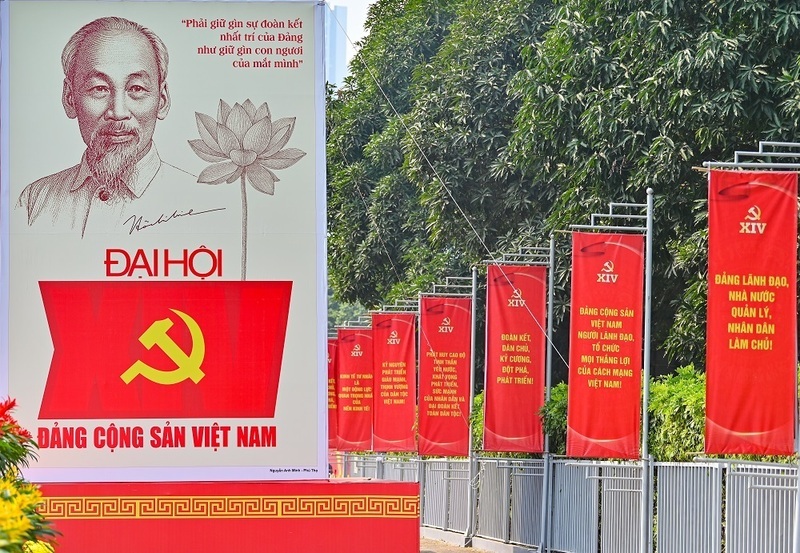
Japanese scholar explains Vietnam’s development momentum
19:05 | 23/03/2025 10:51 | 19/01/2026News and Events
A Japanese scholar highlights the Communist Party of Vietnam’s leadership as a key driver of the country’s development momentum.


The Party’s Leadership Role
In Vietnam’s modern history, the Communist Party of Vietnam has affirmed its central role in shaping political and economic orientations, serving as a key factor in safeguarding social stability and strengthening the great national unity bloc.
In an interview with Industry and Trade Newspaper, Professor Furuta Motoo, President of the Japan-Vietnam Friendship Association and Rector of Vietnam Japan University noted that the Party’s position today goes beyond that of a ruling party in the conventional sense. It has become the political nucleus of Vietnam’s entire political system, playing a decisive role in the cause of renewal and national development.
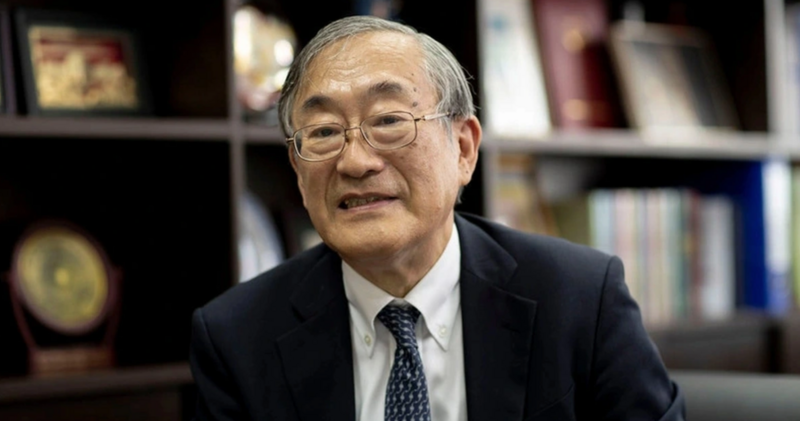
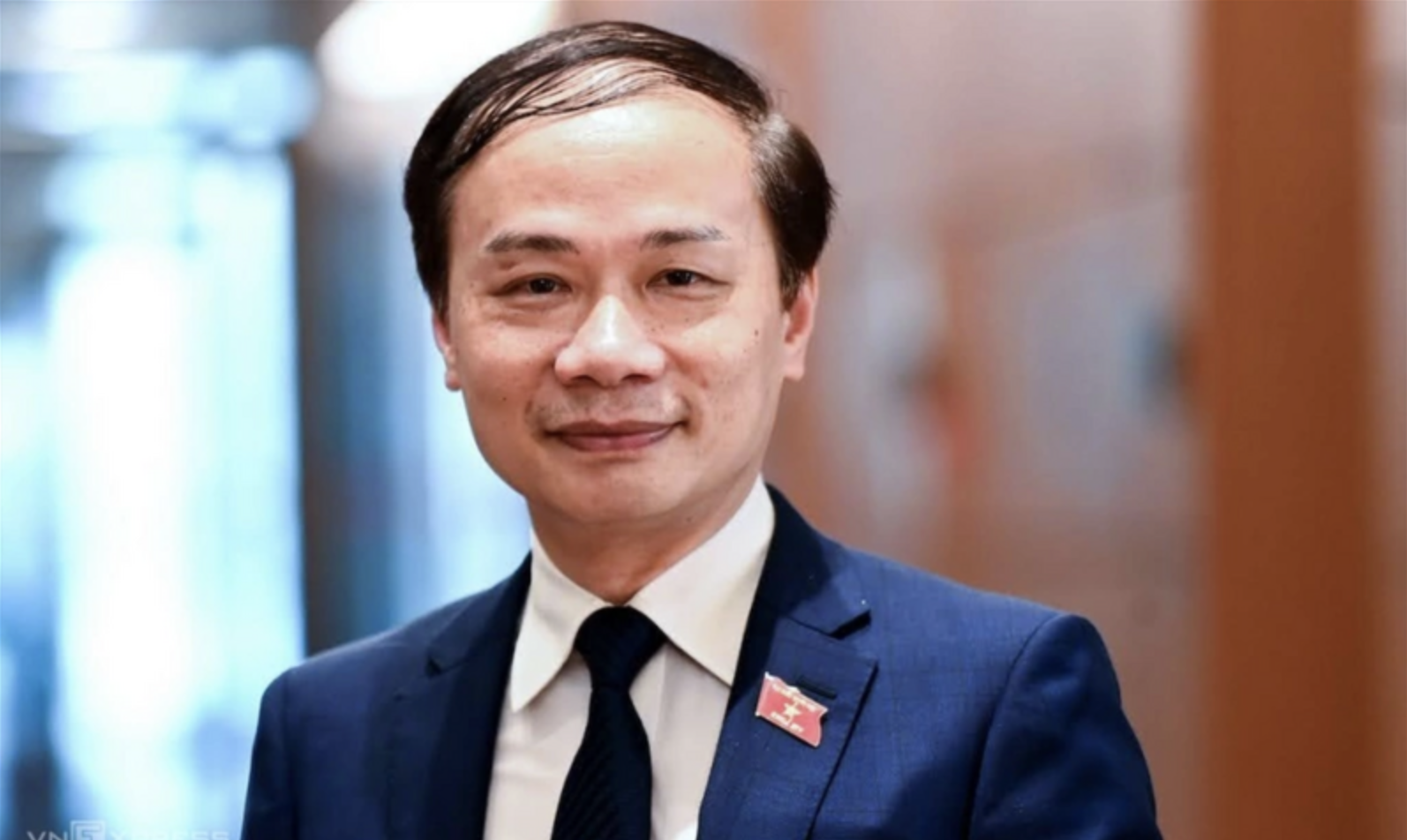
Professor Furuta Motoo, President of the Japan-Vietnam Friendship Association and Rector of Vietnam Japan University.
He noted that the 40-year reform process has been a pivotal period in Vietnam’s modern history, demonstrating the Communist Party of Vietnam’s growing leadership capacity. Over this period, Vietnam has transformed from an agrarian economy into one of the world’s fastest-growing economies.
According to Prof. Furuta Motoo, development indicators vividly reflect the outcomes of the renewal process. GDP per capita rose from just over USD 100 in 1986 to around USD 5,000 in 2025, placing Vietnam among upper-middle-income countries. From a closed economy, Vietnam has emerged as a major exporting nation, with total import-export turnover in 2025 reaching approximately USD 930 billion, many times higher than in 1990.
In addition, participation in new-generation free trade agreements such as CPTPP, EVFTA, and RCEP has expanded development space and enhanced Vietnam’s attractiveness to multinational corporations. Industrial parks and export-processing zones have grown rapidly, making important contributions to economic growth and international integration.
“The success of the renewal cause is inseparable from the leadership role of the Communist Party of Vietnam. The Party charted a correct development path through policies grounded in reality and aligned with the people’s aspirations. By tapping traditional values, Vietnamese intellect, and national resilience, the Party laid the foundation for comprehensive social development and gradual improvements in living standards,” he said.
Prof. Furuta Motoo emphasized that the Party’s sustainable strength stems from its close ties with the people. Sensitivity to public aspirations, will, and social sentiment enables timely adjustments to policies in line with real-world developments. This underpins the Party’s legitimacy and leadership capacity amid continuous national transformation and integration.
He added that the principle of “people as the root” runs like a red thread through the Party’s thinking and action. When upheld substantively and closely linked to people’s lives and interests, the Party will continue to play a central role in national political life. The alignment between the Party and the people, he believes, is the bedrock of political stability and sustainable development in Vietnam’s future.
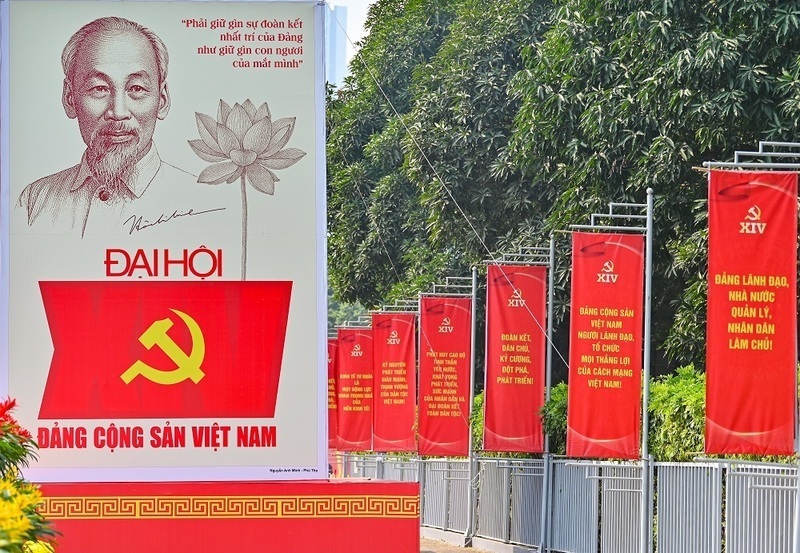
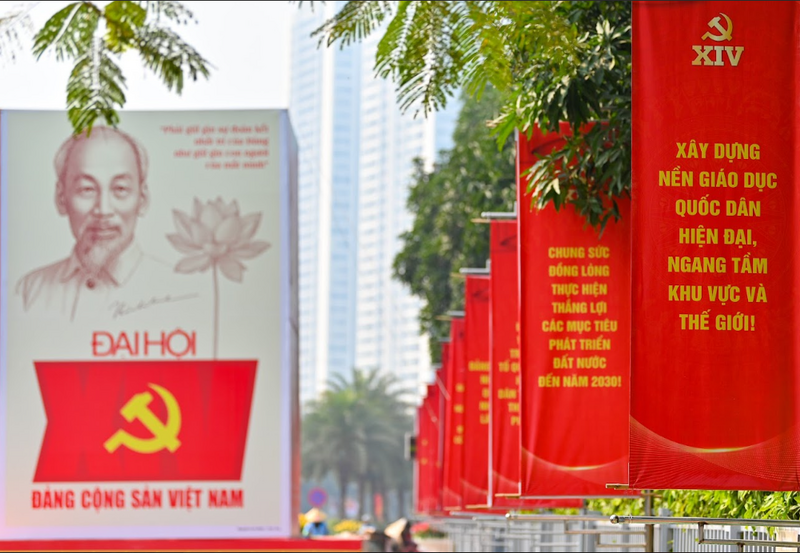
The 14th National Party Congress is seen as a key milestone for setting the vision and strategic orientation for Vietnam’s next development phase. Photo: Nam Nguyen.
“Soft Power” in the National Development Strategy
Prof. Furuta Motoo assessed political stability as a crucial foundation enabling Vietnam to maintain a peaceful environment conducive to investment and international cooperation. Stability fosters long-term trust among partners and investors and allows development policies to be implemented consistently and effectively.
He noted that Vietnam’s independent, self-reliant foreign policy of multilateralization and diversification has helped balance relations with major powers amid rapidly shifting global dynamics. This approach has gradually enhanced Vietnam’s prestige and standing internationally, while expanding cooperation in economics, science and technology, and education.
“Maintaining political stability is also a prerequisite for Vietnam to pursue long-term strategies such as digital transformation, green development, and deep international integration. These strategies require steadfast goals and sustained policy coordination possible only with a stable and effective political system,” Prof. Furuta Motoo said.
The 14th National Party Congress carries special significance in setting a concrete development path toward long-term strategic milestones. Targets to become a developing country with modern industry and upper-middle income by 2030, and a high-income developed nation by 2045, demand consistent vision and foundational, long-term decisions.
To realize these goals, alongside economic and institutional solutions, foreign affairs should be elevated within a more strategic mindset. Prof. Furuta Motoo expects the Communist Party of Vietnam to propose concrete measures to develop national “soft power” as a key pillar of foreign policy in the new era.
According to him, Vietnam’s soft power should be built on culture, education, and science and technology. Spreading distinctive cultural values, improving education quality, and promoting innovation will enhance Vietnam’s attractiveness and credibility internationally.
“In a global context where competition increasingly centers on knowledge and technology, a well-designed soft power strategy will help elevate Vietnam’s international standing and effectively support sustainable development in the future,” the expert emphasized.
19:05 | 23/03/2025 10:51 | 19/01/2026News and Events
19:05 | 23/03/2025 10:40 | 19/01/2026News and Events
19:05 | 23/03/2025 10:39 | 19/01/2026News and Events

19:05 | 23/03/2025 16:35 | 18/01/2026Industry
19:05 | 23/03/2025 16:32 | 18/01/2026News and Events