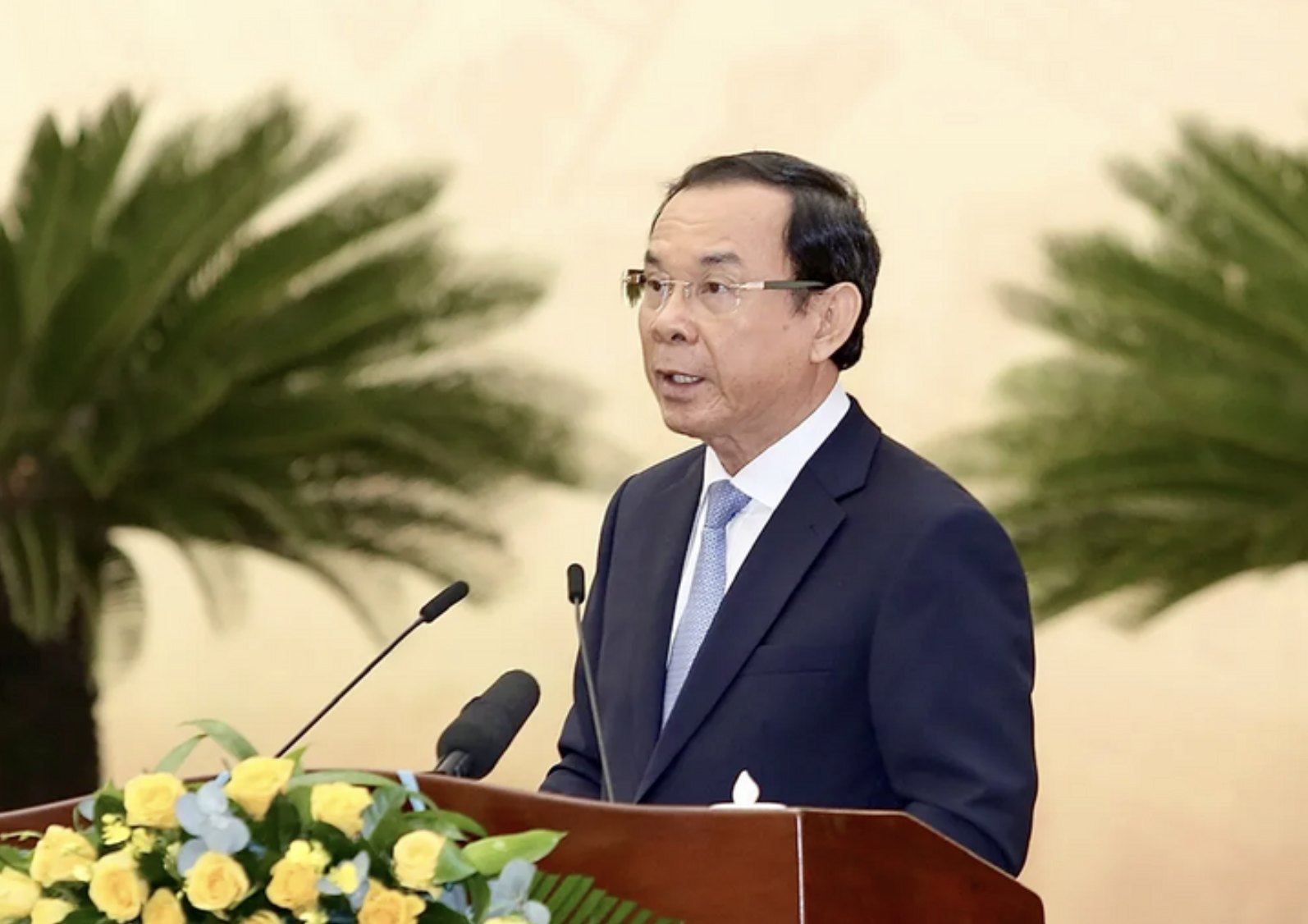
Three decrees, two circulars issued to implement Chemicals Law
19:05 | 23/03/2025 16:35 | 18/01/2026Industry
Vietnam has issued three decrees and two circulars guiding implementation of the Chemicals Law, ensuring uninterrupted production.


Hanoi Delegation National Assembly Deputy Truong Xuan Cu acknowledged this during an exchange with a reporter from the Industry and Trade Newspaper.
A “bright spot” of the economy
- In 2025, total import-export turnover reached a historic milestone of over USD 920 billion, the highest level ever recorded. What is your assessment of this economic achievement?
Deputy Truong Xuan Cu: The results achieved in 2025 indicate that import-export continues to be a "bright spot" of the economy, placing Vietnam among the top 15 countries with the largest trade scale in the world.
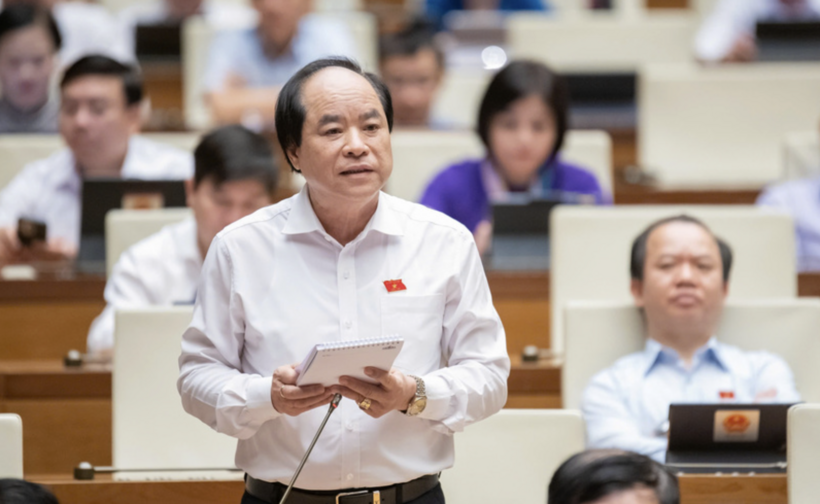
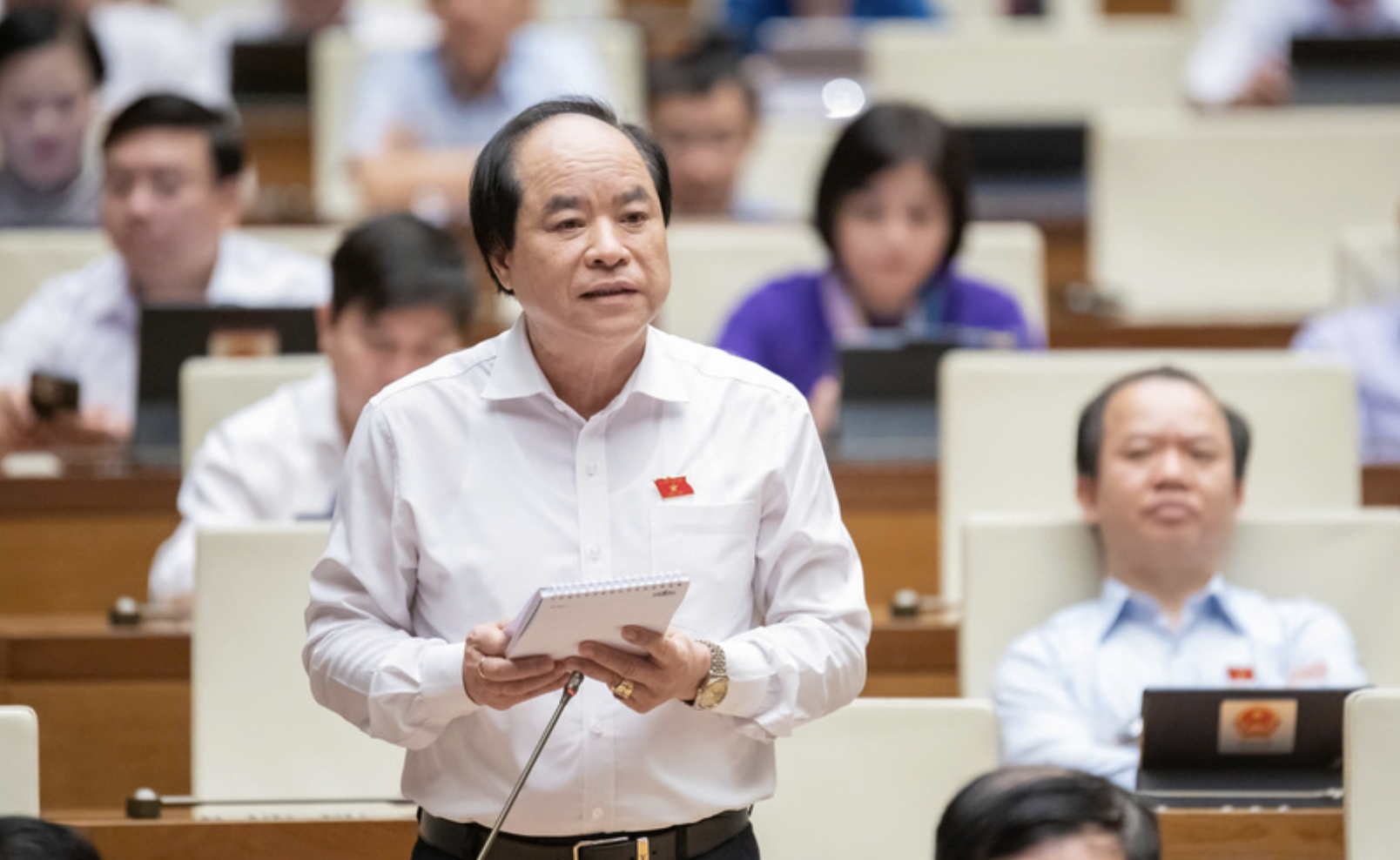
National Assembly Deputy Truong Xuan Cu (Hanoi Delegation). Photo: Quynh Nga.
This is an impressive result given the context of the global economy facing many uncertainties, with international supply chains impacted by trade conflicts and geopolitical fluctuations.
Notably, according to the report from the General Statistics Office, Ministry of Finance, in the first 11 months of 2025, merchandise export turnover reached USD 430.14 billion, up 16.1% over the same period last year, while imports reached USD 409.6 billion (up 18.4%). This difference helped Vietnam’s trade balance establish a surplus of over USD 20.53 billion after 11 months.
Also within the first 11 months of 2025, there were 36 items achieving export turnover exceeding USD 1 billion, accounting for 94.1% of total export turnover (with 8 items exceeding USD 10 billion, accounting for 70.3%). Furthermore, the structure of export groups is increasingly shifting towards the “core” of industrialization, increasing the proportion of processed exports and reducing the proportion of raw and pre-processed goods.
For instance, in 11 months, exports of the processed industrial goods group reached USD 381.72 billion, accounting for 88.7%; the agriculture and forestry group reached USD 35.58 billion, accounting for 8.3%; the fishery group reached USD 10.32 billion, accounting for 2.4%; and the fuel and minerals group reached USD 2.52 billion, accounting for 0.6%.
The year 2025 holds special significance as the final year of implementing the 5-year Socio-Economic Development Plan (2021-2025), a year of acceleration, breakthrough, and reaching the finish line. Meanwhile, investment, exports, and consumption are the three main drivers of economic growth.
Therefore, the above achievements not only affirm Vietnam’s increasingly elevated position on the global economic map but also reflect the persistent efforts of the business community and the flexible management of the Government and the Ministry of Industry and Trade.
This impressive growth momentum demonstrates strong adaptability and the ability to effectively utilize free trade agreements (FTAs), while opening up expectations for a new, more sustainable, and deeper development phase for our country’s international trade activities. This is an important foundation for Vietnam to continue making breakthroughs and asserting its role as a reliable and dynamic partner in the global supply chain.
- Exports play a key role in promoting economic growth. In your opinion, where does the driver for Vietnam’s export growth come from?
Deputy Truong Xuan Cu: The driver for export growth comes from many factors, but several main pillars can be clearly seen. First of all, the Government has been strongly involved with many comprehensive support solutions for the economy, including export activities, such as: proactively negotiating with partners on tariff issues, supporting enterprises in information and market warning work, as well as removing difficulties and obstacles in enterprises’ production and business projects.
In addition, focusing on thoroughly reviewing, cutting, and simplifying administrative regulations and procedures related to investment, production, and business activities, ensuring a reduction of at least 30% in administrative procedure processing time and at least 30% in business costs (compliance costs); abolishing 30% of unnecessary business conditions; continuing to extend and reduce taxes to remove difficulties for production and business activities, promoting the development of the private economy, and mobilizing resources for development investment.
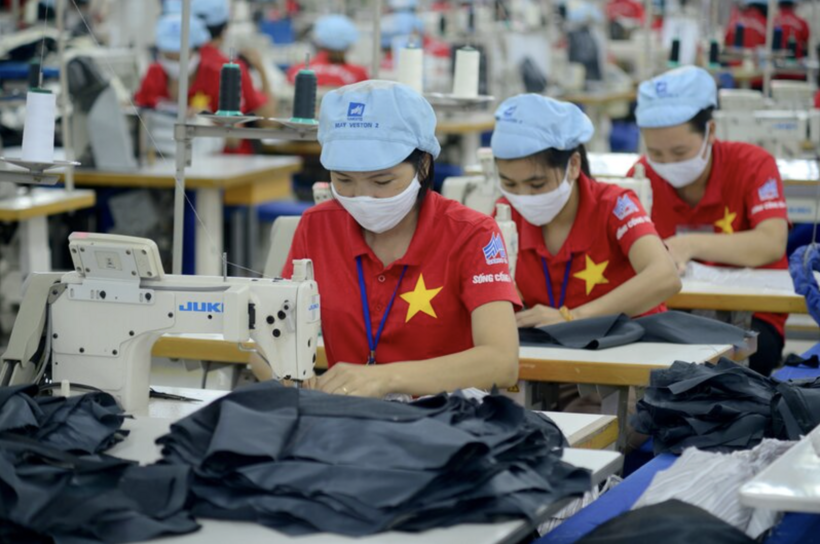
The textile and garment industry makes a significant contribution to national export turnover. Photo: Quynh Nga
As the lead agency in managing and steering import-export activities, the Ministry of Industry and Trade identified difficulties and risks from export markets early on to timely advise and propose solutions for export market development. Trade promotion activities and the dissemination of free trade agreements (FTAs) to help the business community grasp and better utilize them continue to be deployed effectively.
On the side of the business community, there is an increasing focus on strong investment in technological innovation, deep processing, and packaging improvement... helping Vietnamese products gain deeper access to the global market.
Alongside the largest export markets such as the US, the EU, China, Japan, and ASEAN... we have focused on expanding exports to potential markets like India, Russia, the Middle East, Latin America, and Africa. Market expansion and diversification are among the important strategies helping Vietnam maintain export growth momentum amidst slowing global trade and increasingly stringent greening requirements.
- Creating momentum for trade breakthroughs- How do you assess the direction and management of import-export activities by the Ministry of Industry and Trade over the past term, especially in the context of the volatile global economy?
Deputy Truong Xuan Cu: The role of the Ministry of Industry and Trade is clearly demonstrated in Vietnam’s import-export growth picture, especially while the global economy still faces many unpredictable fluctuations. The result of placing Vietnam in the group of the 15 countries with the largest trade scale in the world reflects not only the capacity of enterprises but also stands as a testament to the Ministry’s drastic, synchronous, and timely direction over the past period.
The Ministry of Industry and Trade has proactively grasped market trends and updated the international supply-demand situation, while flexibly deploying trade promotion solutions and removing technical barriers to help enterprises maintain and expand market share. Negotiation efforts and the utilization of incentives from free trade agreements have also been strongly promoted by the Ministry, creating conditions for Vietnamese goods to penetrate deeper into demanding yet potential markets.
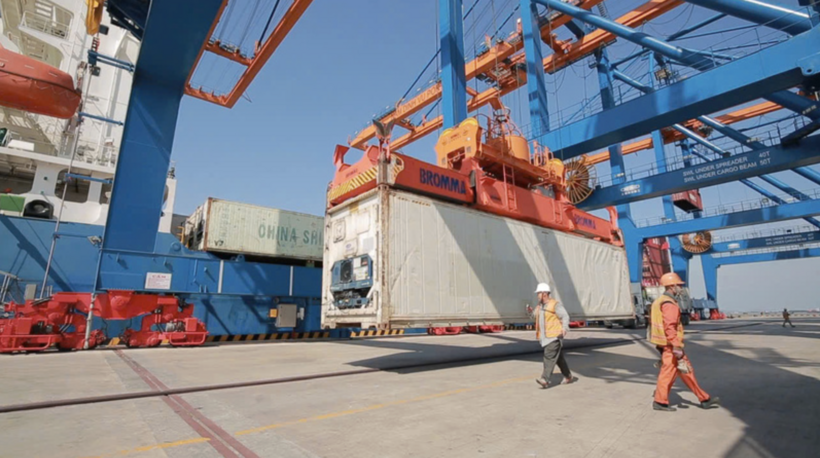
Promoting the development of logistics services is necessary to boost the import-export of Vietnamese goods to international markets. Photo: Can Dung.
In addition, efforts to support enterprises in green transition, applying digital technology, and improving capacity to meet international standards have yielded tangible results, helping Vietnamese goods increase value and competitiveness. Even in the context of intertwined challenges, the Ministry of Industry and Trade has persisted with the orientation of sustainable export, ensuring supply-demand balance, stabilizing the domestic market, and maintaining smooth trade flows.
The Ministry’s proactiveness, flexibility, and determination have not only contributed to maintaining growth but also consolidated the confidence of the business community, creating momentum for Vietnam’s trade to continue making breakthroughs in the coming years. These practical results are a worthy recognition of the persistent efforts, sense of responsibility, and strategic vision of the entire Industry and Trade sector.
- Exports make an increasingly important contribution to GDP (the export/GDP ratio increased from 72.7% in 2021 to an estimated 85% in 2025) with an average growth rate of over 10%. In the coming years, what recommendations do you have to promote sustainable export growth?
Deputy Truong Xuan Cu: The global and regional situation will continue to have complex and unpredictable developments. Therefore, to achieve the planned export growth targets in the coming time, I believe we need to focus on the following solutions:
First, balancing and diversifying markets, customers, and product categories is very important to avoid “putting all eggs in one basket” when markets face difficulties.
Although Vietnam has signed 17 FTAs, the market share of Vietnamese goods in many large markets remains quite small. Therefore, trade promotion targets in the coming time, besides focusing on the US, the EU, Canada, China, and the Middle East..., need to increase connectivity with emerging markets such as South Asia, the UAE, Africa, and Mexico... In addition, the model of local trade promotion centers will be standardized and interconnected to support enterprises in exploiting FTAs more effectively.
Second, along with the market expansion strategy, we must focus on improving product quality, increasing the proportion of deep-processed and high-tech export goods, building brands, ensuring origin transparency, and increasing the localization rate in the processing and manufacturing industry group. This will help Vietnam firmly consolidate its export foundation and maintain growth momentum amidst complex global trade fluctuations.
This issue requires enterprises to transform themselves by investing in science and technology and improving governance capacity. Compliance with quality, environmental standards, and rules of origin must be considered a prerequisite. We must gradually form a system of large export enterprises with global competitiveness and branding.
Third, it is necessary to promote the development of logistics services; cooperating, investing in, and using overseas logistics centers to boost the import-export of Vietnamese goods to international markets.
Fourth, the Government needs to strengthen economic diplomacy, perfect policies to support enterprises, provide early warnings of trade risks, and create solid production chain linkages; promote the development of the private economy, especially encouraging small and medium-sized enterprises (SMEs) to participate deeper in the global value chain.
Sincere thanks to you!
National Assembly Deputy Truong Xuan Cu (Hanoi Delegation) emphasized that the Government and ministries, especially the Ministry of Industry and Trade, have strongly stepped in with many comprehensive support solutions for the economy, promoting import-export growth. These synchronous efforts are creating an important foundation for Vietnam to continue maintaining recovery momentum, enhancing competitiveness, and asserting a firmer position in the international market.
19:05 | 23/03/2025 16:35 | 18/01/2026Industry
19:05 | 23/03/2025 16:32 | 18/01/2026News and Events

19:05 | 23/03/2025 14:37 | 18/01/2026News and Events
19:05 | 23/03/2025 14:36 | 18/01/2026News and Events
19:05 | 23/03/2025 14:18 | 18/01/2026News and Events