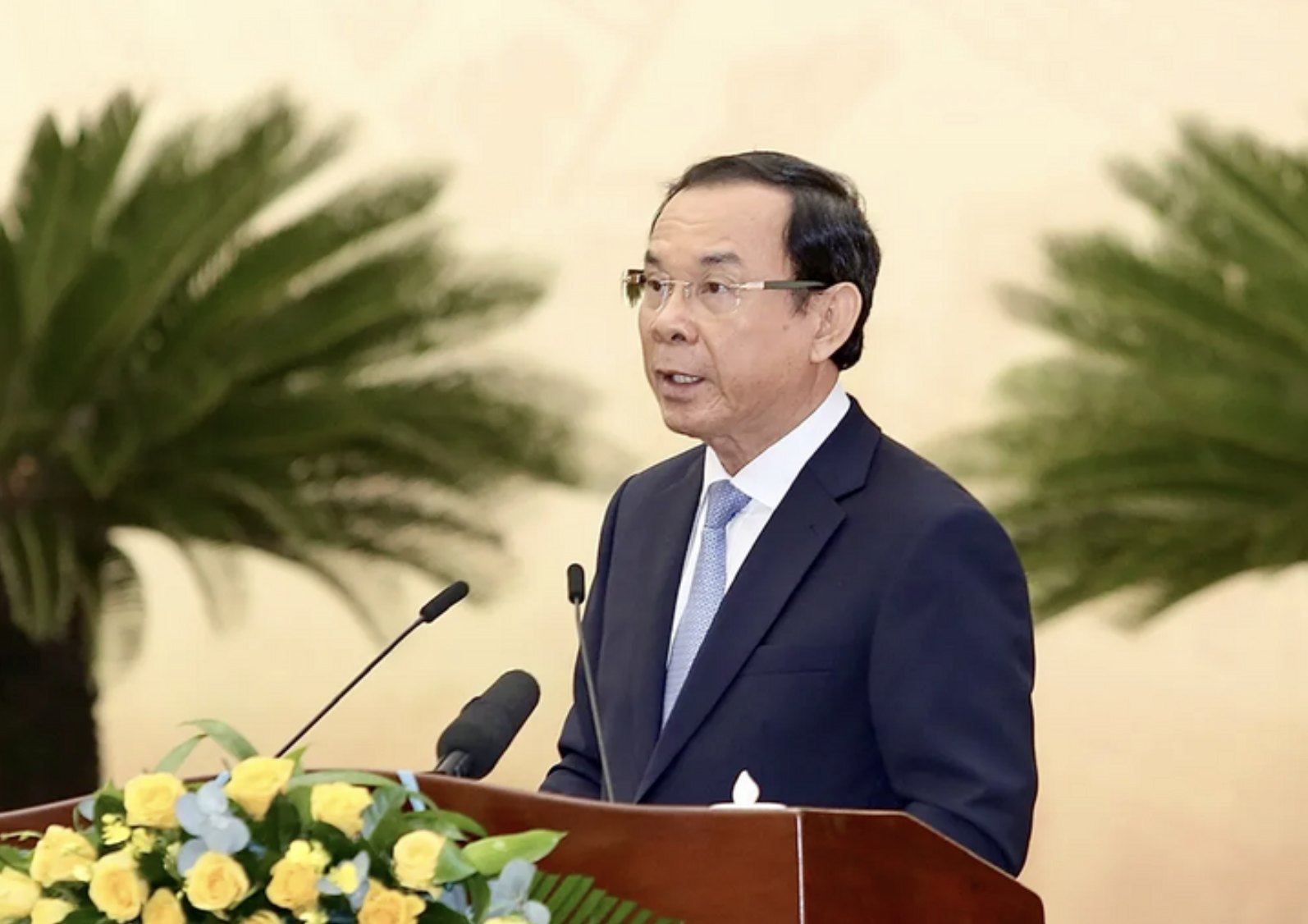
Three decrees, two circulars issued to implement Chemicals Law
19:05 | 23/03/2025 16:35 | 18/01/2026Industry
Vietnam has issued three decrees and two circulars guiding implementation of the Chemicals Law, ensuring uninterrupted production.


As preparations gather pace for the National Spring Fair 2026 a cultural and trade event rich in Vietnamese identity, the role of the fair in connecting handcrafted heritage with contemporary life is coming into sharper focus than ever.
More than just a venue for displaying and introducing products, the National Spring Fair 2026 is expected to become a meeting point between past and present, between artisans and the public, and between traditional cultural values and the needs of modern society.
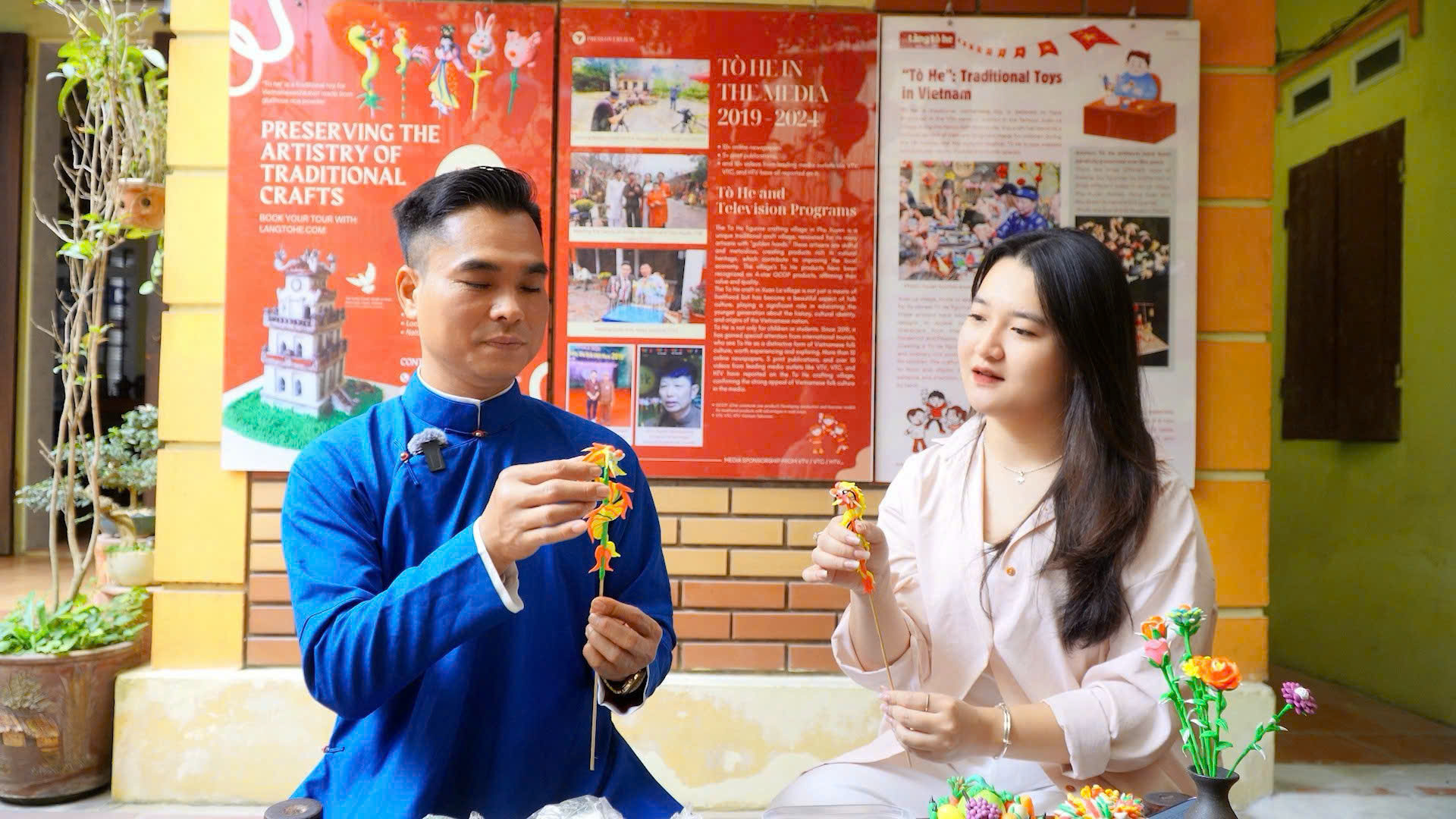
Ahead of the event, a reporter from Industry and Trade Newspaper spoke with to he artisan Dang Dinh Thuong, who participated in the First Autumn Fair 2025 and is expected to continue accompanying the National Spring Fair 2026. The conversation explored his perspectives and expectations regarding the role of the fair in preserving, spreading and creating sustainable livelihoods for traditional craft villages.
Letting Handicraft Heritage “Live” in Contemporary Life
- How do you assess the role of the National Spring Fair 2026 in connecting traditional handicraft heritage with contemporary life?
Artisan Dang Dinh Thuong:
In my view, the spring fair plays a very special bridging role between traditional handicraft heritage and contemporary life. Unlike static exhibition spaces, the fair allows heritage to “live” within today’s social rhythm. Handicrafts are not only introduced through finished products, but also through the making process, through the hands, stories and memories of artisans. This direct presence helps the public feel the cultural depth and labor value behind each product.
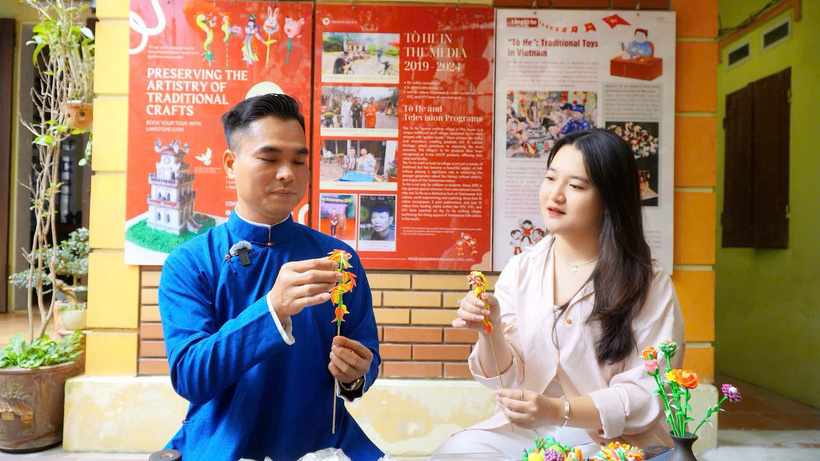
Reporter from Industry and Trade Newspaper in conversation with artisan Dang Dinh Thuong.
Notably, the spring fair brings together a wide range of social groups, from the elderly to young people and children. Through hands-on experiences, interaction and dialogue, handicraft heritage gradually sheds its sense of distance and becomes closer to modern life. As a result, traditional values are no longer “frozen” in the past, but have opportunities to transform, adapt and spread naturally and sustainably in contemporary society.
- From an artisan’s perspective, can the fair become a “bridge” helping the to the craft preserve its essence while adapting to new tastes?
Artisan Dang Dinh Thuong:
I believe the fair can become an effective bridge when it creates a space that both respects the core values of the to he craft and opens up dialogue with contemporary tastes. First and foremost, it is essential to preserve the traditional essence from materials and sculpting techniques to folk images tied to Vietnamese cultural memory. When these values are presented clearly and authentically at the fair, the public will understand that to he is not merely a toy, but a living cultural heritage.
At the same time, the fair provides an opportunity for to he to engage with new social demands and tastes. Through direct interaction with visitors, especially young people and children, artisans can create new forms that are closer to today’s life, while still rooted in traditional techniques and spirit. When organized in a professional manner, the fair not only helps artisans sell products but also serves as a testing ground for new approaches, enabling the craft to adapt flexibly to modern life without losing its identity.
From Promotion to Livelihood Creation for Artisans
- What expectations do you have regarding the promotional impact of the National Spring Fair 2026 on traditional crafts such as to he?
Artisan Dang Dinh Thuong:
In fact, when taking part in and accompanying spring activities like this, my greatest wish is that the number of visitors to the fair will continue to grow, so more people can learn about the cultural space it offers. I truly hope the organizers will invest in a well-structured, large-scale and distinctive event, creating appeal not only for domestic audiences but also for international visitors.
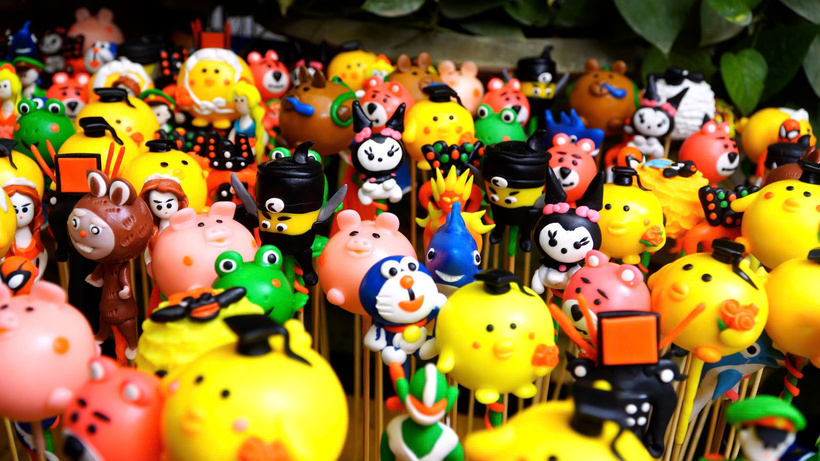
The fair offers opportunities for the to he craft to engage with new social tastes.
When the fair is organized on a large and professional scale, the values of traditional craft villages from handicraft and fine-art products to live demonstrations can be presented in a more complete and vivid manner. Not only to he, but many other crafts will come together, each telling its own story through products and the hands of artisans. I believe that when the fair space is truly attractive, visitor numbers will increase, helping promote craft village images while generating additional income and motivation for artisans to stay committed to preserving and developing traditional crafts.
- What do you expect from the role of cultural fairs in creating sustainable livelihoods for handicrafts?
Artisan Dang Dinh Thuong:I hope cultural fairs will be recognized and organized as an important component of the craft village development ecosystem, rather than merely event-based or symbolic activities. First of all, fairs need to create real market outlets for handicraft products, enabling artisans to introduce, sell and directly reach consumers. When markets expand especially toward tourists and long-term distribution channels handicrafts can generate stable income, allowing artisans to remain confident in their commitment to the craft.
Beyond economic value, cultural fairs also play a major role in enhancing the social status of artisans. When artisans are properly honored, listened to, and given opportunities to demonstrate and share their craft stories, they are not only selling products but also conveying the cultural, historical and spiritual values associated with each craft village. This helps handicraft products be viewed not merely as commodities, but as cultural products with higher added value.
In the long term, I hope fairs will serve as hubs connecting multiple stakeholders from artisans and organizers to distributors, tourism activities and experiential education. When such linkages are sustainably formed, fairs can help build a supportive ecosystem for handicrafts, simultaneously preserving heritage, creating stable livelihoods and encouraging younger generations to carry forward traditional crafts.
19:05 | 23/03/2025 16:35 | 18/01/2026Industry
19:05 | 23/03/2025 16:32 | 18/01/2026News and Events
19:05 | 23/03/2025 14:37 | 18/01/2026News and Events
19:05 | 23/03/2025 14:36 | 18/01/2026News and Events

19:05 | 23/03/2025 14:18 | 18/01/2026News and Events