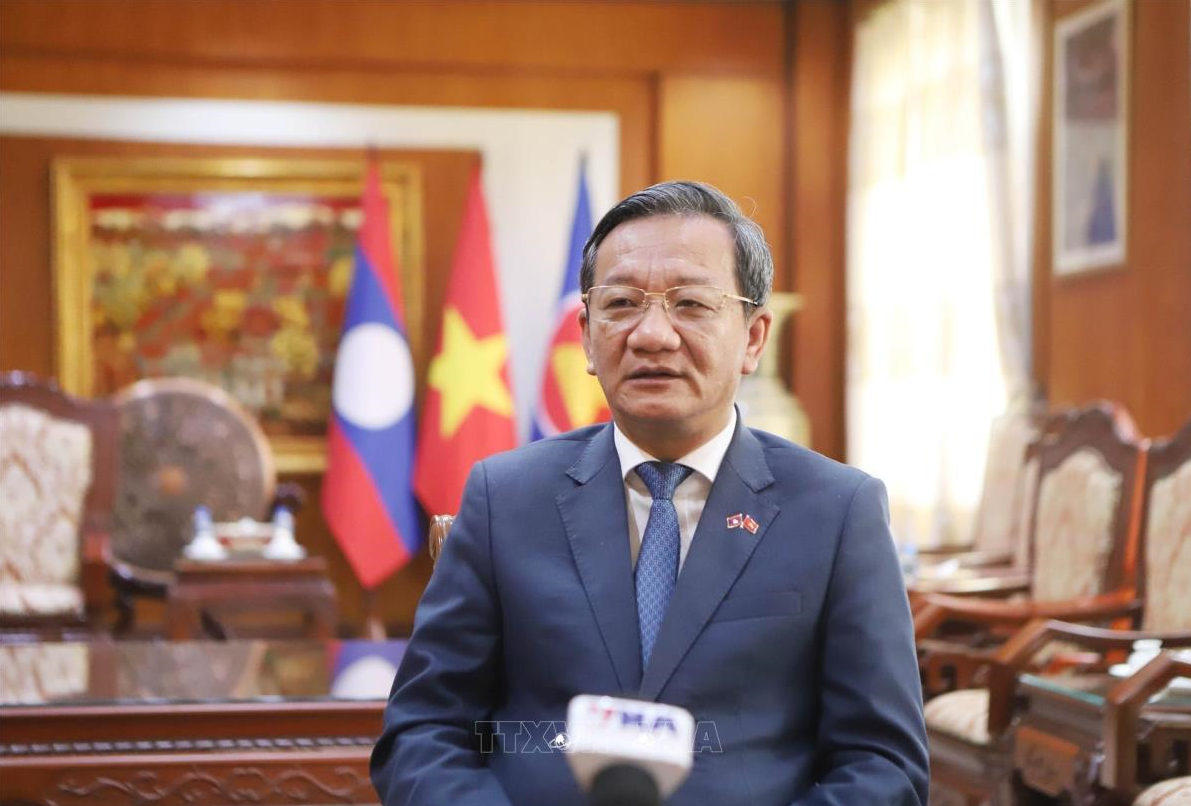
International integration is increasingly viewed as a key driver enabling Viet Nam to achieve double-digit growth, improve the quality of expansion, and broaden its development space.
Creating new growth momentum
The conclusions of the second plenum of the 14th Party Central Committee set out a clear requirement for double-digit growth, alongside macroeconomic stability and major economic balances. In this context, international integration is identified as a critical pillar to realise this objective.
The guiding approach underscores synchronised action, from institutions and policies to implementation, across the entire political system, businesses and the public. Notably, efforts to expand and diversify export markets, make effective use of free trade agreements (FTAs), and engage more deeply in strategic supply chains indicate that international integration has entered a phase of deeper exploitation.
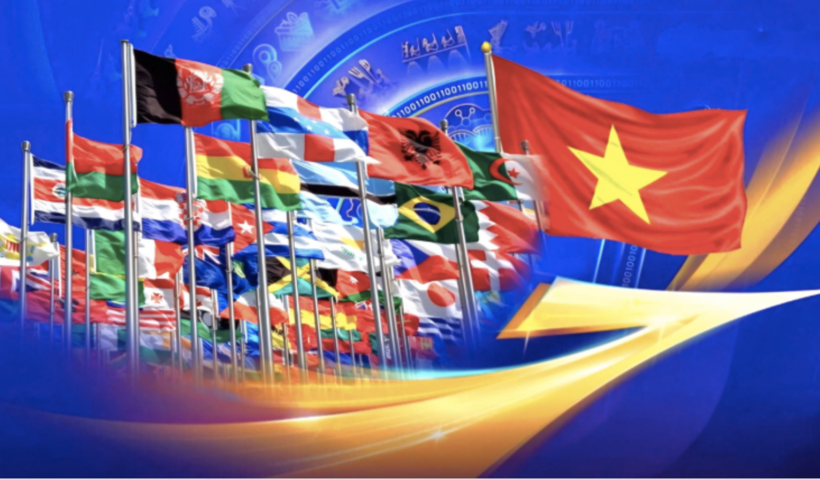
Viet Nam’s international integration is deepening and expanding. Illustrative photo.
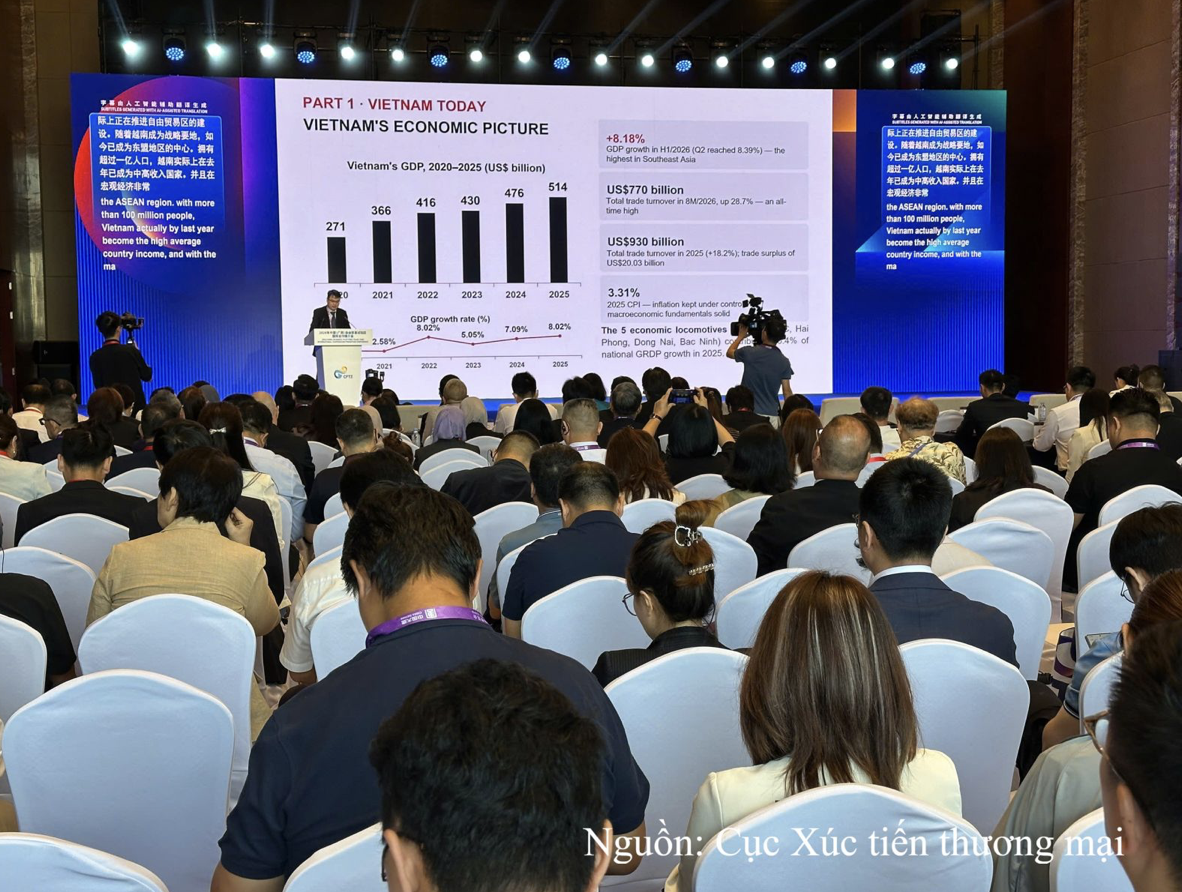
In practice, during the 2021-2025 period, international integration, particularly in the economic sphere, delivered strong results. Trade activities saw a robust breakthrough, becoming a key growth pillar. Exports recorded an average annual growth of around 10.8%, significantly exceeding targets, while the trade balance maintained a consistent surplus.
In 2025 alone, total import-export turnover was estimated at USD 930.05 billion, placing Viet Nam among the world’s top 15 trading economies. This continues to affirm the role of trade in maintaining macroeconomic stability and enhancing national standing.
On the policy front, the role of the Ministry of Industry and Trade has become increasingly evident. By actively promoting the implementation of new-generation FTAs, reforming administrative procedures, and building a supportive ecosystem for businesses, the ministry has helped translate international commitments into tangible benefits.
Nguyen Minh Khoi, Country Director of the Tony Blair Institute for Global Change in Viet Nam, noted: “Policy orientation has clearly shifted from prioritising the expansion in the number of FTAs to a phase focused on deeper utilisation and optimisation of signed commitments.”
A clear indication is the increase in the utilisation rate of preferential certificates of origin (C/O) under FTAs, from around 25% to 34-35% in recent years. Initiatives such as the electronic C/O issuance portal and the FTA Index have contributed to reducing costs, enhancing transparency, and driving reform from the central to local levels.
Integration for sustainable development
Entering the 2026-2030 period, international integration faces higher expectations: not only to drive rapid growth but also to ensure sustainability.
Following the second plenum of the 14th Party Central Committee, at a meeting of the National Steering Committee on International Integration on April 3, 2026, the Government directed that integration must become a key driver of both fast and sustainable growth, closely aligned with the double-digit growth target.
These directives are translated into concrete requirements, including market diversification, improving the quality of economic integration, selectively attracting foreign investment, and accelerating green transition, digital transformation and innovation. In particular, the spirit of “five proactives” has been emphasised as a mode of action to adapt to an increasingly volatile and unpredictable global environment.
In this context, expectations for businesses are also evolving. While Vietnamese exporters previously relied mainly on cost competitiveness and productivity, environmental, social and governance (ESG) standards are now becoming a “passport” to access global markets.
Nguyen Minh Khoi observed: “International trade has shifted towards managing how products are made, not just how they look.”
This explains why the Ministry of Industry and Trade is promoting the development of an FTA ecosystem, where businesses, associations and stakeholders can jointly enhance capacity and adapt to new standards.
At the macro level, integration is not only an economic matter but also contributes to maintaining a peaceful and stable environment, prerequisites for long-term development. Viet Nam’s proactive participation in multilateral forums and the upgrading of partnerships with major countries also help expand strategic space for growth.
As the country moves towards its double-digit growth target, international integration is gradually evolving from an external gateway into an internal engine of growth. With effective implementation of international commitments, greater business mastery of global standards, and continued policy refinement towards transparency and coherence, integration will enable Viet Nam to move faster, further and more sustainably.
International integration has become, and will continue to be, a key driver alongside various sectors and industries in achieving double-digit growth in 2026 and beyond, while reinforcing Viet Nam’s image and position on the global stage.
Industry and Trade Newspaper would like to introduce a podcast series on the implementation of the Politburo's Resolution No. 57 in the Industry and Trade sector.
GREENTECH HA NOI 2026 showcases green technologies and energy-efficient solutions that help businesses cut emissions, optimize costs, promote sustainable production.
The programme connects Vietnamese businesses with Chinese investors, expanding opportunities for investment, technology cooperation and supply chain links.
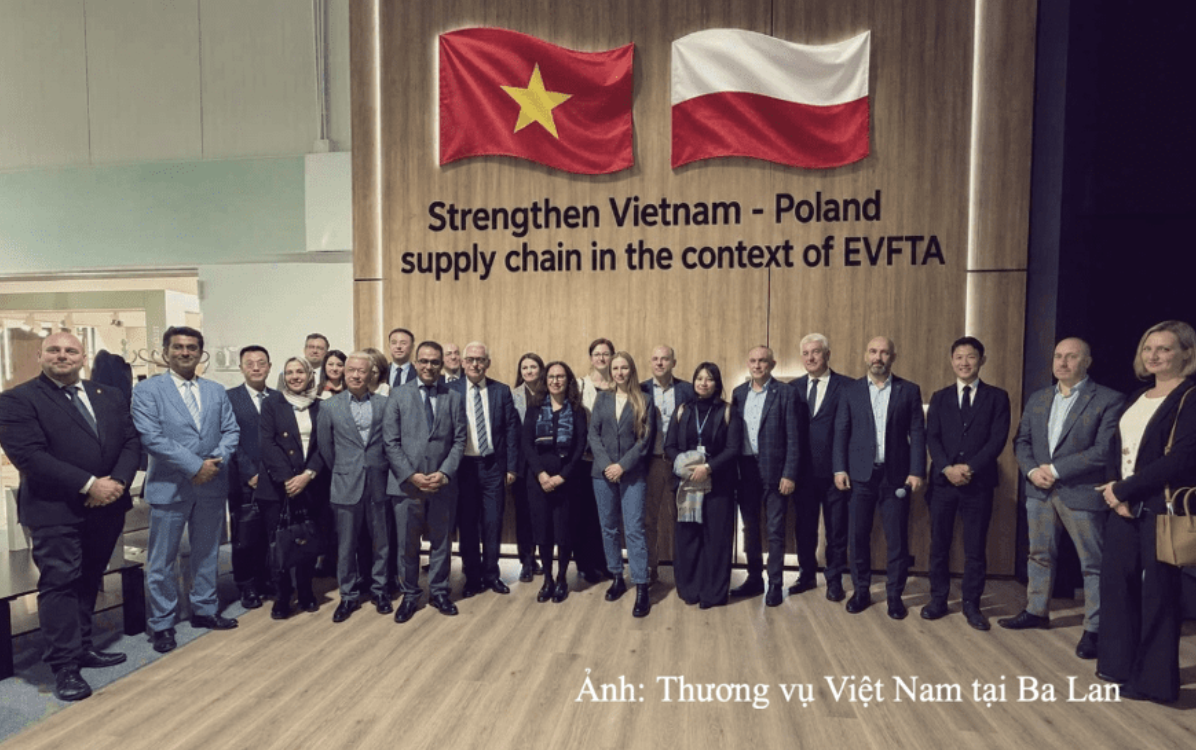
Viet Nam and Poland are exploring complementary strengths in furniture manufacturing, machinery, raw materials and technology to develop regional supply chains.
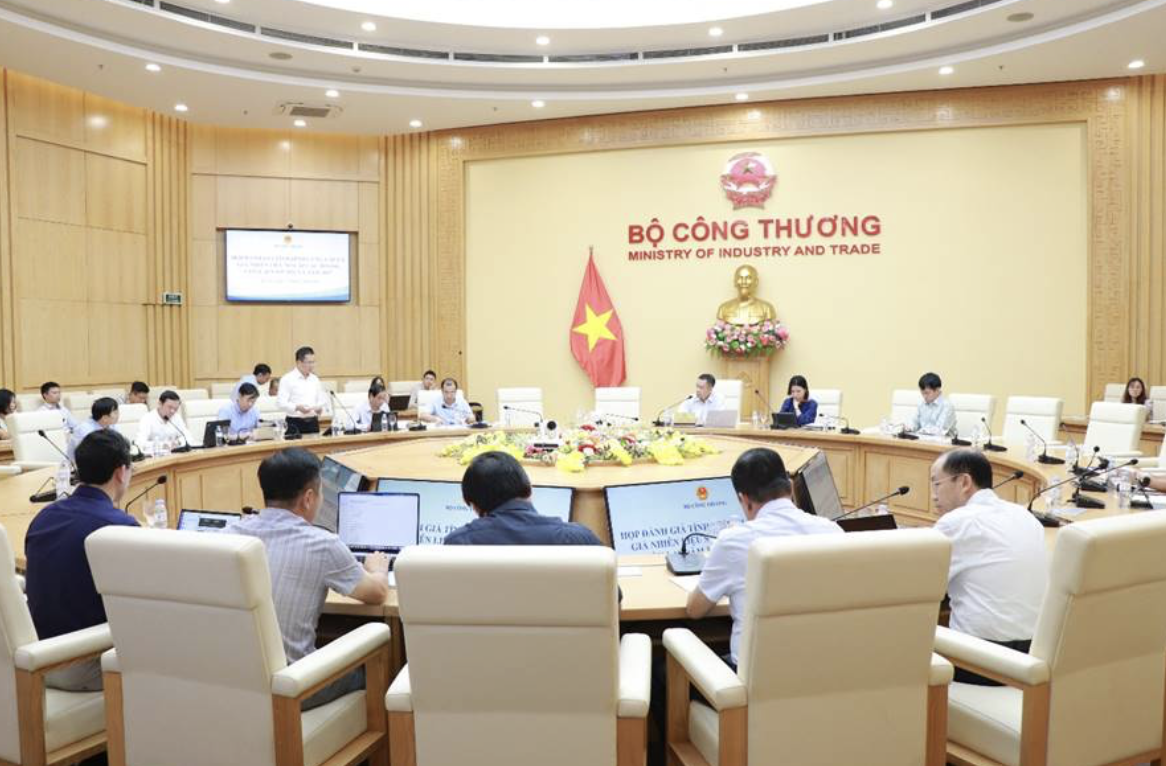
The MoIT calls for proactive risk management and supply diversification to prevent energy supply disruptions amid global geopolitical and market uncertainties.
GREENTECH HA NOI 2026 showcases green technologies and energy-efficient solutions that help businesses cut emissions, optimize costs, promote sustainable production.
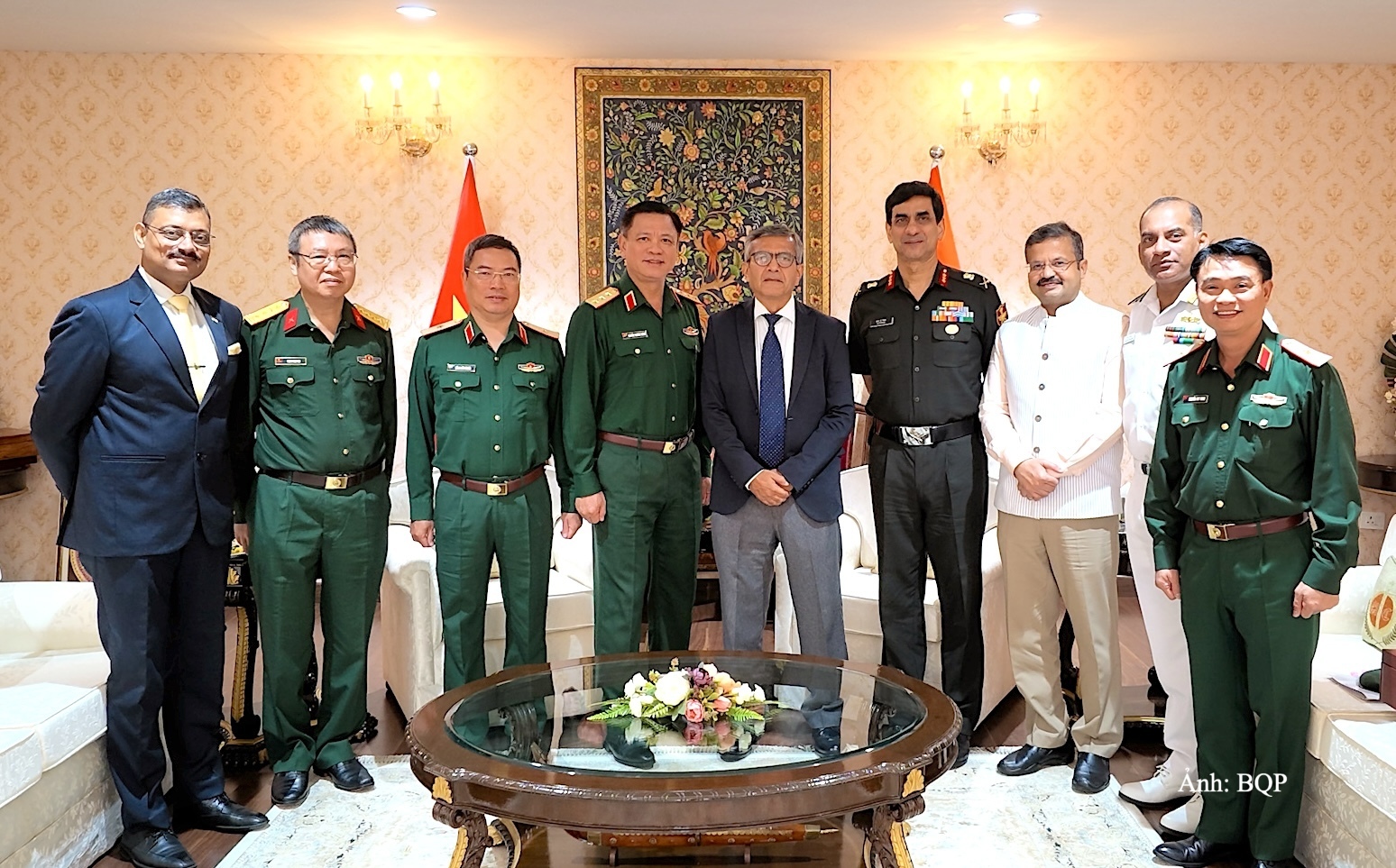
On the sidelines of the BRICS Summit in New Delhi, Senior Lieutenant General Nguyen Truong Thang held a meeting with Indian Defence Secretary Rajesh Kumar Singh, agreeing to expand defence cooperation.
Viet Nam has identified strengthening energy security and resilience, accelerating a clean and just energy transition, and promoting innovation, investment and regional connectivity as three strategic priorities in responding to profound changes in the global energy landscape.
The Viet Nam-Japan Business Forum 2026 will take place in Hanoi, bringing together around 250 delegates for trade and investment matchmaking and business networking.