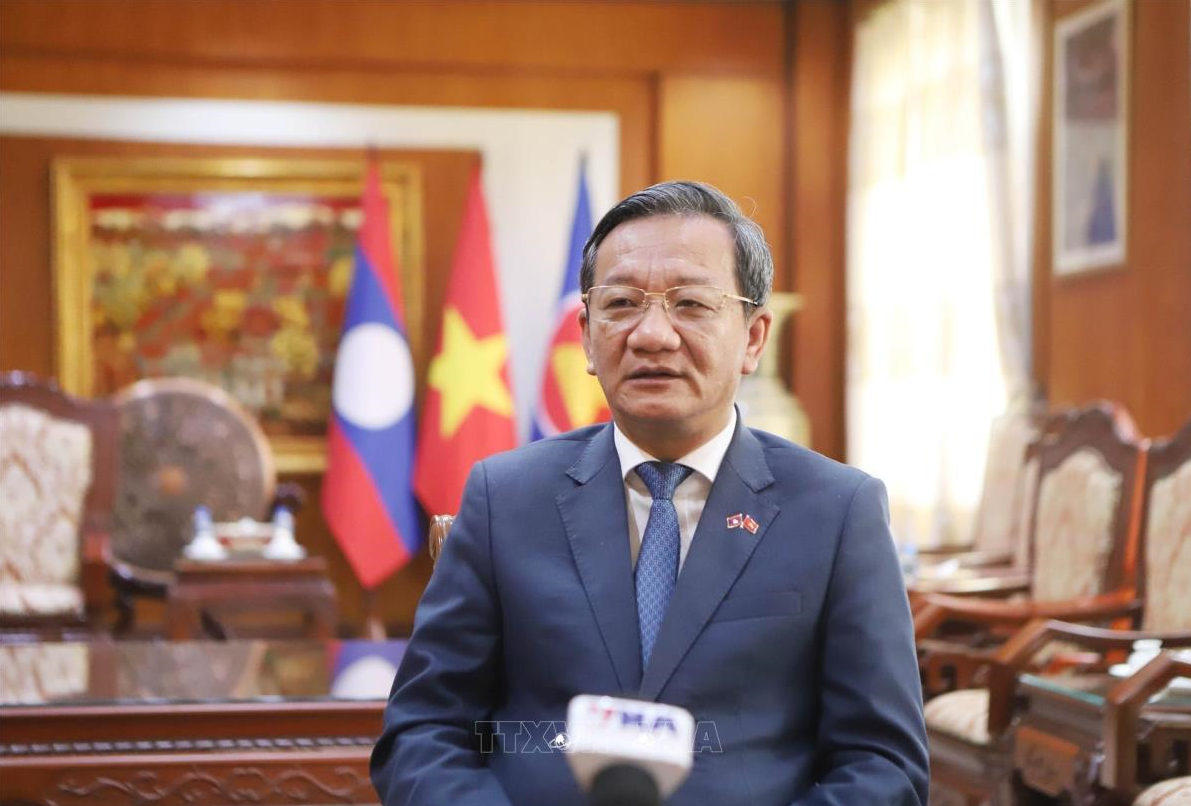
The Government of India places special importance on the upcoming visit of Party General Secretary and State President To Lam, viewing it as a key driver to further energize an already robust and dynamic bilateral relationship, according to Indian Ambassador to Vietnam Tshering W. Sherpa.
The ambassador made the remarks ahead of the state visit to India by Party General Secretary and State President To Lam, scheduled for May 5-7, 2026. The visit coincides with the 10th anniversary of the Comprehensive Strategic Partnership, and is expected to help shape the next phase of bilateral cooperation.
Ambassador Tshering W. Sherpa underscored that India-Vietnam relations are characterized by a “sky is not the limit” approach, dynamic, forward-looking, and guided by a long-term vision.
The two countries have not only strengthened traditional areas of cooperation such as politics, defense, and security, but have also expanded into new fields, promoting people-to-people exchanges, enhancing connectivity, and boosting bilateral trade.
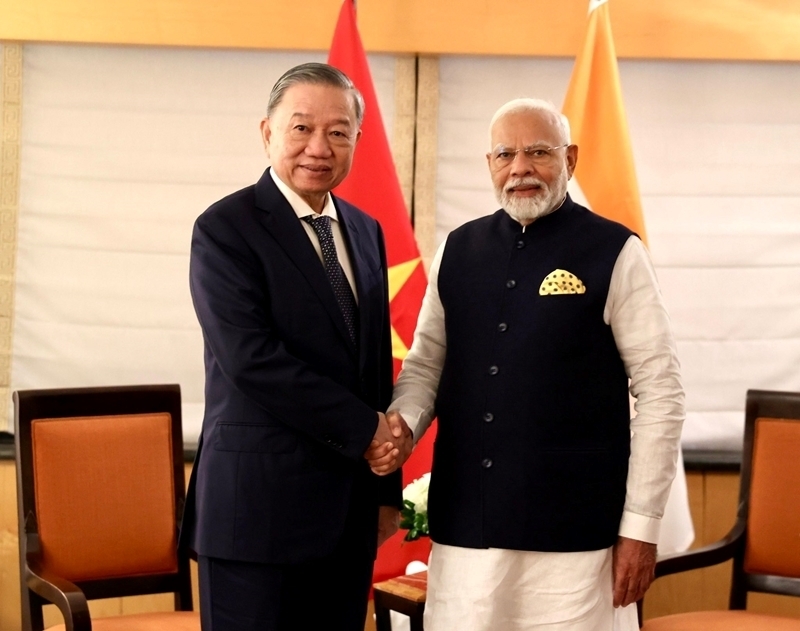
Indian Ambassador to Vietnam Tshering W. Sherpa described Vietnam-India ties as a “multi-sectoral partnership based on trust and mutual respect.” Photo: To Lam meets Indian PM Narendra Modi in New York, September 2024.
According to the ambassador, Vietnam-India ties represent a “multi-sectoral partnership built on trust and mutual respect.”
Since 2016, the leaders of the two countries have held more than 25 high-level meetings, reflecting close political alignment. Defense and security cooperation has been actively implemented at all levels. Meanwhile, bilateral trade has doubled over the past decade to reach approximately USD 16 billion, though significant potential remains untapped.
In terms of connectivity, the absence of direct flights in the past has given way to nearly 90 weekly flights between the two countries, acting as a multiplier for tourism, people-to-people exchanges, and trade. Last year, two-way visitor numbers reached nearly 900,000.
Cultural cooperation continues to be a highlight, with Buddhism serving as a spiritual bridge between the two ancient civilizations. Notably, the enshrinement of the Buddha’s relics in Vietnam in 2025 is regarded as a meaningful milestone in bilateral cultural and spiritual ties.
Continuing the India-Vietnam success story
Ambassador Tshering W. Sherpa expressed strong confidence in the future of bilateral relations, affirming that “this journey has only just begun.”
He noted that India-Vietnam relations should not be viewed solely through the lens of more than 50 years of diplomatic ties (since 1972) or a decade of Comprehensive Strategic Partnership (since 2016), but also as rooted in a long-standing civilizational connection, with Buddhism as a continuous thread.
Assessing cooperation prospects, the ambassador said that while bilateral trade stands at around USD 16 billion, both sides are capable of achieving much more. Both countries are benefiting from a “golden demographic” structure, with societies marked by strong aspirations and entrepreneurial spirit. This provides a solid foundation to translate shared values and mutual trust into tangible outcomes, particularly in the economic sphere.
He expressed expectations that the two countries will expand cooperation into emerging sectors such as information and communication technology, innovation, science and technology, cybersecurity, artificial intelligence (AI), quantum technology, and pharmaceuticals, as well as industries including automobiles, transport, and connectivity infrastructure.
Strategically, Vietnam is identified as a key partner in India’s “Act East” policy and its Indo-Pacific vision. The two countries share a common perspective of promoting development, peace, and stability, rather than competition.
Reaffirming the central role of people in fostering bilateral friendship, the ambassador emphasized that people-to-people exchanges constitute the most sustainable foundation of the relationship. India remains committed to working closely with Vietnam to fully tap cooperation potential, delivering tangible benefits for businesses and citizens of both countries.
With a solid foundation and ample room for growth, Vietnam–India relations are expected to continue developing in a strong, substantive, and effective manner in the years ahead, Ambassador Tshering W. Sherpa stated with confidence.
Industry and Trade Newspaper would like to introduce a podcast series on the implementation of the Politburo's Resolution No. 57 in the Industry and Trade sector.
GREENTECH HA NOI 2026 showcases green technologies and energy-efficient solutions that help businesses cut emissions, optimize costs, promote sustainable production.
The programme connects Vietnamese businesses with Chinese investors, expanding opportunities for investment, technology cooperation and supply chain links.
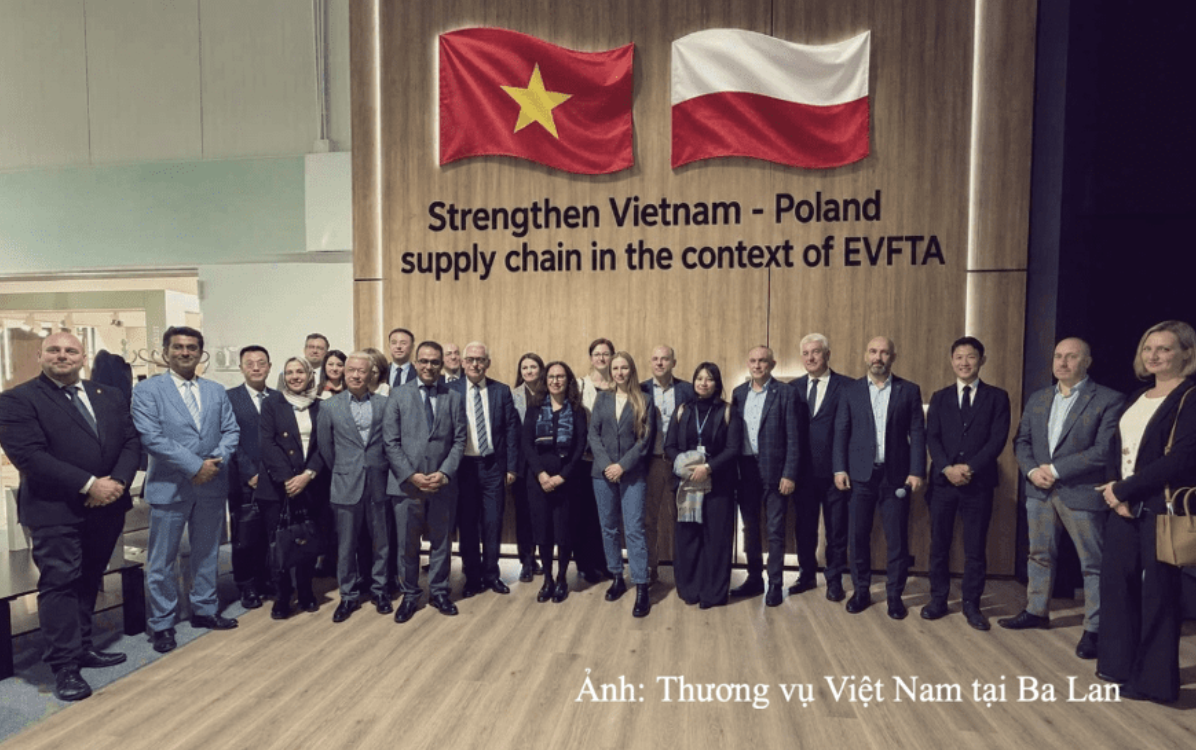
Viet Nam and Poland are exploring complementary strengths in furniture manufacturing, machinery, raw materials and technology to develop regional supply chains.
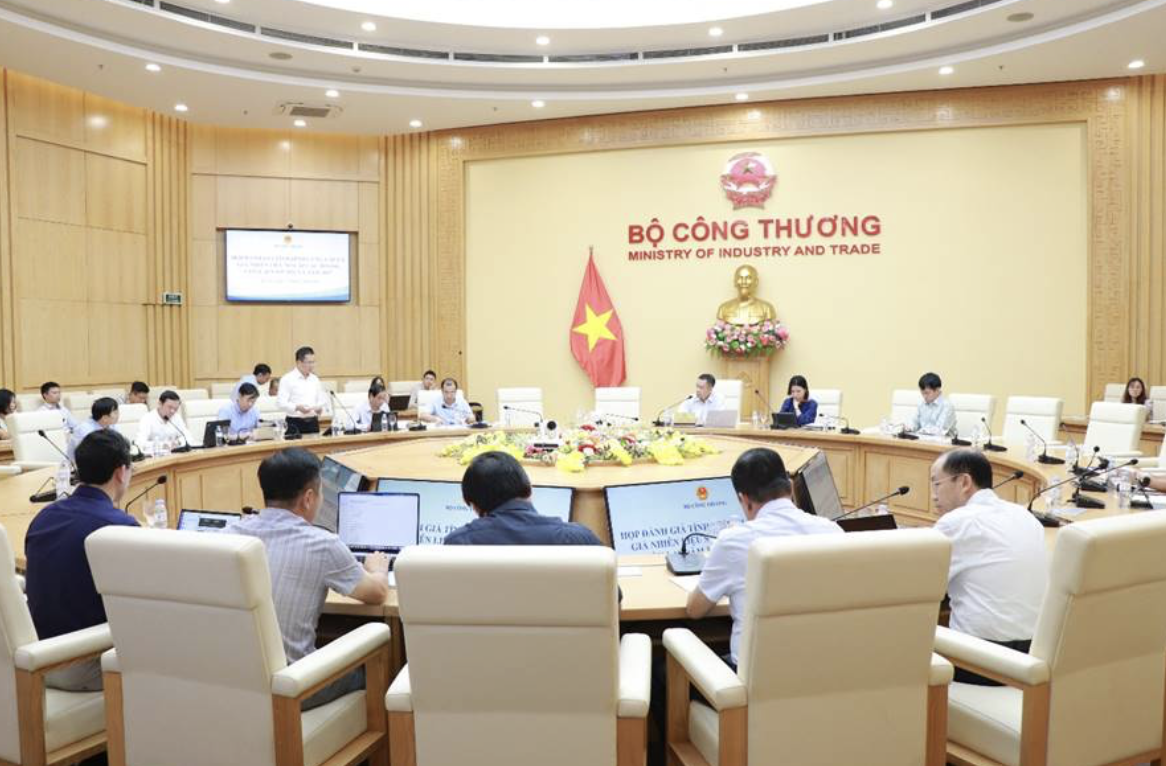
The MoIT calls for proactive risk management and supply diversification to prevent energy supply disruptions amid global geopolitical and market uncertainties.
GREENTECH HA NOI 2026 showcases green technologies and energy-efficient solutions that help businesses cut emissions, optimize costs, promote sustainable production.
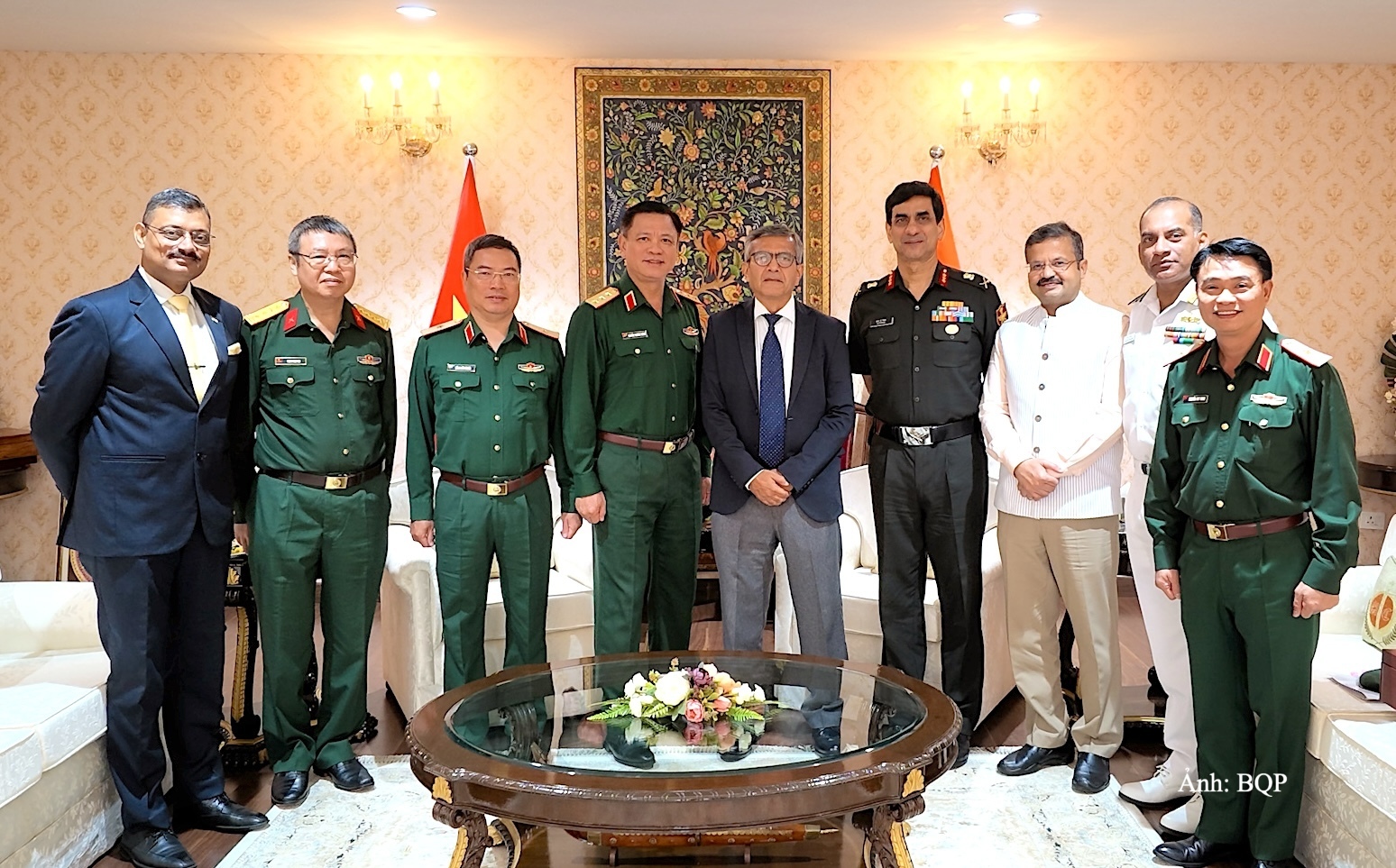
On the sidelines of the BRICS Summit in New Delhi, Senior Lieutenant General Nguyen Truong Thang held a meeting with Indian Defence Secretary Rajesh Kumar Singh, agreeing to expand defence cooperation.
Viet Nam has identified strengthening energy security and resilience, accelerating a clean and just energy transition, and promoting innovation, investment and regional connectivity as three strategic priorities in responding to profound changes in the global energy landscape.
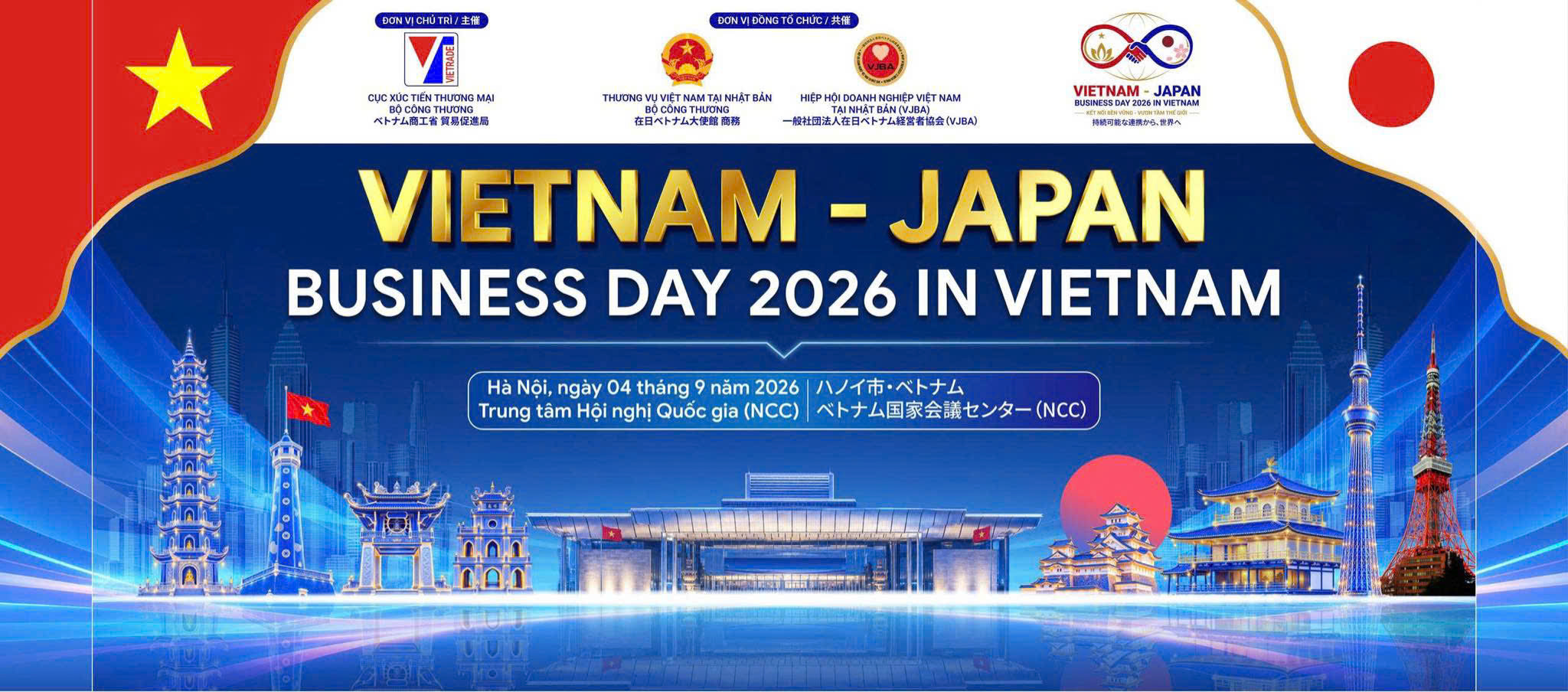
The Viet Nam-Japan Business Forum 2026 will take place in Hanoi, bringing together around 250 delegates for trade and investment matchmaking and business networking.