Vietnam needs high-quality human resources and stronger university-business links to drive double-digit growth through innovation and productivity.
Businesses and training institutions must work in tandem
In the context of Vietnam pursuing double-digit economic growth, high-quality human resources are no longer merely a foundational factor but have become a key catalyst driving economic expansion. This requirement is no longer a long-term orientation; it has become an urgent demand, requiring strong shifts in education, training, and skills development to keep pace with rapid economic transformation.
Speaking to the Newspaper of Industry and Trade, Associate Professor, Dr. Dao Ngoc Tien, Vice Rector of Foreign Trade University, said that achieving double-digit growth requires synchronized participation from the entire society, including both enterprises and educational institutions.
“Businesses need to regard technology and data as core resources, rather than relying on traditional advantages such as cheap labor. Meanwhile, training institutions must innovate teaching models toward flexibility, closer alignment with practical needs, and greater emphasis on digital skills and innovation,” Dao Ngoc Tien said.
Associate Professor, Dr. Dao Ngoc Tien, Vice Rector of Foreign Trade University.
He emphasized that close cooperation between universities and enterprises throughout the entire training process from curriculum design and implementation to outcome evaluation is essential. This collaboration should also be expanded into research and innovation activities.
According to Dao Ngoc Tien, the model of “universities within enterprises and enterprises within universities” is considered an effective direction, helping to narrow the gap between theory and practice while improving the quality of human resources.
In terms of training, Foreign Trade University has been implementing a Career Development Integrated Model (CDIM), aimed at equipping learners with comprehensive competencies in professional expertise, innovation, practical skills, and digital technology application, meeting the demands of the global labor market.
The CDIM model places learners at the center of the university’s educational ecosystem, aiming to develop holistic competencies through a solid foundation of professional knowledge, the development of individual potential in digital technology, innovation, and career development.
Higher education must become a driver of productivity growth
Professor Rick Bennett, Vice Chancellor and Vice President of British University Vietnam (BUV), said: “Higher education needs to shift from its role as a ‘provider of labor’ to becoming a driver of productivity. This is particularly significant as Vietnam targets double-digit growth while also seeking to improve the quality of growth.”
He noted that growth models based on cheap labor and resource extraction are gradually reaching their limits. To achieve a breakthrough in productivity, the economy must transition toward knowledge-based development, innovation, and intangible assets. This places significant responsibility on the higher education system.
According to Rick Bennett, high-quality human resources are a key lever enabling Vietnam to realize its double-digit growth ambition, as they directly determine productivity, growth quality, and economic competitiveness. As traditional growth drivers such as cheap labor and natural resource exploitation decline in effectiveness, a workforce equipped with strong skills, qualifications, and innovative capacity will become the foundation of sustainable value creation.
Professor Rick Bennett, Vice Chancellor and Vice President of British University Vietnam (BUV).
Universities, therefore, must not only train human resources for immediate labor market needs but also prepare for the long-term future of the economy. Learners need to be equipped with critical thinking, adaptability, and interdisciplinary capabilities to operate in rapidly changing environments.
From an implementation perspective, British University Vietnam applies multi-layered quality assurance models that combine both domestic and international standards, ensuring transparency and strengthening confidence in training outcomes. In the context of global integration, this is a crucial factor enabling Vietnamese human resources to compete in the international labor market.
In addition to professional knowledge, soft skills such as adaptability, creative thinking, leadership capacity, and self-awareness are becoming increasingly important. These are the factors that enable workers not only to “do the job” but also to grow and lead in the future.
Notably, digital technology and artificial intelligence are rapidly reshaping the structure of employment. Therefore, integrating technology into training is no longer optional but a mandatory requirement in preparing future human resources.
BUV is also strengthening close cooperation with thousands of domestic and international enterprises to ensure training programs are closely aligned with labor market needs. Through collaborations such as curriculum development, internships, real-world projects, and career orientation activities, students are not only equipped with academic knowledge but also gain early exposure to professional working environments while still in university.
It is evident that high-quality human resources are not only a foundation but also a decisive catalyst for Vietnam to achieve its double-digit growth target. Strategic investment in education and skills development will be the key to fast and sustainable growth.
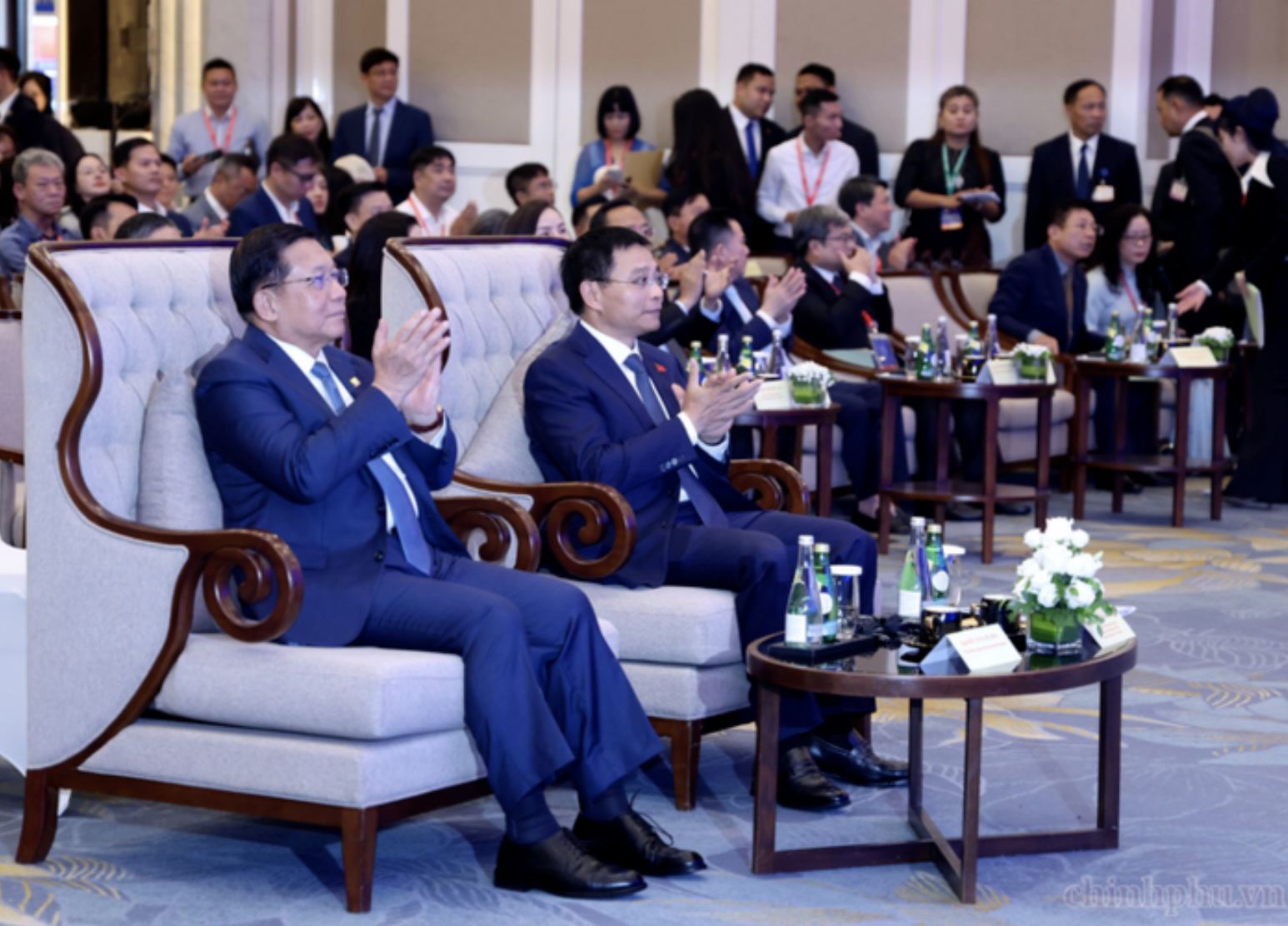
Addressing the Myanmar - Viet Nam Business Forum, Deputy Prime Minister Nguyen Van Thang said the two sides should expand the space for cooperation and leverage their respective resources to support the self-reliant and resilient development of each country, contributing to the implementation of agreements reached by the senior leaders of the two countries.
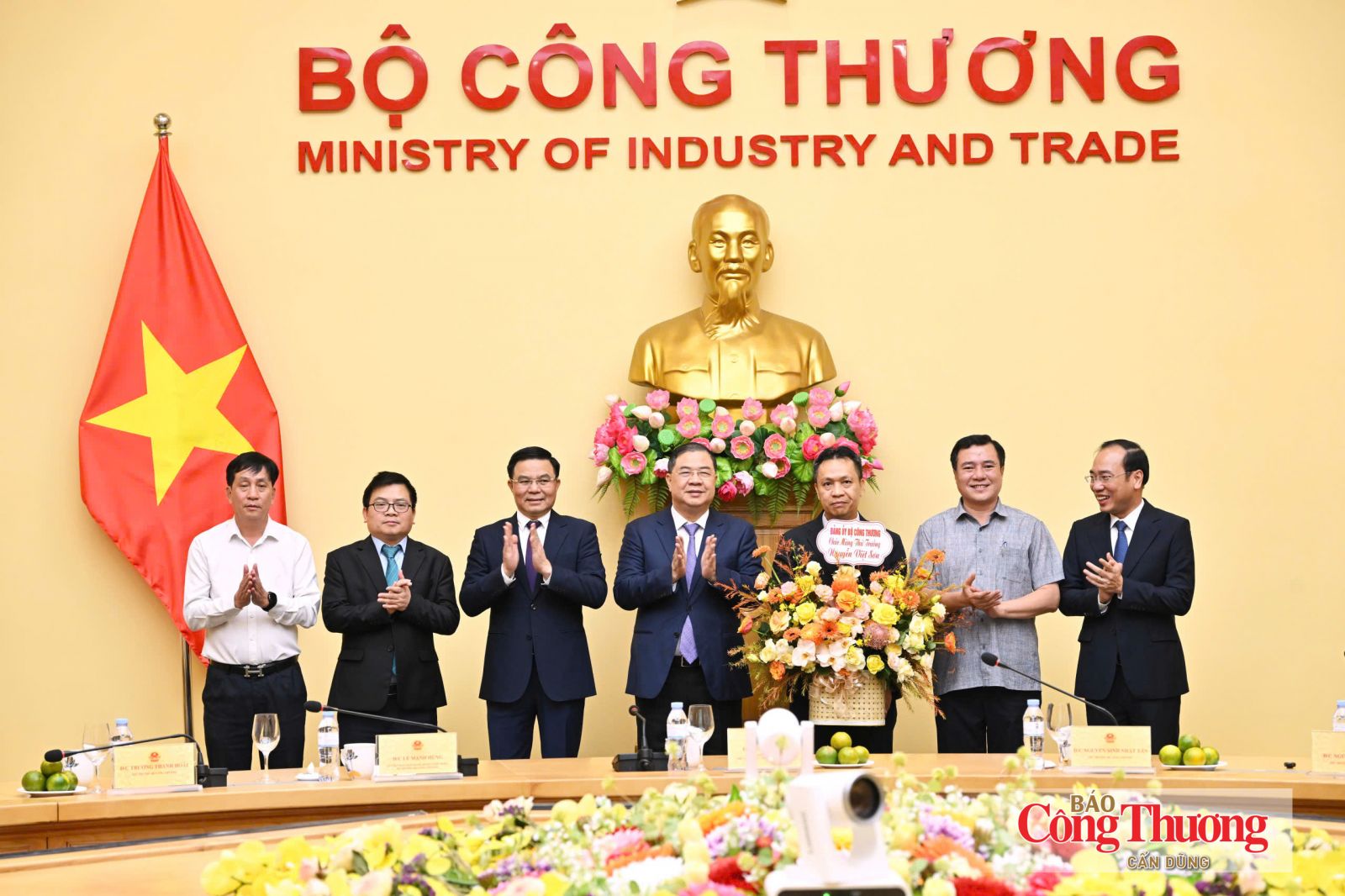
On the afternoon of September 6, at the headquarters of the Ministry of Industry and Trade (MoIT), Politburo member and Standing Deputy Prime Minister Pham Gia Tuc handed over the Prime Minister's decision appointing Nguyen Viet Son as Deputy Minister of Industry and Trade.
The iDEA and TikTok Shop launched the “Beyond Vietnam” initiative to help Vietnamese businesses build digital export capabilities and expand global market access.
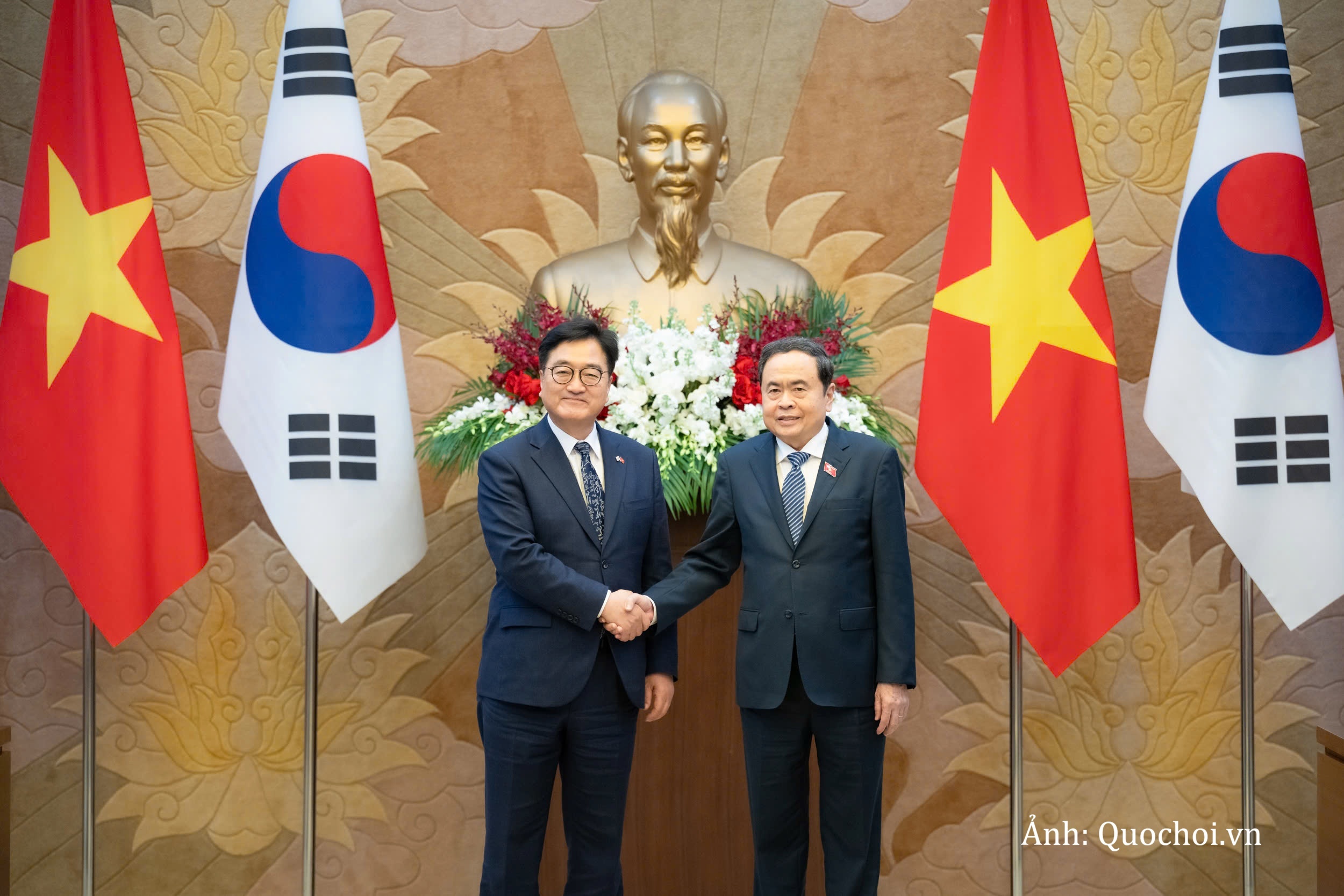
As Viet Nam and the Republic of Korea (RoK) work towards the goal of raising bilateral trade to USD 150 billion, the National Assemblies of the two countries have an important role to play in improving institutions and removing bottlenecks.
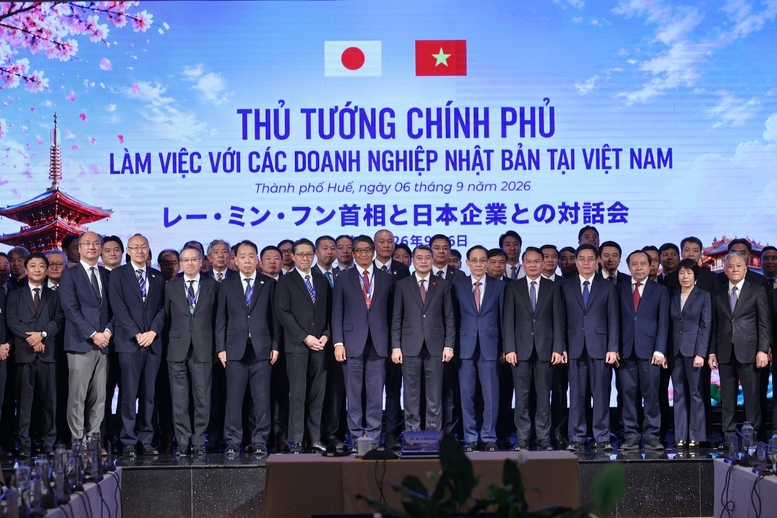
Chairing a meeting with Japanese businesses on the morning of September 6, Prime Minister Le Minh Hung called for Viet Nam - Japan investment ties to shift decisively from a relationship between “investors and investment destinations” toward a partnership for joint development and co-creation, involving joint research, innovation, production, and effective participation in and affirmation of their positions and roles in global value chains.
The iDEA and TikTok Shop launched the “Beyond Vietnam” initiative to help Vietnamese businesses build digital export capabilities and expand global market access.
Tourism Malaysia reaffirmed its commitment to the Vietnamese market at ITE HCMC 2026, promoting the extended Visit Malaysia 2026 - 2027 campaign and expanding tourism cooperation.
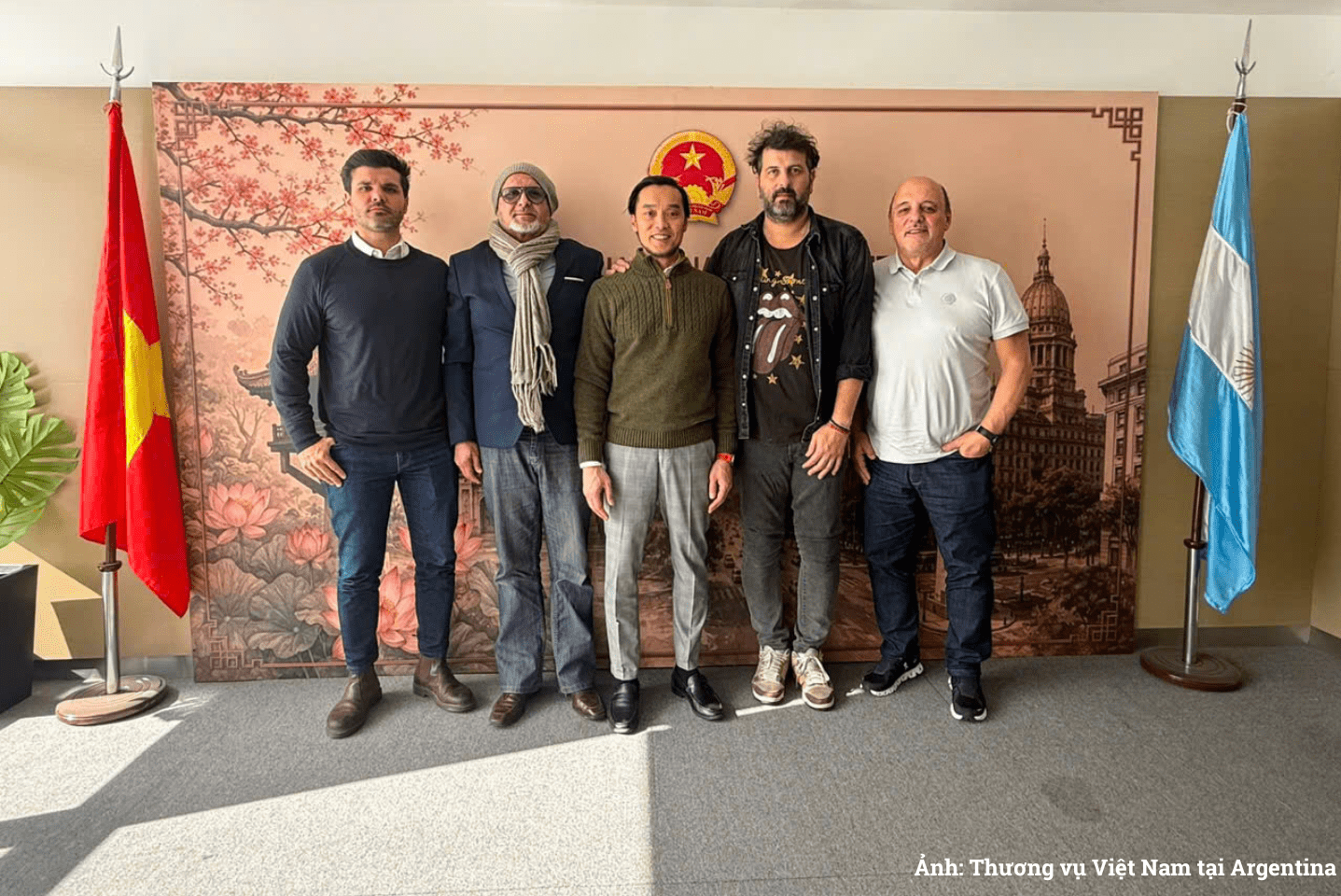
Viet Nam Trade Office in Argentina is boosting business links to expand cooperation in timber, minerals and investment, opening new opportunities for firms in both countries.
Vitafoods Asia 2026 in Thailand highlighted the growing presence of Vietnamese health and nutrition products, opening new opportunities for global market expansion.
Viet Nam is addressing key bottlenecks and improving durian quality to boost exports, with the sector targeting USD 4 billion in export turnover this year.