Vietnam must accelerate its clean energy transition to strengthen energy sovereignty, reduce fossil fuel dependence, and sustain resilient growth.
Vietnam is entering a new chapter of political and institutional transformation. Following the Communist Party Congress in January, the National Assembly elections in March, and the first session of the new Assembly in April, a new generation of leaders has assumed office. And while administrative structures continue to evolve, one priority remains unchanged: Vietnam’s strategic commitment to sustaining high-quality growth while advancing its net-zero emissions and climate resilience goals. These priorities are firmly embedded in high-level policies and integrated into socio-economic planning and national targeted programmes.
Energy sovereignty under immediate pressure
Yet even as this transition unfolds, the new leadership is immediately confronted with an early test of energy sovereignty. When international oil prices surged past 100 USD per barrel earlier this year, Vietnamese consumers faced sharp increases in fuel costs: petrol reached nearly 35,000 VND (approximately 1.3 USD) per litre in March 2026, while diesel climbed to over 42,000 VND in early April spikes of 65% and 132% compared to February. These sudden increases, driven by geopolitical instability, exposed the structural vulnerability of Vietnam’s reliance on imported fossil fuels and underscored the urgency of accelerating the energy transition.
The Ministry of Industry and Trade’s May 2026 report (Report #312/BC-BCT, 13 May 2026) offers a more profound warning. Vietnam became a net energy importer in 2015, with import dependence rising from 8.5% of total primary energy consumption to nearly 44% in 2025 (53.6 million TOE). Projections indicate that dependence will remain significant at around 27% by 2045 (63.8 million TOE). At the same time, the electricity system faces structural constraints. Even if all renewable energy projects under the Power Development Plan VIII are delivered on time, Vietnam could still face a power deficit of up to 14%-16% of total commercial electricity output by 2030. If grid bottlenecks limit renewable integration, shortages could rise to as much as 20%, and in more constrained scenarios, up to 28%.
From fossil fuel dependence to a just energy transition
These are not abstract technical figures. They are warnings about the foundations of future growth. Energy insecurity threatens industrial competitiveness, supply chain stability, and macroeconomic resilience. Heavy dependence on imported fossil fuels also exposes Vietnam to external shocks beyond its control. This is why energy security is no longer just a sectoral issue, it is now a core element of national economic sovereignty.
The direction forward is increasingly clear: strengthening energy sovereignty requires a decisive shift away from fossil fuel dependence and toward a more resilient, diversified, and domestically anchored energy system.
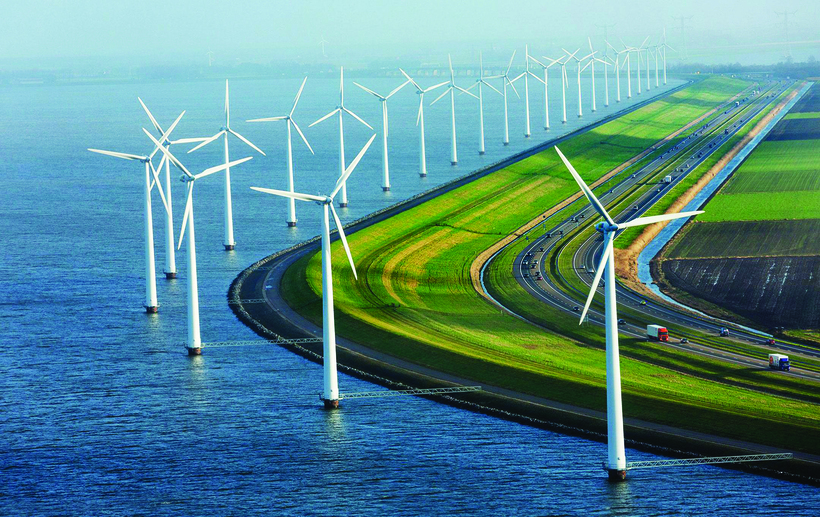
Offshore wind, solar energy, energy efficiency, and modernized grids are no longer optional components of development planning. They are strategic infrastructure for national resilience. Strengthened regional interconnection and power trade can further enhance system flexibility and reduce exposure to global volatility.
Renewable energy development, particularly offshore wind and solar power, is expected to strengthen Vietnam's energy sovereignty and support its transition toward net-zero emissions by 2050.
These energy vulnerabilities are inseparable from the accelerating global climate crisis. Scientific evidence is unequivocal: continued reliance on fossil fuels is the principal driver of global warming and increasingly severe extreme weather events. United Nations Secretary-General António Guterres was crystal clear about the source of the problem and the available solution in his special address at London Climate Action Week. He said, “Our world is facing a Tale of two Crises: A climate crisis pushing us deeper toward higher temperatures and closer to catastrophic tipping points; And an energy crisis exposing the folly of a world hooked on hydrocarbons. On the surface, these crises may seem separate. But they share the same destructive origin: Fossil fuels. And they demand the same answer: A fast, fair transition to clean energy and a surge in adaptation, resilience and climate justice for those already facing climate harm.”
For Vietnam, one of the world’s most climate-vulnerable countries these global trends translate into very real domestic impacts: stronger and more destructive typhoons along the central coast, rising sea levels threatening the Mekong Delta and its 17 million residents, prolonged droughts affecting agricultural production, and increasing heat stress reducing labor productivity across agriculture, industry, and services.
The same fossil fuel dependence that drives today’s price volatility is also intensifying tomorrow’s climate risks. Breaking this dual dependency on volatile global energy markets and on a destabilizing carbon pathway is not a trade-off between growth and sustainability. It is the only credible pathway to both resilience and prosperity.
In this context, the United Nations Secretary-General’s global call to action, ending new fossil fuel expansion, tripling renewable energy capacity by 2030, and rapidly reducing methane emissions is particularly relevant for Vietnam’scurrent development trajectory. These priorities are fully consistent with Vietnam’s national ambitions for energy security, economic stability, and sustainable growth.
The UN system in Vietnam is working in close partnership with the Government and national stakeholders to translate these global goals into practical action. This includes mobilizing financing for renewable energy infrastructure, strengthening technical capacity for offshore wind and solar deployment, supporting just transition pathways for workers and communities, and enhancing climate resilience for those most exposed to climate impacts. It also includes support for implementing Vietnam’s National Climate Change Strategy and the National Action Plan on Methane Reduction, both central to the pathway toward net-zero emissions by 2050.
The events of early 2026, rising fuel prices, inflationary pressures, and concerns over energy system reliability, underscore the urgency of this transition. At the same time, they highlight a critical opportunity. Vietnam should not wait for future shocks to act. The policy frameworks are already in place, renewable energy resources are abundant, and international partnerships are strong. What is needed now is acceleration in scale and pace of implementation.
Encouragingly, progress is already underway. On 1 June 2026, for example, Vietnam rolled out E10 biofuel nationwide, replacing E5 RON92 and reducing fossil fuel content in petrol blends by approximately 10%. At present, the use of B5 and B10 biodiesel is being encouraged. This further reflects efforts to diversify energy sources and reduce import dependence. While the environmental sustainability of biofuels must continue to be carefully assessed across their full lifecycle, this step reflects an important policy signal: leveraging current challenges to accelerate structural change.
A just transition for a resilient future
A choice between development and climate action is a false dichotomy. A just energy transition ensures that growth, resilience, and sustainability advance together, leaving no one behind.
Vietnam’s experience captures a defining challenge of our time: how to power development without deepening vulnerability, and how to build prosperity while safeguarding the planet. The choices made today will shape not only national development trajectories but also the credibility of global climate commitments.
With strong policy foundations, abundant renewable potential, and sustained international partnership, Vietnam is well positioned to turn today’s challenges into long-term opportunity. The United Nations stands ready to continue working with the Government and people of Vietnam to advance a just transition toward net-zero emissions by 2050, as a pathway to resilience, sovereignty, and shared prosperity.
This article is co-authored by Pauline Tamesis, United Nations Resident Coordinator in Vietnam, and Ramla Khalidi, Resident Representative of the United Nations Development Programme (UNDP) in Vietnam.
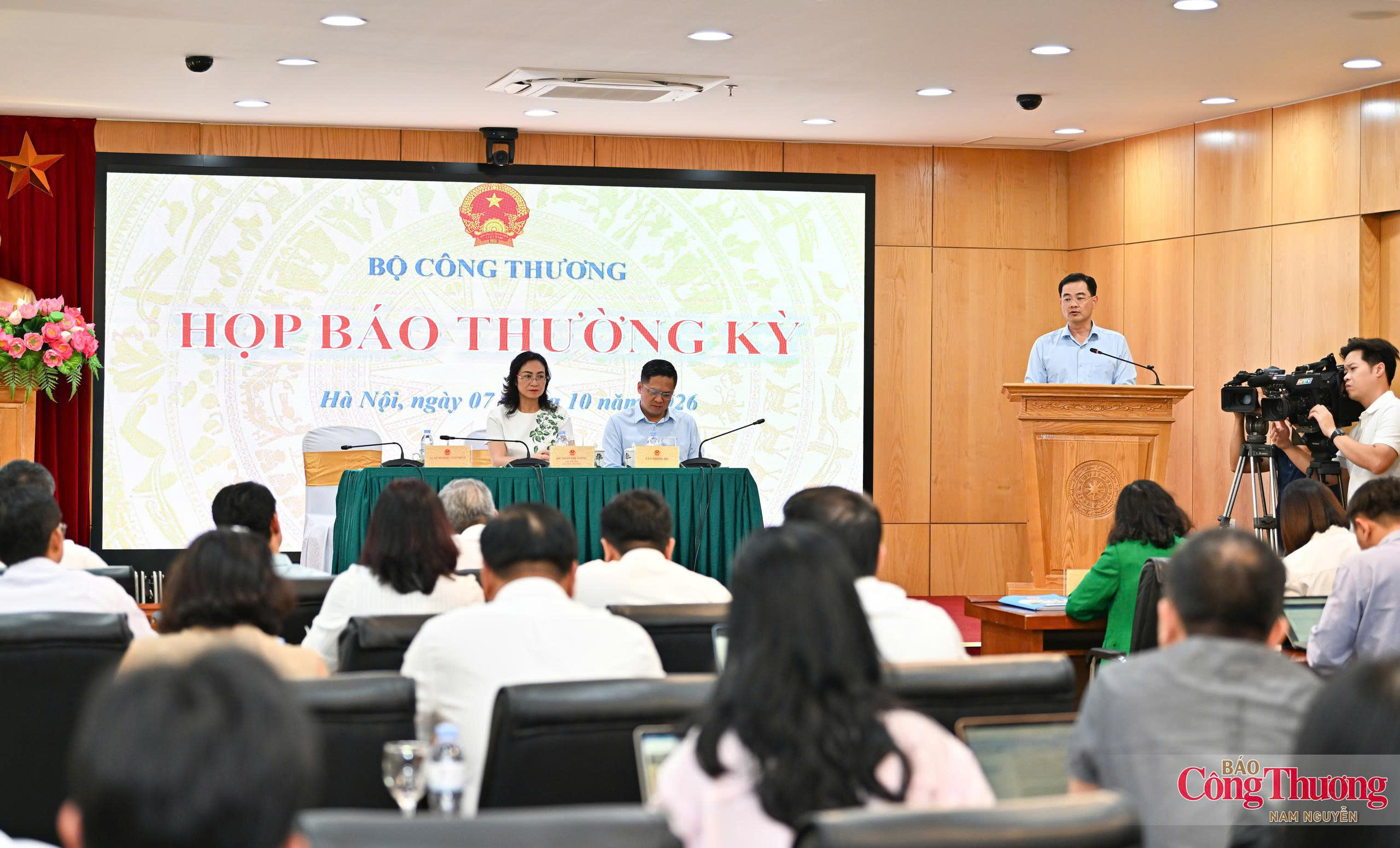
The Ministry of Industry and Trade (MoIT) held its regular press conference for the third quarter of 2026 in Ha Noi on the afternoon of October 7, chaired by Deputy Minister Phan Thi Thang.
Deputy Minister of Industry and Trade Luong Hoang Thai emphasized that building the national brand is a driving force for improving Viet Nam’s competitiveness and international standing.
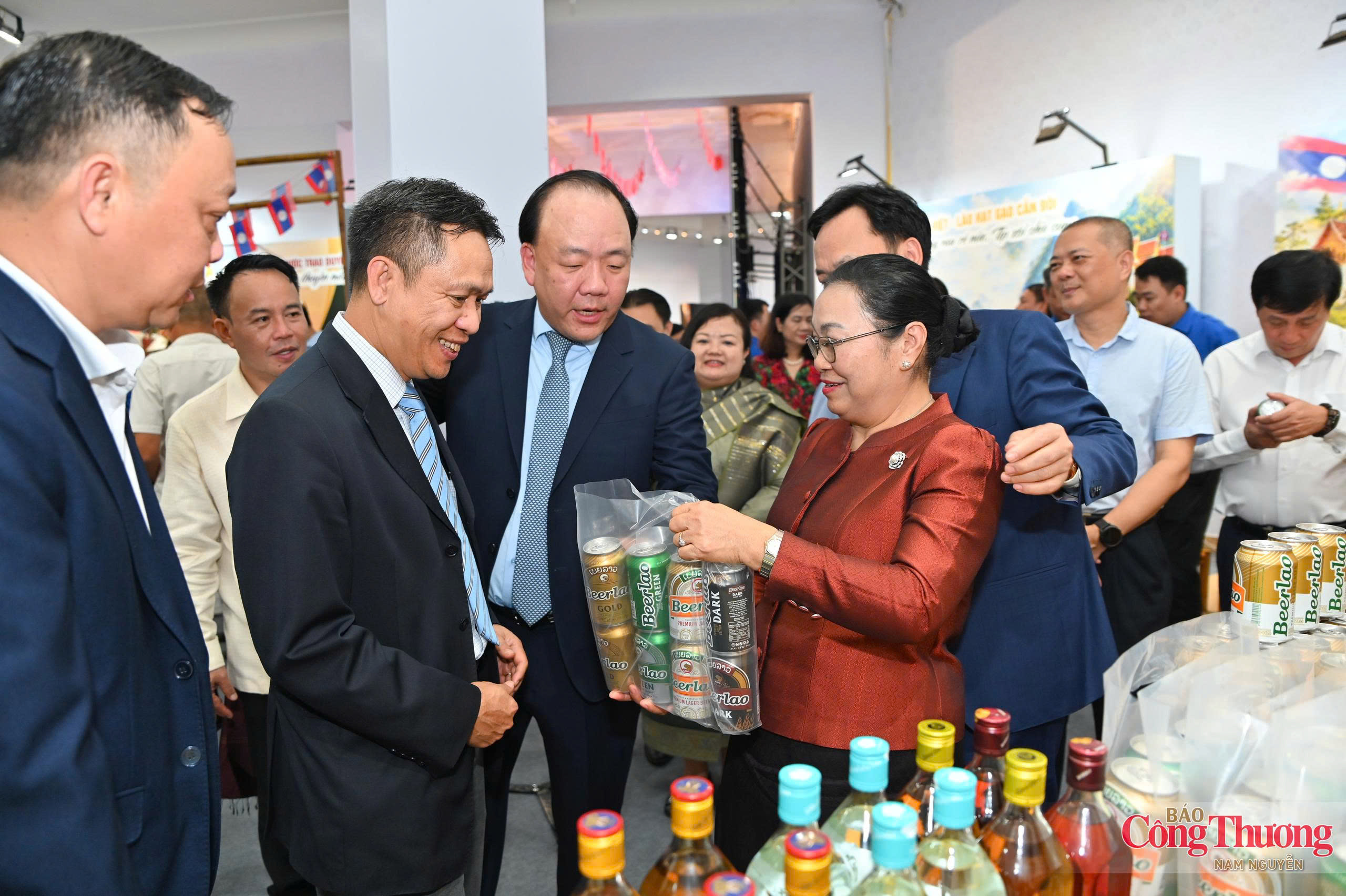
The official visit to Laos by Prime Minister Le Minh Hung is expected to inject fresh momentum into bilateral relations, with economic, trade and investment cooperation continuing to serve as a core pillar.
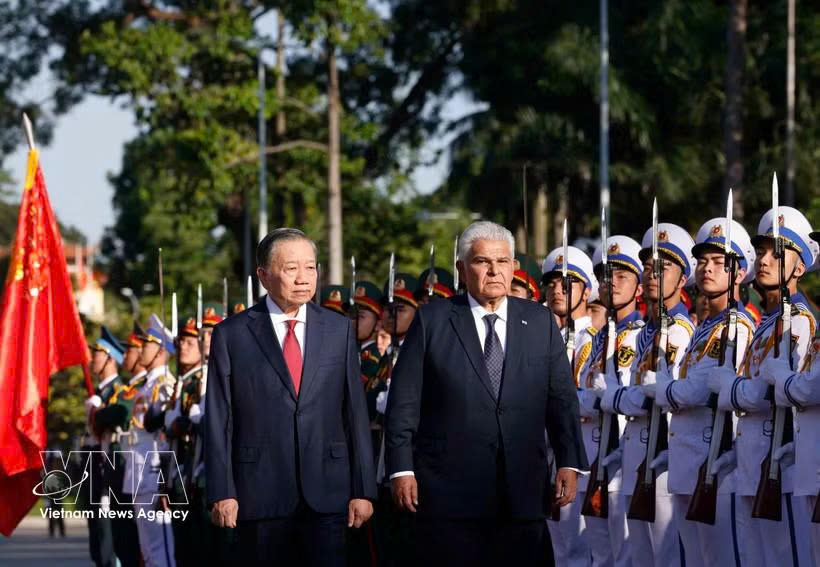
The Panamanian President’s visit is expected to contribute to further deepening and making the traditional friendship and cooperation between the two nations more substantive and effective.
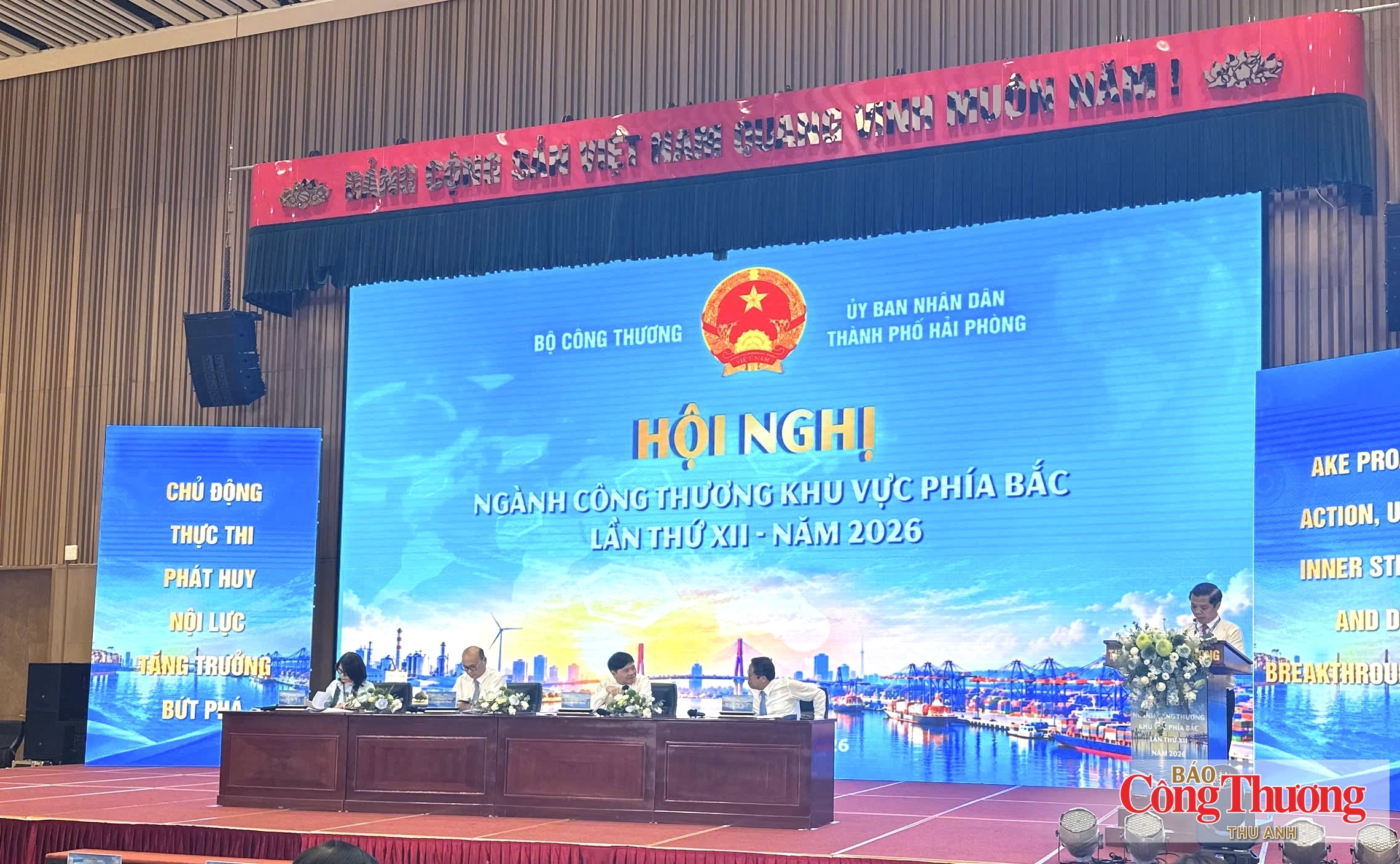
Northern localities are strengthening links in supporting industries, energy and logistics to build competitive value chains and create new growth drivers.
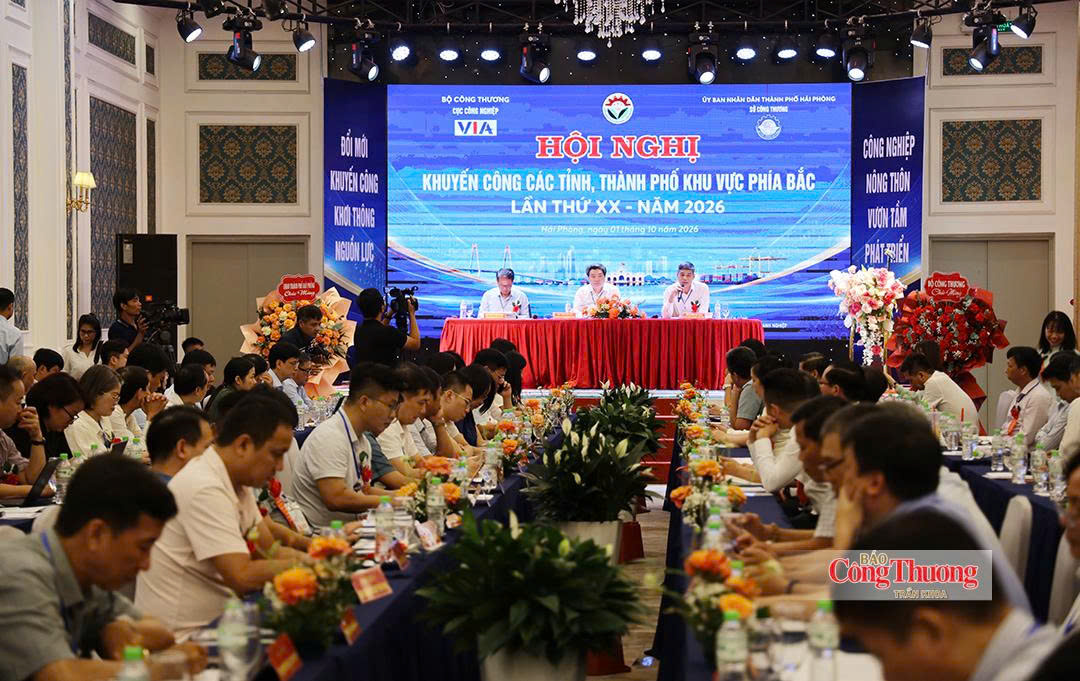
The 20th Industrial Promotion Conference for Northern Provinces and Cities in 2026 was held in Hai Phong City on October 1, with discussions focusing on renewing industrial promotion activities.
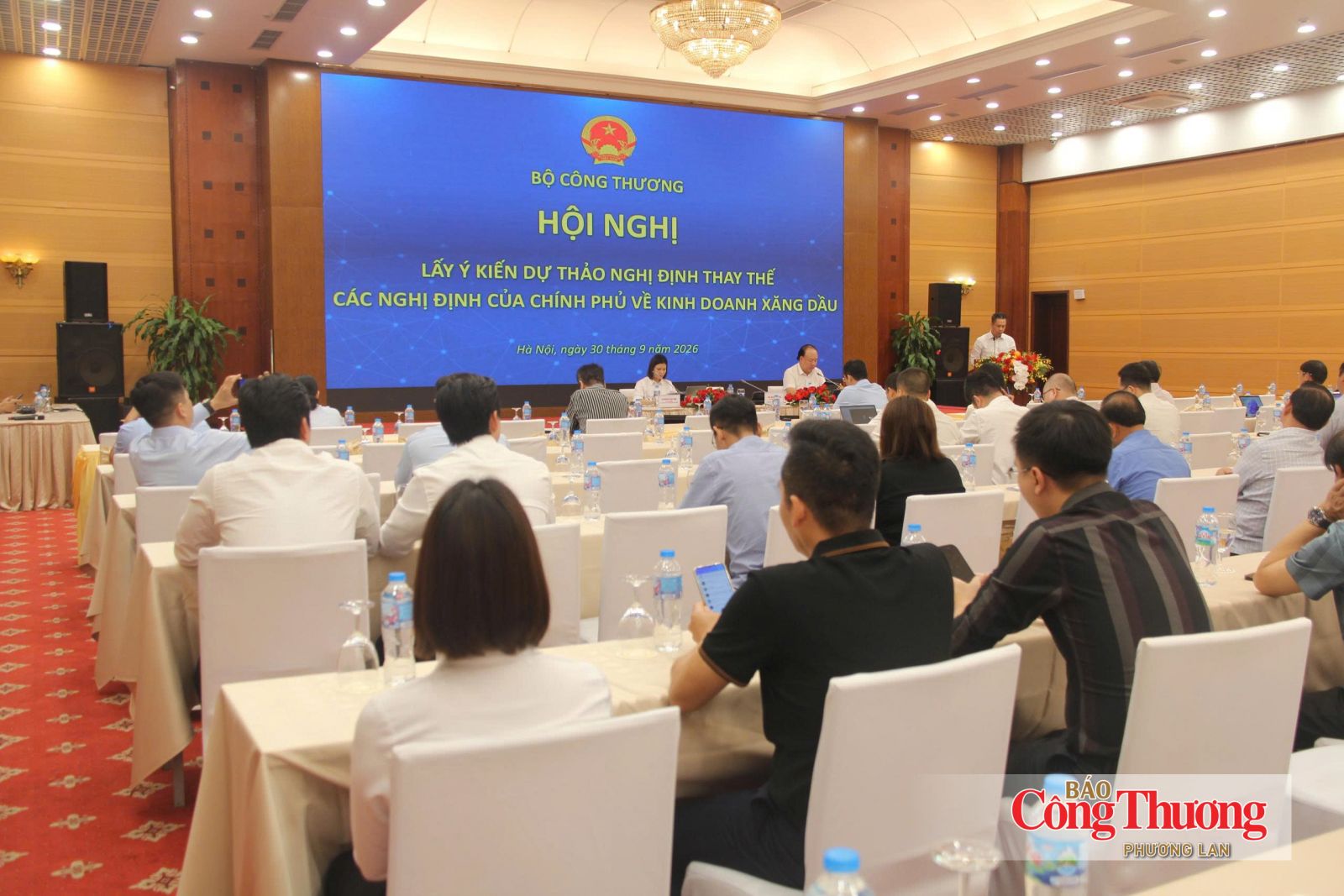
On September 30 in Ha Noi, the Ministry of Industry and Trade (MoIT) held a conference to gather broad feedback on a draft decree replacing the Government’s existing decrees on petroleum trading.
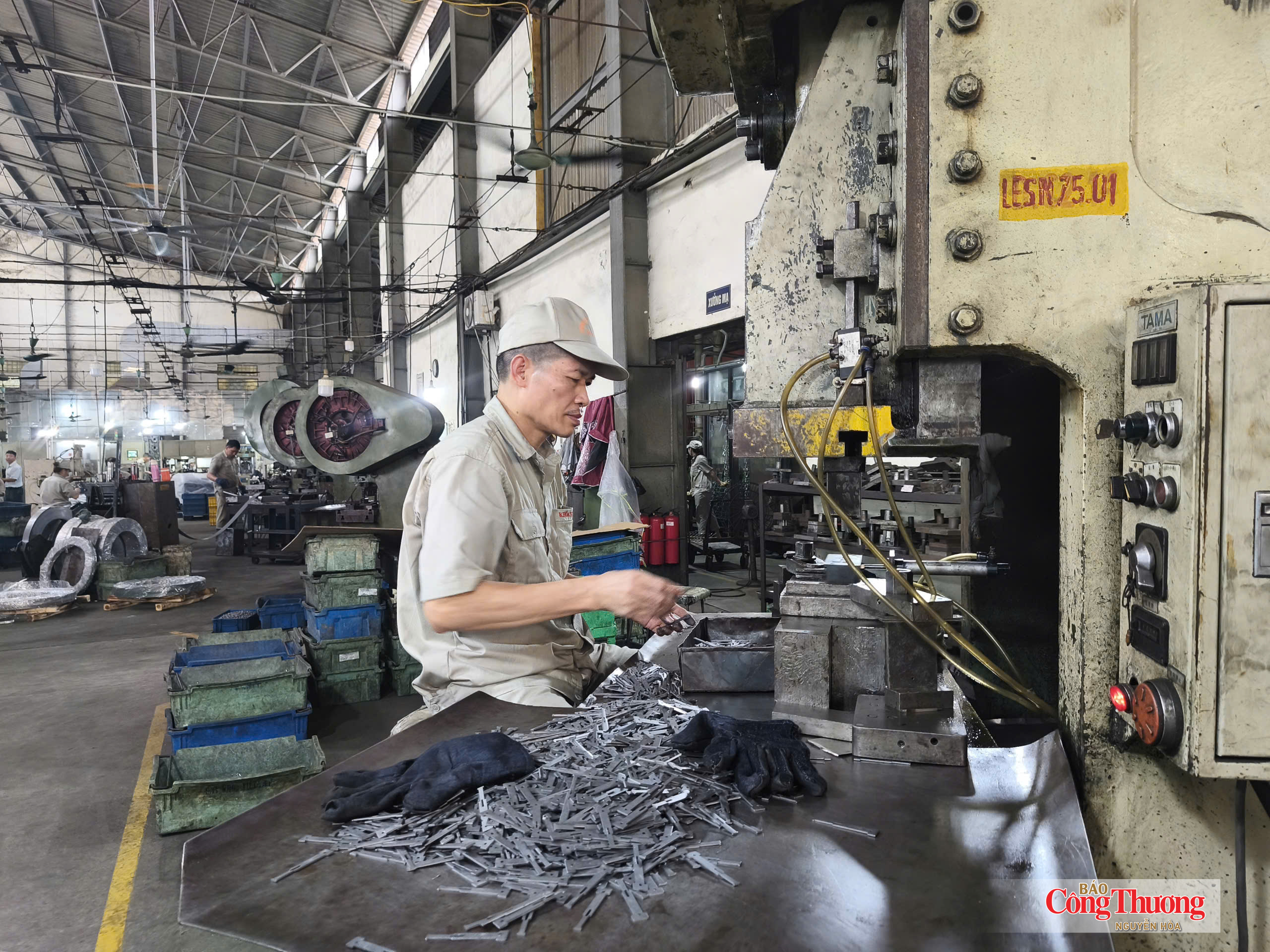
Viet Nam seeks to seize a new window of opportunity for supporting industry by removing bottlenecks and shifting from localization ratios to mastering capabilities.
By focusing on technology upgrades, product quality improvement, brand building and trade promotion, industrial promotion programs are giving rural industrial establishments in Central and Central Highlands provinces greater momentum to enhance competitiveness and expand their markets.