Starting July 1, the European Union (EU) has implemented new trade defense rules for steel imports to address global steel overcapacity and strengthen protection for the bloc's domestic steel industry.
Trade barriers remain a growing challenge
Vietnam's import-export performance continued to show strong momentum in the first six months of the year, underscoring the economy's solid growth and its deepening integration into global trade.
According to the Ministry of Industry and Trade (MOIT), Vietnam's total trade turnover reached an estimated USD 549.69 billion in the first half of the year, up 27.1% year-on-year. Exports amounted to USD 266.52 billion, rising 21%, while imports totaled USD 283.17 billion, an increase of 33.4%.
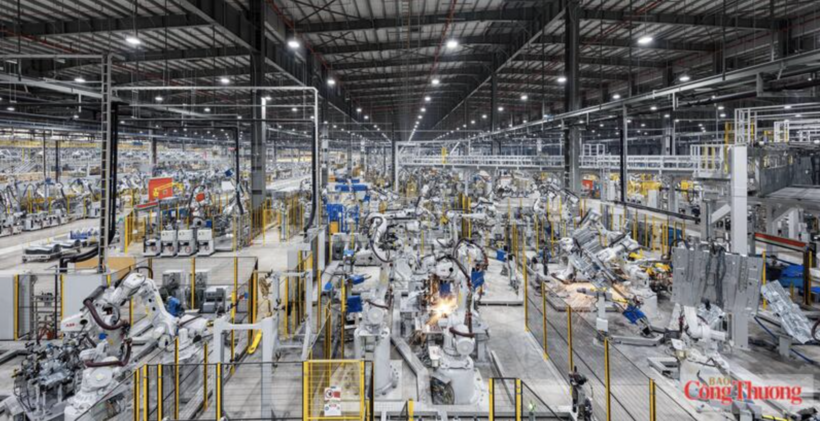
As Vietnam's exports continue to expand, businesses are increasingly exposed to trade barriers. Photo: Nam Nguyen
The sustained growth reflects the expanding presence of Vietnamese products in international markets. However, larger export volumes also expose businesses to a greater number of trade barriers, particularly trade remedy measures imposed by importing countries.
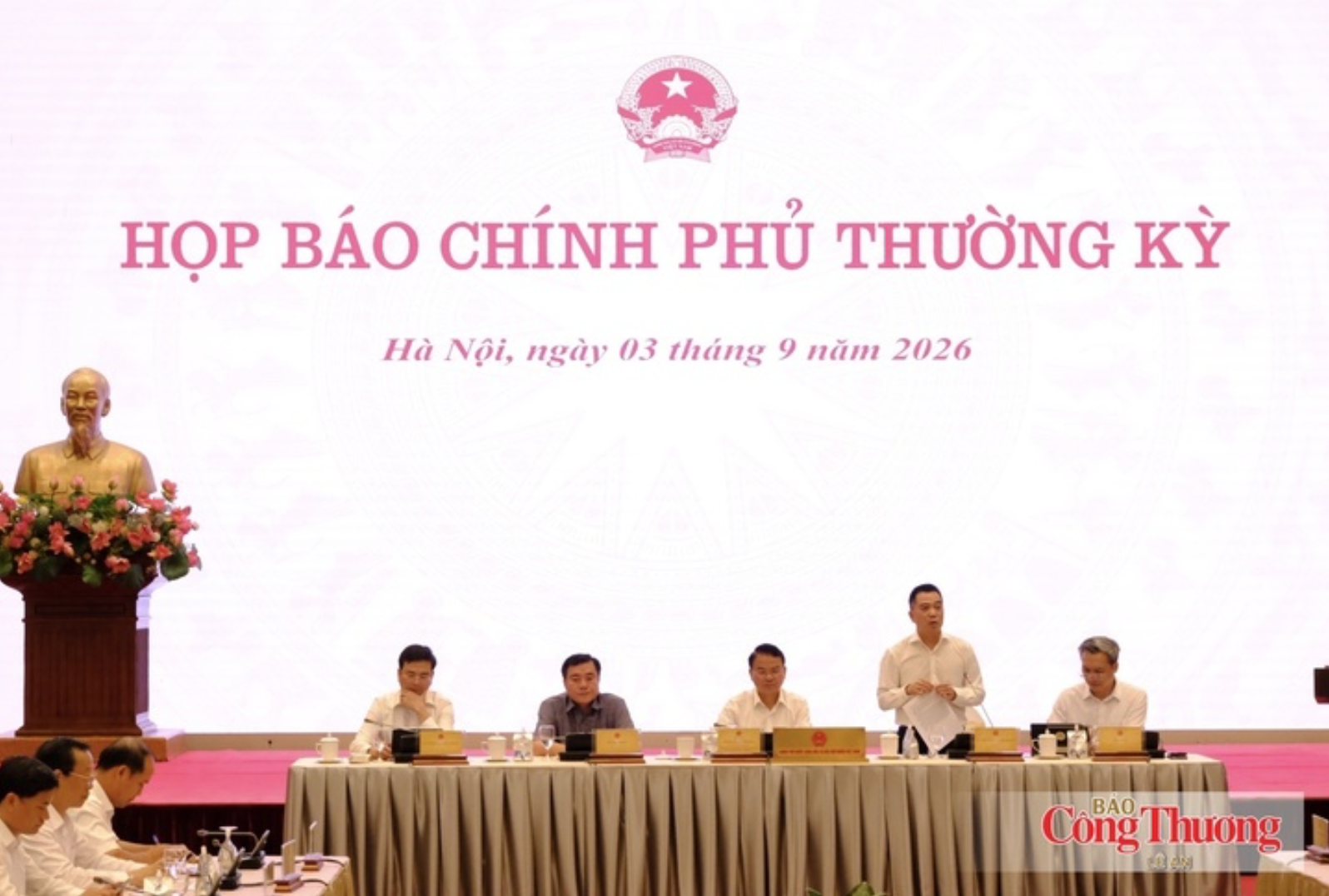
At the MoIT's regular press briefing on July 7, Chu Thang Trung, Deputy Director General of the Trade Remedies Authority of Vietnam (TRAV), said the risk of Vietnamese exports facing new trade remedy investigations remains high.
According to Trung, this is not a new development but rather a long-term trend that is likely to continue as Vietnam's export scale expands.
He attributed the increase in trade remedy cases partly to shifts in the trade policies of major economies. At the same time, Vietnam's growing export value naturally raises the likelihood of investigations.
"This is a common pattern in international trade for highly open economies with rapidly expanding export capacity," Trung said.
He also noted that the ongoing restructuring of global supply chains is creating more stringent requirements for exported goods. Importing markets are paying closer attention to product origin, raw material sources, the proportion of value added in the exporting country, and the transparency of the entire supply chain. These factors could increase risks for Vietnamese exports as they seek to expand into overseas markets.
EU tightens steel import controls
From July 1, 2026, the European Union officially began implementing Regulation (EU) 2026/1384, adopted by the European Parliament and the Council on June 17, 2026. The regulation replaces the previous steel safeguard mechanism, which expired on June 30.
The new regulation marks a significant shift in the EU's trade defense policy, aiming to address global steel overcapacity while providing stronger protection for the bloc's steel industry, including major consuming markets such as Italy.
Rather than extending temporary safeguard measures, the EU has introduced a more comprehensive trade defense framework designed to tackle the structural consequences of global steel overcapacity while preventing tariff circumvention and trade diversion.
One of the most notable changes is the establishment of an annual duty-free tariff-rate quota (TRQ) of 18.345 million tonnes, which will continue to be administered on a quarterly basis.
Imports exceeding the quota will now be subject to an additional 50% duty calculated on the CIF value of the shipment, doubling the previous surcharge of 25%.
The regulation also introduces the "Melt and Pour" rule, requiring importers to prove the country where the steel was originally melted and cast into its first solid form through authenticated documents such as a Mill Test Certificate.
While the regulation took effect on July 1, the mandatory verification requirement for steel origin under the "Melt and Pour" rule will become effective on October 1, 2026.
According to the Vietnam Trade Office in Italy, Regulation (EU) 2026/1384 will have three direct implications for Vietnamese steel exporters.
First, exporters face a significantly higher risk of paying the 50% out-of-quota duty. Because quarterly duty-free quotas are often exhausted quickly, shipments cleared after the quota has been filled will incur the additional tariff based on their CIF value.
Such a duty could eliminate exporters' profit margins entirely, forcing some companies to store goods in bonded warehouses at Italian ports until the next quarterly quota becomes available, resulting in substantial additional costs.
Second, Vietnamese exporters risk losing their competitive advantage if they continue using steel billets sourced from third countries. Once the "Melt and Pour" rule becomes mandatory on October 1, steel products manufactured in Vietnam using billets originally melted and cast in a third country will no longer qualify under Vietnam's quota. Instead, they will be counted against the quota allocated to that third country.
"This could make Italian importers more cautious when signing contracts with Vietnamese suppliers. To maintain market access, businesses will need to adjust their supply chains by prioritizing domestically produced billets or imports from countries recognized by the EU," the Trade Office warned.
Third, customs clearance is expected to become more time-consuming and logistics costs are likely to rise. The new regulation requires customs dossiers to fully document the origin of molten steel and steel billets. More rigorous inspections at Italian ports could prolong customs procedures.
As a result, exporters may face higher warehousing and storage costs, delivery delays, and disruptions to working capital and cash flow.
Against the backdrop of the EU's tighter trade defense measures for the steel sector, the Vietnam Trade Office stressed that proactively reviewing supply chains, preparing comprehensive documentation on raw material origin, and closely monitoring quota utilization will be critical for Vietnamese businesses seeking to maintain their competitiveness in the Italian market.
To support exporters, the Trade Remedies Authority of Vietnam will continue improving its early warning system by closely monitoring export developments across products and markets, enabling businesses to receive timely information before investigations are initiated.
The authority will also strengthen training programs to help enterprises improve data management, cost management, and compliance with legal requirements in trade remedy investigations.
"TRAV will continue to accompany businesses throughout the entire investigation process, from providing guidance on questionnaire responses and preparing documentation to participating in verification procedures and engaging with foreign investigating authorities—to safeguard the legitimate rights and interests of Vietnamese enterprises while ensuring that investigations are conducted in accordance with international rules and commitments," Trung said.
As of the end of May 2026, Vietnam had been subject to 321 trade remedy investigations initiated by 27 overseas markets.
Addressing the Myanmar - Viet Nam Business Forum, Deputy Prime Minister Nguyen Van Thang said the two sides should expand the space for cooperation and leverage their respective resources to support the self-reliant and resilient development of each country, contributing to the implementation of agreements reached by the senior leaders of the two countries.
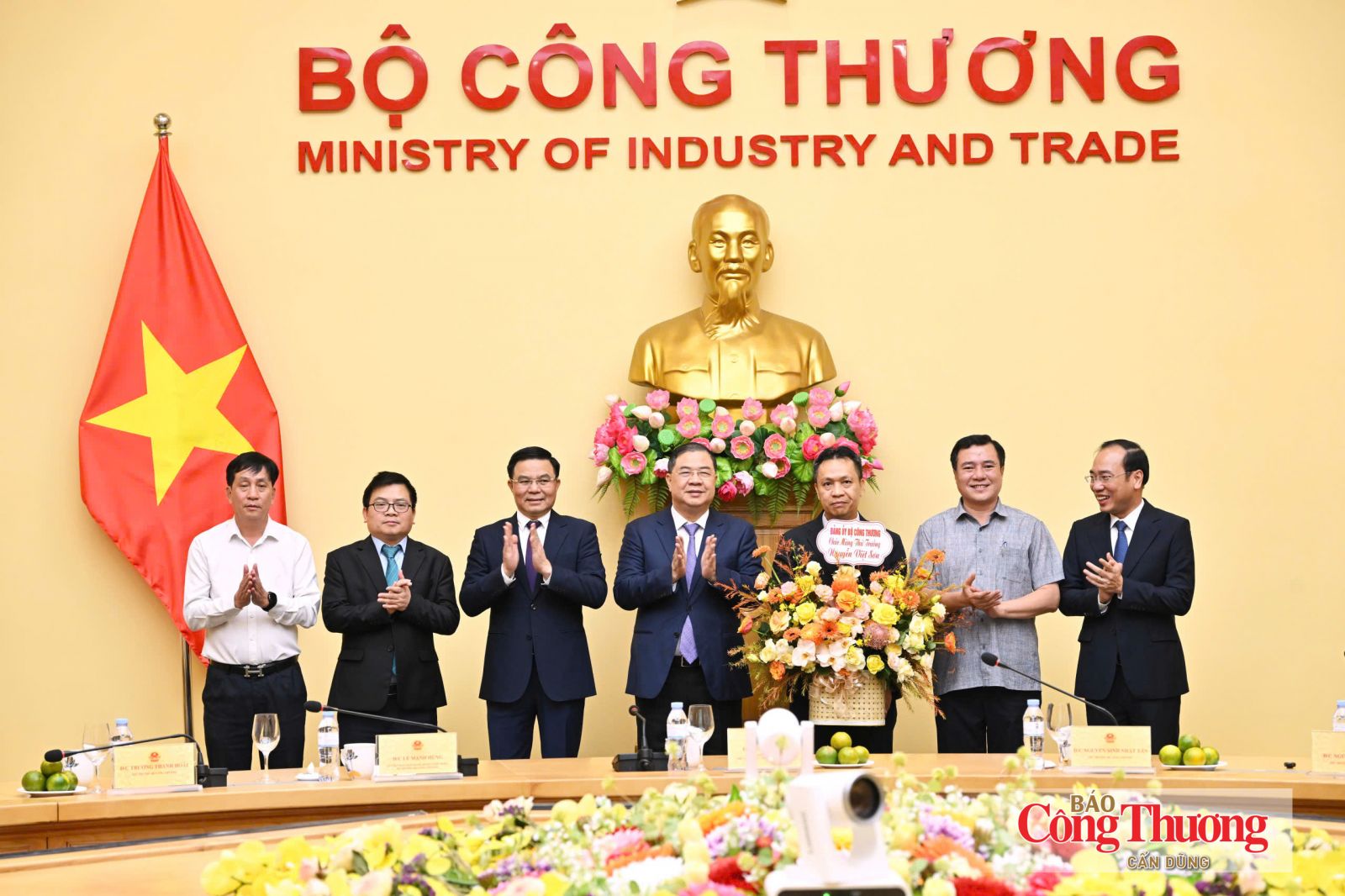
On the afternoon of September 6, at the headquarters of the Ministry of Industry and Trade (MoIT), Politburo member and Standing Deputy Prime Minister Pham Gia Tuc handed over the Prime Minister's decision appointing Nguyen Viet Son as Deputy Minister of Industry and Trade.
The iDEA and TikTok Shop launched the “Beyond Vietnam” initiative to help Vietnamese businesses build digital export capabilities and expand global market access.
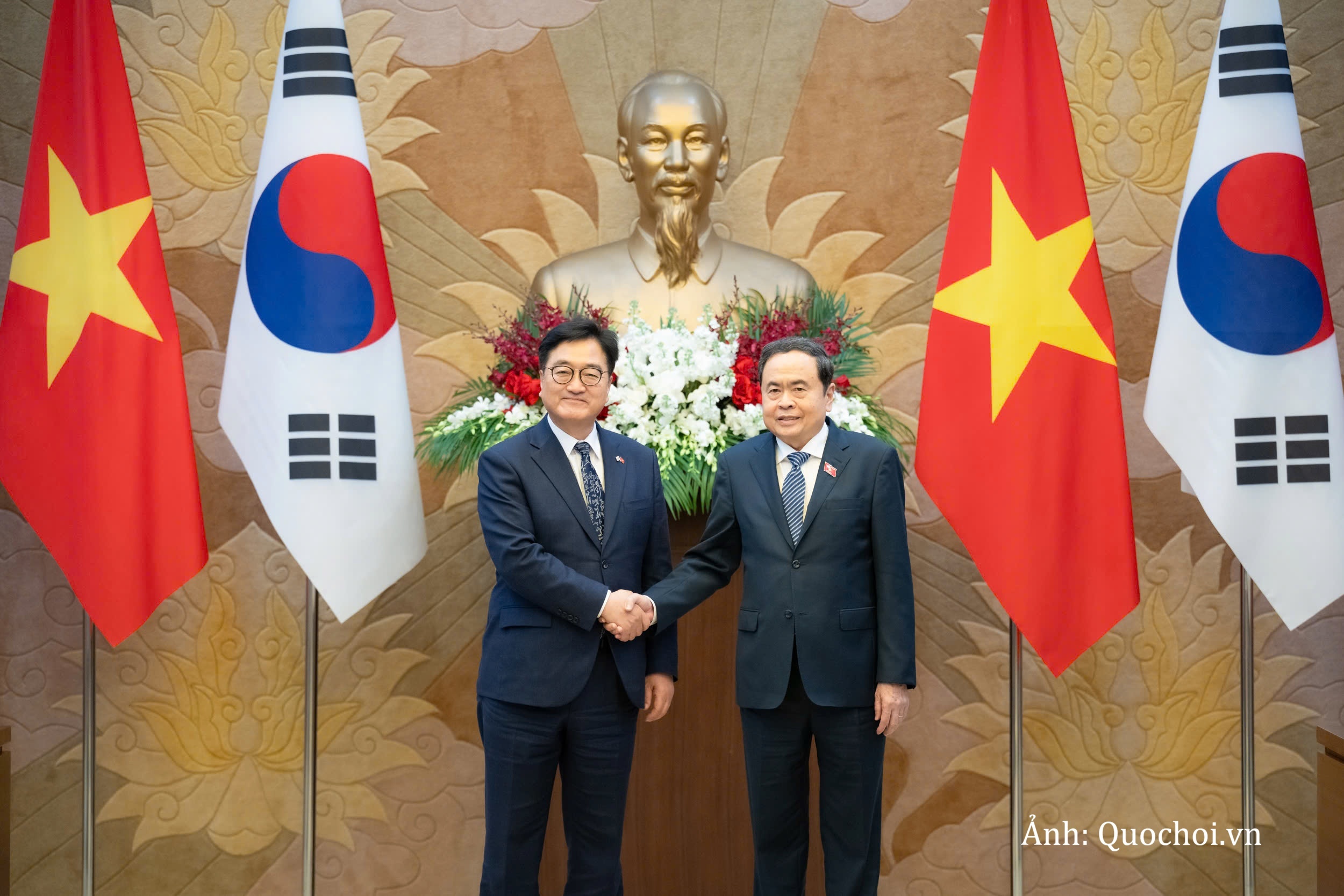
As Viet Nam and the Republic of Korea (RoK) work towards the goal of raising bilateral trade to USD 150 billion, the National Assemblies of the two countries have an important role to play in improving institutions and removing bottlenecks.
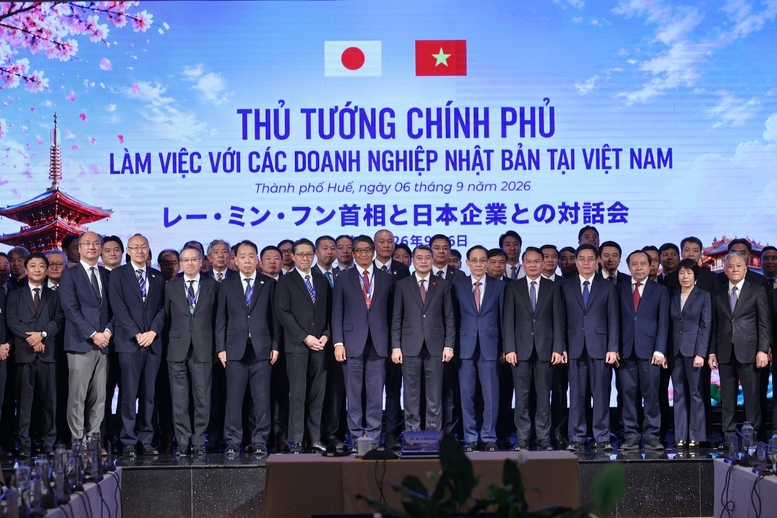
Chairing a meeting with Japanese businesses on the morning of September 6, Prime Minister Le Minh Hung called for Viet Nam - Japan investment ties to shift decisively from a relationship between “investors and investment destinations” toward a partnership for joint development and co-creation, involving joint research, innovation, production, and effective participation in and affirmation of their positions and roles in global value chains.
The iDEA and TikTok Shop launched the “Beyond Vietnam” initiative to help Vietnamese businesses build digital export capabilities and expand global market access.
Tourism Malaysia reaffirmed its commitment to the Vietnamese market at ITE HCMC 2026, promoting the extended Visit Malaysia 2026 - 2027 campaign and expanding tourism cooperation.
Viet Nam Trade Office in Argentina is boosting business links to expand cooperation in timber, minerals and investment, opening new opportunities for firms in both countries.
Vitafoods Asia 2026 in Thailand highlighted the growing presence of Vietnamese health and nutrition products, opening new opportunities for global market expansion.
Viet Nam is addressing key bottlenecks and improving durian quality to boost exports, with the sector targeting USD 4 billion in export turnover this year.