Ensuring a safe and stable power supply is a fundamental prerequisite for realizing Vietnam's double-digit economic growth target in the new development phase.
The Resolution of the 14th National Party Congress sets a target of achieving an average GDP growth rate of at least 10% per year during the 2026 - 2030 period. To turn this breakthrough development aspiration into reality, ensuring a safe and stable power supply has been identified as a critically important foundation of national infrastructure. The power sector must "stay one step ahead" not only to meet production and consumption needs but also to create room for restructuring industry toward a more modern and sustainable direction.
Beyond serving growth objectives, ensuring an adequate electricity supply is closely linked to the restructuring of the Industry and Trade sector toward greater modernity, efficiency and sustainability. In this process, energy serves both as essential infrastructure and as a key sector for enhancing the competitiveness of the entire industry, creating additional momentum for processing and manufacturing industries, trade and services to develop more strongly in the coming years.
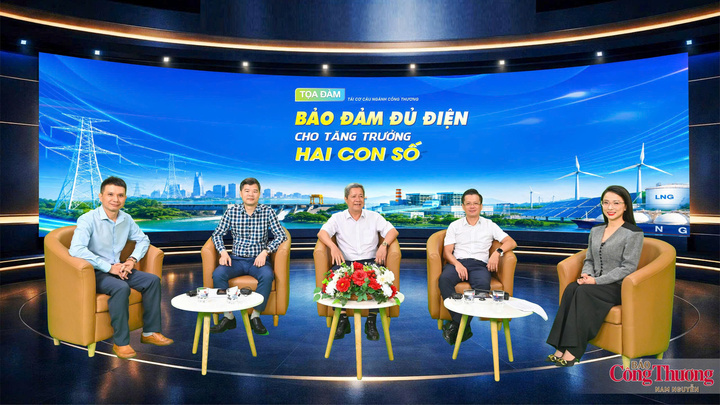
Against this backdrop, on the morning of August 27, the Newspaper of Industry and Trade organized a seminar titled "Ensuring sufficient electricity for double-digit growth." The event focused on analyzing pressures facing the power system amid the requirement for double-digit economic growth, the progress of power generation and grid development, as well as operational challenges arising from the increasing share of renewable energy. Participants also discussed solutions to address bottlenecks related to mechanisms, policies, investment and system operation in order to ensure a safe and stable electricity supply that meets socio-economic development requirements.
The seminar "Ensuring sufficient electricity for double-digit growth" was held on the morning of August 27.
Challenges from peak demand and infrastructure bottlenecks
As Viet Nam enters the 2026-2030 period, safeguarding national energy security has become an urgent requirement. According to the revised National Power Development Plan VIII (PDP VIII), electricity demand is projected to continue growing at an annual rate of 10.5% to 12.9%. Although the elasticity coefficient between electricity consumption growth and GDP growth has improved thanks to energy-saving measures, it remains at 1.1 to 1.2. This means that each percentage point of GDP growth requires a corresponding increase in electricity supply capacity.
Operational data from 2026 show that the national power system reached a record peak capacity of 58,500 MW during the heatwave at the end of June. In northern Viet Nam alone, peak demand reached 30,200 MW, with peak load growth exceeding 14.4%. According to calculations by the National System and Market Operator Company Limited (NSMO), if current growth trends continue, national peak capacity could approach 100,000 MW to 110,000 MW by 2030, roughly double the current level.
Assessing the areas facing the greatest pressure, Nguyen Quoc Trung, Deputy General Director of the National System and Market Operator Company Limited (NSMO), said: "Northern Viet Nam faces the greatest electricity supply pressure because the deployment of local generation sources has been delayed, while inter-regional 500kV transmission lines are approaching their operational limits. In particular, electricity demand in the North is highly sensitive to temperature fluctuations, and peak consumption occurs between 9 p.m. and 11 p.m., when solar power generation is no longer available."
Nguyen Quoc Trung, Deputy General Director of NSMO.
In addition to rising demand pressures, bringing major power projects into operation continues to face significant challenges. To meet planning targets, the total installed capacity of the national power system must reach between 180,000 MW and 220,000 MW by 2030. This means nearly 90,000 MW of new generation capacity, along with synchronized transmission infrastructure, must be added.
At the same time, the rapid expansion of renewable energy sources such as wind and solar power presents increasingly complex challenges regarding system flexibility and dynamic stability. Unlike thermal and hydropower plants, renewable energy sources do not provide natural inertia. As the share of renewable energy rises, the grid's ability to withstand disturbances declines, requiring dispatch operators to improve forecasting capabilities and deploy more advanced monitoring systems.
Synchronizing institutional, infrastructure and demand-side solutions
To address bottlenecks and proactively mitigate the risk of power shortages, the Ministry of Industry and Trade (MoIT), together with relevant ministries and agencies, is urgently implementing directives issued by the Party, the National Assembly and the Government. Priority is being given to accelerating revisions and updates to PDP VIII, prioritizing highly feasible projects and removing obstacles related to investment approvals and investor selection for transmission grid projects.
Providing information on key measures, Bui Quoc Hung, Deputy Director of the Electricity Authority of Viet Nam under the MoIT, emphasized: "The MoIT is urgently reviewing and adjusting the power generation structure among regions while accelerating the issuance of the 2026 power generation price framework for renewable energy projects. At the same time, the ministry is finalizing the direct power purchase agreement (DPPA) mechanism to establish a transparent legal framework capable of attracting substantial social investment resources into the power sector."
Bui Quoc Hung, Deputy Director of the Electricity Authority under the MoIT.
As the core entity responsible for ensuring national energy security, Electricity Authority of Viet Nam (EVN) has developed an investment plan for the 2026 - 2030 period with total capital estimated at VND 830 trillion. Trinh Quang Ninh, Deputy Head of the Planning Department at EVN, said: "EVN is focusing on completing 15 key power generation projects with a combined capacity of more than 6,000 MW, including Quang Trach 1 Thermal Power Plant, Quang Trach 2 LNG Power Plant, expansion projects at Tri An, Tuyen Quang, Se San 3 and Se San 4 hydropower plants, as well as the Bac Ai pumped-storage hydropower project. At the same time, EVN plans to deploy 2,000 MW of battery energy storage systems (BESS) and put nearly 300 transmission projects at the 220kV and 500kV levels into operation."
Trinh Quang Ninh, Deputy Head of the Planning Department at Electricity Authority of Viet Nam (EVN).
To ensure project schedules are maintained, EVN representatives proposed introducing special mechanisms to shorten investment preparation time through the simultaneous processing of land, planning and environmental procedures. They also stressed that strong involvement from local authorities in site clearance remains a decisive factor.
From a research perspective, energy expert Ha Dang Son, Chairman of the Center for Energy and Green Growth Research, said: "Alongside the leading role of state-owned enterprises, removing institutional obstacles and ensuring consistency in implementation across localities is the most urgent solution. It is necessary to maximize the use of distributed energy resources, promote energy efficiency and accelerate the application of electricity storage technologies in order to reduce the energy elasticity coefficient."
Ha Dang Son, Chairman of the Center for Energy and Green Growth Research.
In addition to expanding power generation and transmission infrastructure, demand-side management (DSM) and energy conservation are regarded as short-term solutions capable of delivering immediate results. Encouraging self-consumption rooftop solar power combined with energy storage, adjusting peak-hour electricity tariffs to better reflect actual system operating conditions, and promoting technological upgrades among enterprises will help reduce pressure on the national power system and firmly safeguard energy security in support of the country's double-digit growth ambitions.
To achieve the target of GDP growth of 10% per year or higher during the 2026-2030 period, Viet Nam's power sector must add nearly 90,000 MW of new generation capacity and mobilize approximately VND 830 trillion in investment capital. Addressing institutional bottlenecks, accelerating key transmission projects and effectively implementing electricity-saving measures are essential prerequisites for maintaining national energy security.
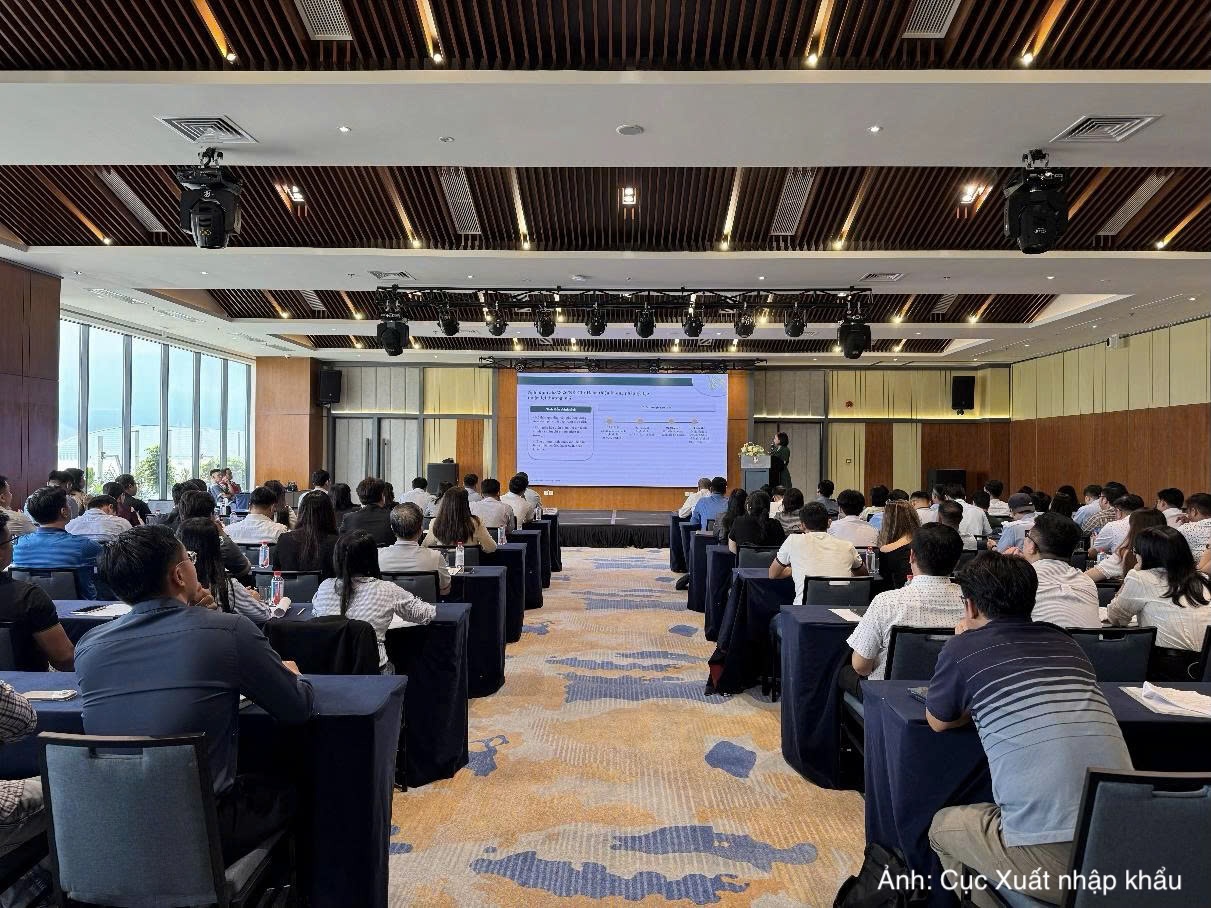
On October 13, the Agency of Foreign Trade under the Ministry of Industry and Trade (MoIT) held a conference in Dong Thap province to disseminate Government Decree No.365/2026/ND-CP dated September 23, 2026, on rice export and import business, and Circular No.65/2026/TT-BCT dated October 1, 2026, issued by the Minister of Industry and Trade, detailing certain provisions and measures for implementing Decree No.365/2026/ND-CP.
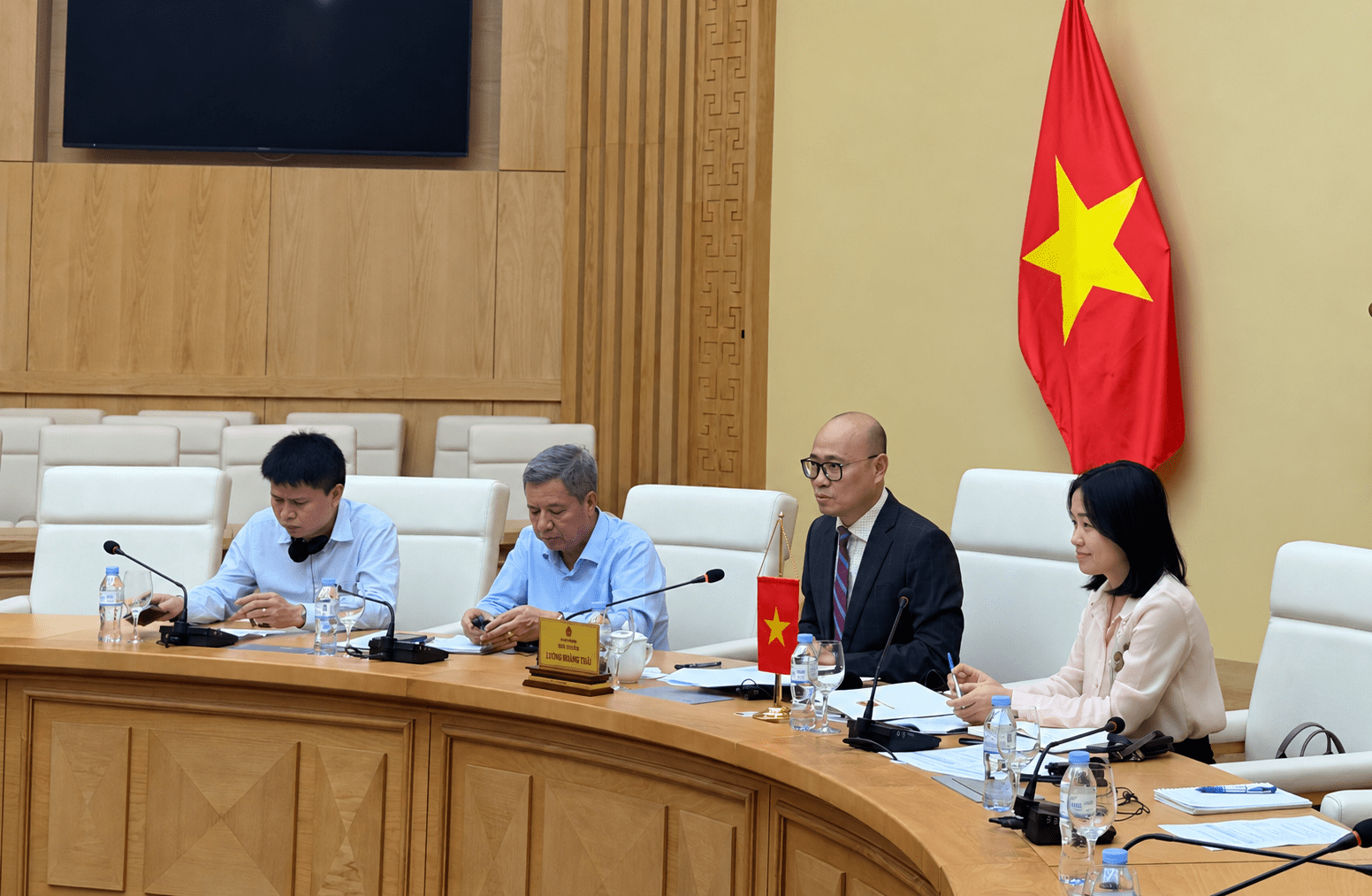
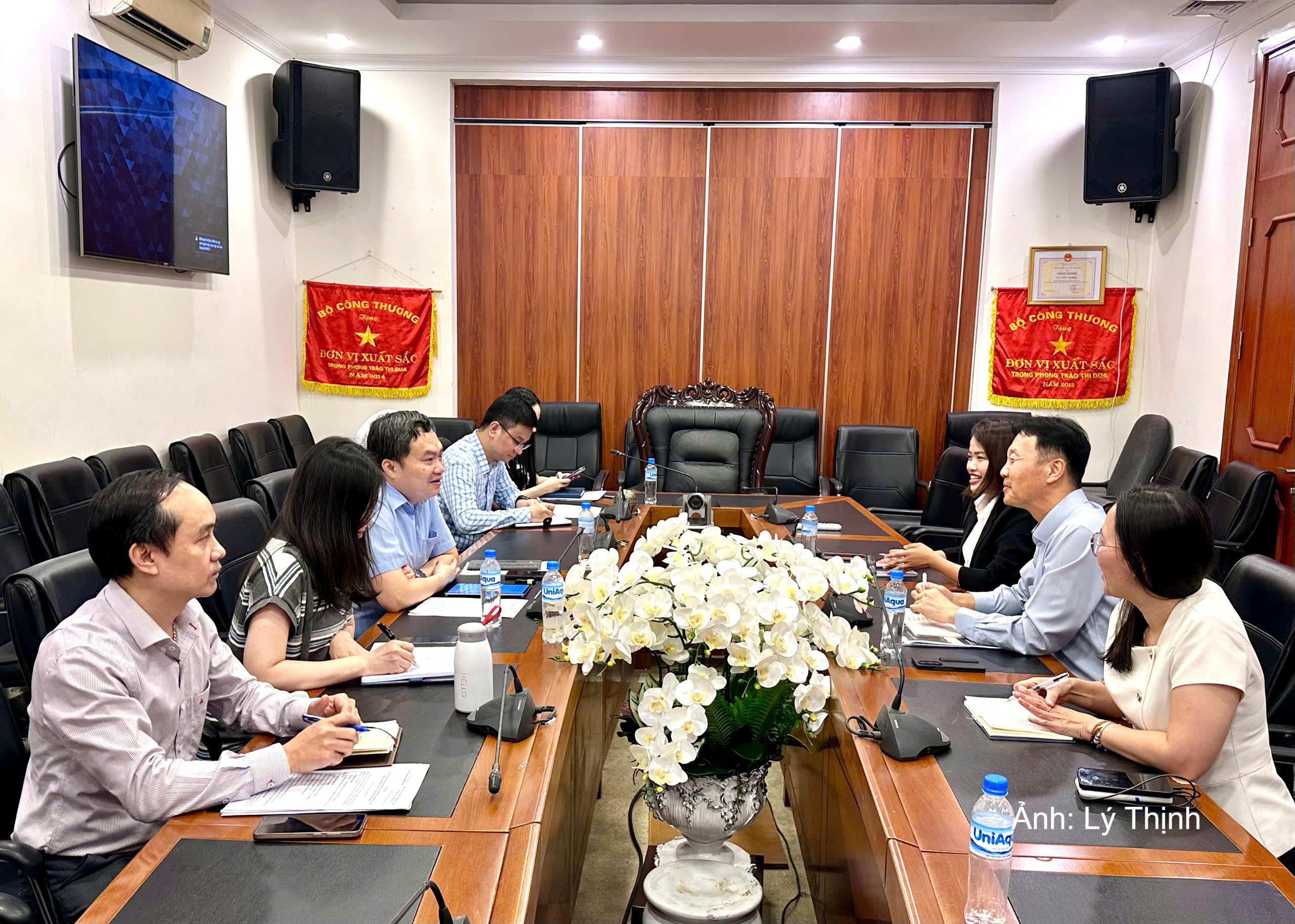
On October 13, Deputy Minister of Industry and Trade Luong Hoang Thai held a working session with MEDEF International, a French business organization, and representatives of French corporations operating in various sectors, including energy, industry, transport, construction and infrastructure development, food and beverages, and services, at the Ministry of Industry and Trade's headquarters.
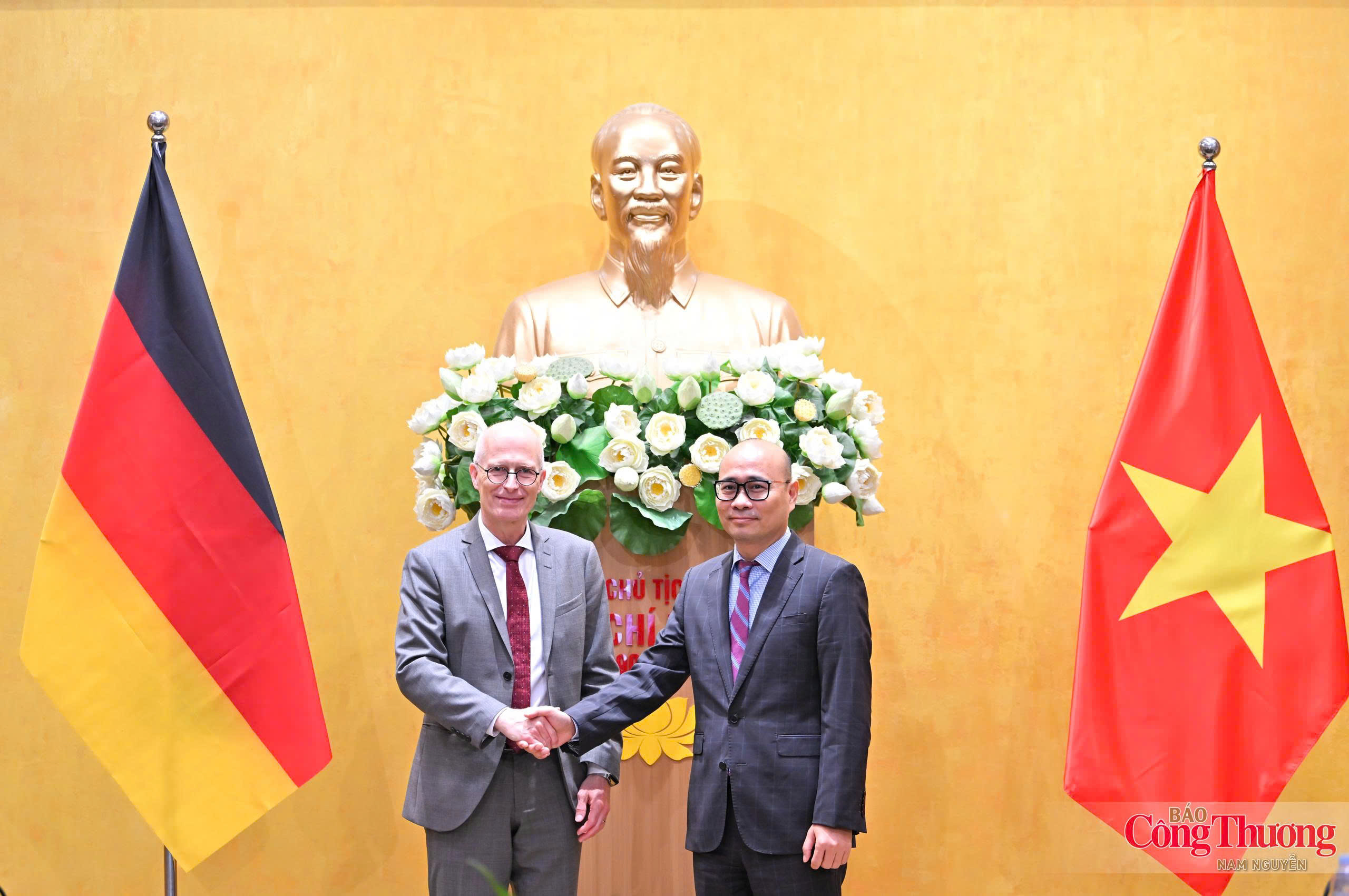
On October 14, Deputy Minister of Industry and Trade Luong Hoang Thai received and held a working session with a delegation from Hamburg, Germany, led by the city's First Mayor Peter Tschentscher at the Ministry of Industry and Trade's headquarters.
The Copyright Office is working closely with relevant agencies to develop plans for inspections and enforcement action against copyright and related rights infringements in the digital environment.
Viet Nam’s cultural industries are poised for growth as development targets become clearer, the digital content market expands and technology creates new ways.
The Vietnam Industry Agency under the Ministry of Industry and Trade and Samsung Vietnam continue to strengthen cooperation in developing supporting industries, enhancing the capabilities of domestic enterprises and expanding opportunities for their participation in global supply chains.
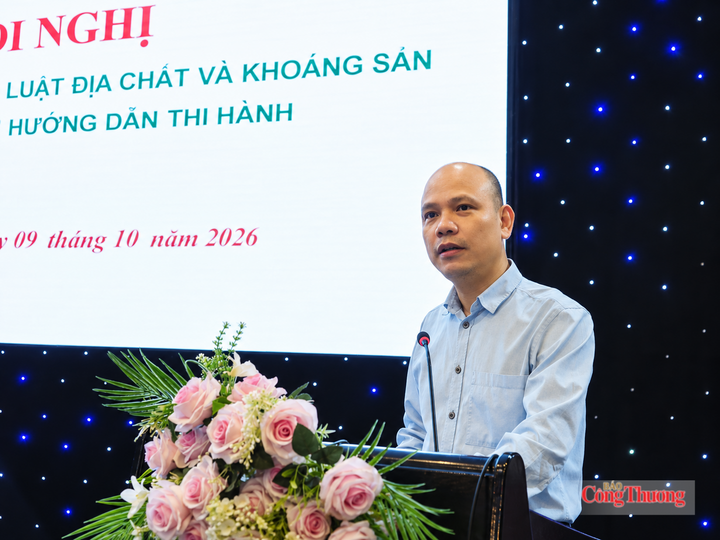
On October 9, the Viet Nam Department of Geology and Minerals, in coordination with the Thai Nguyen Department of Industry and Trade, held a conference in Thai Nguyen province to disseminate the Law on Geology and Minerals and its implementing regulations.
Northern localities are strengthening links in supporting industries, energy and logistics to build competitive value chains and create new growth drivers.
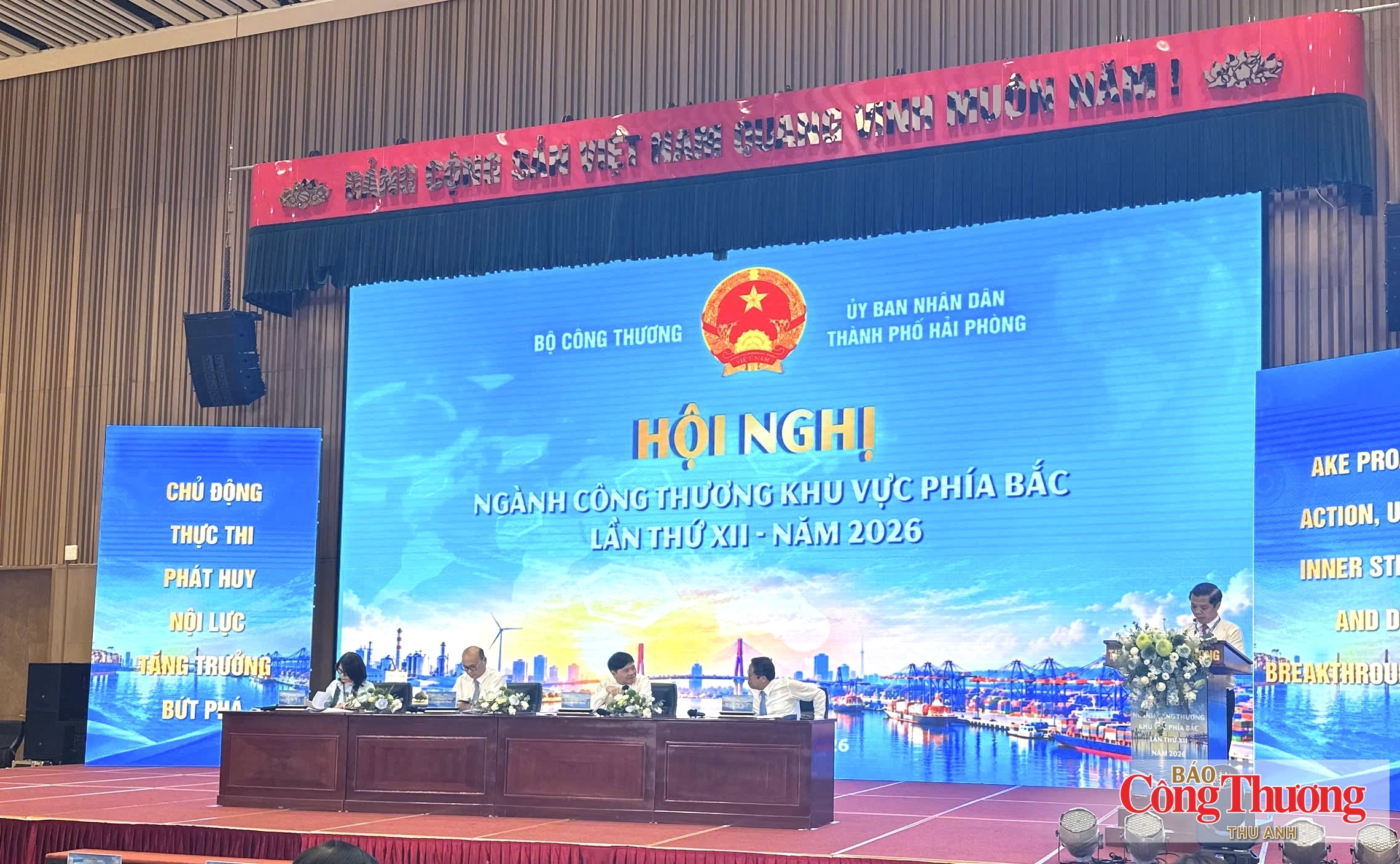
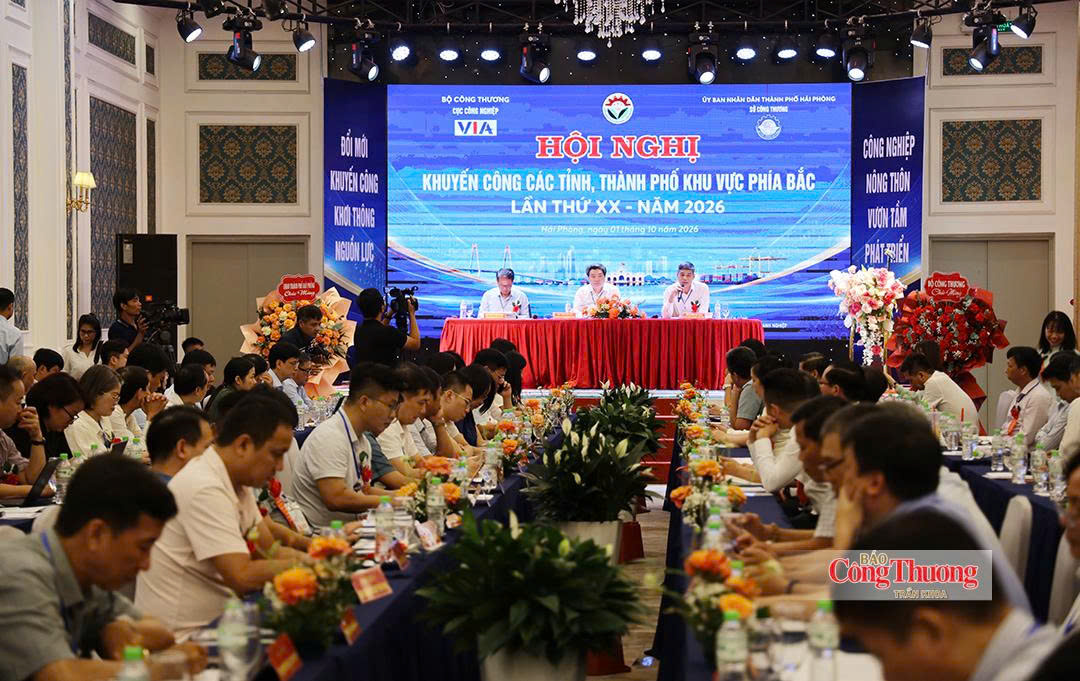
The 20th Industrial Promotion Conference for Northern Provinces and Cities in 2026 was held in Hai Phong City on October 1, with discussions focusing on renewing industrial promotion activities.
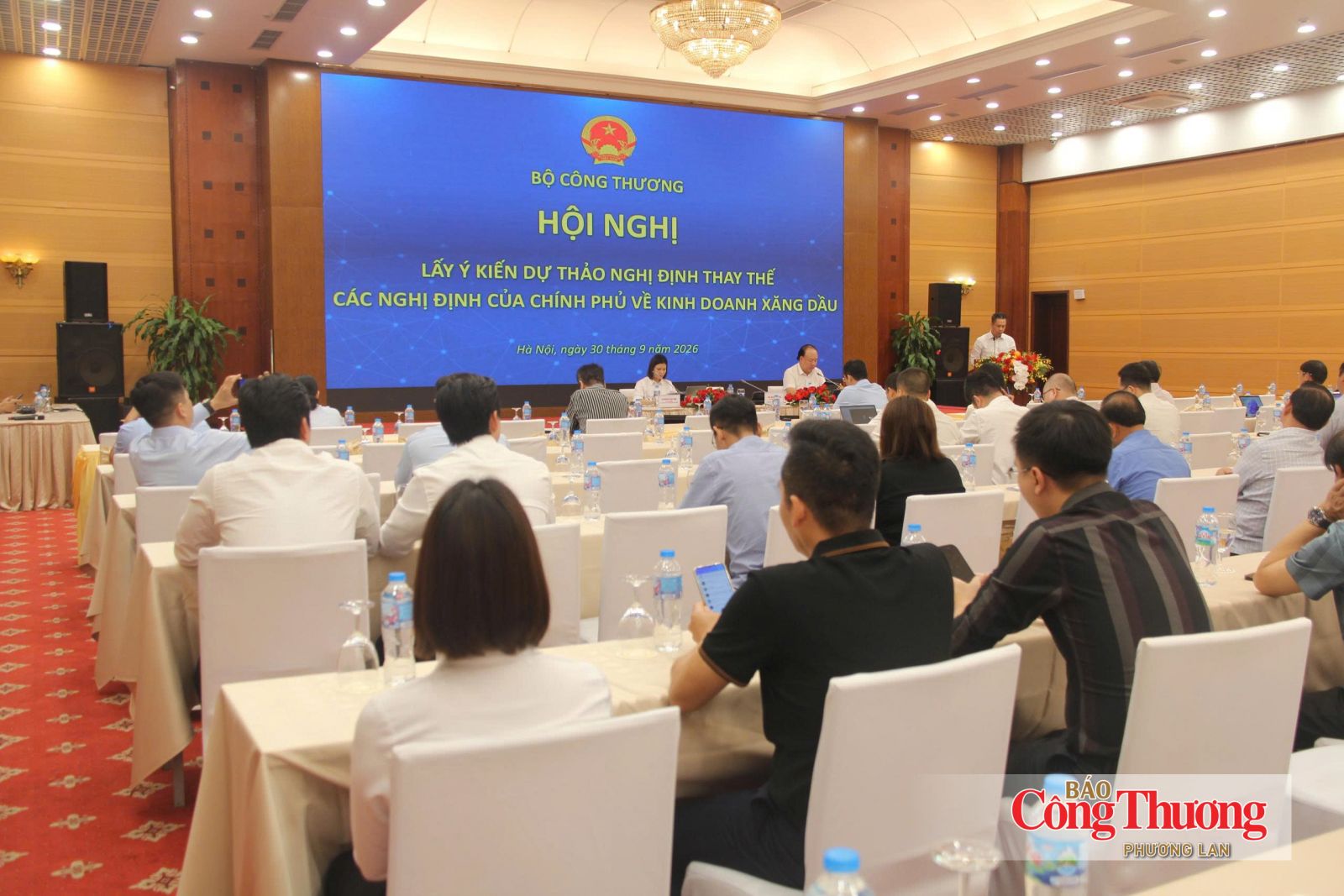
On September 30 in Ha Noi, the Ministry of Industry and Trade (MoIT) held a conference to gather broad feedback on a draft decree replacing the Government’s existing decrees on petroleum trading.