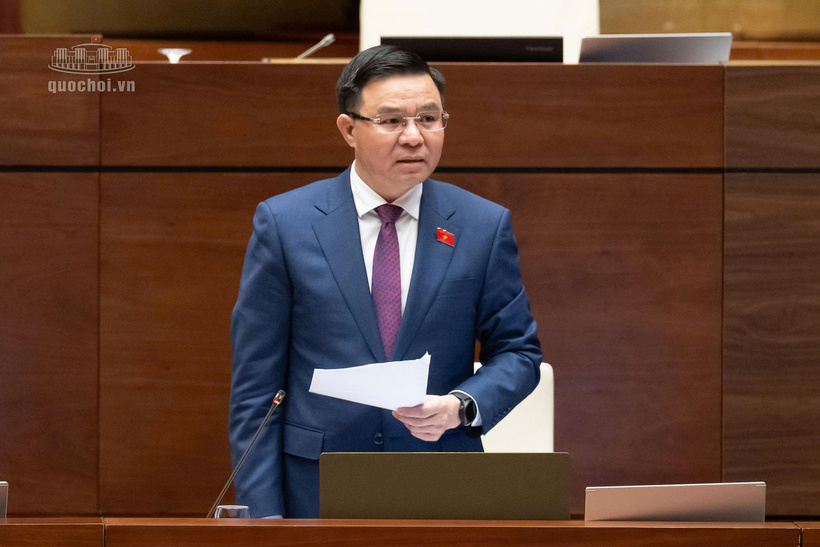
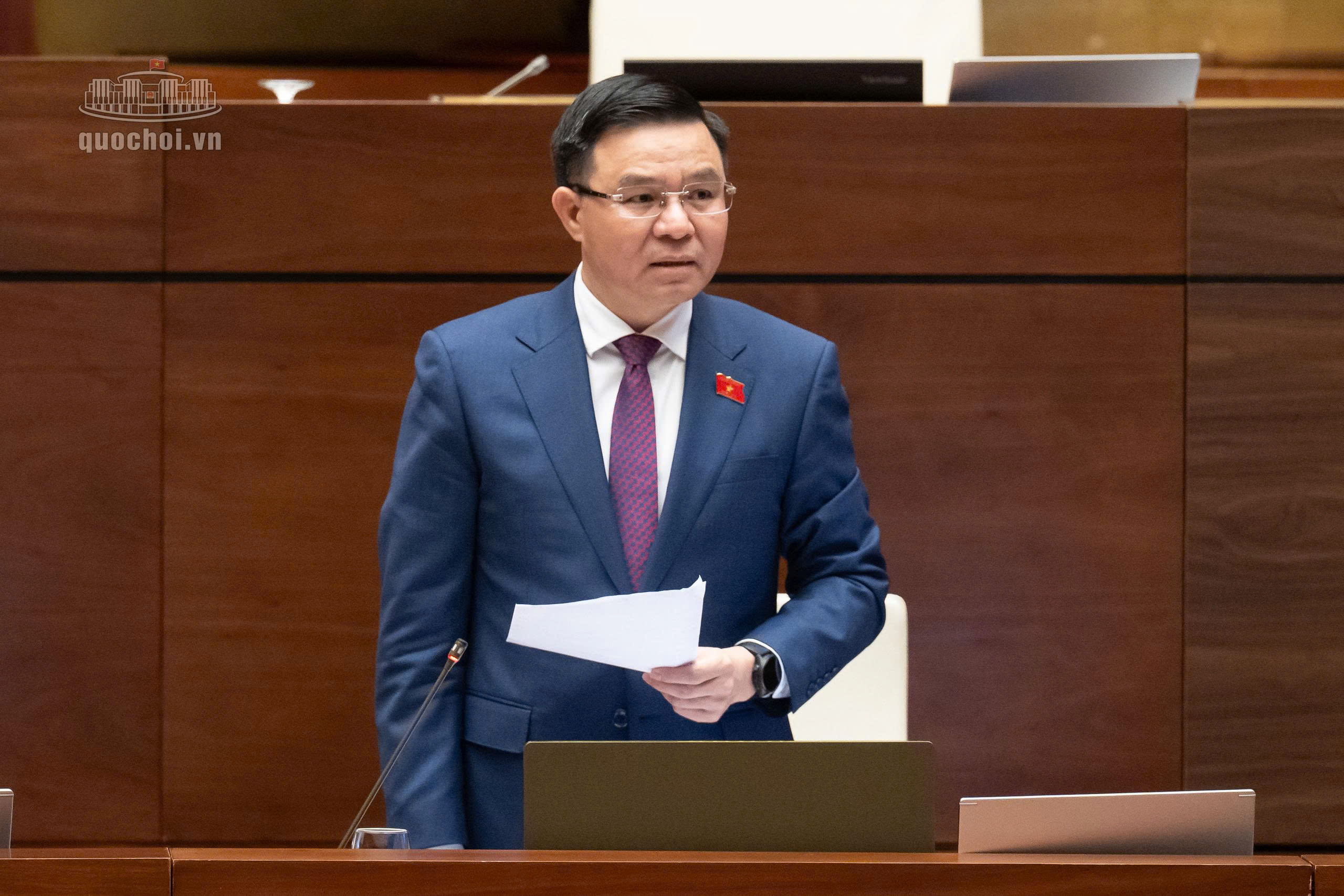
During a plenary session on November 3, Le Manh Hung, Minister of Industry and Trade, addressed questions raised by National Assembly deputies regarding the draft Law amending and supplementing a number of articles of the Law on Electricity.
In his remarks, Minister Le Manh Hung emphasized that electricity is an issue related to almost every economic sector, which explains the considerable attention the draft law has received from National Assembly deputies. Expressing his appreciation for the thoughtful and responsible contributions made by the deputies, Minister Le Manh Hung affirmed that the drafting agency would comprehensively consider their opinions and clarify several issues of particular concern.
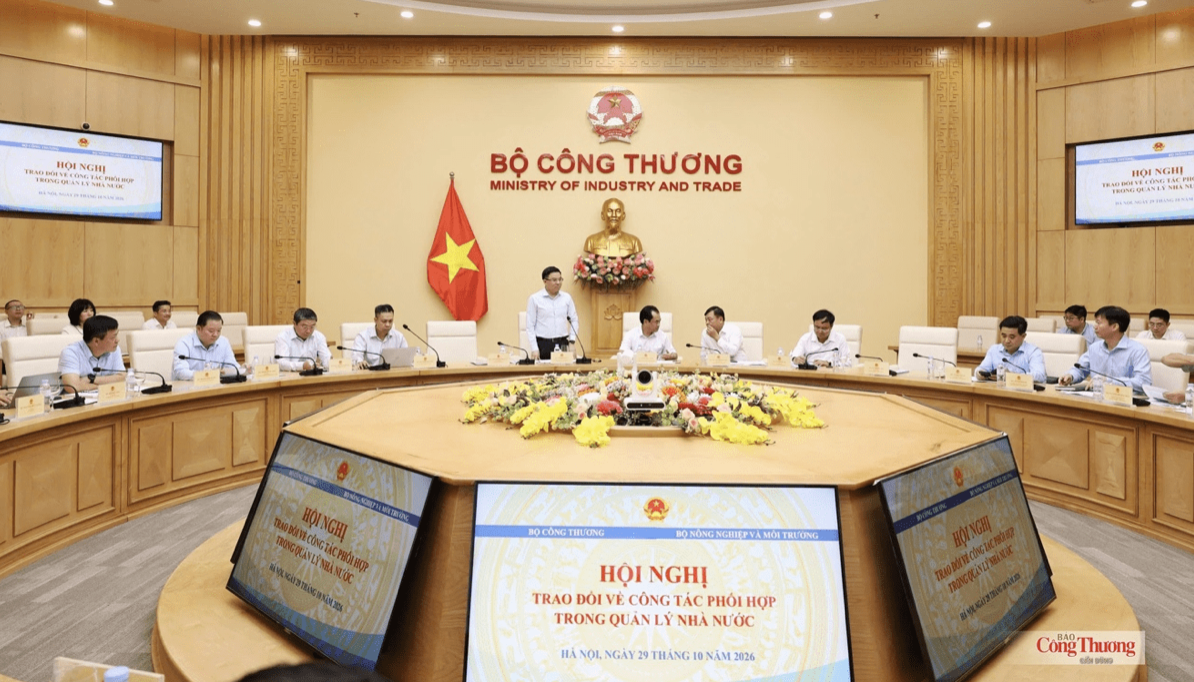
Minister Le Manh Hung, Minister of Industry and Trade explains issues raised by National Assembly deputies regarding the draft Law amending and supplementing a number of articles of the Law on Electricity.
Three core objectives of the amendments
Regarding the objectives and scope of the amendments, as well as the consistency of the legal system during the revision of the draft law, Minister Le Manh Hung said that the amendments to the Law on Electricity were designed to achieve three core objectives.
First, they focus on institutionalizing the Party's guidelines on ensuring energy security under Resolution No.70-NQ/TW, while incorporating into law provisions that have been implemented under the National Assembly's Resolution No.253/2025/QH15.
Second, they aim to comprehensively address decentralization, the delegation of authority and administrative procedures that have already been implemented.
Third, and particularly importantly, they seek to remove bottlenecks and obstacles arising in the formulation and implementation of electricity plans, as well as in the implementation of power projects.
Regarding the implementation and organization of Power Development Plan VIII, the Minister noted that this was an issue of considerable concern to National Assembly deputies, particularly in terms of implementation progress and difficulties and obstacles encountered during the implementation of the plan. He said that, through these amendments, the drafting agency sought to ensure consistency among power sources, the electricity grid and electricity demand, while retaining flexibility to respond to socioeconomic development requirements.
Clause 4, Article 10 of the draft law sets out the basic requirements for power development planning and the updating of electricity demand, grid infrastructure, the structure of baseload and flexible power sources, and reserve capacity. These requirements will be further specified during the formulation of implementation plans for each period.
The Government is currently directing the Ministry of Industry and Trade to update and adjust Power Development Plan VIII in line with actual conditions and legal provisions revised in recent years.
Investment risks must not be shifted to the State
Regarding mechanisms for investment in and development of power generation sources and the electricity grid, Minister Le Manh Hung described this as a particularly important issue. He cited difficulties encountered in recent years in implementing major power projects, particularly baseload sources such as liquefied natural gas (LNG)-fired power plants and other types of power generation.
Minister Le Manh Hung affirmed that the amendments aim to address bottlenecks in investment and power system operations.
In this round of amendments, the drafting agency has incorporated provisions to control risks borne by the parties involved. According to the Minister, Power Development Plan VIII includes 18 LNG-fired power projects, but their implementation has faced considerable difficulties in practice. The draft law introduces risk-sharing mechanisms to facilitate investment, while requiring investors to share risks with the State. "Investment risks cannot all be transferred to the State and ultimately included in costs borne by the people," the Minister stressed.
Regarding the pricing structure, the draft law introduces a capacity pricing component to ensure reserve capacity and the ability to supply electricity. For baseload and large-scale power sources, once operational, investors may receive payment for part of their capacity-related costs, in addition to revenue from available capacity dispatched through the electricity market.
Regarding procedures for negotiating power purchase agreements, Minister Le Manh Hung emphasized that the draft law establishes a mechanism for negotiating such agreements based on the results of project bidding, with electricity prices falling within the applicable price framework. According to the Minister, this provision provides an important basis for concluding contracts and helps prevent prolonged negotiations.
Clarifying the concept of offshore wind power
Regarding the development of renewable energy and offshore wind power, Minister Le Manh Hung identified three important characteristics of renewable energy. First, its generation is intermittent. Second, its marginal cost is essentially zero. Third, it does not provide spinning reserves. Therefore, the share and pace of renewable energy development must be aligned with the completion and upgrading of a smart electricity grid. The Minister also noted that the draft law sets out specific mechanisms in this regard.
Regarding offshore wind power in particular, the Minister said this was a relatively new sector requiring substantial capital and advanced technology, while being directly linked to national defense and security. The drafting agency would consider and incorporate deputies' opinions to further improve the relevant provisions.
However, he stressed the need to clearly distinguish offshore wind power from nearshore wind power, including by clarifying the criteria for determining the distance between a project and the coastline. "The drafting agency will take these opinions into account to clarify the relevant concepts and establish appropriate mechanisms," the Minister said.
Electricity pricing, financial support for electricity bills and the elimination of cross-subsidies were also among the issues that attracted considerable attention from National Assembly deputies. The Minister cited Point b, Clause 12, Article 5 of the draft law, which stipulates that electricity prices are determined according to market mechanisms under State regulation, in line with the level of development of the competitive electricity market and ensuring national energy security. On this basis, the consistent principle is that electricity prices must reflect reasonable and legitimate costs and operate under market mechanisms.
Under Decree No.72 and Decree No.278, EVN is required to publish its cost structure annually before the end of the fiscal year. The Ministry of Industry and Trade, the Ministry of Finance and the State Audit Office of Viet Nam will audit and assess these costs, with the results to be publicly disclosed on the Ministry of Industry and Trade's website.
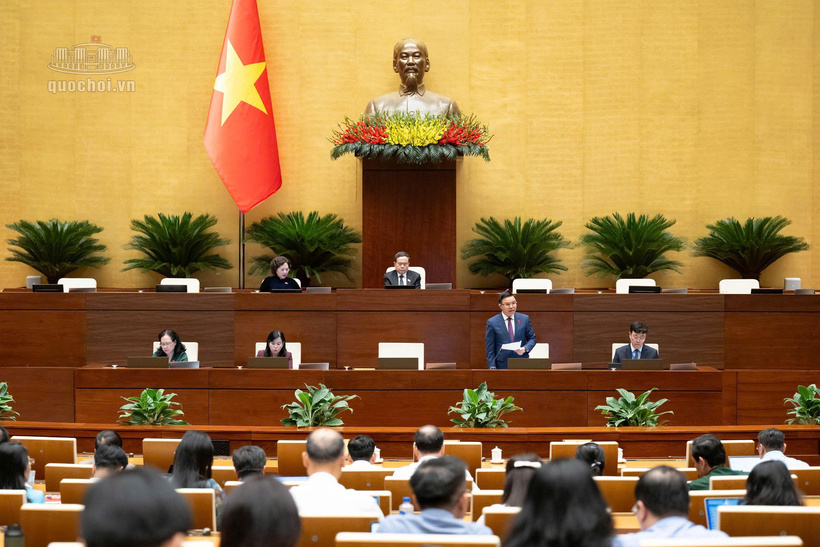
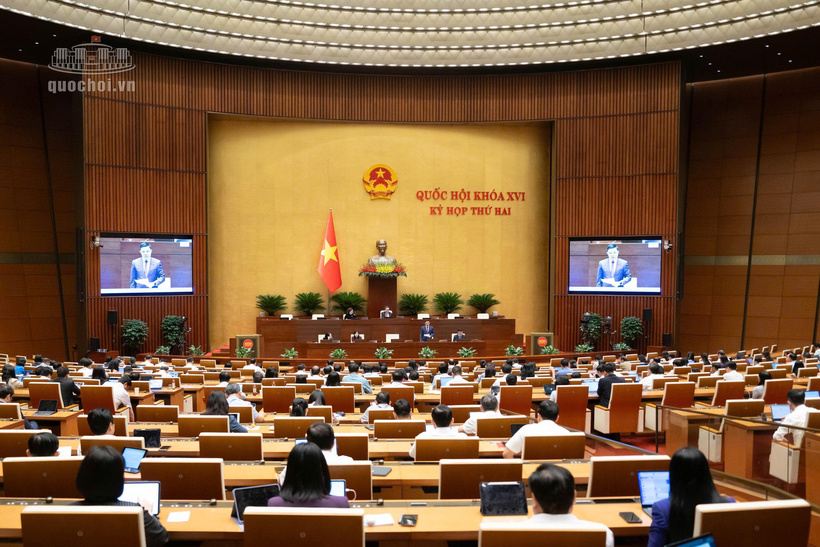
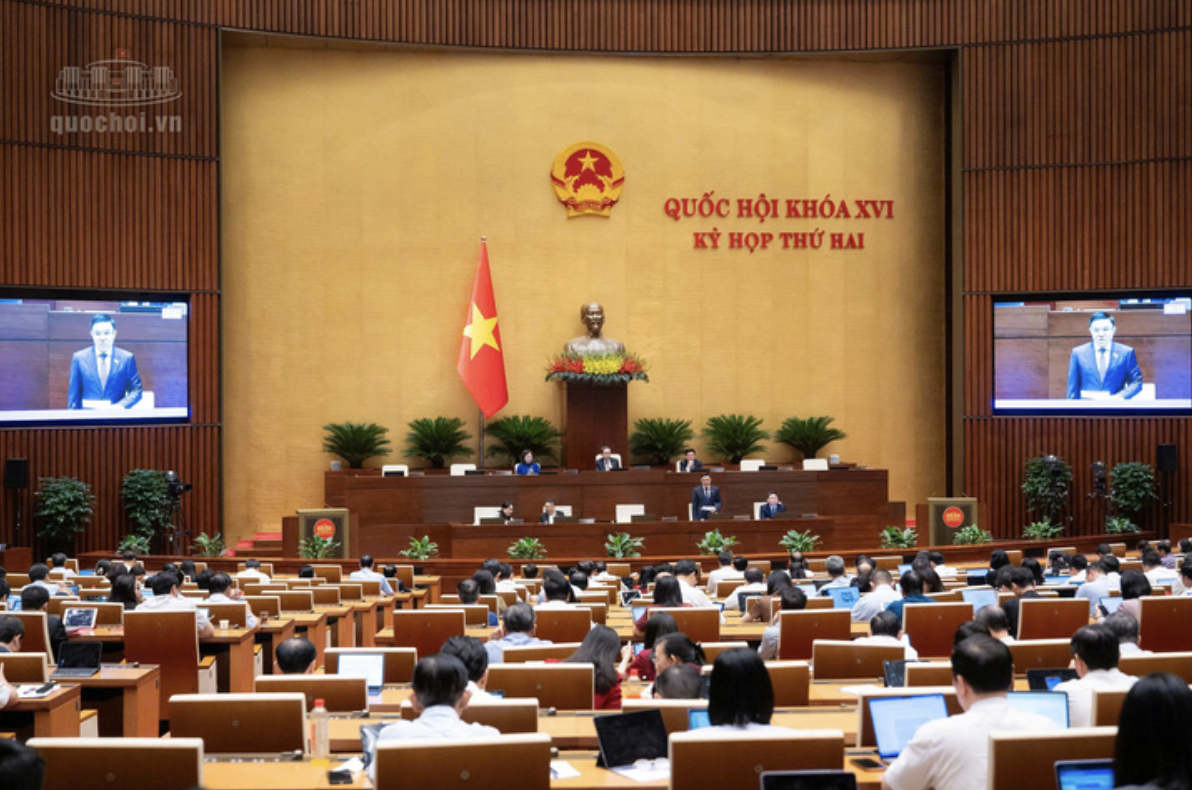
An overview of the plenary session discussing the draft Law amending and supplementing a number of articles of the Law on Electricity.
Regarding the electricity generation price framework, the Minister said the drafting agency had taken deputies' opinions into account and assigned an independent entity, separate from power generation units and units under the state management agency, to formulate the electricity price framework. According to the Minister, this approach would "ensure both independence and objectivity, while enabling timely implementation."
Electricity bill support to be clearly separated without affecting budget plans
Regarding the electricity bill support policy stipulated in Point c, Clause 13, Article 5, the Minister provided further clarification. Decision No.28/2014/QD-TTg of the Prime Minister, as amended by Decision No.14/2025/QD-TTg, clearly stipulates the tariff structure and the level of budget-funded support for disadvantaged groups, equivalent to the cost of 30 kWh at the first-tier electricity tariff.
Support payments and investment incentives for eligible beneficiaries that have already been implemented in practice will be regulated through appropriate funding sources, ensuring that they do not affect the State budget plan and remain separately accounted for in accordance with regulations and the spirit of the Politburo's Resolution No.70-NQ/TW.
Regarding the elimination of cross-subsidies in electricity prices, the Minister added that the draft law assigns the Prime Minister the authority to decide on a roadmap based on a comprehensive impact assessment. "We must conduct a very careful assessment for each group of beneficiaries and each region," the Minister stressed.
Minister Le Manh Hung affirmed that the amendments aim to address bottlenecks in investment and power system operations, promote decentralization and administrative reform alongside accountability for implementation, and ensure transparent and consistent policies with costs kept under control. The Government will continue to work closely with the National Assembly's bodies to consider deputies' opinions and finalize the draft law for submission to the National Assembly for consideration and approval.
During a plenary session on November 3, Le Manh Hung, Minister of Industry and Trade, addressed questions raised by National Assembly deputies regarding the draft Law amending and supplementing a number of articles of the Law on Electricity.
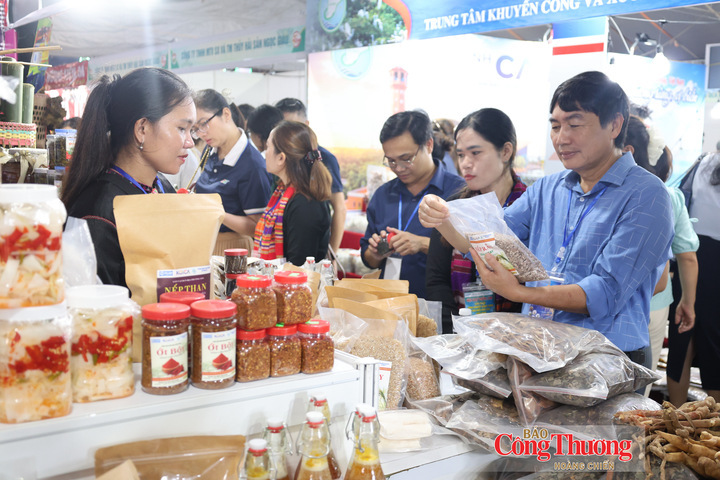
In the first nine months of 2026, southern provinces and cities implemented approximately 48% of their approved industrial promotion funding plans for the year. Addressing bottlenecks and accelerating project implementation are key priorities for the remaining months.
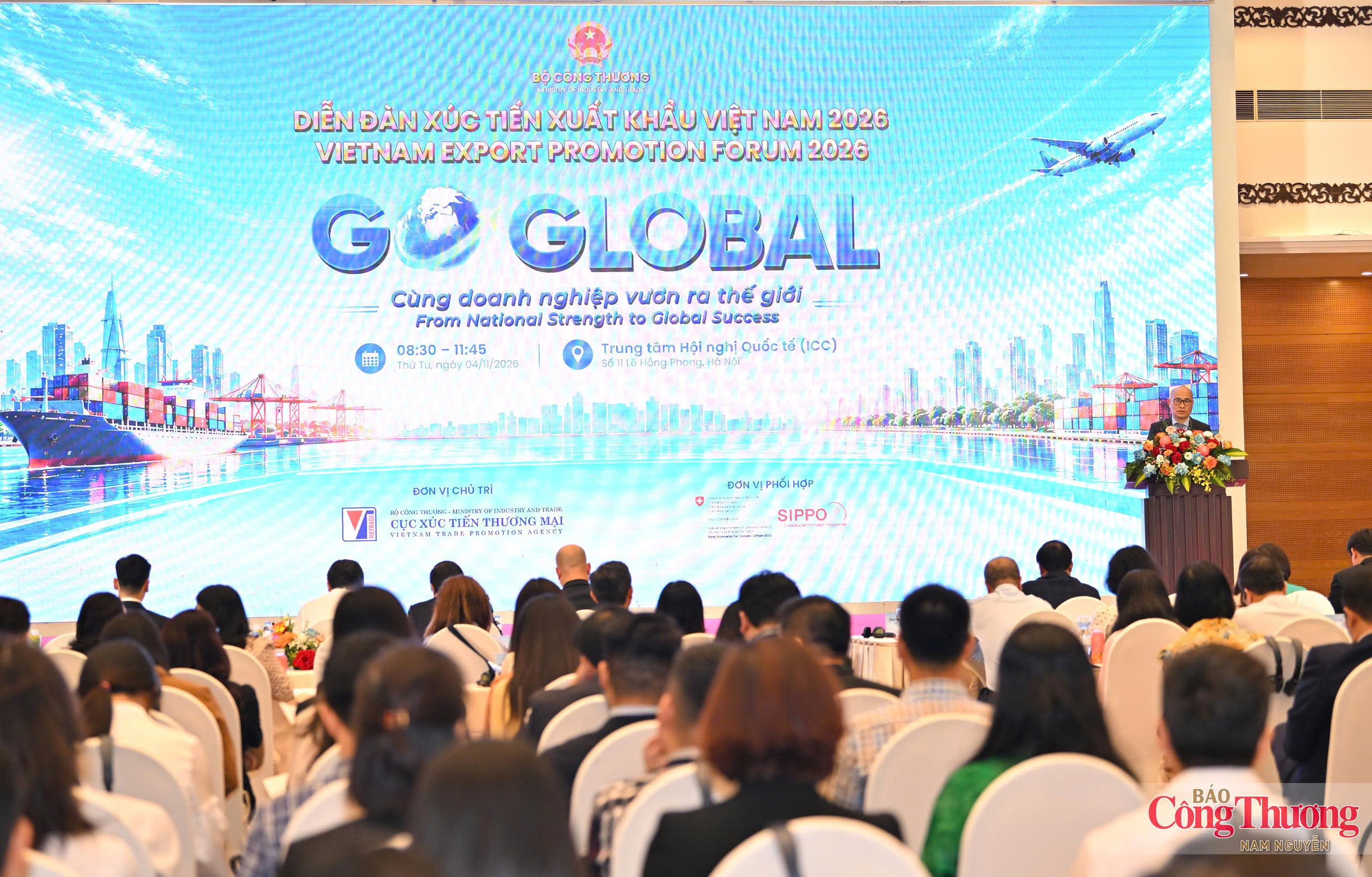
On November 4 in Ha Noi, the Steering Committee for the Go Global Programme under the Ministry of Industry and Trade organized the Viet Nam Export Promotion Forum 2026 under the theme “Go Global - Supporting businesses in reaching out to the world”, in coordination with the Swiss Import Promotion Program (SIPPO), the Viet Nam Chamber of Commerce and Industry (VCCI), and domestic and international business support organizations and trade promotion agencies.
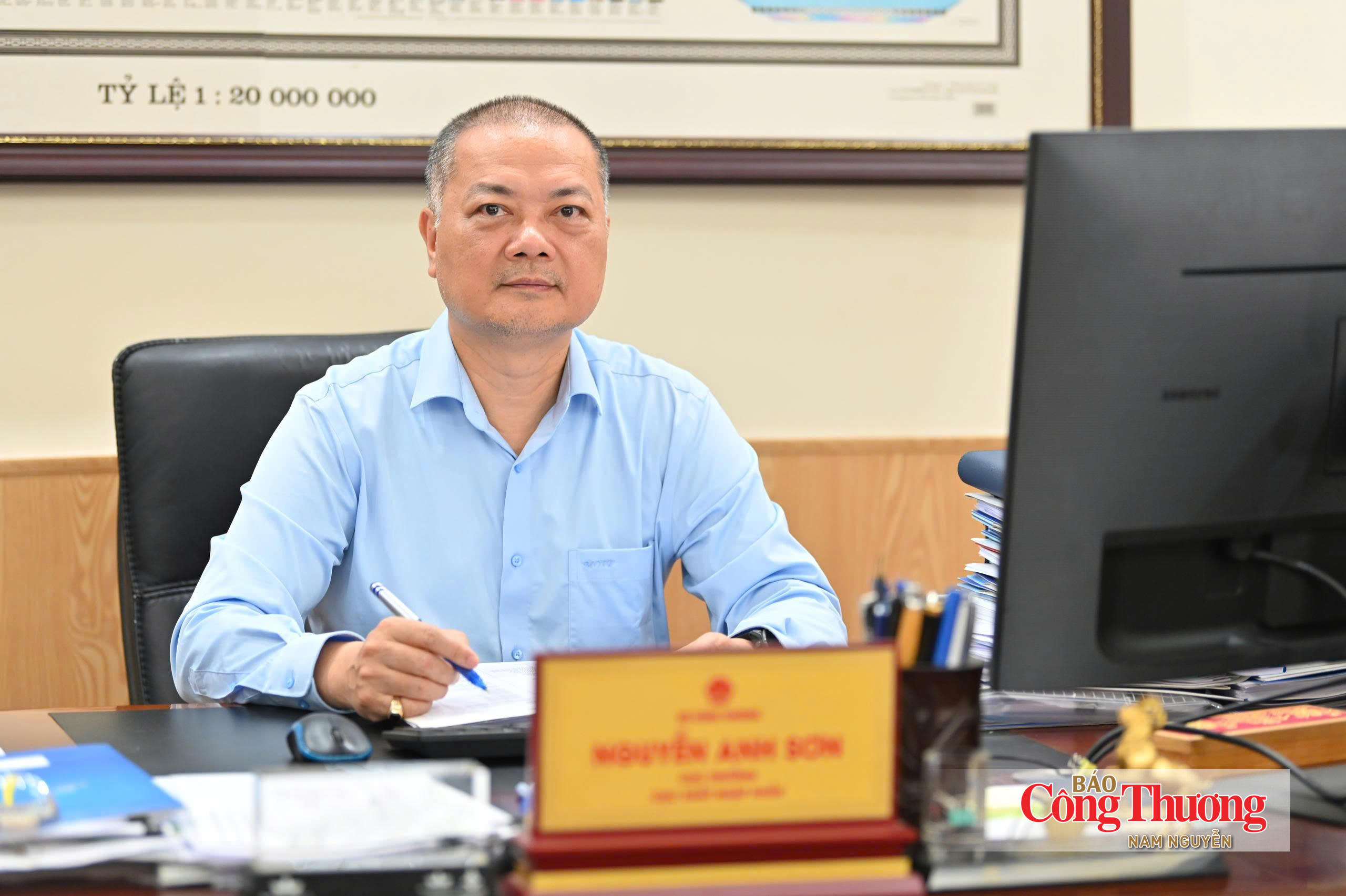
In an interview with the Newspaper of Industry and Trade, Nguyen Anh Son, Director-General of the Agency for Foreign Trade under the Ministry of Industry and Trade (MoIT), emphasized that total merchandise trade turnover exceeding USD 1 trillion reflects the growing scale and deeper integration of Viet Nam's economy into international trade.
In the first nine months of 2026, southern provinces and cities implemented approximately 48% of their approved industrial promotion funding plans for the year. Addressing bottlenecks and accelerating project implementation are key priorities for the remaining months.
On November 4 in Ha Noi, the Steering Committee for the Go Global Programme under the Ministry of Industry and Trade organized the Viet Nam Export Promotion Forum 2026 under the theme “Go Global - Supporting businesses in reaching out to the world”, in coordination with the Swiss Import Promotion Program (SIPPO), the Viet Nam Chamber of Commerce and Industry (VCCI), and domestic and international business support organizations and trade promotion agencies.
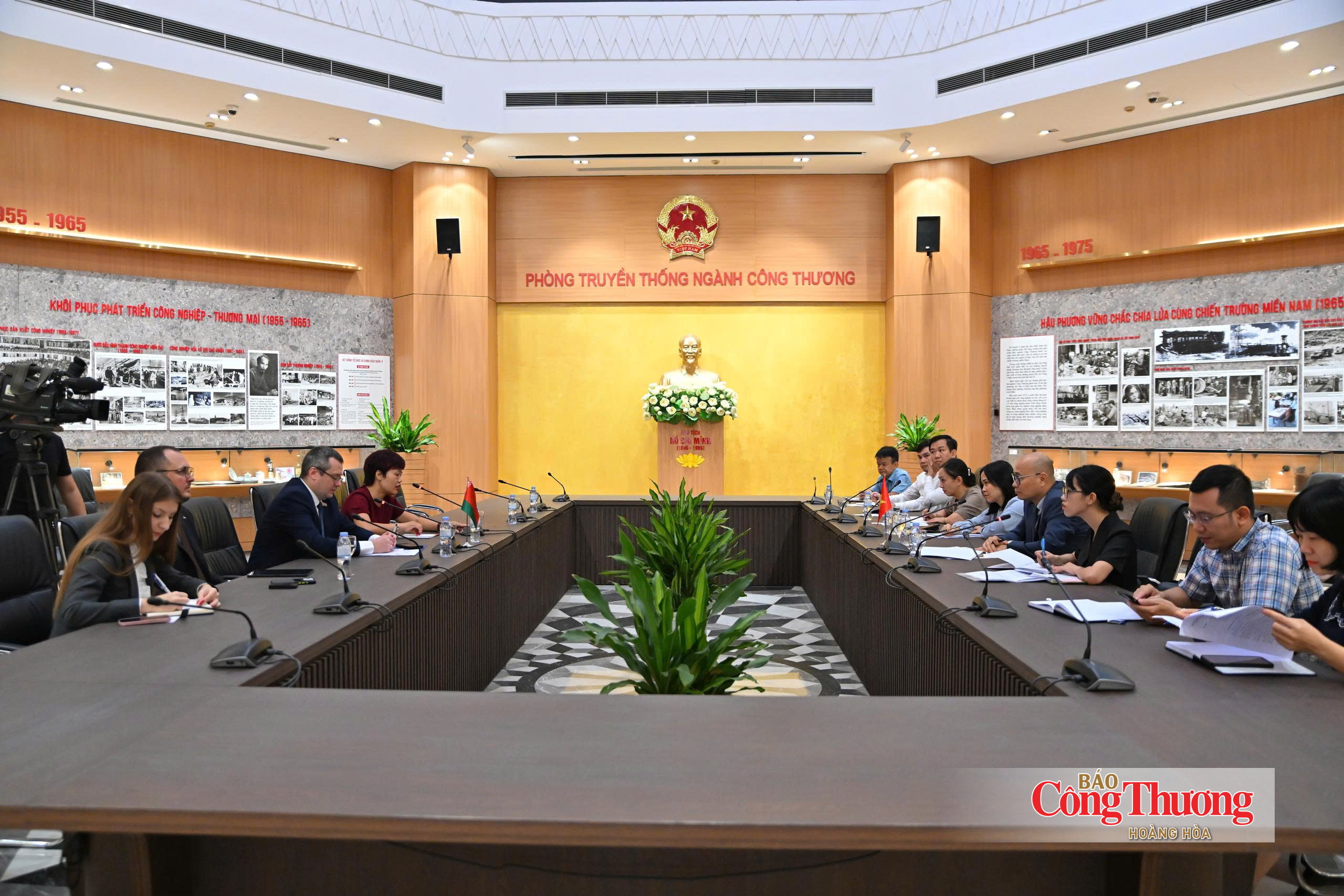
The two sides discussed solutions to outstanding issues involving reservoir operations, power plant emissions, land management, and import-export activities.