In the first nine months of 2026, southern provinces and cities implemented approximately 48% of their approved industrial promotion funding plans for the year. Addressing bottlenecks and accelerating project implementation are key priorities for the remaining months.
Implementation progress improves year on year
The southern region comprises eight provinces and cities: Ho Chi Minh City, Can Tho, Dong Nai, Tay Ninh, Vinh Long, Dong Thap, An Giang and Ca Mau. These localities have advantages in agricultural and aquatic raw materials, as well as food processing and other manufacturing industries. Accordingly, recent industrial promotion activities have focused on helping rural industrial establishments upgrade equipment, develop products, improve management capacity and expand markets.
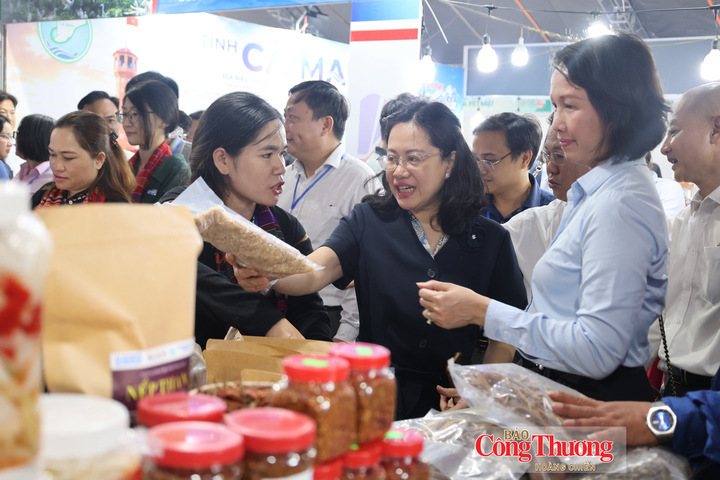
Do Thi Minh Tram, Deputy Director General of the Agency for Industry (Ministry of Industry and Trade), visits exhibition booths at the 2026 Southern Region Trade Fair for Outstanding Rural Industrial Products.
According to a report by the Agency for Industry (Ministry of Industry and Trade), the eight localities were approved a total industrial promotion budget of VND 71.056 billion for 2026, down approximately 6% from 2025. Of this amount, local industrial promotion funding accounted for VND 54.898 billion, or around 77%, while national industrial promotion funding stood at VND 16.158 billion, or approximately 23%.
In the first nine months of 2026, reported disbursements totalled VND 34.111 billion, equivalent to around 48% of the annual plan and approximately 4.61 times the figure recorded in the same period of 2025. Of the total, VND 10.051 billion came from the national industrial promotion budget, while VND 24.059 billion was sourced from local budgets.
Despite the improvement compared with the same period last year, implementation progress remains under considerable pressure. Notably, local funding accounts for the largest share of the overall budget, yet its implementation rate has reached only approximately 43.82%. In 2025, the region disbursed just VND 38.455 billion, fulfilling 50.86% of its approved budget of VND 75.610 billion.
Regarding production support, during the first nine months of 2026, localities implemented two technical demonstration models involving the application of new technologies and cleaner production pilot schemes. They also supported 63 rural industrial establishments in technology transfer, the application of advanced machinery and equipment in production, and environmental pollution treatment. Total funding for these activities reached VND 23.812 billion.
However, the 2026 plan targets support for 143 establishments in technology transfer and the application of advanced machinery and equipment. This leaves a substantial volume of work to be completed, requiring close coordination between implementing units and beneficiary establishments to ensure projects are completed on schedule.
Product development activities have also delivered tangible results. Localities organised one trade fair showcasing outstanding rural industrial products and handicrafts, featuring approximately 200 booths and receiving VND 1.812 billion in funding. They also supported 246 standard booths for 286 participating establishments at domestic trade fairs. In addition, 30 establishments received support for the selection and recognition of 51 outstanding rural industrial products at various levels, while one product exhibition and showroom was established.
In human resource development, 465 participants attended training programmes on business start-ups, corporate management, and raising awareness and capacity in cleaner production practices. This exceeded the annual target of 405 participants. Localities also published four issues of newsletters and other publications, produced and broadcast three television and radio programmes, provided professional training in industrial promotion for 234 staff members, and organised two thematic workshops and conferences.
Despite these achievements, industrial promotion activities across southern provinces and cities continue to face several shortcomings, including limitations in project surveys, formulation and appraisal; delays in budget allocation; and fragmented support with insufficient coordination among establishments. Notably, none of the localities registered support programmes for joint ventures, partnerships, participation in industry clusters or value chains in their 2025 and 2026 plans.
The reorganisation of administrative units, the operation of the two-tier local government system and adjustments to organisational structures have also affected implementation progress. All eight localities currently have public service units under their respective Departments of Industry and Trade responsible for industrial promotion, employing a total of 260 civil servants, public employees and workers. However, only 75 personnel, or approximately 29%, are directly assigned to implement activities at the grassroots level. Meanwhile, the administrative areas under their management have expanded following the reorganisation, increasing demands for on-site surveys and support.
Removing bottlenecks and prioritising feasible projects
To complete the 2026 plan, the Agency for Industry has identified a comprehensive review of all approved national and local industrial promotion projects as a key task. Projects should be classified according to their status: completed, ongoing, not yet commenced or at risk of missing their deadlines. For each project, specific obstacles relating to documentation, counterpart funding, procurement, acceptance, payment and implementation timelines must be identified, together with appropriate solutions.
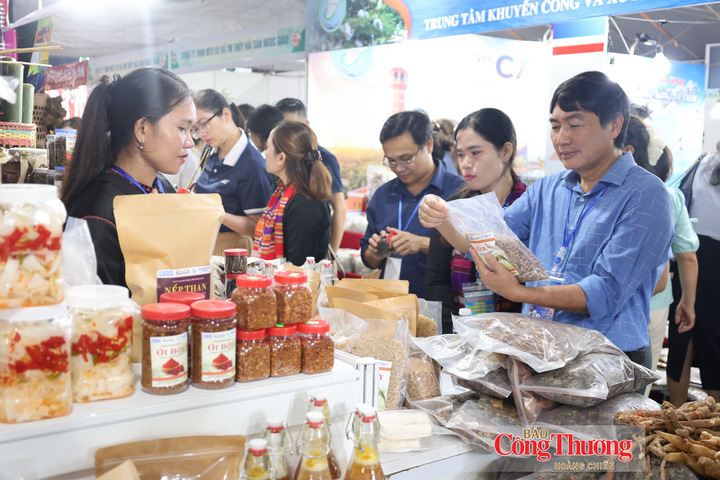
A business showcases its products at the 2026 Southern Region Trade Fair for Outstanding Rural Industrial Products.
For projects that remain feasible, implementation should be accelerated, with more frequent inspections and timely resolution of emerging difficulties. Projects that are no longer viable should be considered for adjustment or termination in accordance with regulations. Particular attention should be paid to the implementation of local industrial promotion funding, as this accounts for the largest proportion of the overall budget.
Another important task is the consistent implementation of new regulations on industrial promotion. The report calls on localities to implement Decree No. 235/2025/ND-CP, which amends and supplements Decree No. 45/2012/ND-CP. They are also urged to proactively disseminate and review relevant provisions under Circular No. 139/2026/TT-BTC of the Ministry of Finance and Circular No. 66/2026/TT-BCT of the Ministry of Industry and Trade, which are scheduled to take effect on November 15 and November 23, 2026, respectively, ensuring compliance with transitional provisions.
In terms of resources, provincial and municipal Departments of Industry and Trade need to advise local authorities on increasing budget allocations and integrating industrial promotion activities with other programmes to mobilise additional funding for rural industrial development. At the same time, they should continue strengthening human resources and equipment, improving data management capacity and enhancing coordination with specialised agencies under commune-level People's Committees.
In terms of implementation, the focus should be on developing group-based and pilot projects capable of connecting multiple establishments and businesses across the entire value chain, from raw material supply and production to processing and consumption. Digital transformation, cleaner production, energy efficiency, effective resource utilisation and emissions reduction should also be prioritised to enhance the competitiveness of rural industrial products.
Alongside accelerating the implementation of 2026 projects, localities need to proactively formulate their industrial promotion plans for 2027, conduct surveys closely aligned with actual demand, select projects with strong potential for wider impact and strengthen inter-regional linkages. These efforts are essential to improving the efficiency of funding utilisation and meeting the objectives of rural industrial development for the 2026–2030 period.
In 2026, the total approved industrial promotion budget for eight southern provinces and cities stood at VND 71.056 billion. During the first nine months, implementation reached VND 34.111 billion, equivalent to approximately 48% of the annual plan. Localities are focusing on resolving bottlenecks and accelerating project implementation in the remaining months of the year.
In the first nine months of 2026, southern provinces and cities implemented approximately 48% of their approved industrial promotion funding plans for the year. Addressing bottlenecks and accelerating project implementation are key priorities for the remaining months.
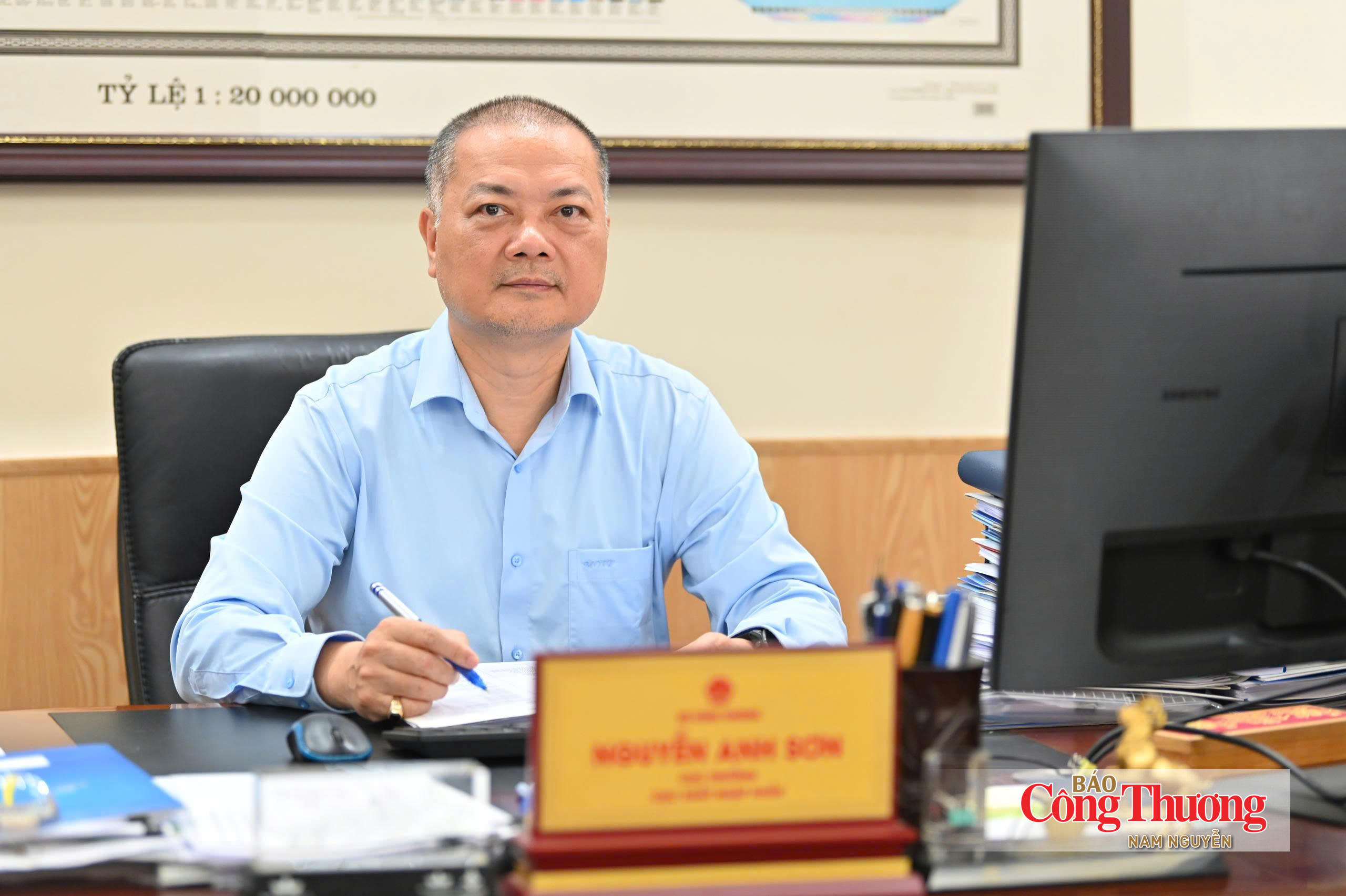
In an interview with the Newspaper of Industry and Trade, Nguyen Anh Son, Director-General of the Agency for Foreign Trade under the Ministry of Industry and Trade (MoIT), emphasized that total merchandise trade turnover exceeding USD 1 trillion reflects the growing scale and deeper integration of Viet Nam's economy into international trade.
Industry and Trade Newspaper is pleased to present a podcast series on the implementation of Politburo Resolution No. 57 in the Ministry of Industry and Trade.
The two sides discussed solutions to outstanding issues involving reservoir operations, power plant emissions, land management, and import-export activities.
The Ministry of Industry and Trade (MoIT) urges training institutions to adapt to restructuring, build links with businesses and align workforce training with the practical needs of each major industry.