Amid the green transition and strong growth momentum, energy security continues to be central, ensuring sufficient power supply for socio-economic development goals.
Energy moves one step ahead
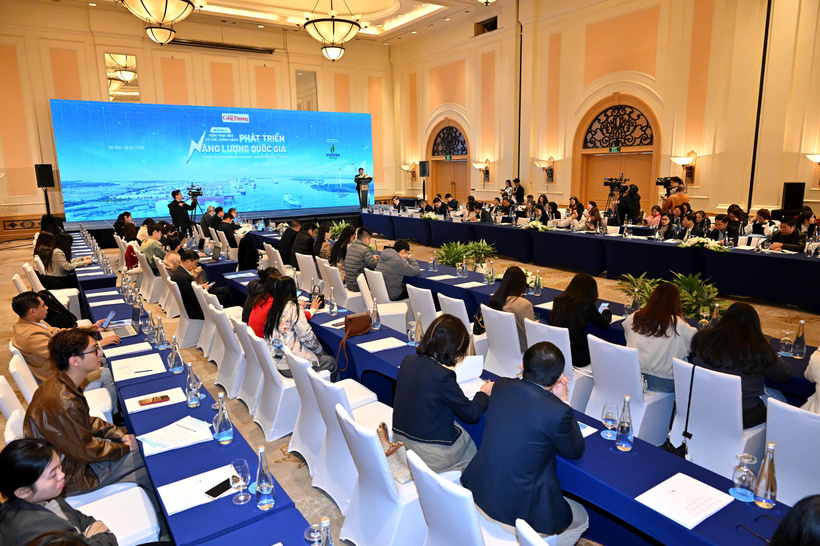
On the morning of January 29, the Newspaper of Industry and Trade organized the forum on “materializing mechanisms and policies for national energy development in the 2026 - 2030 period.”
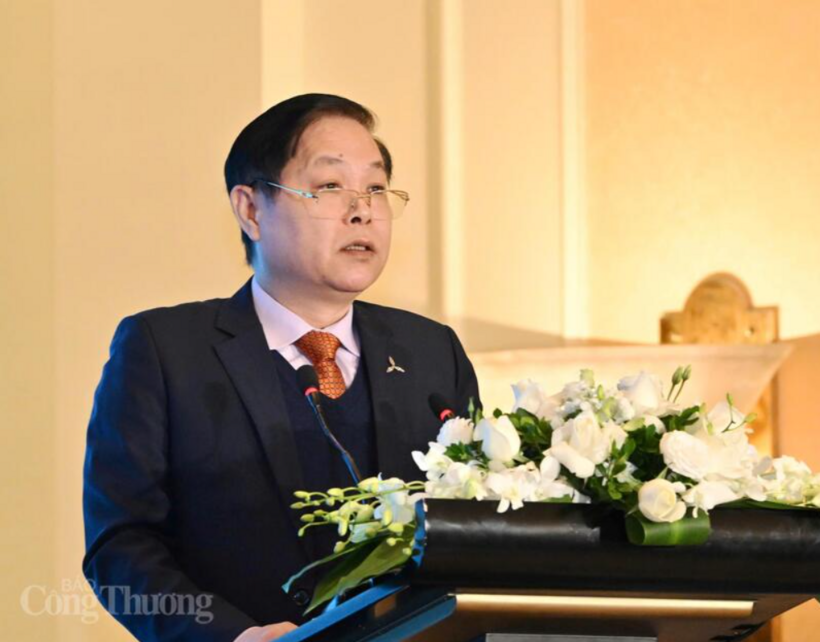
Within the framework of the forum, Tran Hoai Trang, Deputy Director of the Electricity Authority under the Ministry of Industry and Trade (MoIT), delivered a presentation on orientations for national energy development in the 2026 - 2030 period.
Deputy Director of the Electricity Authority under the Ministry of Industry and Trade Tran Hoai Trang. Photo: Can Dung
According to Tran Hoai Trang, the forum took place at a time when Vietnam is accelerating its energy transition and improving institutions for sustainable energy development, aiming to ensure energy security that meets the requirements of rapid and sustainable national development in the coming period. This is particularly important in implementing the country’s two strategic goals toward 2030 and 2045, including reducing greenhouse gas emissions and promoting green economic development.
Regarding energy security, the MoIT official emphasized that ensuring energy security is a consistent strategic orientation of the Party and the State and has been identified as a major, long-term direction in the country’s socio-economic development strategy. Resolution No. 70-NQ/TW on ensuring national energy security to 2030, with a vision to 2045, underscored that firmly safeguarding national energy security is a foundation and a critical prerequisite for national development, and an important component of national security.
“Energy development is given the highest priority to meet the requirement of sustained growth of over 10% in the coming period and to realize the country’s two centennial goals. The national energy development plan must be implemented in a focused, unified, coordinated, disciplined and effective manner,” Tran Hoai Trang stressed.
At the same time, Vietnam is pursuing synchronized and rational development and diversification of energy sources; prioritizing the full and efficient exploitation and use of renewable, new and clean energy sources; rationally exploiting and utilizing domestic fossil energy resources, with attention to stabilization, regulation and national energy reserves; developing nuclear power and gas-fired power; and adopting a roadmap to reasonably reduce the share of coal-fired power. An optimal structure of the national energy system is to be built, ensuring synchronization and efficiency while leveraging the comparative advantages of each region and locality.
“Investment in and use of energy-saving and energy-efficient solutions are encouraged to reduce emissions, protect the environment, boost labor productivity and renew the growth model, considering this both a right and a responsibility of the whole society. Investment in energy-efficient and environmentally friendly technologies and equipment is also encouraged,” Tran Hoai Trang said.
In addition, the application of science and technology, innovation and digital transformation is promoted to accelerate rapid and sustainable development of the energy sector. Vietnam is gradually mastering advanced technologies, including nuclear energy technologies, toward achieving autonomy in producing most energy equipment for domestic demand and for export, both in terms of technology and equipment. This serves as an important political foundation and a guiding principle in thinking and strategy for national energy development.
Overview of the forum. Photo: Can Dung.
According to the MoIT representative, National Assembly resolutions have also contributed to completing the legal framework as a foundation for energy development. In particular, the Law on Electricity No. 61/2024/QH15 serves as the highest legal framework governing Vietnam’s power sector in a comprehensive manner toward sustainability, green growth and modernization. The law prioritizes renewable energy development, including wind and solar power; promotes self-production and self-consumption mechanisms; encourages private investment; and institutionalizes energy transition policies, especially for offshore wind power.
Compared with previous electricity regulations, the Law on Electricity No. 61/2024/QH15 introduces several new provisions, including policies to promote green energy transition by encouraging renewable, new and smart energy sources toward emission reduction targets; strong development of rooftop solar power through clear incentive mechanisms for self-produced and self-consumed rooftop solar systems, with reduced administrative procedures for households and businesses.
At the same time, the law establishes a solid legal framework for offshore wind power development, a new energy source with significant potential in Vietnam. It also encourages investment and competition by clarifying investor selection mechanisms for power projects, mobilizing socialized capital and facilitating domestic enterprises in developing power technologies.
“Based on the Law on Electricity No. 61/2024/QH15, the Government has issued seven decrees providing detailed guidance, while the MoIT Minister has promulgated dozens of circulars to guide implementation of the law,” Tran Hoai Trang noted.
An institutional pillar for the energy sector
Providing further information on the National Assembly resolution on mechanisms and policies for national energy development in the 2026 - 2030 period, the Electricity Authority leader said that Resolution 253 holds particularly important significance, both institutionally and in practical implementation, as the energy sector officially enters a new stage of development. This is especially crucial as 2026 marks the pivotal year of the 2026 - 2030 period, with higher requirements for energy security, green transition and system autonomy.
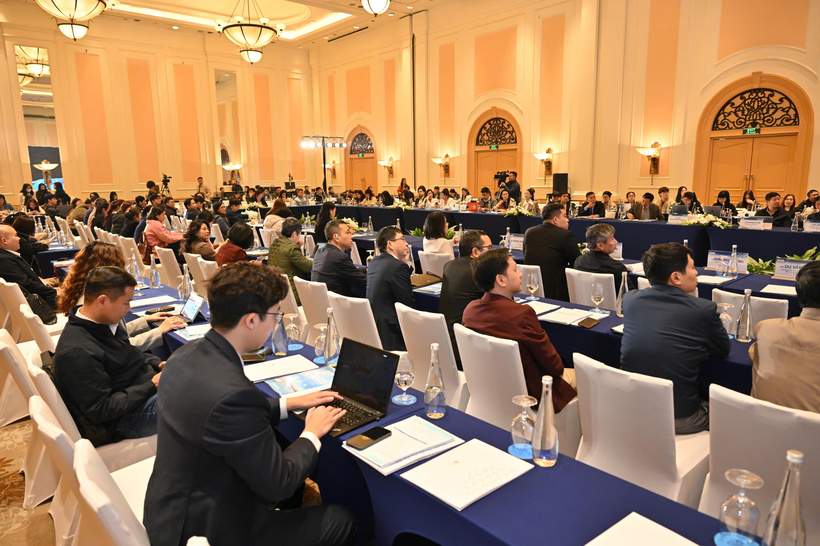
The forum is attended by representatives from functional units under the Ministry of Industry and Trade, agencies of the National Assembly, along with numerous experts, association representatives and businesses operating in the energy sector… Photo: Can Dung
First, the resolution has a comprehensive scope of regulation, covering all key pillars of the national energy system, from power generation sources, transmission and distribution grids, and direct power purchase agreements, to oil, gas and coal, particularly offshore wind power, a new type of energy source being deployed for the first time in Vietnam. This reflects a systematic, synchronized and timely approach, rather than addressing each sector separately as in the past. Given rapidly rising energy demand, increasingly stringent requirements for emission reduction and environmental protection, and the goal of double-digit economic growth from 2026, this approach is both necessary and appropriate.
Second, the resolution introduces flexible and timely mechanisms to address issues arising during the implementation of planning. Allowing adjustments and updates to planning without altering overarching objectives, major orientations or total capacity by power source structure represents a notable advancement.
This mechanism helps remove bottlenecks related to project progress, synchronization between power sources and grids, and replacement of delayed projects, while enhancing proactive management and supervision of planning implementation, and maintaining planning discipline and power control.
Third, the resolution clearly demonstrates a spirit of administrative reform and reduction of compliance costs for businesses. A series of critical projects, including power grids and urgent oil, gas and coal projects, are exempted from investment policy approval procedures; power purchase agreement negotiation timelines are shortened; and authority is more clearly decentralized to local administrations.
“These are highly practical, synchronized solutions aligned with the implementation of the two-tier local administration model, helping accelerate investment progress and bring power projects into operation sooner, thereby firmly strengthening national energy security,” Tran Hoai Trang said.
It can be said that as the energy sector enters a new development cycle, Resolution No. 253/2025/QH15 of the National Assembly serves as an important institutional pillar, creating a legal corridor that is sufficiently broad yet rigorous, enabling the energy sector to develop in a safer, more efficient and more sustainable manner, as related sectors continue to supplement, revise and complete the legal system to ensure coherence and consistency.
Through the forum, the organizers expect to help raise awareness and build social consensus on mechanisms and policies for national energy development, while providing practical foundations and scientific arguments to support policy refinement and the implementation of National Assembly resolutions.
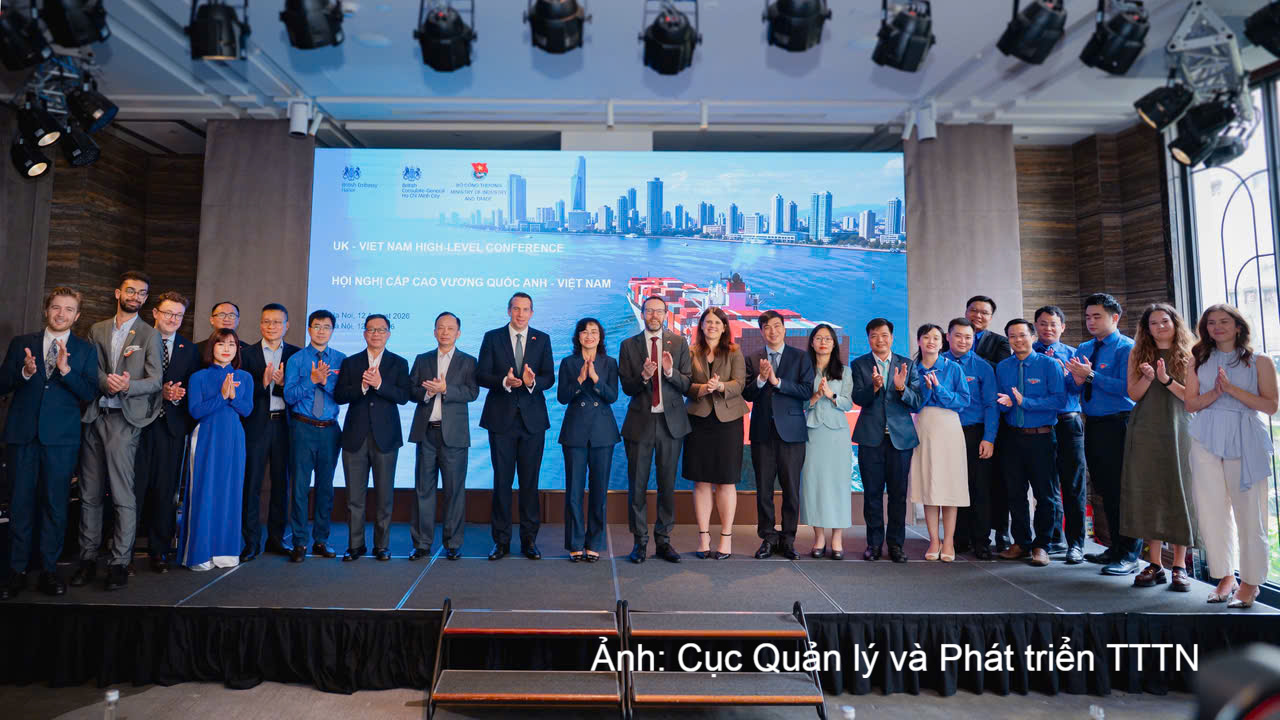
The 2026 UK - Viet Nam Summit was held in Ha Noi on August 12, focusing on fields that are creating new momentum for growth, including artificial intelligence (AI), financial technology, crypto assets, commodity derivatives markets and logistics.
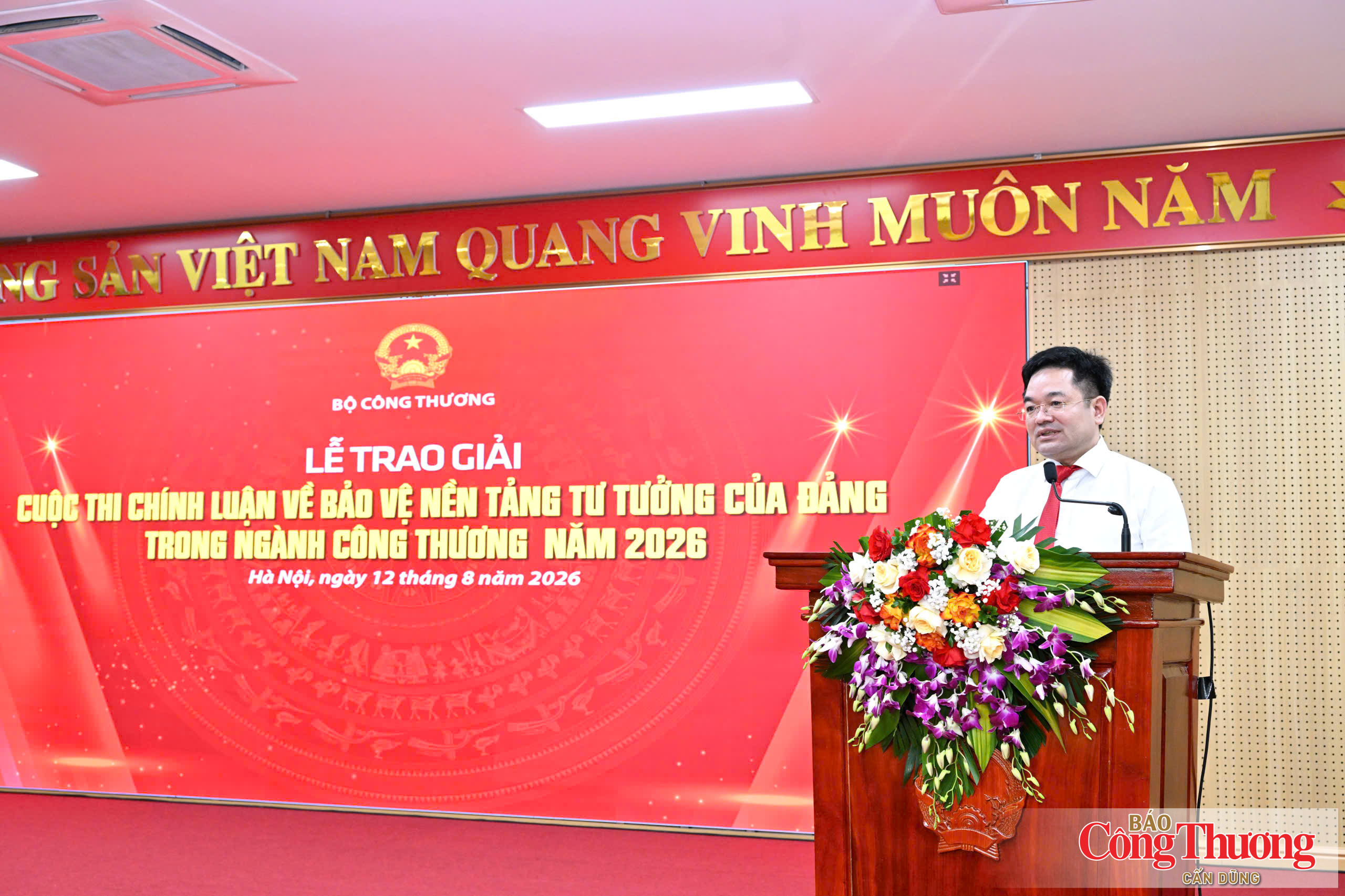
Editor-in-Chief of the Industry and Trade Newspaper Nguyen Van Minh said distorted narratives are defeated by counterarguments and undeniable realities when Party members perform their duties well too.
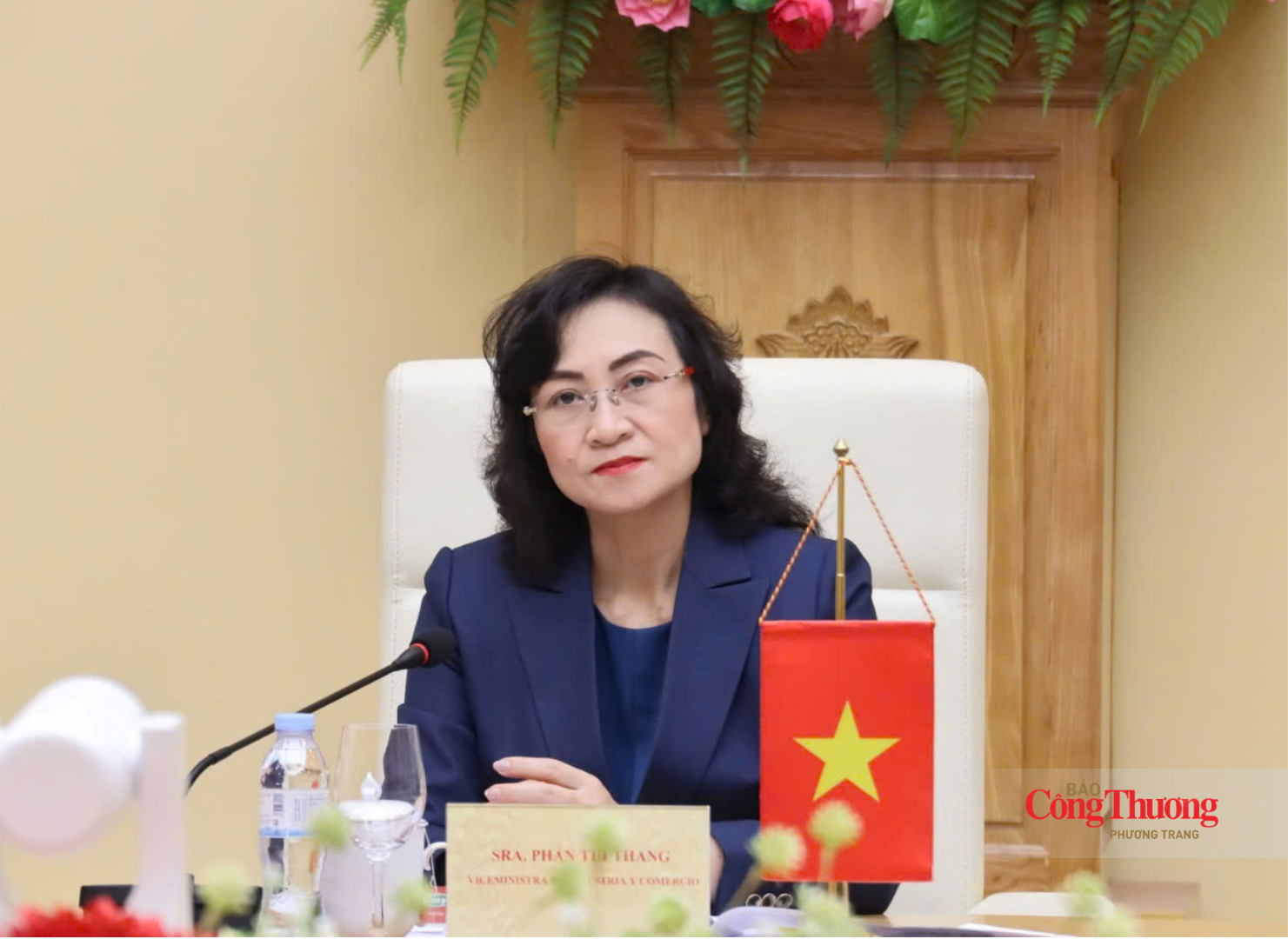
On August 12, Deputy Minister of Industry and Trade Phan Thi Thang held an online working session with Andrea Corao Faria, Venezuela's Deputy Minister for Asia, the Middle East and Oceania at the Ministry of Foreign Affairs and Foreign Trade.
Viet Nam and Australia are deepening energy and minerals cooperation strengthening supply chains, investment and support for the energy transition in both countries.
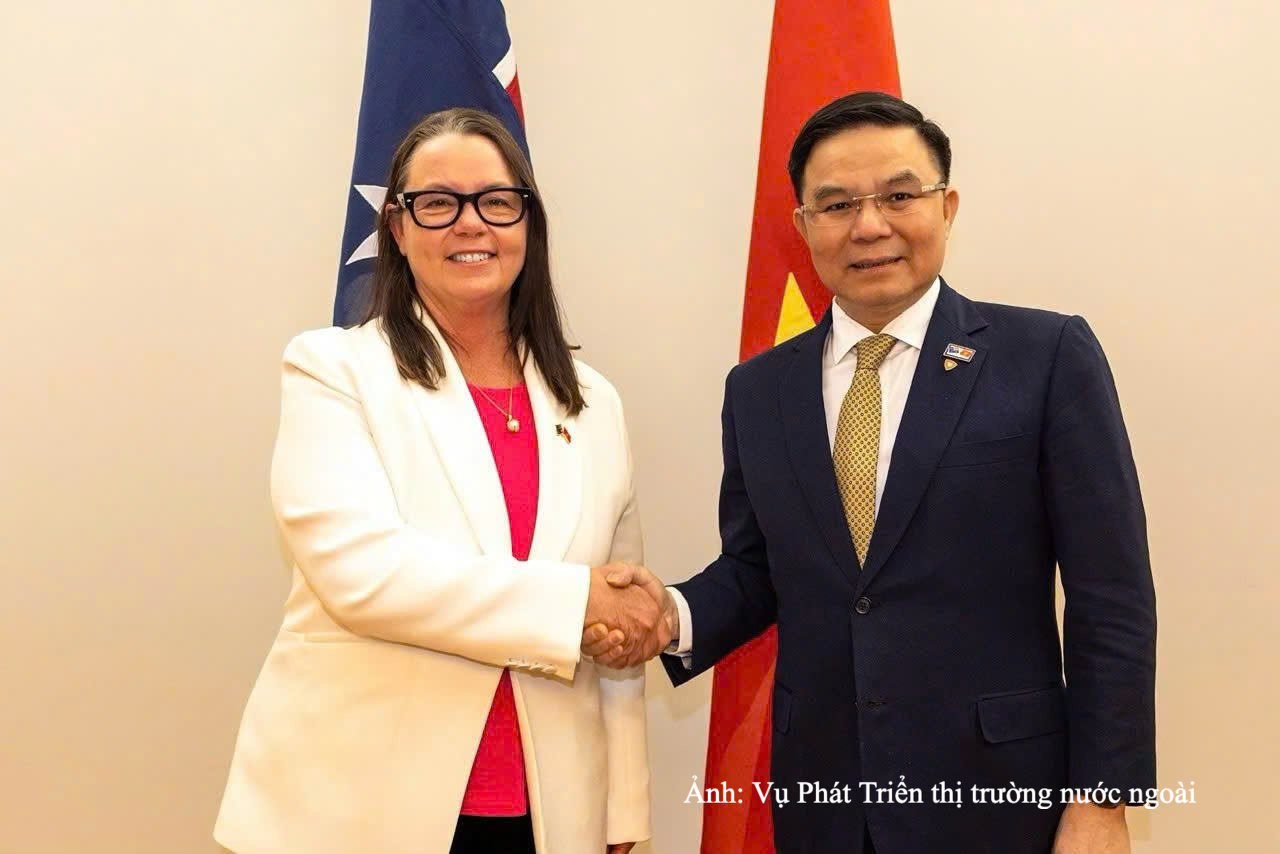
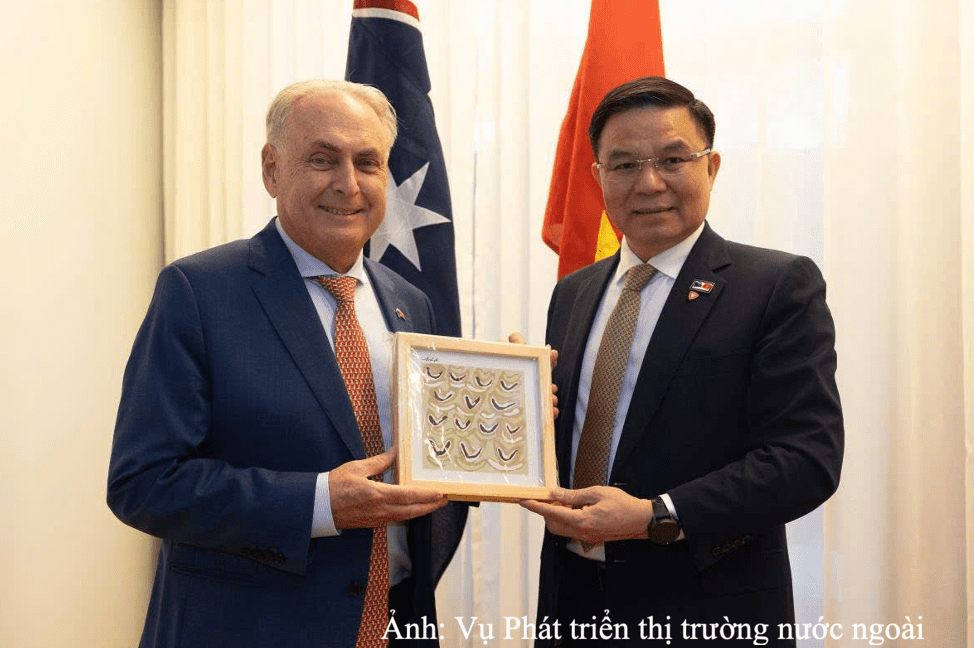
During his working trip accompanying Party General Secretary and State President To Lam on a State visit to Australia, Minister of Industry and Trade Le Manh Hung held a bilateral meeting with Australian Minister for Trade and Tourism Don Farrell in Canberra on August 11 (local time), to discuss measures to promote economic and trade relations between the two countries.
Viet Nam’s manufacturing industry must move beyond processing and assembly, master technology, raise localization and generate higher value across production chains.
KCN Vietnam has broken ground on its 21.9-hectare Song Than 3 project in Ho Chi Minh City, adding over 130,000 sqm of LEED-standard industrial space to the market.
MoIT leader Le Manh Hung clarified major issues in the revised Petroleum Law, including decentralisation, investment incentives, CCS and offshore energy development.
The Netherlands offers strong opportunities for Vietnamese firms to enter manufacturing supply chains, but meeting strict market standards remains a major challenge.
As Vietnam advances its energy transition, battery energy storage systems (BESS) are emerging as a key solution for enhancing grid flexibility, increasing the integration of renewable energy and strengthening energy security.