Experts introduced new policies and energy-efficient technologies at a Hanoi seminar, highlighting practical solutions to support sustainable industrial growth.
At the seminar “Energy Efficiency: Driving Change Through Policy and Technology,” a broad range of innovative technologies and practical solutions for improving energy efficiency were introduced, highlighting how policy and technological innovation can work together to accelerate Vietnam’s green transition.
Laying the foundation for sustainable growth
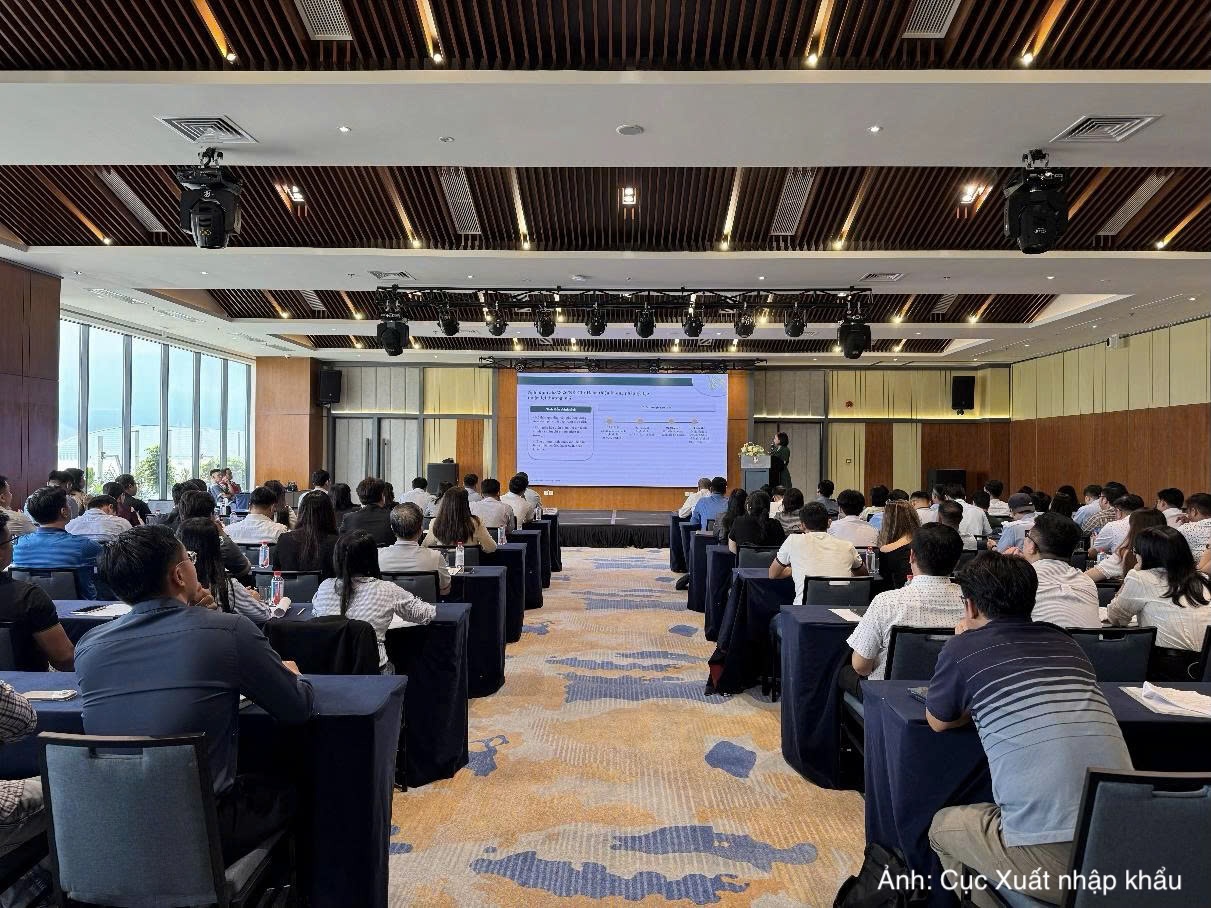
On the afternoon of June 29 in Hanoi, the Agency for Innovation, Green Transition and Industry Promotion under the Ministry of Industry and Trade hosted the seminar “Energy Efficiency: Driving Change Through Policy and Technology.” The event formed part of a series of activities organized by the Vietnam Energy Efficiency Communityunder the Vietnam National Energy Efficiency Programme for the 2019 - 2030 period (VNEEP3).
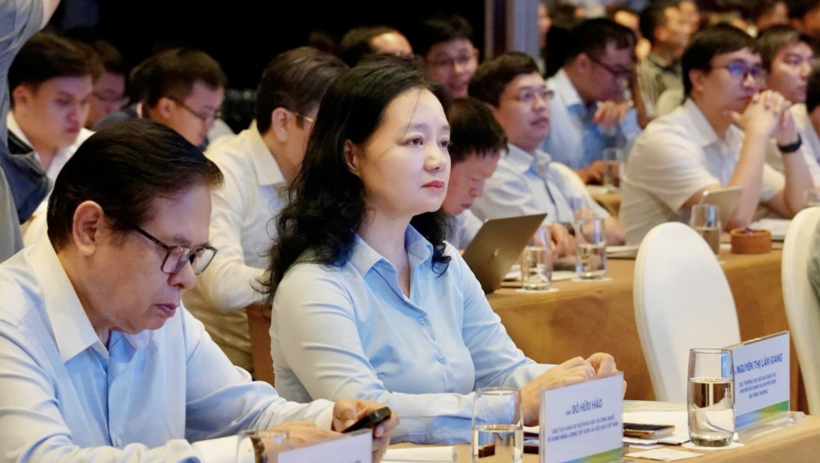
Nguyen Thi Lam Giang, Director of the Agency for Innovation, Green Transition and Industry Promotion, attended the seminar. Photo: NH
The seminar aimed to update participants on the Government’s latest policies while showcasing advanced technological solutions to improve energy efficiency in industrial production and business operations. Attendees included representatives of government agencies, provincial Departments of Industry and Trade, energy conservation centers across northern Vietnam, professional associations, experts in energy efficiency, industrial enterprises, industrial park operators, and manufacturing facilities.
According to Nguyen Thi Lam Giang, Director of the Agency for Innovation, Green Transition and Industry Promotion, the seminar served as a platform for businesses, experts, and policymakers to exchange views on policies, legal documents, and regulatory frameworks that promote the economical and efficient use of energy. It also strengthened the Vietnam Energy Efficiency Community by facilitating the sharing of successful models and practical solutions that can be replicated across industries.
Speaking at the seminar, Ha Dang Son from the Center for Energy Research and Green Growth reviewed Vietnam’s policy framework and legal regulations supporting energy efficiency. He noted that Vietnam has established a comprehensive legal system comprising laws, government decrees, and ministerial circulars, providing an important legal foundation for implementing energy-saving measures across manufacturing, commercial activities, and daily life.
Vietnam enacted the Law on Economical and Efficient Use of Energy in 2010. In 2025, the National Assembly adopted Law No. 77/2025/QH15, amending and supplementing the original legislation. One of the law’s most significant features is the introduction of five major reform pillars aimed at strengthening state management, enhancing the accountability of designated key energy users, promoting technological innovation, and expanding implementation support mechanisms.
Among these reforms, the introduction of green finance mechanisms stands out as a major step forward. The new provisions are expected to provide businesses with greater access to financial resources for investing in modern equipment, advanced technologies, and energy management solutions. In turn, enterprises will be better positioned to reduce energy consumption, lower production costs, cut greenhouse gas emissions, and improve their competitiveness.
Experts at the seminar emphasized that as energy demand continues to grow while concerns over energy security and greenhouse gas emissions become increasingly pressing, improving energy efficiency should no longer be regarded merely as a short-term solution. Rather, it has become one of the fundamental pillars of green growth, enhancing business competitiveness and supporting long-term sustainable development.
Vietnam’s energy efficiency policies also require businesses to move beyond basic regulatory compliance. Enterprises are expected to proactively assess their energy consumption, develop energy-saving plans, conduct mandatory energy audits where applicable, and comply with regulations on energy labeling and minimum energy performance standards. These efforts will also enable businesses to access government support programmes, green financing opportunities, and gradually transition towards more efficient and sustainable production models.
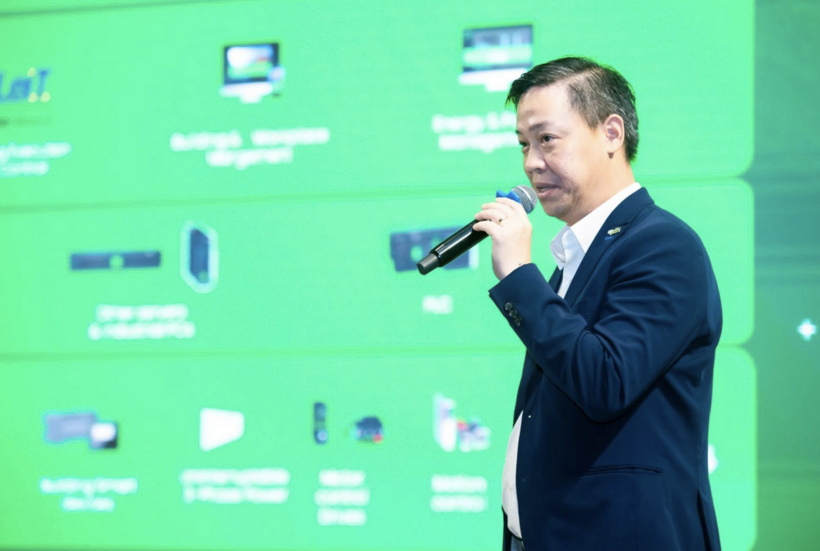
Thai Hoang Quynh, Deputy Director of the Energy Management Business at Schneider Electric Vietnam and Cambodia, speaks at the seminar. Photo: VH
Technology solutions to enhance business competitiveness
Experts noted that major export markets, including the US and Europe, are introducing increasingly stringent requirements related to green standards and sustainable development. Companies seeking to export to these markets will therefore need to comply with new sustainability requirements, with energy efficiency becoming one of the key criteria.
Against this backdrop, a number of businesses presented advanced technologies designed to help manufacturing facilities, industrial parks, and commercial buildings improve energy performance, reduce greenhouse gas emissions, and optimize operating costs.
Addressing the seminar, Doan Thi Ha, Deputy Director of Industry Automation at Schneider Electric Vietnam, said Vietnam has attracted increasing investment in sectors such as electronics and semiconductors in recent years. While this represents a positive development, it also presents a significant challenge: enabling businesses to increase production while making their operations more sustainable.
Meanwhile, Thai Hoang Quynh, Deputy Director of the Energy Management Business at Schneider Electric Vietnam and Cambodia, highlighted three major global trends shaping today's business environment: the commitment to achieve net-zero emissions by 2050, the rapid expansion of artificial intelligence with more than 50 billion connected devices, and the ongoing restructuring of global supply chains, which is creating new opportunities for Vietnam.
To address these trends, Schneider Electric introduced its three-layer EcoStruxure platform, designed to help enterprises operate electrical systems more efficiently, reduce greenhouse gas emissions, and strengthen their participation in global value chains.
The company has also developed a comprehensive portfolio of products based on the EcoStruxure architecture, an Internet of Things (IoT)-enabled platform that integrates connected devices, edge control, and real-time data analytics. These solutions enable customers to better monitor infrastructure, optimize energy performance, reduce CO₂ emissions, and make data-driven operational decisions.
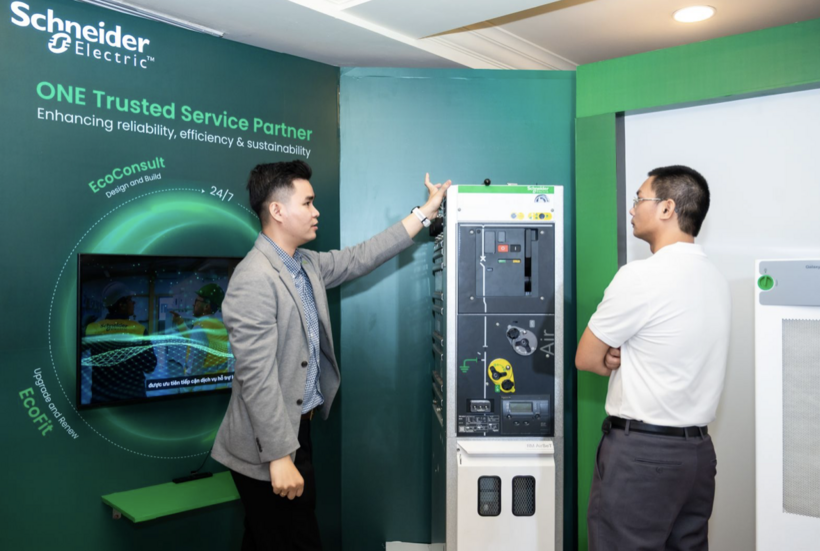
Schneider Electric Vietnam's exhibition booth at the seminar. Photo: Nguyen Hoa
Alongside Schneider Electric, Daikin presented a paper entitled “AI Applications: Optimizing Operations and Improving Energy Efficiency,” introducing artificial intelligence-powered solutions for optimizing the operation of commercial buildings equipped with Variable Refrigerant Volume (VRV) systems in support of the net-zero emissions target by 2050.
According to experts, many of the advanced technologies presented at the seminar have applications extending well beyond industrial production and commercial operations. They also hold considerable potential for wider adoption in everyday life, contributing to improved living standards, accelerating the green transition, and advancing sustainable development.
Through the seminar, the organizers hope to raise awareness, encourage the adoption of advanced technologies, promote successful models of energy-efficient practices, and generate stronger momentum for Vietnam’s green transition, contributing to the country's sustainable development objectives and its commitments to reducing greenhouse gas emissions.
Following the Hanoi event, the next seminar under the Vietnam Energy Efficiency Community initiative will be held in Ho Chi Minh City in mid-July 2026.
Throughout 2026, under the framework of the Vietnam Energy Efficiency Community, the Ministry of Industry and Trade will organize 10 thematic seminars across northern, central, and southern Vietnam. The series will provide a platform for government agencies, experts, businesses, and organizations in the energy sector to exchange experience, share technological advances, and promote practical solutions for improving energy efficiency nationwide.
On October 13, the Agency of Foreign Trade under the Ministry of Industry and Trade (MoIT) held a conference in Dong Thap province to disseminate Government Decree No.365/2026/ND-CP dated September 23, 2026, on rice export and import business, and Circular No.65/2026/TT-BCT dated October 1, 2026, issued by the Minister of Industry and Trade, detailing certain provisions and measures for implementing Decree No.365/2026/ND-CP.
On October 13, Deputy Minister of Industry and Trade Luong Hoang Thai held a working session with MEDEF International, a French business organization, and representatives of French corporations operating in various sectors, including energy, industry, transport, construction and infrastructure development, food and beverages, and services, at the Ministry of Industry and Trade's headquarters.
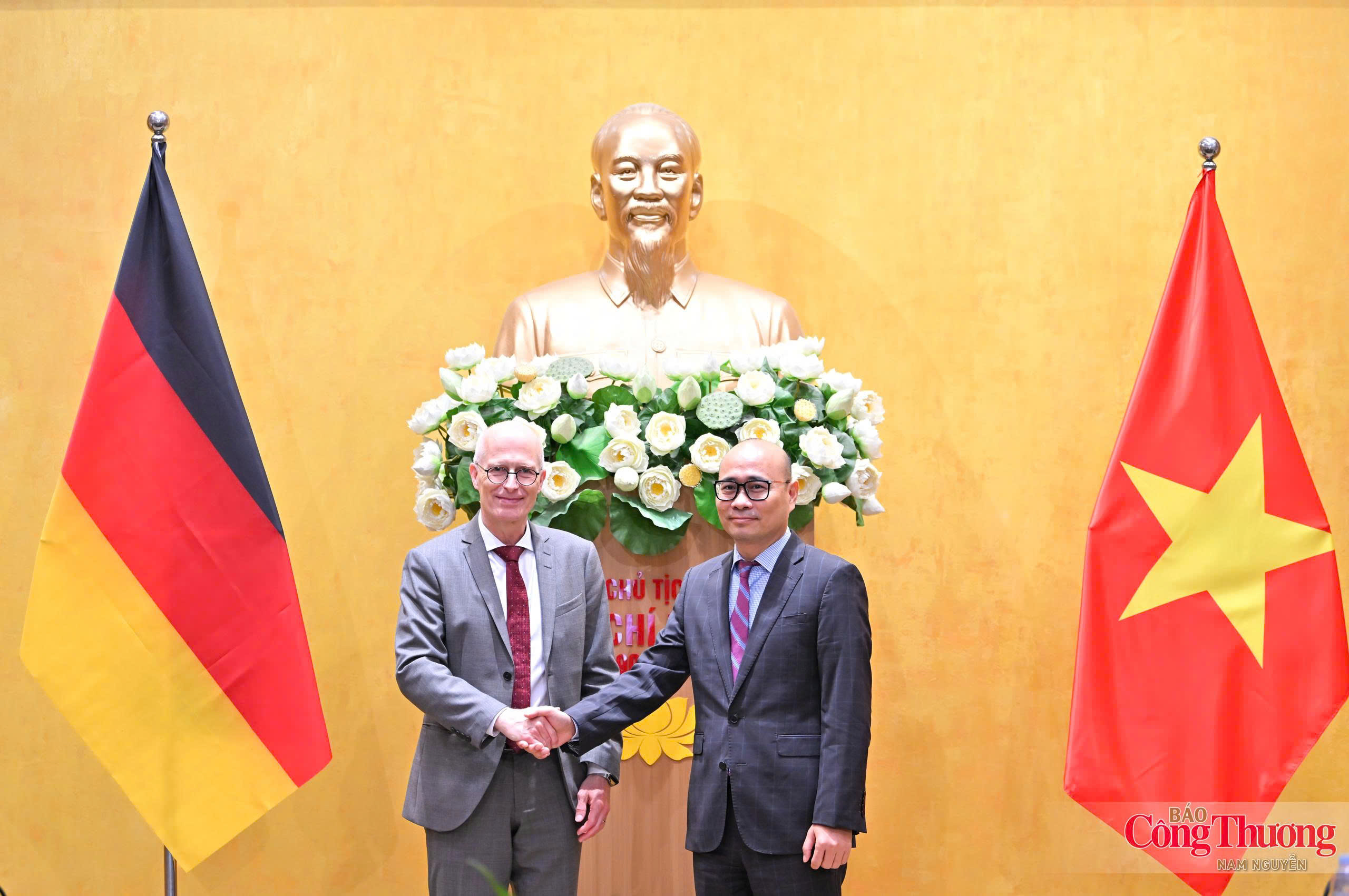
On October 14, Deputy Minister of Industry and Trade Luong Hoang Thai received and held a working session with a delegation from Hamburg, Germany, led by the city's First Mayor Peter Tschentscher at the Ministry of Industry and Trade's headquarters.
The Copyright Office is working closely with relevant agencies to develop plans for inspections and enforcement action against copyright and related rights infringements in the digital environment.
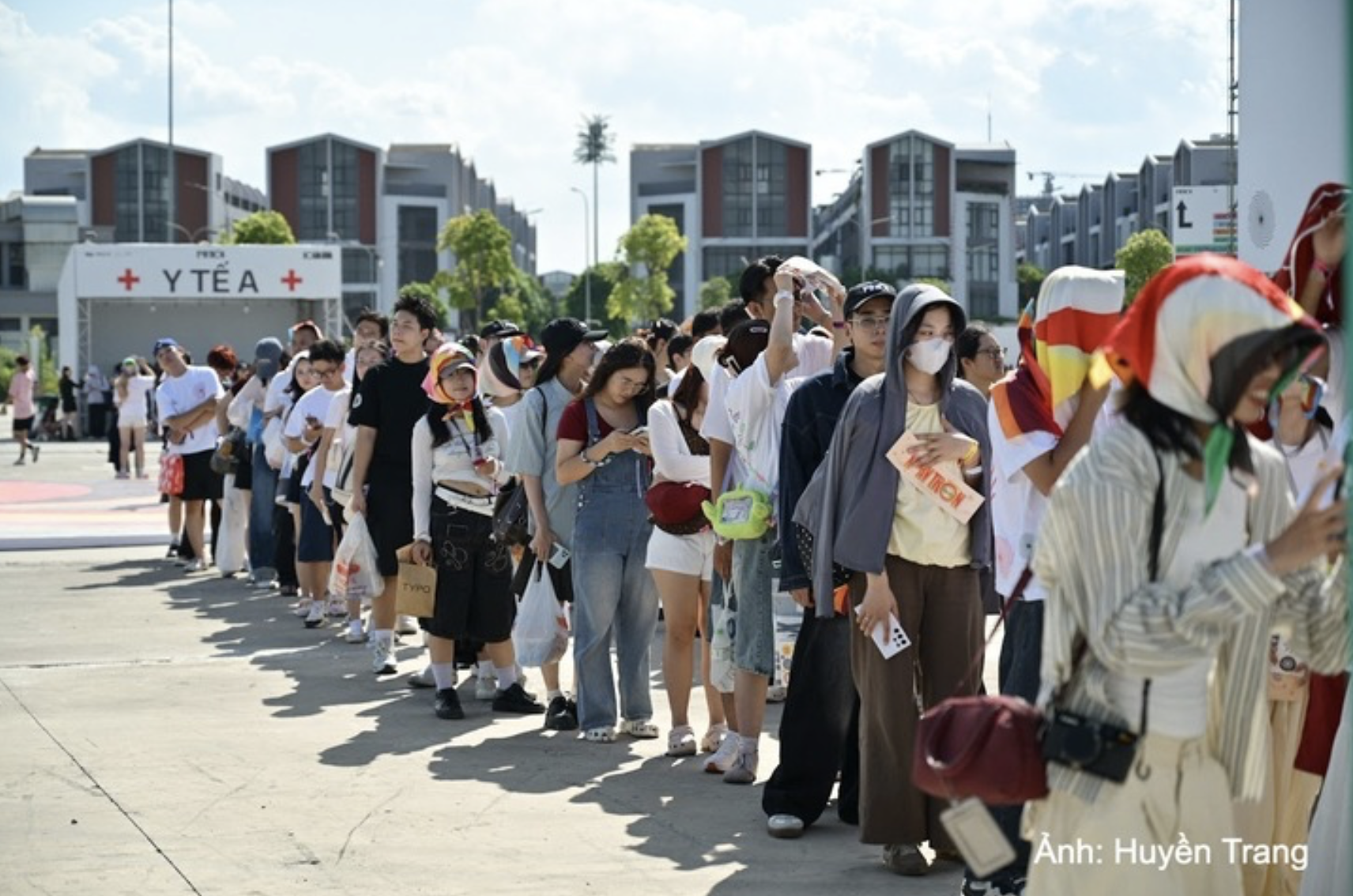
Viet Nam’s cultural industries are poised for growth as development targets become clearer, the digital content market expands and technology creates new ways.
The Vietnam Industry Agency under the Ministry of Industry and Trade and Samsung Vietnam continue to strengthen cooperation in developing supporting industries, enhancing the capabilities of domestic enterprises and expanding opportunities for their participation in global supply chains.
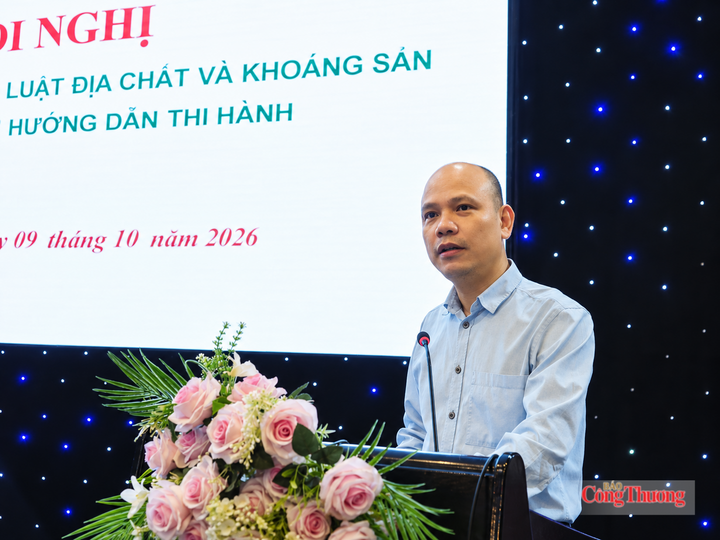
On October 9, the Viet Nam Department of Geology and Minerals, in coordination with the Thai Nguyen Department of Industry and Trade, held a conference in Thai Nguyen province to disseminate the Law on Geology and Minerals and its implementing regulations.
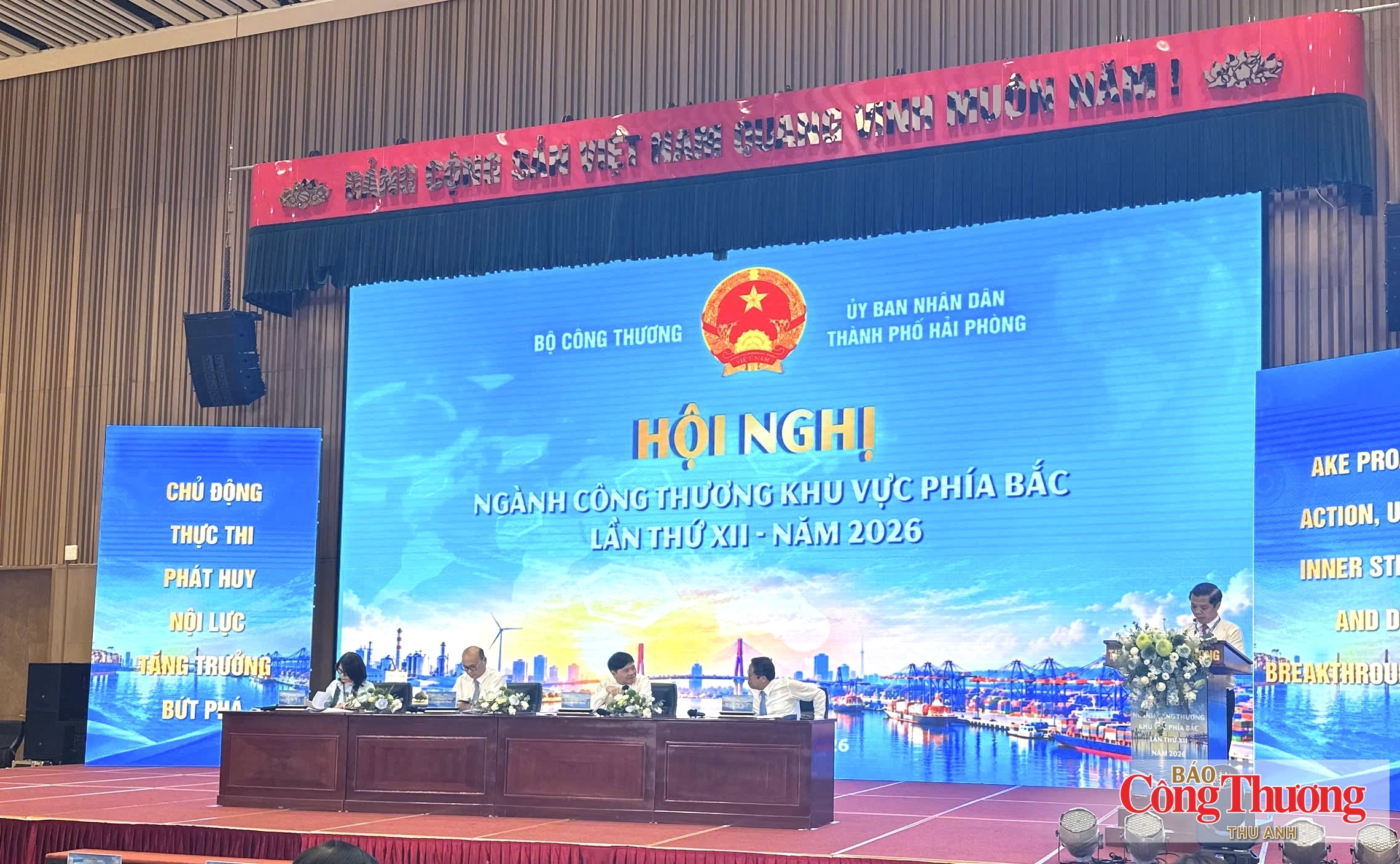
Northern localities are strengthening links in supporting industries, energy and logistics to build competitive value chains and create new growth drivers.
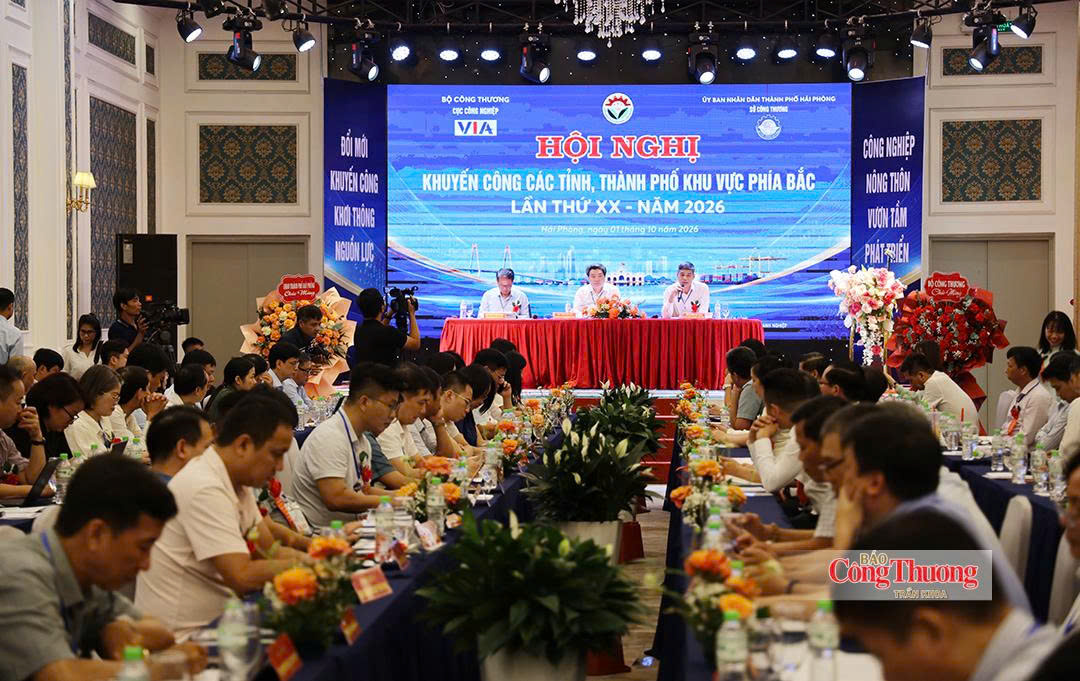
The 20th Industrial Promotion Conference for Northern Provinces and Cities in 2026 was held in Hai Phong City on October 1, with discussions focusing on renewing industrial promotion activities.
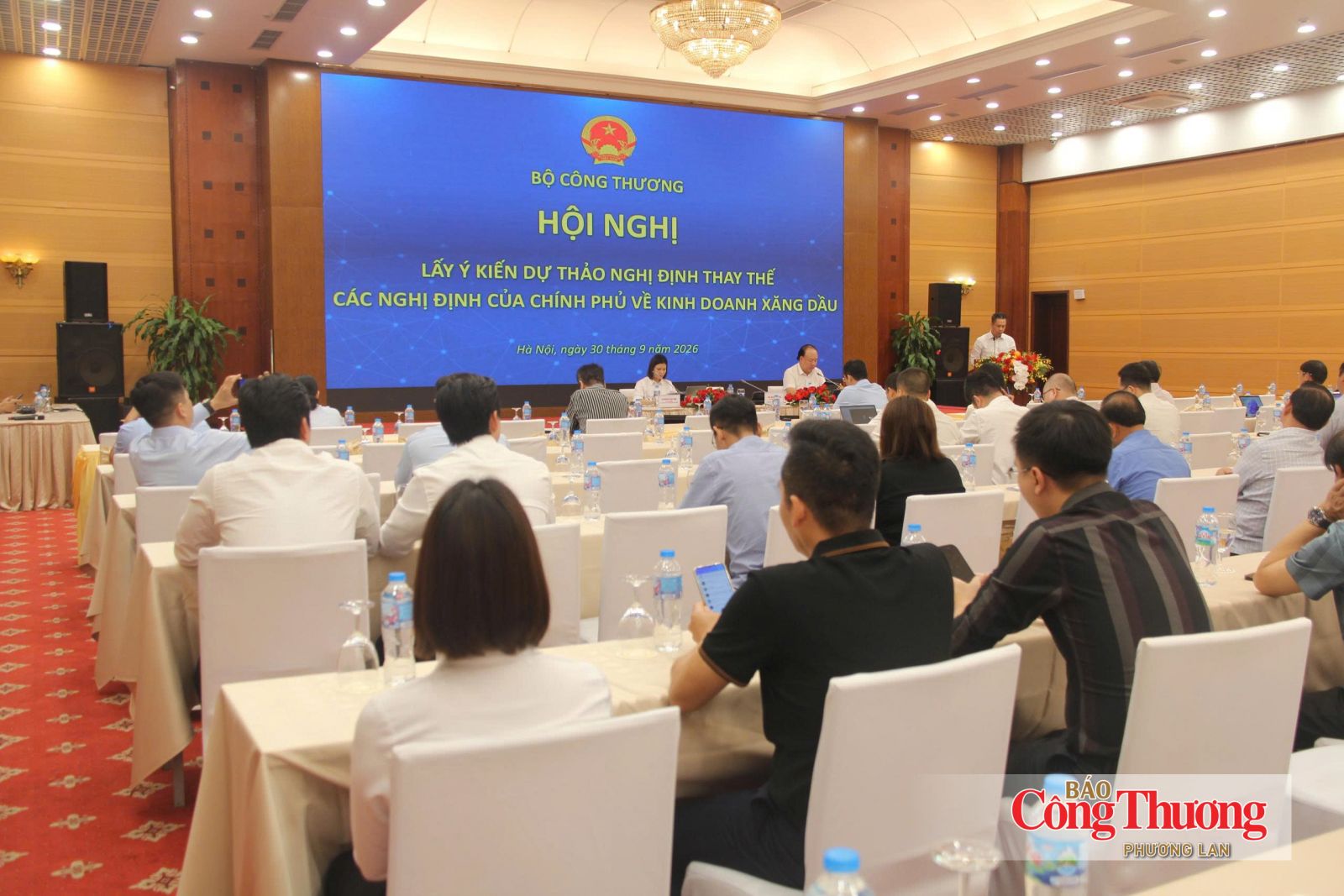
On September 30 in Ha Noi, the Ministry of Industry and Trade (MoIT) held a conference to gather broad feedback on a draft decree replacing the Government’s existing decrees on petroleum trading.