Facing the challenges of renewable energy transmission, CWEA suggests off-grid consumption approaches and opportunities for global supply chain cooperation.
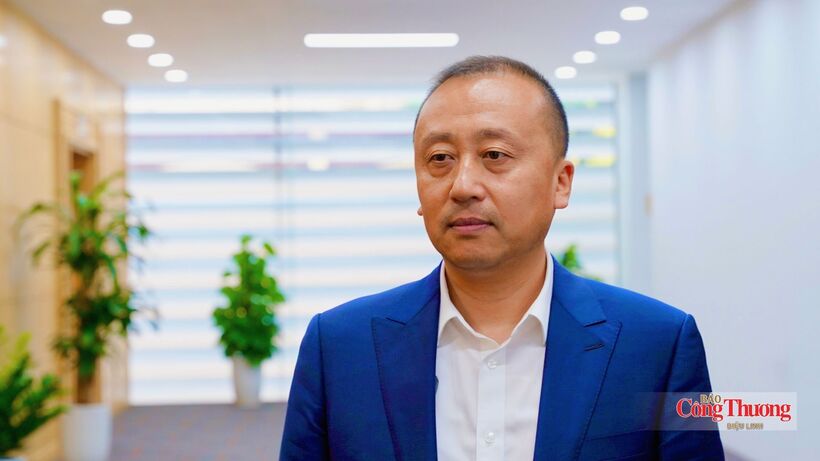
On the sidelines of the workshop "Promoting the Development of Renewable Energy Centers in Viet Nam," organized by the Ministry of Industry and Trade in collaboration with Deutsche Gesellschaft für Internationale Zusammenarbeit (GIZ) GmbH on September 8, a reporter from the Industry and Trade Newspaper interviewed Mr. Yu Guiyong, Director of the Department of Industry Research and International Cooperation at the Chinese Wind Energy Association (CWEA), regarding energy security alongside green transition and carbon emission reduction.
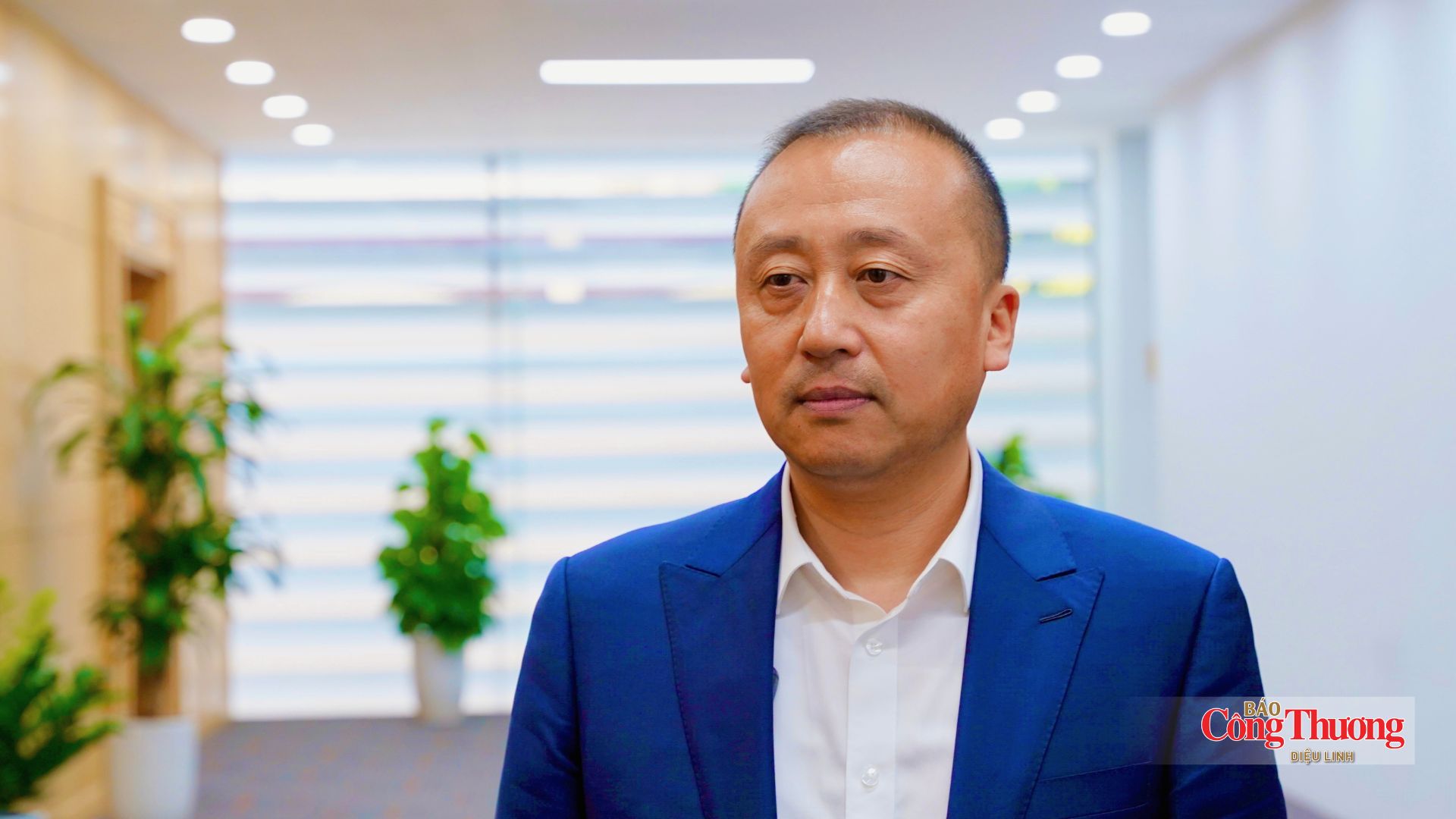
Mr. Yu Guiyong, Director of the Department of Industry Research and International Cooperation at the Chinese Wind Energy Association (CWEA).
Building a long-term policy framework
- From China's renewable energy development practice, in your opinion, what are the key lessons in planning and policy-making that countries in the region can learn from?
Mr. Yu Guiyong: From the perspective of Chinese enterprises, we have accumulated many good practices and drawn valuable lessons over years of implementation. First and foremost, careful planning, particularly establishing a stable supporting policy framework, is essential for the development of the wind power industry, both onshore and offshore.
Furthermore, practical experience shows that during the initial stage of implementation, investment planning by local governments was fragmented and scattered. Currently, we are shifting toward a development model based on industrial clusters. This model brings clear benefits in enhancing innovation capacity and strengthening internal cooperation within the clusters themselves.
Regarding early planning, especially for Viet Nam's offshore wind sector, the most crucial element is building a long-term and stable supporting policy framework. Alongside this is careful planning in investment attraction to avoid scattered and spread-out investments. Only then can a highly competitive, internationally standardized supply chain be formed to meet the requirements for sustainable and long-term development of the entire system.
- Integrating large-scale renewable energy into the power system often creates significant challenges regarding transmission and storage. How does China solve this problem?
Mr. Yu Guiyong: Today, connecting renewable energy sources to the national grid remains a major challenge for China. However, the core approach to solving this issue is recognizing that not all renewable energy must be fed directly into the national grid; instead, it can be utilized through various diverse methods.
Electricity is an enabling power source for all sectors, with applications ranging from industrial manufacturing and transportation to many other fields. Electricity is an energy transfer medium; we can convert electrical energy into green ammonia, green methanol, or use it to power computing data centers. In other words, electricity serves the production of green chemicals and green fuels, rather than merely generating power onto the grid. It is expected that in the next 5 years, by 2030, about half of the renewable energy in China may be consumed through these off-grid methods, meaning only about 50% of renewable electricity production will be transmitted to load centers, while the remainder will be consumed locally.
Optimizing systems with AI and selecting global partners
- How do you assess the role and impact of artificial intelligence (AI) on the energy system in the coming period?
Mr. Yu Guiyong: Artificial intelligence technology currently plays an extremely pivotal role in the entire power grid as well as the broader energy system. AI is increasingly integrated with wind turbine technology, power transmission, as well as dispatching and load-balancing techniques.
This integration significantly improves efficiency, reduces costs, and completely transforms system operations compared to the past, creating a more comprehensive integration. In particular, applying AI to power dispatch logic will directly reduce costs for the entire system.
- Based on the aforementioned experiences, what recommendations do you have for the development direction of Viet Nam's renewable energy sector?
Mr. Yu Guiyong: Based on our country's practices and lessons, I have several recommendations for Viet Nam. First, Viet Nam should place greater focus on early planning while creating a stable domestic market. This is the key factor in sustaining manufacturers, guaranteeing benefits for investors, and bolstering their confidence.
Second, Viet Nam needs to form industrial clusters with high cooperation, competitiveness, and resilience. To achieve this, we must select the best and most competitive enterprises from around the world—not only within Viet Nam or a single country, but on a global scale.
- Thank you very much, sir!
Energy transition requires a long-term vision along with a stable policy framework. Proactive early planning, forming linked industrial clusters, and diversifying renewable energy consumption methods will help optimize resources and resolve transmission challenges. At the same time, applying modern technology and expanding global cooperation are essential directions to ensure energy security and sustainable development.
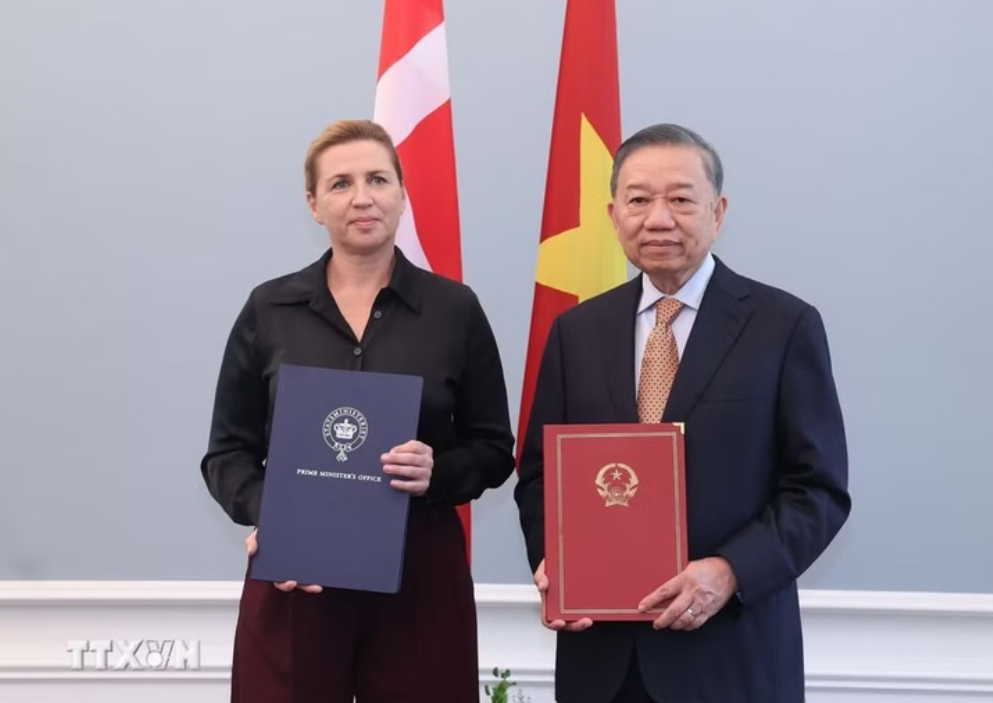
The Viet Nam Economic News respectfully presents the full text of the Joint Statement on the Establishment of a Comprehensive Strategic Partnership between Viet Nam and Denmark.
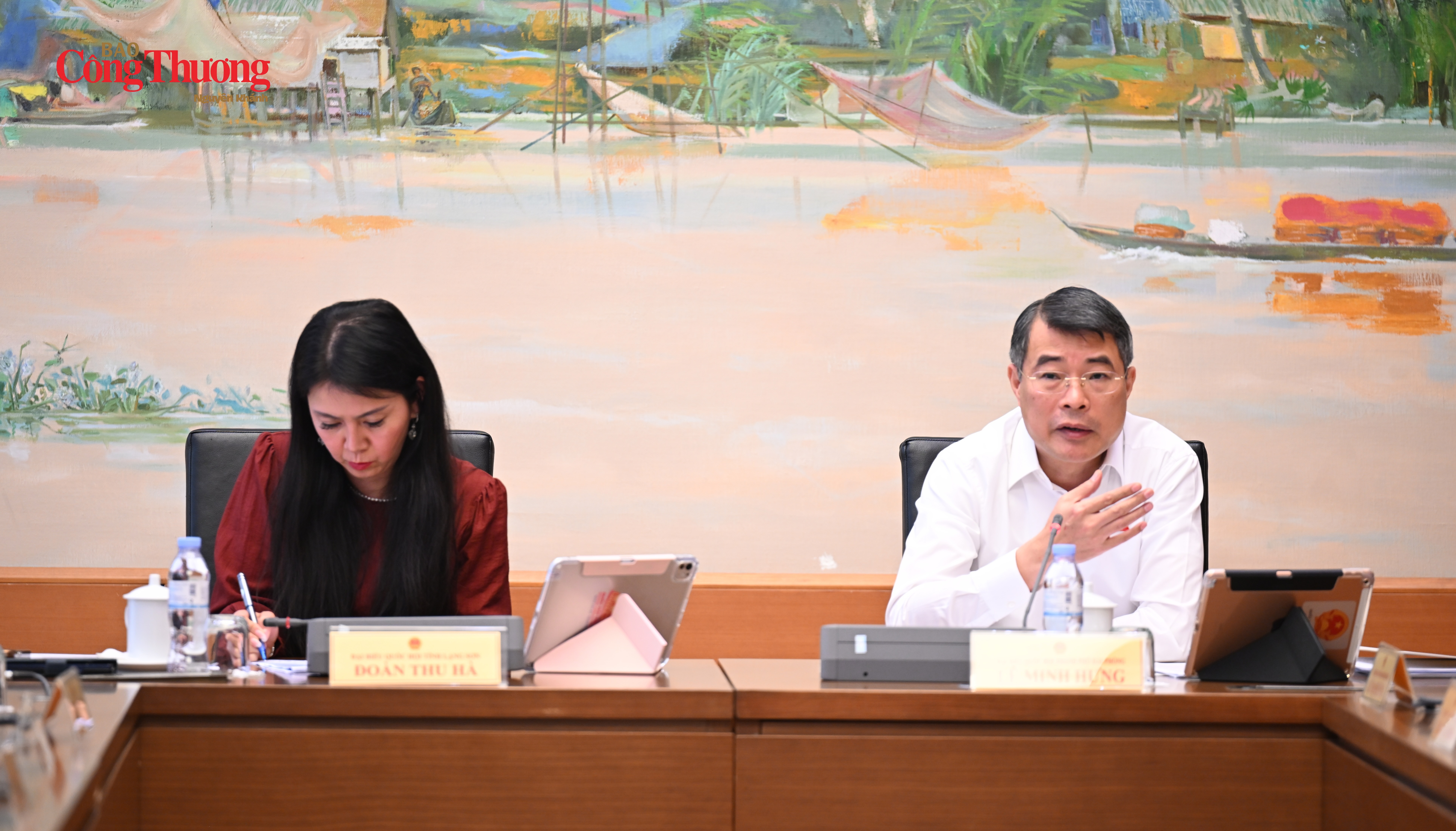
Prime Minister Le Minh Hung urged Electricity Law amendments to ensure consistency, balance state, public and investor interests, and mobilize resources.
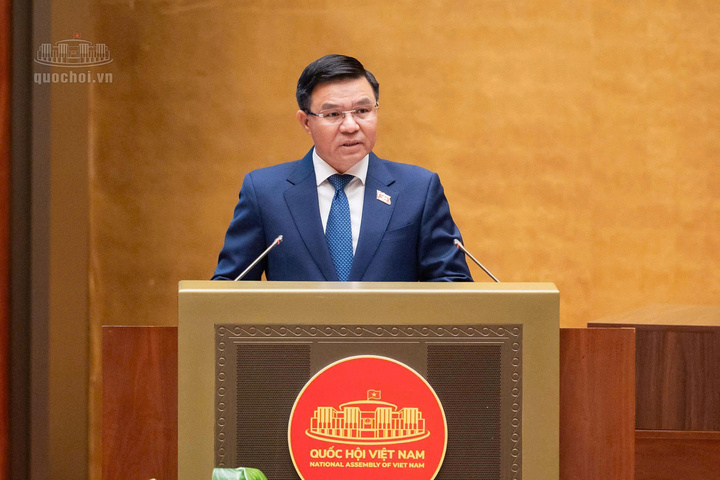
On October 20, at the second session of the 16th National Assembly, Minister of Industry and Trade Le Manh Hung presented the Government's submission on the draft Law amending and supplementing a number of articles of the Electricity Law.
Facing the challenges of renewable energy transmission, CWEA suggests off-grid consumption approaches and opportunities for global supply chain cooperation.
In the seven months of 2026, industry, retail sales and imports and exports all posted strong growth. The Ministry of Industry and Trade (MoIT) continues to roll out solutions to contribute to achieving the double-digit growth target.
In the first six months of 2026, Viet Nam’s total merchandise import and export turnover reached USD 549.69 billion, up 27.1% year on year. Exports increased by 21%, while imports rose by 33.4%. The country recorded a merchandise trade deficit of USD 16.65 billion. These figures underscore Viet Nam’s determination to further expand the presence of Vietnamese goods and brands in international markets.
Moonfolks has officially entered the Vietnamese market, aiming to connect the country’s rapidly growing digital economy with broader opportunities across Southeast Asia and support Vietnamese businesses in expanding internationally.