The draft Law on Derivatives Trading in Commodities aims to establish a legal framework enabling businesses and producers to hedge against price risks and gradually establish benchmark prices for Vietnamese commodities.
Draft law comprises 8 chapters and 57 articles
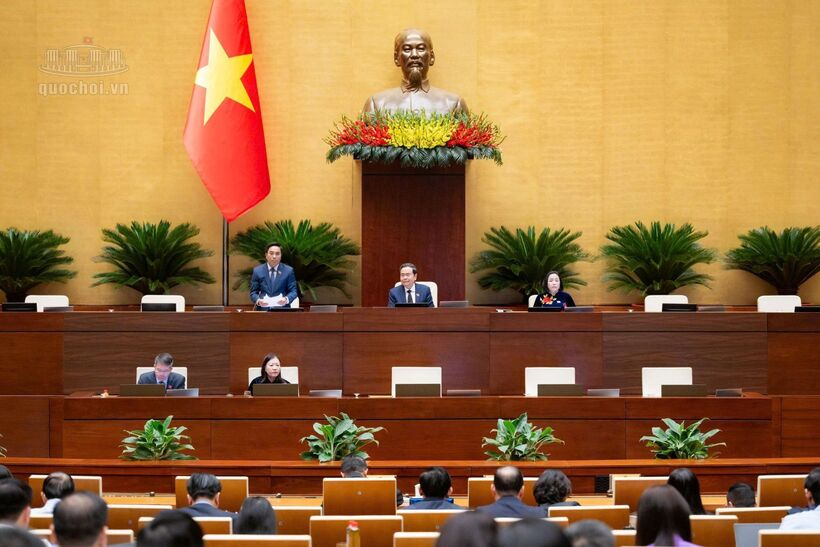
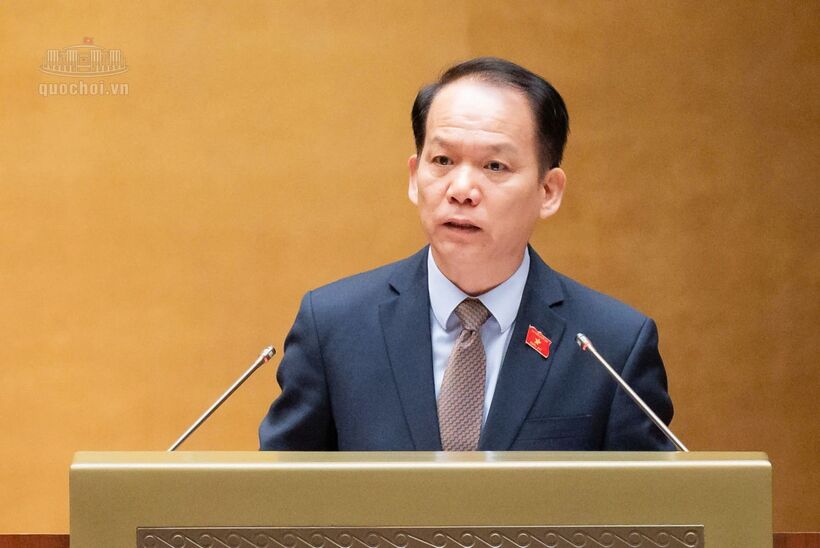
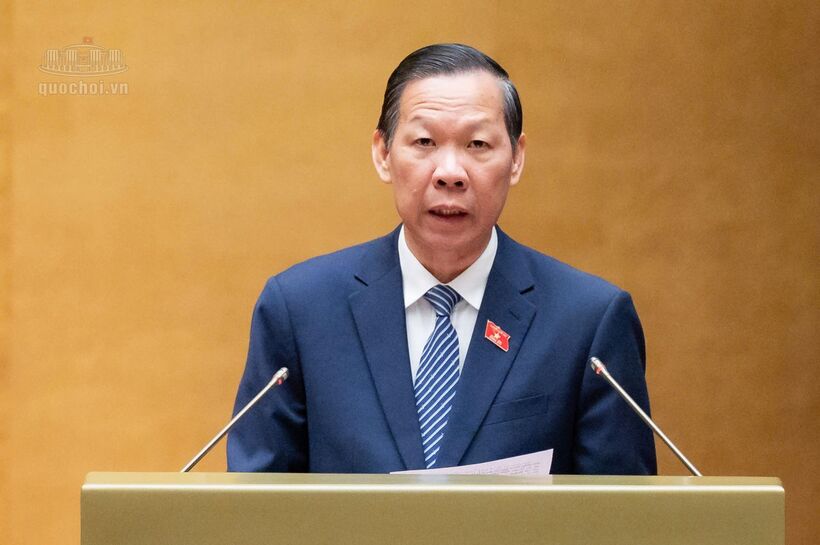
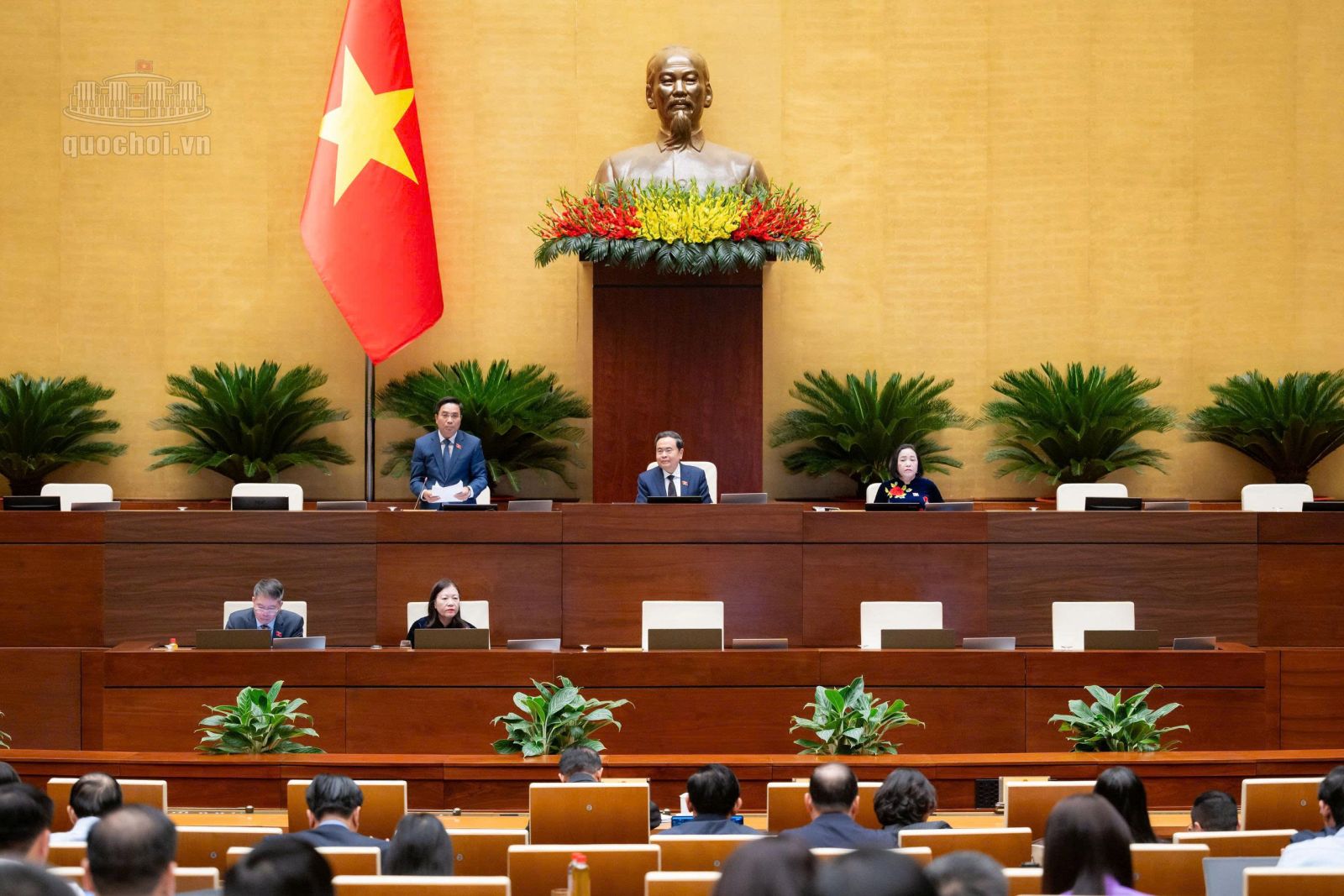
On the morning of November 11, continuing the second session of the 16th National Assembly, Minister of Justice Hoang Thanh Tung, acting under the Prime Minister’s authorization, presented the Government’s submission on the draft Law on Derivatives Trading in Commodities. Phan Van Mai, Chairman of the National Assembly’s Committee for Economic and Financial Affairs, presented the committee’s appraisal report on the draft Law.
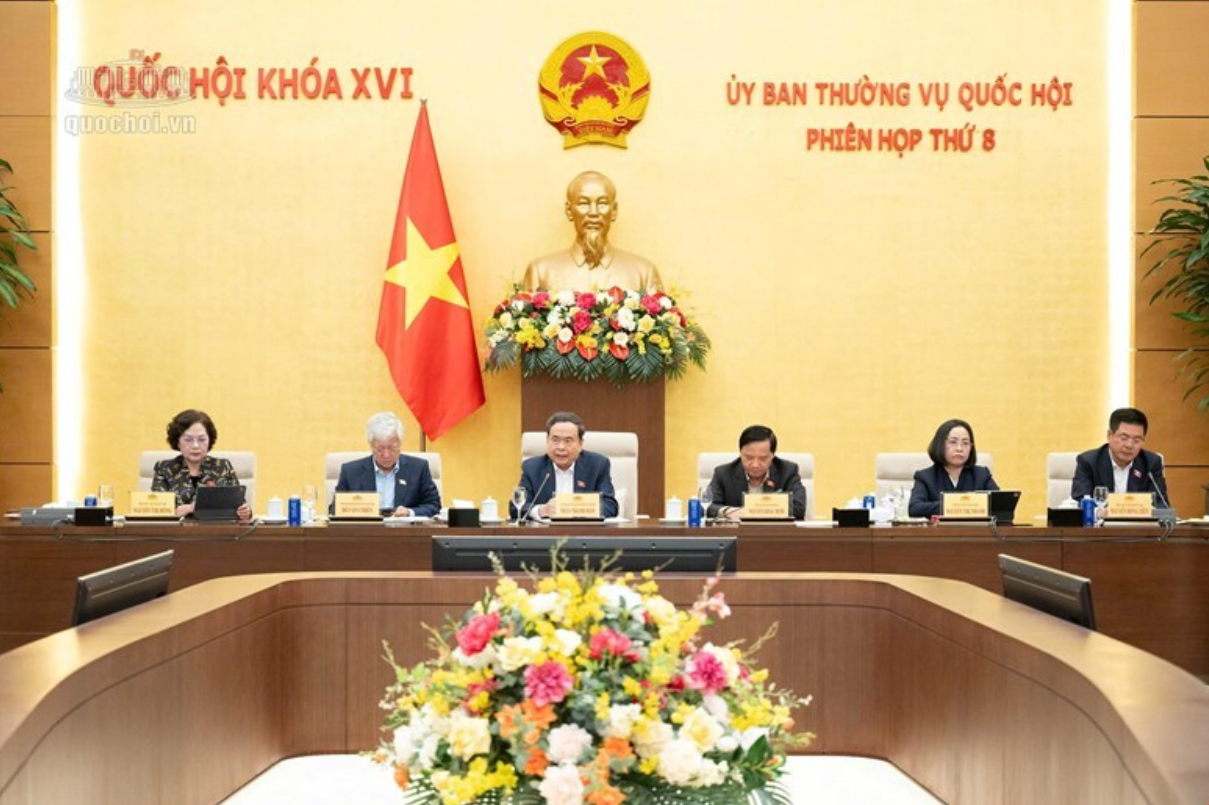
The National Assembly listens to the Government’s submission on the draft Law on Derivatives Trading in Commodities.
Minister of Justice Hoang Thanh Tung outlined three main areas in the Government’s submission. First, regarding the necessity and objectives of drafting the Law, its development aims to institutionalize the Party’s policies on improving the socialist-oriented market economy, developing markets in a coordinated manner and proactively integrating into the international economy. It also seeks to establish a comprehensive and consistent legal framework for derivatives trading in commodities in Viet Nam.
Globally, commodity derivatives markets have grown strongly and serve as important tools enabling businesses to hedge against price fluctuations and proactively plan their production and business activities. In 2025, the global trading volume of listed derivatives reached 119.29 billion contracts, of which commodity derivatives accounted for approximately 10.5 billion contracts.
Minister of Justice Hoang Thanh Tung presents the Government’s submission on the draft Law on Derivatives Trading in Commodities, acting under the Prime Minister’s authorization.
Viet Nam has strengths in producing and exporting a range of key agricultural commodities, including coffee, rice, pepper and cashew nuts. Its merchandise export turnover reached nearly USD 500 billion in 2025. However, derivatives trading remains primarily linked to foreign exchanges. Products based on Viet Nam’s domestic commodity strengths remain limited, and the country has yet to fully realize its potential to participate in establishing international benchmark prices.
The Scheme for Developing the Commodity Derivatives Trading Market for 2026 - 2030, with a vision to 2045, sets a target of bringing 10 domestically produced commodities into trading by 2030, establishing benchmark prices for three to five commodities, and reaching a trading volume of 8–10 million contracts annually.
To achieve these objectives, the Government considers the promulgation of the Law on Derivatives Trading in Commodities necessary to establish a comprehensive legal framework covering market organization, trading infrastructure, clearing and settlement, and risk management. The framework is expected to ensure system safety, prevent market manipulation, protect investors, promote the listing of Vietnamese commodities, gradually establish benchmark prices and strengthen connections with international markets.
Second, regarding its key provisions, the draft Law comprises 8 chapters and 57 articles, focusing on five major areas.
First, it defines the scope of regulation to cover centrally traded derivatives through commodity exchanges and over-the-counter (OTC) derivatives trading, while clearly distinguishing these activities from spot transactions in physical commodities and derivatives products governed by sector-specific regulations.
Second, it promotes market development based on Viet Nam’s commodity strengths, creating conditions for businesses, cooperatives and producers to proactively hedge against price risks.
Third, it improves market organization, trading infrastructure and settlement arrangements, while stipulating the conditions for establishment, organizational models, and the rights and obligations of commodity exchanges, clearing houses and their members.
Fourth, it strengthens participant protection and risk management through information disclosure, transaction monitoring, position limits, margin requirements, settlement guarantees, protection of customer assets and the handling of violations.
Fifth, it clarifies state management responsibilities and coordination mechanisms, while providing for connections with foreign markets, cross-border settlement, and data management and protection.
Third, regarding socioeconomic impacts and contribution to growth targets, the Government believes that, if effectively organized and managed, the commodity derivatives market will complement the physical commodities market and improve price forecasting capabilities, helping businesses and producers proactively hedge against risks.
The market will also create favorable conditions for the development of trading, payment, warehousing, logistics and trade support services, attract investment, increase the value and standing of Vietnamese commodities, and contribute to economic growth.
Committee supports the necessity of promulgating the Law
Presenting the appraisal report, Phan Van Mai, Chairman of the National Assembly’s Committee for Economic and Financial Affairs, said the committee agreed on the necessity of studying and drafting the Law. The draft Law dossier basically meets the applicable requirements. However, the committee called for further review and refinement to ensure consistency with the Party’s policies and viewpoints, constitutionality and legality, coherence with the legal system, and compatibility with relevant international treaties.
Phan Van Mai, Chairman of the National Assembly’s Committee for Economic and Financial Affairs, presents the appraisal report.
The Committee for Economic and Financial Affairs called for further refinement of policies to develop the market in line with the objectives of risk prevention, investor protection and systemic risk management. Market participants should operate on a voluntary basis, without administrative intervention by the State. The appraisal body also proposed studying policies to develop standardized and listed derivatives products based on commodities in which Viet Nam has strengths, with a view to connecting them to international markets and enabling market makers, investors and international buyers to access the market.
Regarding commodity exchanges and clearing houses, the committee proposed making maximum use of existing institutions and infrastructure in the financial market to ensure the safe and efficient operation of the commodity derivatives market. It also emphasized the need to ensure fair and stable governance, maintain the independence of the two institutions, and select an optimal ownership model suited to Viet Nam’s conditions during the market’s initial stage of development.
Regarding investor protection, the appraisal body proposed ensuring that protection mechanisms are appropriate to the risk levels of products and the ability of different investor groups to identify and bear risks. It also called for the separate and secure management of customers’ money, margin assets and other interests.
For state-owned enterprises, the draft Law should protect individuals who act for the proper purposes, within their authority and in compliance with regulations. For credit institutions, the framework should ensure that their existing lawful operations are not disrupted.
Regarding risk management and system safety, the committee proposed establishing mechanisms for addressing risks swiftly and decisively to protect the system and prevent cascading effects, while maintaining sufficiently stringent safeguards for investors’ lawful property rights. The market should have mechanisms to deal with abnormal situations, including cases in which a member becomes unable to meet its payment obligations, without triggering systemic risks.
To further refine the draft Law, the Committee for Economic and Financial Affairs called on National Assembly deputies to focus their discussions on the following issues: the scope of regulation and applicable entities; the state management model for commodities and the commodity derivatives market; market development policies; market organization and trading and settlement infrastructure; cross-border market connectivity; and risk management and system safety.
Throughout November 2026, customers purchasing the All New ZS and MG GT can benefit from fuel cost support or a 50% reduction in registration fees, with incentives worth up to VND 29 million.
The draft Law on Derivatives Trading in Commodities aims to establish a legal framework enabling businesses and producers to hedge against price risks and gradually establish benchmark prices for Vietnamese commodities.
Deputy Minister Nguyen Viet Son held a meeting with relevant agencies on ensuring petroleum supply and stabilizing the market in the final months of 2026 and discussed plans for 2027.
Viet Nam wants deeper ties with Japan and continued cooperation between the two Parties and countries, General Secretary of the Communist Party of Viet Nam (CPV) Central Committee and State President To Lam said.
Viet Nam wants deeper ties with Japan and continued cooperation between the two Parties and countries, General Secretary of the Communist Party of Viet Nam (CPV) Central Committee and State President To Lam said.
Vietnam and Japan should focus on four cooperation priorities, including strengthening political trust through regular exchanges and meetings across Party, State and parliamentary channels; promoting economic cooperation and connectivity while ensuring economic security; expanding collaboration in innovation, space technology and high-tech agriculture; and enhancing the effectiveness of cooperation between localities of the two countries.
During his tenure as head of the Vietnamese Government, former PM Pham Minh Chinh made dedicated contributions to elevating Japan – Viet Nam relations to a Comprehensive Strategic Partnership for Peace and Prosperity in Asia and the World in 2023.
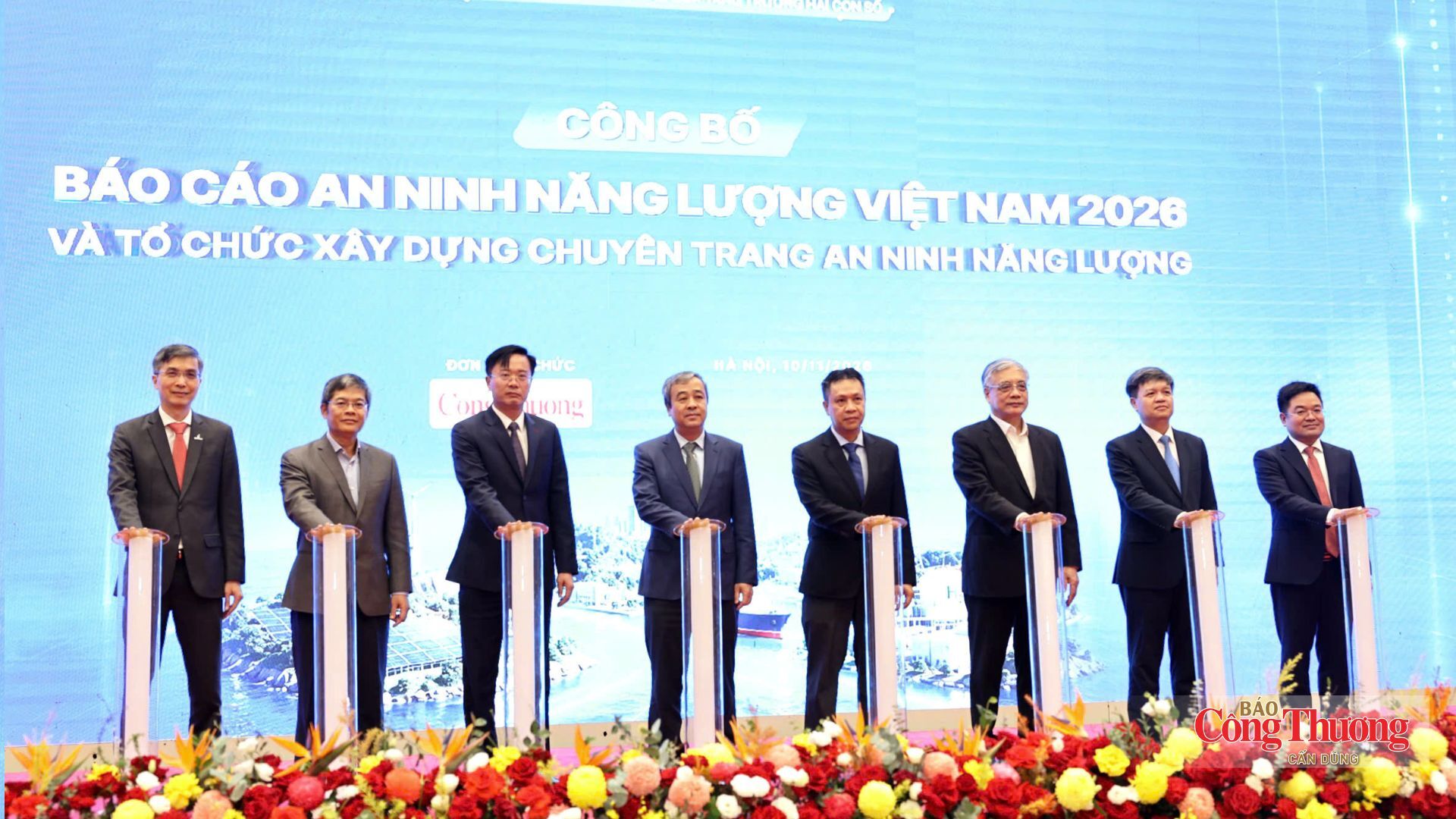
At the National Energy Security Forum 2026 in Ha Noi, the MOIT released the Viet Nam Energy Security Report 2026 and began building an energy security news site.
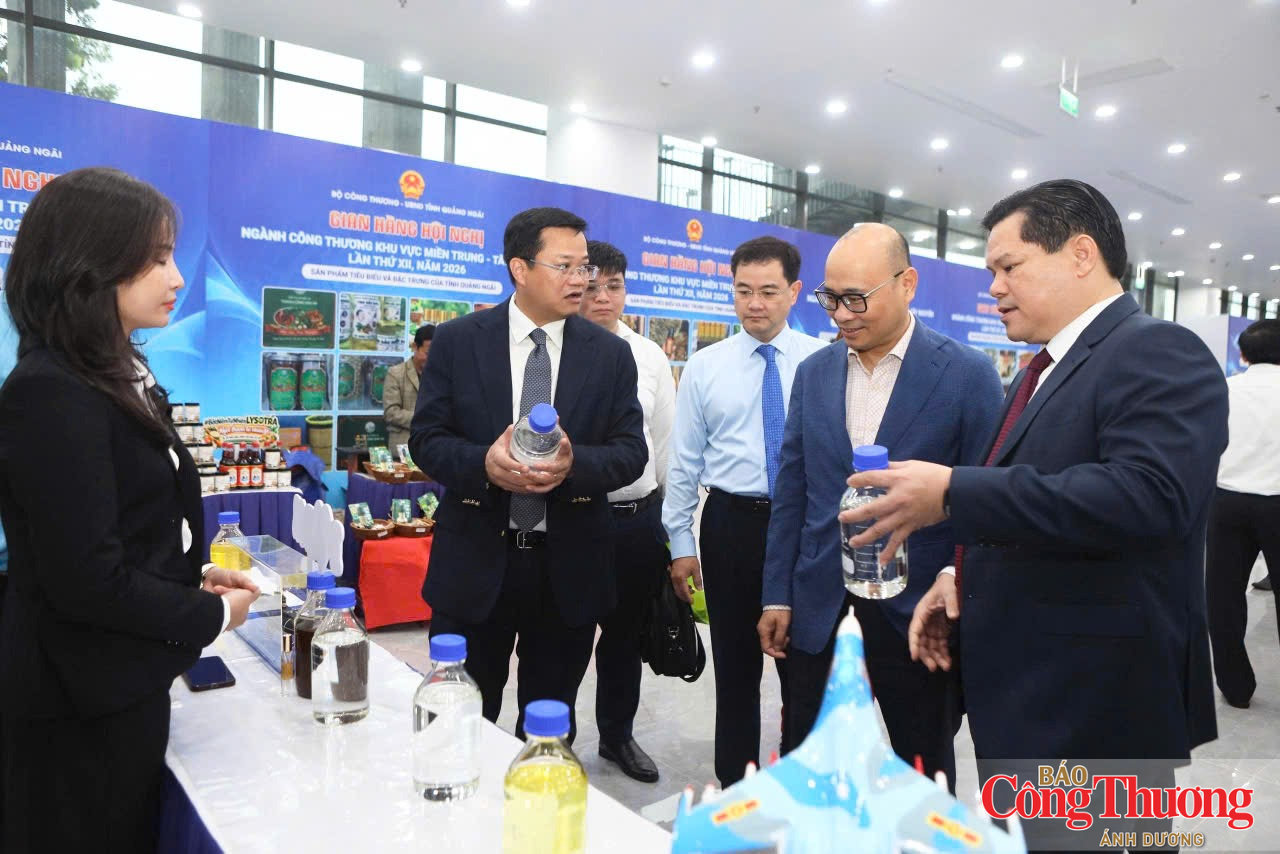
On November 10, the 12th Conference of the Industry and Trade Sector of Provinces and Cities in the Central Region and the Central Highlands 2026 took place in Quang Ngai province.