MOIT's program helps students develop skills to make informed purchasing decisions and protect their consumer rights in the digital environment.
Bringing consumer protection knowledge closer to students
On the morning of November 11, at Thuongmai University in Ha Noi, the program “KOLs and KOCs connect with students: Smart consumption in the digital era” took place.
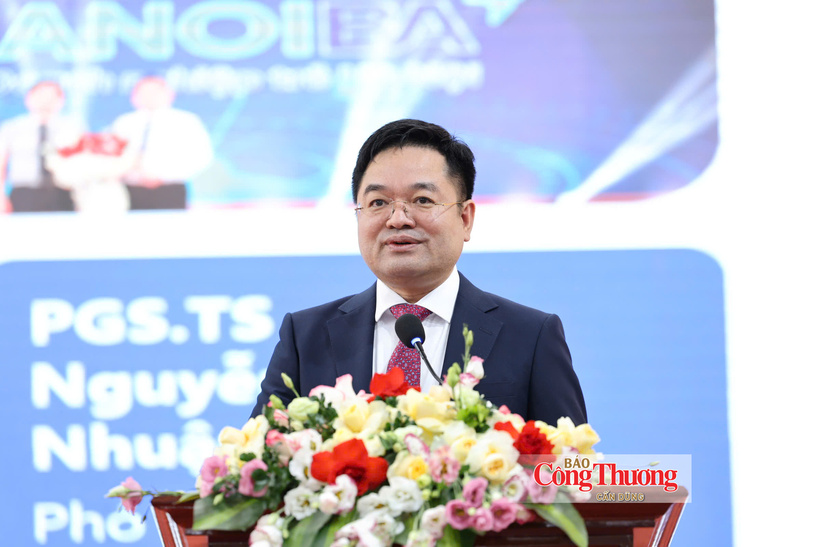
Nguyen Van Minh, Editor-in-Chief of Newspaper of Industry and Trade, delivers the opening remarks at the program.
The program was organized under the direction of the Ministry of Industry and Trade, with the Newspaper of Industry and Trade working with the National Competition Commission, Thuongmai University and relevant organizations.
The event was held as part of the tasks assigned under Decision No. 102/QD-BCT of the Ministry of Industry and Trade. It aimed to diversify approaches to communicating and disseminating policies and laws on consumer rights protection, particularly among young consumers who regularly use e-commerce platforms and social media.
In his opening remarks, Nguyen Van Minh, Editor-in-Chief of Newspaper of Industry and Trade, emphasized that the decision to hold the event in a university lecture hall rather than a hotel conference room was deliberate. It reflected the organizers’ intention to bring policy communication activities closer to the public, especially younger generations.
According to Nguyen Van Minh, students today are quick to adopt new technologies, online shopping platforms and modern consumption methods. They will also form a highly skilled workforce in the future, directly participating in production, business, management and market development.
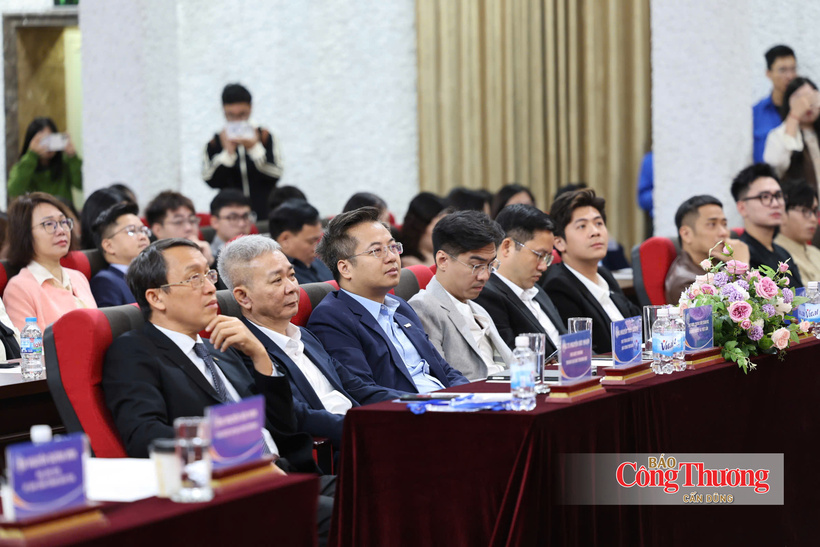
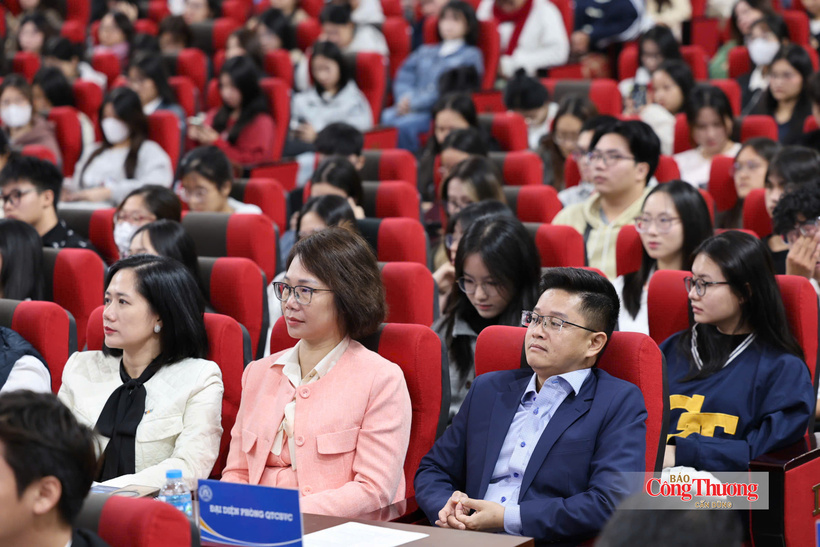
Delegates attend the program.
Referring to the development of Viet Nam’s economy, Nguyen Van Minh noted that, alongside achievements in imports and exports, the domestic market, with a population of more than 100 million, plays an important role in the economy. A healthy market requires responsible businesses and informed, discerning consumers who know how to protect their legitimate rights and interests.
In particular, as November 11 is marked by numerous promotional campaigns on e-commerce platforms, the Editor-in-Chief of Newspaper of Industry and Trade delivered a message to students about taking time to consider their choices before making purchases. “I hope you leave this auditorium with a new habit: before clicking ‘Buy Now,’ click one more invisible button called ‘Wait a moment’,” Nguyen Van Minh said.
He also cited a survey by AsiaKOL showing that 77% of Vietnamese online consumers had purchased products based on recommendations from KOLs and KOCs. This figure demonstrates the considerable influence content creators have on shopping behavior. However, when consumers place their trust in the image and reputation of those endorsing products, inaccurate or unverified information can also lead to serious consequences.
Citing the case involving Kera vegetable candy, Nguyen Van Minh said it offered a lesson in the responsibility of influential individuals when promoting products. An unverified endorsement can spread to millions of views, influencing purchasing decisions and affecting the rights and interests of many consumers. Against this backdrop, the Editor-in-Chief of Newspaper of Industry and Trade expressed his hope that young people would become discerning consumers who can verify information and make proactive decisions about their consumption, rather than being swayed by advertising, algorithms or herd behavior.
Developing smart consumption skills
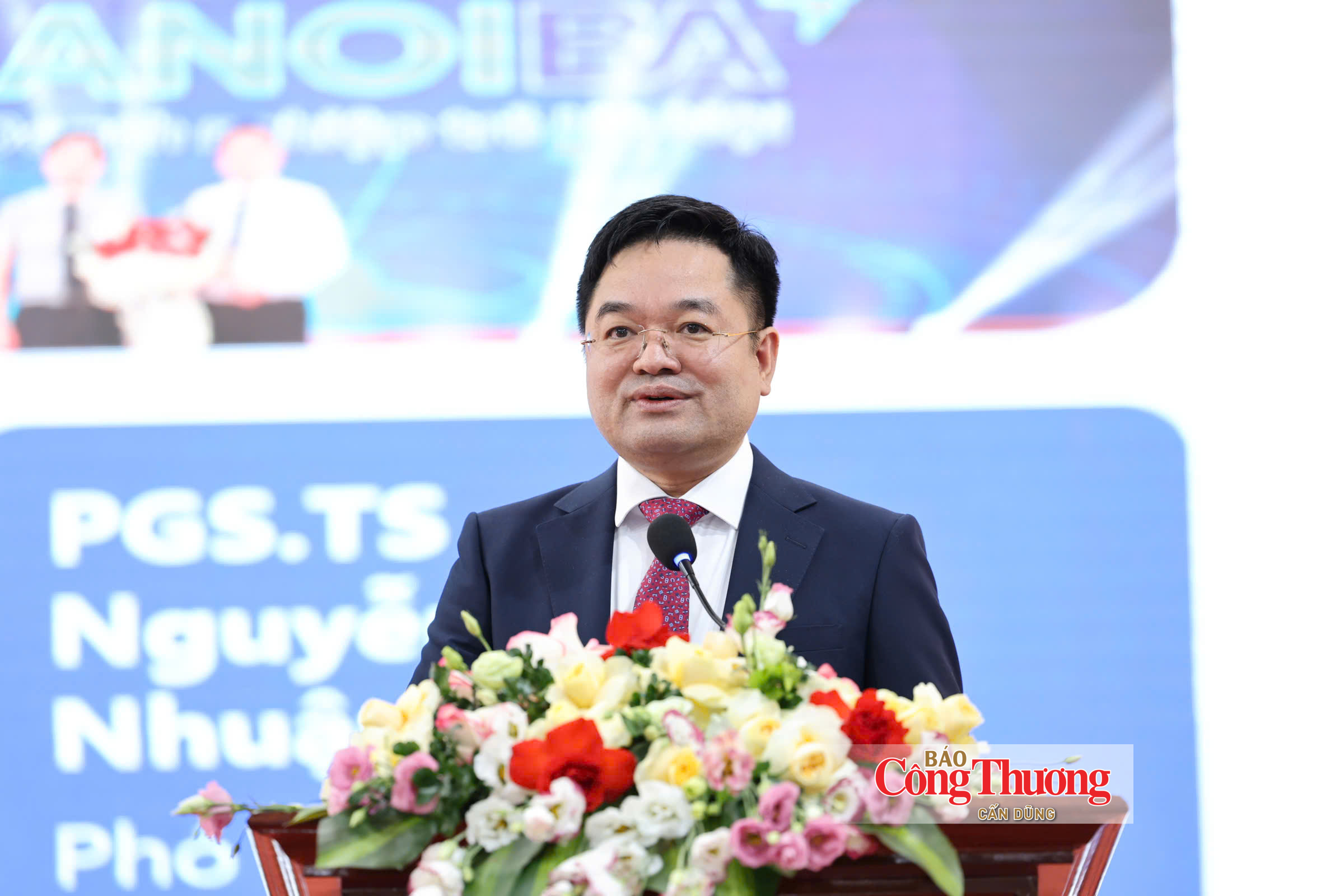
Sharing his views on the role of education in shaping consumer habits, Associate Professor and Doctor Nguyen Duc Nhuan, Vice President of Thuongmai University, said the rapid growth of e-commerce and the digital environment was bringing significant changes to the ways young people access information and choose products.
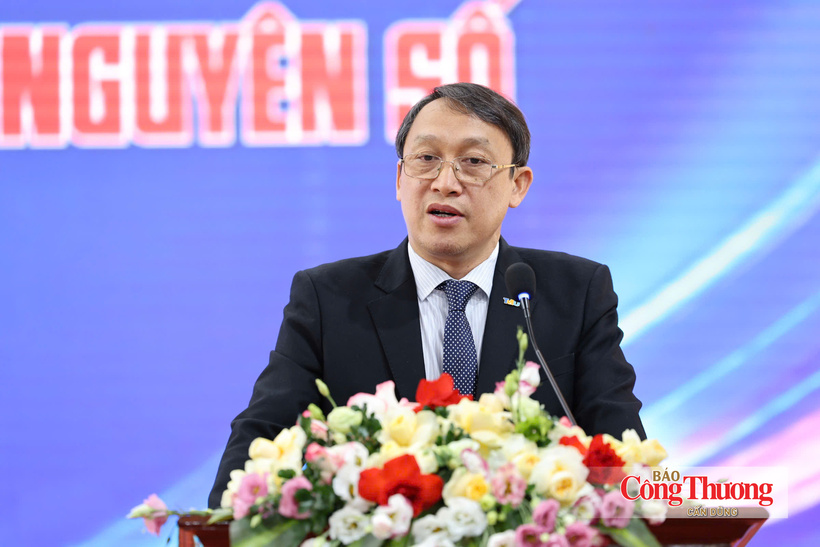
Associate Professor and Doctor Nguyen Duc Nhuan, Vice President of Thuongmai University, delivers remarks at the program.
In this environment, KOLs and KOCs have become influential figures capable of attracting public attention, shaping consumer behavior and building trust in products and services. Young consumers, particularly students, are especially influenced by content shared on social media platforms.
According to Nguyen Duc Nhuan, smart consumption is not simply about choosing products that match one's financial capacity. Amid the explosion of information, consumers need to be able to evaluate and distinguish useful information from misleading content, as well as identify advertisements that lack transparency before deciding to make a purchase. These are essential skills that students need to learn and practice to develop a sense of responsibility toward themselves and society when participating in the digital environment.
The Vice President of Thuongmai University said the program was particularly meaningful because it gave students the opportunity to interact and exchange views directly with artists, KOLs, KOCs and representatives of State management agencies. Through these exchanges, students could gain diverse perspectives on consumer behavior, the responsibilities of product promoters and the skills needed to identify risks when shopping online. The activity also helps equip students with knowledge that will be useful if they become business managers, entrepreneurs or content creators in the future.
According to Nguyen Duc Nhuan, cooperation among educational institutions, State management agencies, press organizations and businesses in organizing the program also reflects their shared responsibility for communicating and educating the public about consumer protection laws. This contributes to developing a workforce capable of meeting the demands of the digital economy.
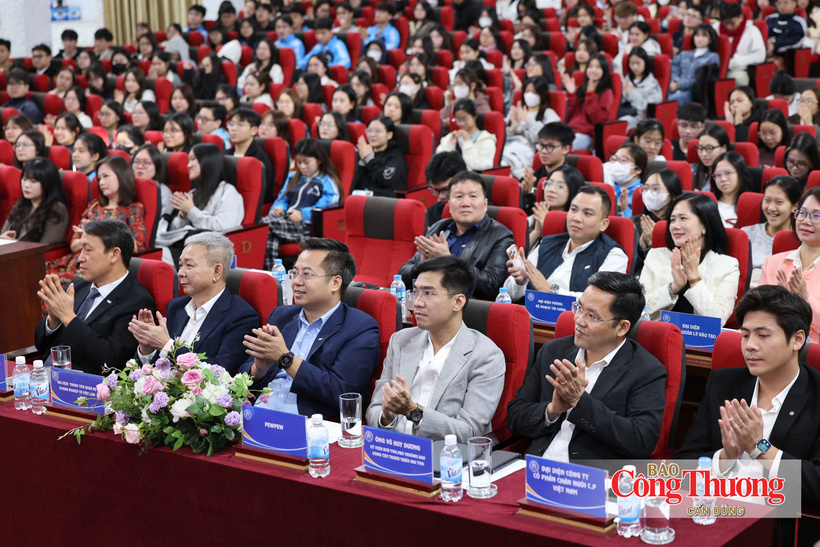
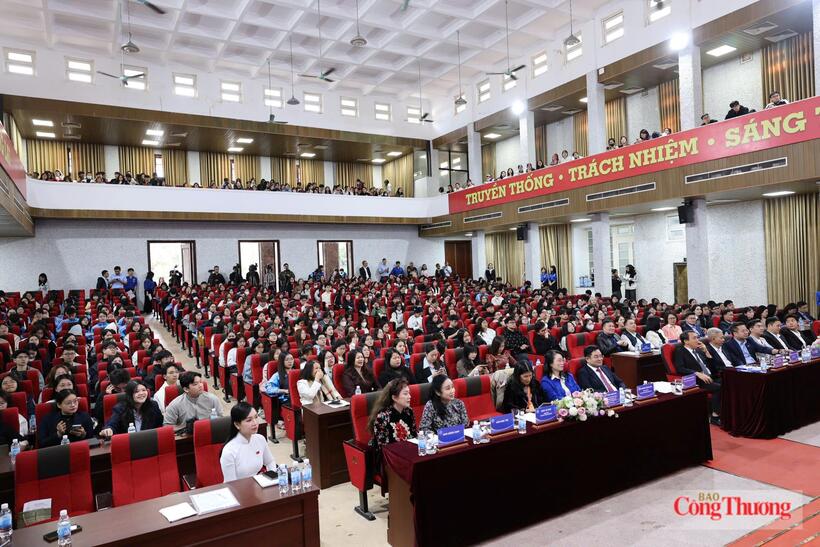
The event brought together representatives of State management agencies, Thuongmai University, well-known actors, KOLs, KOCs and approximately 500 students.
In practice, the development of e-commerce platforms, livestream shopping, product review videos and affiliate marketing has provided consumers with more choices. With just a mobile device, buyers can search for products, compare prices, make selections and complete transactions within a short time. However, this convenience also comes with risks, including exposure to false advertising, products of unclear origin, and inaccurate information about product functions, prices or warranty conditions.
When products are promoted by celebrities, KOLs and KOCs, the boundary between sharing personal experiences and commercial advertising is not always clearly defined. This can make it difficult for consumers to distinguish independent opinions from sponsored content.
According to the National Competition Commission, the 2023 Law on Protection of Consumer Rights established an important legal foundation for improving consumer protection, including the right to receive complete and accurate information, the right to choose goods and services, and the right to seek compensation when their rights and interests are infringed. Notably, Clause 3 of Article 22 of the Law requires influencers to tell consumers in advance when they are sponsored to provide information about products, goods, or services.
At the program, Nguyen Van Minh also highlighted the need to strengthen the responsibility of influential individuals when advertising and introducing products. He emphasized that they must verify information before making endorsements, provide truthful information and disclose advertising and sponsorship relationships.
Regarding digital platforms, Nguyen Van Minh called on Meta to strengthen cooperation in protecting users in Viet Nam, improve advertising transparency, address fraudulent and impersonation advertisements, and promote the distribution of official policy information and consumer alerts.
On this occasion, Newspaper of Industry and Trade also proposed that Meta consider expanding its cooperation on policy communication and developing campaigns on smart consumption and transparent e-commerce, thereby helping the public access useful and reliable information more quickly.
One of the program's highlights was its approach to legal communication through interactive exchanges and real-life scenarios. Activities such as “Unpacking reviews, decoding advertisements,” the discussion “Behind the reviews,” Mini Talk and the QR challenge on digital consumer knowledge were designed to encourage students to participate directly, exchange views and explore common issues in online shopping. The content focused on identifying misleading advertisements, inconsistent information about prices and product functions, warranty periods, affiliate marketing activities and the responsibility to disclose commercial interests.
An overview of Hall H1 at Thuongmai University.
Through these scenarios, students were guided on how to verify information from multiple sources, research sellers and product origins, and check transaction terms and conditions before making purchases. The program also encouraged young people to proactively learn about relevant policies and laws and exercise their rights when they detect signs of consumer rights violations.
Delivering his message to students, Nguyen Van Minh emphasized three requirements: becoming discerning consumers; treating transparency as an essential asset if they engage in KOL or KOC activities; and developing a culture of legal compliance from the outset if they work in businesses. By connecting State management agencies, educational institutions, press organizations, businesses and influential individuals, the program aims to foster responsible consumption habits while raising awareness of honesty and transparency in advertising and business activities in the digital environment.
The message “Smart consumption, responsible action” is the goal that the program “KOLs and KOCs connect with students: Smart consumption in the digital era” seeks to promote among the wider community, particularly younger generations.
Throughout November 2026, customers purchasing the All New ZS and MG GT can benefit from fuel cost support or a 50% reduction in registration fees, with incentives worth up to VND 29 million.
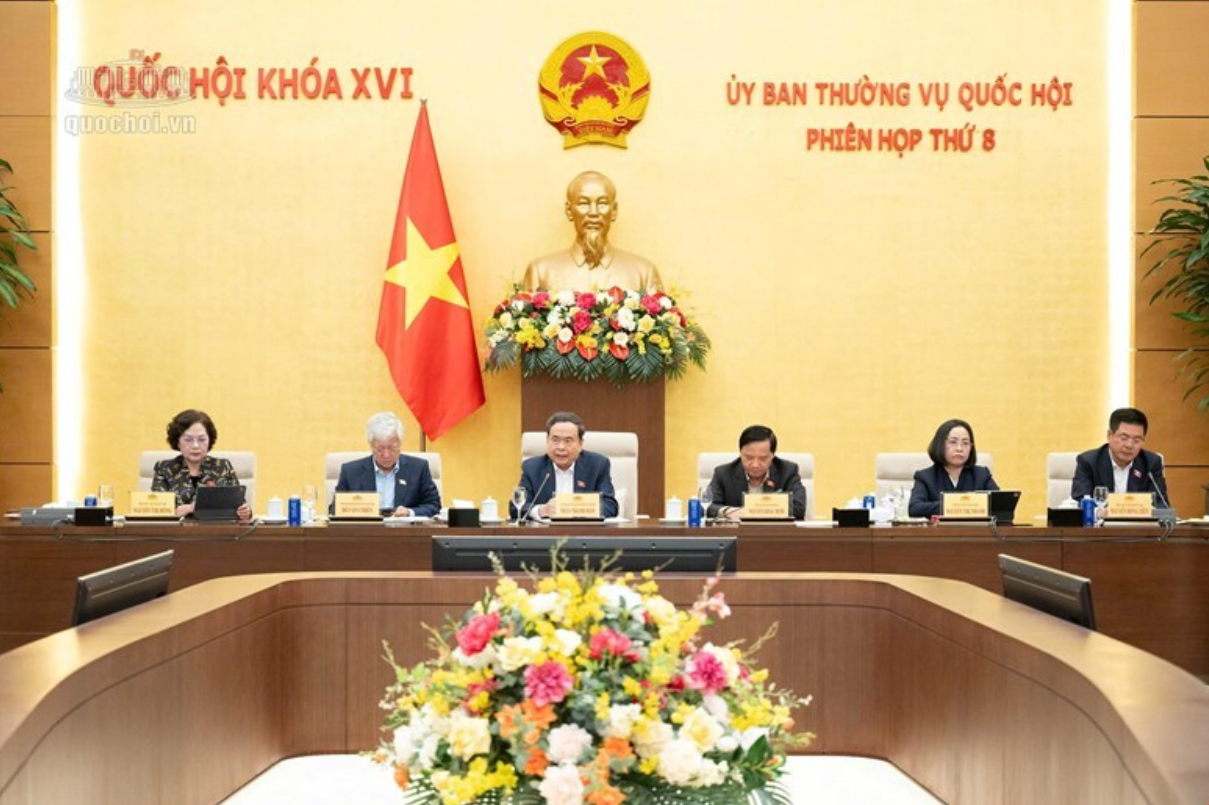
The draft Law on Derivatives Trading in Commodities aims to establish a legal framework enabling businesses and producers to hedge against price risks and gradually establish benchmark prices for Vietnamese commodities.
Viet Nam’s wood exports exceeded USD 15 billion in the 10 months of 2026, highlighting the need for transparent sourcing and stronger capacity to prove origin and secure FTA preferences.
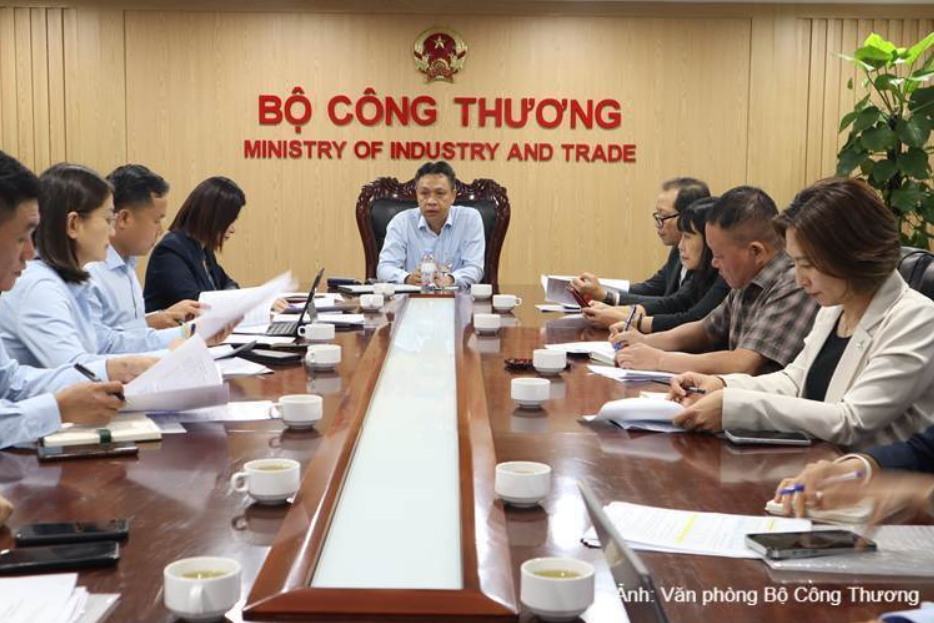
Deputy Minister Nguyen Viet Son held a meeting with relevant agencies on ensuring petroleum supply and stabilizing the market in the final months of 2026 and discussed plans for 2027.
The draft Law on Derivatives Trading in Commodities aims to establish a legal framework enabling businesses and producers to hedge against price risks and gradually establish benchmark prices for Vietnamese commodities.
Deputy Minister Nguyen Viet Son held a meeting with relevant agencies on ensuring petroleum supply and stabilizing the market in the final months of 2026 and discussed plans for 2027.
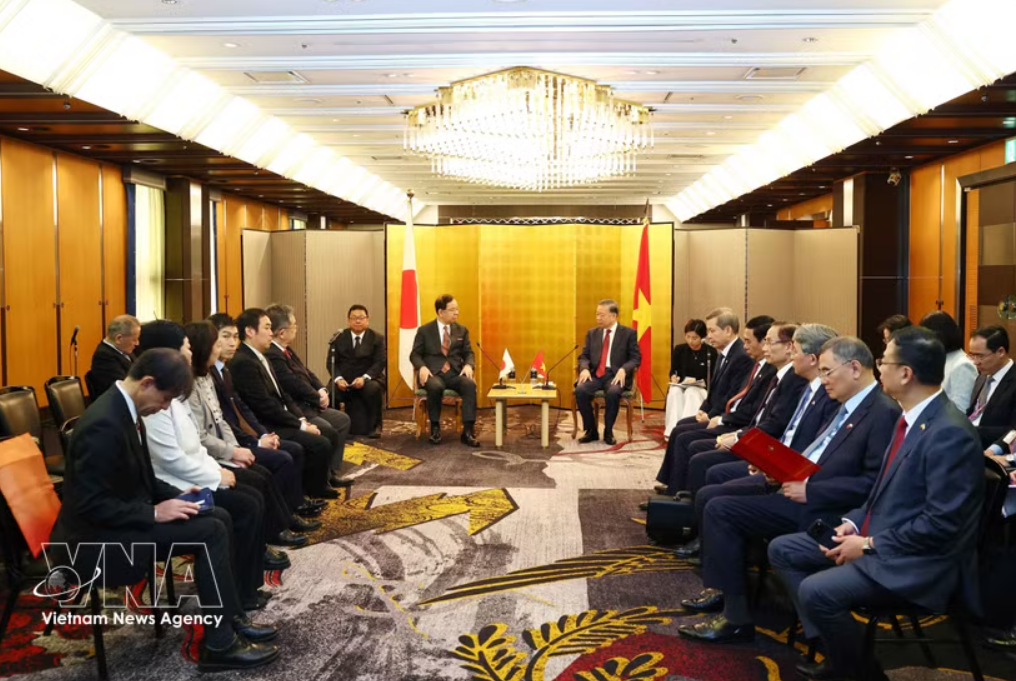
Viet Nam wants deeper ties with Japan and continued cooperation between the two Parties and countries, General Secretary of the Communist Party of Viet Nam (CPV) Central Committee and State President To Lam said.