A surge in corporate profits and record foreign investment inflows are further strengthening Viet Nam’s strategic position in global supply chains.
The Department of Grassroots Information and Foreign Information under the Ministry of Culture, Sports and Tourism has released a review of positive foreign media coverage of Viet Nam in August 2026. According to the department, foreign media generally maintained positive and optimistic assessments of Viet Nam during the month, reflected in several key areas.
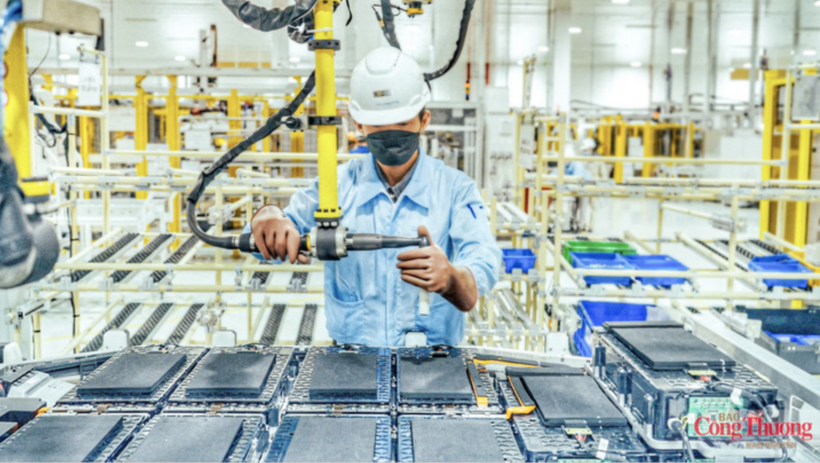
Manufacturing and industrial production continued to serve as key growth drivers for Viet Nam’s economy in the first half of 2026.
A solid foundation for continued economic growth
The Department of Grassroots Information and Foreign Information said Aquis Capital, a Switzerland-based platform specializing in investment opportunities in emerging Asian markets, analyzed the strong resilience and broad-based quality of Viet Nam’s economic growth in the first half of 2026. The publication said a surge in corporate profits, together with record foreign investment inflows, continued to strengthen Viet Nam’s strategic position in global supply chains.
In addition, the growing maturity of the domestic market and expectations of an upgrade by FTSE are creating attractive prospects for medium- and long-term investors. Despite geopolitical tensions in the Middle East and volatility in global markets, Viet Nam’s GDP grew 8.39% in the second quarter of 2026, bringing growth in the first half of the year to 8.18%, among the highest rates in the world.
What is particularly noteworthy is not only the pace of growth but also its quality. Unlike many emerging markets, Viet Nam’s growth drivers are diversified and supported by several solid pillars. Industrial production and manufacturing continued to be the main growth engines, expanding by more than 10%. Services, private consumption and tourism maintained strong growth momentum, while agriculture remained a stable contributor to overall economic growth.
Alongside solid macroeconomic fundamentals, Viet Nam continues to benefit from long-term structural trends and is increasingly establishing itself as a strategic manufacturing and technology hub within global supply chains. Strong foreign direct investment inflows from across Asia, combined with a consistent infrastructure development strategy, are supporting this transformation. FDI remains at record levels, while the Government is making substantial investments in transport infrastructure, energy and digital transformation. These investments are improving productivity across the economy and creating a solid foundation for sustainable corporate profit growth.
Viet Nam emerges as a global manufacturing hub
Viet Nam is among the leading countries benefiting from the shift toward advanced technology manufacturing. Economics Perspective of India reported on August 3 that exports of AI-related products in the East Asia and Pacific (EAP) region surged in 2025, with AI emerging as an important driver helping economies enhance their resilience to volatility.
Viet Nam, Malaysia and Thailand recorded the strongest export growth, driven by rising demand for AI-related electronic manufacturing products and services. The trend reflects a shift in the region’s economies from models based primarily on traditional export products toward higher-tech manufacturing industries. AI is also being increasingly applied across manufacturing, helping improve operational efficiency, increase product value and strengthen the region’s role in global supply chains.
On August 4, global investment management firm VanEck of the United States said the global shift of manufacturing away from China under the “China+1” strategy is turning Viet Nam into a leading manufacturing hub, thanks to its geographical advantages, workforce and policies.
This strong growth is not only boosting domestic economic expansion but also creating significant investment opportunities as Viet Nam’s stock market prepares for an upgrade to emerging-market status. However, investors also need to take into account inherent risks, including exchange-rate volatility, liquidity and policy risks.
According to the assessment, companies are choosing Viet Nam over other countries based on five key factors: geography, with a 1,300-kilometer shared border with China providing direct supply-chain connectivity and access to existing logistics infrastructure; labor costs, which are significantly lower than in China and provide a strong financial incentive; a young workforce, with a population of around 100 million, a median age of 33.4, a high literacy rate and an increasingly skilled labor pool; a network of free trade agreements that helps reduce export costs; and Government policies that actively attract FDI through tax incentives, favorable land policies and streamlined approval procedures.
Viet Nam emerges as an attractive investment destination
According to the Department of Grassroots Information and Foreign Information, MoneyWeek of the United Kingdom reported on August 5 that Viet Nam is emerging as an attractive and highly diversified investment destination, supported by a combination of strong economic growth, reasonable market valuations and a broad-based Government reform drive.
The expected upgrade to emerging-market status is seen as potentially opening the door to substantial foreign capital inflows, providing sustainable momentum for Viet Nam’s stock market.
Viet Nam is becoming one of the most notable growth stories for investors. The economy grew by 8% in 2025, ranking 13th globally. Its stock market is also more diversified than those of many Southeast Asian countries, with less dependence on AI hardware companies and significant representation from traditional sectors, helping investors diversify their portfolios.
Strong growth, together with the Government’s reform policies, is making Viet Nam an attractive investment destination. After three decades of developing into a dynamic manufacturing and export hub in Asia, Viet Nam is entering a new phase of growth, driven not only by exports but also by domestic consumption, rising household incomes, financial market development and the adoption of technology, supported by Government reforms.
These reforms focus on developing the private sector, promoting investment in research and development (R&D), attracting foreign capital and encouraging entrepreneurship.
Global Sources, based in Hong Kong (China), reported on August 12 that Viet Nam is entering a new phase in its foreign investment strategy, with greater emphasis on the quality and efficiency of FDI, technology transfer, innovation, linkages with domestic enterprises and participation in global supply chains.
Viet Nam’s appeal to multinational corporations stems not only from economic growth and consumer demand, but also from a stable policy environment, strategic location, workforce, international integration, sustainable development orientation and its role in regional and global production networks.
Human resources are another key focus of the strategy, with Viet Nam strengthening links among foreign investors, domestic enterprises and universities to develop the workforce, facilitate technology transfer, promote innovation and enhance supplier capabilities. Closer links between education and businesses are also helping develop workers suited to the requirements of manufacturing and high-tech industries.
The Borgen Project of the United States reported on August 1 that economic growth in Viet Nam has helped millions of people escape poverty over recent decades. As household incomes rise and the country’s middle class expands, demand for goods and services continues to increase.
These changes are creating new opportunities for international trade and investment, including for U.S. companies seeking access to one of Southeast Asia’s fastest-growing markets.
Viet Nam has reduced the share of its population living in extreme poverty from more than 70% in the early 1990s to less than 1% in recent years, an achievement widely recognized as one of the world’s “development miracles.” Strong export growth, industrial development and investment in education have contributed to improving living standards across the country.
As more Vietnamese households gain greater purchasing power, businesses worldwide are benefiting from a larger consumer market.
Viet Nam’s middle class has expanded rapidly alongside the country’s economic development. Rising incomes have increased demand for consumer goods, healthcare services, technology products and educational opportunities.
This transformation has turned Viet Nam from a low-income economy into an increasingly important consumer market. The growth of the middle class is also contributing to broader economic stability. Higher consumer spending helps create jobs, encourage entrepreneurship and strengthen the domestic market. These trends are contributing to continued poverty reduction while attracting foreign investment.
Viet Nam’s progress in poverty reduction demonstrates how economic development can generate shared benefits for countries around the world. Rising incomes have improved living standards for millions of Vietnamese while opening new markets for international businesses. The country’s recent reclassification into the upper-middle-income group reflects this significant transformation and the continued rise in incomes in Viet Nam.
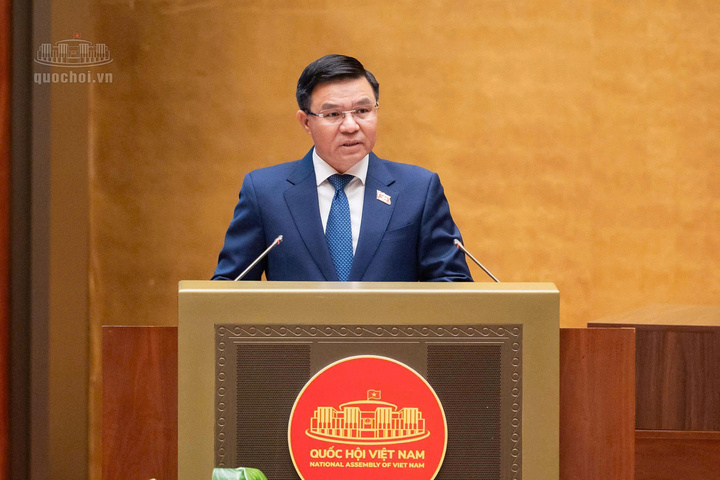
On October 20, at the second session of the 16th National Assembly, Minister of Industry and Trade Le Manh Hung presented the Government's submission on the draft Law amending and supplementing a number of articles of the Electricity Law.
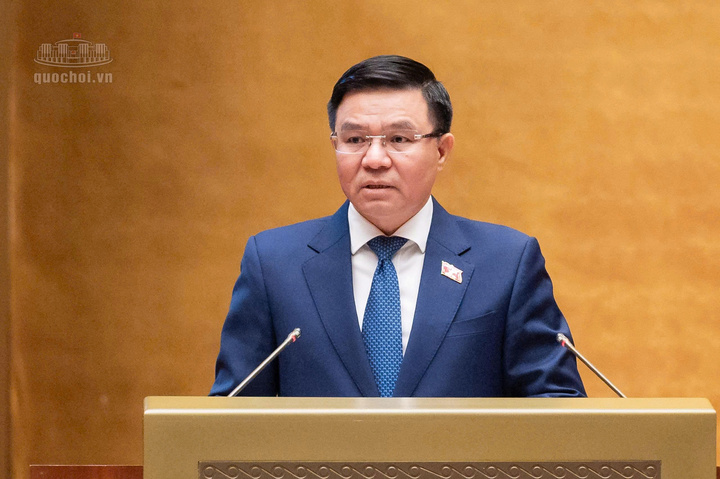
On October 20, Minister Le Manh Hung presented proposed amendments to four laws on commerce, competition, foreign trade management and consumer rights.
Digital skills, AI adoption and online exports are expected to help young entrepreneurs transform their businesses and expand into international markets.
General Secretary of the Communist Party of Vietnam Central Committee and State President To Lam, his spouse and a high-ranking Vietnamese delegation attended a state banquet hosted by King Frederik X and Queen Mary in Copenhagen on the evening of October 19 (local time).
On October 20, at the second session of the 16th National Assembly, Minister of Industry and Trade Le Manh Hung presented the Government's submission on the draft Law amending and supplementing a number of articles of the Electricity Law.
On October 20, Minister Le Manh Hung presented proposed amendments to four laws on commerce, competition, foreign trade management and consumer rights.
General Secretary of the Communist Party of Vietnam Central Committee and State President To Lam, his spouse and a high-ranking Vietnamese delegation attended a state banquet hosted by King Frederik X and Queen Mary in Copenhagen on the evening of October 19 (local time).
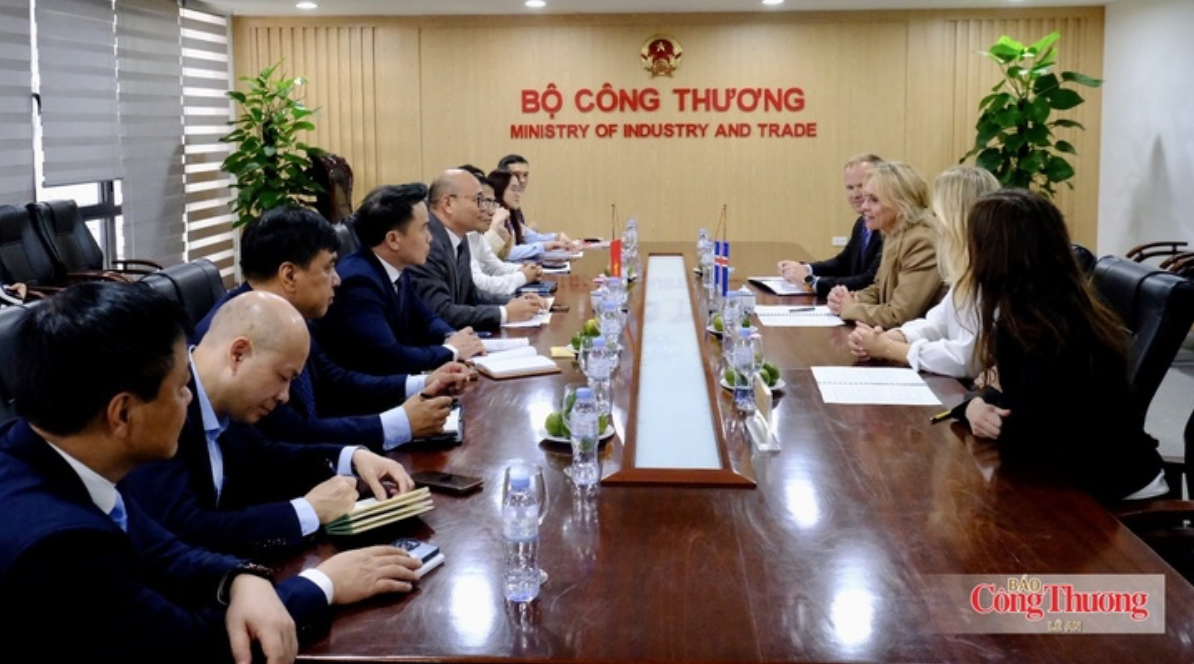
Viet Nam and Iceland discussed accelerating the Viet Nam - EFTA Free Trade Agreement deal and expanding cooperation in geothermal energy, fisheries and clean energy.
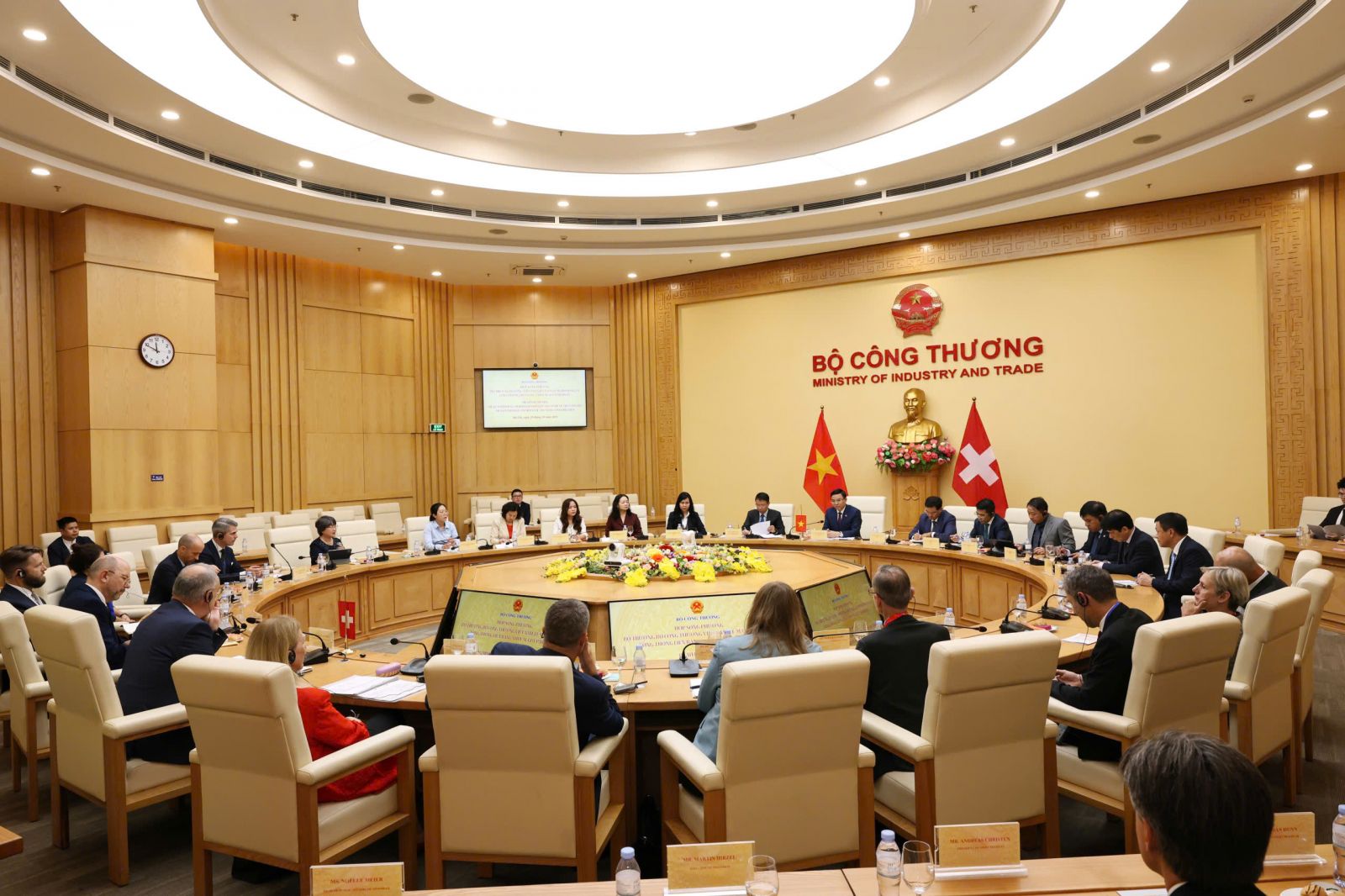
Minister Le Manh Hung and Swiss President Guy Parmelin discussed steps to bring the Viet Nam-EFTA FTA into force in early 2027 and deepen trade and investment ties.