Nearly six years after taking effect, the EVFTA continues to support Vietnam's exports to the EU as businesses adapt to increasingly stringent green standards.
Amid continued volatility in the global economy and weakening consumer demand across many major markets, the EU - Vietnam Free Trade Agreement (EVFTA) has remained one of the key drivers enabling Vietnamese exports to sustain growth in one of the world's most demanding markets. Helping businesses overcome green trade barriers
Nearly six years after the EU - Vietnam Free Trade Agreement (EVFTA) officially entered into force, its market-opening commitments are increasingly being translated into impressive trade outcomes. In recent years, alongside the tariff preferences granted under the agreement, the European Union has steadily tightened its sustainability requirements for imported goods. Regulations covering carbon emissions, deforestation-free supply chains, the circular economy, product traceability, clean energy use, the Carbon Border Adjustment Mechanism (CBAM), and social responsibility throughout supply chains are becoming essential criteria for products seeking to enter and maintain a presence in the EU market.
These developments present considerable challenges for Vietnamese businesses, particularly exporters in key sectors such as agriculture, seafood, timber, textiles and garments, and footwear.
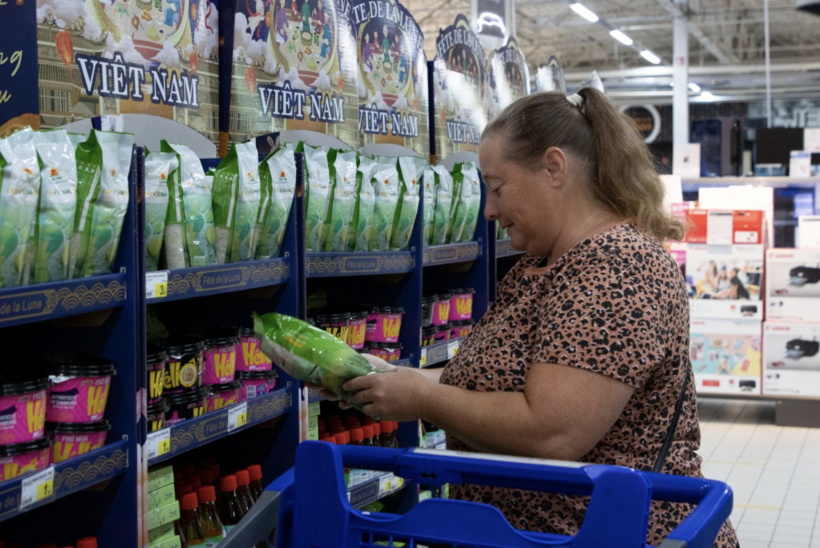
Vietnamese rice on display in European retail distribution networks. Photo: Loc Troi Group
Rather than viewing these requirements merely as trade barriers, however, many enterprises have proactively invested in technological upgrades, developed certified raw material areas, adopted internationally recognised quality management systems, strengthened traceability, and implemented green transformation throughout their production processes. These efforts have enabled an increasing number of Vietnamese products not only to comply with the EU's increasingly stringent standards but also to enhance added value, strengthen brand credibility, and sustain export growth to one of the world's most demanding markets.
As a result, the EVFTA has become a vital catalyst, helping Vietnamese products deepen their foothold in the European Union despite the market's increasingly rigorous regulatory requirements.
Nguyen Hoai Nam, Secretary General of the Vietnam Association of Seafood Exporters and Producers (VASEP), said the EVFTA has delivered positive outcomes for Vietnam's seafood exports. Annual seafood exports to the European Union have remained stable at between USD 1.1 billion and USD 1.3 billion, maintaining the sector's position within Vietnam's "billion-dollar export club."
Although growth has not been particularly rapid, sustaining exports at this level is highly significant given intensifying competition, the EU's continued diversification of supply sources, and Vietnam's ongoing struggle with the European Commission's "yellow card" warning on illegal, unreported and unregulated (IUU) fishing.
"Maintaining export momentum and keeping annual exports above USD 1 billion demonstrates that Vietnamese businesses have made effective use of the opportunities created by the EVFTA. It also reflects the business community's proactive efforts to maximise the agreement's preferential benefits over recent years," he said.
Beyond tariff preferences, the EVFTA has also helped elevate the position of Vietnamese seafood in the European market. According to Nam, Vietnam now possesses a network of seafood processing facilities that meet European standards, with many plants authorised to export directly to the EU. This has provided a solid foundation for Vietnamese seafood products, particularly shrimp to penetrate more deeply into supermarket chains and distribution networks across Europe.
According to the Vietnam Customs, total two-way trade between Vietnam and the EU reached more than USD 73.8 billion in 2025, an increase of nearly 8% from the previous year. Vietnam's exports to the bloc exceeded USD 56 billion, up 8.6% year-on-year.
During the first five months of 2026, exports to the EU totalled USD 25.78 billion, up 13.3% from the same period a year earlier, generating Vietnam's largest trade surplus with any trading partner bloc at USD 17.87 billion. The EVFTA has continued to serve as a key pillar supporting the long-term competitiveness of Vietnamese goods in the European market.
Manufactured products remain the backbone of Vietnam's exports to Europe, with computers, electronic products and components leading the list of the EU's most imported goods from Vietnam. Another bright spot has come from agricultural, forestry and fishery products. Coffee recorded remarkable growth in both export volume and value, while fruit and vegetables, cashew nuts and seafood also maintained strong growth rates.
These achievements reflect not only robust market demand but also the growing ability of Vietnamese businesses to comply with the EU's increasingly stringent requirements on product quality, food safety, traceability, environmental standards and sustainable development.
Meeting rules of origin requirements and green standards
Despite the progress made, significant room remains for Vietnam to further capitalise on the opportunities offered by the EVFTA. According to the Ministry of Industry and Trade, the utilisation rate of preferential certificates of origin (C/O) under the EVFTA reached only around 34.6% in 2025, a slight decline from the previous year. This indicates that many businesses have yet to fully benefit from the tariff preferences provided by the agreement.
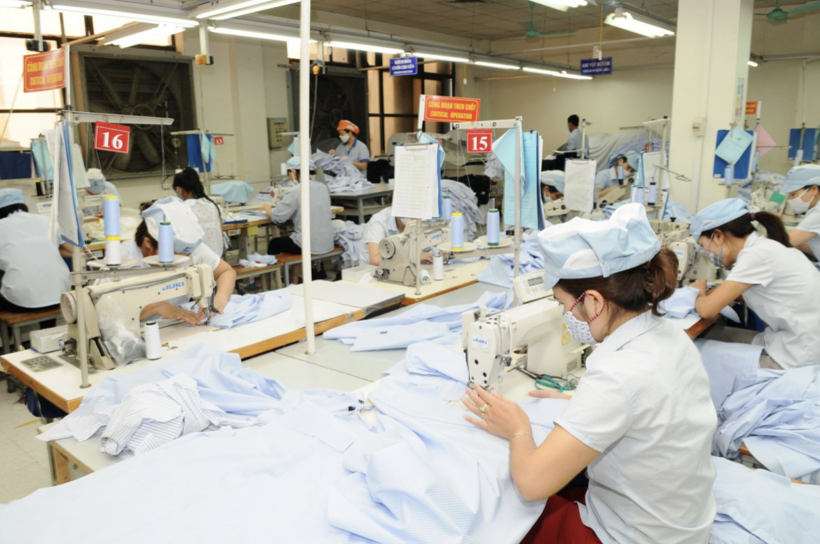
Textiles and garments are among the export sectors that have effectively leveraged the opportunities created by the EVFTA.
Tran Thanh Hai, Deputy Director of the Agency of Foreign Trade under the Ministry of Industry and Trade, emphasised that there are various ways for businesses to make effective use of free trade agreements (FTAs). Among the most critical is complying with rules of origin. Only products that satisfy these requirements are eligible for preferential import tariffs instead of standard duty rates.
To meet rules of origin requirements, businesses need to restructure their supply chains, particularly those relying on raw materials sourced from multiple countries. The first priority should be increasing the use of domestically produced inputs. Doing so would significantly reduce difficulties related to proving origin.
However, for products whose raw materials cannot yet be fully supplied domestically, businesses should proactively source inputs from economies that are parties to the same free trade agreements. This enables exporters to apply the principle of cumulation of origin, thereby satisfying FTA requirements and qualifying for preferential tariff treatment.
Nguyen Thi Hoang Thuy, Trade Counsellor and Head of the Vietnam Trade Office in Sweden, concurrently covering the Nordic region, noted that the product categories currently recording strong export growth in Northern Europe are also those facing the greatest pressure from newly introduced regulations.
Electronics and machinery are required to meet increasingly stringent standards on product safety, chemical substances, durability, and reparability. Textile and footwear manufacturers must provide greater transparency regarding raw materials and product life cycles. Meanwhile, exporters of coffee, timber, and furniture are required to demonstrate traceability all the way back to the production or harvesting areas.
These developments indicate that competitive advantage is shifting away from production costs and tariff preferences towards stronger data governance, supply chain management and the ability to demonstrate sustainability performance.
The European Union's Carbon Border Adjustment Mechanism (CBAM) entered its definitive phase on 1 January 2026, initially covering carbon-intensive sectors including steel, aluminium, cement and fertilisers.
Although the direct impact on Vietnamese exports to the Nordic region remains relatively limited at present, European importers are increasingly requesting verifiable data on energy consumption, fuel use, production inputs, and greenhouse gas emissions. As a result, greenhouse gas inventories and carbon footprint assessments are gradually becoming key competitive requirements. Businesses should therefore promptly identify the applicable commodity codes and CBAM obligations, particularly for steel products that are experiencing export growth.
Similarly, the European Union Deforestation Regulation (EUDR) will apply from the end of 2026 to large and medium-sized enterprises and from mid-2027 to most small and micro-sized businesses. The regulation directly affects coffee, rubber, timber, cocoa and related products.
Under the EUDR, simply identifying the country of origin is no longer sufficient. Businesses must be able to pinpoint the exact production or harvesting areas, manage geolocation data, and maintain effective oversight across every stage of the supply chain. While this presents considerable challenges for fragmented supply chains, it also creates opportunities for businesses with robust traceability systems to gain access to European importers and higher-value market segments.
The EVFTA is far more than a conventional free trade agreement. It serves as a catalyst for Vietnamese businesses to modernise production models, enhance product quality and progressively meet the demanding standards of international markets.
The achievements recorded over nearly six years of implementation demonstrate that, by making effective use of the agreement's commitments, Vietnamese enterprises are fully capable of expanding their market share in the European Union, increasing export value and strengthening the global standing of Vietnamese products.
Looking ahead, by improving the utilisation of tariff preferences while better complying with rules of origin and green standards, the EVFTA will continue to serve as one of the key drivers of Vietnam's export growth, market diversification and sustainable economic development.
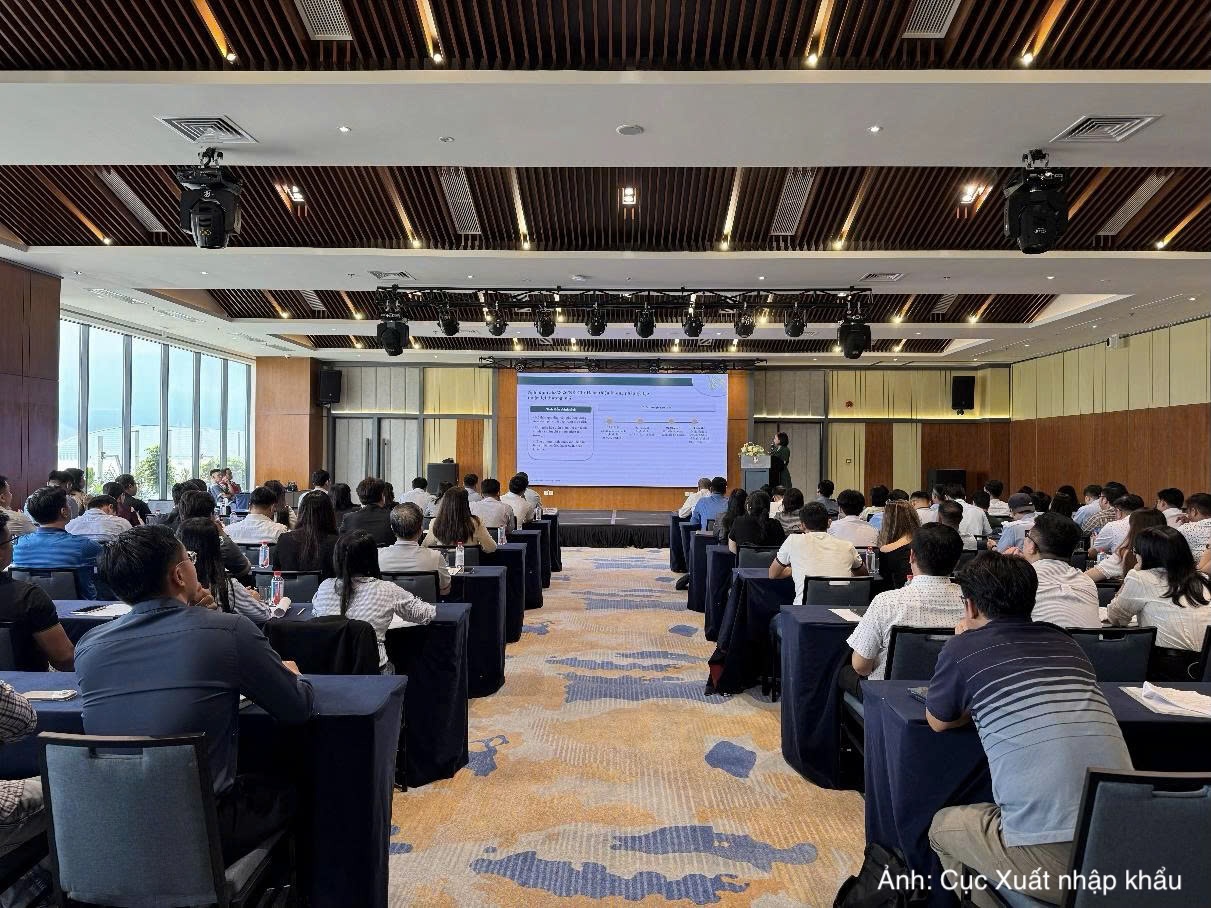
On October 13, the Agency of Foreign Trade under the Ministry of Industry and Trade (MoIT) held a conference in Dong Thap province to disseminate Government Decree No.365/2026/ND-CP dated September 23, 2026, on rice export and import business, and Circular No.65/2026/TT-BCT dated October 1, 2026, issued by the Minister of Industry and Trade, detailing certain provisions and measures for implementing Decree No.365/2026/ND-CP.
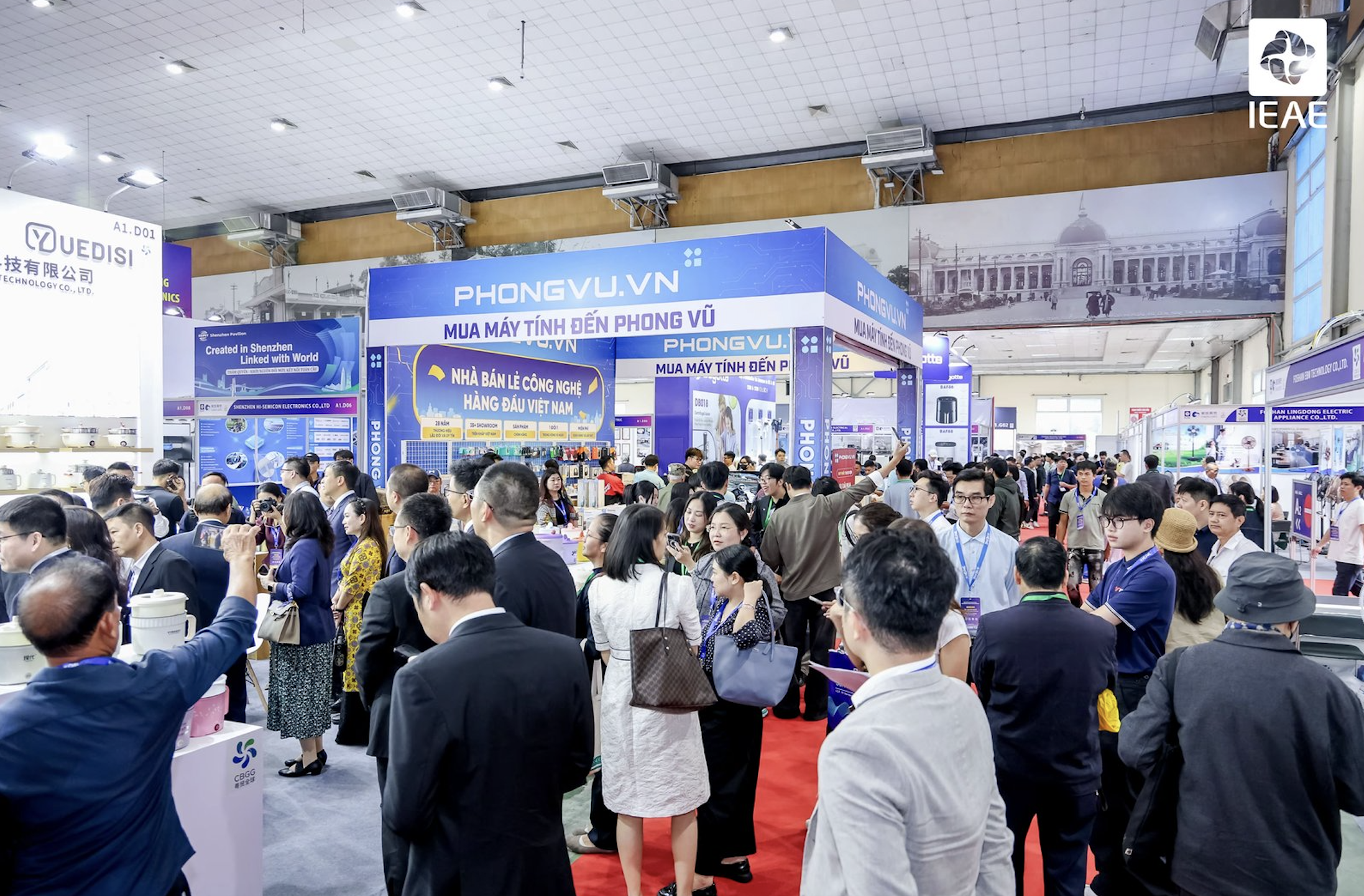
IEAE Hanoi 2026 will gather over 300 exhibitors, showcasing electronics, smart appliances and connecting businesses with sourcing and trade opportunities in Vietnam.
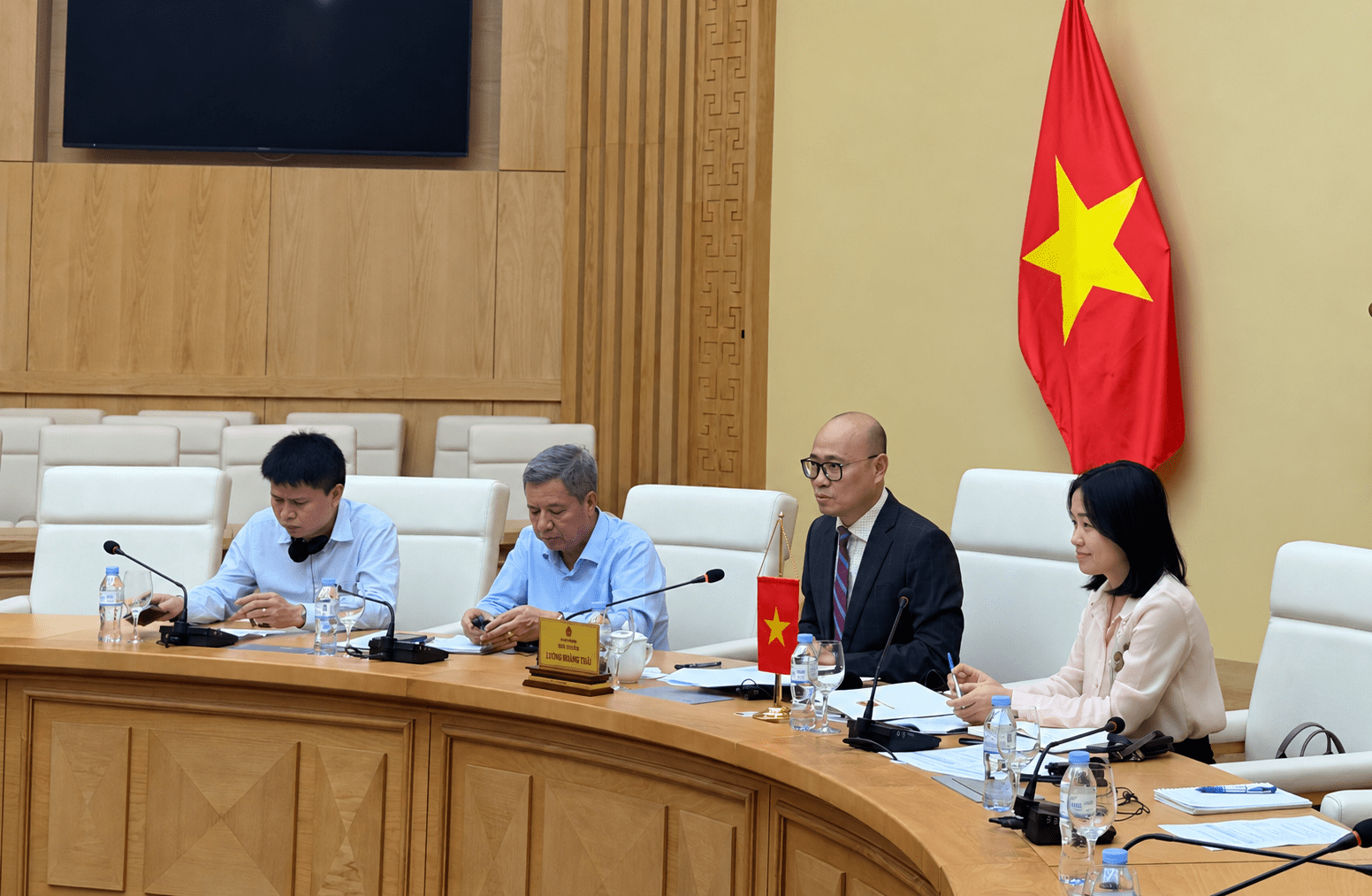
On October 13, Deputy Minister of Industry and Trade Luong Hoang Thai held a working session with MEDEF International, a French business organization, and representatives of French corporations operating in various sectors, including energy, industry, transport, construction and infrastructure development, food and beverages, and services, at the Ministry of Industry and Trade's headquarters.
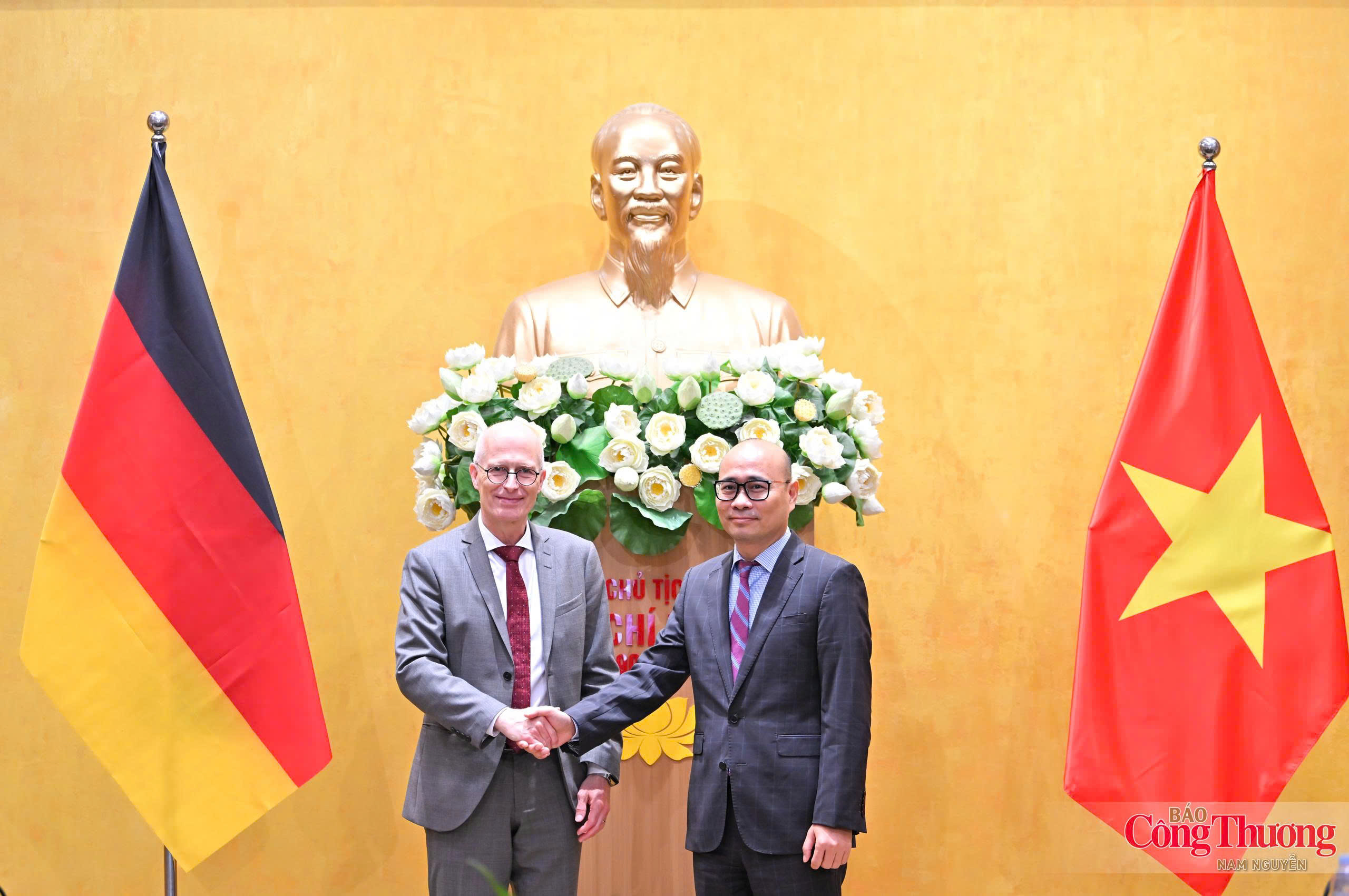
On October 14, Deputy Minister of Industry and Trade Luong Hoang Thai received and held a working session with a delegation from Hamburg, Germany, led by the city's First Mayor Peter Tschentscher at the Ministry of Industry and Trade's headquarters.
The Copyright Office is working closely with relevant agencies to develop plans for inspections and enforcement action against copyright and related rights infringements in the digital environment.
The Vietnam Industry Agency under the Ministry of Industry and Trade and Samsung Vietnam continue to strengthen cooperation in developing supporting industries, enhancing the capabilities of domestic enterprises and expanding opportunities for their participation in global supply chains.
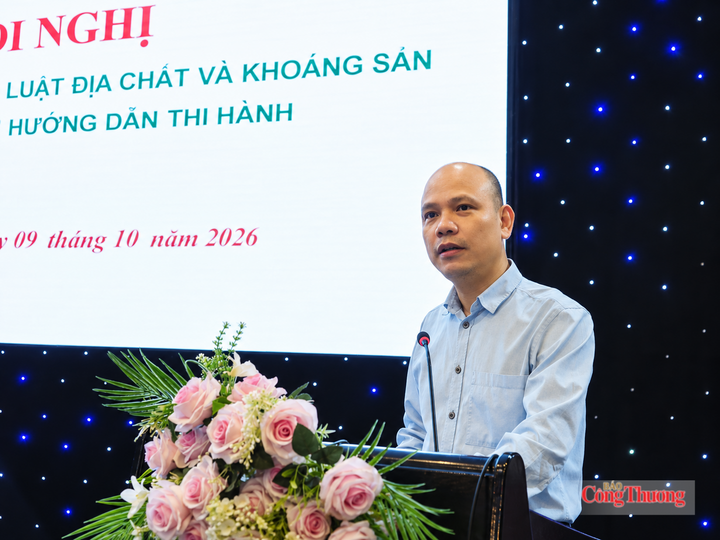
On October 9, the Viet Nam Department of Geology and Minerals, in coordination with the Thai Nguyen Department of Industry and Trade, held a conference in Thai Nguyen province to disseminate the Law on Geology and Minerals and its implementing regulations.
Northern localities are strengthening links in supporting industries, energy and logistics to build competitive value chains and create new growth drivers.
The 20th Industrial Promotion Conference for Northern Provinces and Cities in 2026 was held in Hai Phong City on October 1, with discussions focusing on renewing industrial promotion activities.
On September 30 in Ha Noi, the Ministry of Industry and Trade (MoIT) held a conference to gather broad feedback on a draft decree replacing the Government’s existing decrees on petroleum trading.