E-commerce is opening new pathways for Vietnamese products to reach global consumers, with technology helping businesses build brands and expand beyond traditional export channels.
E-commerce is shortening the distance between Vietnamese products and global buyers.
In an interview with Newspaper of Industry and Trade on the sidelines of the launch of the “Beyond Viet Nam - Vietnamese Products Take Flight” initiative, jointly organized in Ho Chi Minh City by the Viet Nam E-commerce and Digital Economy Agency under the Ministry of Industry and Trade and TikTok Shop, with the support of the ministry’s Department of Foreign Market Development, Director-General Le Hoang Oanh of the E-commerce and Digital Economy Agency said the greatest opportunity brought by e-commerce lies not merely in opening another sales channel.
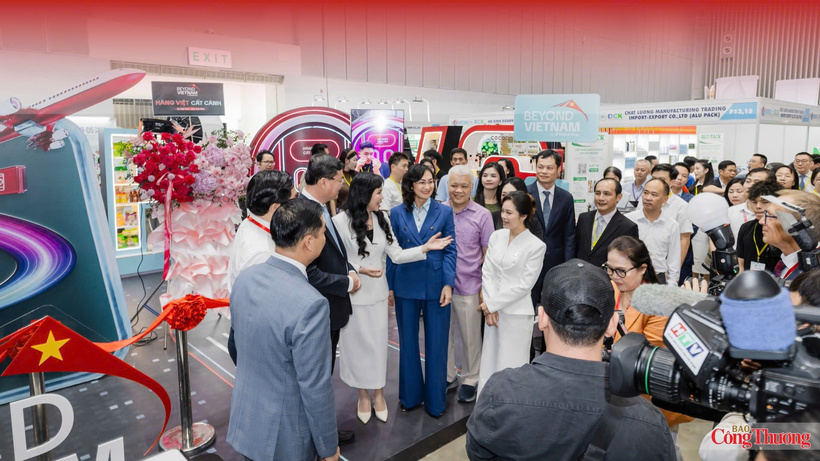
Deputy Minister of Industry and Trade Phan Thi Thang, Director-General of the Viet Nam E-commerce and Digital Economy Agency Le Hoang Oanh, and a representative of TikTok Viet Nam at the launch ceremony of the “Beyond Viet Nam - Vietnamese Products Take Flight” initiative, which aims to promote cross-border e-commerce exports.
More importantly, technology is changing the way Vietnamese products reach markets, enabling businesses to proactively bring their products, stories, culture, and brands closer to consumers around the world.
According to Director-General Le Hoang Oanh, to capitalize on this new launchpad, businesses must standardize their products, strengthen their digital capabilities and, most importantly, shift from the pure “selling” mindset to building Vietnamese brands capable of establishing a strong foothold in international markets.
Businesses need to shift from “selling products” to “building brands”
Reporter: With exports facing many developments and uncertainties, how do you view the opportunities that e-commerce, particularly cross-border e-commerce, is opening up for Vietnamese products?
Director-General Le Hoang Oanh: The current global economic environment is presenting considerable challenges to export activities. Demand in many markets is fluctuating and business costs are rising, while requirements for quality, traceability, green standards, and sustainable development are becoming increasingly stringent. These challenges are more pronounced for small and medium-sized enterprises, cooperatives, and producers with limited resources for accessing international markets.
Director-General Le Hoang Oanh of the Viet Nam E-commerce and Digital Economy Agency
However, it is precisely in this context that e-commerce, particularly cross-border e-commerce, is opening up a new approach.
Previously, consumers often had to know what they wanted to buy before searching for a product. In today’s digital environment, however, many purchasing decisions begin with a process of discovery. A video can spark curiosity; a story can create interest; a livestream can build trust; and a single click can turn interest into an order.
That is precisely what is noteworthy about discovery commerce: products no longer have to simply wait for consumers to find them; instead, they can proactively appear in consumers’ discovery journeys.
This is particularly meaningful for Vietnamese products. We have many quality products with distinctive identities and unique stories, ranging from agricultural products and food to handicrafts, traditional craft village products, regional specialties, and traditional products with significant potential.
A product may originate from a craft village, a raw-material-producing area, a workshop, or a small business in Viet Nam, but today it can entirely reach a consumer thousands of kilometers away through a video, a livestream, or an engaging story on a digital platform.
Therefore, the issue with many Vietnamese products is not necessarily a lack of value, but rather that we have yet to tell the stories behind those values in a way that is sufficiently attractive, convincing, and suited to consumers around the world.
Discovery commerce is opening up a new way for Vietnamese products to reach consumers directly around the world.
Discovery commerce can help narrow that gap. Products are no longer introduced solely through basic specifications, but can be presented through images, experiences, people, places, and the culture behind them.
When a story is compelling enough, a product has an opportunity to be seen. When the product builds trust, consumers are willing to try it. And when the experience is good enough, an order today can potentially become a long-term customer in the future.
Reporter: So, in your view, what capabilities do Vietnamese businesses need to prepare so that opportunities from e-commerce can truly be transformed into sustainable export capacity?
Director-General Le Hoang Oanh: In my view, there are four issues that businesses need to pay particular attention to.
First, products must be standardized before businesses think about going further afield. Quality, origin, traceability, packaging, legal information, and the ability to fulfill orders are indispensable foundations. E-commerce can help a product gain exposure and move very quickly, but only quality can enable the product to go the distance.
Second, businesses must seriously invest in digital capabilities. In the new trading environment, knowing how to produce is no longer enough. Businesses must also know how to put their products into the digital environment, create content, tell their brand stories, work effectively with content creators, operate professional online stores, and use data to understand customers.
In other words, a good product needs to be accompanied by a good story and an appropriate way of reaching the market.
Third, businesses need to view the domestic and international markets as part of the same development journey. A product embraced by Vietnamese consumers can absolutely become a product discovered by international consumers.
Therefore, the domestic market is not only a place to sell goods. It can also serve as a place for businesses to test models, improve products, build brands, gauge consumer responses, and accumulate capabilities before entering global markets.
And fourth, which I believe is the most important factor in the long term, is shifting from the mindset of “taking products out to sell” to the mindset of “building Vietnamese brands in the global market.”
The goal should not stop at selling one more product or gaining one more order. What we are aiming for is that when international consumers think of products that offer quality, distinctive identities, compelling stories, and unique value, they may think of Viet Nam. That is the long-term value of the journey to bring Vietnamese products to the world.
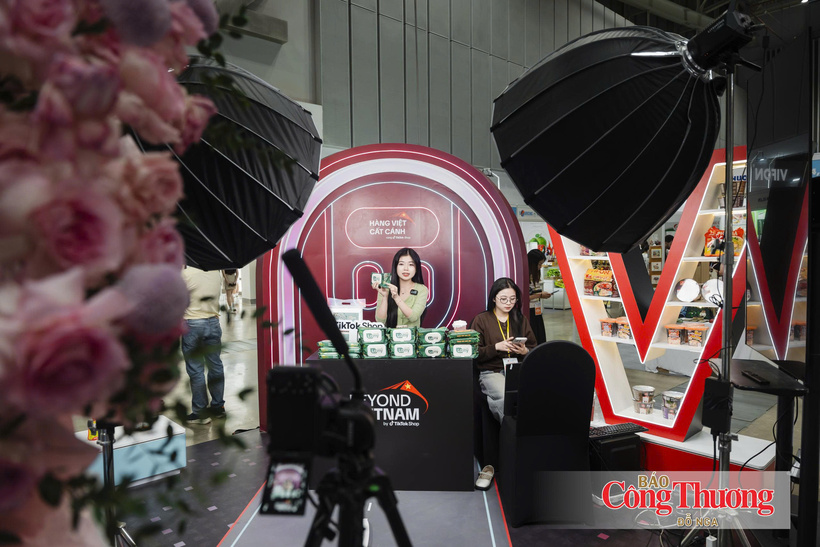
Beyond Viet Nam aims to build cross-border business capabilities for the Vietnamese business community.
Turning “Vietnamese Products Take Flight” into a long-term journey
Reporter: From the perspective of a state management agency, what does the Viet Nam E-commerce and Digital Economy Agency expect from the “Beyond Viet Nam -- Vietnamese Products Take Flight” initiative? How can the initiative go beyond a communications or short-term sales promotion campaign?
Director-General Le Hoang Oanh: We hope that “Beyond Viet Nam - Vietnamese Products Take Flight” will not merely be an e-commerce program or a communications activity, but, more importantly, become an opportunity for businesses to change the way they approach markets.
Technology is shortening the distance between producers and consumers. Therefore, it is essential to help businesses, particularly small and medium-sized enterprises, cooperatives, and local producers, take advantage of technology to turn the existing strengths of Vietnamese products into competitive capabilities in the market.
I believe that the value of an initiative such as “Vietnamese Products Take Flight” should not be assessed solely by the number of products put on a platform or the number of orders generated within a certain period. More importantly, after the program, whether businesses have improved their digital capabilities; whether products have been better standardized; whether businesses understand their customers better; and whether they know how to create content, operate e-commerce activities, and gradually build their brands.
If these goals can be achieved, the program’s impact will not end with a single campaign but can create long-term development capabilities for businesses.
I would also like to particularly emphasize the role of the press and communications in this journey. The media not only reports on Vietnamese products but can also help discover, spread, and tell Vietnamese stories capable of resonating with consumers both at home and abroad.
Each Vietnamese product can carry a story about a place, a community, a production method, a cultural value, or the creativity of Vietnamese businesses. If these stories are conveyed professionally in the digital environment, goods will not only carry use value but also gain additional brand value and a distinctive identity.
Reporter: In recent years, the Viet Nam E-commerce and Digital Economy Agency has coordinated with many platform businesses to promote e-commerce and support the sale of Vietnamese products. How do you assess the role of platforms, including TikTok Shop, and how should cooperation among the State, platforms, and businesses be strengthened toward the goal of “Vietnamese Products Take Flight”?
Director-General Le Hoang Oanh: Recent practice shows that platform businesses are playing an increasingly important role in the e-commerce ecosystem. In addition to providing infrastructure and sales tools, platforms can also help businesses reach consumers, provide digital skills training, create content, utilize data, promote products, and connect supply and demand.
We recognize the proactive efforts of platform businesses in coordinating with state management agencies to implement various activities supporting businesses, cooperatives, household producers, and local products in participating in e-commerce.
Among them, alongside other platforms, TikTok Shop has in recent times implemented programs in coordination with the Ministry of Industry and Trade, the Viet Nam E-commerce and Digital Economy Agency, and localities to support the promotion and sale of Vietnamese products, One Commune One Product (OCOP) products, and regional specialties. At the same time, it has contributed to bringing new approaches such as short-form videos, livestreams, and discovery commerce closer to the business and producer community.
The “Beyond Viet Nam - Vietnamese Products Take Flight” initiative further demonstrates an encouraging form of cooperation among state management agencies, technology platforms, and the business community in using technology, content, and e-commerce to shorten the journey from Vietnamese products to consumers.
However, for this cooperation to create sustainable value, I believe it should move toward an ecosystem in which the State creates an enabling environment and improves policies; platforms provide technology, tools, and capacity-building support; while businesses must proactively standardize their products, improve quality, build brands, and comply with market regulations.
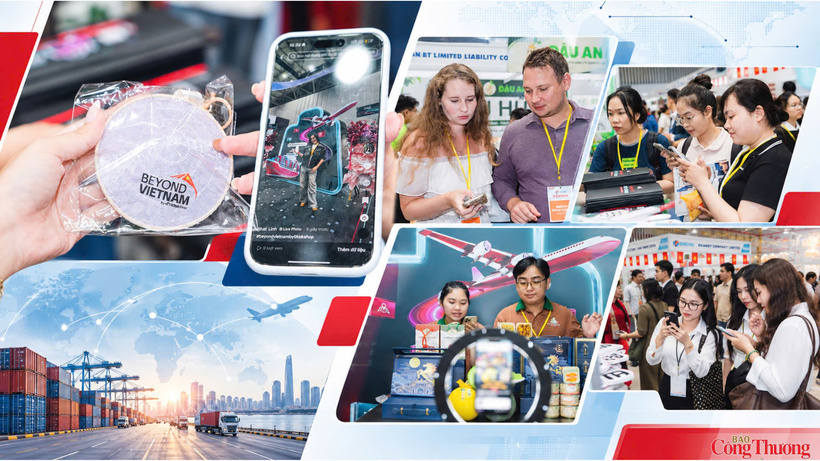
Vietnamese products gain a competitive edge through cross-border e-commerce.
All parties need to work toward the common goal of strengthening the substantive capabilities of Vietnamese businesses, rather than focusing solely on short-term sales results.
Looking further ahead, we need to create a seamless journey: from helping Vietnamese businesses sell more effectively in the digital environment, to building stronger brands and gradually accessing international markets.
I expect “Beyond Viet Nam - Vietnamese Products Take Flight” to be more than just the name of an initiative. It can become a long-term journey in which an increasing number of Vietnamese products, businesses, and values are known, chosen, and remembered by consumers around the world.
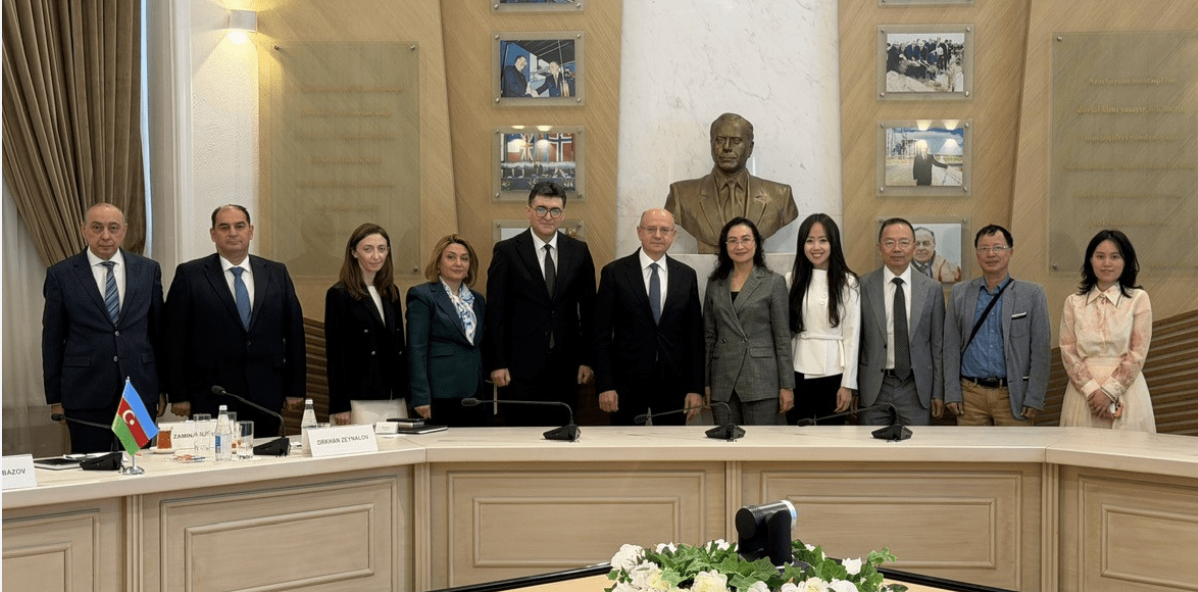
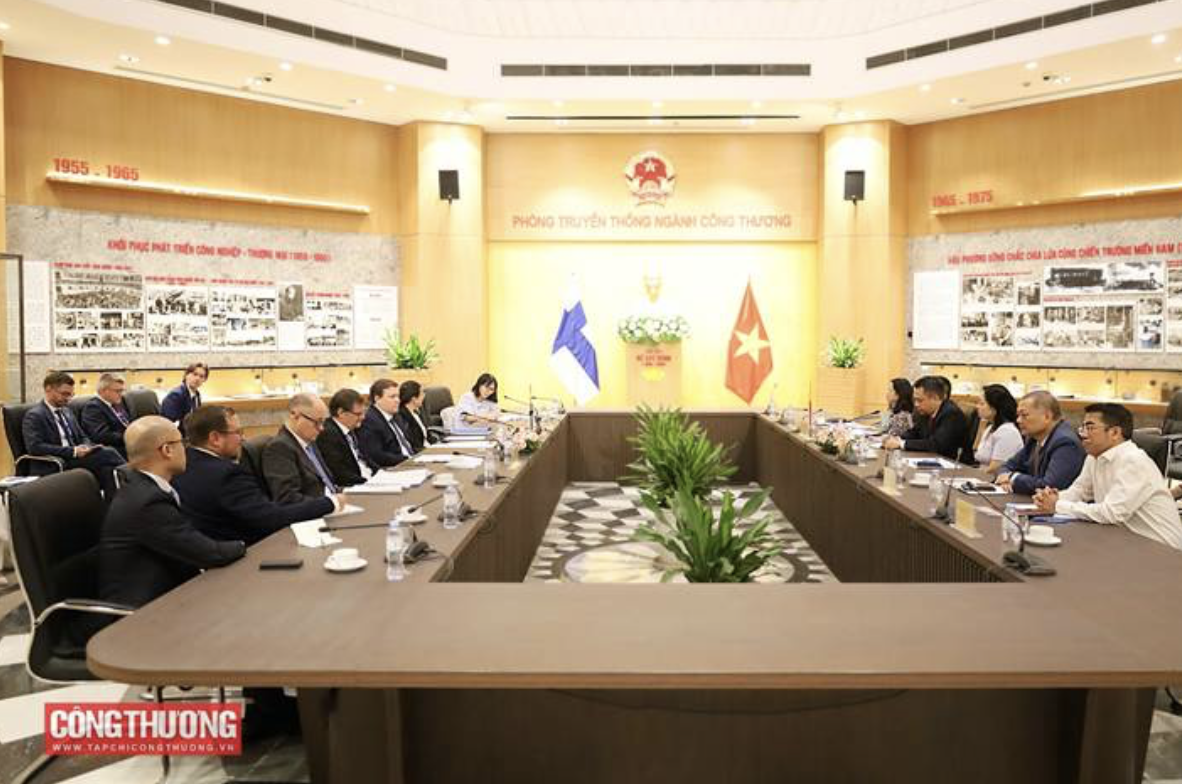
Deputy Minister Phan Thi Thang holds talks with Azerbaijan’s Minister of Energy to advance the bilateral trade and investment and expand cooperation in oil, gas, and LNG.
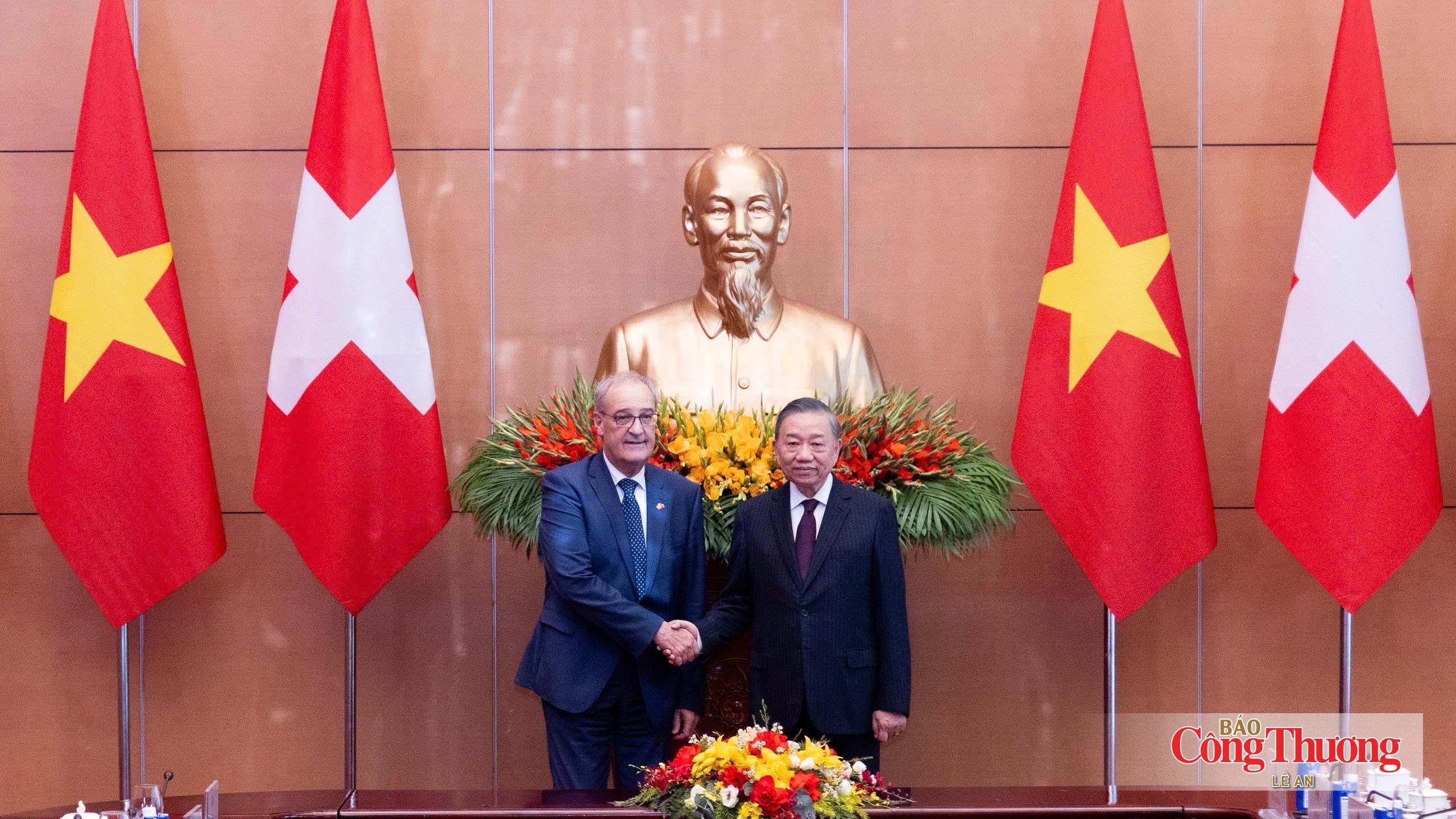
Viet Nam attaches great importance to its Comprehensive Partnership with Switzerland and wishes to continue working alongside the country to promote shared development and contribute to peace, stability and development in the region.
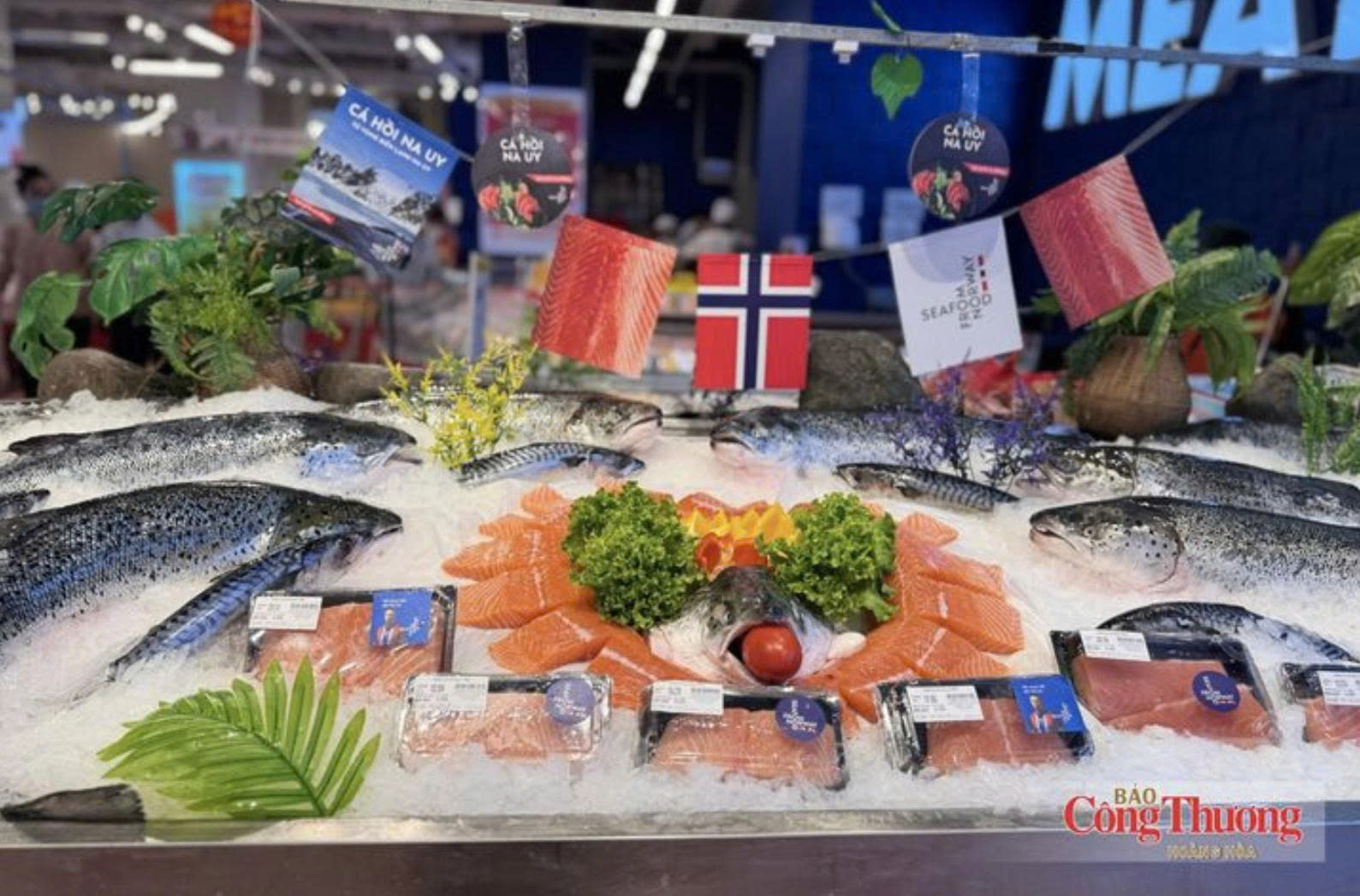
Norwegian representatives expect tariff preferences under the Viet Nam – EFTA Free Trade Agreement (FTA) to help lower the price of Norwegian salmon, making the product more accessible to Vietnamese consumers.
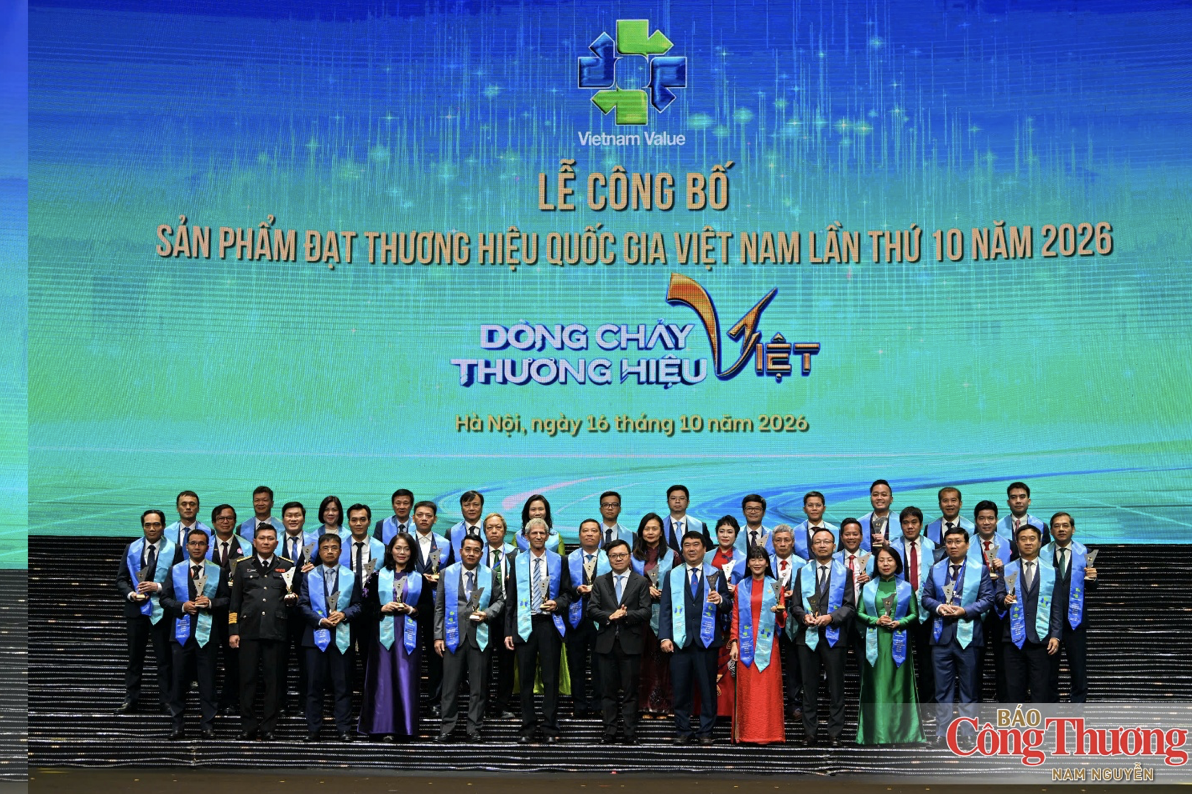
The Ministry of Industry and Trade honored 499 products and services from 227 businesses at the 10th Viet Nam National Brand announcement ceremony for 2026.
Deputy Minister Phan Thi Thang holds talks with Azerbaijan’s Minister of Energy to advance the bilateral trade and investment and expand cooperation in oil, gas, and LNG.
Viet Nam attaches great importance to its Comprehensive Partnership with Switzerland and wishes to continue working alongside the country to promote shared development and contribute to peace, stability and development in the region.
Norwegian representatives expect tariff preferences under the Viet Nam – EFTA Free Trade Agreement (FTA) to help lower the price of Norwegian salmon, making the product more accessible to Vietnamese consumers.
The Ministry of Industry and Trade honored 499 products and services from 227 businesses at the 10th Viet Nam National Brand announcement ceremony for 2026.