Vietnam must accelerate digital logistics, institutional reform and supply chain modernisation to make free trade zones a magnet for high-quality FDI.
Politburo Resolution No.10-NQ/TW paves the way for the development of free trade zones and international financial centers. To turn these ambitions into reality, Vietnam must pursue breakthrough solutions in digital logistics.
Politburo Resolution No.10-NQ/TW outlines the pilot implementation of breakthrough institutional models designed to attract high-quality foreign direct investment (FDI). However, experts argue that achieving this objective will require Vietnam to make fundamental breakthroughs in logistics infrastructure, digital governance, and internationally aligned supply chain management.
A reporter from the Newspaper of Industry and Trade spoke with Tran Chi Dung, representative of the Vietnam Logistics Business Association (VLA), to discuss these issues.
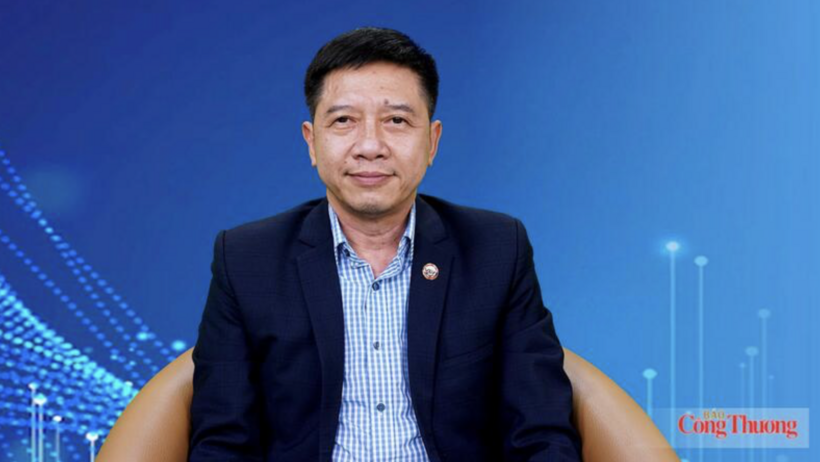
Tran Chi Dung, representative of the Vietnam Logistics Business Association (VLA).
- Connectivity to inland areas and neighbouring countries remains weak- Resolution No.10-NQ/TW aims to pilot breakthrough institutional models such as international financial centers, free trade zones (FTZs), economic zones, and high-tech parks to attract next-generation FDI. Logistics is expected to play a pivotal role. In your view, how should Vietnam redesign and upgrade its logistics system to avoid creating "old wine in a new bottle" and instead establish a genuine regional competitive advantage?
Tran Chi Dung: To prevent breakthrough institutional models such as Free Trade Zones (FTZs) from becoming merely "old wine in a new bottle," logistics systems must evolve beyond the traditional warehouse-based approach into fully integrated, closed-loop logistics ecosystems built upon three fundamental pillars.
Separating cargo flows through "virtual corridors": Drawing inspiration from the United Kingdom's next-generation Freeport model, where a Freeport may extend its outer boundary up to 45 kilometres, Vietnam should establish digitally managed closed logistics corridors.
Under such a system, seaports or airports could be located several dozen kilometres away from logistics hubs or manufacturing zones, while cargo moving between these locations would be continuously monitored through electronic positioning technologies and automated recognition cameras. This approach would significantly reduce unnecessary physical inspections while fully preserving customs authorities' right to inspect shipments flagged as high-risk under risk-based management principles.
Technology-intensive infrastructure: Logistics facilities within these specialized zones should be designed as smart infrastructure from the outset, incorporating automated storage and retrieval systems (AS/RS) and real-time supply chain management platforms. For next-generation FDI investors, customs clearance speed and supply chain predictability are far more important than marginal reductions in land rental costs.
Optimising the "tariff inversion" advantage: Logistics infrastructure within FTZs should integrate dedicated functional zones that facilitate high-value processing, advanced assembly, product finishing, value-added manufacturing, and cross-border e-commerce fulfilment. This enables businesses to benefit from tariff inversion mechanisms, whereby finished products manufactured within the FTZ may qualify for more favourable tariff rates than those applied to imported raw materials or components.
- Besides these advantages, what logistics and supply chain bottlenecks must Vietnam address to fully capitalize on free trade zones and emerging development spaces?
Tran Chi Dung: Offering tax incentives alone will not be enough. Unless these bottlenecks are resolved, even the most progressive institutional frameworks will lose their competitive edge from the very beginning.
Physical bottlenecks in multimodal connectivity: Vietnam has developed strong seaport infrastructure, yet its capacity to connect cargo efficiently with inland regions and neighbouring countries through railways and inland waterways remains limited. As a result, logistics costs still account for approximately 16-18% of GDP, significantly higher than the global average due to the country's heavy reliance on road transport.
To achieve a genuine breakthrough, planning should no longer be confined to the four conventional transport modes road, rail, waterway and aviation. Vietnam should also explore complementary transport solutions currently being piloted in several countries, including pipelines, conveyor systems, and inter-port cable transport for bulk cargo, while maximising the use of existing inland canal networks. Looking further ahead, low-altitude aviation could also support last-mile logistics services for high-tech industrial zones.
Legal bottlenecks in inter-agency administrative procedures: According to recent reviews by the Ministry of Industry and Trade and the Customs Department, a single import-export shipment remains subject to fragmented specialized management by around 13 ministries and ministerial-level agencies through more than 200 administrative procedures covering tens of thousands of product categories.
The defining feature of a successful FTZ is a fully digital single-window customs system, under which businesses submit information only once, while all specialized inspections and tax incentives are processed automatically.
The risk of artificial capital relocation: International experience also highlights the risk that domestic enterprises may simply relocate their offices from one area to another solely to benefit from tax incentives, without generating genuine value creation. This challenge can only be addressed by clearly defining FTZs as hubs serving international cargo flows and authentic cross-border supply chains.
- Institutional breakthroughs to attract high-quality FDI- In your opinion, what logistics management, monitoring and data connectivity mechanisms should Vietnam establish to facilitate investment while ensuring supply chain security and preventing trade fraud?
Tran Chi Dung: To strike the right balance between investment facilitation and risk control, in line with Resolution No.10-NQ/TW, Vietnam's core solution should be the comprehensive digitalisation of mobile cargo supervision through four technology-driven initiatives.
First, establishing a centralized National Logistics Data Hub. This platform would enable real-time data exchange among customs authorities, FTZ management boards, shipping lines, port operators, logistics providers and FDI enterprises. Cargo movement data should be fully transparent, from origin through every stage of transportation.
Second, deploying automated mobile cargo monitoring technologies. Instead of relying on labour-intensive physical inspections that cause congestion, cargo moving between specialized zones should be supervised through electronic tracking devices, automated scanning stations and AI-powered surveillance cameras installed along customs-controlled logistics corridors.
Comprehensively digitalising mobile cargo supervision is the cornerstone of balancing investment facilitation with effective risk management under the spirit of Resolution No.10-NQ/TW. Photo: Duc Thanh
Third, applying artificial intelligence for risk management. AI algorithms should analyse cargo movement patterns, detect anomalies in shipment origins and destinations, cargo volumes and transport frequency, thereby providing early warnings of potential origin fraud or illegal transshipment without disrupting the movement of compliant cargo.
Fourth, establishing integrated logistics operations centers. Vietnam should develop real-time logistics control towers bringing together representatives from government agencies, the logistics community and businesses. These centers would simultaneously monitor cargo flows and information flows around the clock, enabling early detection and prompt resolution of irregularities before they escalate.
- Based on international experience, which institutional reforms should Vietnam prioritise to transform logistics into a key driver for attracting high-quality FDI in the coming years?
Tran Chi Dung: Lessons from countries that have gone before us suggest that Vietnam should focus on four decisive institutional breakthroughs.
The first breakthrough: a "one port, two regimes" model. It is neither practical nor necessary to designate an entire major seaport as a duty-free zone. Instead, the new institutional framework should allow selected specialized terminals to operate under dedicated customs regimes for international cargo, while maintaining seamless connections with inland logistics zones. This approach closely resembles the separation principle adopted under the UK's Freeport model.
The second breakthrough: time-bound incentives to eliminate dormant projects. To attract genuinely committed, high-quality FDI investors, tax and land incentives within FTZs and high-tech parks should be subject to clear activation deadlines. For example, incentives would only apply if investors complete capital disbursement and commence operations within one to three years after licensing, depending on project type. Such a mechanism would accelerate implementation while discouraging speculative land acquisition.
The third breakthrough: regulatory sandboxes for digital logistics. FTZs should be authorised to pilot innovative technologies that are not yet covered by existing regulations, including autonomous freight transport, blockchain-enabled electronic transport documents, automated tax refund mechanisms and transparent digital supply chain corridors. Successful pilot models could subsequently be expanded nationwide.
The fourth breakthrough: legally recognizing the status of FTZ Operators. One of Vietnam's major legal gaps is the absence of a formal legal framework defining and recognizing FTZ Operators in accordance with international standards.
- Thank you very much for your insights.
Tran Chi Dung: At present, Vietnam has infrastructure developers responsible for leasing land and state management agencies such as customs authorities and management boards. However, next-generation FTZs around the world also require a dedicated FTZ Operator equipped with advanced technological capabilities to manage integrated data platforms, coordinate interconnected operational systems and assume responsibility before customs authorities for ensuring transparency across the entire zone. Vietnam should therefore move swiftly to pilot licensing mechanisms and establish the legal status of FTZ Operators within its emerging development spaces, enabling them to serve as the central integrators of end-to-end supply chains.
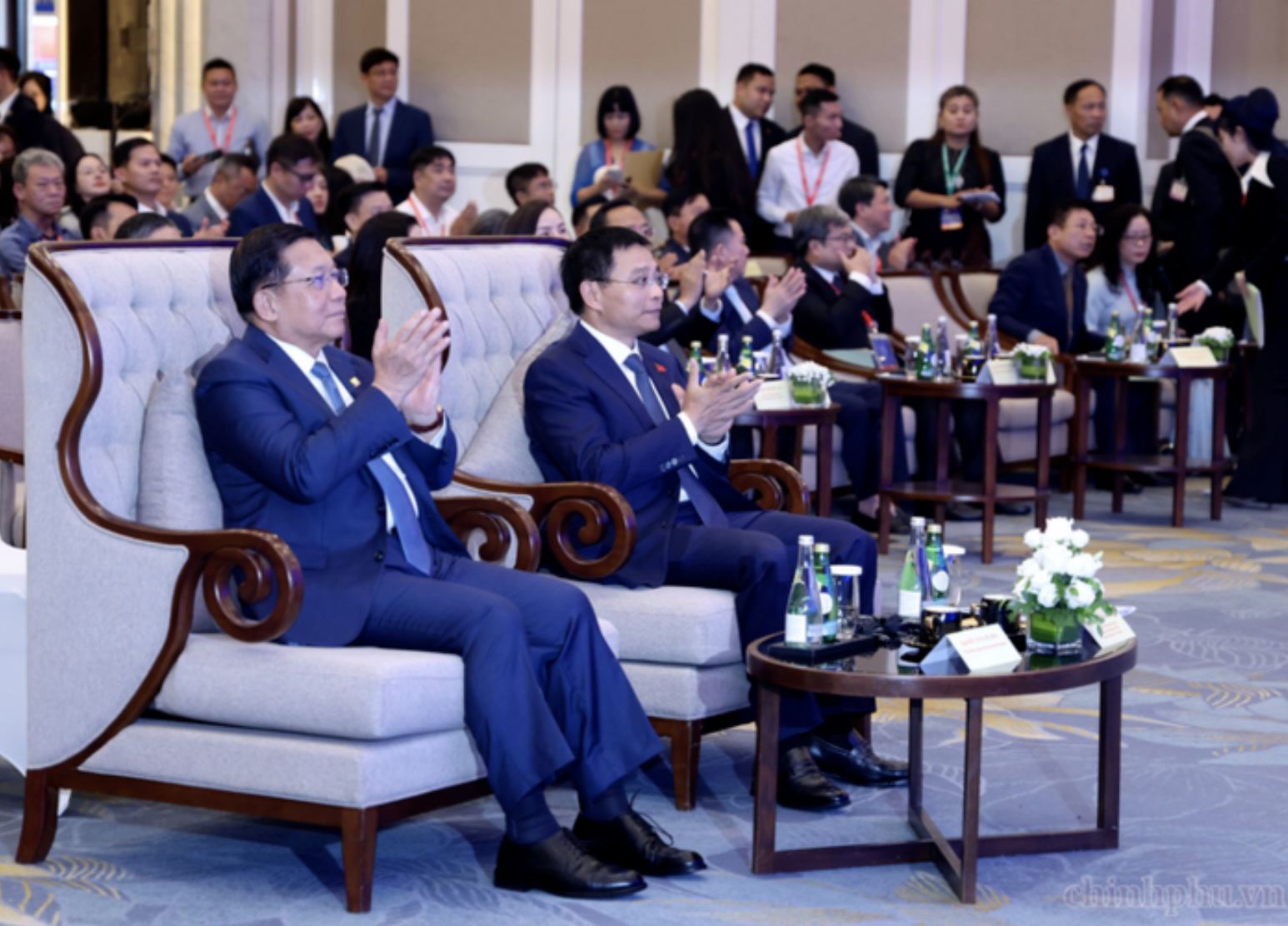
Addressing the Myanmar - Viet Nam Business Forum, Deputy Prime Minister Nguyen Van Thang said the two sides should expand the space for cooperation and leverage their respective resources to support the self-reliant and resilient development of each country, contributing to the implementation of agreements reached by the senior leaders of the two countries.
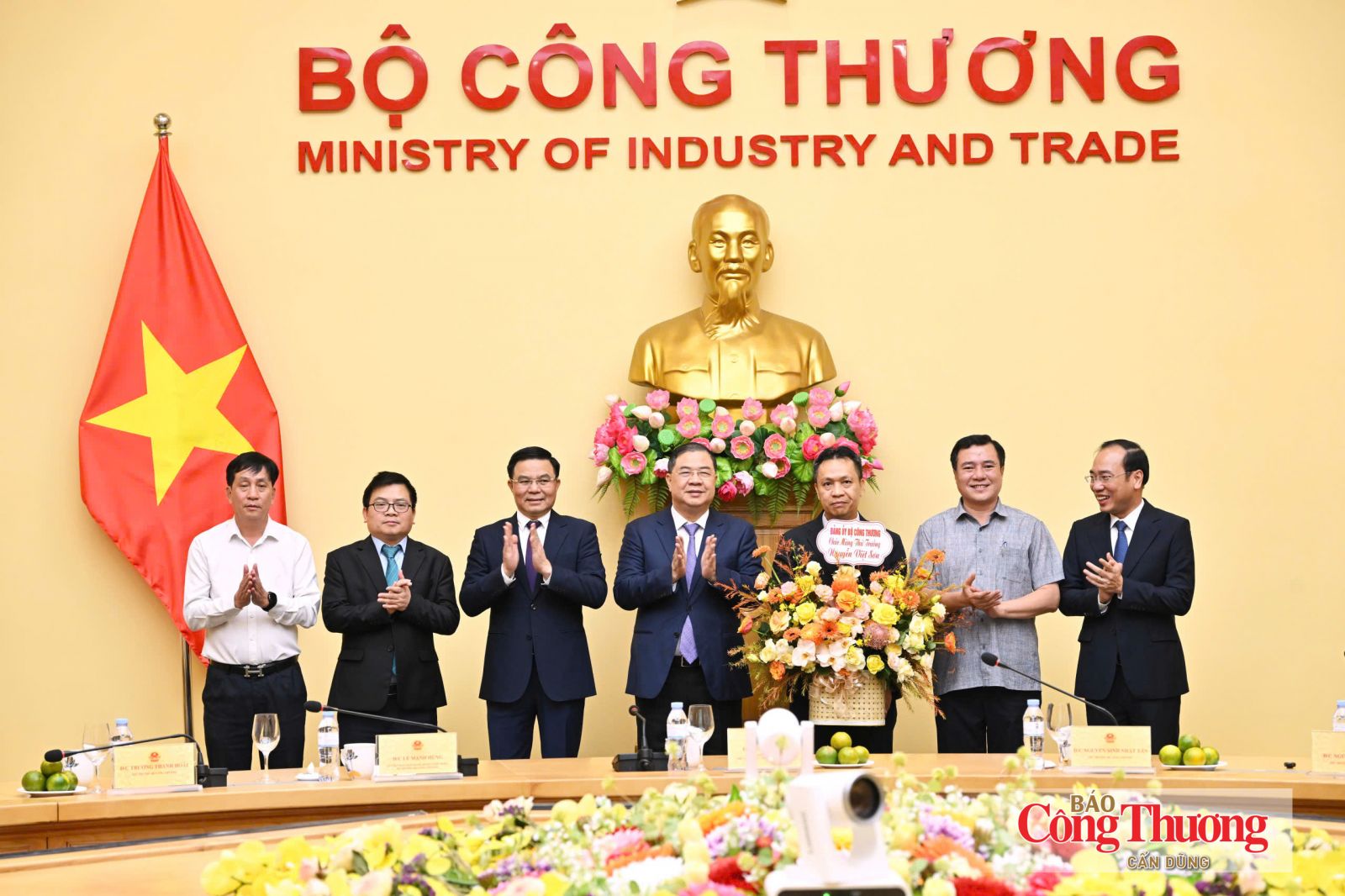
On the afternoon of September 6, at the headquarters of the Ministry of Industry and Trade (MoIT), Politburo member and Standing Deputy Prime Minister Pham Gia Tuc handed over the Prime Minister's decision appointing Nguyen Viet Son as Deputy Minister of Industry and Trade.
The iDEA and TikTok Shop launched the “Beyond Vietnam” initiative to help Vietnamese businesses build digital export capabilities and expand global market access.
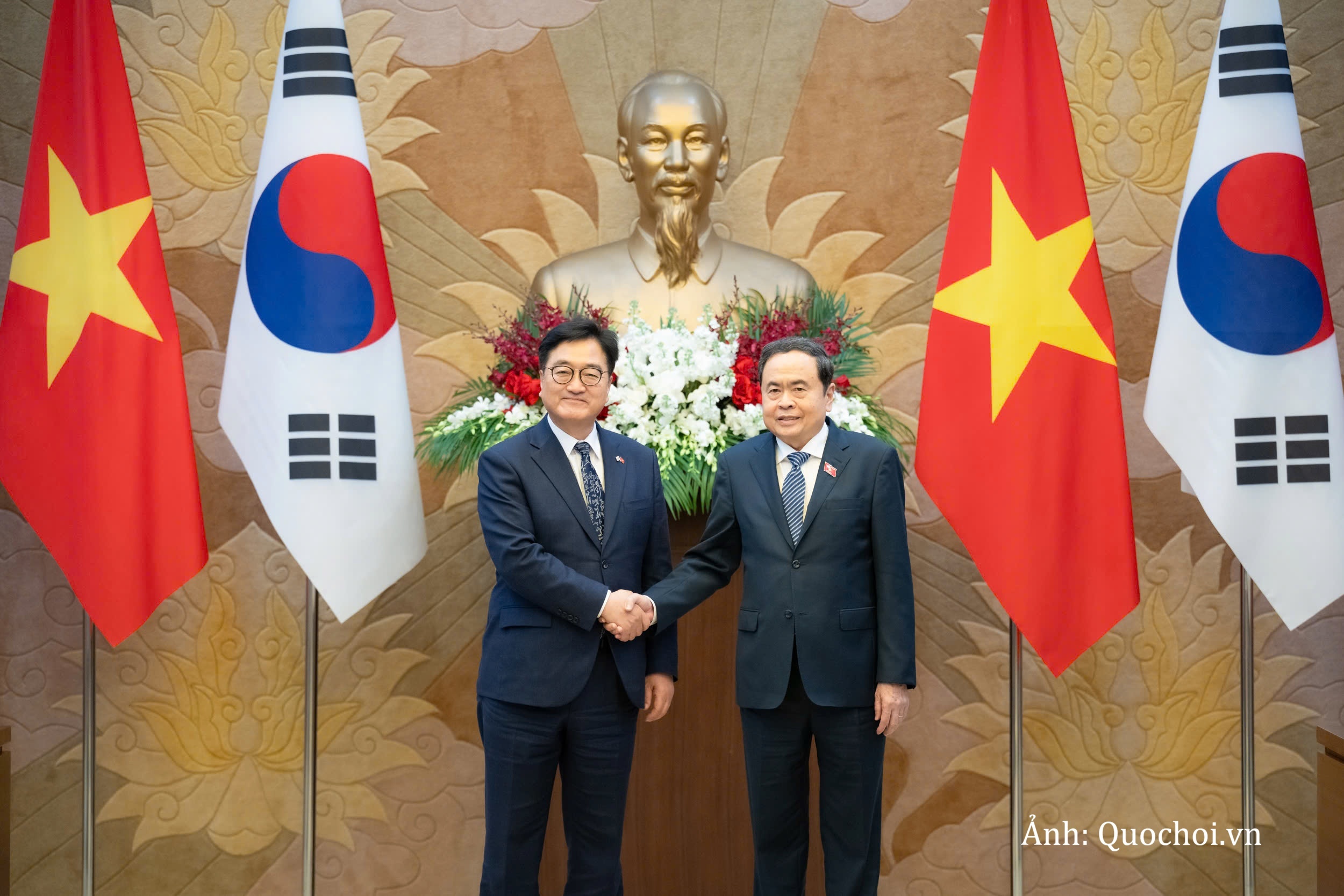
As Viet Nam and the Republic of Korea (RoK) work towards the goal of raising bilateral trade to USD 150 billion, the National Assemblies of the two countries have an important role to play in improving institutions and removing bottlenecks.
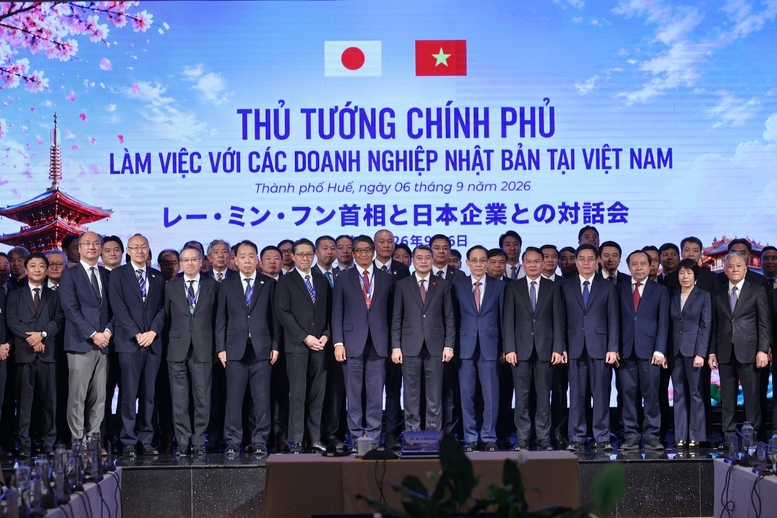
Chairing a meeting with Japanese businesses on the morning of September 6, Prime Minister Le Minh Hung called for Viet Nam - Japan investment ties to shift decisively from a relationship between “investors and investment destinations” toward a partnership for joint development and co-creation, involving joint research, innovation, production, and effective participation in and affirmation of their positions and roles in global value chains.
The iDEA and TikTok Shop launched the “Beyond Vietnam” initiative to help Vietnamese businesses build digital export capabilities and expand global market access.
Tourism Malaysia reaffirmed its commitment to the Vietnamese market at ITE HCMC 2026, promoting the extended Visit Malaysia 2026 - 2027 campaign and expanding tourism cooperation.
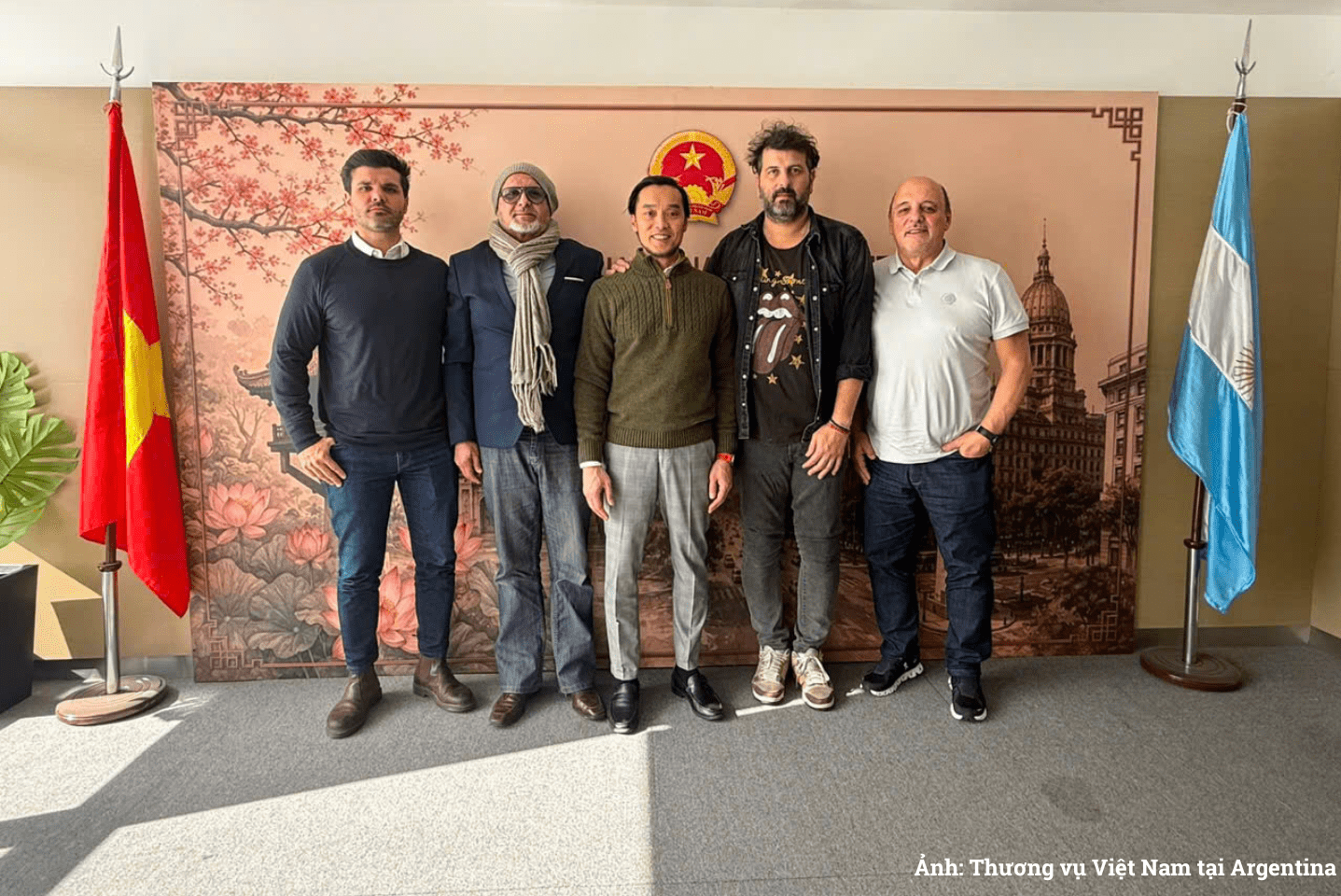
Viet Nam Trade Office in Argentina is boosting business links to expand cooperation in timber, minerals and investment, opening new opportunities for firms in both countries.
Vitafoods Asia 2026 in Thailand highlighted the growing presence of Vietnamese health and nutrition products, opening new opportunities for global market expansion.
Viet Nam is addressing key bottlenecks and improving durian quality to boost exports, with the sector targeting USD 4 billion in export turnover this year.