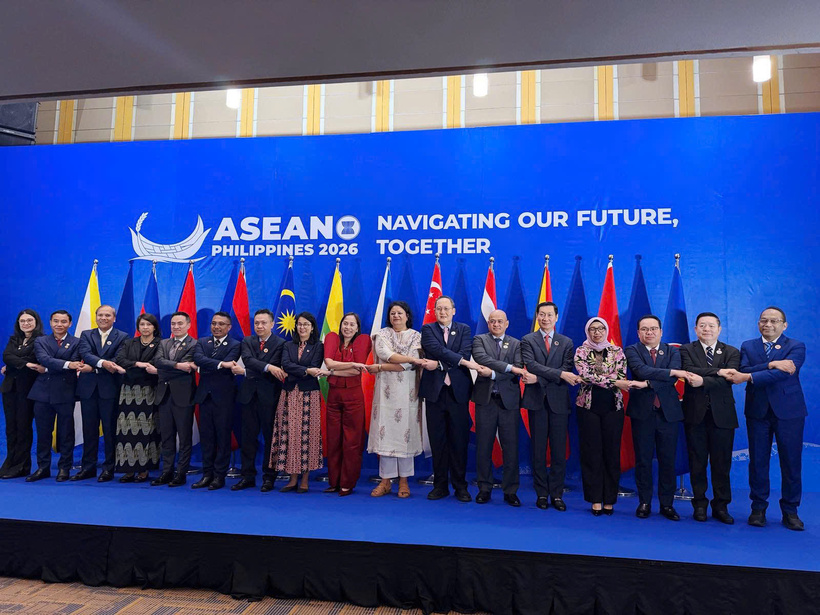
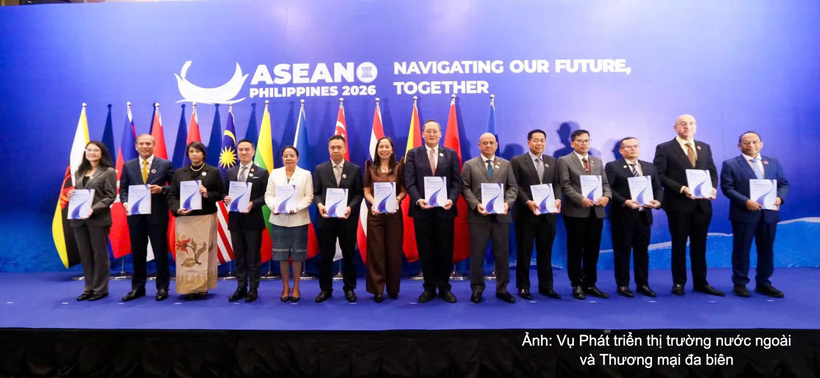
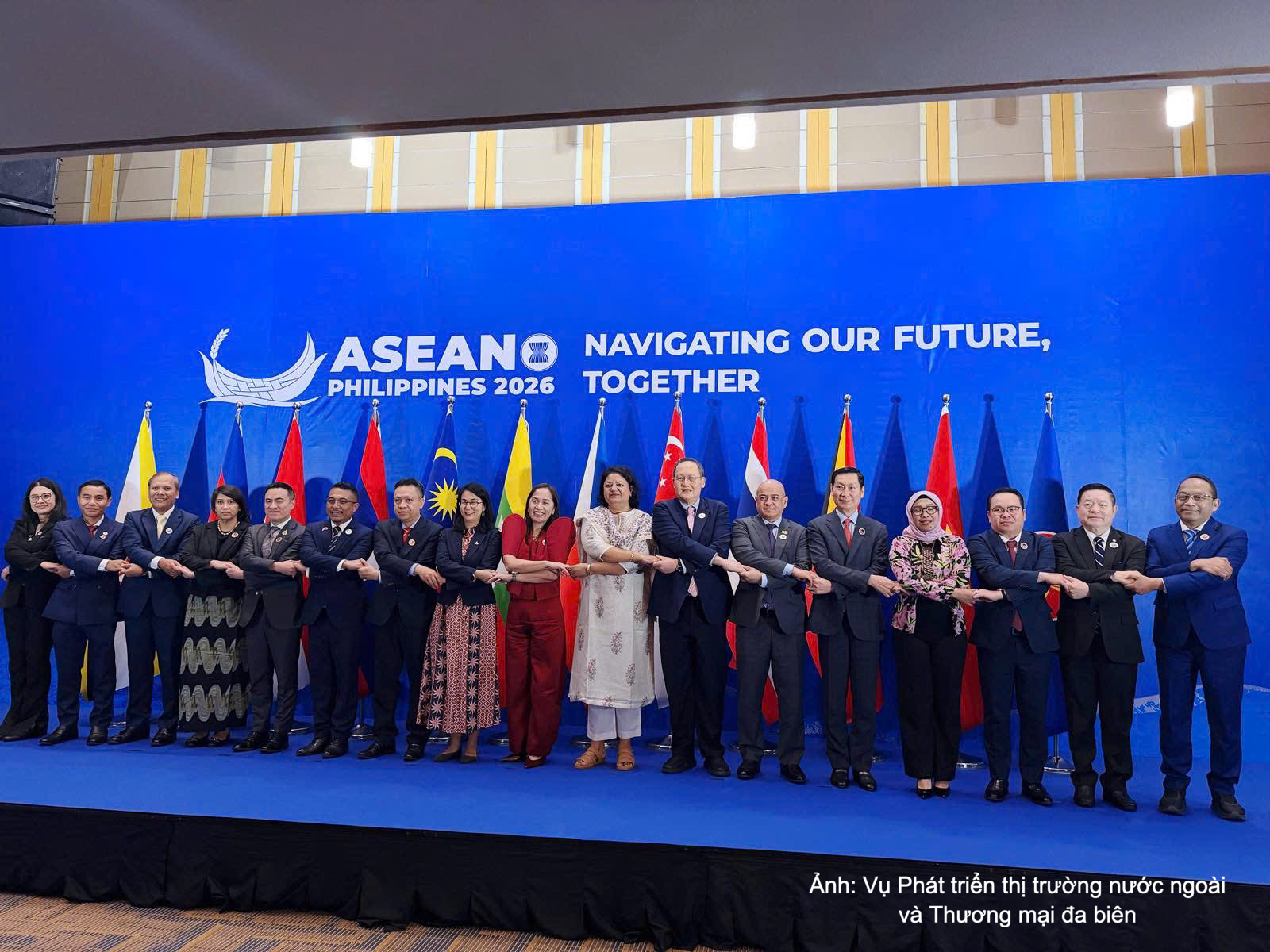
ASEAN held consultations with its dialogue partners in Manila, the Philippines, on October 7 - 8, as part of the 44th ASEAN Ministers on Energy Meeting.
The meetings included the 5th ASEAN Ministers on Energy Meeting-US Dialogue (5th AMEM-US Dialogue); the 23rd ASEAN Ministers on Energy Meeting Plus Three (23rd AMEM+3), involving China, Japan, and the Republic of Korea (RoK); the 20th East Asia Summit Energy Ministers' Meeting (20th EAS EMM); and discussions with the International Energy Agency (IEA) and the International Renewable Energy Agency (IRENA).
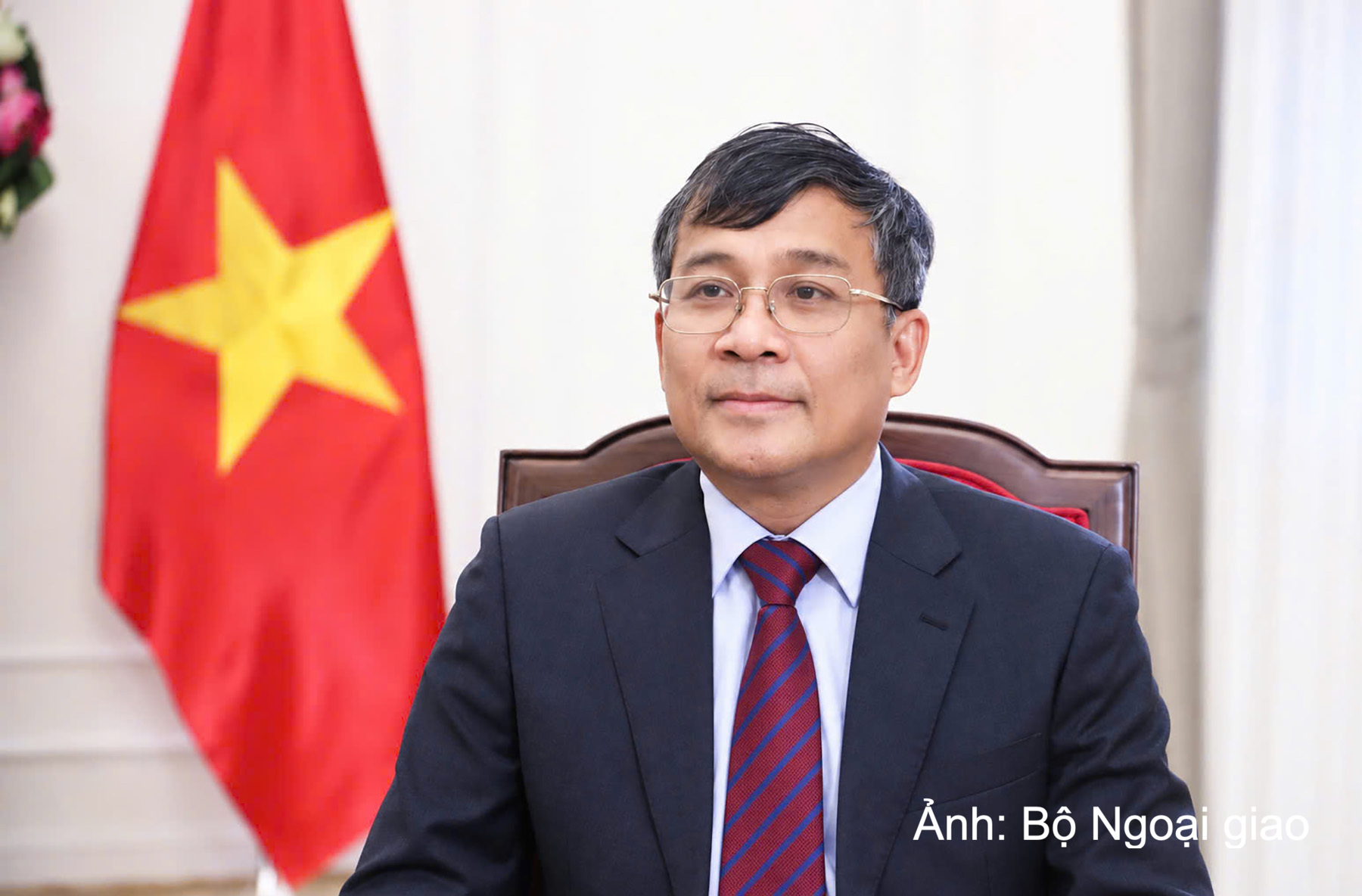
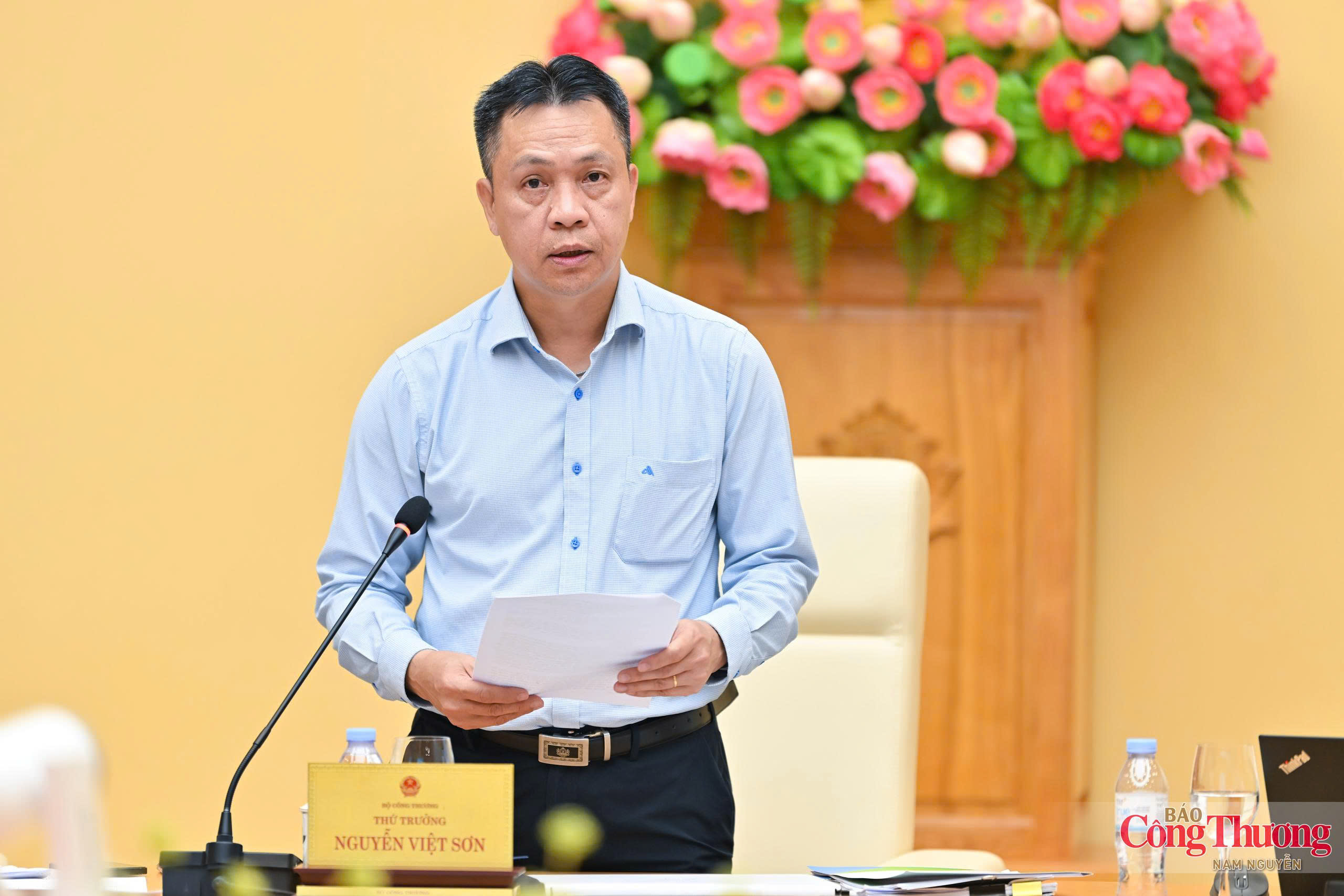
Related activities also included the 4th Asia Zero Emission Community (AZEC) Ministerial Meeting and a special meeting with Middle Eastern oil-exporting countries. The Vietnamese delegation was led by Deputy Minister of Industry and Trade Nguyen Viet Son.
Photo: the MoIT.
The meetings focused on recent developments in the regional and global energy sectors, acknowledging the changing geopolitical landscape, rising energy demand, market volatility and risks of disruptions to energy supply chains. These developments underscored the importance of strengthening energy security and regional resilience through the establishment and reinforcement of fuel reserve systems, the implementation of response measures and enhanced cooperation on regional energy connectivity.
The ASEAN-US Dialogue discussed the development of the ASEAN Power Grid (APG), civilian nuclear energy, coal technologies, oil and gas cooperation, and liquefied natural gas (LNG). Participants acknowledged US support for power grid modernization and interconnection, the development of regional electricity and LNG markets, and capacity building for cross-border electricity trade.
At the 23rd AMEM+3, energy ministers acknowledged the progress made in cooperation on oil stockpiling and emergency response, LNG, renewable energy and energy efficiency.
The meeting reaffirmed continued support for cooperation on the APG and exchanged views on the Submarine Power Cable Development Framework, emphasizing compliance with the laws and regulations of each participating country.
China continued to support cooperation on energy storage, renewable power integration, offshore wind energy and cross-border electricity trade. Japan promoted cooperation on energy supply security, energy management and the energy transition. The RoK supported power grid modernization, information sharing and crisis preparedness, while strengthening cooperation on financing and human resource development for civilian nuclear energy in accordance with countries' needs and levels of readiness.
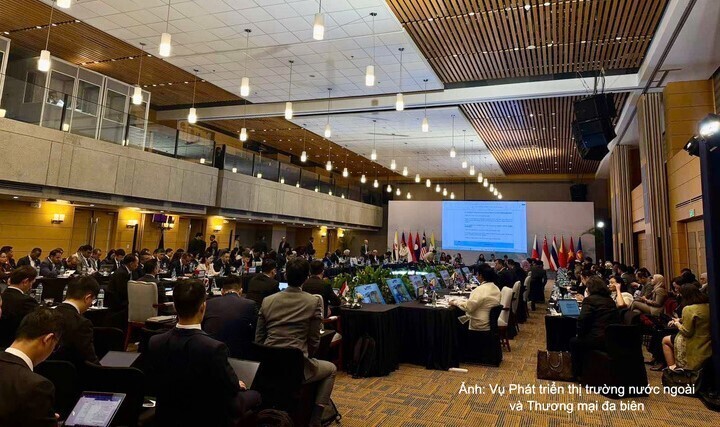
An overview of one of the meetings. Photo: the MoIT
At the 20th EAS EMM, which brought together ASEAN and eight dialogue partners, namely Australia, China, India, Japan, New Zealand, the RoK, Russia and the US, participants reaffirmed ASEAN centrality in regional energy cooperation.
They emphasized the importance of strengthening regional energy connectivity to reinforce energy security, enhance resilience and promote economic development.
The participants expressed support for APG cooperation through project preparation, technical assistance, capacity building, financing mobilization, investment in the ASEAN Power Grid, the development of cross-border electricity interconnections and the integration of regional gas pipeline systems, including the Trans-ASEAN Gas Pipeline (TAGP).
They also supported stronger regional cooperation on submarine power cables, including ongoing discussions on the ASEAN Submarine Power Cable Development Framework, and efforts to facilitate multilateral electricity trading.
Discussions with the IEA centered on energy security risk assessments, supply diversification, stronger reserves and emergency response capabilities, power grid modernization and demand management.
The IEA recommended strengthening the implementation of ASEAN mechanisms for oil and gas security and electricity interconnection, enhancing information sharing, harmonizing technical standards and placing energy efficiency at the center of energy security strategies.
IRENA highlighted the importance of electrification, grid investment, regional connectivity and regulatory harmonization in expanding renewable energy deployment.
Through the Accelerated Partnership for Renewables in Southeast Asia (APRESA), IRENA supports infrastructure development, policy improvement, private investment mobilization and green industrial development. The agency also presented its analytical, policy advisory and planning support activities in several countries, including Viet Nam.
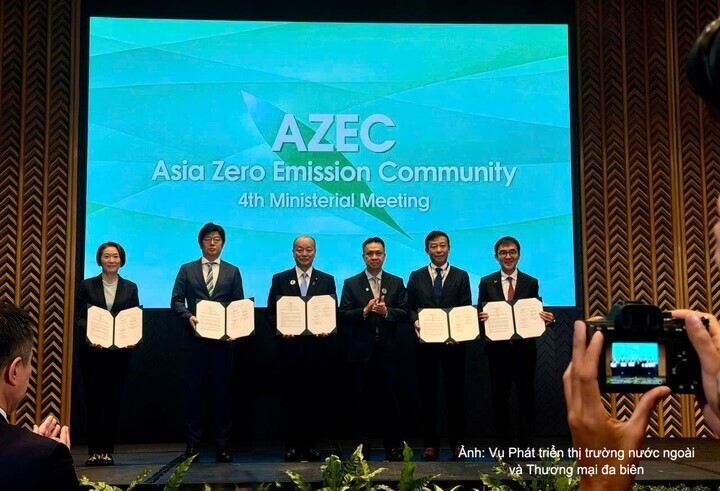
Under the AZEC framework, ministers discussed cooperation outcomes, the energy transition and directions for implementing national initiatives. Photo: the MoIT
Within the AZEC framework, ministers reviewed cooperation outcomes, energy transition efforts and directions for implementing national initiatives. In addition, on the occasion of the 4th AZEC Ministerial Meeting, a ceremony was held to commemorate energy cooperation memoranda of understanding (MOUs), covering 18 documents between Japanese government agencies, enterprises and organizations and their partners in the Philippines, Thailand, Malaysia, Singapore, Viet Nam and Indonesia.
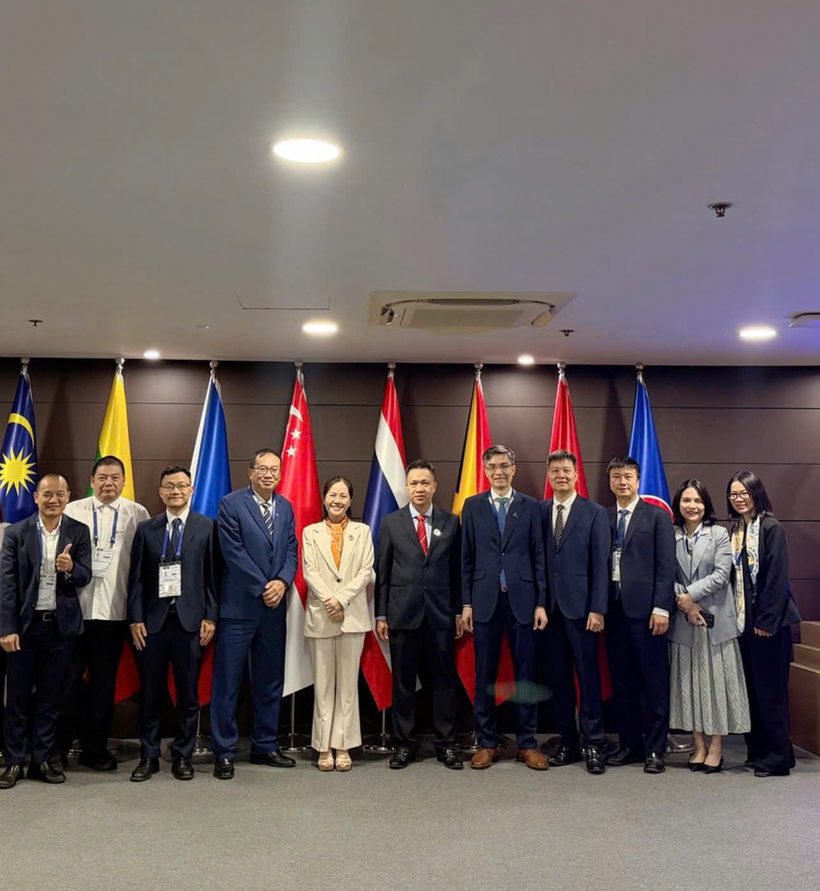
Deputy Minister Nguyen Viet Son and delegates pose for a group photo. Photo: the MoIT
Two cooperation projects involving Viet Nam were announced. The first was a memorandum of cooperation (MOC) on the development of gas-fired power generation using domestic natural gas and LNG in Viet Nam, involving Japan's Ministry of Economy, Trade and Industry (METI), Kyuden International Corporation, Marubeni Corporation, Tokyo Gas Co., Ltd., and the Economic Research Institute for ASEAN and East Asia (ERIA).
The second was an MOC on carbon neutrality in industrial parks in Viet Nam, involving METI, Sumitomo Corporation, ERIA and Thang Long Industrial Park. The special meeting with Middle Eastern oil-exporting countries featured discussions with Kuwait, Saudi Arabia and the United Arab Emirates (UAE). It was co-chaired by the Philippine Secretary of Energy and Japan's Minister of Economy, Trade and Industry.
Discussions focused on initiatives proposed by the three countries to strengthen energy security in Asia, providing opportunities for direct exchanges between energy-consuming and energy-exporting countries. At the meetings, Viet Nam proposed that future cooperation with partner countries should be strengthened, with a focus on energy conservation and efficiency, clean energy development alongside power infrastructure upgrades and energy storage, support for the preparation of feasible projects, investment matchmaking and financing mobilization, as well as human resource training, experience sharing and the transfer of appropriate technologies.
Viet Nam emphasized that the energy transition must ensure security of supply, affordable costs and socio-economic development. Cooperation activities should have clear objectives and outcomes, be undertaken on a voluntary basis and align with national priorities.
The discussions sought to advance practical cooperation programs that address ASEAN's needs, complement existing mechanisms and encourage greater participation by enterprises, investors and financial institutions. These efforts are expected to contribute to stronger energy security, economic growth and the effective implementation of the ASEAN Plan of Action for Energy Cooperation (APAEC) 2026 - 2030.
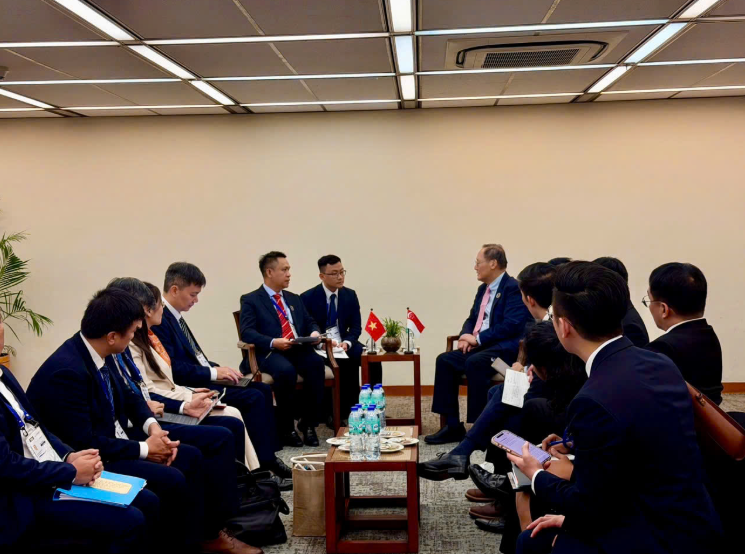
Deputy Minister Nguyen Viet Son holds a bilateral meeting with Singapore's Minister. Photo: the MoIT
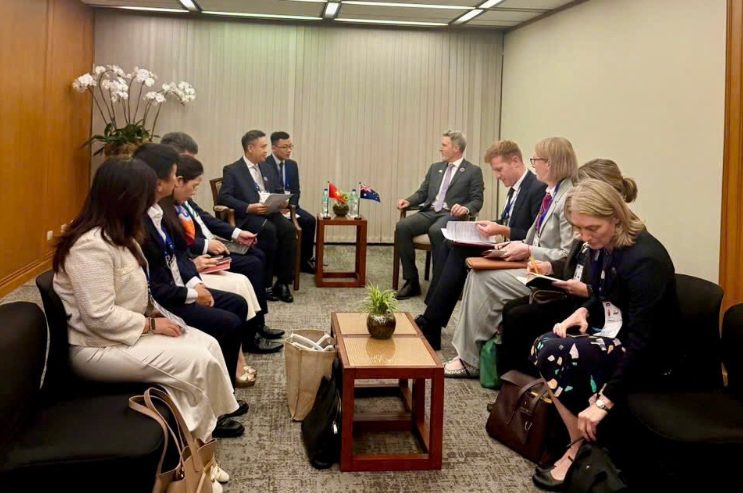
Deputy Minister Nguyen Viet Son holds a bilateral meeting with Australia's Minister. Photo: the MoIT
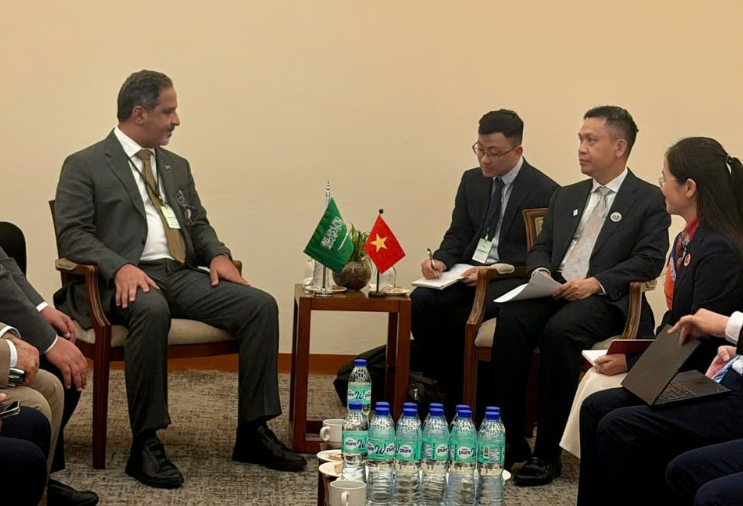
Deputy Minister Nguyen Viet Son holds a bilateral meeting with Saudi Arabia's Minister. Photo: the MoIT
On the sidelines of the meetings, Deputy Minister Nguyen Viet Son held bilateral talks with ministers from Laos and Singapore, and deputy ministers from Japan, Australia and Saudi Arabia. He also held brief exchanges with heads of delegations and representatives of several relevant economic groups and enterprises.
These engagements aimed to strengthen energy cooperation between Viet Nam and its partners while helping address difficulties faced by businesses. The meetings concluded successfully, marking the end of the 44th ASEAN Ministers on Energy Meeting and its associated meetings under the Philippines' ASEAN chairmanship. The outcomes will be reported to ASEAN leaders at the 49th ASEAN Summit, scheduled for November 2026.
ASEAN held consultations with its dialogue partners in Manila, the Philippines, on October 7 - 8, as part of the 44th ASEAN Ministers on Energy Meeting.
National Assembly Chairman Tran Thanh Man will pay an official visit to China from October 11 to 15, 2026, contributing to further strengthening and developing relations between Viet Nam and China.
On October 9, Deputy Minister Nguyen Viet Son chaired a Ministry of Industry and Trade conference on the implementation of strategic technology development.
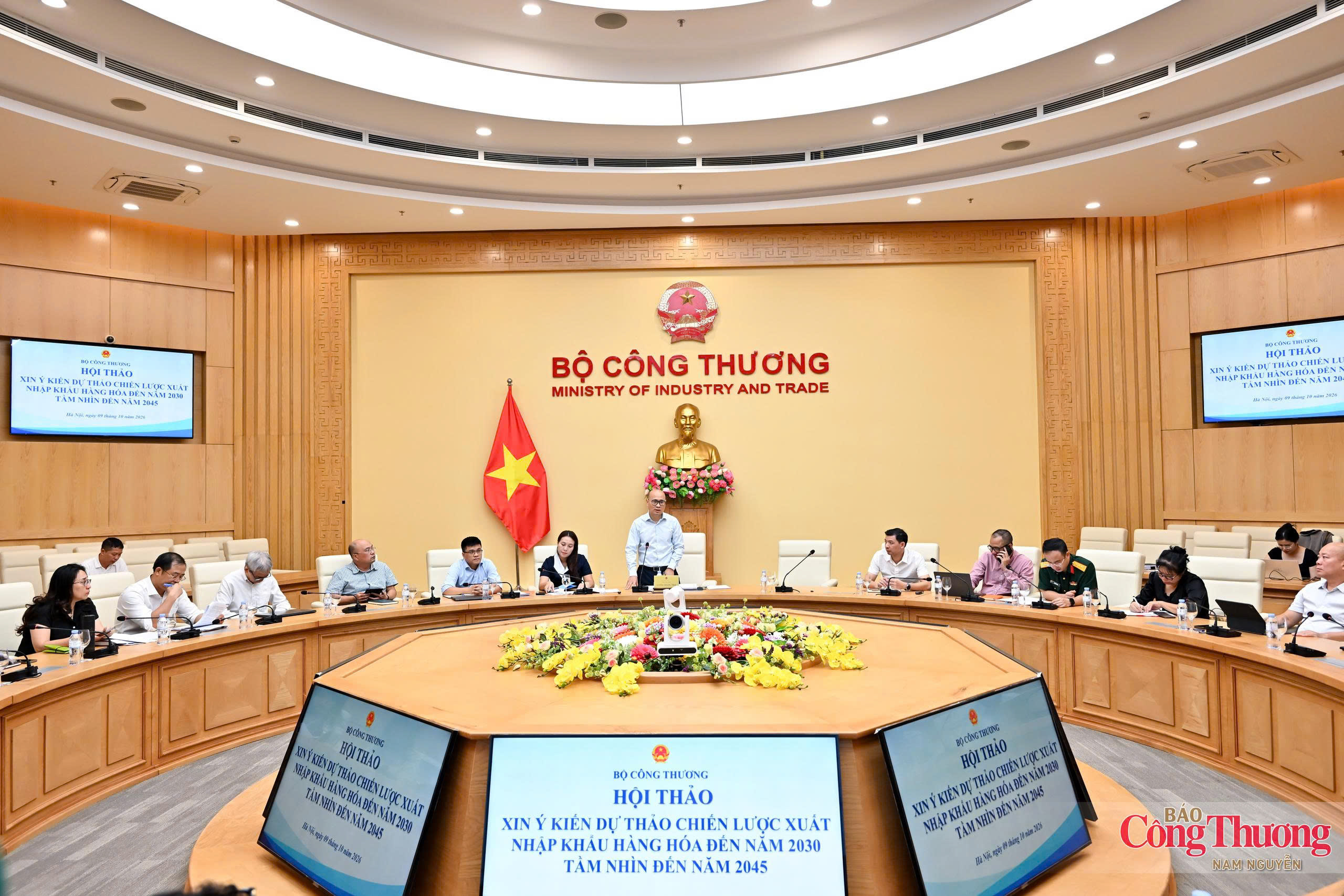
The Ministry of Industry and Trade held a consultation workshop on the Import-Export Strategy for Goods to 2030, with a vision to 2045, on the morning of October 9.
National Assembly Chairman Tran Thanh Man will pay an official visit to China from October 11 to 15, 2026, contributing to further strengthening and developing relations between Viet Nam and China.
The Ministry of Industry and Trade held a consultation workshop on the Import-Export Strategy for Goods to 2030, with a vision to 2045, on the morning of October 9.
Prime Minister Le Minh Hung on October 8 paid a courtesy call on Lao General Secretary and President Thongloun Sisoulith in Vientiane as part of his on-going official visit to Laos.
The two sides expressed their delight at the positive developments in the bilateral relations in recent years, noting that there remains significant room for greater cooperation and complementarity, particularly in trade, investment and economic ties. They also held extensive discussions on strategic directions to further deepen and strengthen bilateral relations in a more substantive and practical manner.