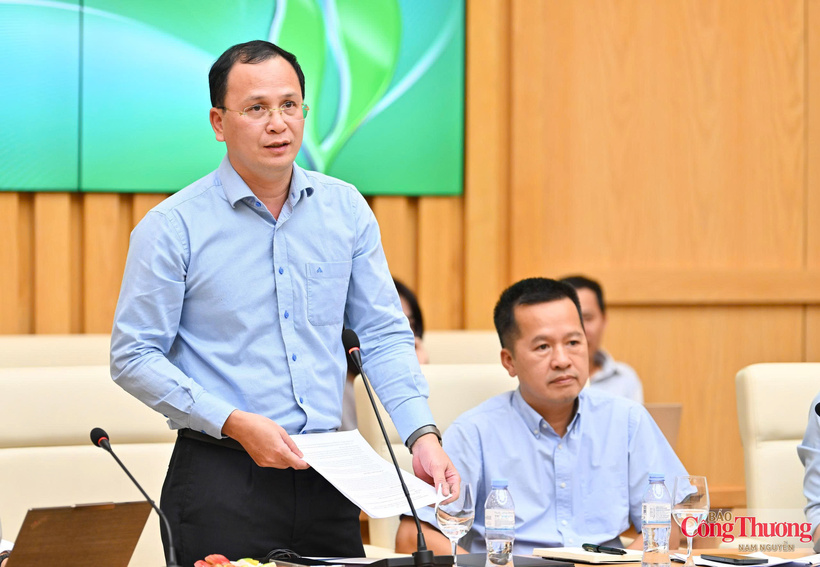
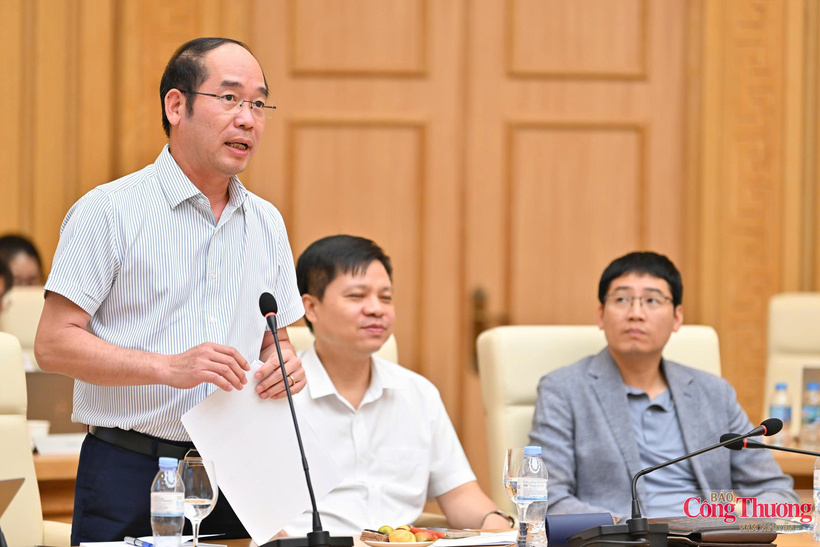
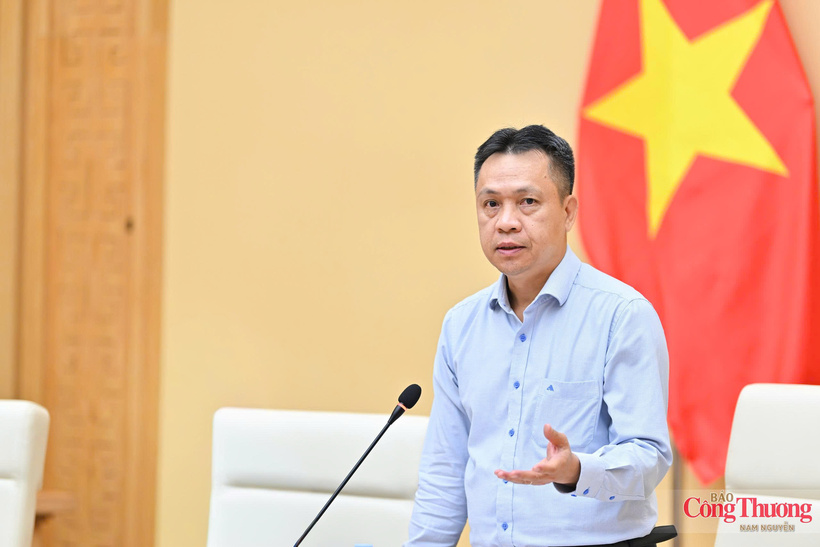
On October 9, Deputy Minister Nguyen Viet Son chaired a Ministry of Industry and Trade conference on the implementation of strategic technology development.
Three major challenges, 22 groups of strategic technology products
The conference brought together representatives from departments, agencies, research institutes, universities, economic groups, enterprises and associations, along with officials from the Ministry of Science and Technology. Participants were briefed on the Ministry of Industry and Trade (MoIT)'s progress in implementing its strategic technology development plan and received guidance on regulations governing the participation of relevant organizations in state-funded strategic technology tasks.
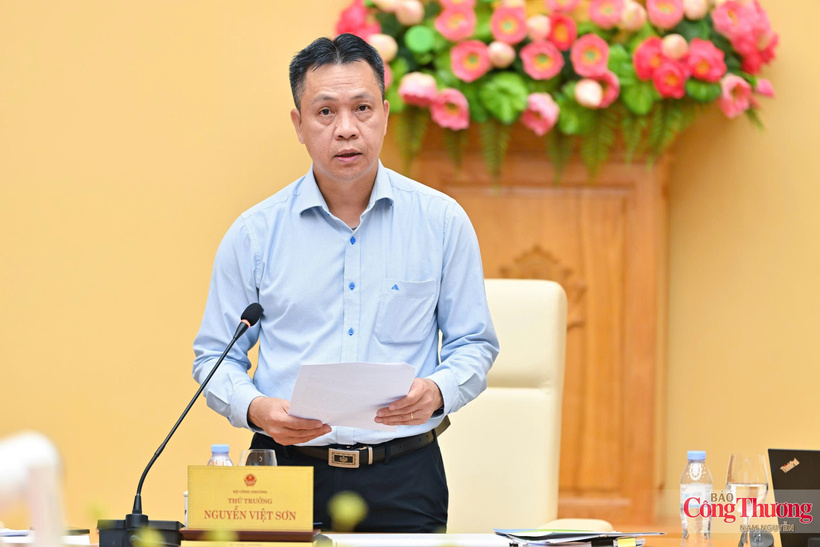
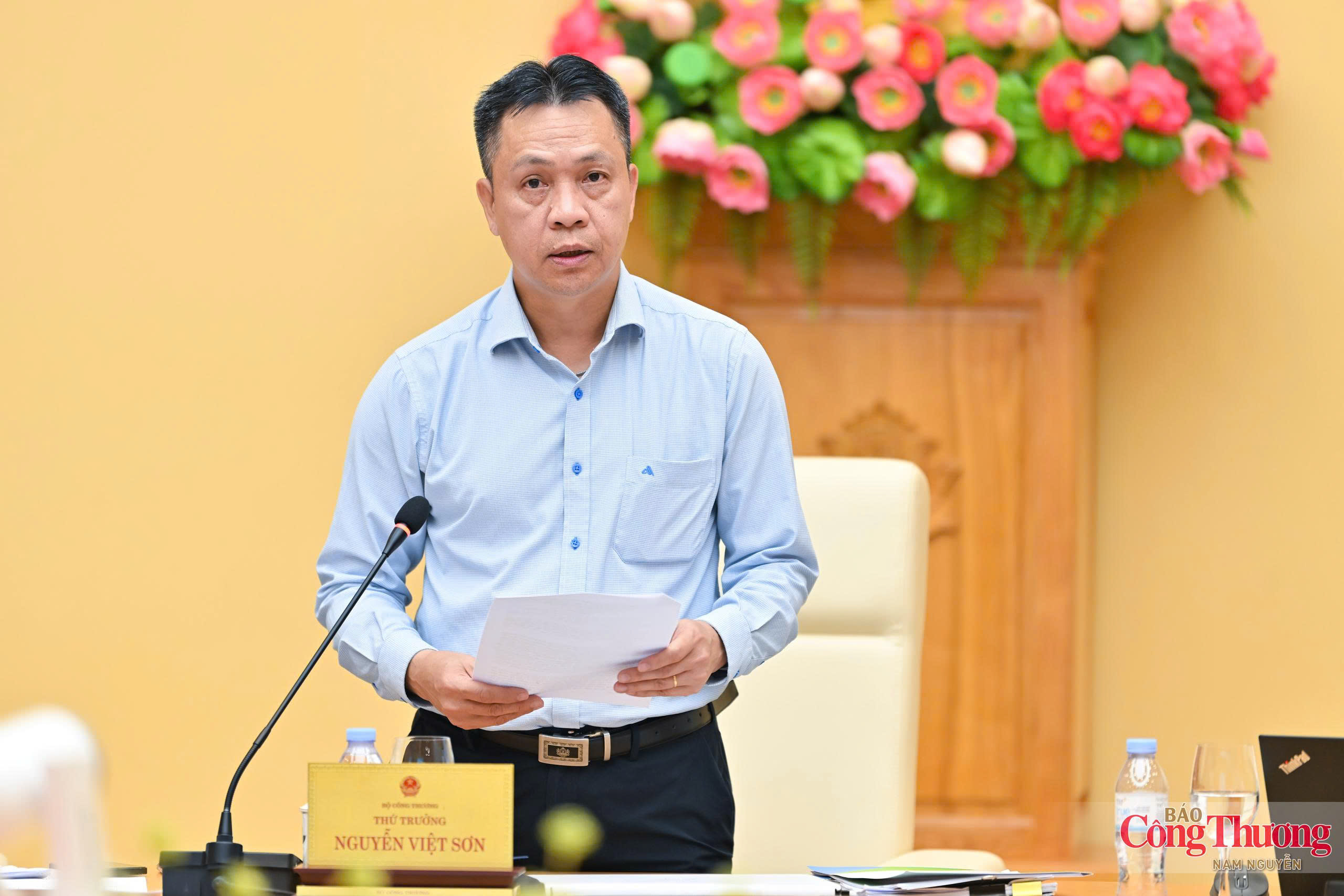
Deputy Minister of Industry and Trade Nguyen Viet Son chairs the conference.
At the conference, Nguyen Thi Lam Giang, Director-General of the Department for Science Technology and Digital Transformation under MoIT, said that under the Prime Minister's Decision No.808/QD-TTg dated May 6, 2026, on the assignment of strategic technology development tasks, the ministry had been designated to lead efforts to address three major challenges.
The first concerns ensuring energy security to support high economic growth while modernizing the electricity and fuel systems toward greener, smarter and more self-reliant operations. The second focuses on strengthening industrial self-reliance, increasing localization rates and upgrading manufacturing value chains toward greener, smarter and higher-value production. The third seeks to modernize domestic and international trade through data, intelligent logistics and reliable supply chains. These strategic tasks are scheduled for implementation during the 2026 - 2030 period.
On September 4, 2026, the MoIT issued Decision No.2159/QD-BCT approving its plan to implement the Prime Minister's Decision No.808/QD-TTg on strategic technology development. The plan identifies key tasks aimed at progressively mastering technologies and developing strategic technology products aligned with the sector's practical needs.
"To formulate the three major challenges, the Department for Science Technology and Digital Transformation, formerly the Agency for Innovation, Green Transition and Industry Promotion, worked with enterprises, economic groups, research institutes and universities. Following the issuance of Decision No.808/QD-TTg, and in accordance with the guidance of the national focal point for Resolution No.57-NQ/TW and the ministry's leadership, the department further specified the 22 groups of strategic technology products assigned to the MoIT under Decision No.808/QD-TTg in Decision No.2159/QD-BCT," Giang said.
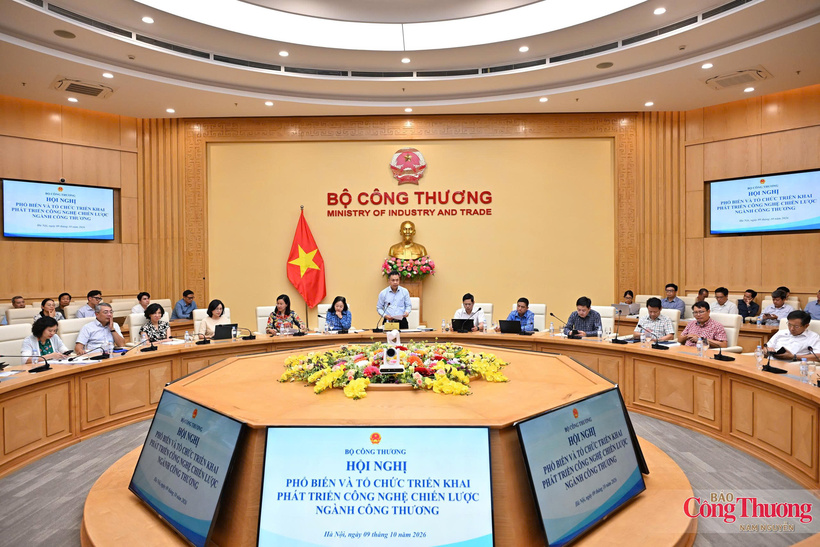
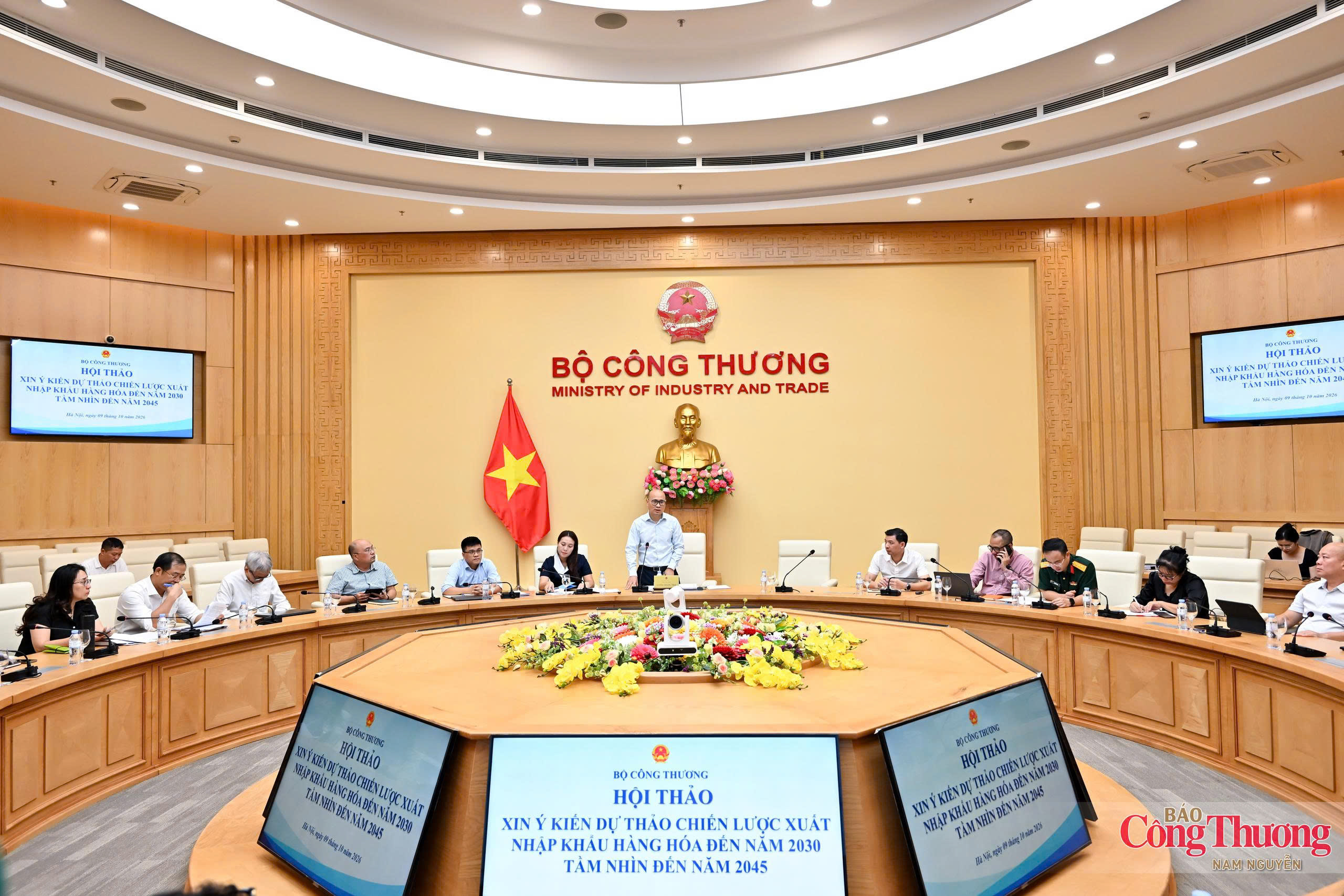
Conference on the dissemination and implementation of strategic technology development in the industry and trade sector.
Elaborating on the plan, Giang said the MoIT had identified a total of 22 groups of strategic technology products, comprising 76 specific products. These groups are distributed across the sector's three development pillars: energy, industry and trade.
The energy sector accounts for nine groups and 35 products. Key outcomes expected by 2030 include developing and field-testing digital twins for oil and gas operations and power systems; developing integrated battery energy storage systems (BESS) for at least two market segments; producing pilot batches of sodium-ion batteries; deploying three to five devices and transformers rated at 35–500 kV at initial project sites; and piloting green hydrogen projects, carbon capture, utilization and storage (CCUS) technologies, and enhanced and improved oil recovery (EOR/IOR) solutions at oil fields.
Major economic groups expected to play leading roles in this area include the Viet Nam National Industry - Energy Group (Petrovietnam/PVN), Viet Nam Electricity (EVN), Viet Nam National Chemical Group (Vinachem), Viet Nam National Coal and Mineral Industries Holding Corporation Limited (Vinacomin/TKV) and Viet Nam National Petroleum Group (Petrolimex).
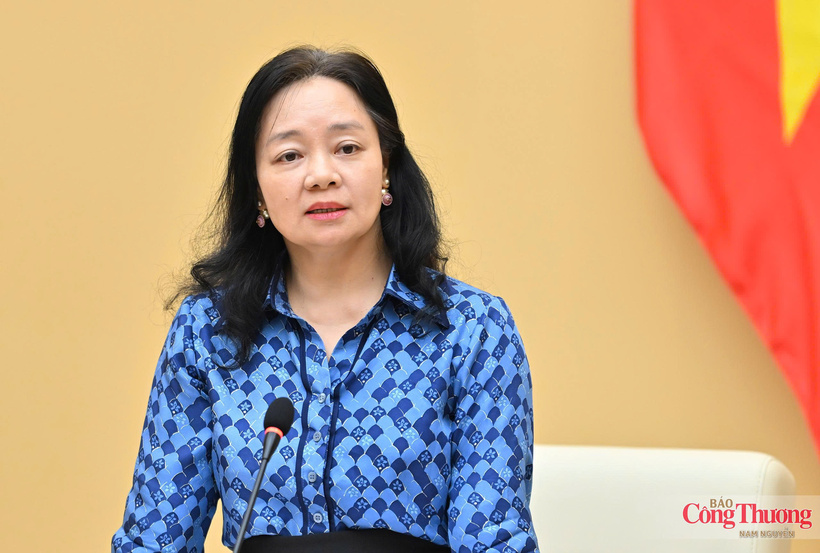
Nguyen Thi Lam Giang, Director of the Department for Science Technology and Digital Transformation under the MoIT, addresses the conference.
The industrial sector comprises nine groups and 33 products. By 2030, the objectives include deploying three to five smart manufacturing models; developing dual-arm robots and autonomous mobile robots (AMRs) to technology readiness levels (TRL) of 7–8 at no fewer than two operational sites; producing specialized steel and rail steel; developing the aluminum value chain and advanced rare-earth processing; and mastering three to five railway components.
Leading enterprises involved in implementation include Vinachem, Viet Nam Steel Corporation (VNSTEEL), Viet Nam National Textile and Garment Group (Vinatex), Vingroup, THACO, Hoa Phat and Masan. The trade sector encompasses four groups and 10 products. By 2030, the targets include developing a digital twin covering port, warehouse and logistics corridor systems; implementing traceability solutions for two to three commodity supply chains; and testing fleets of autonomous mobile robots at no fewer than two warehouses and ports. Technology and logistics enterprises responsible for leading or coordinating implementation include Viettel, VNPT, FPT, CMC, Viet Nam Maritime Corporation (VIMC), Saigon Newport Corporation, and Gemadept.
To ensure the successful implementation of Decision No.808/QD-TTg, MoIT has established a coordination structure with clearly assigned responsibilities and an implementation roadmap. Specifically, eight departments and agencies under the ministry have been designated as lead focal points for the 76 specific products. The management mechanism operates on the principle of one focal point, two lines of responsibility and three decision-making levels.
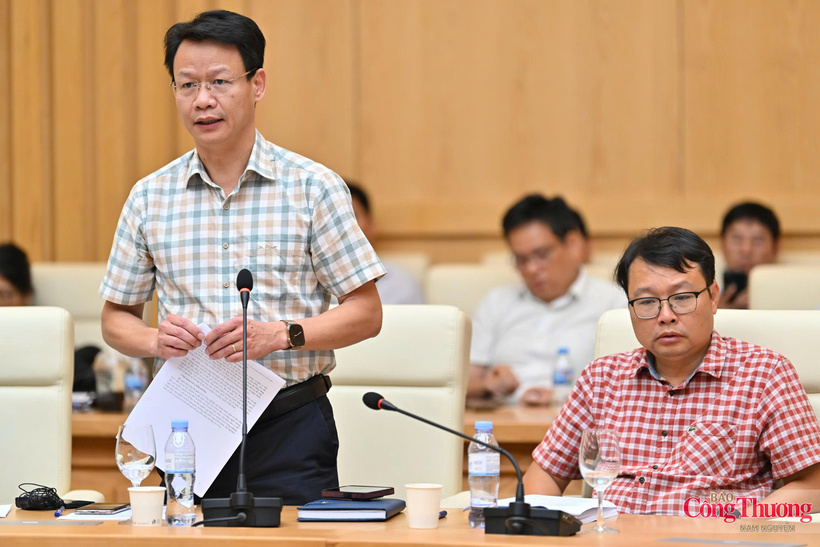
Pham Van Quan, Deputy Director-General of the Viet Nam Industry Agency under the MoIT.
The three decision-making levels comprise the Minister, who exercises powers prescribed by law and issues decisions on decentralization; the Deputy Minister responsible for science, technology and innovation, who addresses issues involving multiple units; and the Director-General of the Department for Science Technology and Digital Transformation, who manages tasks within the scope of delegated authority.
The management line, overseen by the Department for Science Technology and Digital Transformation, covers the entire process from receiving proposals, submitting them for approval, selecting implementing organizations and signing contracts to conducting milestone evaluations, final acceptance and procedures for certifying strategic technology products. Meanwhile, the technical line, undertaken by specialized departments and agencies, is responsible for identifying practical needs, developing technical indicators, evaluating sector-specific criteria and coordinating the application of research outcomes.
Research outcomes must deliver tangible value
During the conference, representatives from MoIT's departments and agencies, economic groups, corporations, enterprises, associations, research institutes and universities presented a range of papers and engaged in frank discussions on strategic technology development tasks in the industry and trade sector.
Associate Professor Le Van Sy, Head of the Science, Technology and Digital Transformation Department at the Viet Nam National Industry - Energy Group (Petrovietnam).
In his directive remarks, Deputy Minister Nguyen Viet Son emphasized that the Politburo's Resolution No.57-NQ/TW identifies science, technology, innovation and digital transformation as the foremost strategic breakthrough, calling for the progressive achievement of technological self-reliance, particularly in strategic technologies. Throughout 2026, this policy orientation has been translated into a coordinated institutional framework through government decrees, decisions issued by the Prime Minister and circulars guiding implementation issued by the Ministry of Science and Technology.
"To date, the institutional system and legal framework governing technology, task assignment mechanisms and financial arrangements have been completed. The challenge now is how to translate these mechanisms and policies into effective implementation in practice. For the industry and trade sector, the Prime Minister has assigned three major challenges. On that basis, MoIT has specified 22 groups of strategic technology products in Decision No.2159/QD-BCT and further detailed them into 76 individual products," the Deputy Minister stated.
Dr. Vu Van Khoa, Deputy Director of the National Research Institute of Mechanical Engineering.
According to Deputy Minister Nguyen Viet Son, the industry and trade sector has been tasked with initiating the development of 47 strategic technology products in 2026. Given the substantial workload involved, fulfilling these tasks requires close coordination and strong determination throughout implementation. The conference therefore provided an opportunity to disseminate and update information, enabling participating organizations to gain a clear understanding of their assigned requirements and responsibilities, proactively propose solutions and implement tasks effectively in accordance with Resolution No.57-NQ/TW and the responsibilities assigned by the Government.
A defining difference in the implementation of science and technology tasks today is that research outcomes must go beyond the completion of scientific projects to achieve practical application and generate tangible value. Accordingly, strategic technology products must be developed with a strong emphasis on practicality, actual needs and their potential for application. This approach is intended to facilitate the effective implementation of the Party's policies and the State's regulations while making direct contributions to national economic development.
Deputy Minister of Industry and Trade Nguyen Viet Son delivers his concluding remarks at the conference.
At the conclusion of the conference, Deputy Minister Nguyen Viet Son acknowledged the positive progress made by several organizations and enterprises in carrying out their assigned tasks. He also requested the Department for Science Technology and Digital Transformation to review products already researched and developed by economic groups, corporations, enterprises and associations, with a view to updating and supplementing the industry's list of strategic technology products.
The Deputy Minister further called for stronger coordination among relevant organizations, particularly in connecting demand with research and technological development capabilities. In practice, some organizations have identified technological needs but have yet to find suitable partners, while others possess the capacity to research and develop products but have not been effectively connected with potential users.
To address this gap, Deputy Minister Nguyen Viet Son proposed maintaining monthly coordination meetings to review implementation results, strengthen linkages among participating organizations and identify appropriate research challenges and product development assignments. These tasks must be closely aligned with practical demand and offer clear prospects for application and commercialization.
Regarding the recommendations and proposals raised at the conference, the Deputy Minister said MoIT had taken note of them and would work closely with the Ministry of Science and Technology to continue reviewing and finalizing reports for submission to the competent authorities. The ministry would also study and refine mechanisms and policies supporting the development and commercialization of strategic technology products.
He emphasized that these measures should also prioritize human resource development and create favorable conditions for research institutes, universities and other relevant organizations to effectively fulfill their assigned tasks.
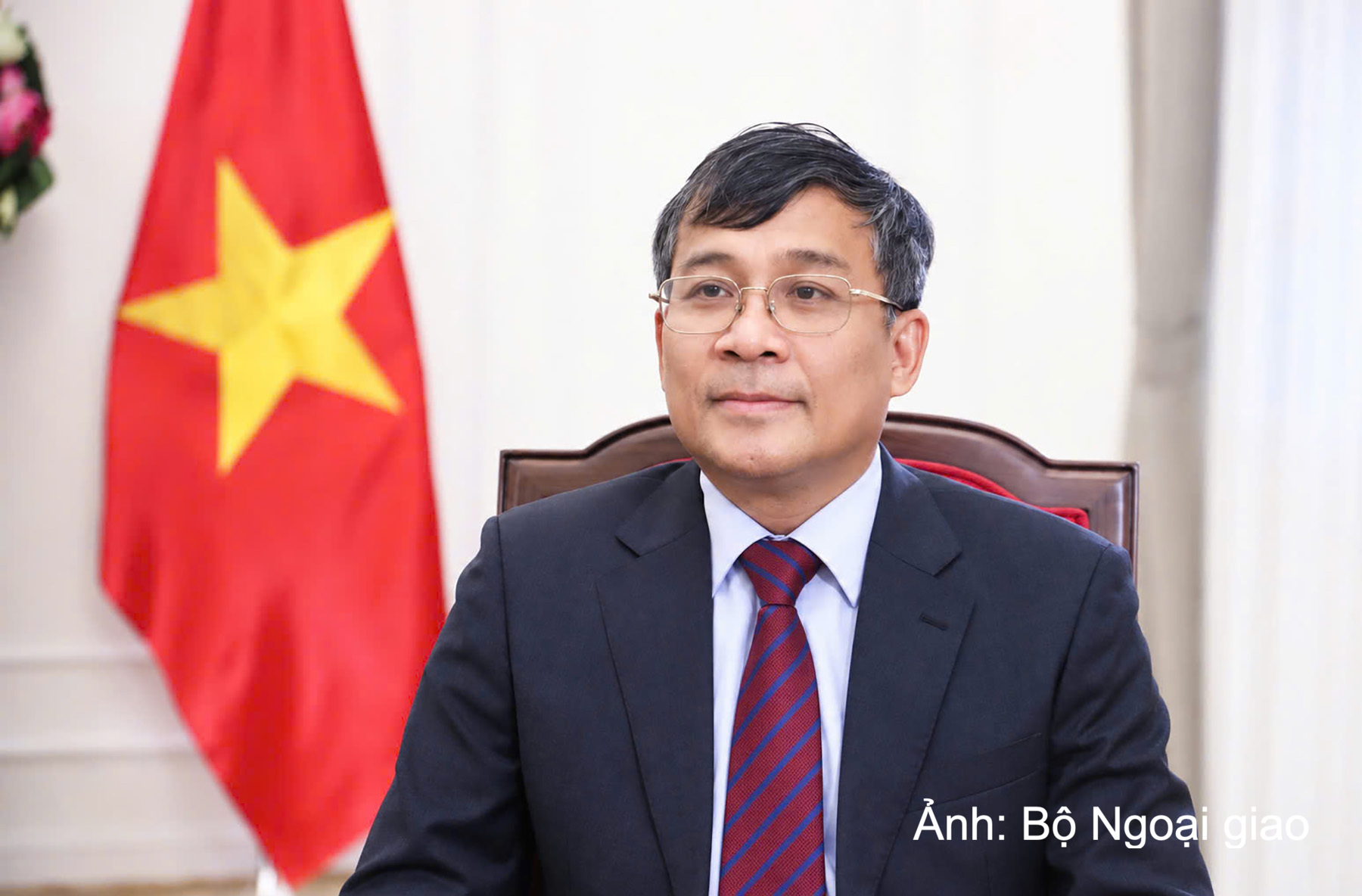
National Assembly Chairman Tran Thanh Man will pay an official visit to China from October 11 to 15, 2026, contributing to further strengthening and developing relations between Viet Nam and China.
On October 9, Deputy Minister Nguyen Viet Son chaired a Ministry of Industry and Trade conference on the implementation of strategic technology development.
The Ministry of Industry and Trade held a consultation workshop on the Import-Export Strategy for Goods to 2030, with a vision to 2045, on the morning of October 9.
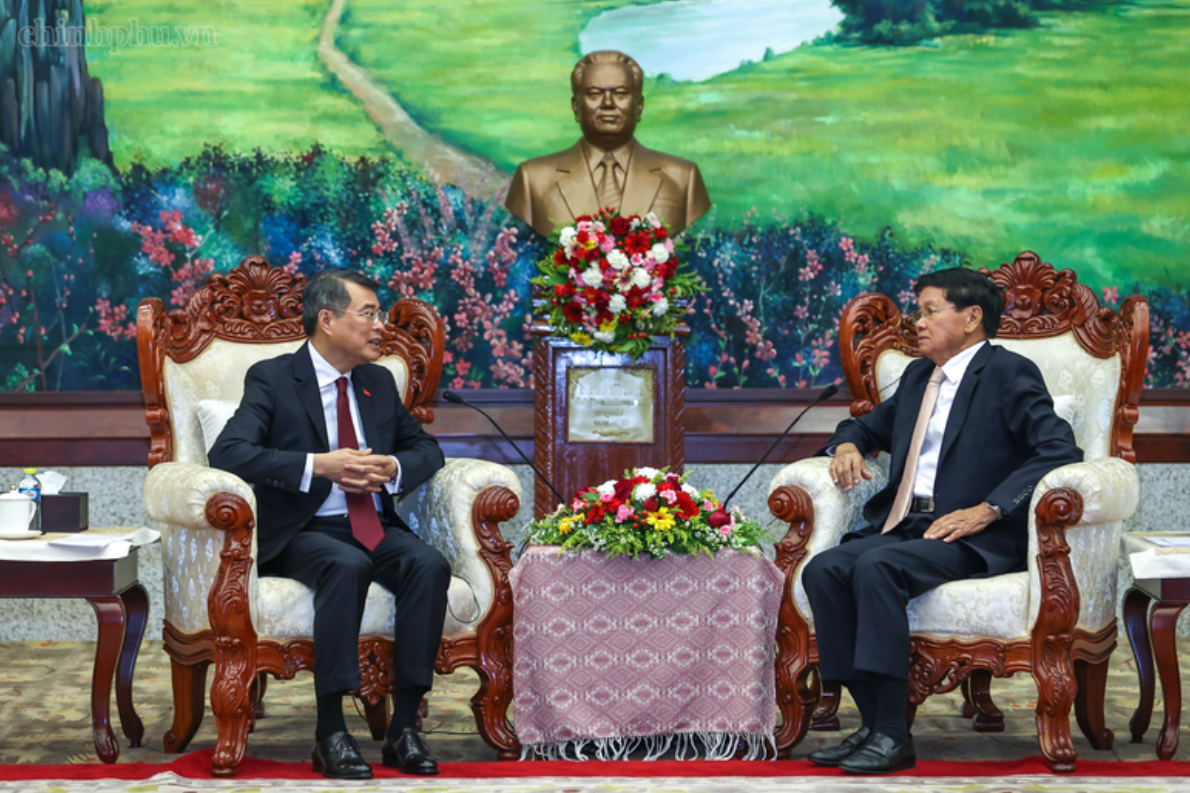
Prime Minister Le Minh Hung on October 8 paid a courtesy call on Lao General Secretary and President Thongloun Sisoulith in Vientiane as part of his on-going official visit to Laos.
National Assembly Chairman Tran Thanh Man will pay an official visit to China from October 11 to 15, 2026, contributing to further strengthening and developing relations between Viet Nam and China.
The Ministry of Industry and Trade held a consultation workshop on the Import-Export Strategy for Goods to 2030, with a vision to 2045, on the morning of October 9.
Prime Minister Le Minh Hung on October 8 paid a courtesy call on Lao General Secretary and President Thongloun Sisoulith in Vientiane as part of his on-going official visit to Laos.
The two sides expressed their delight at the positive developments in the bilateral relations in recent years, noting that there remains significant room for greater cooperation and complementarity, particularly in trade, investment and economic ties. They also held extensive discussions on strategic directions to further deepen and strengthen bilateral relations in a more substantive and practical manner.