On September 10, at a press conference announcing the President’s orders on 15 laws, Deputy Minister Nguyen Viet Son highlighted the core new points of the amended Petroleum Law.
According to the Ministry of Industry and Trade (MoIT), the 2022 Petroleum Law was assessed as one of the progressive sectoral laws, with specific mechanisms and policies suited to petroleum activities in Vietnam. Alongside regulations guiding its implementation, the law has facilitated oil and gas exploration, appraisal and exploitation, making major contributions to the State budget, socio-economic development, national energy security and the protection of Vietnam’s sovereignty in the East Sea.
Deputy Minister Nguyen Viet Son delivers a summary report on the amended Petroleum Law at the press conference.
Oil and gas exploration, appraisal and exploitation are becoming increasingly challenging. Production from many existing fields is declining, while most new fields are small or marginal. Oil and gas exploration in deepwater and offshore areas also faces difficulties. Crude oil prices are dependent on the global market and have recently fluctuated unpredictably, beyond the forecasts of international consulting organizations. Global developments have also had a significant impact on energy supply.
In addition, petroleum activities in recent years have given rise to a number of problems and shortcomings that need to be supplemented and addressed.
First, some framework-level issues of principle and specific characteristics arising in petroleum activities have not yet been specifically regulated under the 2022 Petroleum Law.
Second, some issues subject to frequent changes, although regulated in the law, are no longer consistent with practical realities.
Third, alongside the development of science and technology and the energy transition trend, greater attention needs to be paid to promoting offshore energy development, carbon capture and storage, and high-tech petroleum services associated with petroleum activities.
The country is entering a new era of development and implementing the Party’s strategic resolutions on accelerating decentralization and delegation of authority in State management, with a view to unlocking resources and creating breakthroughs in socio-economic development.
Based on practical management and law enforcement and the current context, it is necessary to further improve mechanisms and policies for the petroleum industry to strengthen the effectiveness and efficiency of State management, remove barriers, create a legal framework and improve the attractiveness of the investment environment in the petroleum sector. The amendments will also facilitate Petrovietnam and petroleum contractors in increasing production and investment efficiency, contributing to ensuring sovereignty at sea and national energy security.
In carrying out its assigned tasks, the Ministry of Industry and Trade, the agency in charge of drafting the Petroleum Law, closely coordinated with ministries and sectors, the National Assembly’s Committee for Economic and Financial Affairs and relevant agencies and organizations to formulate the draft law in accordance with the prescribed procedures.
An overview of the press conference.
On August 23, 2026, at the first extraordinary session, the 16th National Assembly passed the Petroleum Law No. 10/2026/QH16, which will take effect on March 1, 2027 (the 2026 Petroleum Law), replacing the Petroleum Law No. 12/2022/QH15 passed by the 15th National Assembly on November 14, 2022 (the 2022 Petroleum Law).
At the press conference, representing the Ministry of Industry and Trade, MoIT leader Nguyen Viet Son delivered a summary report on the amended Petroleum Law and stressed that the enactment of the law meets the requirement of placing national and ethnic interests above all else and first and foremost. The law aims to build an independent and self-reliant economy, ensure macroeconomic stability, particularly energy stability, develop the marine economy, efficiently exploit resources, and contribute to protecting national sovereignty at sea.
The formulation of the law ensures the institutionalization of the Party and State’s viewpoints and policies on developing breakthrough mechanisms and policies to promote the energy industry, including the petroleum industry, in response to the target of achieving double-digit GDP growth in the 2026–2030 period. The law also inherits progressive provisions of existing legislation and ensures the principle of non-retroactivity to avoid problems arising during implementation.
MoIT leader Nguyen Viet Son said the amended Petroleum Law comprises 12 chapters and 62 articles, retaining progressive provisions of the previous law while adding several new points:
First, the overarching and prominent spirit of the law is to strengthen delegation of authority to State management agencies over petroleum activities while granting authority to the Vietnam National Energy Industry Group. The law simplifies procedures and unlocks resources while strengthening inspection and oversight. Certain powers related to national defence and security remain subject to approval by competent authorities to ensure State control. The law also clearly defines the functions of the Vietnam National Energy Industry Group, separating the role of petroleum contractors as investors from the specific functions assigned by the State.
Second, regarding investment incentives for petroleum activities, petroleum projects are increasingly moving into deepwater and offshore areas with complex geological conditions, requiring large capital investment and long payback periods. Applying conventional mechanisms would therefore be insufficient to make such projects effective and attractive to investors. Accordingly, the law adds preferential policies and incentives to encourage the development of small and marginal fields, deepwater and offshore fields, and enhanced oil and gas recovery, as well as the recovery of remaining resources at fields, clusters of fields and petroleum blocks, in order to attract investment, increase production and contribute to the State budget.
Third, regarding carbon capture and storage, the development of offshore energy facilities, high-tech petroleum engineering services and petroleum safety, the scope of regulation applies only to areas directly related to petroleum activities. The law adds provisions on carbon capture locations and responsibilities, shared infrastructure, safety assurance and ensuring that such activities do not affect petroleum operations, while clarifying criteria and mechanisms to encourage the development of high-tech services in accordance with specialized legislation.
Fourth, regulations on petroleum contracts are further improved toward greater flexibility and protection of contractors’ interests, allowing extensions of contract terms and adjustments to work commitments under petroleum contracts.
Fifth, the law supplements and improves regulations on accounting, auditing, settlement and the handling of petroleum operating costs, in line with the specific characteristics of petroleum activities and international practices. It also provides for the handling of costs when the Vietnam National Energy Industry Group performs the State’s obligations in petroleum activities, while assigning the Government to provide detailed regulations on a number of provisions to ensure flexibility in the Government’s administration.
The Ministry of Industry and Trade is currently drafting a decree detailing and guiding the implementation of the law, ensuring that it takes effect from March 1, 2027, and is consistent with the amended Petroleum Law. The Ministry expects the 2026 Petroleum Law to create a favorable environment and conditions and strengthen the attraction of domestic and foreign investment in petroleum activities, contributing to increased State budget revenues, ensuring energy security and protecting sovereignty over sea and islands and national sovereignty at sea.
The 2026 Petroleum Law consists of 12 chapters and 62 articles and is structured in a logical manner, comprehensively covering entities, models and activities while ensuring connectivity between basic petroleum investigations and petroleum activities.
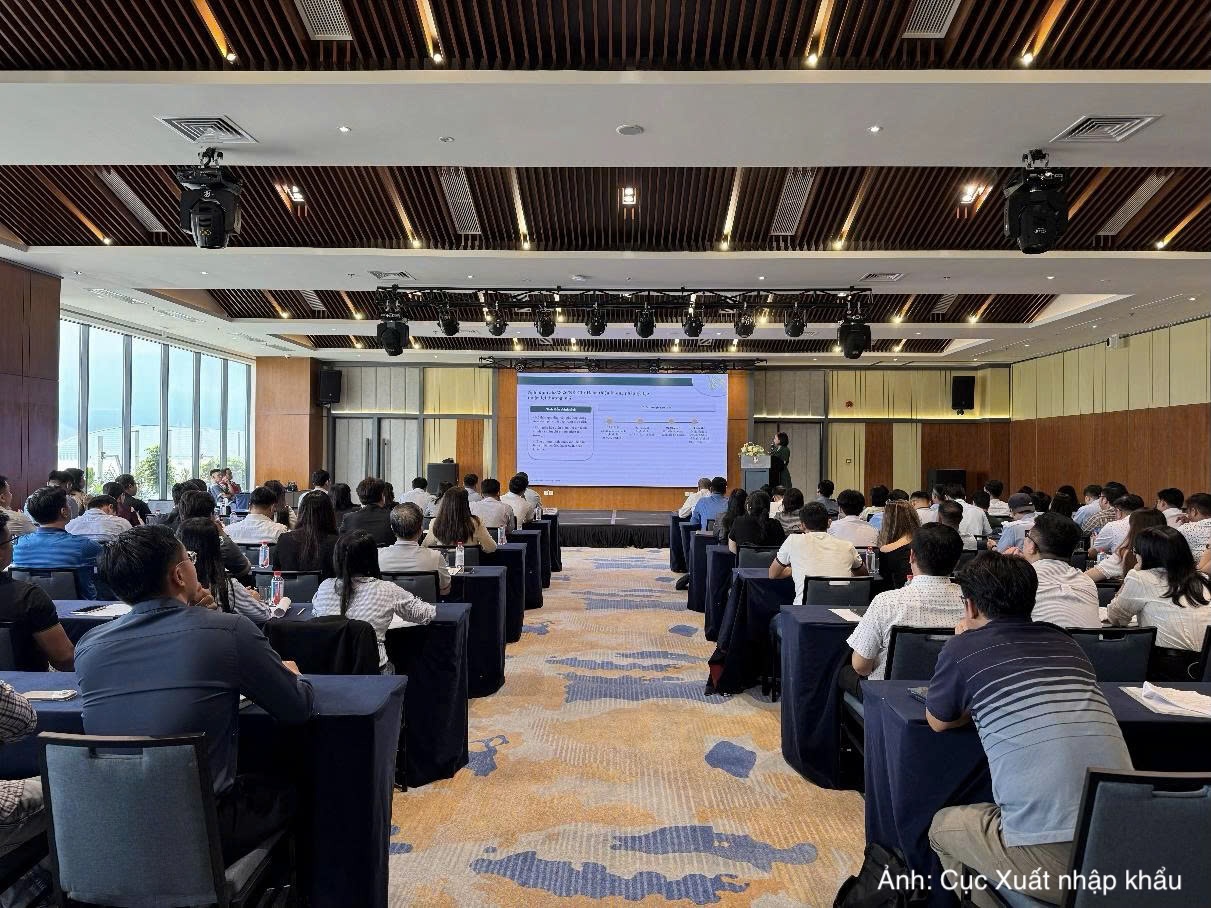
On October 13, the Agency of Foreign Trade under the Ministry of Industry and Trade (MoIT) held a conference in Dong Thap province to disseminate Government Decree No.365/2026/ND-CP dated September 23, 2026, on rice export and import business, and Circular No.65/2026/TT-BCT dated October 1, 2026, issued by the Minister of Industry and Trade, detailing certain provisions and measures for implementing Decree No.365/2026/ND-CP.
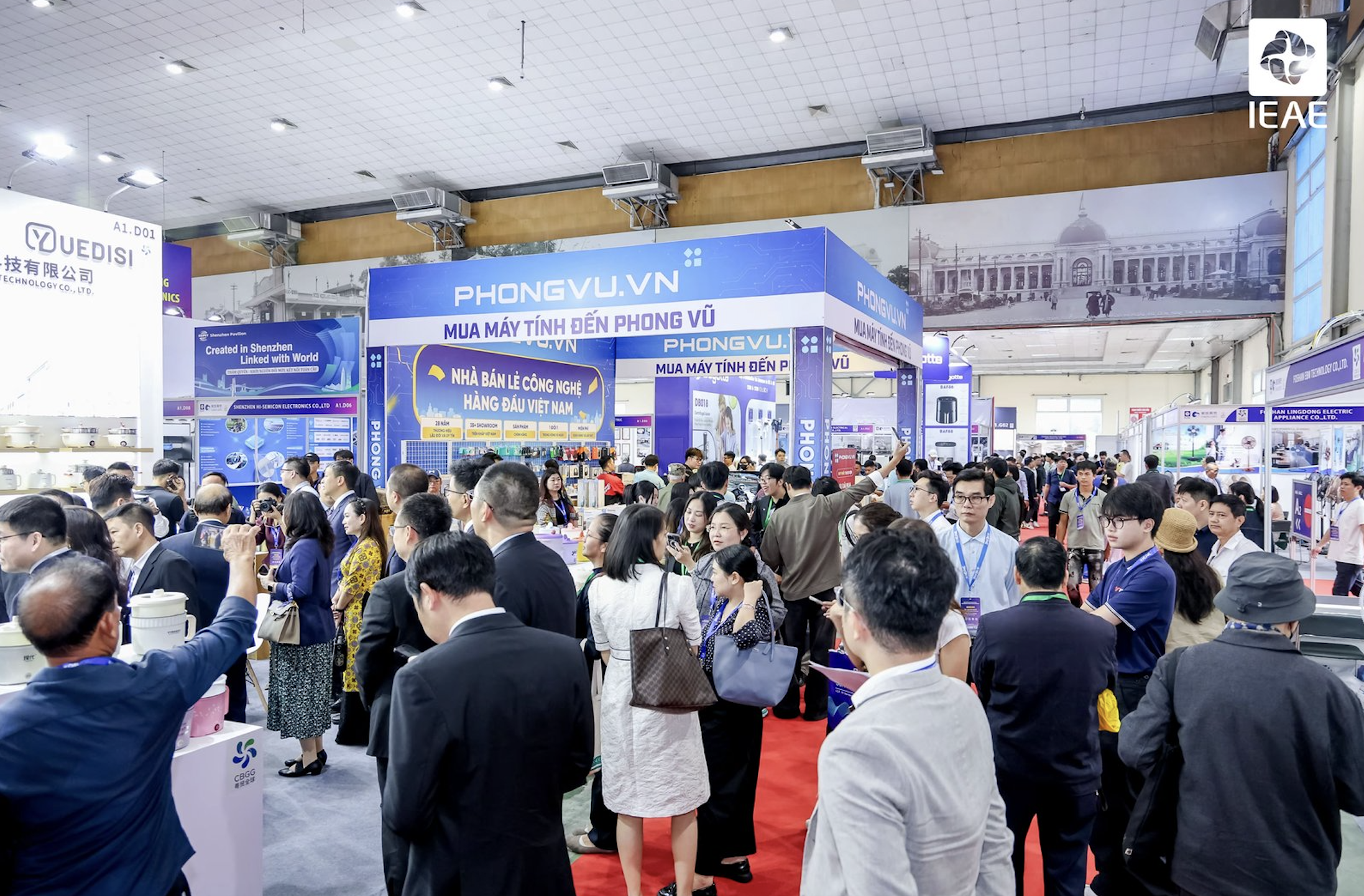
IEAE Hanoi 2026 will gather over 300 exhibitors, showcasing electronics, smart appliances and connecting businesses with sourcing and trade opportunities in Vietnam.
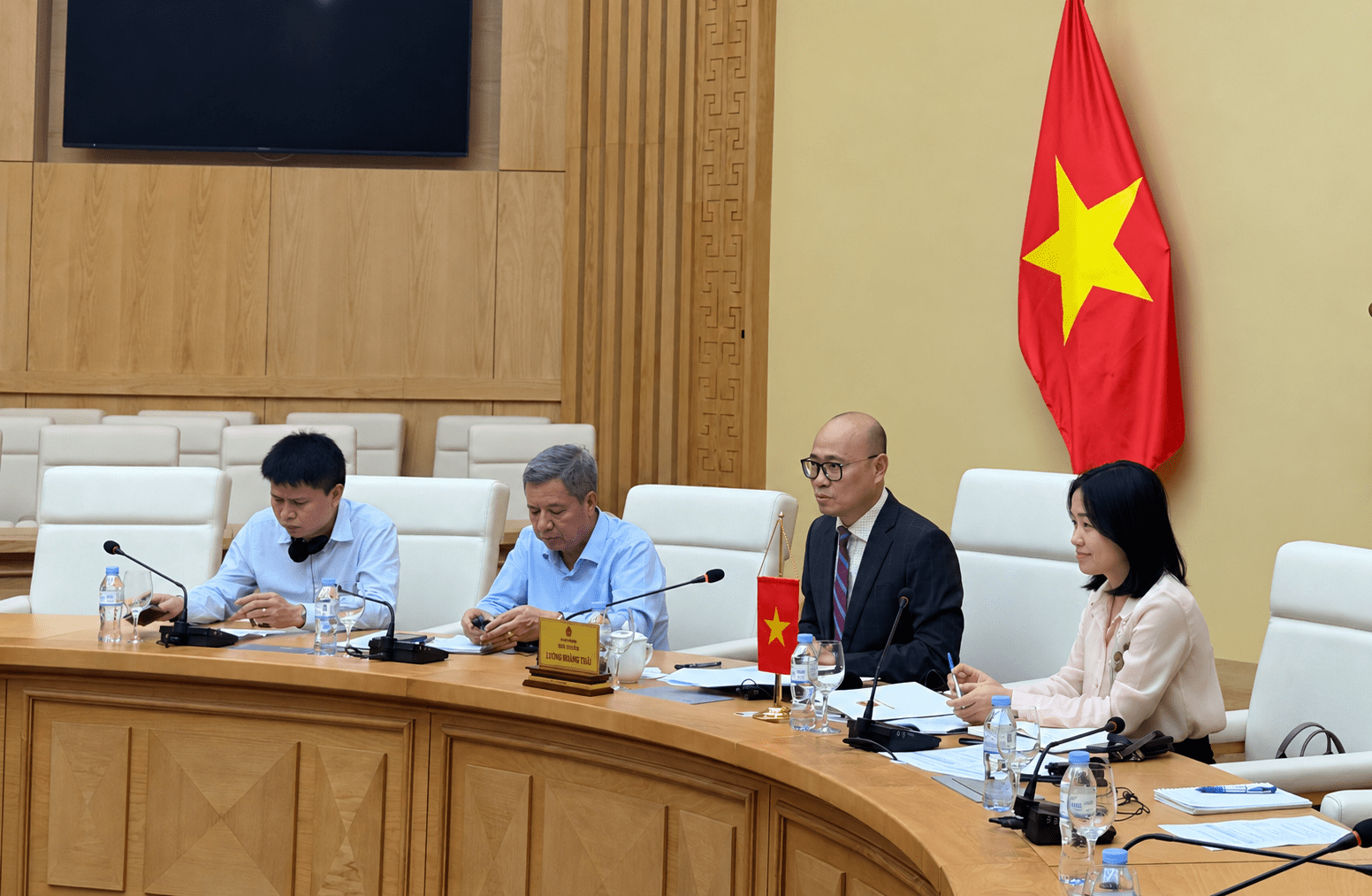
On October 13, Deputy Minister of Industry and Trade Luong Hoang Thai held a working session with MEDEF International, a French business organization, and representatives of French corporations operating in various sectors, including energy, industry, transport, construction and infrastructure development, food and beverages, and services, at the Ministry of Industry and Trade's headquarters.
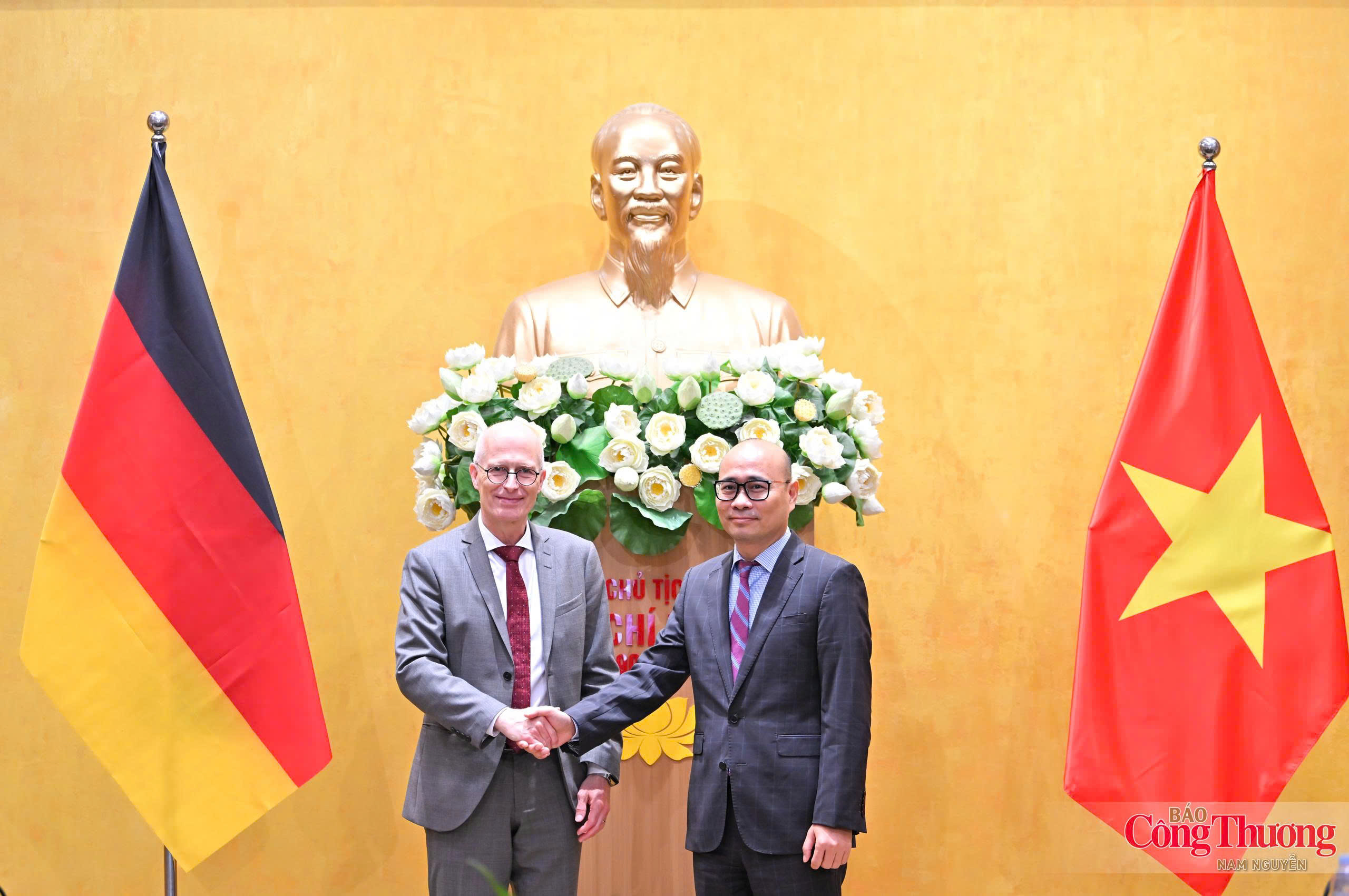
On October 14, Deputy Minister of Industry and Trade Luong Hoang Thai received and held a working session with a delegation from Hamburg, Germany, led by the city's First Mayor Peter Tschentscher at the Ministry of Industry and Trade's headquarters.
The Copyright Office is working closely with relevant agencies to develop plans for inspections and enforcement action against copyright and related rights infringements in the digital environment.
The Vietnam Industry Agency under the Ministry of Industry and Trade and Samsung Vietnam continue to strengthen cooperation in developing supporting industries, enhancing the capabilities of domestic enterprises and expanding opportunities for their participation in global supply chains.
On October 9, the Viet Nam Department of Geology and Minerals, in coordination with the Thai Nguyen Department of Industry and Trade, held a conference in Thai Nguyen province to disseminate the Law on Geology and Minerals and its implementing regulations.
Northern localities are strengthening links in supporting industries, energy and logistics to build competitive value chains and create new growth drivers.
The 20th Industrial Promotion Conference for Northern Provinces and Cities in 2026 was held in Hai Phong City on October 1, with discussions focusing on renewing industrial promotion activities.
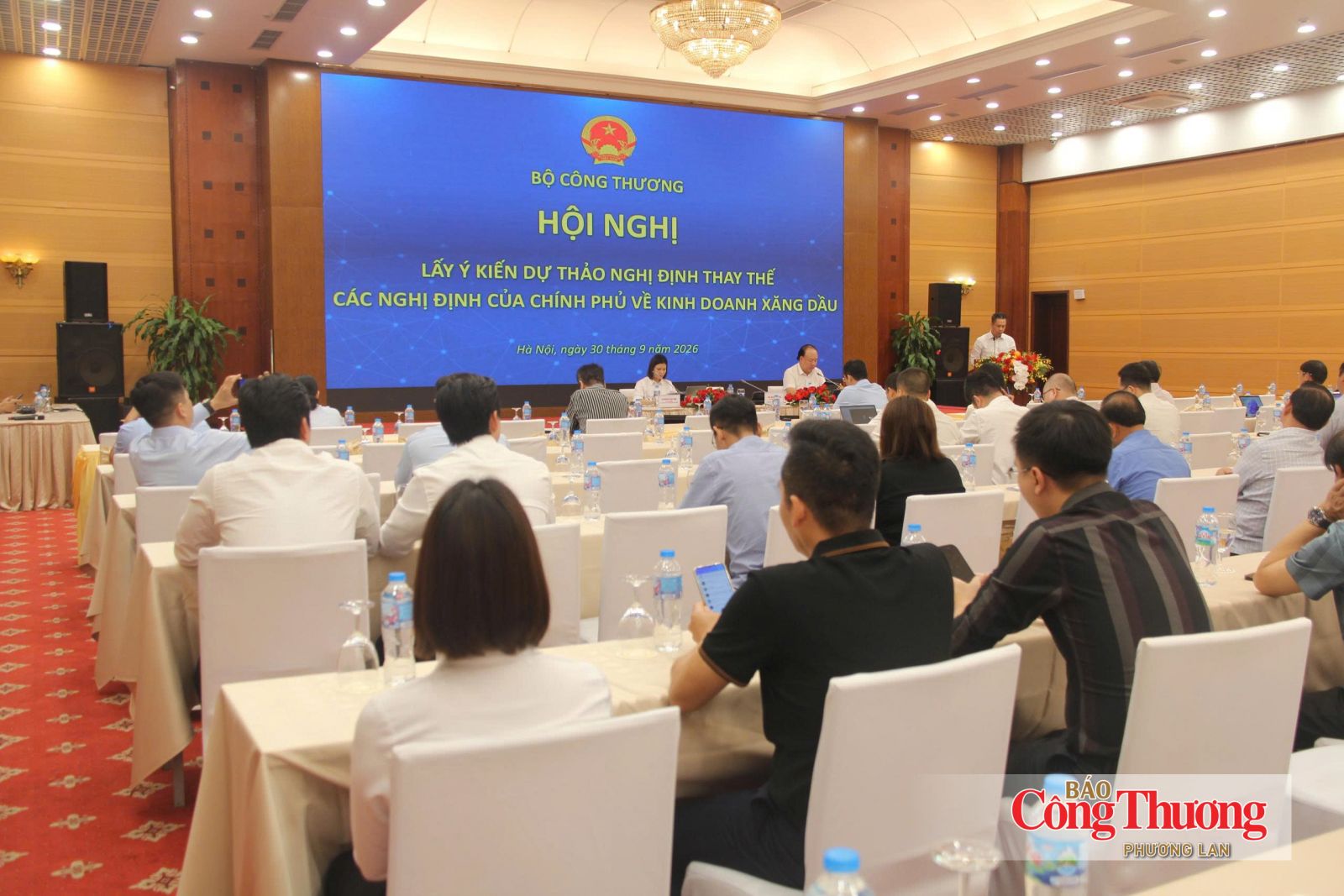
On September 30 in Ha Noi, the Ministry of Industry and Trade (MoIT) held a conference to gather broad feedback on a draft decree replacing the Government’s existing decrees on petroleum trading.