CBAM is becoming a gateway requirement for the EU market, pushing Vietnamese businesses to accelerate green transition and emissions reduction.
The Carbon Border Adjustment Mechanism (CBAM) certificate is becoming a "passport" for goods entering the European Union (EU), requiring Vietnamese businesses to proactively embrace green transformation and reduce carbon emissions to meet the bloc's increasingly stringent market requirements.
From January 1, 2026, the EU officially enters the financial phase of the Carbon Border Adjustment Mechanism (CBAM), requiring importers to declare the embedded carbon emissions of imported goods and surrender a corresponding number of CBAM certificates. To qualify for deductions of carbon costs, exporters must demonstrate their emissions through a transparent Measurement, Reporting and Verification (MRV) system, validated by EU-recognised independent verification bodies.
For Vietnam, carbon-intensive sectors such as iron and steel, as well as cement, are expected to be among those most significantly affected as CBAM takes full effect. Beyond complying with conventional quality and technical standards, exporters will now be required to provide transparent emissions data and demonstrate credible decarbonisation efforts if they wish to maintain their competitive position in the EU market.
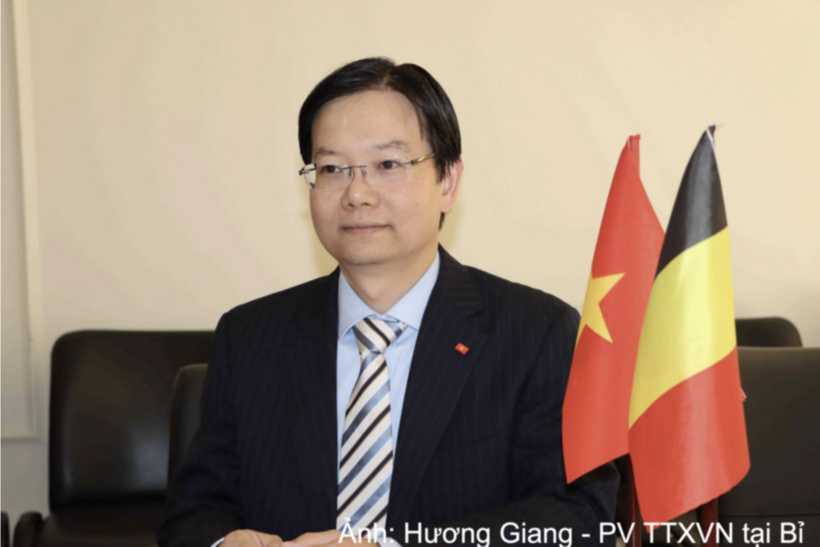
Speaking to the Industry and Trade Newspaper, Tran Ngoc Quan, Trade Counsellor at the Vietnam Trade Office in Belgium and the EU, said that although CBAM is imposed on EU importers, its impact will extend across the entire supply chain. Under the mechanism, importers are responsible for declaring both direct and indirect emissions embedded in imported goods, based on emissions data supplied by non-EU manufacturers and verified by EU-recognized independent verification bodies.
Once emissions have been verified, importers are required to purchase and surrender a corresponding number of CBAM certificates based on the carbon price under the EU Emissions Trading System (EU ETS). If exporters have already paid a carbon price under a carbon pricing mechanism recognised by the EU, those costs may be deducted accordingly.
Tran Ngoc Quan, Trade Counsellor at the Vietnam Trade Office in Belgium and the EU.
According to Quan, CBAM's transition to its financial phase will also reshape supplier selection criteria among European companies. Businesses that can provide transparent emissions data and fully comply with CBAM requirements will be better positioned to retain existing customers and expand their market share in the EU.
Turning challenges into a competitive advantage
According to Trade Counsellor Tran Ngoc Quan, Vietnamese businesses should prioritise establishing a Measurement, Reporting and Verification (MRV) system that complies with EU requirements. This is essential for accurately demonstrating actual emissions and avoiding the application of default emission values, which are generally much higher and could significantly increase compliance costs.
Alongside improving emissions transparency, businesses should closely monitor developments in CBAM certificate prices and the establishment of Vietnam's domestic carbon market. Doing so will enable them to benefit from carbon cost deductions once they meet the relevant eligibility requirements.
Quan noted that reducing emissions should not be limited to carbon accounting or regulatory compliance. It must begin with the production process itself. Businesses need to review their manufacturing technologies, invest in modern equipment, improve energy efficiency and increase the use of clean energy sources to reduce emissions per unit of output.
Nevertheless, complying with CBAM remains a considerable challenge. Many enterprises, particularly small and medium-sized businesses, have yet to establish comprehensive greenhouse gas inventory systems. Calculating and reporting emissions in accordance with EU methodologies is technically demanding and requires specialised expertise or qualified consulting support. Companies that fail to provide compliant emissions data will be subject to the EU's default emission values, resulting in substantially higher CBAM costs.
Investing in cleaner technologies, reducing emissions and ensuring transparent emissions reporting are becoming essential requirements for maintaining exports to the EU.
Green transition opens new opportunities
The EU has set its carbon price at EUR 75.28 per tonne of CO₂ for the second quarter of 2026. This benchmark determines the number of CBAM certificates that importers must purchase for products covered by the mechanism. As a result, carbon costs will have a direct impact on production costs, export competitiveness and businesses' ability to maintain their presence in the EU market.
According to Tran Ngoc Quan, at the current EU carbon price, carbon-intensive sectors such as iron and steel, along with cement, will face the most immediate impact. Producing one tonne of steel typically generates around two tonnes of CO₂ emissions. With an average export price of approximately EUR 650 per tonne, carbon costs could increase the cost of exporting steel to the EU by about 23% if businesses fail to implement effective emission reduction measures.
However, under the EU's implementation roadmap, companies will initially pay for only around 2.5% of emissions covered by CBAM in 2026. The proportion will rise to 5% in 2027, 10% in 2028, 22.5% in 2029, before gradually increasing to full coverage by 2034. According to Quan, this transition period provides businesses with a valuable window to invest in cleaner technologies, strengthen emissions management systems and prepare for the mechanism's full implementation.
Trade Counsellor Tran Ngoc Quan advised Vietnamese businesses to proactively adopt greener and more sustainable production models in response to CBAM. Investing in energy-efficient technologies, expanding the use of renewable energy, gradually reducing carbon intensity and participating in carbon market mechanisms will help companies lower compliance costs over the long term.
He also stressed the importance of closely monitoring EU policy developments, as the bloc's sustainability regulations continue to evolve. The Vietnam Trade Office in Belgium and the EU will continue providing businesses with timely information, early warnings and practical guidance through the official channels of the Ministry of Industry and Trade and the Trade Office's Online Office, helping Vietnamese exporters proactively adapt to changing market requirements.
According to Tran Ngoc Quan, CBAM is not merely a new compliance requirement for exporters but also a catalyst for accelerating Vietnam's green transition. Proactive investment in cleaner technologies, transparent emissions reporting and stronger carbon management capabilities will enable businesses not only to meet EU regulatory requirements but also to reinforce their position in global supply chains, where sustainability standards are increasingly becoming a key source of competitive advantage.
On October 13, the Agency of Foreign Trade under the Ministry of Industry and Trade (MoIT) held a conference in Dong Thap province to disseminate Government Decree No.365/2026/ND-CP dated September 23, 2026, on rice export and import business, and Circular No.65/2026/TT-BCT dated October 1, 2026, issued by the Minister of Industry and Trade, detailing certain provisions and measures for implementing Decree No.365/2026/ND-CP.
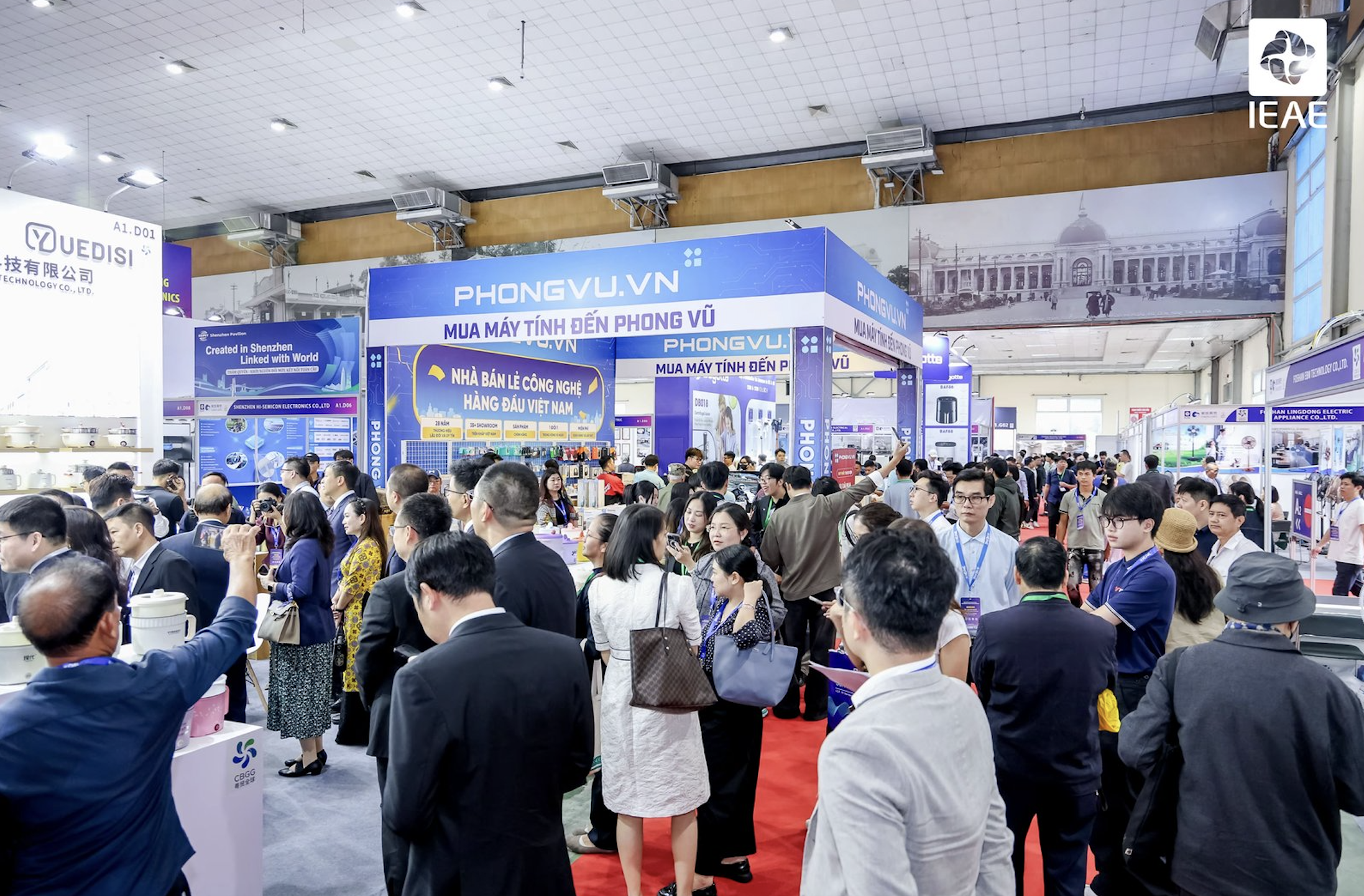
IEAE Hanoi 2026 will gather over 300 exhibitors, showcasing electronics, smart appliances and connecting businesses with sourcing and trade opportunities in Vietnam.
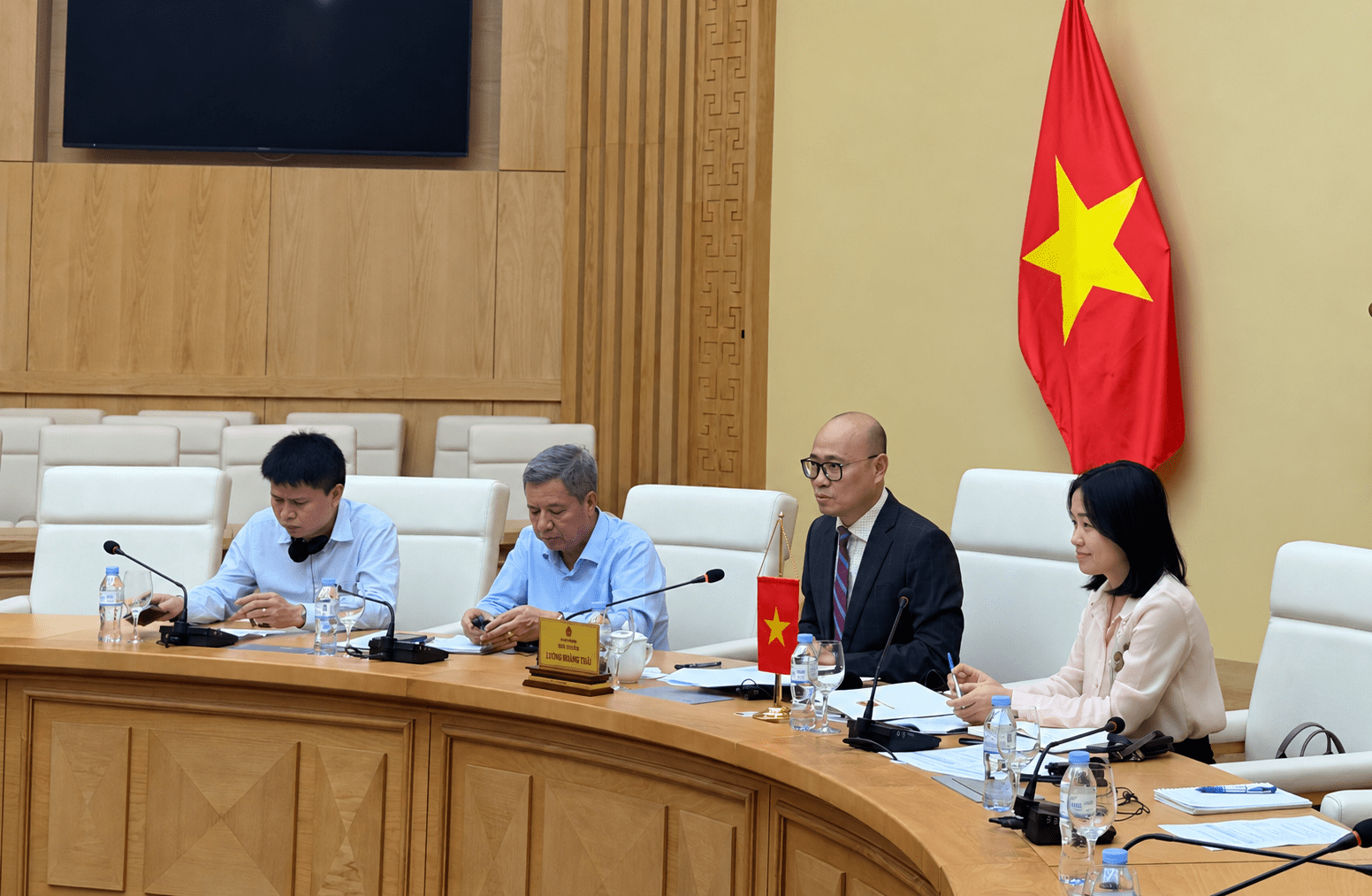
On October 13, Deputy Minister of Industry and Trade Luong Hoang Thai held a working session with MEDEF International, a French business organization, and representatives of French corporations operating in various sectors, including energy, industry, transport, construction and infrastructure development, food and beverages, and services, at the Ministry of Industry and Trade's headquarters.
On October 14, Deputy Minister of Industry and Trade Luong Hoang Thai received and held a working session with a delegation from Hamburg, Germany, led by the city's First Mayor Peter Tschentscher at the Ministry of Industry and Trade's headquarters.
The Copyright Office is working closely with relevant agencies to develop plans for inspections and enforcement action against copyright and related rights infringements in the digital environment.
The Vietnam Industry Agency under the Ministry of Industry and Trade and Samsung Vietnam continue to strengthen cooperation in developing supporting industries, enhancing the capabilities of domestic enterprises and expanding opportunities for their participation in global supply chains.
On October 9, the Viet Nam Department of Geology and Minerals, in coordination with the Thai Nguyen Department of Industry and Trade, held a conference in Thai Nguyen province to disseminate the Law on Geology and Minerals and its implementing regulations.
Northern localities are strengthening links in supporting industries, energy and logistics to build competitive value chains and create new growth drivers.
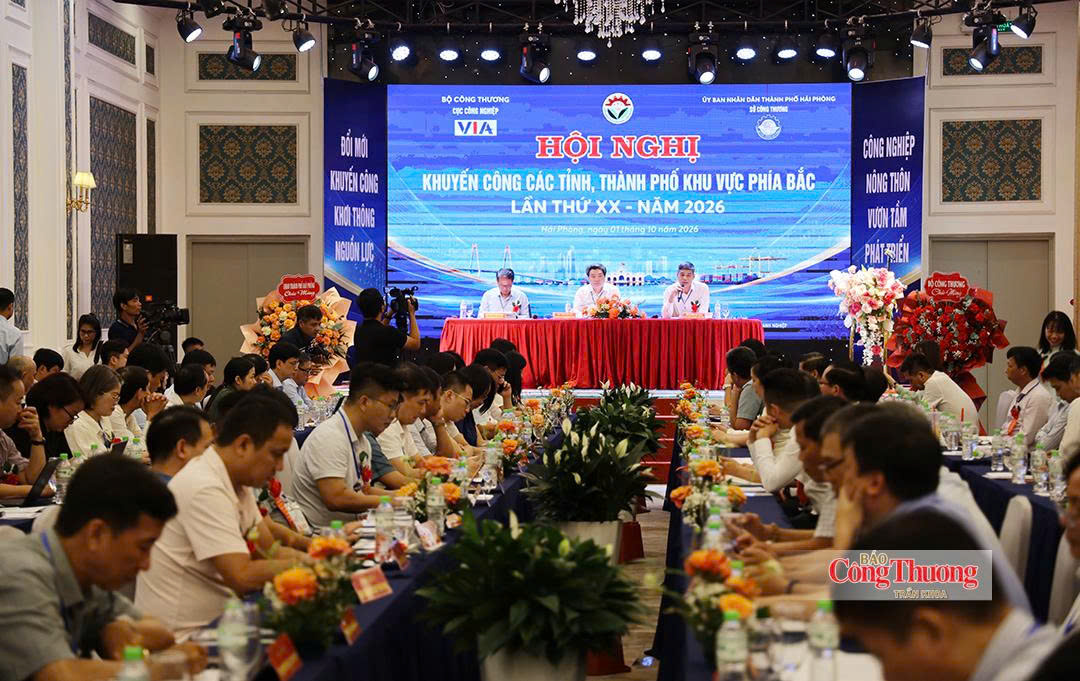
The 20th Industrial Promotion Conference for Northern Provinces and Cities in 2026 was held in Hai Phong City on October 1, with discussions focusing on renewing industrial promotion activities.
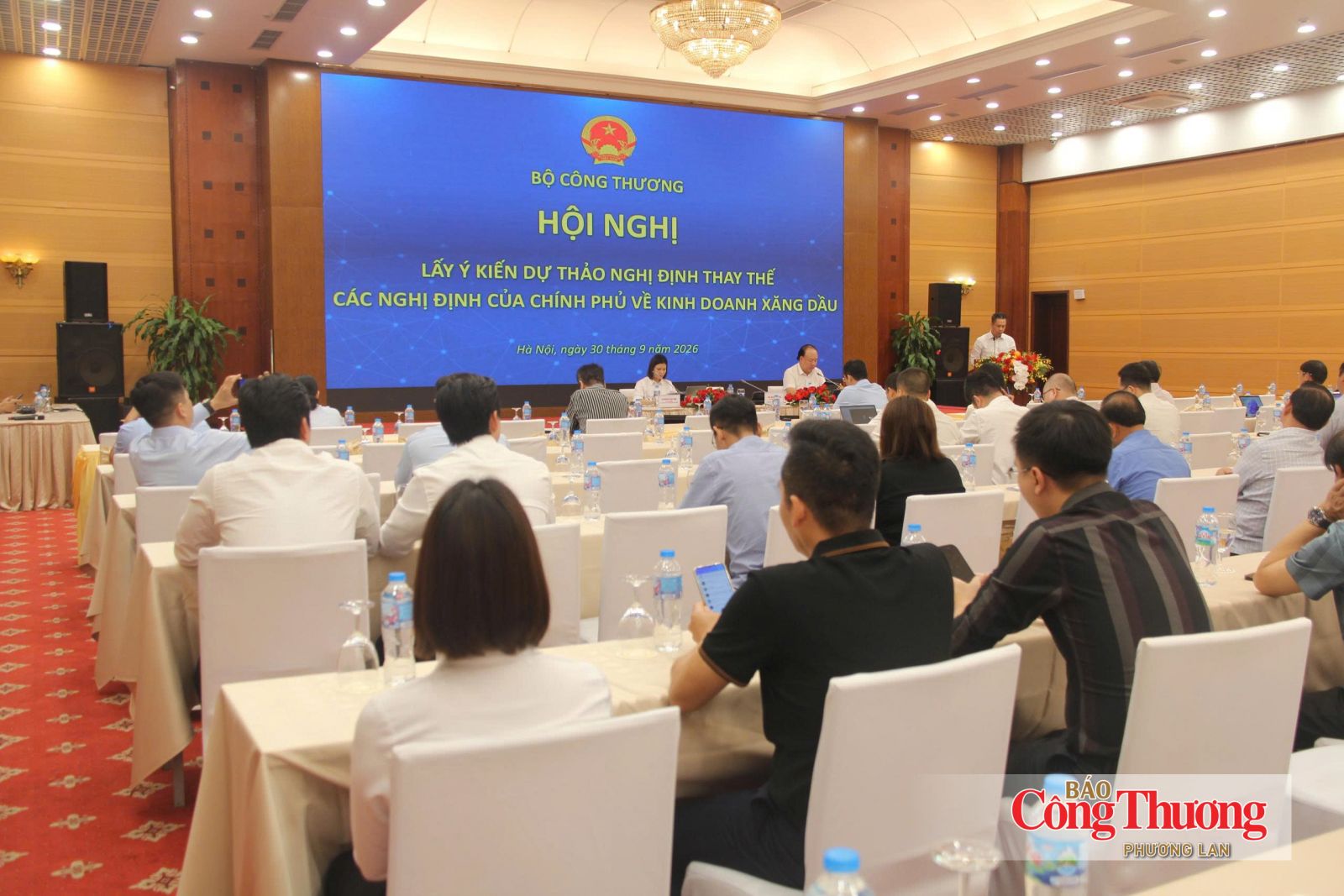
On September 30 in Ha Noi, the Ministry of Industry and Trade (MoIT) held a conference to gather broad feedback on a draft decree replacing the Government’s existing decrees on petroleum trading.