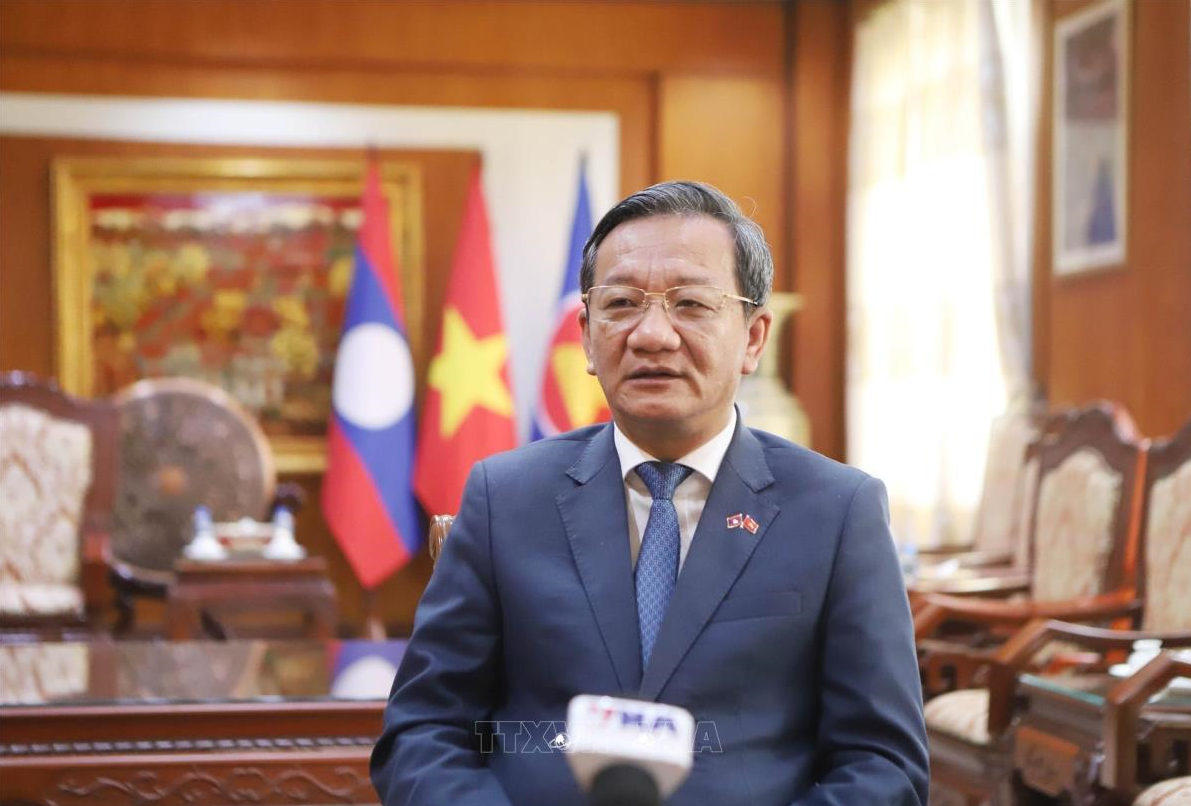
The ASEAN Community Vision 2045, with its focus on digital transformation and green growth, is expected to create new opportunities for Vietnam’s economy.
Digital transformation and green growth expand trade potential
In 1995, Vietnam officially joined ASEAN. This was not only a major milestone in the country’s international integration process following the Renovation Period, but also took place at a time when ASEAN was beginning to shift strongly toward economic cooperation.
The ASEAN Community Vision 2045, with its focus on digital transformation and green growth, is expected to create new opportunities for Vietnam’s economy. Photo: Can Dung
In an interview with the Newspaper of Industry and Trade, Dr. Le Quoc Phuong, former Deputy Director of the Information Centre for Industry and Trade under the Ministry of Industry and Trade, said that when Vietnam joined ASEAN, the bloc had already moved beyond its original political-security character established in 1967 and was gradually transforming into a model of regional economic integration.
From that foundation, ASEAN gradually built the ASEAN Community with three main pillars: political-security, economic, and socio-cultural. According to Le Quoc Phuong, this model shares many similarities with the European Community, although the level of integration is not yet as deep as that of the European Union. ASEAN is now further elevating regional integration through the ASEAN Community Vision 2045. Amid growing volatility in the global economy, this is regarded as a particularly significant orientation for member states, including Vietnam.
According to information from the Ministry of Foreign Affairs, in May 2025, the 46th ASEAN Summit adopted the ASEAN Community Vision 2045 titled "ASEAN 2045: Our Shared Future" along with four strategic plans covering Political-Security, Economic, Socio-Cultural, and Connectivity pillars. At the 47th ASEAN Summit in October 2025, ASEAN leaders also adopted the Initiative for ASEAN Integration (IAI) Work Plan V for the 2026-2030 period. This package consists of five important documents setting out strategic orientations and objectives for the ASEAN Community in its new stage of development. In particular, the documents aim to strengthen regional connectivity, reinforce solidarity and ASEAN centrality, deepen relations between ASEAN and its partners, and enhance the bloc’s resilience and adaptability in the face of opportunities and challenges.
With the theme of "a resilient, innovative, dynamic and people-centred ASEAN," the Vision outlines major orientations for the strategic plans. Economically, these include promoting digital transformation, developing a green economy and renewable energy to build a highly integrated, cohesive and competitive economy.
According to Le Quoc Phuong, the areas currently being promoted by ASEAN are highly consistent with Vietnam’s development orientation, especially digital and green transformation.
He noted that recent ASEAN high-level meetings have discussed many issues related to the digital economy and digital trade, including cross-border payments, e-commerce, digital signatures and digital data standards.
"ASEAN is promoting measures related to digital trade, including cross-border payments, e-commerce, digital signatures and digital data standards. If positive outcomes are achieved, this will help facilitate and accelerate Vietnam’s trade with ASEAN countries," Le Quoc Phuong stated.
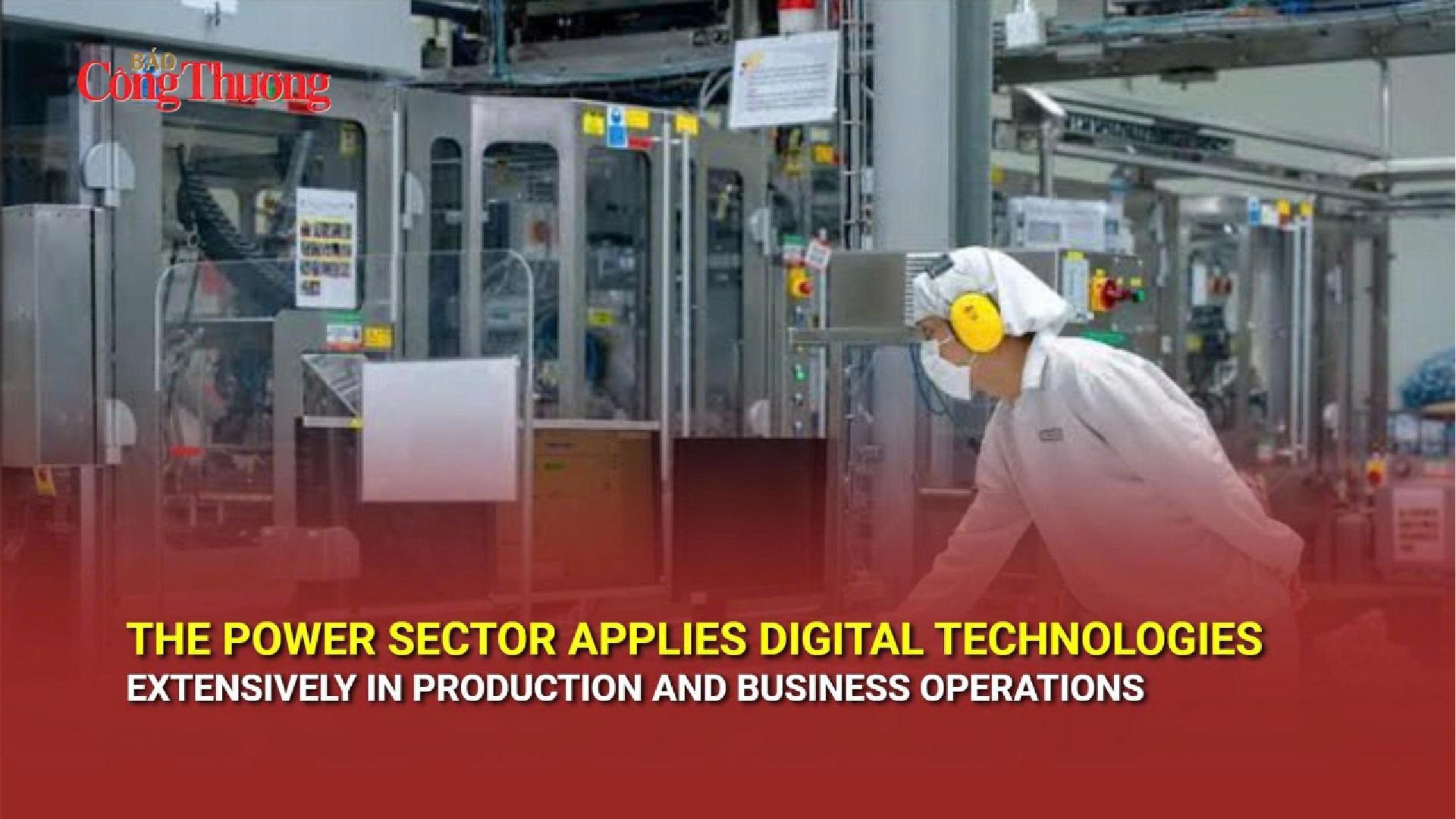
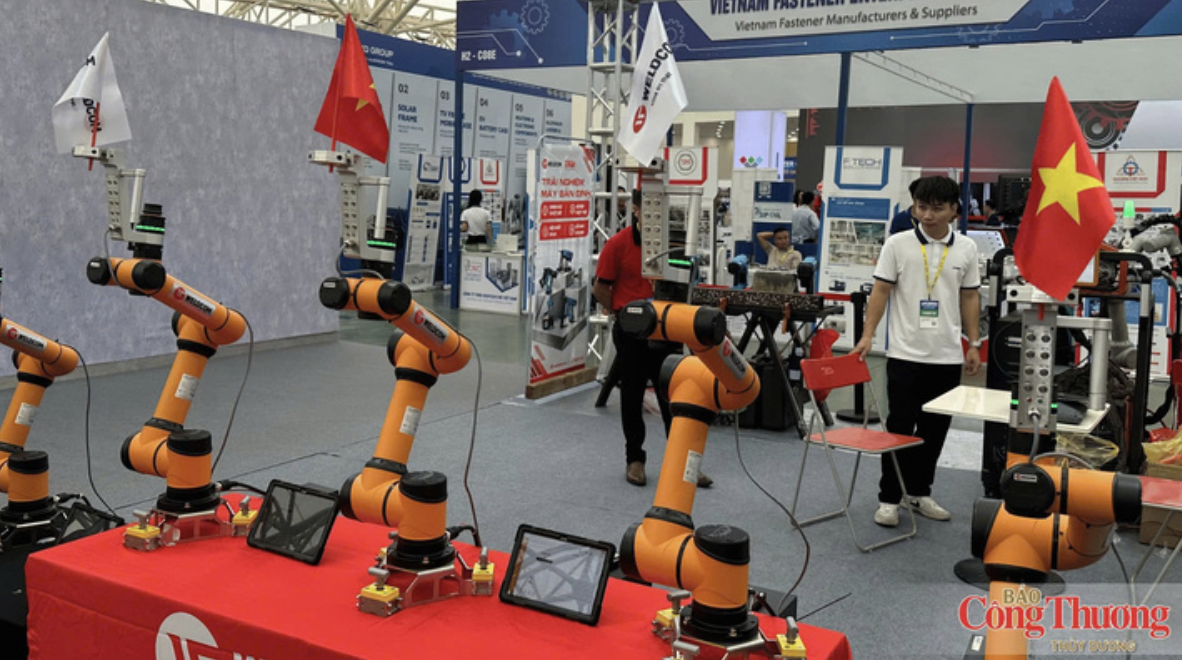
These are also areas in which Vietnam has been actively implementing policies and initiatives. Therefore, if ASEAN accelerates the process of digital connectivity within the region, Vietnamese enterprises will have more opportunities to expand markets and participate more deeply in regional value chains.
Alongside digital transformation, green growth is also considered a major focus of the ASEAN Community Vision 2045. Phuong said this orientation is aligned with Vietnam’s ongoing green transition process, particularly following the country’s commitment to achieving net-zero emissions by 2050.
Currently, many developed markets are imposing increasingly stringent environmental standards on imported goods. This is forcing Vietnamese enterprises to change their production models, ranging from energy saving and emission reduction to the development of environmentally friendly products.
“Vietnamese export goods must meet the environmental standards of importing countries. Therefore, ASEAN’s promotion of cooperation in green economy and clean energy will support Vietnam’s green transition process,” Le Quoc Phuong said.
According to him, if Vietnam can effectively capitalise on this trend, the country will not only increase exports to ASEAN markets but also have opportunities to expand into developed markets with strong demand for green products. Energy-saving products, recyclable goods, products with low emissions during production or low energy consumption will increasingly gain competitive advantages.
Beyond promoting trade, digital and green transformation are also expected to enhance Vietnam’s attractiveness to foreign investment flows.
"The promotion of digital and green transformation by ASEAN will create favourable conditions for Vietnam to attract stronger foreign investment inflows," Le Quoc Phuong emphasised.
Vietnam currently possesses many advantages, including a favourable geographical location, large export scale and improving manufacturing capacity. If combined with effective digital and green transformation, Vietnam’s attractiveness within global supply chains will increase significantly.
Major opportunities but fiercer competition
Another notable point in the ASEAN Vision 2045 is the promotion of infrastructure connectivity and regional supply chains. This is considered a major opportunity for Vietnam to strengthen its logistics role within ASEAN.
According to Le Quoc Phuong, Vietnam’s geographical location is strategically important as it lies between ASEAN and China, one of the world’s largest markets. If the country takes full advantage of this opportunity, Vietnam could become a logistics hub of ASEAN.
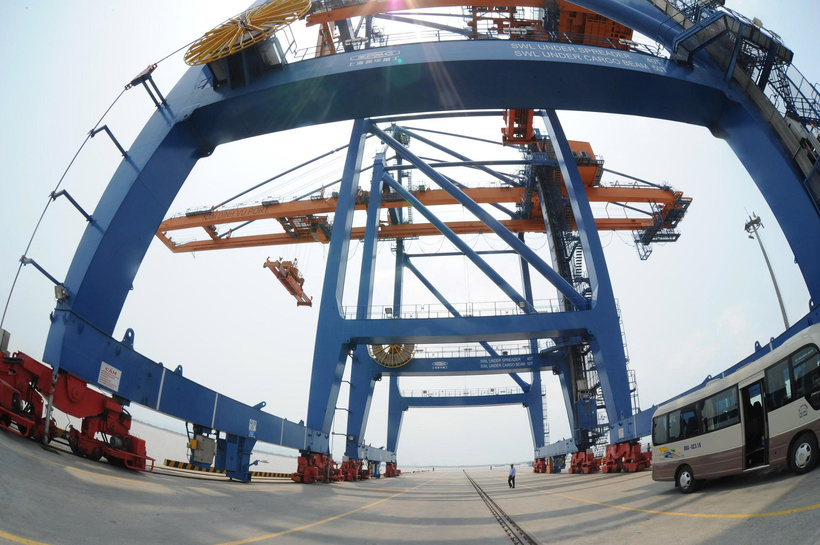
At present, major seaports such as Hai Phong and Ho Chi Minh City are playing an increasingly important role in the regional logistics network. As intra-ASEAN trade expands, Vietnam’s role in cargo transshipment is also expected to grow significantly.
However, according to Le Quoc Phuong, opportunities always come with challenges. The more ASEAN opens up, the fiercer competition will become.
"When other countries open their markets to us, we must also open ours. As other countries improve their competitiveness, we must also enhance our competitiveness; otherwise, we will not be able to seize the opportunities," he stressed.
To turn opportunities into reality, Vietnam needs to accelerate digital and green transformation. If implementation is slower than in other countries in the region, Vietnam risks falling behind.
In addition, the competitiveness of Vietnamese enterprises remains limited. Although the country’s export scale is large, the added value of products is still low, with heavy dependence on imported materials and processing activities.
"We must move from processing to manufacturing, increase added value and strongly develop supporting industries," Le Quoc Phuong said.
Moreover, Vietnam’s logistics costs remain high compared to many ASEAN countries, significantly affecting the competitiveness of Vietnamese goods.
According to Le Quoc Phuong, to fully capitalise on opportunities arising from the ASEAN Community Vision 2045, Vietnam needs not only deeper integration but also stronger internal economic capacity.
"Within ASEAN, Vietnam still lags behind Singapore, Malaysia and Thailand in terms of national competitiveness. Therefore, we must continue improving our position to play a more worthy role in ASEAN as well as globally," Le Quoc Phuong stressed.
At the invitation of Philippine President Ferdinand Romualdez Marcos Jr., Chair of ASEAN 2026, Prime Minister Le Minh Hung is leading a high-ranking Vietnamese delegation to attend the 48th ASEAN Summit in Cebu, the Philippines, from May 7-8.
Industry and Trade Newspaper would like to introduce a podcast series on the implementation of the Politburo's Resolution No. 57 in the Industry and Trade sector.
GREENTECH HA NOI 2026 showcases green technologies and energy-efficient solutions that help businesses cut emissions, optimize costs, promote sustainable production.
The programme connects Vietnamese businesses with Chinese investors, expanding opportunities for investment, technology cooperation and supply chain links.
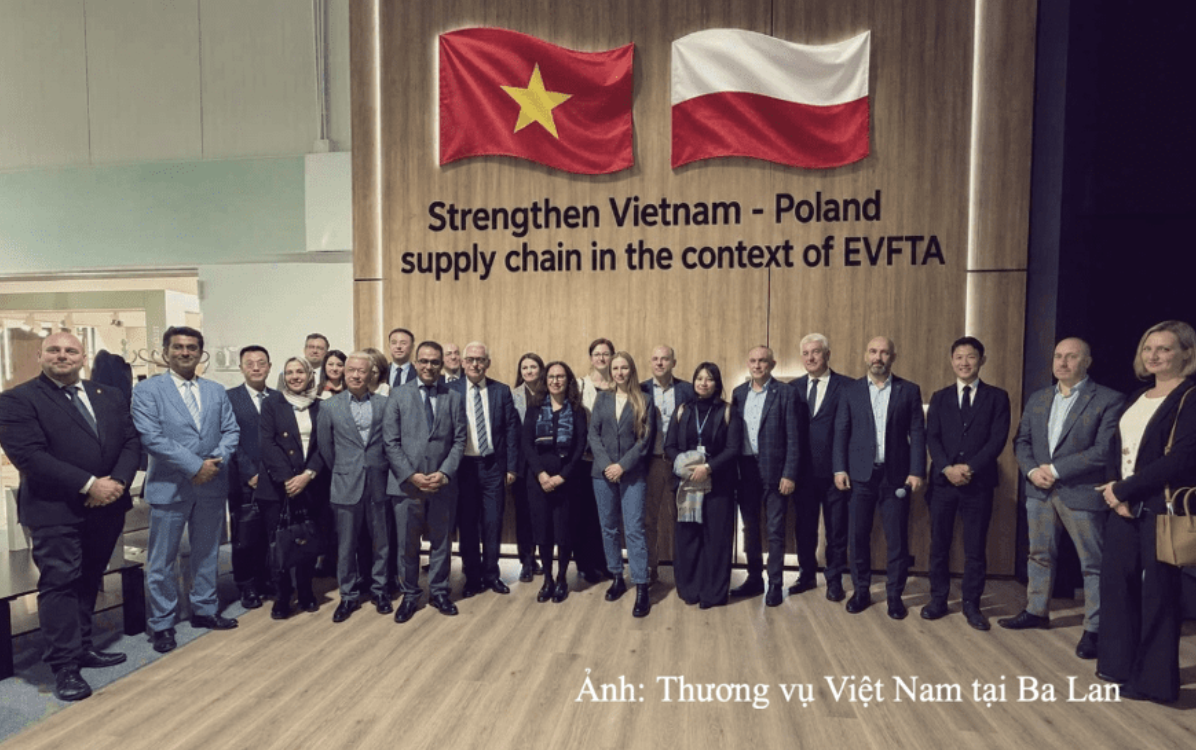
Viet Nam and Poland are exploring complementary strengths in furniture manufacturing, machinery, raw materials and technology to develop regional supply chains.
The MoIT calls for proactive risk management and supply diversification to prevent energy supply disruptions amid global geopolitical and market uncertainties.
GREENTECH HA NOI 2026 showcases green technologies and energy-efficient solutions that help businesses cut emissions, optimize costs, promote sustainable production.
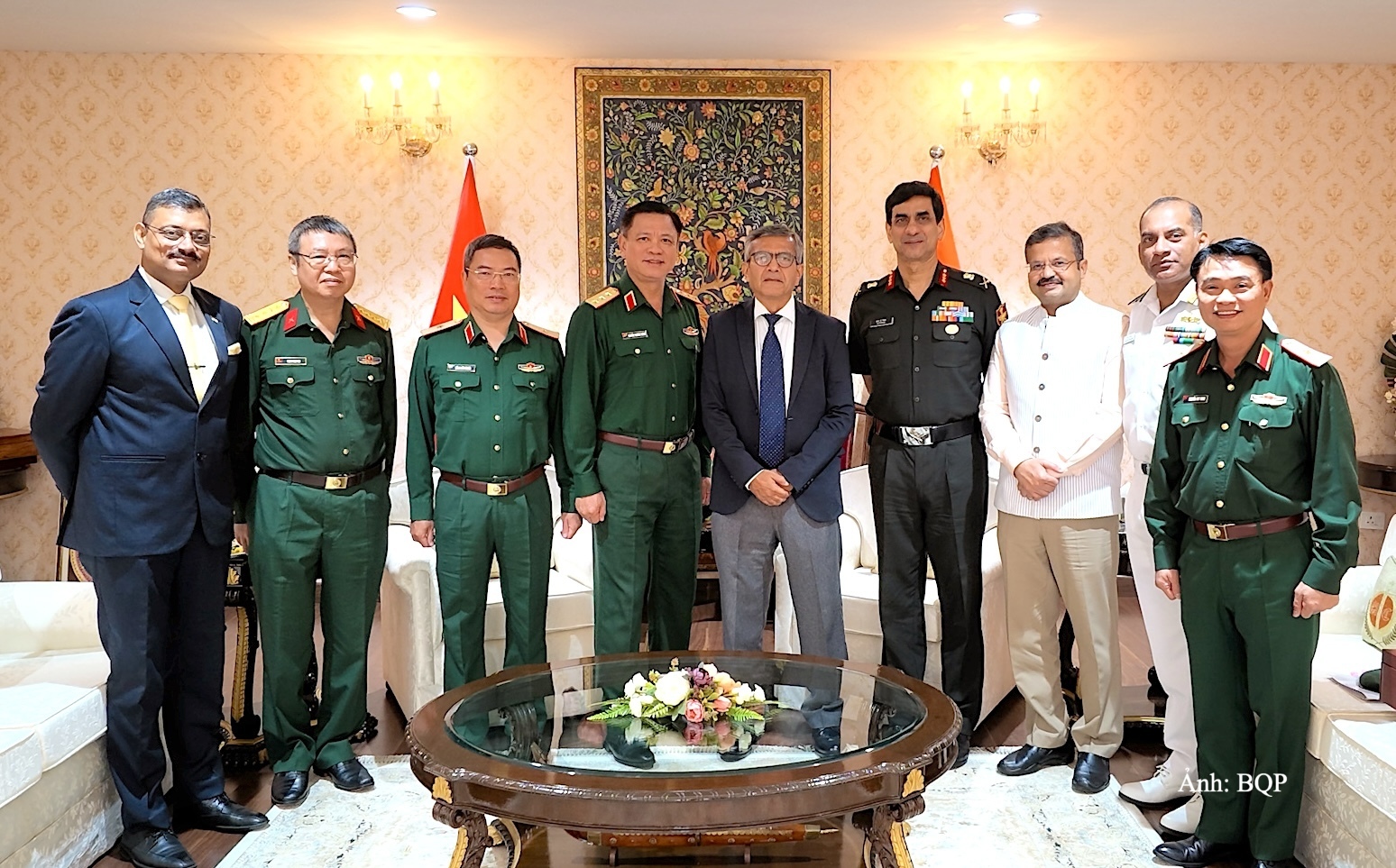
On the sidelines of the BRICS Summit in New Delhi, Senior Lieutenant General Nguyen Truong Thang held a meeting with Indian Defence Secretary Rajesh Kumar Singh, agreeing to expand defence cooperation.
Viet Nam has identified strengthening energy security and resilience, accelerating a clean and just energy transition, and promoting innovation, investment and regional connectivity as three strategic priorities in responding to profound changes in the global energy landscape.
The Viet Nam-Japan Business Forum 2026 will take place in Hanoi, bringing together around 250 delegates for trade and investment matchmaking and business networking.