Vietnam’s textile sector is diversifying markets and leveraging trade agreements to strengthen its export growth.
Vietnam’s textile and garment industry is poised for significant opportunities to expand exports as it accelerates market diversification and makes better use of free trade agreements (FTAs). Signals from businesses, regulators and global demand suggest the sector still has substantial room for growth.
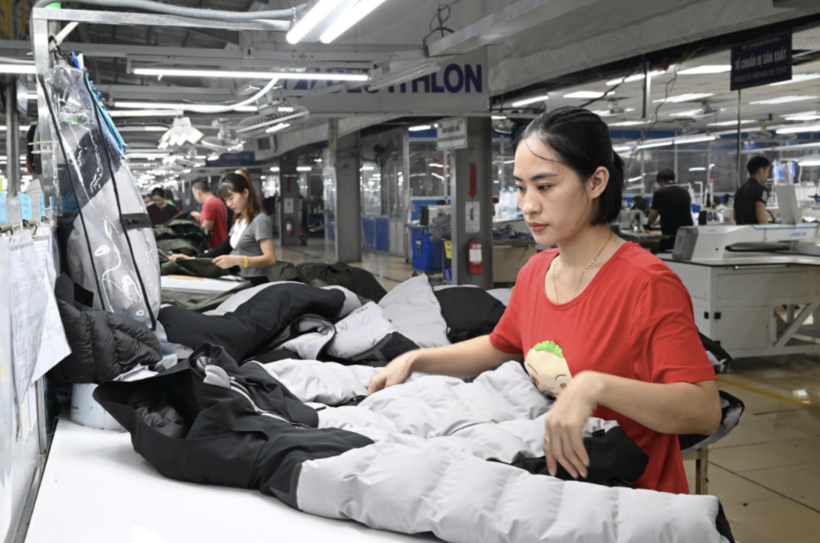
Vietnam’s textile manufacturers still see ample opportunities to grow exports by expanding into new markets. Photo: Can Dung
Actively diversifying export markets
Textile and garment products have long been one of Vietnam’s key export pillars, and 2025 is shaping up to be another pivotal year for the sector’s resilience and adaptability. According to Truong Van Cam, Vice Chairman of the Vietnam Textile and Apparel Association, “This year, we expect exports to reach around USD 46 billion. The results remain stable and the target is highly achievable, an increase of about 6% compared to 2024.” While the expansion is not dramatic, it provides a solid foundation for the industry to enter a stronger market-expansion phase.
The United States remains the sector’s anchor, accounting for 40.4% of total export value, equivalent to USD 18.6 billion in 2025. It is also the fastest-growing market, with a 17% increase. Notably, despite tariff rates of around 20% and transshipment costs of 40%, Vietnamese producers have maintained their competitiveness.
The EU, China, Japan, South Korea and ASEAN continue to serve as crucial traditional markets, with the EU contributing roughly USD 5 billion and China about USD 4 billion. These figures reflect sustained efforts by companies to defend market share and retain longstanding partnerships amid intensifying global competition.
A major highlight in 2025 is the industry’s proactive push into new markets. The Middle East has drawn particular attention, with a population of 370 million and GDP of USD 5.5 trillion. Although the region offers vast potential, Vietnam currently exploits only USD 400–500 million annually, a modest figure.
“This is a high-income, high-potential market, but many gaps remain, especially in terms of market intelligence and compliance with standards such as Halal,” industry representatives noted.
Beyond the Middle East, businesses are also eyeing Latin America, especially Canada, where demand is rising. However, fierce competition from Mexico and Peru requires Vietnamese exporters to sharpen standards, quality and order-fulfillment capabilities.
A positive development is the increasingly timely support from Vietnam’s overseas trade offices. Regular briefings between the Ministry of Industry and Trade and commercial counselors have become an important source of market updates and problem-solving, encouraging companies to branch out rather than wait passively for signals from traditional destinations.
Leveraging FTAs for deeper and more sustainable expansion
Alongside market diversification, maximizing the benefits of FTAs is considered a key accelerator for the textile and garment industry. However, according to regulators, the current utilization rate remains far below potential.
Ngo Chung Khanh, Deputy Director General of the Multilateral Trade Policy Department, noted: “The Comprehensive and Progressive Agreement for Trans-Pacific Partnership (CPTPP) utilization is nearly 16%; the UK–Vietnam Free Trade Agreement (UKVFTA) is about 38%; and the EU-Vietnam Free Trade Agreement (EVFTA) around 35%. These levels have improved but still fall short of expectations.”
Even FTAs widely regarded as particularly advantageous for textiles, such as the CPTPP and EVFTA, remain underused. The causes come from both businesses and regulators.
On the business side, Khanh said many firms still operate with a “good enough” mindset, lacking ambition to expand brands or markets; small enterprises often have limited access to regulatory information; and many lack the resources to meet stringent standards.
Weak supply-chain linkages also remain a core obstacle, especially inadequate domestic inputs. Heavy reliance on imported fabrics and dyeing services makes it difficult to comply with rules of origin, the largest barrier to FTA utilization.
Truong Van Cam acknowledged: “The root issue lies in weak input materials, particularly fabrics, weaving and dyeing. This is a problem that neither enterprises nor regulatory bodies, central or local, have fully resolved.”
Regulators also face constraints: FTA-support programs are not sufficiently effective; local authorities lack capacity, with small teams managing multiple functions; and export-growth strategies are not closely tied to individual FTA objectives.
From an implementation perspective, Khanh said Vietnamese firms still lack systematic preparation to compete globally. “Once you decide to ‘Go Global’, whether it’s difficult or easy, you have to play. Some exporters already sell to 30 countries yet still shy away from the EU or Canada due to strict standards,” he said.
He also pointed out that many companies are willing to spend hundreds of millions of dong on sales and marketing while “overlooking” the crucial task of building an in-house FTA compliance team, the very resource needed to unlock high-value markets.
To address these shortcomings, several solutions have been proposed to enhance FTA benefits and create a more sustainable export-growth platform. These include building market-specific strategies with clear goals for each destination, whether to strengthen branding, expand market share or diversify product lines.
Another priority is investing in human resources, particularly specialized FTA teams. Khanh suggested adopting a “Train the trader” model, similar to approaches used in South Korea.
Equally important is linking the FTA ecosystem with the trade-promotion ecosystem and strengthening supply-chain connections to resolve the fabric and material bottleneck. This is fundamental for fully capitalizing on the EVFTA and CPTPP.
A bright spot is the Vietnam Textile and Apparel Association’s expanding role as a connector. “Helping companies link up to build domestic supply chains, exchange experience, share orders in difficult times and provide market information is a key responsibility of the Association,” Cam said.
The Association is also enhancing policy consultations, raising concerns over VAT refunds, raw-material import procedures and compliance requirements, helping create a more enabling environment for exporters.
Export data, market-diversification efforts and more effective FTA implementation indicate that the textile and garment industry still has substantial headroom for growth. Challenges remain, from input shortages to rising standards and global competition, but with clear strategies, stronger market expansion, deeper FTA utilization and better supply-chain linkages, Vietnam’s textile and garment industry is well positioned to elevate its standing in the global export landscape.
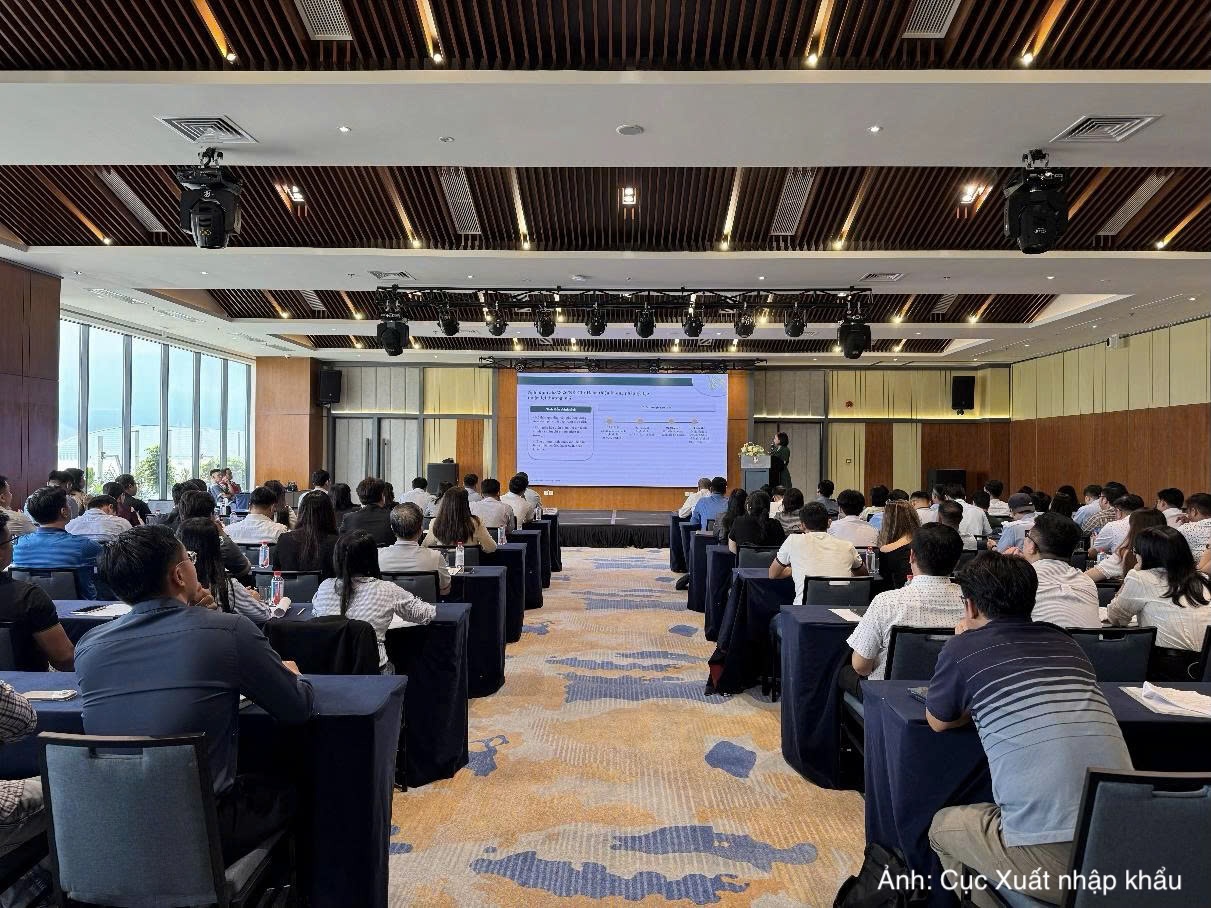
On October 13, the Agency of Foreign Trade under the Ministry of Industry and Trade (MoIT) held a conference in Dong Thap province to disseminate Government Decree No.365/2026/ND-CP dated September 23, 2026, on rice export and import business, and Circular No.65/2026/TT-BCT dated October 1, 2026, issued by the Minister of Industry and Trade, detailing certain provisions and measures for implementing Decree No.365/2026/ND-CP.
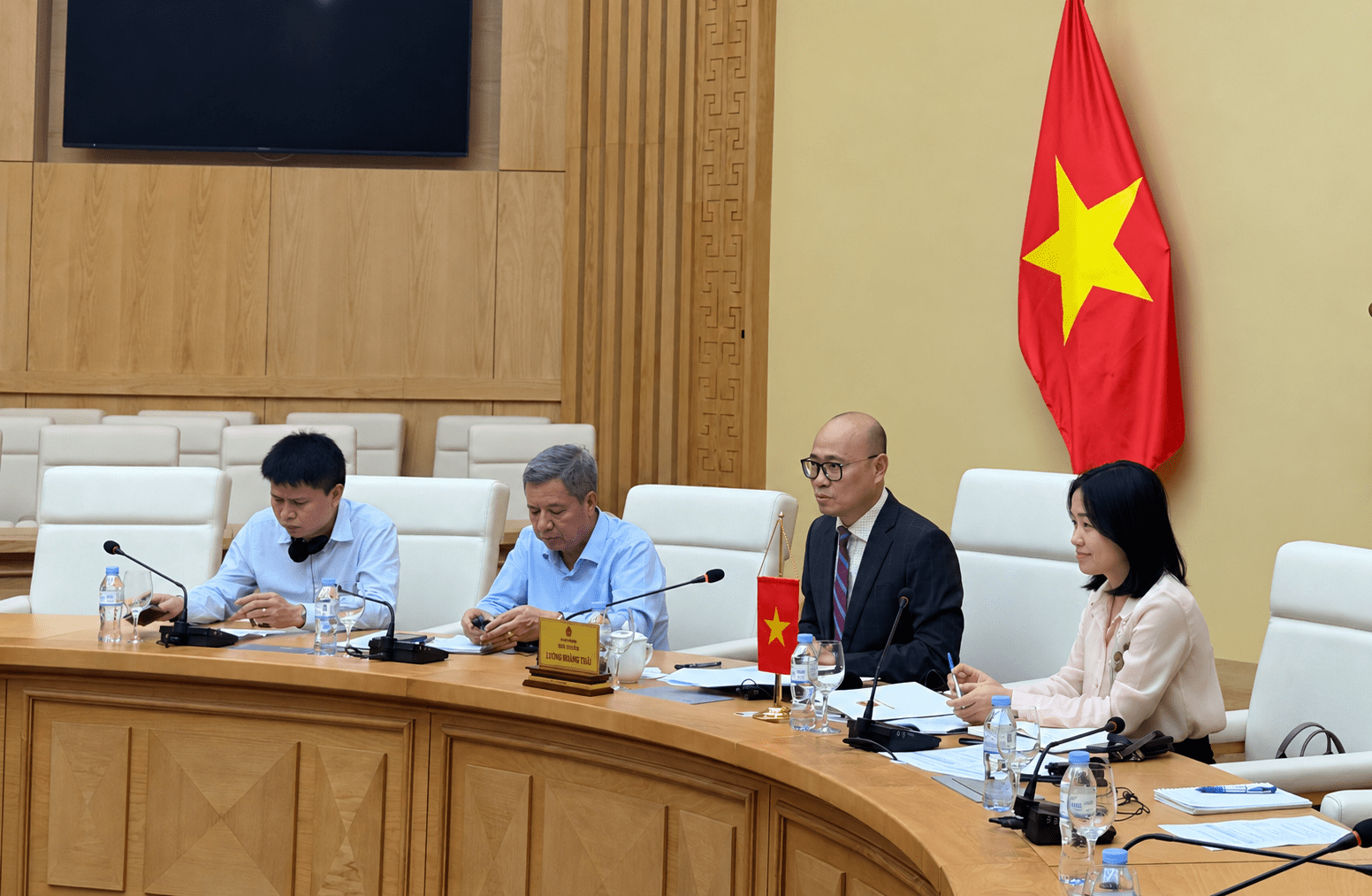
On October 13, Deputy Minister of Industry and Trade Luong Hoang Thai held a working session with MEDEF International, a French business organization, and representatives of French corporations operating in various sectors, including energy, industry, transport, construction and infrastructure development, food and beverages, and services, at the Ministry of Industry and Trade's headquarters.
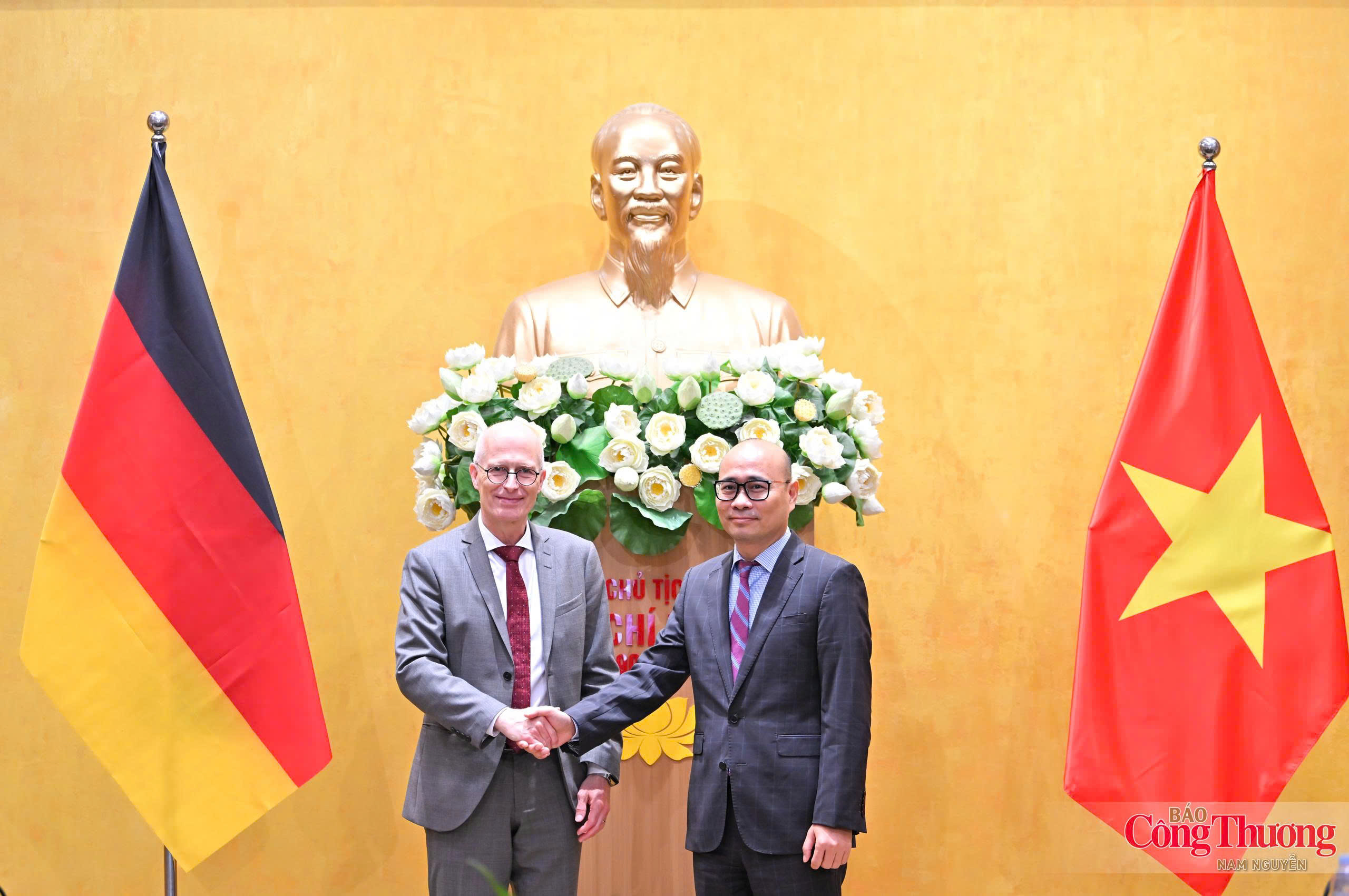
On October 14, Deputy Minister of Industry and Trade Luong Hoang Thai received and held a working session with a delegation from Hamburg, Germany, led by the city's First Mayor Peter Tschentscher at the Ministry of Industry and Trade's headquarters.
The Copyright Office is working closely with relevant agencies to develop plans for inspections and enforcement action against copyright and related rights infringements in the digital environment.
Viet Nam’s cultural industries are poised for growth as development targets become clearer, the digital content market expands and technology creates new ways.