Vietnam is preparing a strategy to strengthen its materials industry through deep processing, innovation and strategic value chains, with a vision to 2045.
Building national materials capabilities
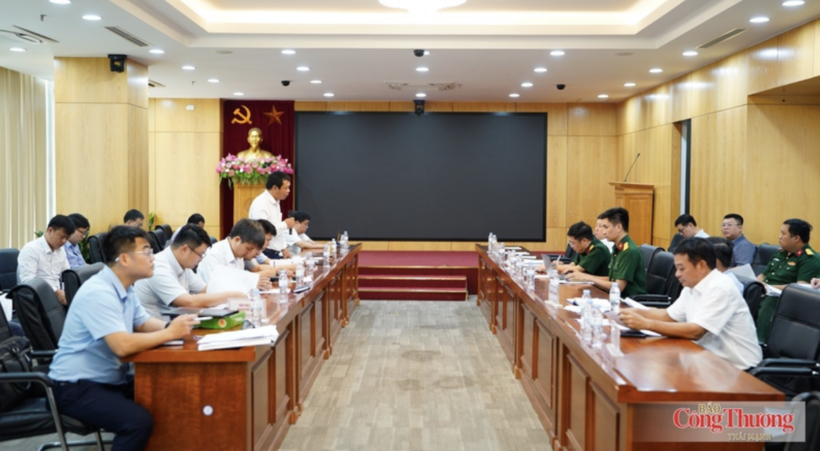
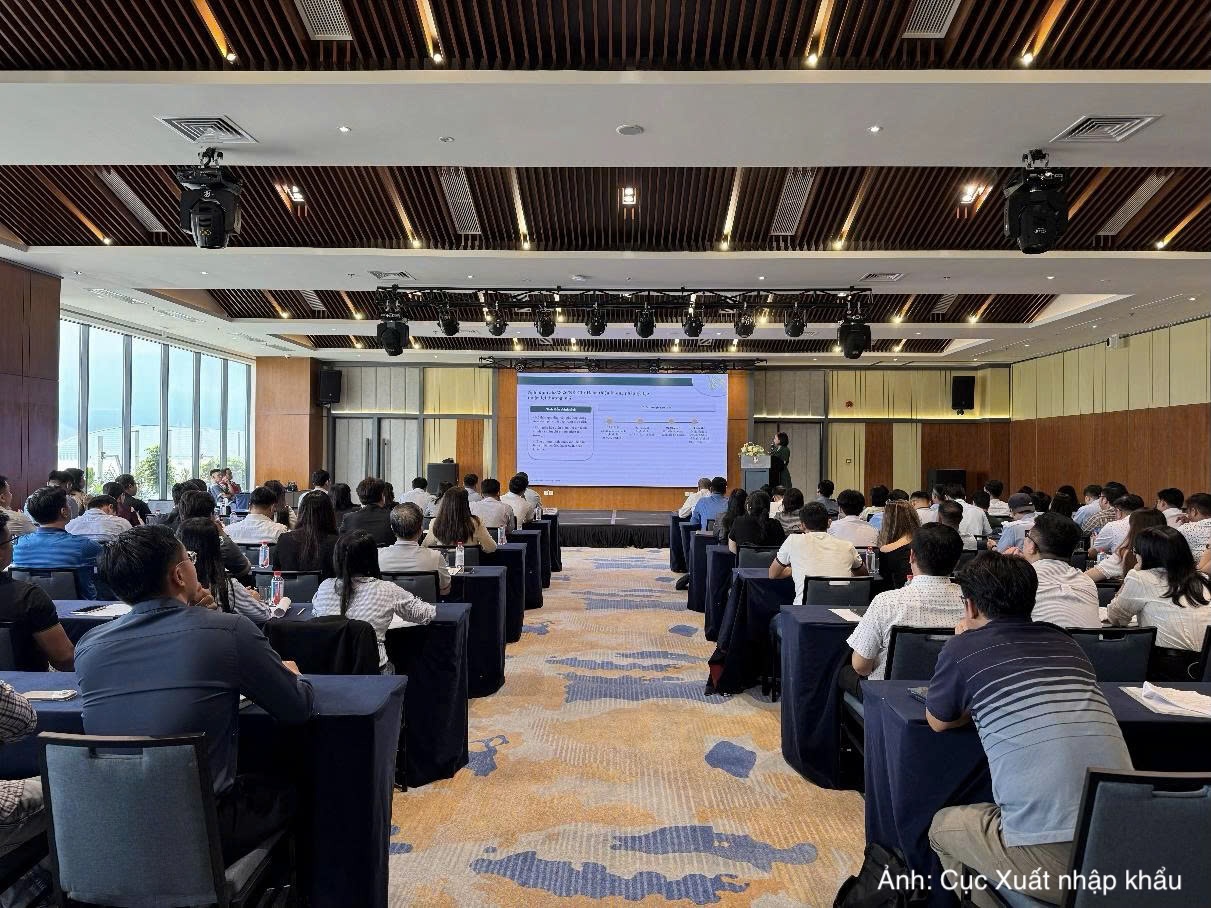
On the morning of July 7, the Ministry of Industry and Trade convened a meeting to discuss the draft outline of the Strategy for the Development of Vietnam’s Materials Industry to 2030, with a Vision to 2045. The meeting was attended by representatives from the Ministry of Finance, the Ministry of Public Security, the Ministry of National Defense, the Ministry of Science and Technology, the Ministry of Agriculture and Environment, as well as research institutes, universities and other relevant stakeholders.
Nguyen Ngoc Thanh, Deputy Director of the Agency for Industry under the Ministry of Industry and Trade, said that, in implementing directives from the competent authorities on advancing Vietnam’s materials industry, the Ministry had prepared a draft outline of the Strategy for the Development of Vietnam’s Materials Industry to 2030, with a Vision to 2045. The meeting was organised to gather comments from ministries, government agencies, research and training institutions, businesses and other relevant organizations, providing a basis for refining the draft before moving forward with subsequent stages of development.
Nguyen Ngoc Thanh, Deputy Director, Agency for Industry, Ministry of Industry and Trade.
Providing an overview of the proposed national strategy, Do Nam Binh, Head of the Minerals and Metallurgy Division under the Agency for Industry, said the materials industry serves as a fundamental industrial sector, supplying essential inputs to almost every key field, including construction, transport, energy, mechanical engineering, electronics, semiconductors, healthcare, national Defense and security, the marine economy and high-tech industries. The level of development of a country’s materials industry directly reflects its degree of industrialization, scientific and technological capabilities, and capacity for self-reliant development.
Against the backdrop of a rapidly changing global landscape, international competition is no longer confined to end products. Increasingly, it centres on raw materials, advanced materials, deep-processing technologies, technical standards, data and supply chains. Industries such as semiconductors, artificial intelligence, batteries and energy storage, offshore wind power, electric vehicles, defense manufacturing, biomedicine and pharmaceuticals all rely heavily on advanced materials. Without proactively developing its materials industry, Vietnam will face significant challenges in strengthening industrial self-reliance and securing a deeper position in high value-added global value chains.
"The overarching principle of the draft strategy is to transform Vietnam’s comparative advantage in natural resources into national materials capabilities; shift from exporting raw materials to deep processing; move from fragmented production towards integrated value-chain development; and gradually reduce dependence on imported materials by building self-reliance in essential and strategic materials," Do Nam Binh said.
Do Nam Binh, Head of the Minerals and Metallurgy Division, Agency for Industry, Ministry of Industry and Trade.
Regarding development perspectives, he noted that the draft identifies the materials industry as a foundational pillar of Vietnam’s industrialization and modernization process, serving as an indispensable input and prerequisite for the development of key industries, priority industries, strategic industries and high-tech products.
The strategy approaches materials development from the perspective of building comprehensive national materials capabilities, encompassing research, design, testing, standardization, manufacturing, commercialization, recycling and supply security.
Accordingly, the draft does not define the materials industry narrowly as the production of raw materials alone. Instead, it adopts a full value-chain approach spanning raw material resources, deep processing, materials manufacturing, components, equipment, industrial products, markets and recycling.
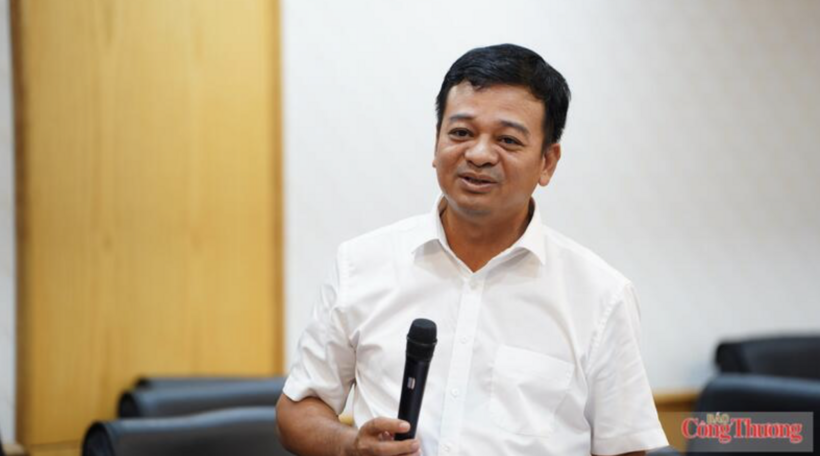
Tran My Dung, Deputy Director of the Vietnam Department of Geology and Minerals under the Ministry of Agriculture and Environment.
The draft also emphasises focused and targeted development to avoid spreading resources too thinly. Materials are therefore categorised into three groups: basic materials to be maintained and upgraded; strategic materials requiring concentrated breakthroughs; and future materials that warrant long-term research and preparation. This approach is intended to address immediate development needs while laying a solid foundation for sustained long-term growth.
Another key principle is the transition from resource extraction towards technological mastery, deep processing and higher domestic value addition. Vietnam possesses significant advantages in mineral resources, oil and gas, marine resources, biomass, construction materials and recyclable feedstocks. However, if these resources continue to be limited to extraction, preliminary processing or raw exports, value creation will remain low and a robust industrial base will be difficult to establish.
Trinh Minh Hoan, from the Department of Science, Technology and Innovation under the Ministry of Science and Technology.
The draft further stresses that the development of the materials industry must be underpinned by science and technology, technical standards, data infrastructure, a highly skilled workforce and enterprises as the central driving force. Material design, testing, certification, standardization and commercialization are identified as critical stages in transforming research outcomes into commercially viable products.
Mastering strategic materials value chains
According to Do Nam Binh, the overarching objective of the draft strategy is to build national materials capabilities by transforming Vietnam’s advantages in natural resources, minerals, oil and gas, marine resources, biomass and other feedstocks into strengths in deep processing, technology, manufacturing and industrial competitiveness.
By 2030, Vietnam aims to gradually establish a relatively comprehensive national materials industry capable of researching, designing, developing, manufacturing, supplying, standardising, commercialising and recycling several key categories of materials that support the country’s industrialization and modernization.
By 2045, the country seeks to develop a materials industry that reaches an advanced level within the region in sectors where Vietnam enjoys competitive advantages, masters a number of strategic materials value chains, fosters globally competitive materials enterprises, and contributes to building a self-reliant, modern and resilient national industrial base.
Regarding specific objectives, the draft strategy focuses on developing a national materials industry capability framework; establishing a materials demand forecasting system and a national materials database; identifying priority materials and priority materials value chains; mastering selected strategic materials value chains and core materials technologies; promoting deep processing of minerals, oil and gas, and other domestic feedstocks; and developing a comprehensive ecosystem covering research, design, testing, standardization, manufacturing and the application of advanced materials.
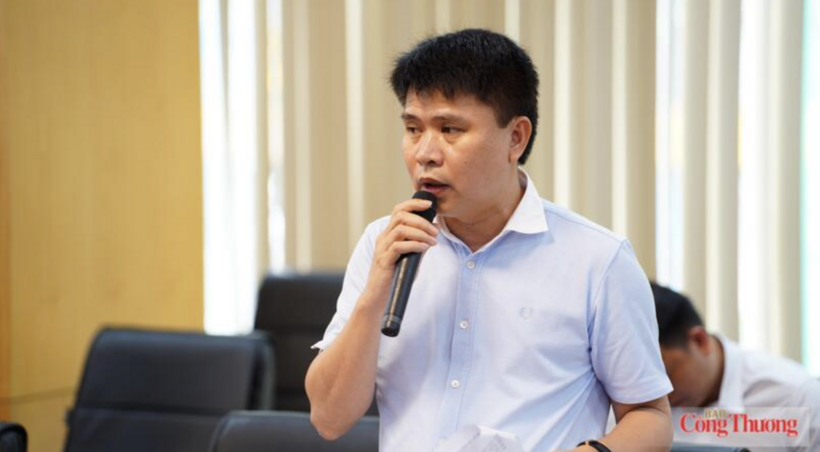
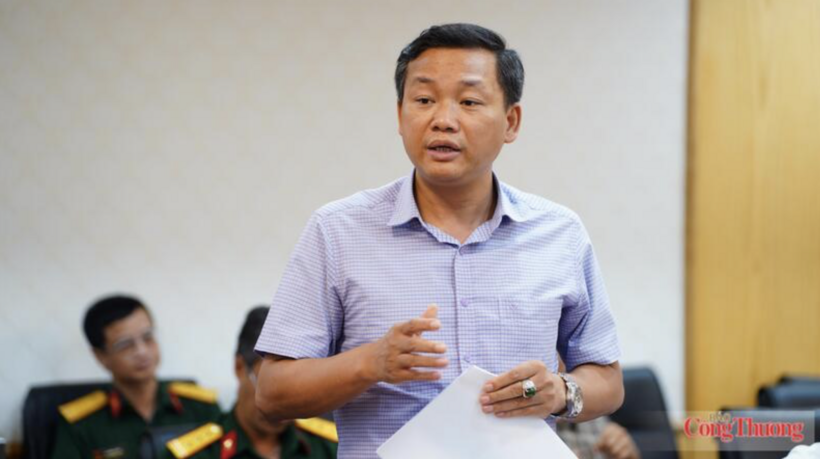
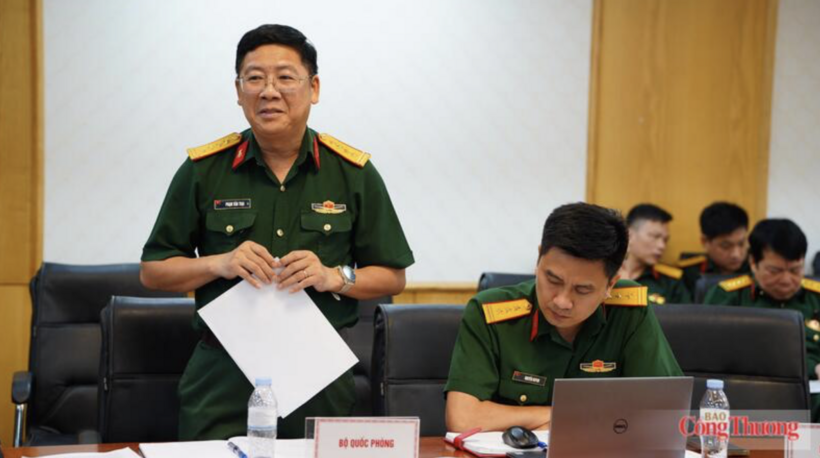
Senior Colonel Pham Van Toai, Director of the Institute of Propellants and Explosives under the General Department of Defense Industry.
In the near term, the draft identifies several strategic priority groups, including semiconductor materials, rare-earth materials, battery and energy storage materials, advanced materials, materials for high-tech industries, Defense and security, renewable energy and digital transformation. It also prioritises value chains in which Vietnam possesses comparative advantages, including rare earths-magnetic materials; bauxite-alumina-aluminium-aluminium alloys; titanium-titanium alloys; battery materials; semiconductor materials; high-grade steel; chemicals-polymers-composites; and recycled materials.
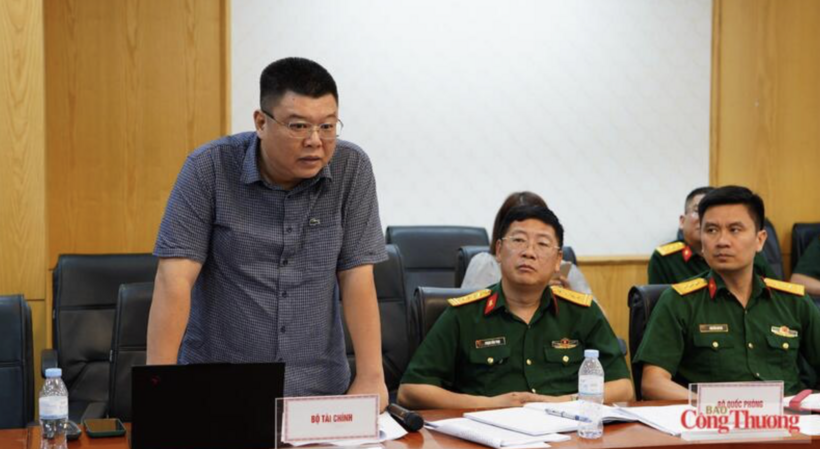
Tran Tuan Anh from the Department of Sectoral Finance under the Ministry of Finance.
Regarding implementation, the draft proposes eight major groups of tasks and policy measures.
The first focuses on improving institutions, coordination mechanisms and resource mobilization. This includes reviewing and refining the legal framework governing minerals, oil and gas, chemicals, industry, construction, pharmaceuticals, healthcare, investment, environmental protection, standards, public procurement and bidding, while exploring special policy mechanisms for strategic materials value chains.
The second group concerns the governance and security of strategic raw material supplies. Proposed measures include surveying, assessing and regularly updating domestic resource potential; establishing national lists of strategic raw materials and strategic materials; strengthening controls over raw material extraction and exports; linking resource extraction with deep processing; expanding overseas sources of raw materials through international cooperation, joint ventures, mergers and acquisitions, long-term supply agreements and resource diplomacy; and promoting recycling, alternative materials and the circular economy.
The third group focuses on developing deep-processing industries and foundational materials, with priority given to mineral processing, metallurgy, chemicals, petrochemicals, polymers, composites and advanced materials. It also calls for the development of green building materials, green steel, low-carbon cement, high-performance glass, specialised concrete and materials for major national infrastructure projects.
The fourth group aims to establish strategic materials value chains serving key growth industries. These include rare earths-magnets-motors-turbines-robotics-defense; titanium-titanium alloys-aerospace-biomedical applications-marine industries; graphite, nickel, lithium and cobalt-batteries-energy storage-electric vehicles; high-grade steel-railways-shipbuilding-offshore structures-offshore wind power; and copper, aluminium and conductive materials-power grids-data centres-artificial intelligence.
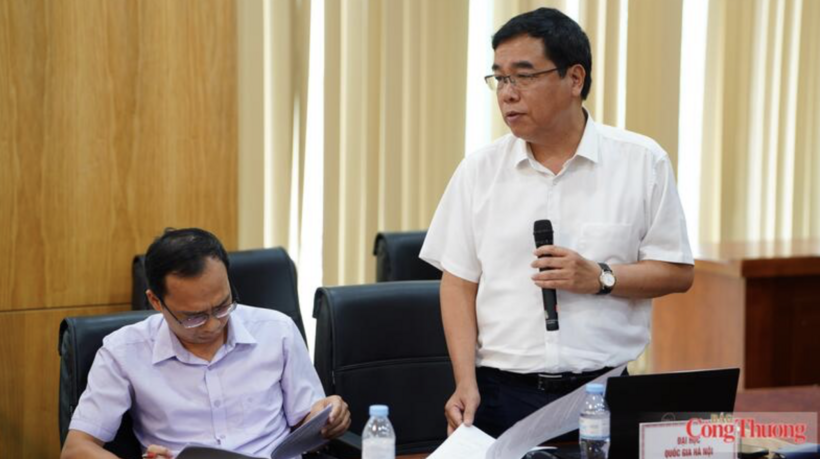
Le Van Chieu, Deputy Head of the Board for Science and Innovation under Vietnam National University, Hanoi.
The remaining groups of tasks focus on developing materials for the marine economy; advancing materials for biomedical applications, pharmaceuticals and health security; promoting science, technology, data, and artificial intelligence in the materials sector; and fostering the growth of enterprises, markets and a comprehensive materials ecosystem.
The draft strategy also sets a target of establishing at least three to five national materials research centres by 2030, while nurturing Vietnamese materials enterprises with the capability to lead supply chains.
Based on comments and recommendations gathered during the meeting, the Ministry of Industry and Trade will incorporate feedback and further refine the draft outline. The revised draft will provide greater clarity on strategic priorities, key tasks, implementation mechanisms and the allocation of responsibilities, ensuring that the Strategy, once formulated, is practical, well-focused and aligned with Vietnam’s development requirements in the new era before being submitted to the Prime Minister for consideration and direction.
On October 13, the Agency of Foreign Trade under the Ministry of Industry and Trade (MoIT) held a conference in Dong Thap province to disseminate Government Decree No.365/2026/ND-CP dated September 23, 2026, on rice export and import business, and Circular No.65/2026/TT-BCT dated October 1, 2026, issued by the Minister of Industry and Trade, detailing certain provisions and measures for implementing Decree No.365/2026/ND-CP.
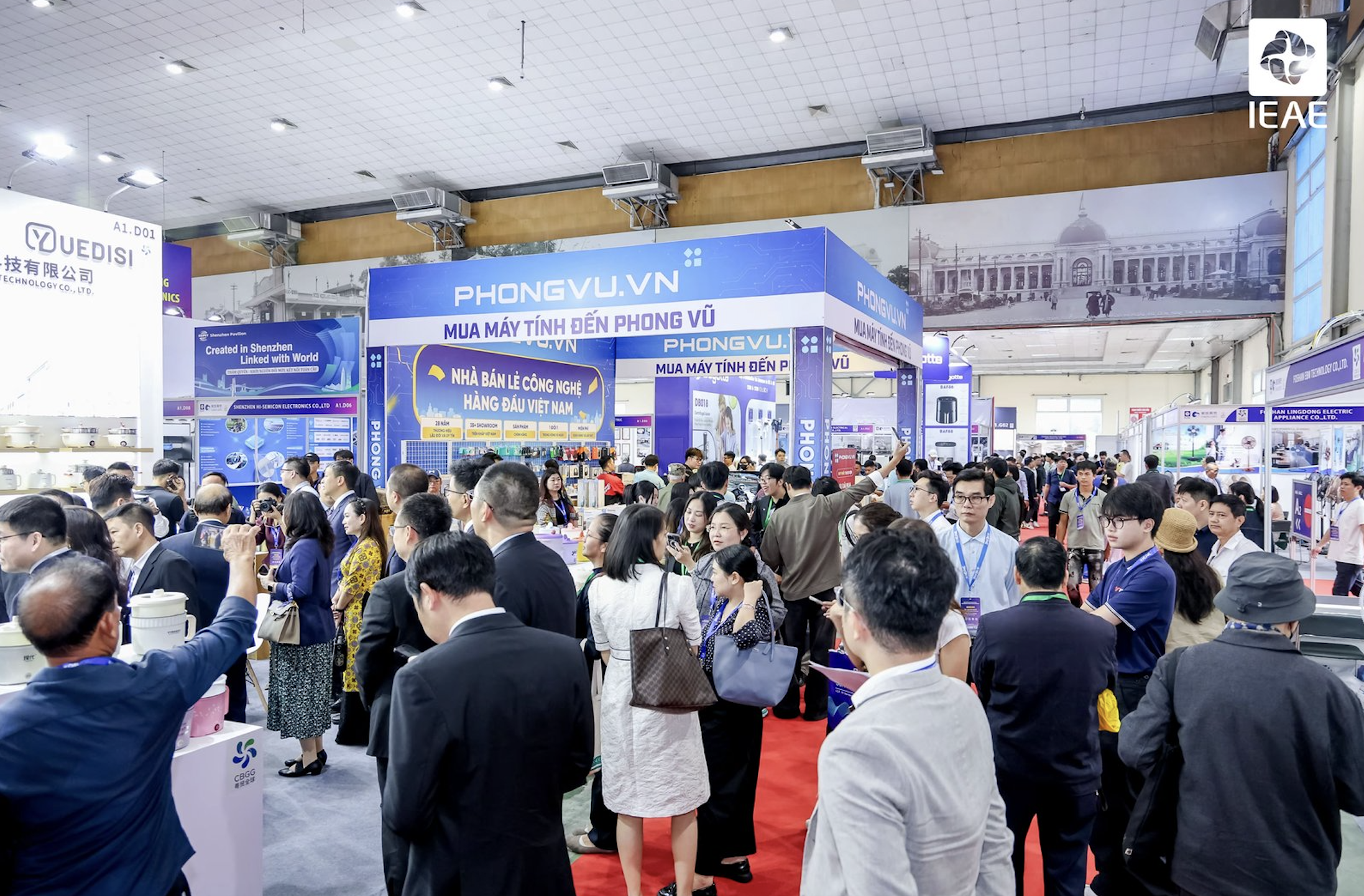
IEAE Hanoi 2026 will gather over 300 exhibitors, showcasing electronics, smart appliances and connecting businesses with sourcing and trade opportunities in Vietnam.
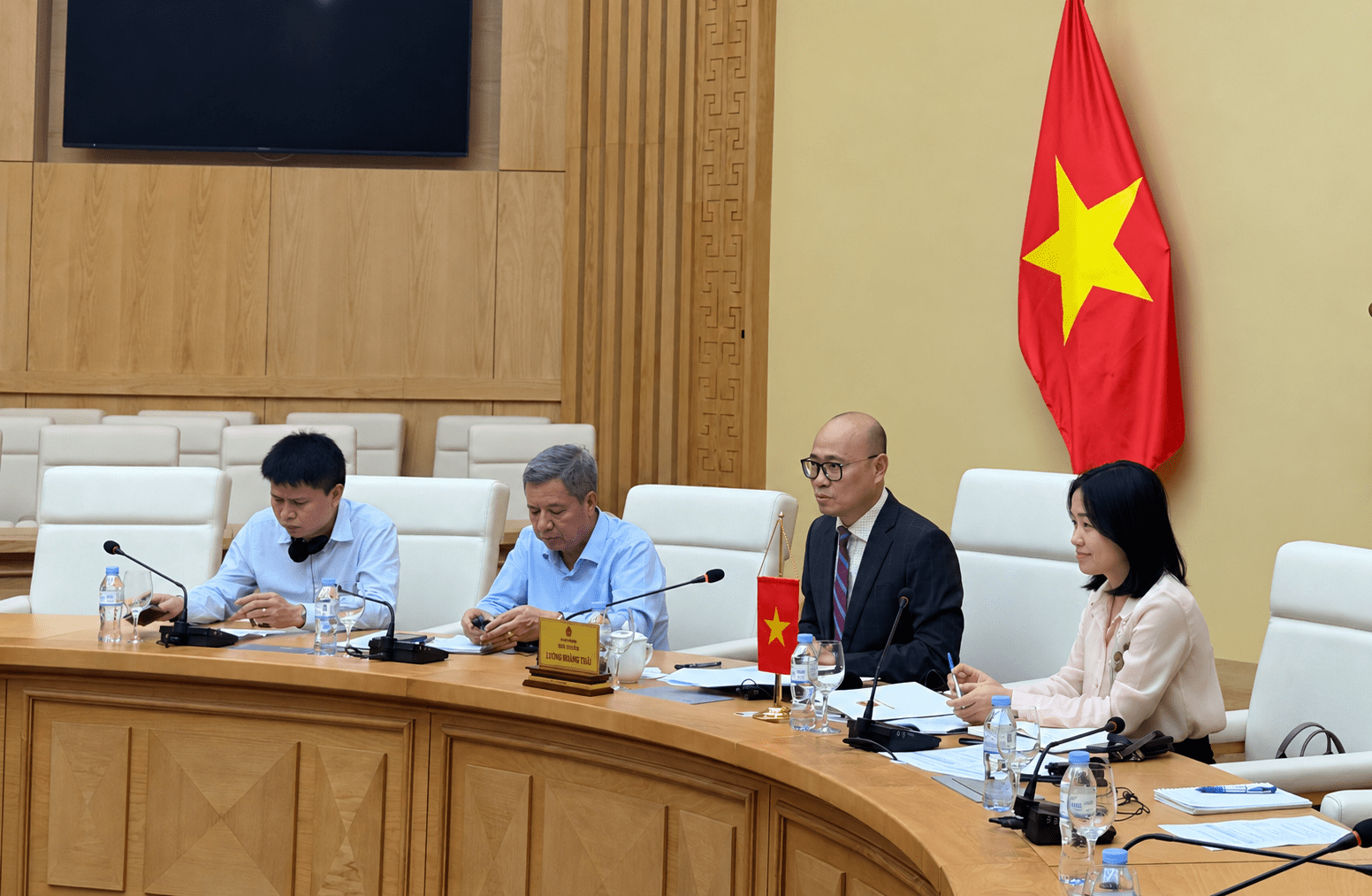
On October 13, Deputy Minister of Industry and Trade Luong Hoang Thai held a working session with MEDEF International, a French business organization, and representatives of French corporations operating in various sectors, including energy, industry, transport, construction and infrastructure development, food and beverages, and services, at the Ministry of Industry and Trade's headquarters.
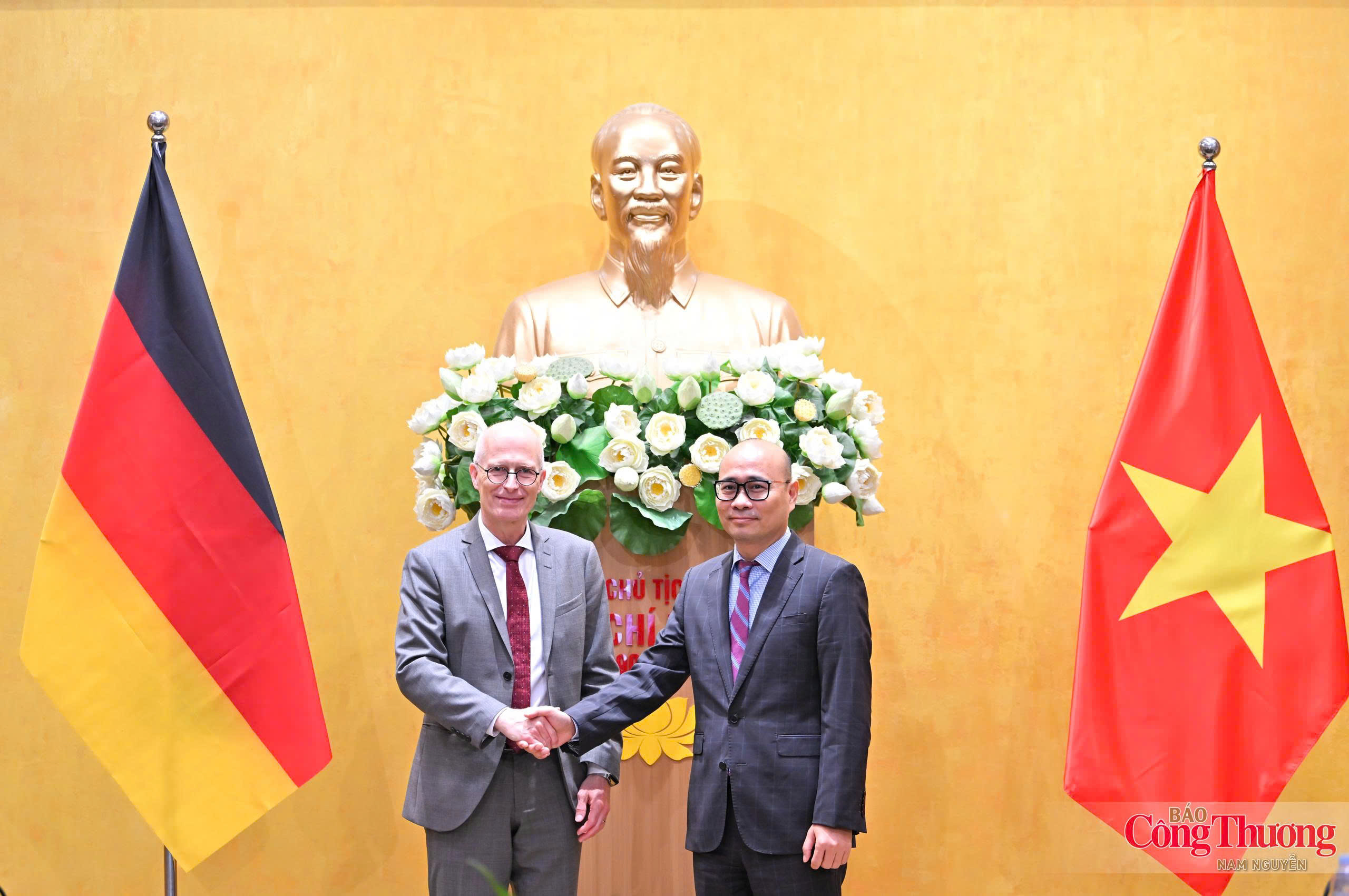
On October 14, Deputy Minister of Industry and Trade Luong Hoang Thai received and held a working session with a delegation from Hamburg, Germany, led by the city's First Mayor Peter Tschentscher at the Ministry of Industry and Trade's headquarters.
The Copyright Office is working closely with relevant agencies to develop plans for inspections and enforcement action against copyright and related rights infringements in the digital environment.
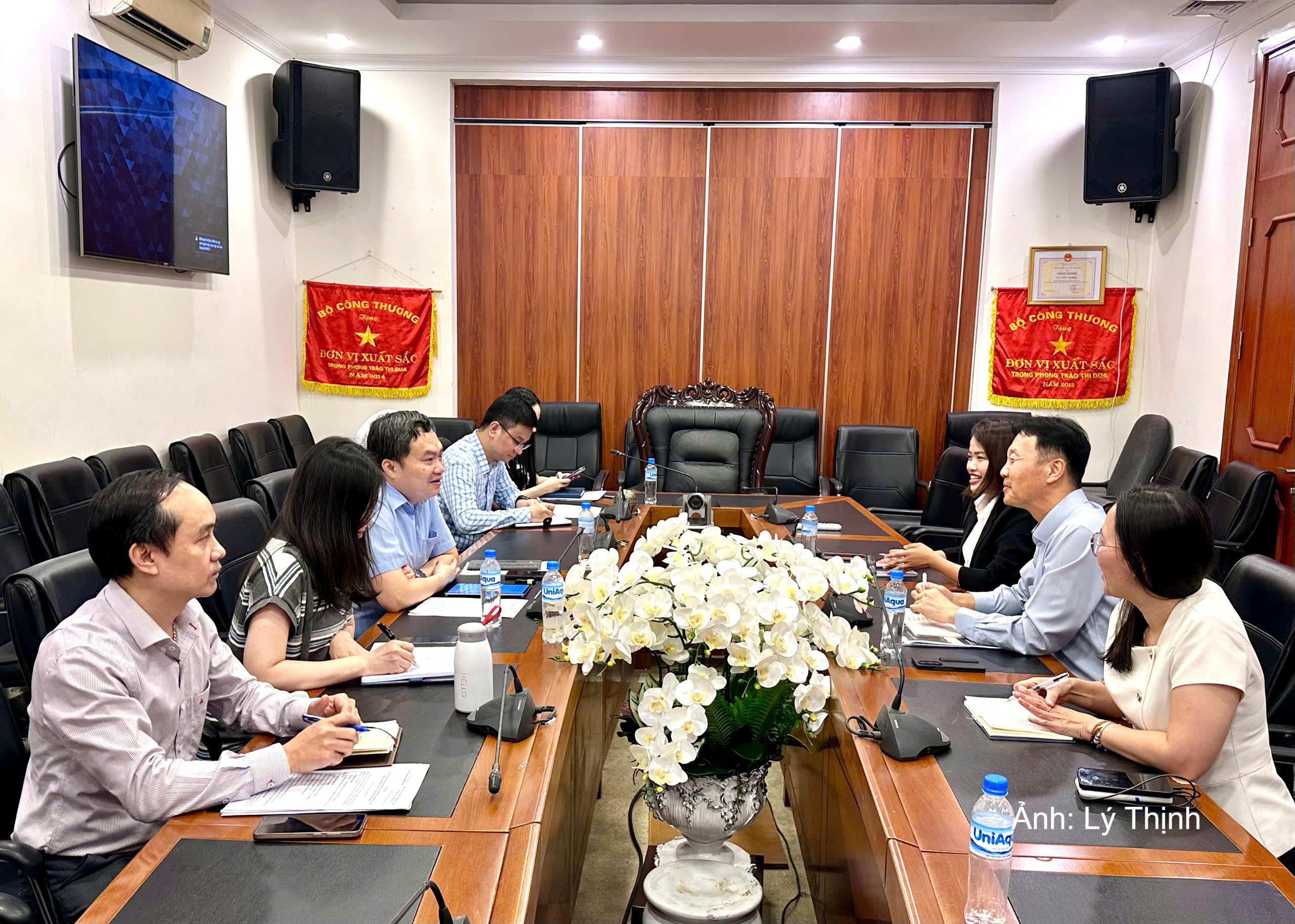
The Vietnam Industry Agency under the Ministry of Industry and Trade and Samsung Vietnam continue to strengthen cooperation in developing supporting industries, enhancing the capabilities of domestic enterprises and expanding opportunities for their participation in global supply chains.
On October 9, the Viet Nam Department of Geology and Minerals, in coordination with the Thai Nguyen Department of Industry and Trade, held a conference in Thai Nguyen province to disseminate the Law on Geology and Minerals and its implementing regulations.
Northern localities are strengthening links in supporting industries, energy and logistics to build competitive value chains and create new growth drivers.
The 20th Industrial Promotion Conference for Northern Provinces and Cities in 2026 was held in Hai Phong City on October 1, with discussions focusing on renewing industrial promotion activities.
On September 30 in Ha Noi, the Ministry of Industry and Trade (MoIT) held a conference to gather broad feedback on a draft decree replacing the Government’s existing decrees on petroleum trading.