Vietnam’s fruit and vegetable exports to the EU exceeded USD 477 million in 2025, tripling since 2021 as processed products and quality upgrades drive growth.
Threefold growth in four years
According to data from the Customs Department, in 2025 Vietnam’s fruit and vegetable exports to the European Union (EU) exceeded USD 477 million, tripling compared to 2021.
During the 2021-2025 period, export turnover to this market increased by USD 322.7 million, equivalent to a 208% rise, with a compound annual growth rate of approximately 43% per year. In 2025 alone, turnover rose 52.75% compared to 2024, indicating that the EU continues to be a fast-growing and stable destination.
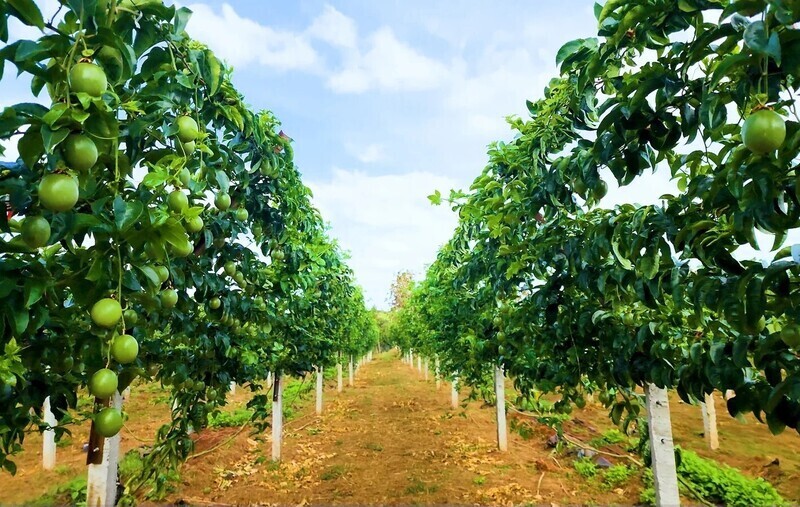
Passion fruit continues to lead Vietnam’s fruit and vegetable exports to the EU, with turnover rising from USD 41.6 million in 2021 to USD 112.8 million in 2025. Illustrative photo.
Notably, growth is no longer concentrated in a few traditional items but has become increasingly diversified.
Among key products, passion fruit remained the leader, with export value increasing from USD 41.6 million in 2021 to USD 112.8 million in 2025, up 171%. However, its share of total turnover declined slightly from 27% to 24%, reflecting stronger contributions from other product groups.
Pistachios emerged as a bright spot, with turnover surging from USD 5.3 million to USD 82.7 million more than 15 times higher after four years. Its share rose from 3.4% to 17.3%, making it one of the fastest-growing items in the EU market.
Mango exports also recorded impressive growth, rising from USD 23 million to USD 72.8 million (up 216%), maintaining a share of around 15%. Coconut and coconut-based products grew between 164% and 249%, depending on product lines, reflecting strong demand for tropical products in Europe.
Conversely, some products such as dragon fruit remained almost flat in value compared to 2021, causing their share to drop from 12.1% to 3.7%. Lemons and corn increased in absolute value but saw their market share narrow.
Overall, fruit and vegetable exports to the EU have not only expanded in volume but also shifted toward greater diversification, reducing dependence on a few individual products, an important factor for sustainable growth.
Better compliance with stringent standards
In remarks to the Newspaper of Industry and Trade, Dang Phuc Nguyen, General Secretary of the Vietnam Fruit and Vegetable Association, said that recent growth has been driven by enterprises improving quality and better meeting the EU’s strict standards on food safety, traceability and sustainability.
At the same time, rising demand for tropical fruits in the EU amid consumers’ increasing preference for health-oriented products has supported higher import turnover from Vietnam.
A notable shift is the growing weight of processed products in the export structure. Currently, about two-thirds of Vietnam’s fruit and vegetable exports to the EU and Japan consist of frozen, dried, juiced or deeply processed products rather than predominantly fresh produce as before. This approach extends shelf life, reduces risks from technical barriers and optimizes logistics costs.
Data show that in 2025, Vietnam’s processed fruit and vegetable exports reached over USD 2.06 billion, up 42.1% from 2024, raising the segment’s share to 24% of the industry total (from 20% the previous year). Of this, pistachios reached USD 446 million, up more than 72%, while processed almonds reached USD 215 million, up over 62%.
Exporters noted that 2025 stood out for both consolidating traditional markets and breaking into high-end markets, with the EU as a clear example. Consumer trends in the EU are shifting strongly toward convenient products suited to online shopping. As consumers increasingly prefer ready-to-eat and time-saving foods, Vietnam’s processed fruit and vegetable products enjoy clear advantages over fresh produce.
Alongside product restructuring, compliance capacity with SPS (sanitary and phytosanitary) standards has improved significantly. In 2025, EU alerts concerning Vietnamese agricultural and food products fell from 114 to 60, a 48% decline. This is a positive signal in a market known for strict maximum residue limits (MRL), traceability and additive controls.
In remarks to Newspaper of Industry and Trade, Dr. Ngo Xuan Nam, Deputy Director of the Vietnam SPS Office, said the result reflects a change in approach, with enterprises and localities proactively ensuring compliance from the production stage rather than reacting after warnings are issued.
In reality, the EU frequently updates technical regulations. Even slight delays in adjusting production processes can trigger warnings. Therefore, establishing early warning systems, compiling market-specific guidance manuals and organizing regular briefings on new regulations are critical steps to reduce risks.
With nearly USD 480 million in export value in 2025, the EU remains one of the fastest-growing markets for Vietnamese fruit and vegetables. However, it is also highly competitive, with major exporting countries such as Thailand, Peru, Ecuador and the Philippines increasing their presence.
To sustain growth, experts believe the industry must continue restructuring raw material areas toward sustainability, strengthening supply chain linkages, attracting investment in deep processing and building brands in destination markets.
In 2025, the fruit and vegetable sector achieved a “double record” with total turnover of USD 8.56 billion and, for the first time, processed exports surpassing USD 2 billion. The USD 10 billion target this year is considered feasible if growth momentum in the EU and other high-end markets continues.
From improved quality and diversified products to stronger compliance capacity, fruit and vegetable exports to the EU are demonstrating a growth model shifting from volume to value and sustainability creating room for Vietnam’s industry to move further up the global supply chain.
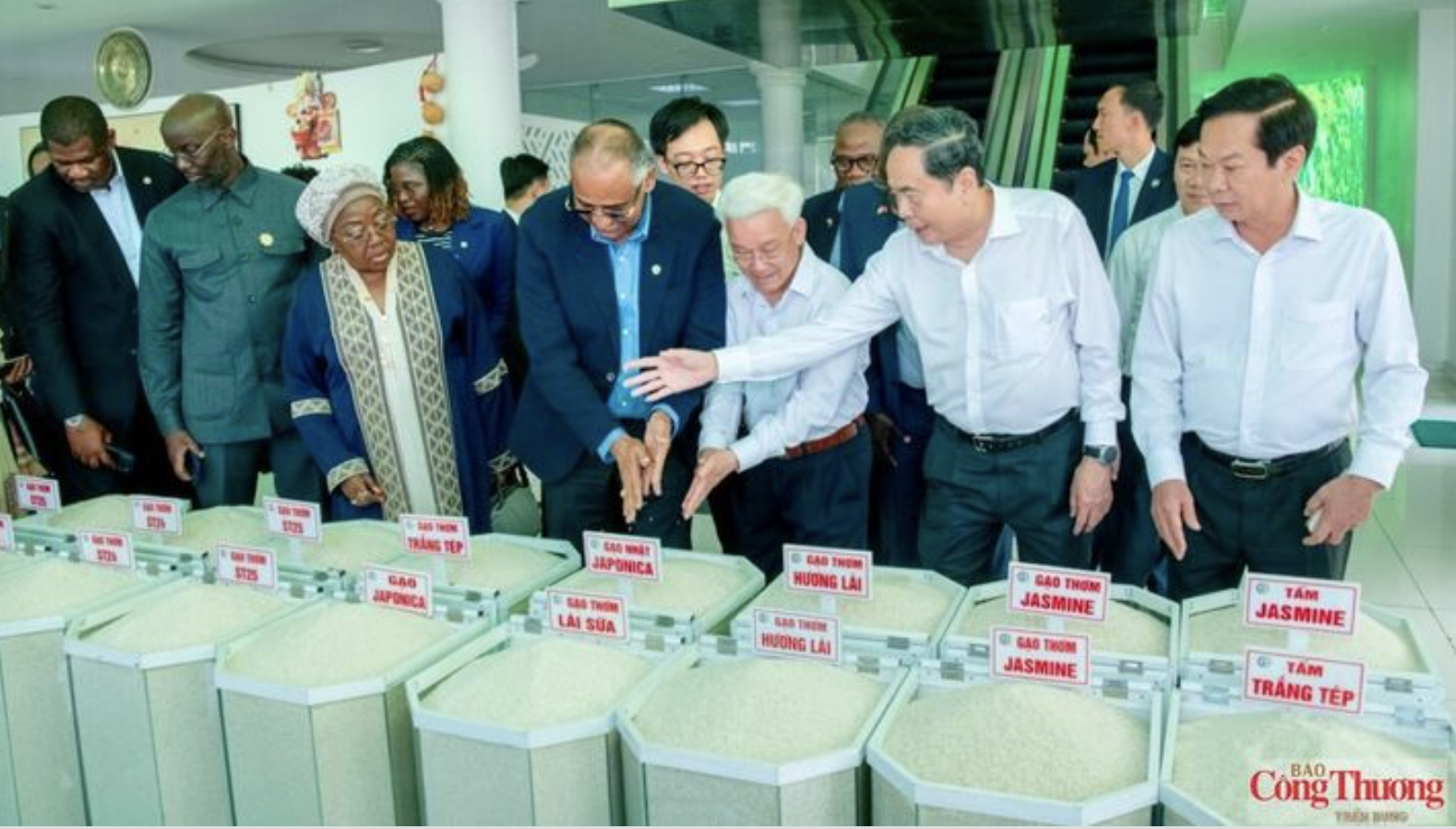
A visit and fact-finding tour in Can Tho city by National Assembly Chairman Tran Thanh Man and President of the National Assembly of Côte d’Ivoire Patrick Achi has opened up opportunities for Vietnamese businesses to showcase their production and processing capabilities, expand markets and strengthen connectivity with Côte d’Ivoire.
NSMO is proactively preparing operating plans, strengthening on-call arrangements and coordinating with relevant units to ensure the national power system operates safely and reliably during Viet Nam’s National Day holiday from August 29 to September 2, 2026.
Growing freight flows create room for Hung Yen’s logistics sector, but better connectivity and services are needed for the province to become a leading regional hub.
In the seven months of 2026, industry, retail sales and imports and exports all posted strong growth. The Ministry of Industry and Trade (MoIT) continues to roll out solutions to contribute to achieving the double-digit growth target.
The Electricity Authority of Viet Nam (EAV), under the Ministry of Industry and Trade, and the Global Energy Alliance for People and Planet have recently signed a Memorandum of Understanding (MoU) to strengthen cooperation in supporting Vietnam’s energy transition.
Growing freight flows create room for Hung Yen’s logistics sector, but better connectivity and services are needed for the province to become a leading regional hub.
Trade promotion is helping Vietnamese footwear businesses connect with global buyers, strengthen domestic supply chains, develop brands and widen their global reach.
Vitafoods Asia 2026, taking place from September 2 - 4 in Bangkok, serves as a meeting point for businesses in the food and nutrition industry, opening up opportunities for cooperation and access to the regional market.
On August 20, a seminar themed “Trade and investment promotion and business connectivity between Viet Nam and Chile in energy equipment and industrial electrical machinery and equipment” was held in Chile.