Vietnam's Energy Labeling Program has accelerated the shift toward high-efficiency products while encouraging energy conservation and reducing emissions.
Vietnam’s Energy Labeling Program and Minimum Energy Performance Standards (MEPS) have played a significant role in steering the market toward high-efficiency products while gradually phasing out energy-intensive equipment.
Delivering tangible results
As global energy security faces mounting challenges and the demand for sustainable development continues to grow, improving energy efficiency has become a key solution for ensuring energy security, protecting the environment, and reducing greenhouse gas emissions.
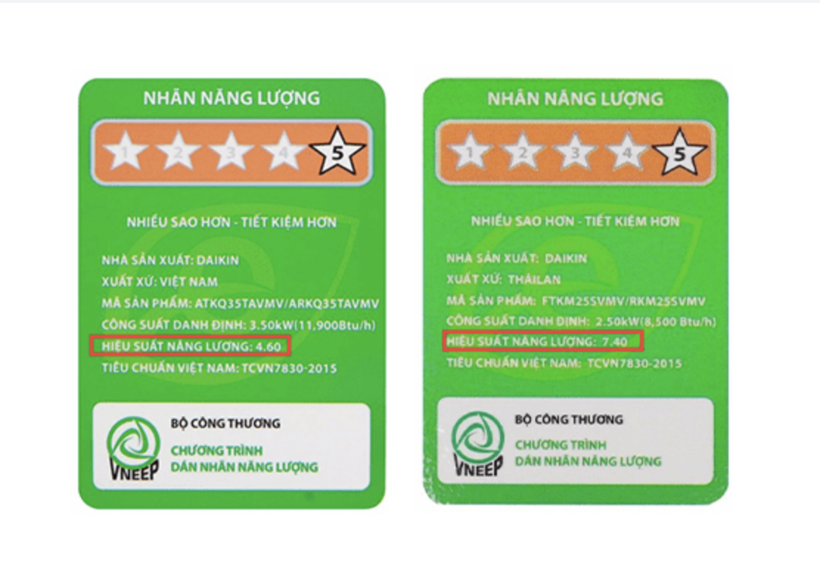
If products carry the same number of energy stars, consumers can rely on the energy efficiency index to identify the more electricity-efficient option.
One of the Ministry of Industry and Trade’s key initiatives to promote energy efficiency is accelerating the market transformation of energy-consuming products by encouraging the adoption of high-efficiency equipment through the Energy Labeling Program.
Energy labels enable consumers to easily identify information on a product’s energy consumption, operating efficiency, and energy-saving performance, allowing them to make informed purchasing decisions and select products that are both energy-efficient and environmentally friendly.
Speaking to the Newspaper of Industry and Trade, a representative of the Agency for Innovation, Green Transition and Industry Promotion said that, through the implementation of the Energy Labeling Program and the application of Minimum Energy Performance Standards (MEPS) for energy-consuming products and equipment, the Ministry of Industry and Trade has introduced energy labeling for nearly 30 categories of products under the list specified in Circular No. 52/2025/TT-BCT dated November 14, 2025, issued by the Minister of Industry and Trade, which prescribes the list of products and equipment subject to mandatory energy labeling under the Ministry’s management and the implementation roadmap.
Previously, the applicable product categories were stipulated under Prime Minister’s Decision No.51/2011/QD-TTg and Decision No.04/2017/QD-TTg, covering household appliances, office equipment, and industrial products.
According to official statistics, after nearly 15 years of implementation, almost 95% of energy-consuming products and equipment across the household, commercial, and industrial sectors have been covered by the Energy Labeling Program.
The program has also delivered notable achievements in market transformation and improving the energy performance of widely used electrical appliances. In the lighting sector, annual LED lamp consumption in Vietnam has reached between 180 million and more than 210 million units. The market transformation initiative is estimated to have eliminated approximately 90 million incandescent bulbs with capacities above 60 watts, equivalent to around 45% of the market. The resulting electricity savings are estimated at approximately 4,500 MW of installed generating capacity, or around 4.5 billion kWh of electricity annually.
At the same time, the energy efficiency of six major electricity-consuming product groups, including transformers, air conditioners, rice cookers, electric fans, fluorescent tube lamps, and compact fluorescent lamps (CFLs) has improved significantly.
For residential air conditioners alone, approximately 600 models were registered for energy labeling with the Ministry of Industry and Trade between 2020 and 2025, while Vietnam’s residential air conditioner market reached an estimated 2.1 million units annually. Non-inverter models were mainly concentrated in the one- to three-star categories, whereas inverter models were predominantly rated four or five stars and accounted for around 80% of the market.
Notably, the upgrade of the air conditioner energy performance standard from TCVN 7830:2015 to TCVN 7830:2021 has increased the Cooling Seasonal Performance Factor (CSPF) of four- and five-star products by approximately 25 - 29% compared with the previous standard. The revised standard became mandatory in April 2025 and is expected to generate electricity savings ranging from 7.79 TWh to 20.79 TWh, equivalent to roughly 3 - 8% of Vietnam’s total electricity generation in 2021.
The Ministry of Industry and Trade is currently implementing the energy labeling roadmap for six additional product groups, including microwave ovens, induction cooktops, infrared cooktops, LED street lighting, desktop computers, and commercial air conditioners. Expanding the scope of mandatory energy labeling will not only enhance consumer awareness of energy conservation and efficiency but also encourage businesses to upgrade technologies and strengthen their competitiveness.
Promoting energy efficiency
Vietnam’s Energy Labeling Program and Minimum Energy Performance Standards have made significant contributions to the successful implementation of the National Target Program on Energy Efficiency and Conservation (VNEEP 1), as well as the National Program on Energy Efficiency and Conservation (VNEEP 2 and Phase I of VNEEP 3).
Consumers are paying increasing attention to products carrying energy labels.
By providing transparent and publicly accessible information on product energy consumption and efficiency, the program has helped raise public awareness and guide consumers toward purchasing energy-efficient products. At the same time, it has created strong incentives for manufacturers to adopt new technologies, improve production processes, and develop higher-efficiency products, thereby strengthening their competitiveness in the marketplace.
After many years of implementation, the Energy Labeling Program has successfully accelerated market transformation toward high-efficiency equipment while gradually eliminating products with excessive energy consumption.
As Vietnam’s energy demand continues to rise and the country moves forward with its commitments to reducing greenhouse gas emissions, the Energy Labeling Program and Minimum Energy Performance Standards will continue to play a vital role in promoting energy efficiency nationwide.
In the coming period, the Ministry of Industry and Trade will continue reviewing, updating, and improving the system of Vietnamese Standards (TCVN) and National Technical Regulations (QCVN) on energy performance to bring them closer to advanced regional and international standards. Raising Minimum Energy Performance Standards (MEPS) for widely used energy-consuming products will provide stronger incentives for technological innovation and encourage businesses to invest more heavily in research and development of higher-efficiency, environmentally friendly products.
Speaking to the Newspaper of Industry and Trade, Associate Professor Dr. Nguyen Viet Dung of the Department of Thermal Energy Engineering, School of Mechanical Engineering, Hanoi University of Science and Technology, said the Energy Labeling Program has been implemented effectively over the years and has produced substantial results. Energy labels have enabled consumers to pay greater attention to the electricity efficiency of household appliances, gradually changing purchasing habits in favor of more energy-efficient products.
Building on the progress achieved to date and the continued policy improvements planned for the years ahead, Vietnam’s Energy Labeling Program is expected to remain a key policy instrument in advancing the National Program on Energy Efficiency and Conservation for the 2019 - 2030 period.
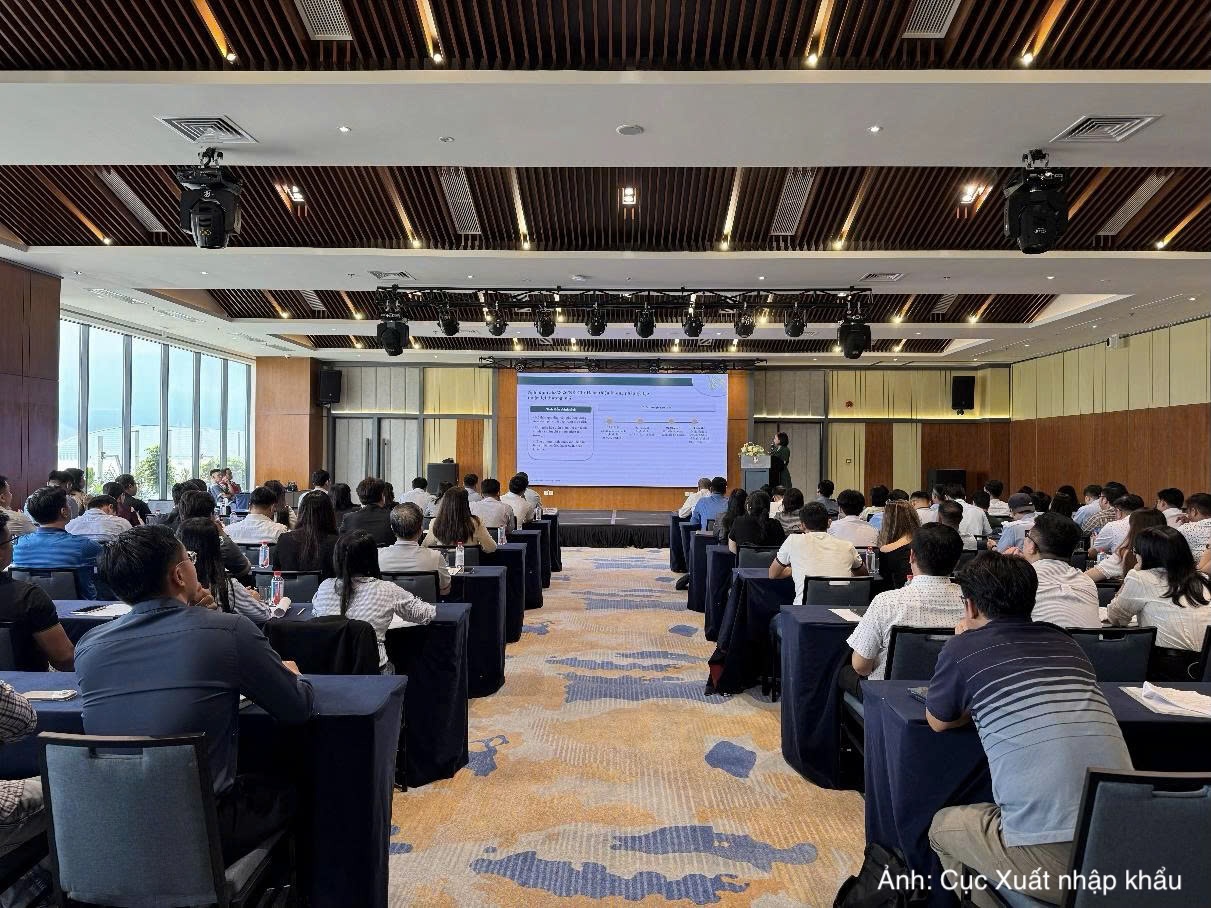
On October 13, the Agency of Foreign Trade under the Ministry of Industry and Trade (MoIT) held a conference in Dong Thap province to disseminate Government Decree No.365/2026/ND-CP dated September 23, 2026, on rice export and import business, and Circular No.65/2026/TT-BCT dated October 1, 2026, issued by the Minister of Industry and Trade, detailing certain provisions and measures for implementing Decree No.365/2026/ND-CP.
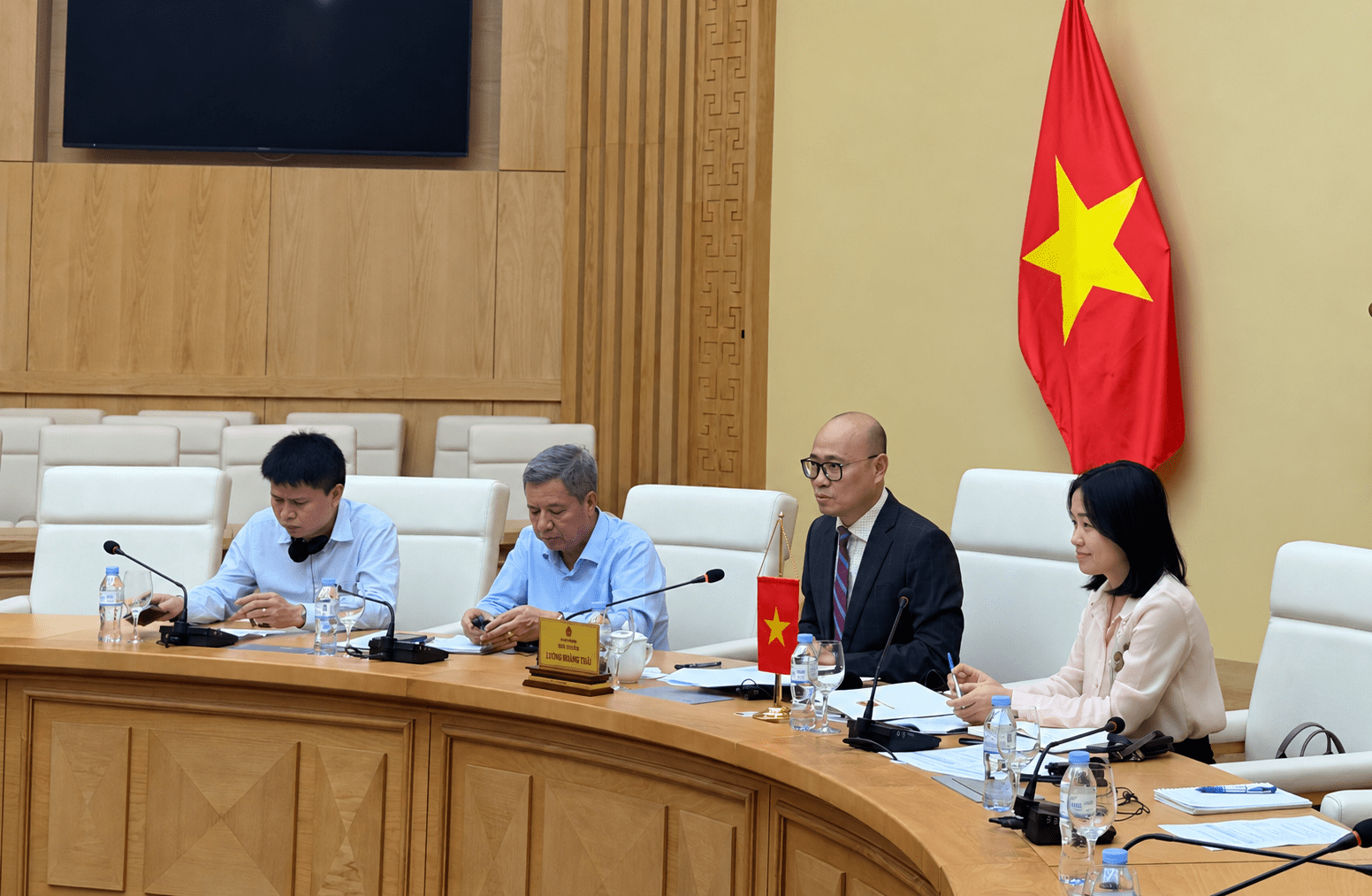
On October 13, Deputy Minister of Industry and Trade Luong Hoang Thai held a working session with MEDEF International, a French business organization, and representatives of French corporations operating in various sectors, including energy, industry, transport, construction and infrastructure development, food and beverages, and services, at the Ministry of Industry and Trade's headquarters.
On October 14, Deputy Minister of Industry and Trade Luong Hoang Thai received and held a working session with a delegation from Hamburg, Germany, led by the city's First Mayor Peter Tschentscher at the Ministry of Industry and Trade's headquarters.
The Copyright Office is working closely with relevant agencies to develop plans for inspections and enforcement action against copyright and related rights infringements in the digital environment.
Viet Nam’s cultural industries are poised for growth as development targets become clearer, the digital content market expands and technology creates new ways.
The Vietnam Industry Agency under the Ministry of Industry and Trade and Samsung Vietnam continue to strengthen cooperation in developing supporting industries, enhancing the capabilities of domestic enterprises and expanding opportunities for their participation in global supply chains.
On October 9, the Viet Nam Department of Geology and Minerals, in coordination with the Thai Nguyen Department of Industry and Trade, held a conference in Thai Nguyen province to disseminate the Law on Geology and Minerals and its implementing regulations.
Northern localities are strengthening links in supporting industries, energy and logistics to build competitive value chains and create new growth drivers.
The 20th Industrial Promotion Conference for Northern Provinces and Cities in 2026 was held in Hai Phong City on October 1, with discussions focusing on renewing industrial promotion activities.
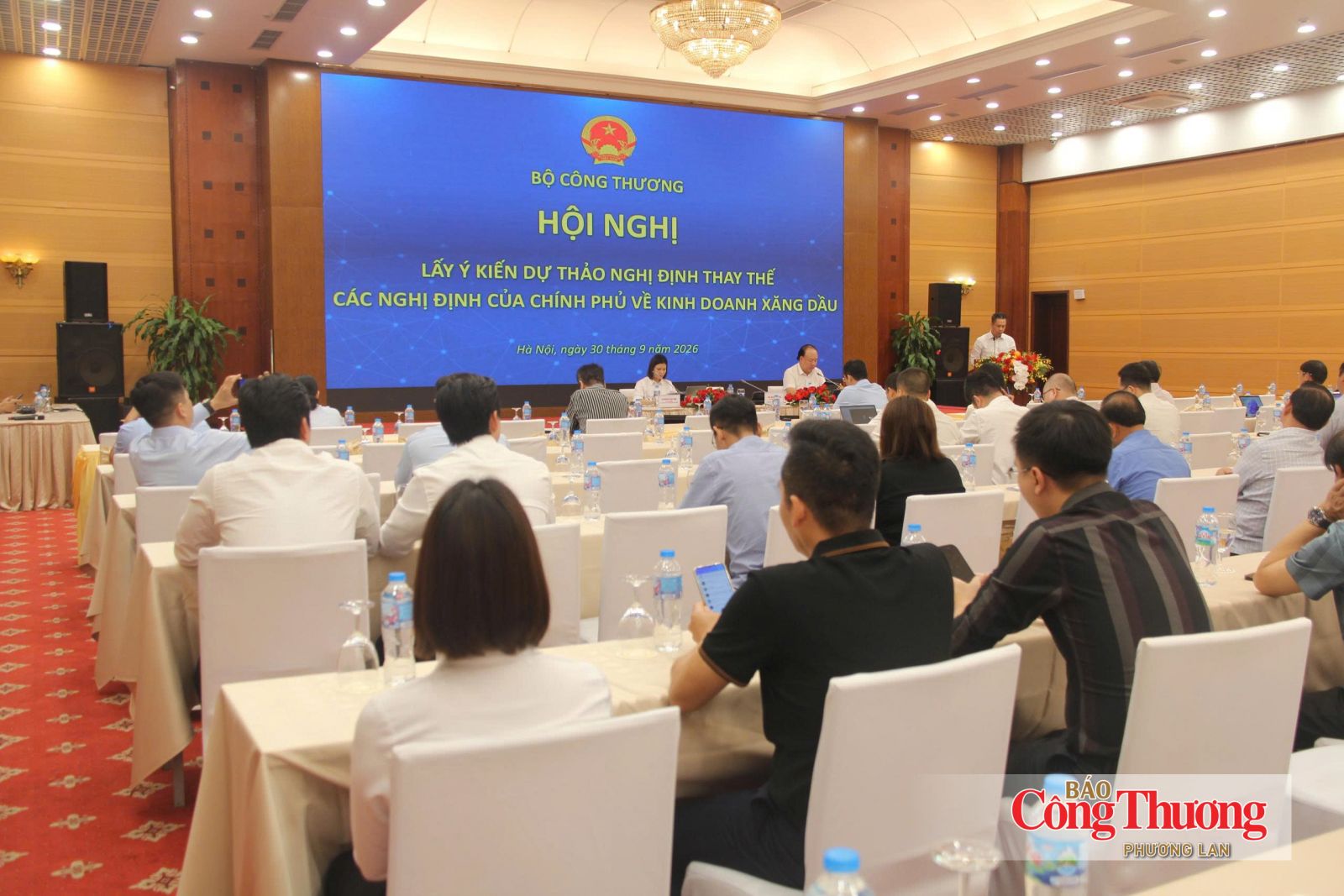
On September 30 in Ha Noi, the Ministry of Industry and Trade (MoIT) held a conference to gather broad feedback on a draft decree replacing the Government’s existing decrees on petroleum trading.