This assessment was made by Associate Professor Dr. Nguyen Thuong Lang, who evaluated the Ministry of Industry and Trade’s role in driving Vietnam’s GDP growth.
Economic drivers and inflation control
According to data released by the General Statistics Office under the Ministry of Finance, Vietnam’s GDP grew by 8.02% in 2025 compared with 2024, placing the country among the fastest-growing economies in ASEAN and among the world’s leading growth performers.
Vietnam’s GDP grew by 8.02%, driven by multiple positive factors in the economy.
At a time when the global economy remains volatile, trade tensions are intensifying, and U.S. reciprocal tariff policies are adding pressure, Vietnam’s growth rate of over 8% stands out as a notable bright spot. On average, GDP growth during the 2021–2025 period reached approximately 6.3% per year, exceeding the 6.2% recorded in the previous five-year term.
Speaking with Cong Thuong Newspaper, Associate Professor Dr. Nguyen Thuong Lang, Senior Lecturer at the Institute of Trade and International Economics under the National Economics University, described 2025 as a highly successful year for Vietnam’s economy.
Early in the year, many expressed skepticism about the feasibility of achieving 8% growth. By year-end, however, the figure of 8.02% had become a reality, underscoring the effectiveness of mobilizing and coordinating growth drivers under the leadership and governance of the Party and the State.
The first major driver came from public investment. In 2025, Vietnam saw the decisive rollout of a series of large-scale infrastructure projects. Construction of the North–South expressways, airports, seaports, social housing developments, and power transmission systems was accelerated. Notably, public investment was not only implemented swiftly but also generated strong spillover effects, playing a critical role in overall economic growth.
The second driver was domestic consumption. With a population exceeding 100 million and supported by wage reforms and adjustments to personal income tax, purchasing power in the domestic market improved markedly. Many local enterprises operated more efficiently, while weaker firms were gradually phased out. As a result, domestic consumption continued to assert itself as a stable pillar of growth.
The third driver stemmed from private investment and foreign direct investment (FDI). Private investment maintained its important role alongside public investment and FDI. Total registered foreign investment reached USD 38.42 billion, up 0.5% year on year. Notably, realized FDI was estimated at USD 27.62 billion—the highest level in the past five years—reflecting strong investor confidence in Vietnam’s business environment.
The fourth driver was trade. In 2025, Vietnam’s total merchandise import-export turnover reached USD 930.05 billion, an increase of 18.2% compared with 2024. This figure approaches the USD 1 trillion mark that earlier forecasts had expected to be achieved in the medium term. The result indicates that traditional growth engines have been leveraged effectively and continue to serve as a powerful impetus for economic expansion.
Alongside these traditional drivers, new growth engines have begun to take effect. Digital transformation has been implemented rapidly and effectively, particularly in the public sector, helping streamline administrative procedures and reduce costs for businesses. Green transformation has become a mandatory requirement for many exporters, enabling Vietnam to maintain market access and its position in global value chains amid increasingly stringent environmental standards. Administrative reforms, including the adoption of a two-tier local government model and workforce streamlining, have also contributed to improving the business climate and enhancing governance efficiency.
On inflation, the average CPI in 2025 rose by 3.33%, remaining below the 4% ceiling set by the National Assembly. This is widely regarded as a positive outcome. Fiscal and monetary policies were managed flexibly and in a timely manner. Interest rates were adjusted appropriately to help control money supply, while the exchange rate was kept stable, supporting exports while ensuring import demand.
Vietnam Ministry of Industry and Trade’s market stewardship
Within the overall growth picture of 2025, the role of the Ministry of Industry and Trade stood out clearly, particularly in trade, industrial production, and market regulation. According to Associate Professor Dr. Nguyen Thuong Lang, the Ministry delivered results that exceeded initial expectations.
The import-export strategy proposed by the Ministry and approved for 2025 set a target turnover of around USD 800 billion. Actual performance reached USD 933 billion, demonstrating that policy execution successfully identified the key “touchpoints” of trade-driven growth. This outcome provides clear evidence of the effectiveness of the orientations and solutions implemented by the Ministry.
The Ministry also focused on building and strengthening supply chains, promoting exports, and expanding markets. At the same time, due attention was given to developing the domestic market, helping maintain balance between exports and internal consumption. Efforts to disseminate guidance and support enterprises in meeting green and digital transformation standards have enabled Vietnamese goods to remain competitive in international markets.
In industrial production, the Ministry facilitated growth by simplifying administrative procedures and reviewing, proposing the removal of outdated or unsuitable regulations. Trade promotion activities were increasingly targeted, with a focus on direct access to markets and customers. Participation in and the signing of trade agreements continued to expand development space for businesses.
Given that the Ministry oversees economic sectors accounting for a large share of GDP, its role is pivotal to growth performance. In 2025, this role was clearly demonstrated.
“The key task for the Ministry of Industry and Trade in the coming period is to effectively transform external drivers into internal capabilities. Increasing localization rates and improving the utilization of FTA incentives represent significant potential. If these are implemented effectively, import-export turnover could well surpass USD 1 trillion in 2026,” Associate Professor Dr. Nguyen Thuong Lang noted.
The Ministry’s governance mechanisms were also praised for being both hands-on and flexible. It intensified dialogue with the business community through multiple channels, including forums, trade fairs, and specialized exhibitions, notably the Autumn Fair 2025.
GDP growth of 8.02% in 2025 was the result of the convergence of multiple key drivers. Among them, the role of the Ministry of Industry and Trade was clearly reflected in its effective market regulation, promotion of industrial production, and facilitation of trade. These achievements not only lay a solid foundation for sustainable growth in the years ahead but also underscore the need for continued policy innovation and enhanced governance quality in the next phase.
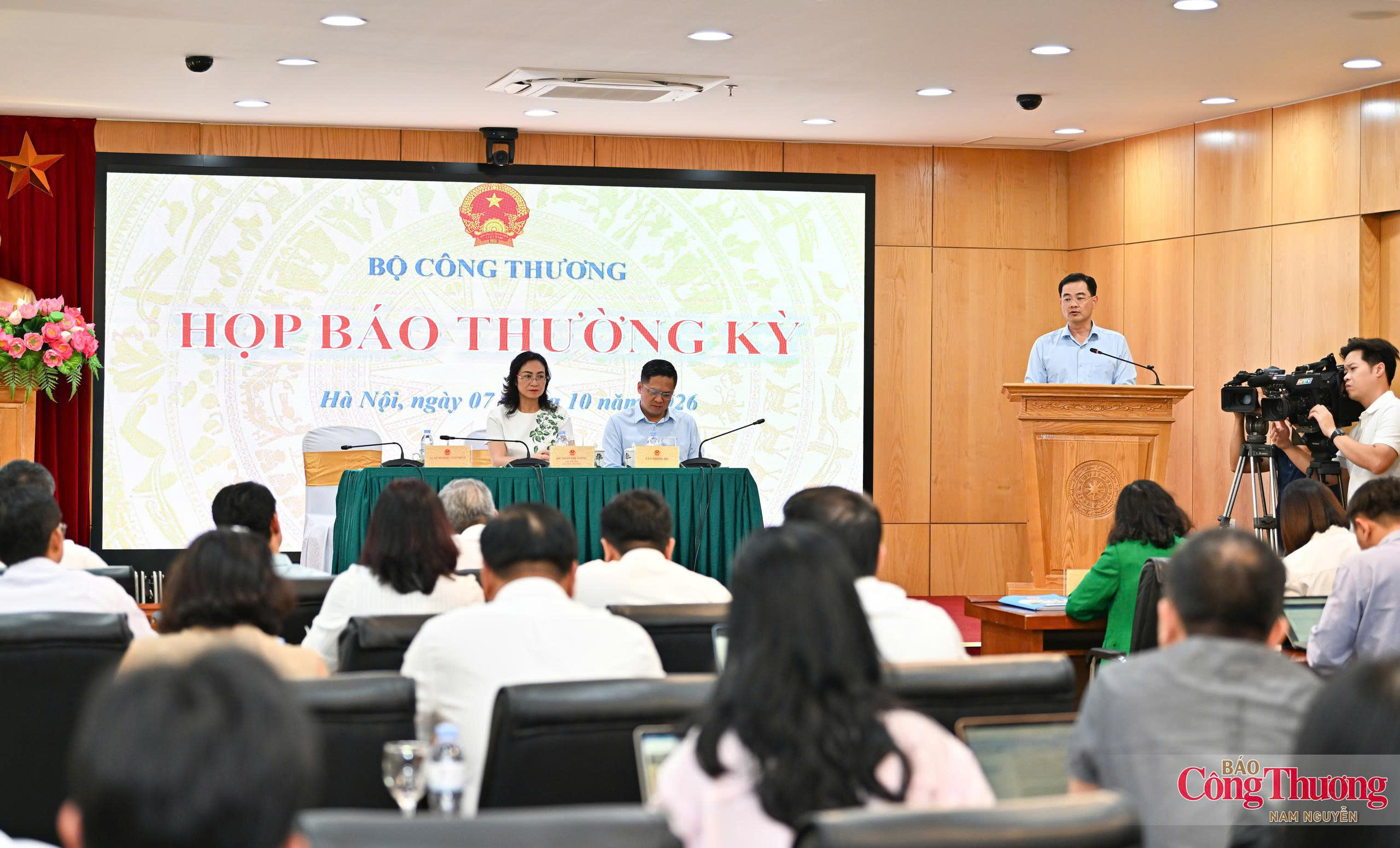
The Ministry of Industry and Trade (MoIT) held its regular press conference for the third quarter of 2026 in Ha Noi on the afternoon of October 7, chaired by Deputy Minister Phan Thi Thang.
Deputy Minister of Industry and Trade Luong Hoang Thai emphasized that building the national brand is a driving force for improving Viet Nam’s competitiveness and international standing.
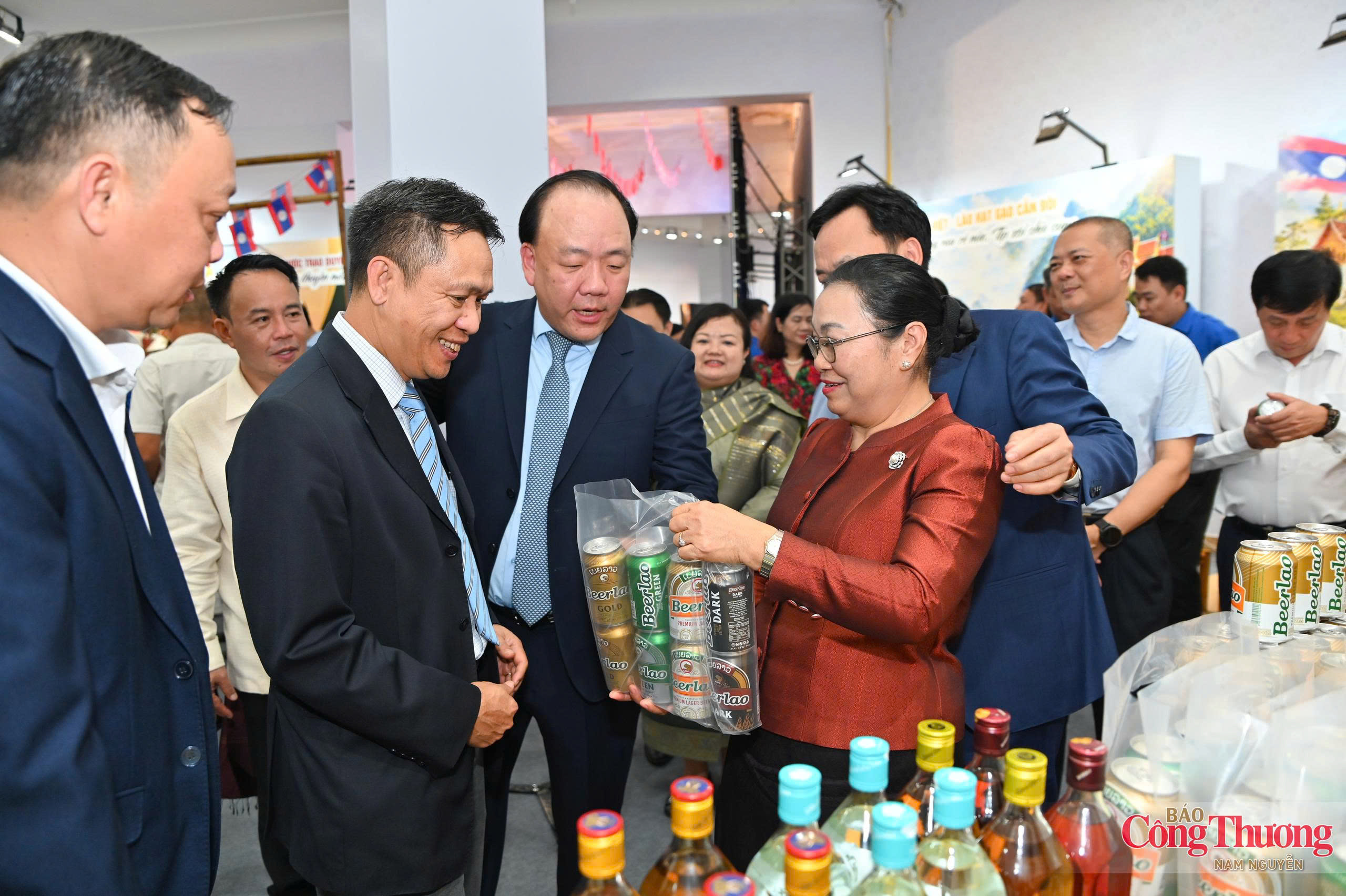
The official visit to Laos by Prime Minister Le Minh Hung is expected to inject fresh momentum into bilateral relations, with economic, trade and investment cooperation continuing to serve as a core pillar.
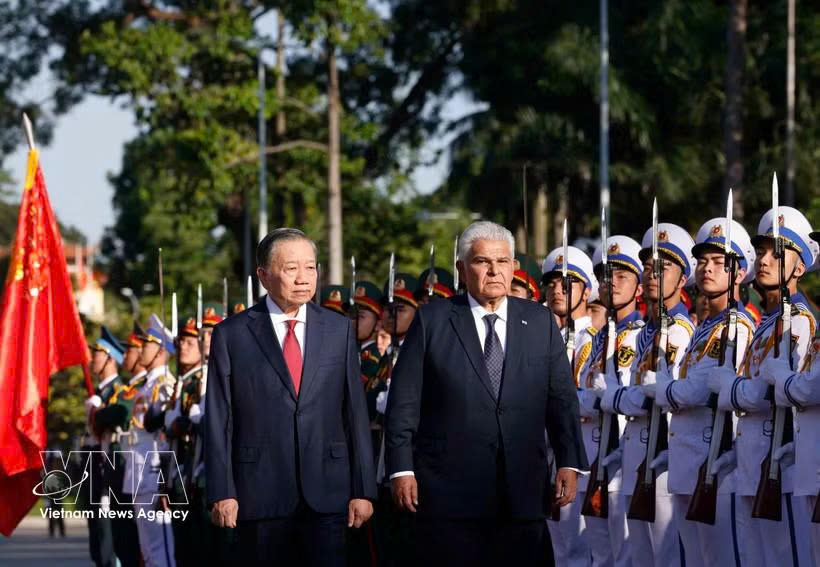
The Panamanian President’s visit is expected to contribute to further deepening and making the traditional friendship and cooperation between the two nations more substantive and effective.