The FChoice 2025 Honoring Ceremony and the seminar titled “Drivers of Double Digit Economic Growth and Investment Opportunities in 2026” were held.
A shift in economic development mindset
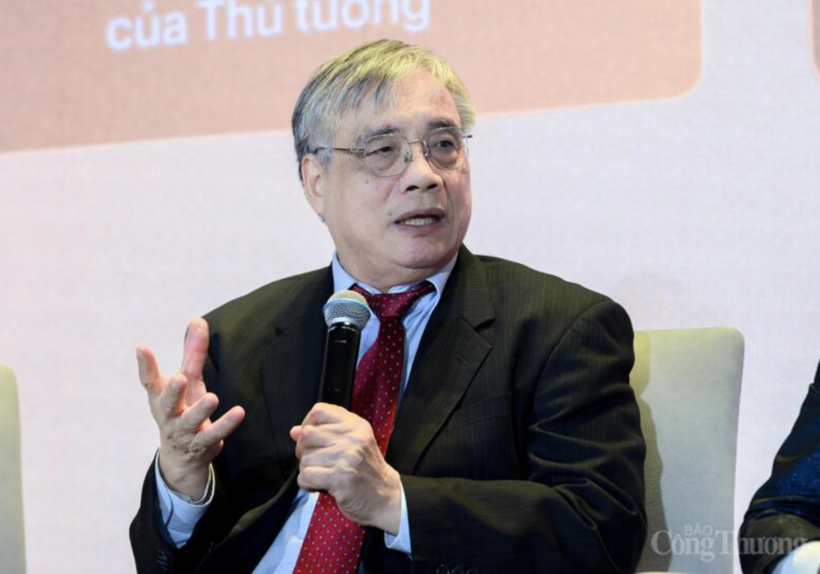
In his remarks, Associate Professor Doctor Tran Dinh Thien, former Director of the Vietnam Institute of Economics and a member of the Prime Minister Policy Advisory Council, emphasized that in 2025 Vietnam economy has witnessed profound changes in governance structures, institutional frameworks, and policy orientation. A series of major decisions have been implemented within a short period, ranging from streamlining the organizational apparatus to resolving long stalled projects that had remained dormant for many years. What was once considered extraordinary is gradually becoming the new normal.
Associate Professor Doctor Tran Dinh Thien, former Director of the Vietnam Institute of Economics, and a member of the Prime Minister Policy Advisory Council
According to him, the most critical aspect of today new normal is that Vietnam is turning what has long been considered standard practice globally into a genuine foundation for its own development. The most notable example is the renewed perception of the private sector. Internationally, treating the private sector as a key driver of growth is self evident.
Equally important is the clear shift in the growth model. For the first time, the private sector has been placed at the center of the economy. Science and technology, together with innovation, have been identified as core productive forces, backed by strong political commitment and a greater capacity for practical implementation than before. At the same time, infrastructure development is being approached with a lead ahead mindset, systematic in design and long term in vision, laying a foundation for growth over decades to come.
“The major question now concerns the state capacity for execution. All eyes are on the Fourteenth National Party Congress, with expectations for concrete action programs that ensure growth goes hand in hand with efficiency, prudent resource use, and reduced waste,” Associate Professor Doctor Tran Dinh Thien noted. He stressed that if these conditions are met, today new normal could indeed deliver breakthrough development outcomes in the next phase.
A renewed development momentum
From a business perspective, Dang Thanh Tam, Chairman of the Board of Directors of Kinh Bac City Development Holding Corporation, observed that Vietnam ongoing restructuring of its economic governance is generating tangible changes, particularly in the speed of investment decision making by ministries, sectors, and local authorities.
Based on his direct engagement with foreign investors, Dang Thanh Tam noted that investment decisions are now being executed significantly faster than in the past. Accelerated timelines help minimize resource wastage. He argued that fragmented and inefficient investment can fuel inflationary pressures, whereas focused, swift, and effective investment not only supports inflation control but also promotes sustainable growth.
Looking to the long term, the Chairman of Kinh Bac City Development Holding Corporation underscored the importance of boosting localization and increasing domestic value added. As competitiveness improves, the economy will generate more substantive value, thereby forming a solid foundation for the pursuit of double digit growth in the future.
Dang Thanh Tam also highlighted the role of state diplomacy, government diplomacy, and people to people diplomacy in maintaining a stable environment for economic development. Vietnam establishment of Comprehensive Strategic Partnerships with major countries such as Russia, China, the United States, Japan, South Korea, and India has reaffirmed its open foreign policy, strengthened international trust, and helped safeguard economic stability amid global volatility.
According to Dang Thanh Tam, Vietnam is also benefiting from a golden population structure, with a diligent and abundant labor force. Many aging economies, particularly within the Schengen area, are facing acute labor shortages and are ready to accept around five hundred thousand Vietnamese workers at competitive wage levels. This represents a significant opportunity, as after three years of overseas employment, returning workers will constitute a high quality human resource pool, bringing back skills and international perspectives to contribute to national development.
“While countries such as Japan and South Korea are struggling to sustain growth momentum, Vietnam development spirit is on the rise. The remaining challenge lies in how effectively we absorb capital, implement policies, and roll out projects under a unified master plan from the central level to localities,” he emphasized.
On average, economic growth during the 2021 to 2025 period reached approximately six point three percent, higher than in the previous phase. Excluding 2021, which was heavily affected by the Covid 19 pandemic, average growth from 2022 to 2025 stood at seven point one three percent, exceeding the targets set in the five year socioeconomic development plan. A stable macroeconomic foundation, together with new growth drivers, is creating substantial room to pursue higher growth in 2026 and beyond.
For Vietnam, it is only at this stage that this development mindset has been clearly, consistently, and decisively positioned where it belongs. Politburo Resolution 68 on private sector development has brought about a fundamental shift in thinking about the growth model, a change of particular importance for strengthening market and societal confidence.
Equally noteworthy is the change in policy approach. In the past, many well conceived resolutions were issued but implemented in a fragmented and unsystematic manner, limiting their effectiveness. This time, major policy orientations have been designed in an integrated, interconnected, and holistic way, spanning institutions, investment, international integration, and science and technology. It is precisely this cross cutting and systemic approach that has generated a new momentum, reshaping the overall landscape rather than merely improving isolated components.
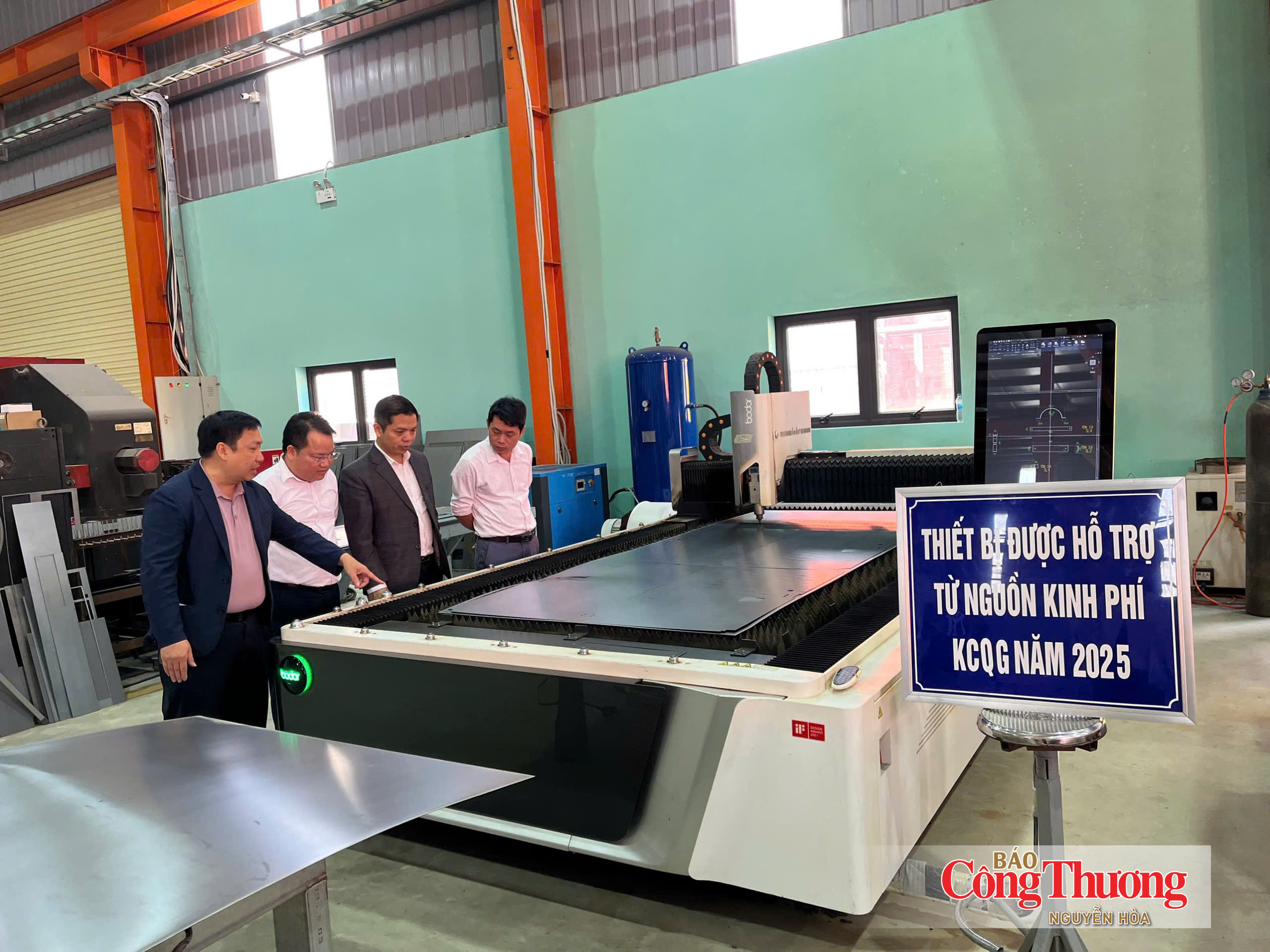
Technology innovation, resource and energy efficiency, and emissions reduction are becoming key priorities in many local industrial extension programs. From machinery support to the development of cleaner production models, industrial extension policies are helping bring sustainable production and consumption goals closer to rural industrial establishments.
The Grand Ho Tram has been named “Best Integrated Resort” at the 35th TTG Travel Awards 2026, marking its second consecutive win at the Asia-Pacific travel and hospitality awards.
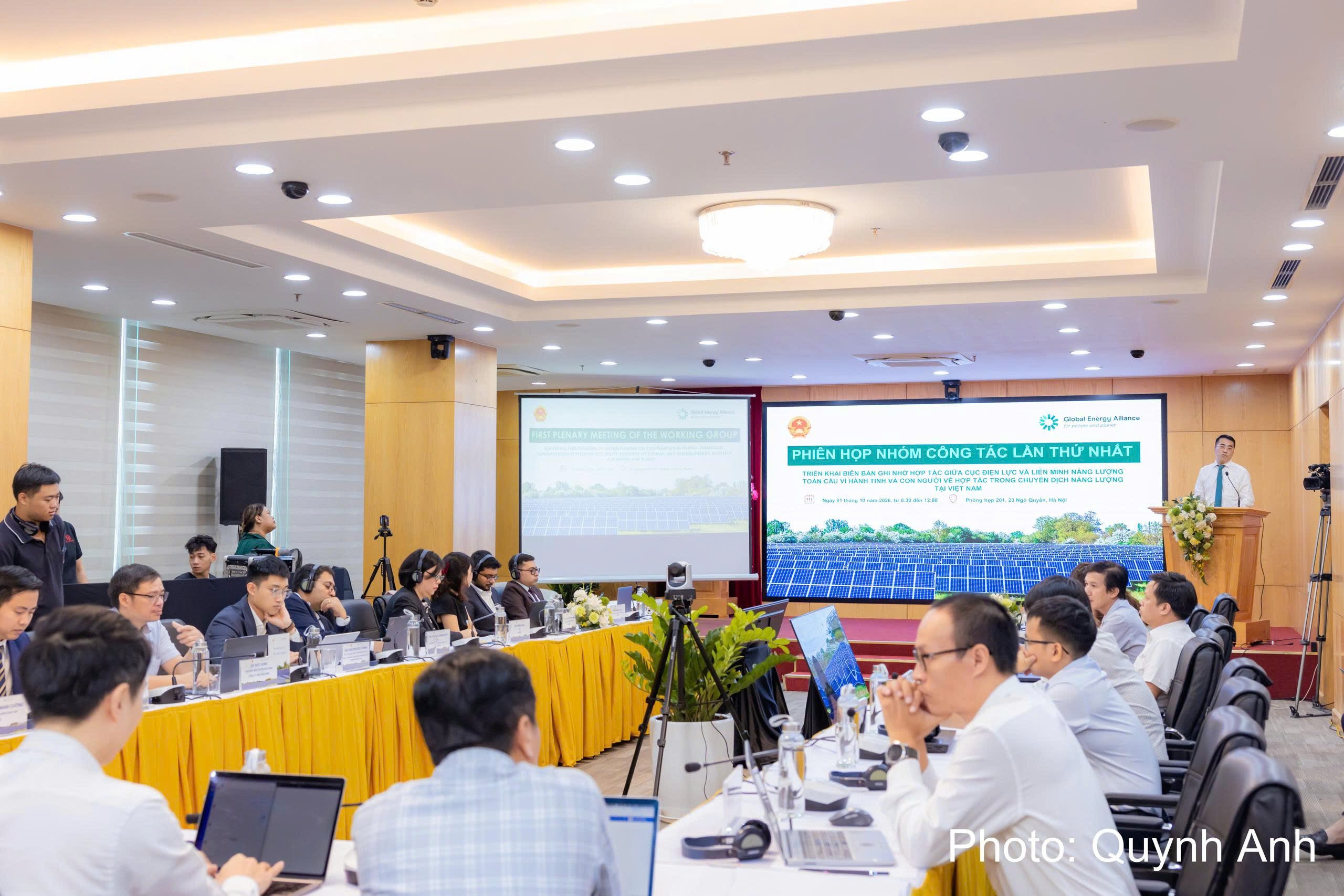
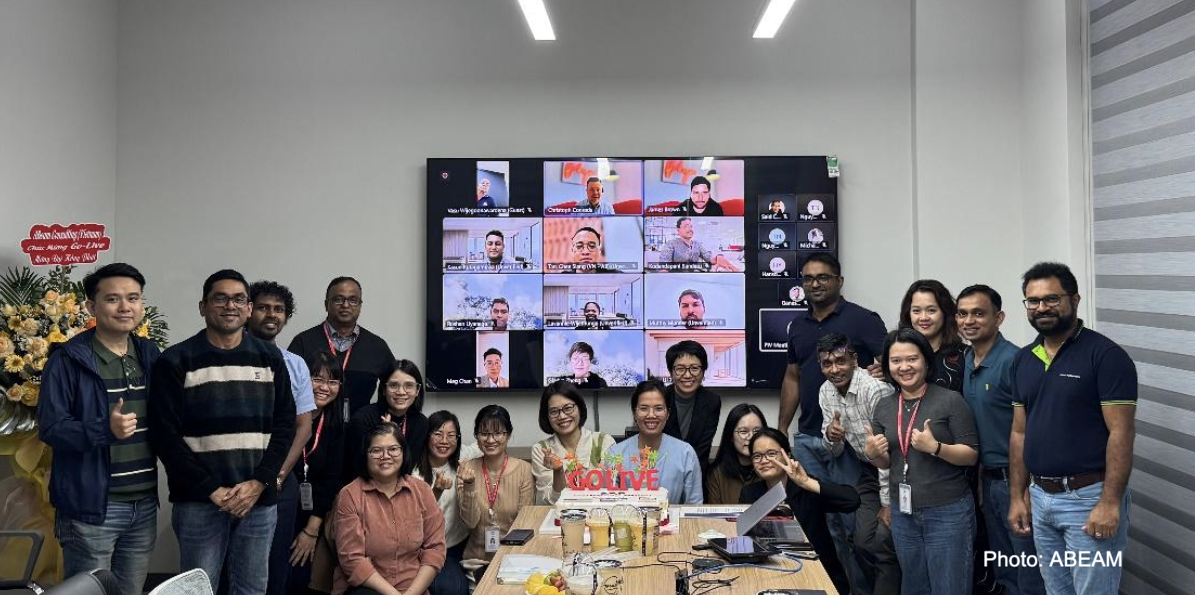
New cooperation initiatives on grid digitalization, battery energy storage systems (BESS), technical capacity building and applications at power utilities are helping lay the groundwork for modernizing Viet Nam’s power system while strengthening knowledge sharing across Southeast Asia.
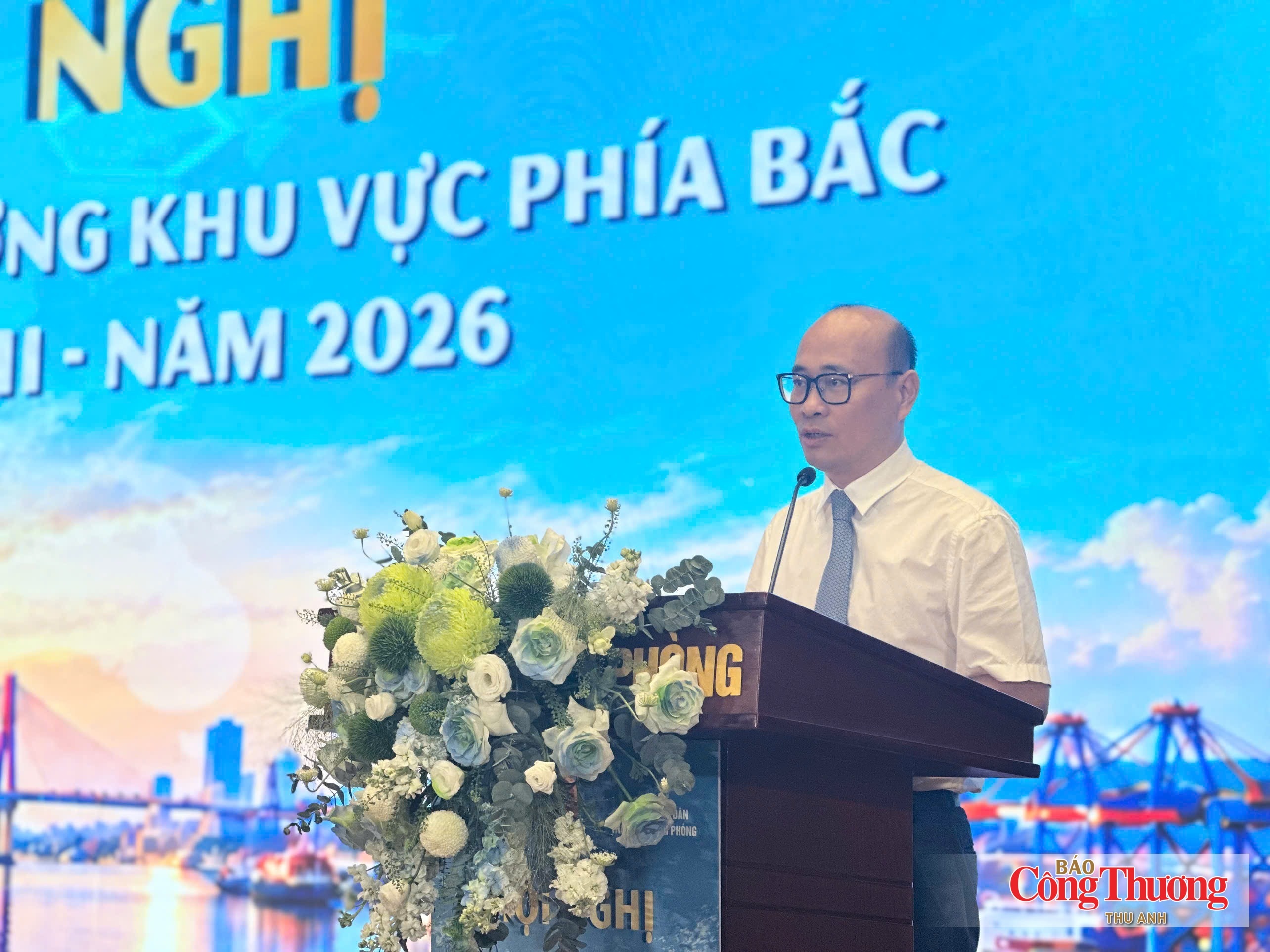
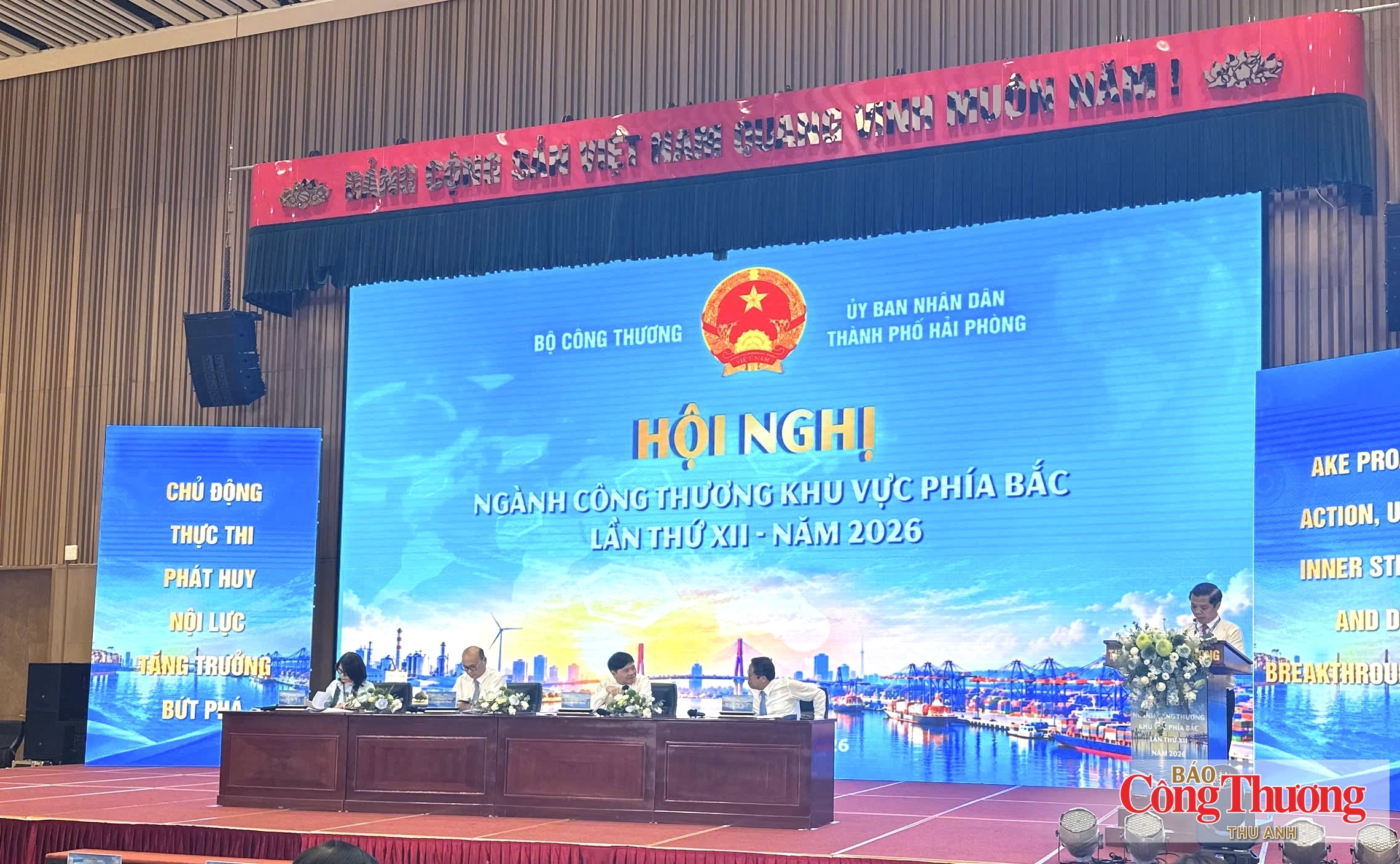
Northern localities are strengthening links in supporting industries, energy and logistics to build competitive value chains and create new growth drivers.
As Vietnam attracts growing manufacturing investment, companies are placing greater emphasis on operational readiness to ensure new factories can begin production efficiently.