The Prime Minister urges state-owned enterprises to target at least 10% growth in 2026, accelerate key projects and strengthen their role in driving economic growth.
The Prime Minister has just signed Dispatch No. 06/CĐ-TTg, dated January 24, 2026, calling for intensified implementation of key tasks and solutions to achieve the economic growth target for 2026. A notable requirement is that economic groups and state-owned corporations must fully play their role as growth engines, strengthen governance capacity, improve production and business efficiency, strive for output or revenue growth of at least 10% in 2026, accelerate the progress of assigned key infrastructure projects, and continue proposing new investment projects.
State-owned enterprises must assert their leading role
With the Prime Minister’s requirement for economic groups to achieve output or revenue growth of 10% or more under Dispatch No. 06/CĐ-TTg, this can be considered a demanding yet feasible target as the economy enters a new growth cycle.
This is also a mission placed squarely on the shoulders of state-owned enterprises (SOEs), and the time has come for this sector to demonstrate clearly and substantively its leading role.
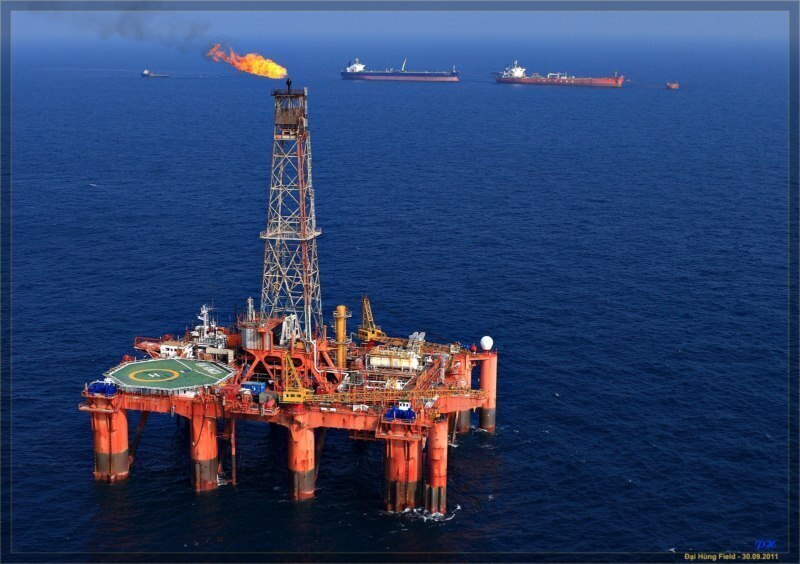
Petrovietnam is a state-owned enterprise playing a pillar role in the national economy, pioneering the oil and energy sector, with a mission to ensure energy security, make substantial contributions to socio-economic development, and safeguard national sovereignty.
Resolution No. 70-NQ/TW on national energy security to 2030, with a vision to 2045, provides an important institutional foundation for state-owned enterprises to expand. Photo: Hiền Mai
According to Associate Professor Dr. Nguyễn Bá Minh, former Director of the Institute of Economics and Finance under the Academy of Finance, state-owned enterprises are currently present in key sectors of the economy. These include Petrovietnam, EVN, TKV, Viettel, ACV, Petrolimex, the Vietnam Rubber Group, and Vietnam Airlines.
These are sectors of critical importance, forming the backbone of the entire economy. Investment decisions by these major groups and corporations have direct spillover effects on other economic sectors as well as on the overall growth structure. Therefore, achieving growth of over 10% by large economic groups carries two major implications.
First, it directly contributes to the double-digit growth target of the entire economy set by the Party and the State.
Second, growth in the state-owned enterprise sector will have direct and indirect impacts on the private sector, creating a leading and synergistic effect toward the common growth goal. The leading role of state-owned enterprises is also clearly stated in Resolution No. 79-NQ/TW of the Politburo, issued on January 6, 2026, on the development of the state-owned economy. Under this resolution, by 2030 Vietnam aims to have 50 state-owned enterprises among the 500 largest companies in Southeast Asia and 1-3 enterprises among the world’s top 500. It also seeks to build a number of strong, large-scale state-owned economic groups with modern technology and regional and international competitiveness, capable of spearheading domestic enterprises’ deeper participation in global production and supply chains, particularly in strategic and key sectors of the economy.
Solid foundations for implementation
According to Asso. Prof., Dr. Nguyễn Bá Minh, the requirement for double-digit growth by state-owned enterprises in 2026 and the following years is well grounded.
First, in terms of institutions, Resolution No. 79 provides a strategic framework that opens up new development space for the state-owned enterprise sector. It addresses several bottlenecks, with three core aspects in particular.
One is the financial mechanism: allowing full use of proceeds from equitization and increasing the proportion of retained earnings marks a breakthrough, removing the “ask-give” mechanism for capital and strengthening SOEs’ financial capacity. Second, capital commitments for key projects help remove concerns over funding shortages when implementing strategic projects with high risks or long payback periods. Third, reforms in wages and governance enhance SOEs’ competitiveness in the labor market while creating direct incentives for executive management.
In addition to Resolution No. 79, a series of other resolutions such as Resolution No. 57-NQ/TW on breakthroughs in science, technology, innovation and national digital transformation; Resolution No. 59-NQ/TW on international integration in the new context; Resolution No. 66-NQ/TW on reforming lawmaking and law enforcement; and Resolution No. 70-NQ/TW on ensuring national energy security to 2030 with a vision to 2045 also provide important institutional foundations for SOEs to expand and grow.
Second, entering 2026, Vietnam’s macroeconomic landscape is no longer confined to a “defensive” posture against external shocks, but is shifting toward a proactive, growth-creating stance. With GDP growth of 8.02% in 2025, along with trade surpluses and positive growth in industrial production, consumption and retail sales, the economy has a solid foundation for pursuing double-digit growth in 2026.
Regarding inflation, with the 2026 CPI forecast to hover around 4% below the target set by the National Assembly this is considered an ideal inflation level to stimulate production without eroding consumers’ purchasing power. “I believe that inflation in 2026 will remain at this level and is not a major concern,” Minh noted.
As for the exchange rate, pressures from the US dollar are expected to ease as the US Federal Reserve moves toward monetary easing, giving the Vietnamese dong an opportunity to establish a new equilibrium. Rather than relying on administrative interventions, exchange rate stability will stem from internal strengths, including sustained trade surpluses and high-quality foreign direct investment flowing into core technology sectors.
Inflation and exchange rates under control will create room for flexible fiscal and monetary policy management in support of growth.
Accelerating public investment, traditionally a key growth driver, will also provide growth momentum for state-owned enterprises, as their products serve as essential inputs for many public investment activities.
Overall, Minh stressed that requiring state-owned enterprises to achieve double-digit growth in 2026 is decisive for meeting the overall growth target of the economy. State-owned groups and corporations need to focus on governance, reduce operating costs, and accelerate project implementation to ensure early realization of investment efficiency. With multiple opportunities converging, this is more than ever the time for state-owned enterprises to assert their position in the country’s development process.
Dispatch No. 06/CĐ-TTg was issued immediately after the successful conclusion of the 14th National Party Congress, underscoring the Government’s determination to take swift and decisive action from the very beginning of the new term, leaving “no day wasted, no week delayed.”
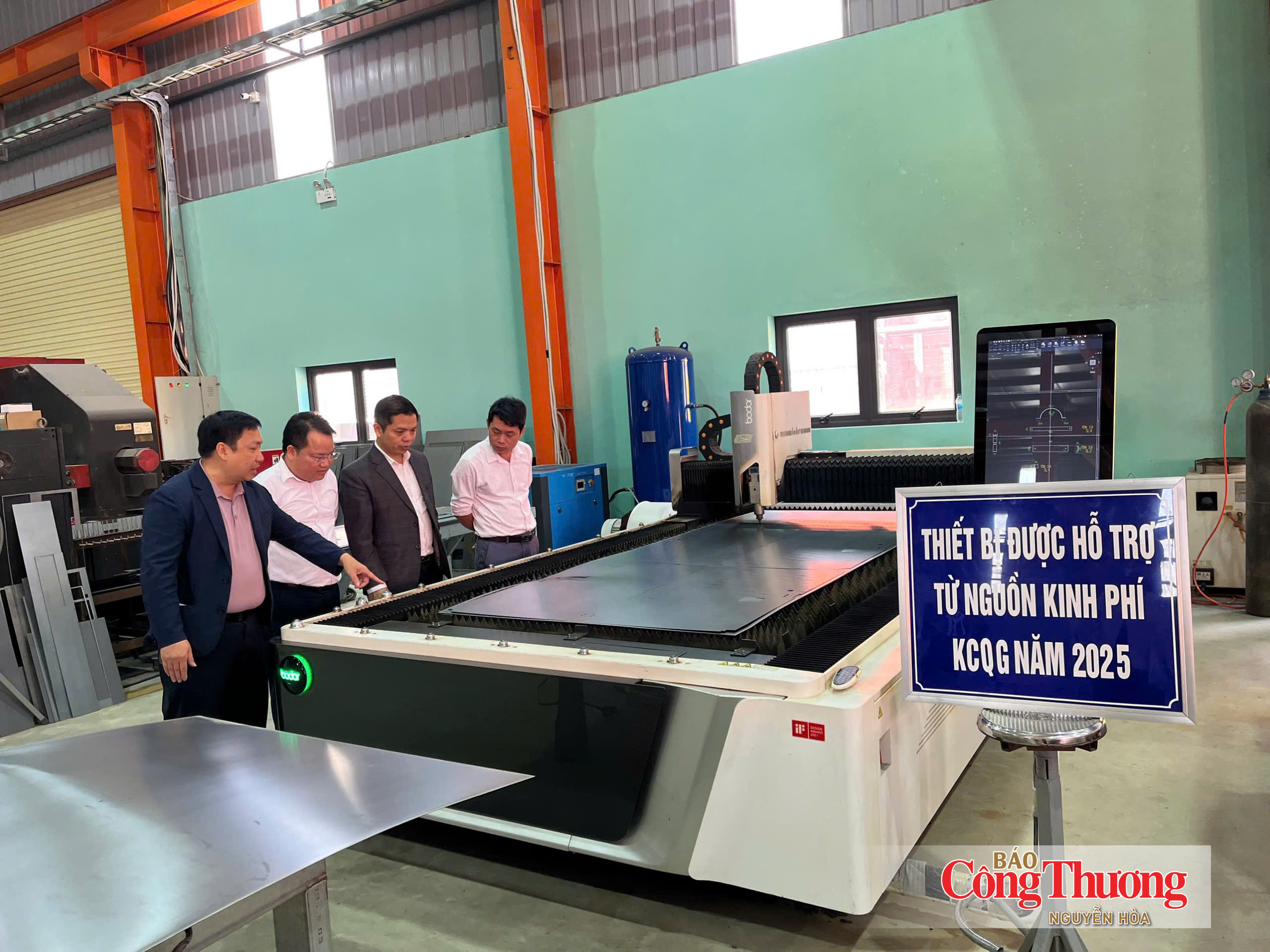
Technology innovation, resource and energy efficiency, and emissions reduction are becoming key priorities in many local industrial extension programs. From machinery support to the development of cleaner production models, industrial extension policies are helping bring sustainable production and consumption goals closer to rural industrial establishments.
The Grand Ho Tram has been named “Best Integrated Resort” at the 35th TTG Travel Awards 2026, marking its second consecutive win at the Asia-Pacific travel and hospitality awards.
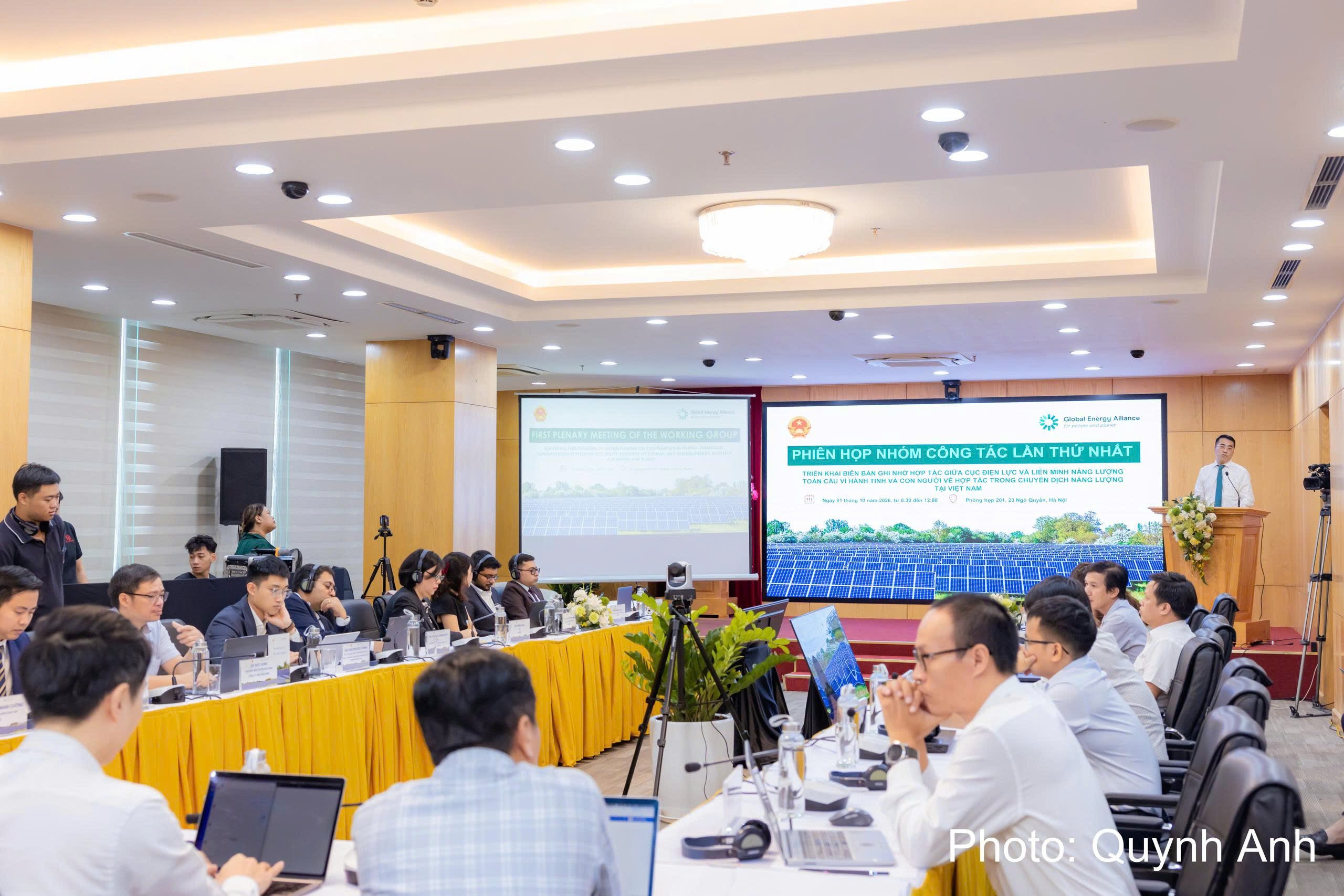
New cooperation initiatives on grid digitalization, battery energy storage systems (BESS), technical capacity building and applications at power utilities are helping lay the groundwork for modernizing Viet Nam’s power system while strengthening knowledge sharing across Southeast Asia.
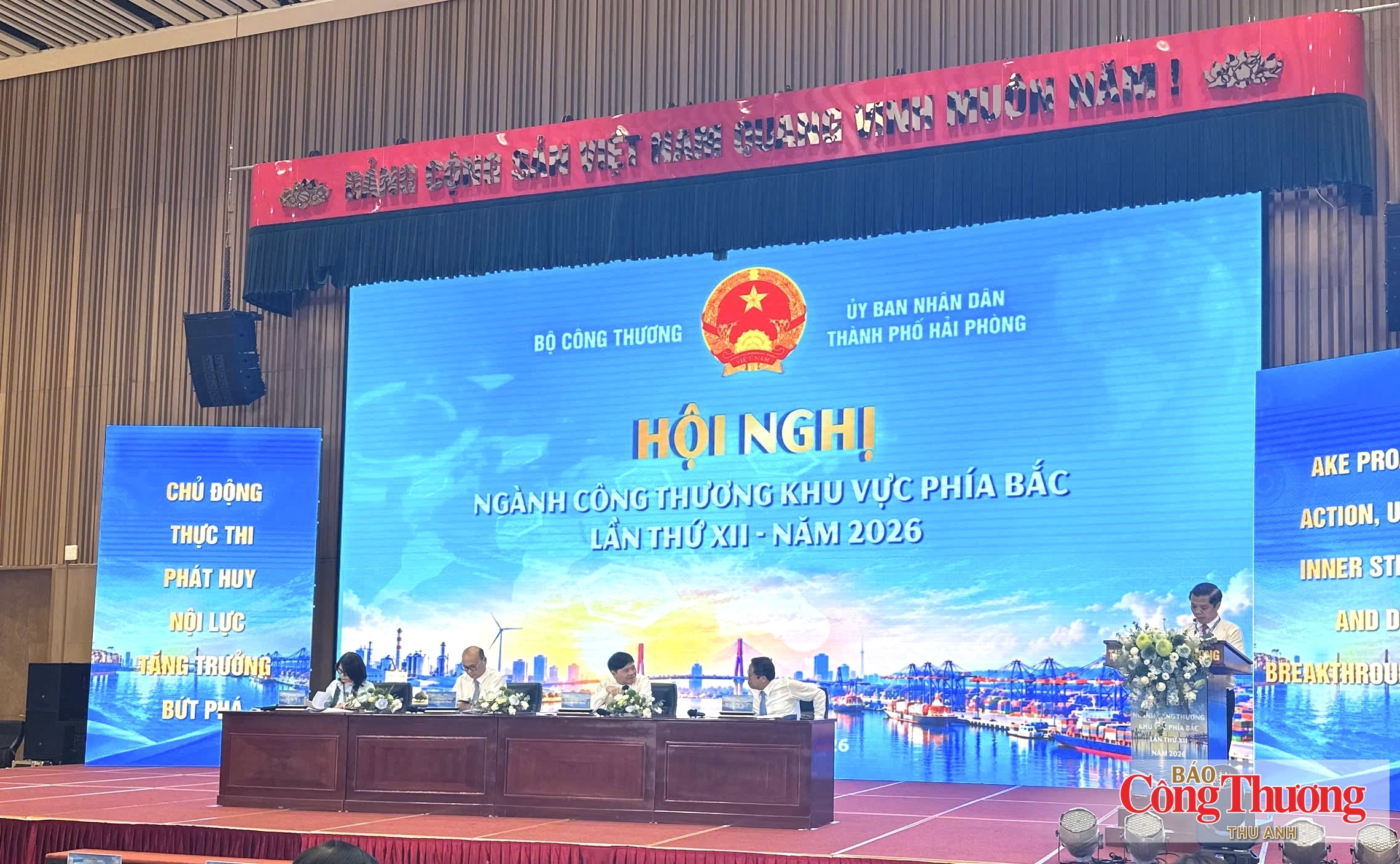
Northern localities are strengthening links in supporting industries, energy and logistics to build competitive value chains and create new growth drivers.
As Vietnam attracts growing manufacturing investment, companies are placing greater emphasis on operational readiness to ensure new factories can begin production efficiently.