As global industry undergoes deep restructuring, high technology remains a growth driver now increasingly framed by social, environmental and human responsibility.
Global industry is entering a phase of profound restructuring. High technology continues to serve as a key growth engine, yet what defines this decade is the way technology is increasingly embedded within a framework of social, environmental and human responsibility.
Redefining industrial development
Throughout the 20th century, industrial development was closely associated with the concept of “heavy industrialization,” where productivity, scale and profit were regarded as supreme benchmarks. This model delivered rapid growth, but also left long-term consequences, including environmental pollution, social inequality, resource depletion and heavy reliance on fossil fuels.
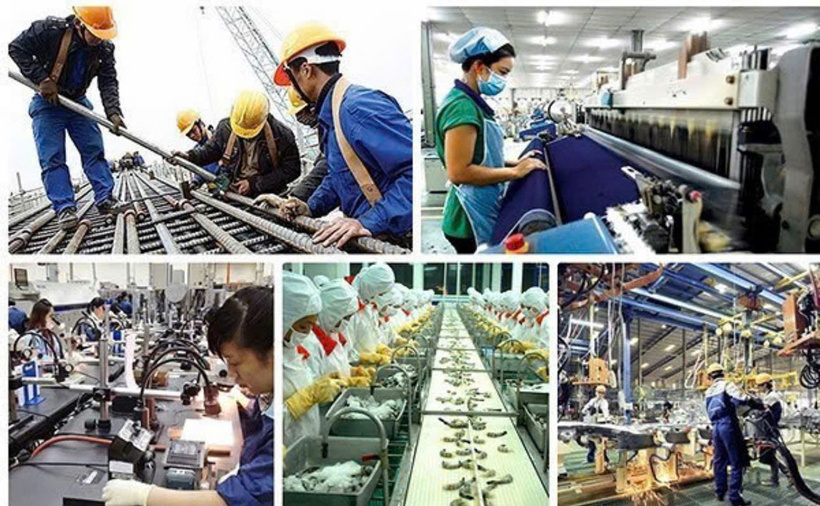
New dynamics are shaping the future of global industry. Photo for illustration
However, following the Covid-19 pandemic and a series of global shocks, thinking on industrial development has undergone a fundamental shift. Many countries and corporations have come to realize that an industry focused solely on short-term economic efficiency struggles to withstand systemic risks such as climate change, geopolitical tensions or energy crises.
Speaking to Newspaper of Industry and Trade, Dr. Le Thai Ha, Executive Director of the VinFuture Foundation a global science and technology award fund and the For a Green Future Fund under Vingroup, noted that according to the UNIDO Industrial Development Report 2024, many G20 countries have incorporated the concepts of “green industry” or “circular industry” into their national strategies.
“We are witnessing the emergence of a new model Industry 5.0, also referred to as a human-centric and sustainable industry where technology is used not only for automation, but to enhance resilience, reduce emissions and create shared value for society,” Dr. Le Thai Ha said.
Industry 5.0 a human-centric industrial model differs from Industry 4.0, which emphasizes automation and digitalization. Industry 5.0 raises a fundamental question: whom does technology serve, and for what purpose? In this model, high technology is not merely aimed at replacing labor or cutting costs, but at improving the adaptability of production systems, reducing emissions and generating long-term social value.
Social responsibility, therefore, is no longer a peripheral or image-driven activity. It has become an integral component of industrial competitiveness. Issues such as supply-chain transparency, labor conditions, human rights and environmental impact are now embedded directly into the development strategies of enterprises and nations, rather than confined to symbolic corporate social responsibility reports.
High technology driving transformation
Looking at global investment trends, it is evident that high technology stands at the core of the new wave of industrial transformation. According to the International Energy Agency’s World Energy Investment Report 2024, global investment in clean energy reached approximately USD 2 trillion twice the level of investment in fossil fuels. This shift reflects not only capital reallocation, but also long-term strategic changes across economies.
Sectors such as energy storage batteries, green hydrogen, advanced materials, recycling, and carbon capture, utilization and storage (CCUS) are becoming strategic pillars of the new industrial ecosystem. Beyond reducing emissions, these sectors are creating entirely new industries and value chains, opening up opportunities for high-quality jobs and greater industrial autonomy.
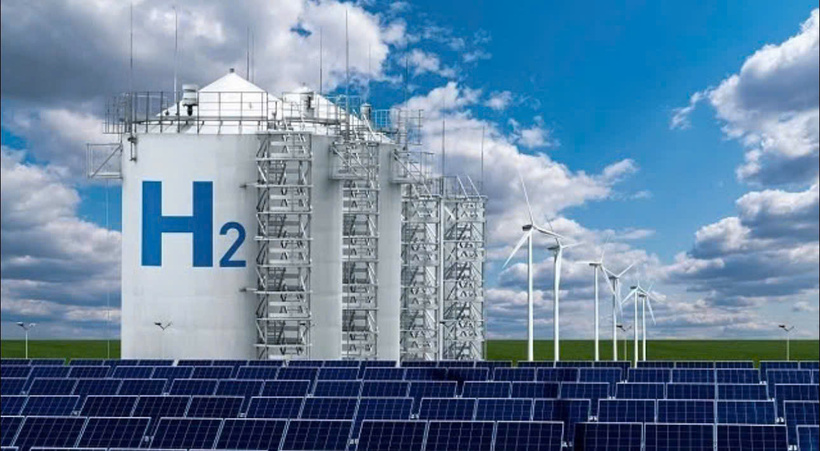
Green hydrogen is among the strategic components of the new industrial ecosystem. Photo for illustration
At the same time, leading global industrial corporations are making significant adjustments to their development strategies. Companies such as Siemens, Toyota and Schneider Electric exemplify the transition from performance optimization to growth aligned with social and environmental objectives. Commitments to Net Zero, enhanced supply-chain transparency and improved labor equity within ESG frameworks are no longer optional, but essential for maintaining competitiveness in global markets.
Dr. Le Thai Ha emphasized that social responsibility is no longer an auxiliary aspect of industry, but a prerequisite for its long-term viability. “For a manufacturing enterprise or an industrial economy to develop sustainably, competitiveness can no longer be measured solely by productivity or cost, but also by ethical compliance, environmental commitments and positive impacts on people,” she said.
This shift also places new demands on developing countries. Deeper participation in global value chains is no longer just about attracting capital or technology, but about meeting increasingly stringent standards on environmental protection, labor and governance. While high technology can help narrow development gaps, without an appropriate framework of social responsibility, long-term benefits will remain elusive.
Overall, current global industrial trends signal a change in “quality,” not merely in “quantity.” High technology enables industry to operate faster, smarter and more efficiently. Yet only when technology is aligned with social responsibility can industry progress further, endure longer and truly contribute to human development.
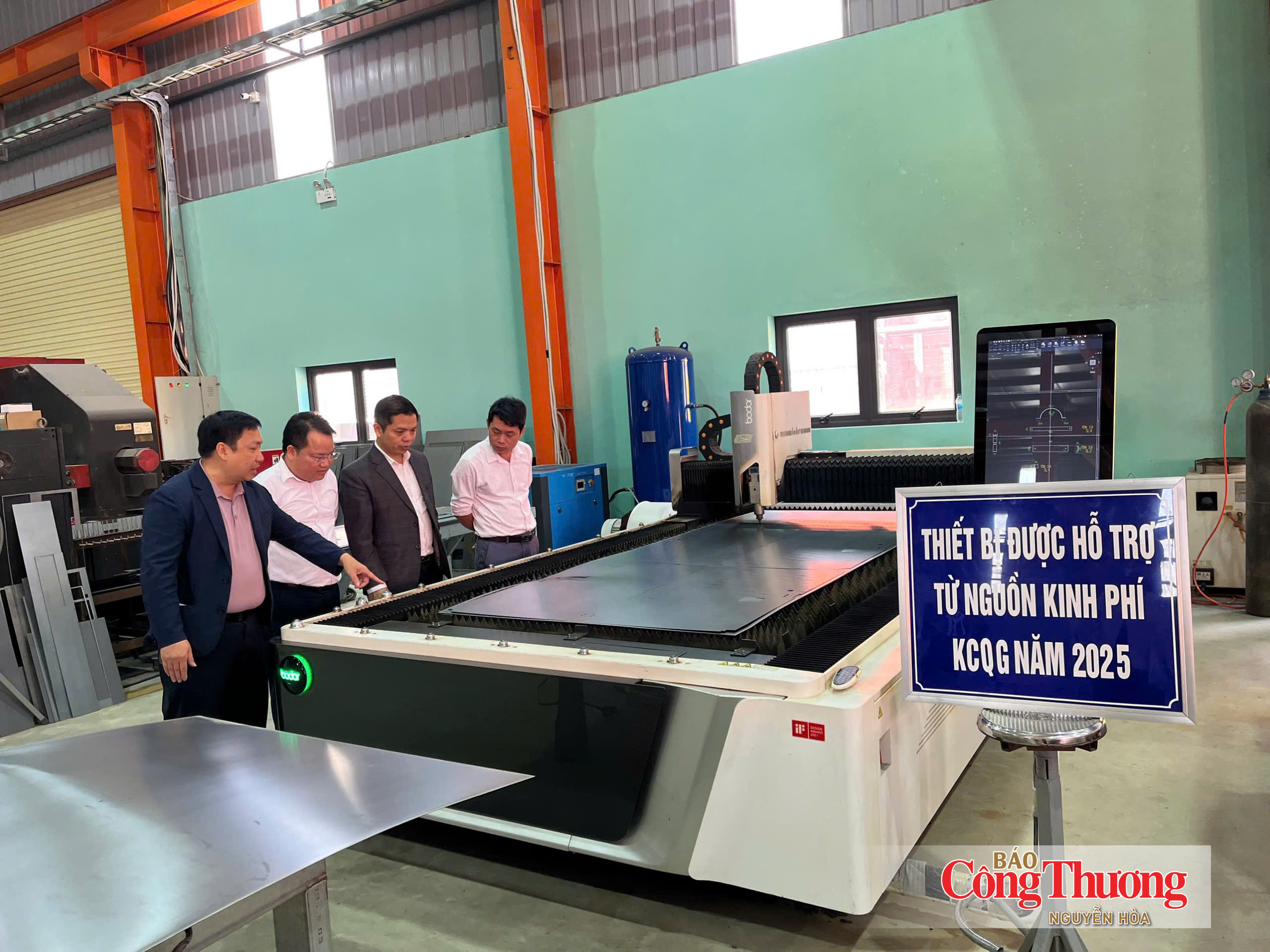
Technology innovation, resource and energy efficiency, and emissions reduction are becoming key priorities in many local industrial extension programs. From machinery support to the development of cleaner production models, industrial extension policies are helping bring sustainable production and consumption goals closer to rural industrial establishments.
The Grand Ho Tram has been named “Best Integrated Resort” at the 35th TTG Travel Awards 2026, marking its second consecutive win at the Asia-Pacific travel and hospitality awards.
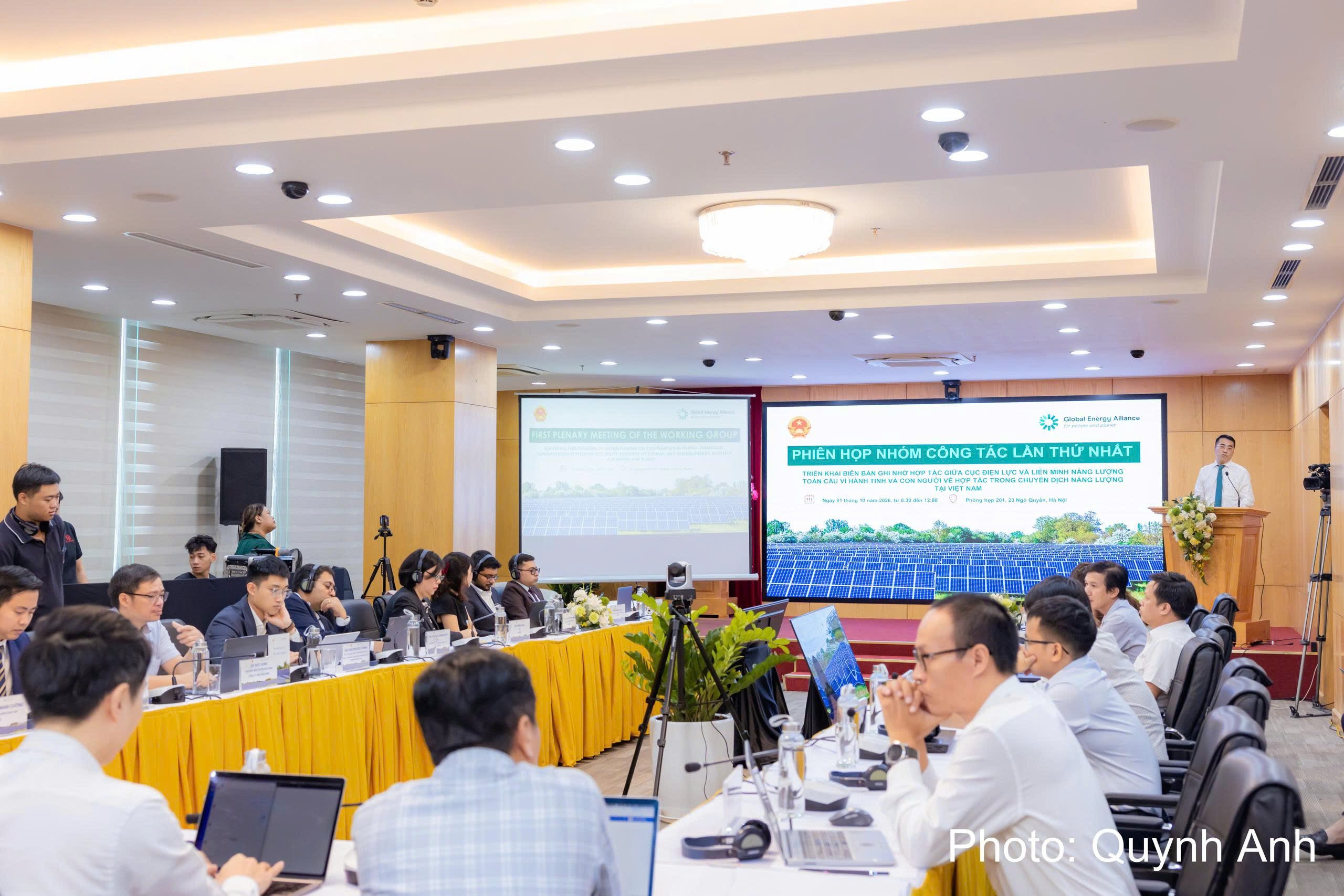
New cooperation initiatives on grid digitalization, battery energy storage systems (BESS), technical capacity building and applications at power utilities are helping lay the groundwork for modernizing Viet Nam’s power system while strengthening knowledge sharing across Southeast Asia.
Northern localities are strengthening links in supporting industries, energy and logistics to build competitive value chains and create new growth drivers.
As Vietnam attracts growing manufacturing investment, companies are placing greater emphasis on operational readiness to ensure new factories can begin production efficiently.